 English
  العربية
  日本語
日本語  한국어
한국어  Tiếng Việt
  ไทย
ไทย  Bahasa Melayu
  فارسی
فارسی  Bahasa Indonesia
  ဗမာစာ
ဗမာစာ  简体中文
简体中文  香港中文
香港中文  繁體中文
繁體中文  Русский
  Deutsch
  Nederlands
  Italiano
  Français
  Español
  Português
  Afrikaans
  Azərbaycan dili
  Български
  ਪੰਜਾਬੀ
  हिन्दी
  اردو
اردو  বাংলা
বাংলা  Հայերեն
  Íslenska
  Қазақ тілі
  नेपाली
  Српски језик
  Kiswahili
  తెలుగు
  Basa Jawa
  தமிழ்
தமிழ்  मराठी
मराठी European vs Chinese Installers – What Each Market Really Demands from an Energy Storage Product
Two markets · One LFP cell platform
One cell · Two lanesEuropean installer
- Topology48V LV · 5–20 kWh wall stacks
- ComplianceIEC 62619 · VDE 2510-50 · EN 50549
- TriggerProof of compliance + training
Chinese installer
- TopologyHV stacks · 215 kWh C&I cabinets
- ComplianceGB/T 36276 · GB/T 34131 · CQC
- TriggerPrice per kWh + delivery speed
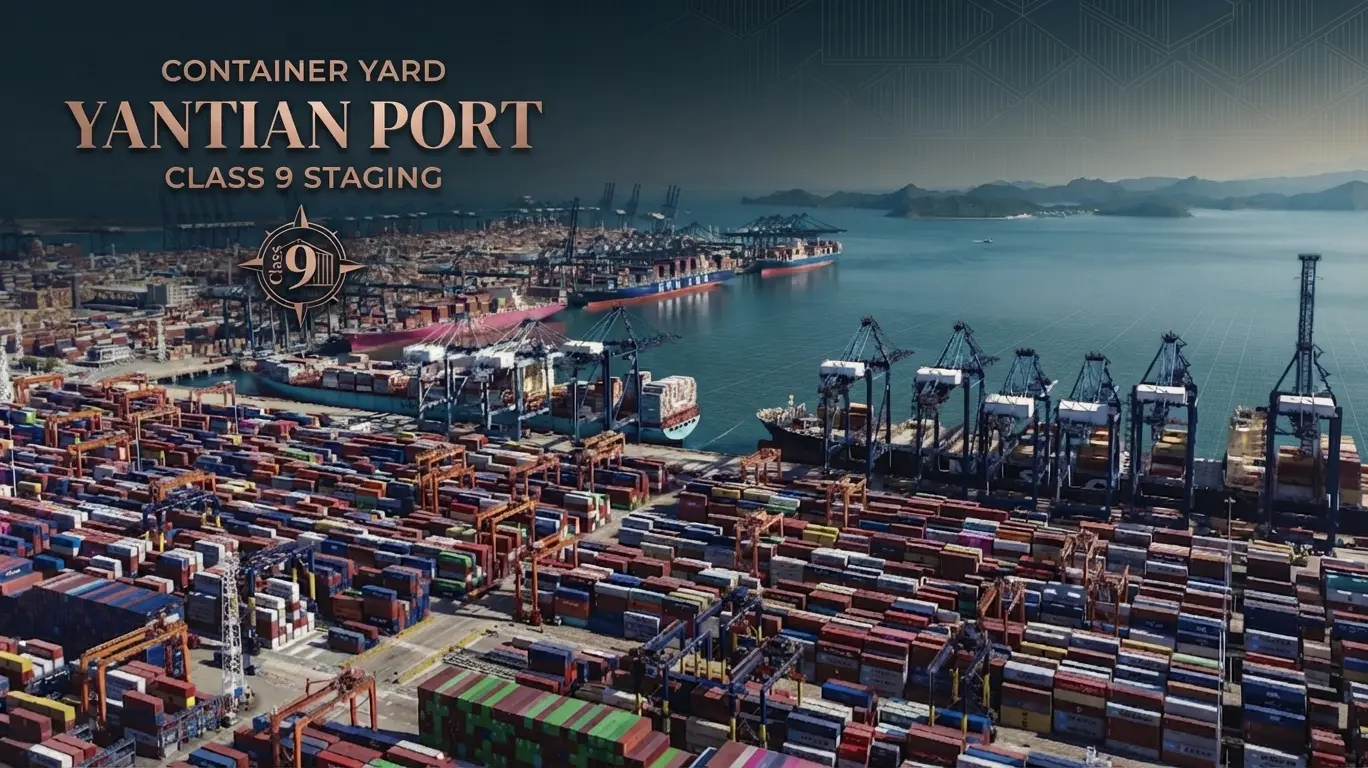
A distributor in North Rhine-Westphalia sent back a full container of batteries last winter. The same 5 kWh LFP wall battery that a Shenzhen wholesaler had moved in three weeks sat in a German warehouse for four months, waiting for documents. The cells were fine. The enclosure was fine. What the German installer couldn’t find was a VDE 2510-50 test report, a German-language manual, and a Modbus TCP register map his EMS could read.
That stalled container is the entire story of this article. European installers and Chinese installers buy the same LFP chemistry, but they are paid to care about opposite things. A European installer sells compliance, documentation, and a clean 10-year service story. A Chinese installer sells installed kilowatt-hours, delivery speed, and margin. Neither is wrong; they’re just optimised for different jobs.
By the end of this piece you’ll know exactly where the two requirements diverge – certificates, voltage architecture, protocols, documentation, support habits – and where they don’t. That lets you plan one product platform that clears both bars instead of running two disconnected SKUs.
Where the Two Installers Diverge – Voltage, Topology, and Certificates
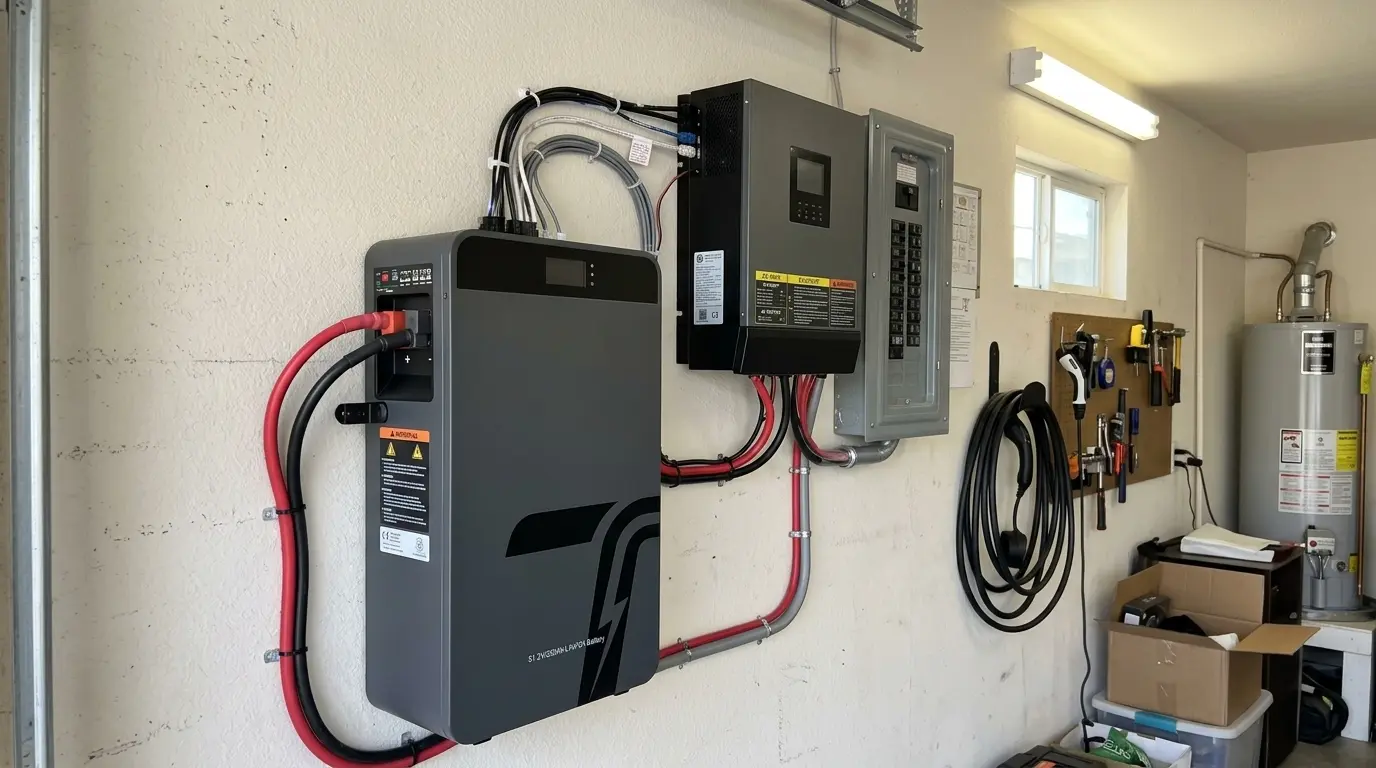
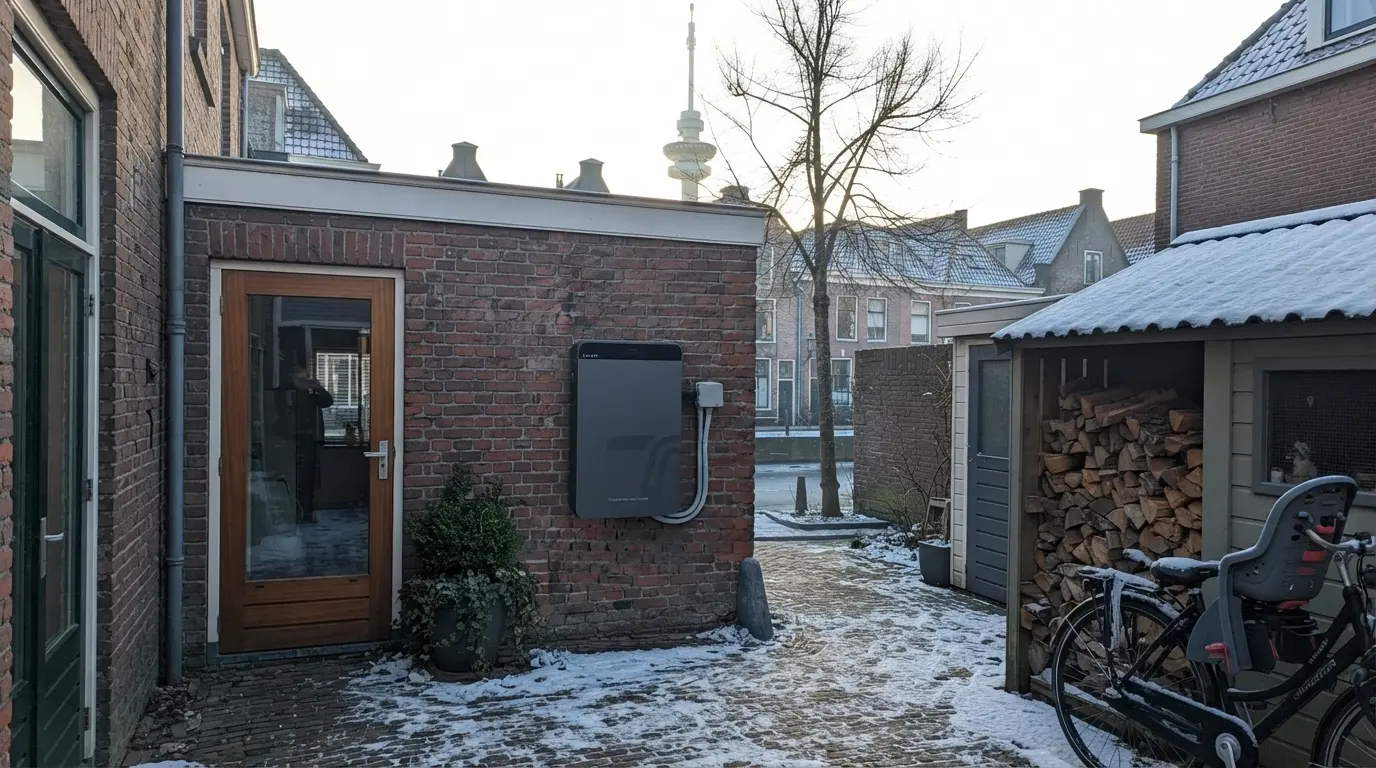
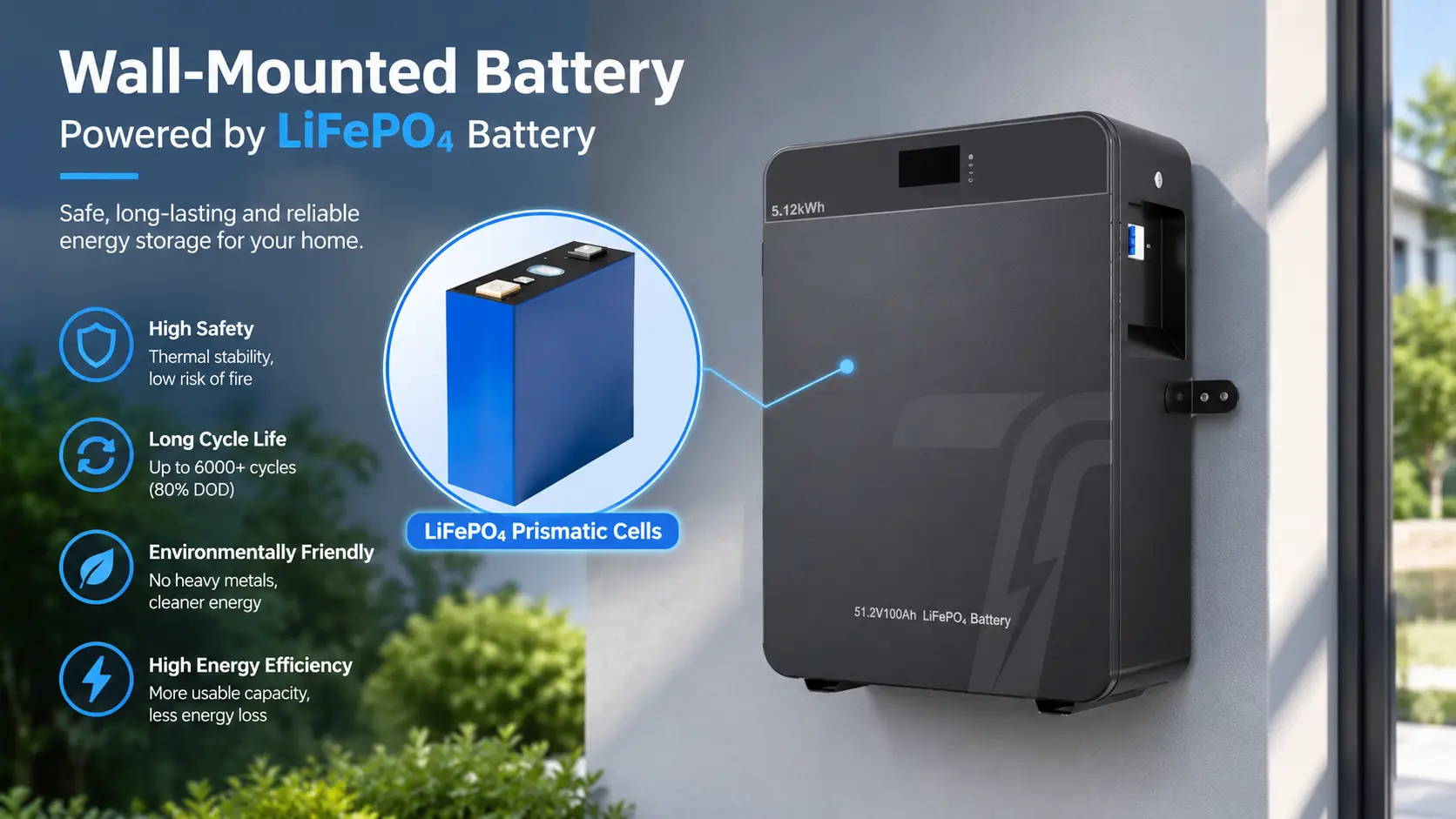
European installers work mostly in occupied homes. That one fact drives their spec sheet. Wall-mounted 48V low-voltage stacks from 5 to 20 kWh dominate because they parallel without heavy PPE requirements and because a two-person crew can carry a 50 kg module up three flights of stairs. Most jobs tie into an existing hybrid inverter, so the battery must speak the inverter’s language and follow the grid code: EN 50549 ride-through across 47.5–51.5 Hz, export limitation, and frequency response curves the local DNO accepts. On the battery side, a German installer expects IEC 62619 for the cells and modules, VDE 2510-50 for the complete home storage system, and PAS 63100 fire guidance in the UK. An IP65 enclosure matters because the garage is unheated and sometimes damp.
Chinese installers work at commercial scale. The workhorse there isn’t a wall battery; it’s the 215 kWh liquid-cooled cabinet with a 100 kW PCS, built on 280 Ah LFP cells. A single site order runs to five or ten cabinets, so the installer quotes in installed kilowatt-hours and days on site, and a cabinet that can be set and commissioned in one day wins. Certificates follow Chinese standards: GB/T 36276 for cells and modules, GB/T 34131 for the BMS, plus CQC for the complete system. Nobody asks for an IP65 story on a battery room floor; they ask how many cycles the pack survives at the site’s ambient temperature.
The cells underneath are identical chemistry. LFP charges from 0 to 45°C, discharges from −20 to 55°C, and a well-built pack delivers 6000 cycles at 0.5C and 25°C before hitting 80% state of health. But the same cell, bolted into the same enclosure, faces two different acceptance tests. A Nordic installer will reject any SKU without self-heating, because the BMS will lock out charging below 0°C for months at a time. A Guangzhou installer will never ask for the heater and won’t pay for it.
The OEM/ODM Edge – One Cell Platform, Two Certification Lanes
Here’s what the divergence actually means for an OEM/ODM: the differentiation isn’t in the chemistry, it’s in everything bolted around the cells. A tier-1 manufacturer runs one cell platform and two certification lanes, and that’s precisely the arrangement that lets one factory serve both markets at a sensible MOQ.
The BMS is the same hardware core in both lanes, but the firmware splits. European firmware ships with Modbus TCP and a documented SunSpec mapping so the battery registers into SolarEdge, Victron, or a third-party EMS without an integrator on site. Chinese integrators typically want CAN 2.0B or RS485 with their own protocol tables, because they’re building the EMS themselves and value raw access over open standards. Shipping both profiles from one BMS costs one flash file, not a redesign.
Certificates run in parallel rather than in sequence. The European lane carries IEC 62619, EN 50549 grid-code evidence, and VDE 2510-50 where Germany is the target; the Chinese lane carries GB/T 36276, GB/T 34131, and CQC. UN38.3 transport reports and MSDS documents are common to both, so do them once. A good ODM partner also handles the label and language split: German, Dutch, and Polish manuals for the European lane; simplified Chinese datasheets for domestic distributors.
- IEC 62619
- EN 50549
- VDE 2510-50
- Modbus TCP
- SunSpec
- DE · NL · PL manuals
- GB/T 36276
- GB/T 34131
- CQC
- CAN 2.0B
- RS485
- 简中 datasheets
The customization that matters most is honest, mechanical work. Connector variants per market, enclosure colours per brand owner, a cold-climate SKU with a self-heating pad drawing from the PV string before any current touches the cells. None of this demands a new chemistry. With a serious ODM you get branded samples in roughly 30 days at a 50-unit MOQ per variant, and the certification bodies run both lanes off one cell lot.
Decision Matrix – Requirements Compared Side by Side
Seven requirements, two acceptance bars, and one platform implication per row. This is the sheet to pin up before you spec a single SKU.
| Requirement | European installer | Chinese installer | Platform implication |
|---|---|---|---|
| Certificates | VDE 2510-50, IEC 62619, EN 50549, PAS 63100 (UK) | GB/T 36276, GB/T 34131, CQC | Two certification lanes, one shared cell lot |
| Voltage architecture | 48V LV wall stacks, 5–20 kWh, 0.5C | HV stacks and 215 kWh liquid-cooled C&I cabinets, 100 kW PCS | One BMS core, two power topologies |
| Communication | Modbus TCP, SunSpec mapping, open EMS APIs | CAN 2.0B, RS485, proprietary tables | Per-market firmware profiles |
| Documentation | Local-language manual, declaration of conformity, full datasheet before quote | One-page wiring guide, answers in WeChat within minutes | Dual doc pack prepared at ODM level |
| Mounting and form factor | Wall bracket for masonry, IP65, modules under 50 kg for two-person handling | Floor racks, palletised delivery, weight-tolerant | Two mechanical kits from one enclosure |
| Warranty and service | 10 years or 6000 cycles at 80% retention, local service partner | 5–8 years, fast replacement through the distributor | Same cells, different commercial terms |
| Buying trigger | Proof of compliance plus installer training | Price per installed kWh plus delivery speed | Two go-to-market decks |
Four Pitfalls When One Product Tries to Serve Both Markets
01Treating a CE mark as a passport to China – or the reverse.An IEC 62619 report doesn’t shorten GB/T 36276 testing, and a CQC certificate doesn’t move a German installer. Each market’s installer checks the local certificate numbers before opening the first box. Run both lanes from day one, or accept that one market stays closed for six to nine months while the lab catches up.
02Shipping a cold-climate SKU without self-heating.LFP can’t charge below 0°C without damage, and a correctly programmed BMS will lock out charging rather than kill the cells. A January delivery to Finland or the Alps then becomes a winter of zero solar capture and an angry return. Either build the heated variant or state the derating honestly on page one of the datasheet.
03Assuming documentation is a nice-to-have.A German installer won’t quote a product that lacks a local-language manual, a wiring diagram, and a declaration of conformity. A Chinese installer won’t wait for any of that – they want a one-page guide and an answer in the WeChat group within minutes. The OEM that ships English-only PDFs and no chat support fails both, for opposite reasons.
04Designing one mounting system for two worlds.European homes want wall brackets with cable entry that survives masonry drilling and outdoor exposure; Chinese commercial sites want floor racks and palletised delivery. And the most common field-trial killer sits in software: a Modbus TCP battery landing on a site whose EMS only reads CAN. Confirm the protocol at quoting time, not at commissioning.

FAQ – Questions Distributors Ask Before Placing an Order
Yes, if the cells are common and the BMS firmware, enclosure kit, and certificates split per market. Don’t design two chemistries. Design two certification lanes around one cell platform, and keep the variants mechanical and firmware-level.
Germany: IEC 62619 for the battery system, VDE 2510-50 for home storage, and EN 50549 grid-code evidence for the inverter pairing. China: GB/T 36276 for cells and modules, GB/T 34131 for the BMS, and CQC for the complete system. UN38.3 and MSDS apply to both and should be prepared once.
For Nordic, alpine, and Baltic regions, yes. Below 0°C the BMS blocks charging to protect the cells, and a passive pack effectively stops storing solar for months. Spec a heating pad that draws from the PV input before charging resumes, or market the cold-climate SKU only where winters are mild.
European installers expect a 10-year or 6000-cycle warranty at 80% capacity retention, backed by a local service partner. Chinese commercial buyers accept 5–8 years with a performance guarantee and faster replacement logistics through the distributor. The cells are the same; the commercial wrapper is not.
Conclusion and a Specific Next Step
European installers and Chinese installers don’t actually want different batteries. They want the same LFP cells wrapped in different proof, different protocols, and different paperwork – compliance and serviceability on one side, installed capacity and speed on the other. The factory that wins both markets doesn’t run two product lines; it runs one cell platform with two certification lanes and per-market firmware.
Send us your current BOM, your target markets, and one typical daily load profile from each. We’ll return a gap analysis against the certificates, protocols, and documentation each market checks, plus a dual-market launch plan, within 24 hours.