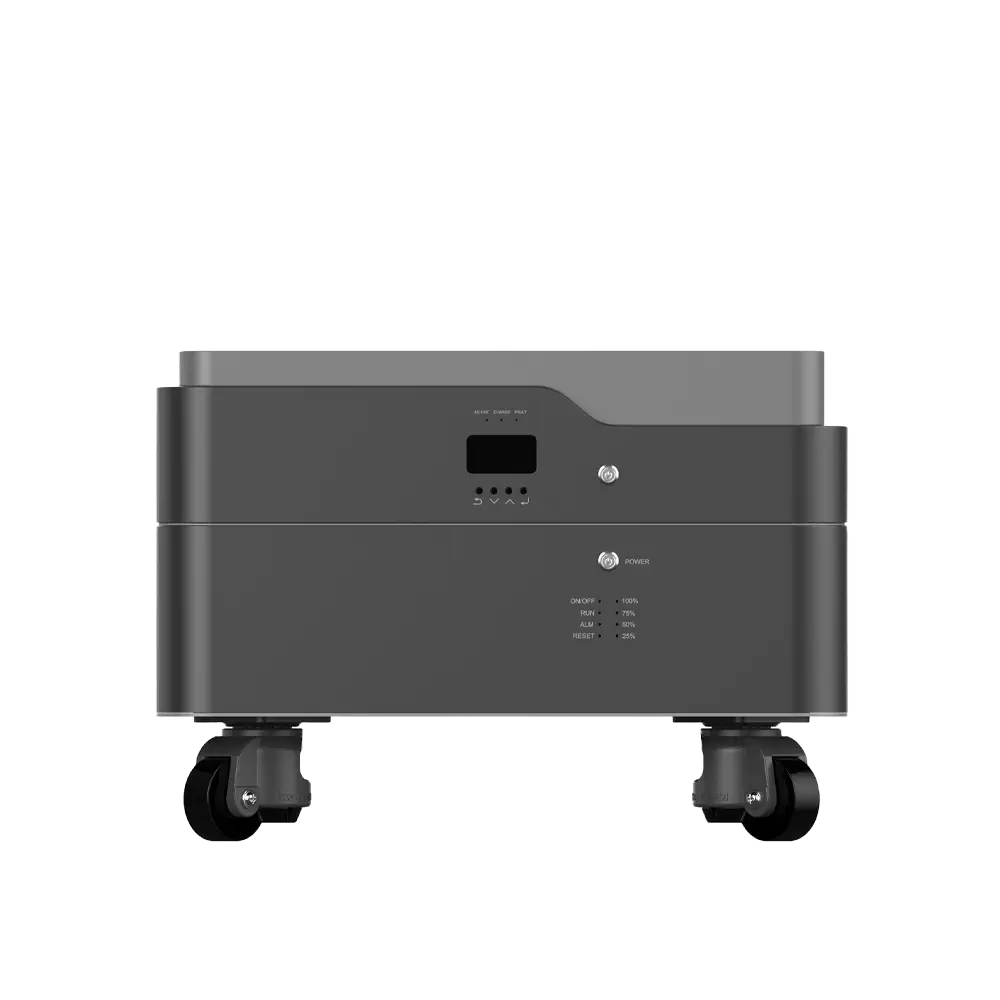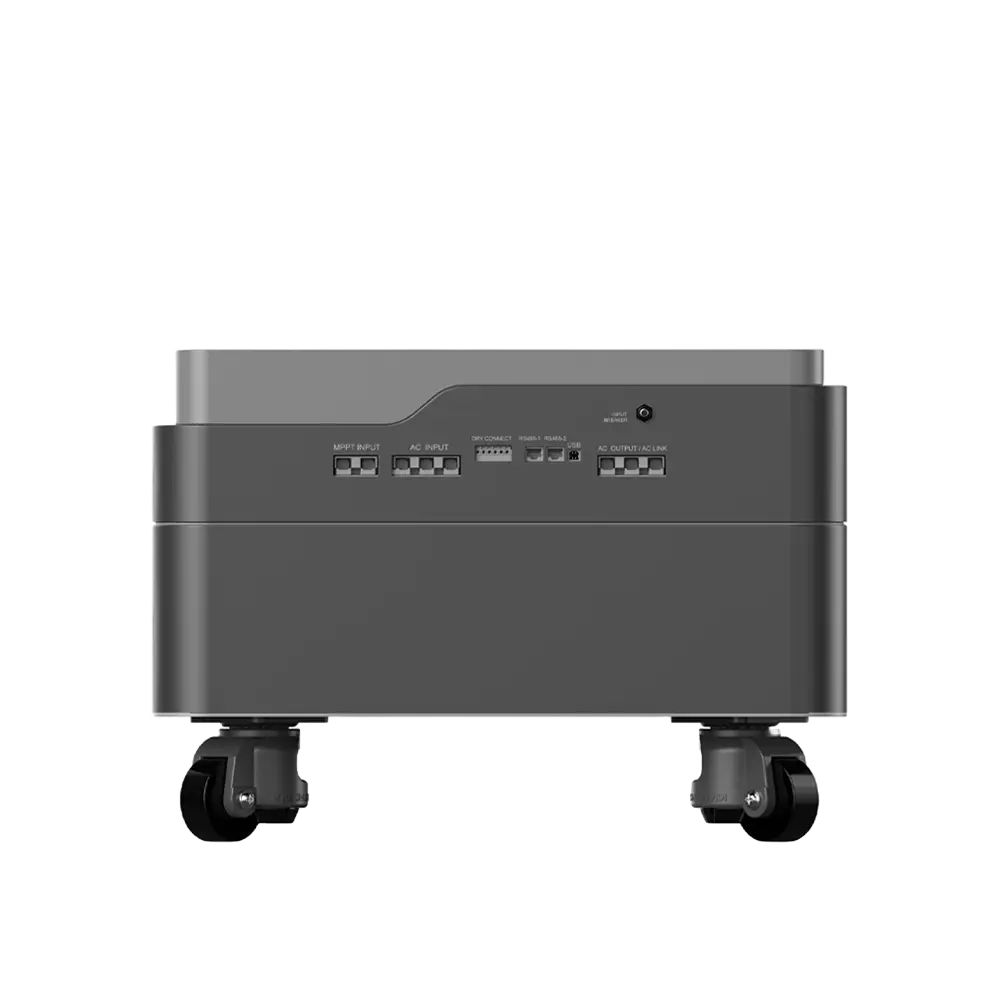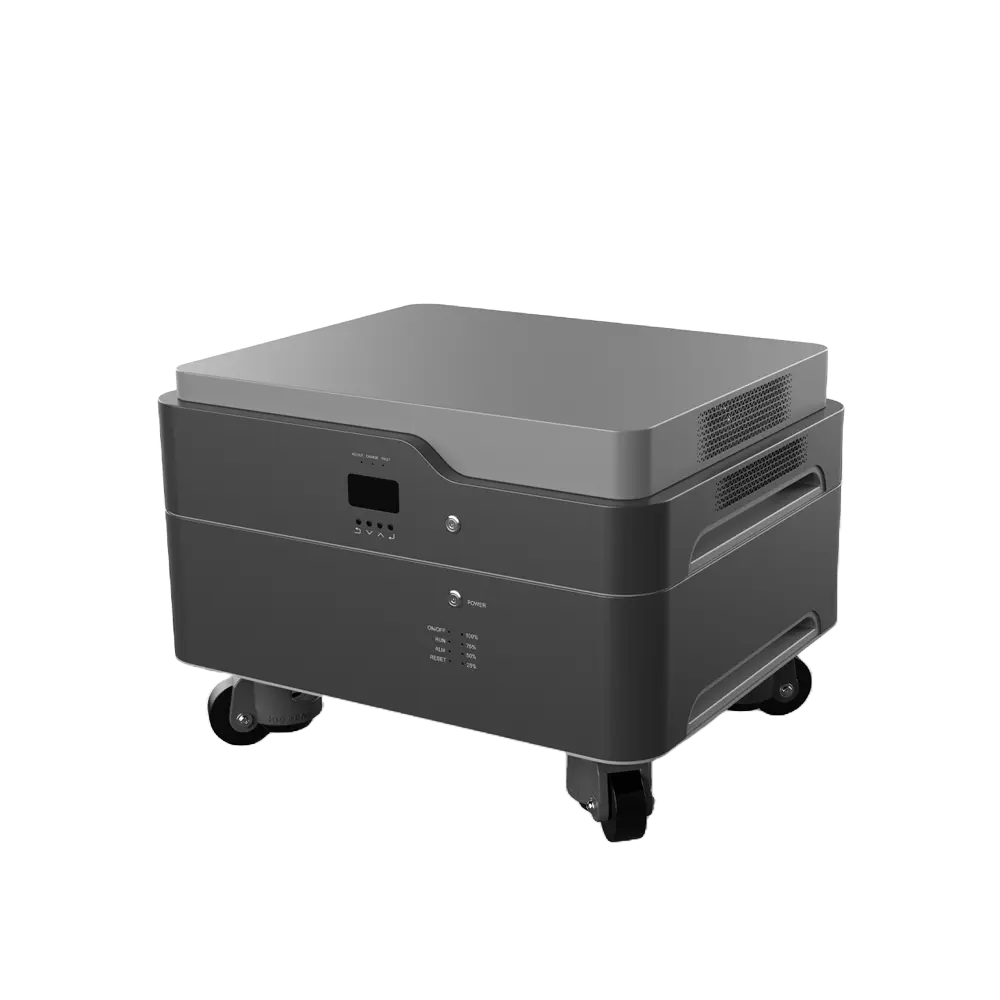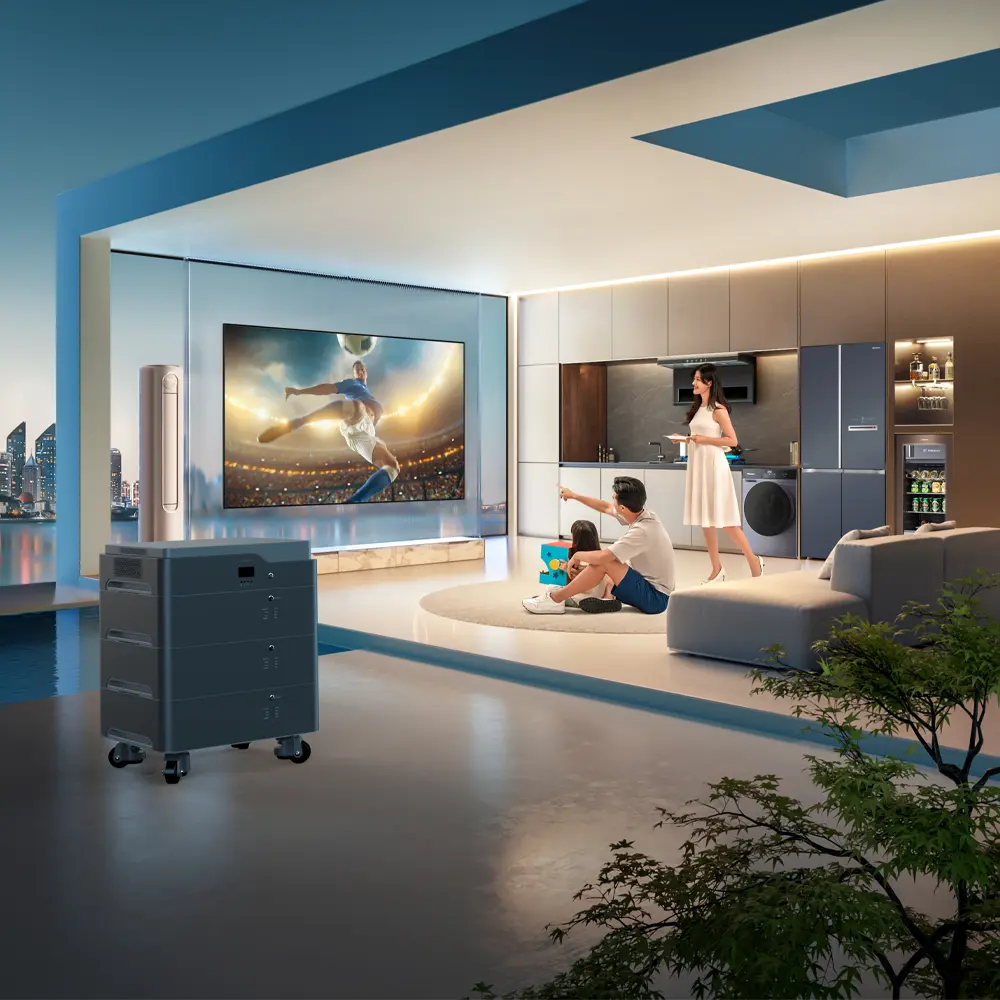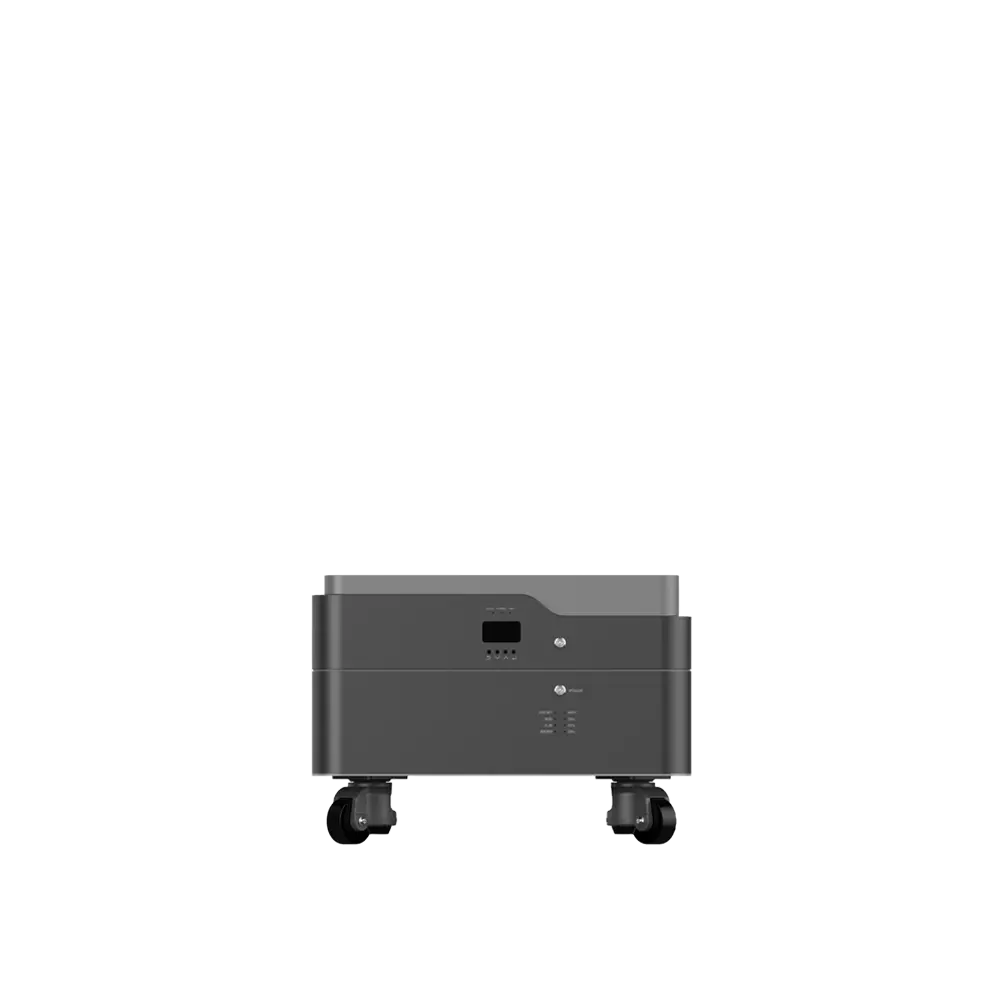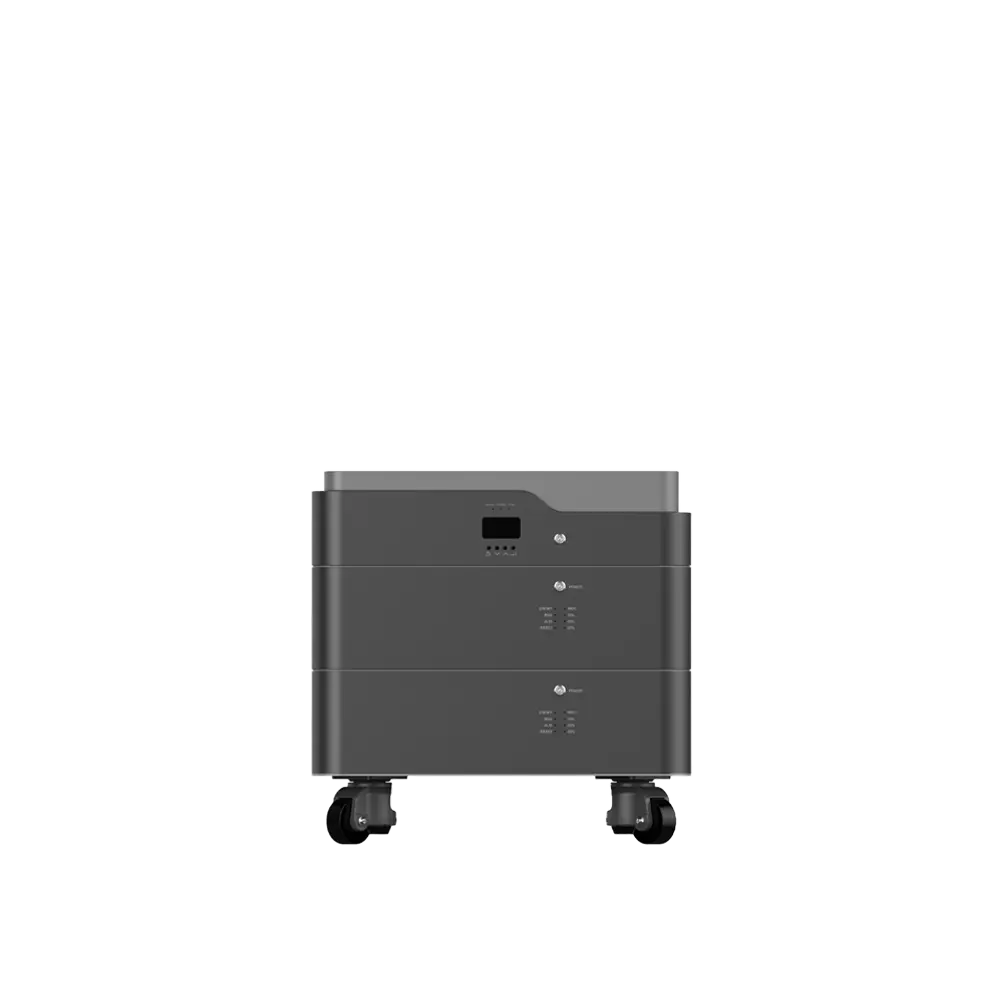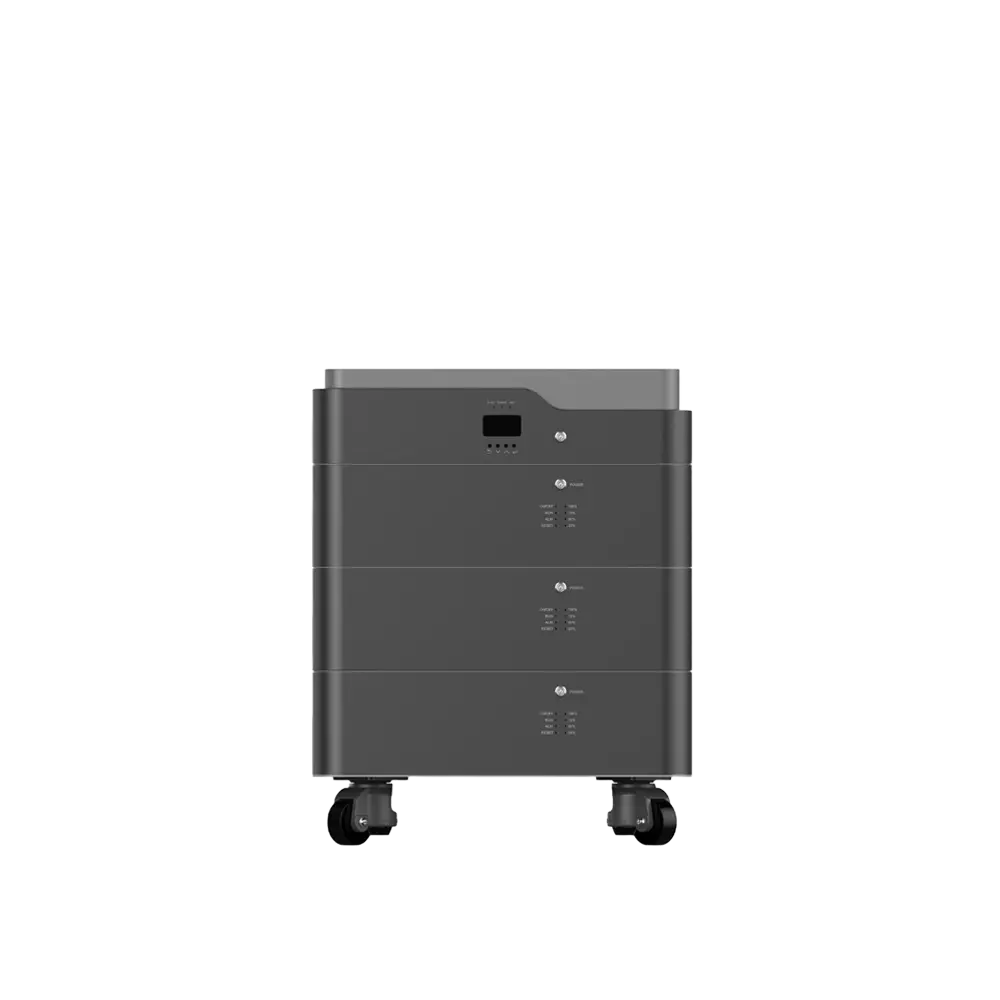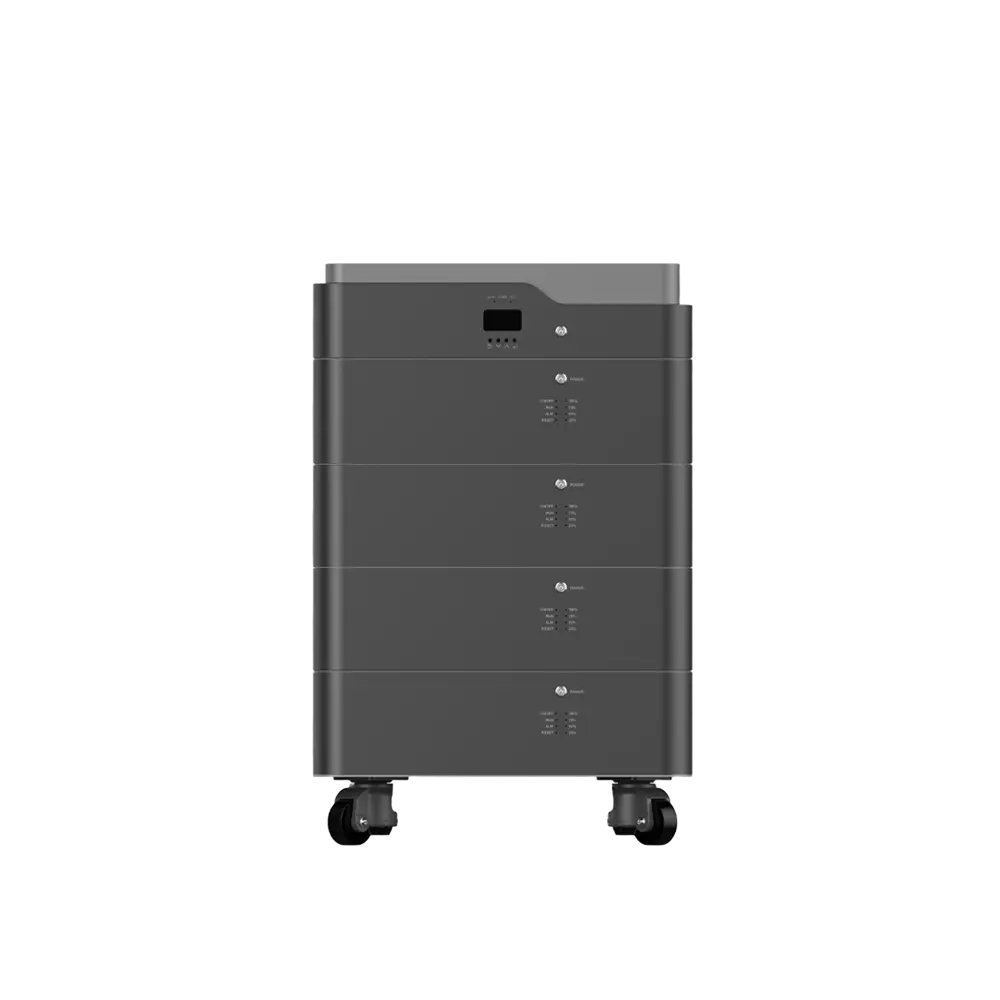
We are a direct manufacturer of stackable home solar energy storage systems, providing high-power, plug-and-play stacked lithium battery solutions for residential whole-home backup, hybrid solar self-consumption, and off-grid living.
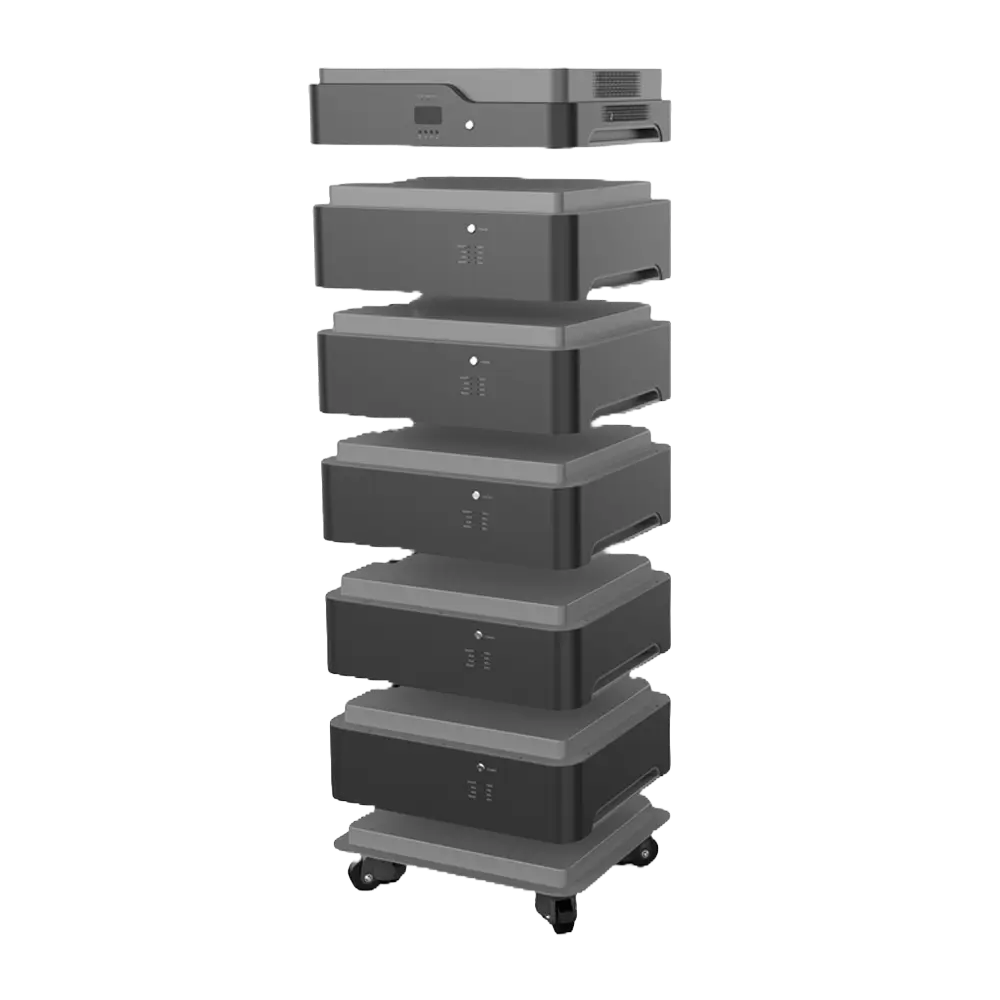
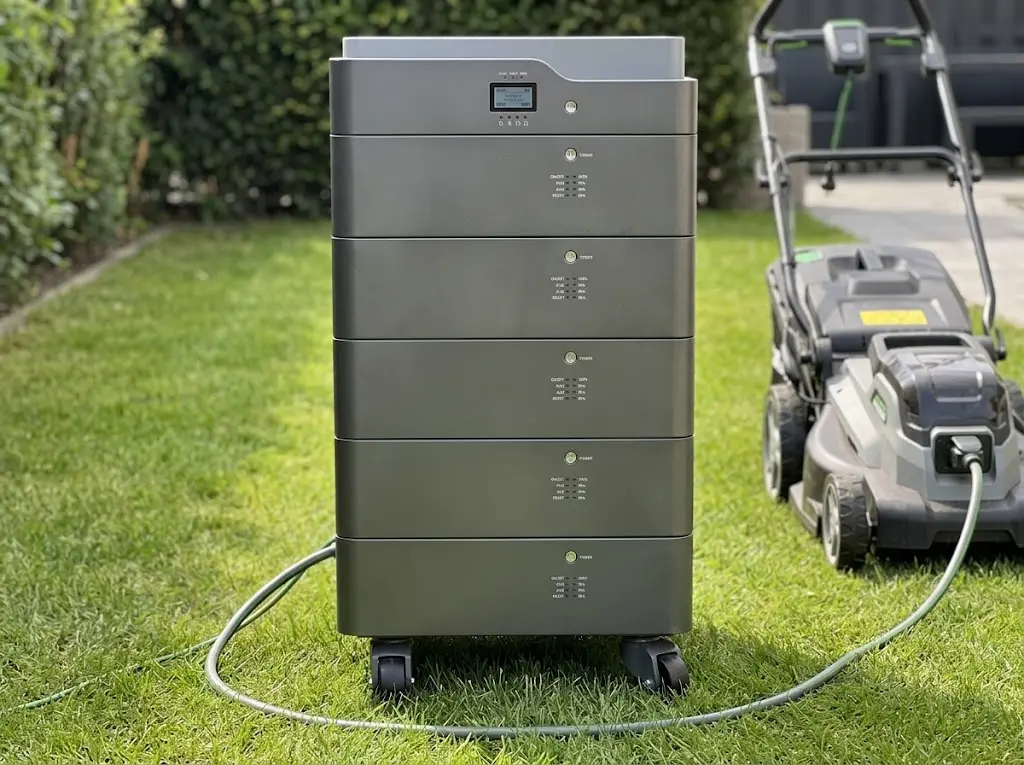
Built on LiFePO4 chemistry and a rugged modular structure, this system stacks up to 5 layers to reach 26kWh energy, with real-time status tracking through Bluetooth / Wi-Fi monitoring. OEM/ODM programs are available for global distributors and solar EPC partners.
Best for: large homes, multi-AC households, villas, small commercial backup (light loads), off-grid cabins, installers who want fast deployment and easy capacity expansion.
Stackable design simplifies wiring and significantly reduces technician time onsite.
App-based monitoring improves service efficiency and user experience.
Premium LiFePO4 cell platform supports long-term daily cycling.
Optimized internal layout increases density within a consistent footprint.
Factory-direct support for branding, packaging, documentation, and configuration.
Designed to integrate smoothly into most energy storage ecosystems.
easy to move indoors/outdoors
stable backup power without complicated rewiring
stack your batteries anywhere you need energy resilience
With 5kW output, the system supports demanding homes that want fewer compromises during outages—more circuits can remain active, including air conditioning and larger household loads.
Connect PV → charge battery stacks → power loads day and night. Supports charging and discharging simultaneously, improving solar self-consumption.
Rugged design for emergencies. If your configuration includes handle + rollers, it’s easy to reposition for temporary power needs.
We support deep customization for power stack battery programs:
| Battery Battery Capacity | 26.1kWh |
| Battery Rated Voltage | 51.2V |
| Battery Cycle Life | LiFePO4, ≥ 6000 cycles, 70% SOH, 25°C |
| Battery Charge/Discharge Current | 100A |
| Battery Dimensions | 600×430×150 mm |
| Battery Weight | 46.9 kg |
| Inverter Rated AC Output Power | 5kW |
| Inverter AC Output Voltage | 220V (Optional) |
| Inverter AC Output Frequency | 50Hz (Optional) |
| Inverter AC Rated Input Voltage | 220V (Optional) |
| Inverter AC Input Power | 3000W |
| Inverter Grid Type | Off-grid/ On-grid |
| Inverter Display | LCD |
| Inverter Communication | RS485 |
| Inverter Operating Temperature | -10°C ~ 60°C |
| Inverter Dimensions | 600×430×204 mm |
| Inverter Weight | 16.4 kg |
| Base Dimensions | 600×430×152 mm |
| Base Weight | 9.3 kg |
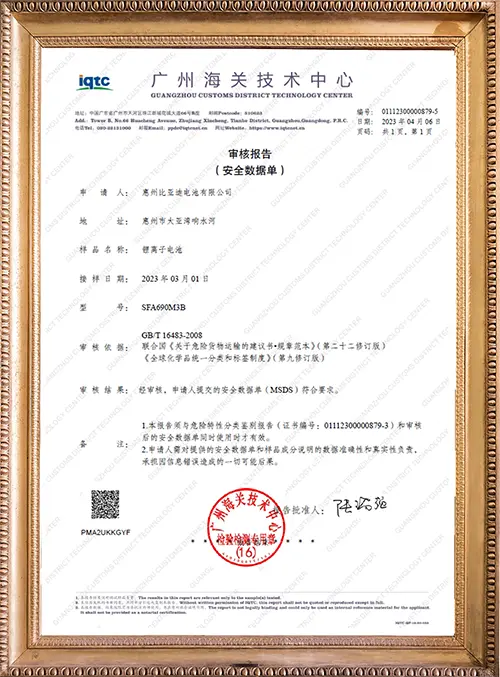
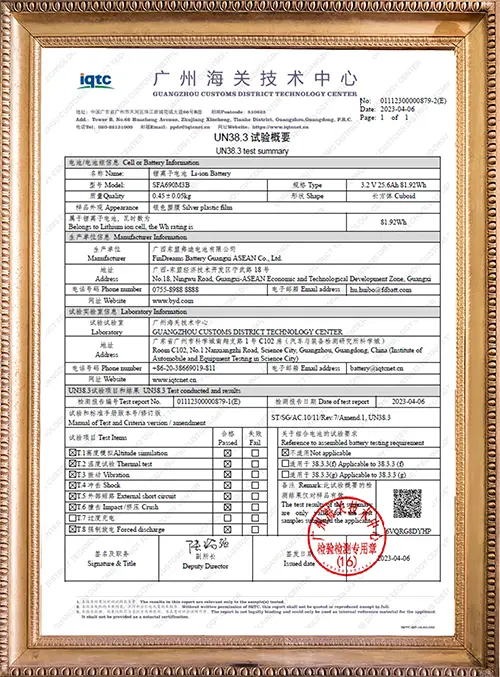
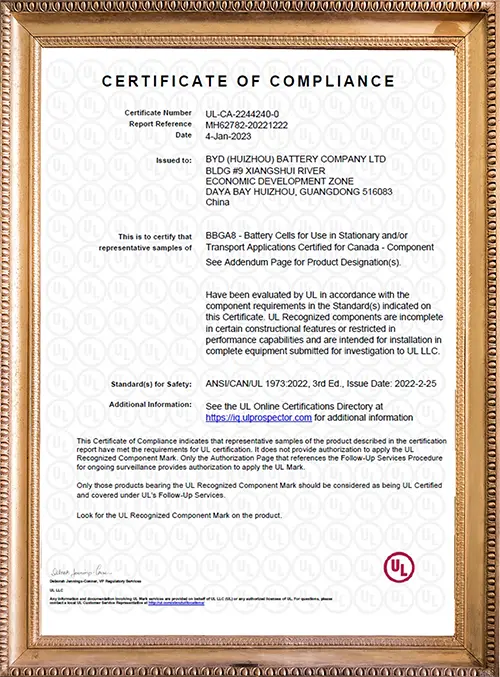
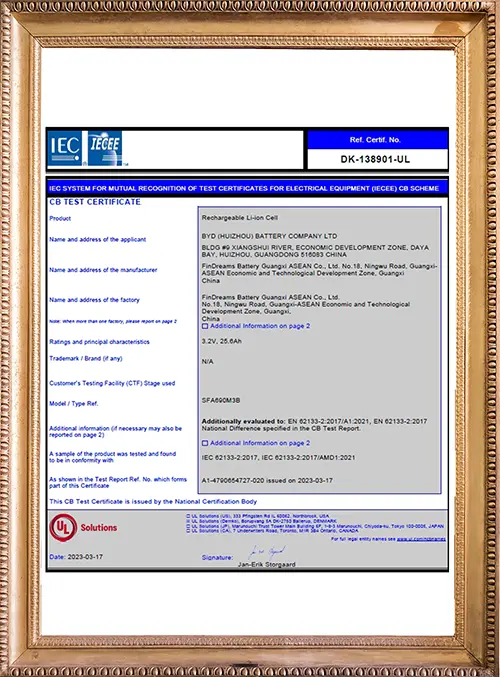
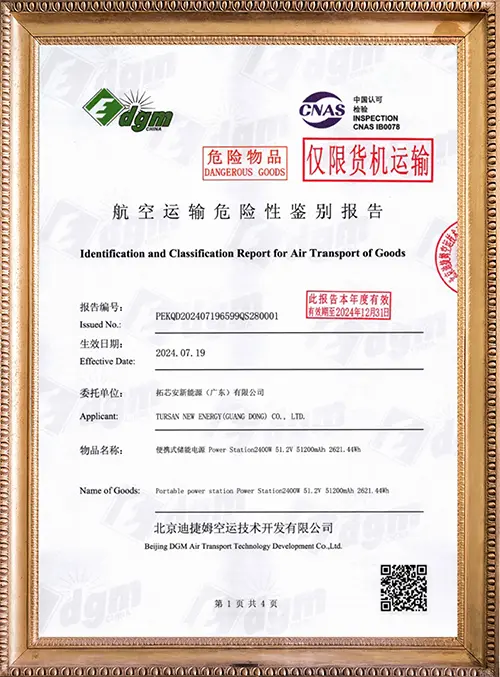
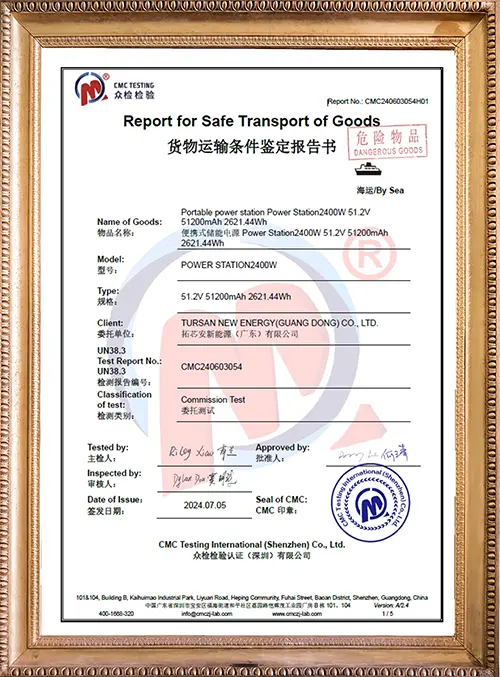
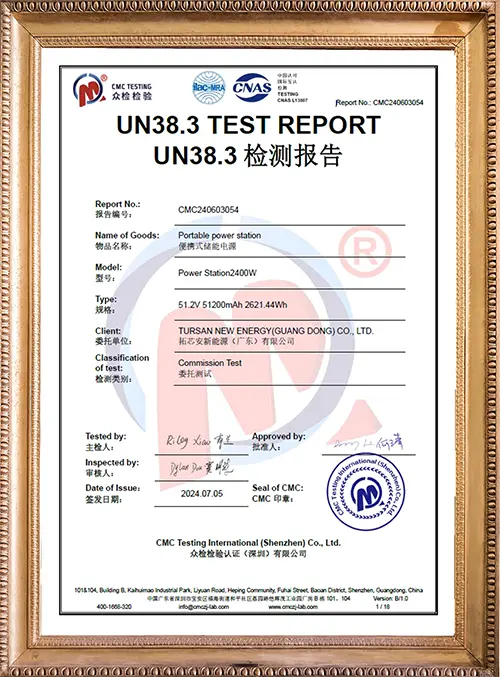
| Certificates |


The 5kW is the maximum power output, while runtime is determined by battery capacity (kWh) and the average load. Your system capacity is 26.114kWh, so at a 2kW average load it may last roughly 10–12 hours, while at 5kW it may last around 4–5 hours. Actual runtime varies with inverter efficiency, temperature, and surge loads.
For many homes, a 5kW system can power essential loads, but whether it “runs the whole house” depends on peak demand and how many large loads (AC, ovens, pumps) are used simultaneously. Many projects use priority circuits to guarantee critical loads remain powered during outages. For higher power needs, consider OEM/ODM customization.
If you mean a 5kW PV array, panel count ≈ 5,000W ÷ panel wattage. With 400W panels that’s about 13 panels; with 550W panels about 9–10 panels. Roof space, shading, orientation, and local interconnection rules will influence final design.
Cost varies widely by market, on-grid vs hybrid design, equipment brand level, and installation complexity. A 5kW PV-only system and a 5kW PV + storage system are priced very differently because batteries and backup hardware add major cost. The most accurate method is a configuration quote based on PV size, battery kWh (e.g., 25kWh), certification requirements, and installation scope.
Daily production depends on peak sun hours and system losses. As a rough estimate: 5kW × 4–6 sun hours = ~20–30 kWh/day before site-specific adjustments. Shading, tilt/azimuth, and temperature can reduce real output.
Runtime depends on energy capacity (kWh) and household load. Many homes average 1–3kW overnight (higher with AC), so a ~20kWh battery might cover much of the evening and nighttime. For heavy cooling loads, runtime can be significantly shorter.
Panels increase energy generation, while batteries increase nighttime usability and backup resilience. If your batteries rarely reach full charge, add more panels first. If your batteries fill early and you still buy grid power at night, add more battery capacity.
In most cases, yes—30kW is a high residential power level. Whether it’s needed depends on simultaneous loads, AC tonnage, and whether you run electric cooking, water heating, or EV charging at the same time. Proper load calculations are the best way to confirm.
On-grid PV cost depends on local labor, equipment, and permitting. A hybrid system with storage and backup capability costs more due to batteries, transfer hardware, and additional protection components. For accurate pricing, projects are usually quoted by PV kW + battery kWh + compliance requirements.
The 40/80 rule is a longevity guideline: keeping batteries between about 40% and 80% SOC for routine daily use can reduce long-term degradation. LiFePO4 is durable, but avoiding long periods at 100% (especially in heat) can still help maximize lifespan. Many users reserve full charge for outage readiness.
Batteries store energy; they don’t create it. They can reduce costs by shifting solar energy to nighttime use, avoiding peak rates, or improving self-consumption where export rates are low. Whether batteries save money depends on your rate plan, usage profile, and system cost.
Electric bills are based on kWh, but 240V can reduce current and wiring losses for high-power loads. Many large appliances operate more efficiently or more practically at higher voltage due to lower current requirements. Final cost still depends on appliance efficiency and usage time.
Tax treatment depends on country and local rules. In some cases, medically necessary backup power or certain efficiency upgrades may qualify, but there is no universal rule. For accurate guidance, consult local tax authority resources or a qualified tax professional.
It depends on simultaneous loads and surge demands, not just square footage. Many 22kW generators can cover most household circuits if load management is used, but multiple AC units, electric cooking, and electric water heating can push demand higher. Load calculations provide the most accurate answer.
As a professional manufacturer of solar lithium battery energy storage systems, TURSAN is dedicated to providing the global market with high-quality home energy storage batteries, inverters, portable power stations, and all-in-one storage solutions. We now sincerely invite you to become our exclusive partner in your country or region, to jointly develop the clean energy storage market and create steadily growing business value.
Exclusive Regional Authorization
After signing the agreement, we will cease wholesale distribution to other clients in your region, fully safeguarding your market interests.
Priority Order Processing & Shipping
Ensure you can respond to local demand immediately and capture time‑sensitive market opportunities.
Product Customization Support
From your first order, we can design and produce energy storage systems completely tailored to your brand.
Comprehensive Product Range Suppor
From home storage and portable power to inverters and all-in-one units with built-in inverters — meeting diverse application needs.
Proven Success in 30+ Countries
We have already helped partners worldwide achieve measurable brand growth and increased profitability.
Your Most Reliable Backend
Whether you are a systems integrator, electrical distributor, or building your own brand, you get stable products and flexible cooperation mechanisms.
📩 Contact us now to receive a customized partnership proposal and product information.
Let’s join hands to bring reliable power solutions to homes and businesses, and co-create a green energy future together!