 English
  العربية
  日本語
日本語  한국어
한국어  Tiếng Việt
  ไทย
ไทย  Bahasa Melayu
  فارسی
فارسی  Bahasa Indonesia
  ဗမာစာ
ဗမာစာ  简体中文
简体中文  香港中文
香港中文  繁體中文
繁體中文  Русский
  Deutsch
  Nederlands
  Italiano
  Français
  Español
  Português
  Afrikaans
  Azərbaycan dili
  Български
  ਪੰਜਾਬੀ
  हिन्दी
  اردو
اردو  বাংলা
বাংলা  Հայերեն
  Íslenska
  Қазақ тілі
  नेपाली
  Српски језик
  Kiswahili
  తెలుగు
  Basa Jawa
  தமிழ்
தமிழ்  मराठी
मराठी Best Generator for Off-Grid Living: Solar, Diesel, and Hybrid Options
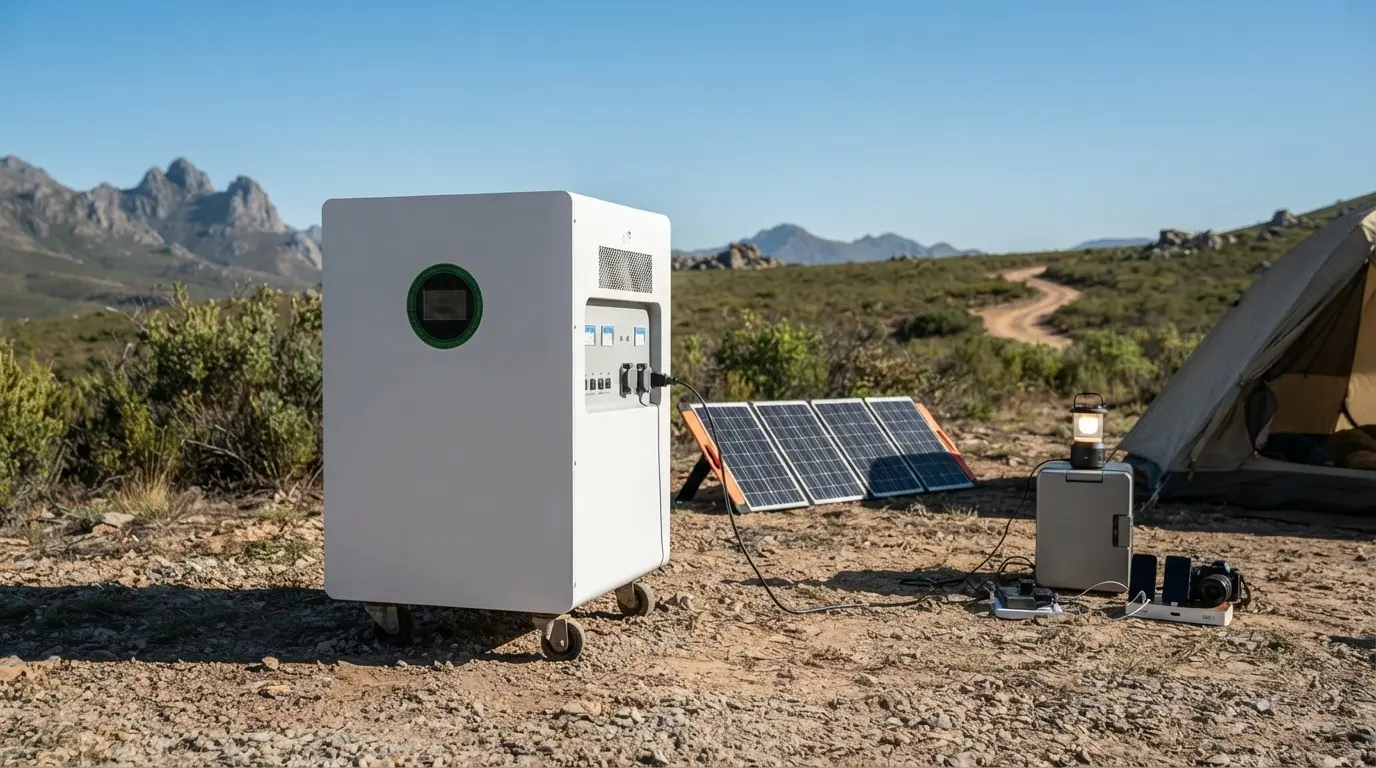
Off-grid power is less about one generator and more about a dependable system: daily energy, peak loads, storage duration, recharge sources, and a fallback plan.
The Off-Grid Power Challenge
When I assess the best generator for off-grid living, I first separate the primary power source from the backup source. A primary system supplies everyday loads, while a backup generator supports essential equipment during limited solar availability or higher demand.
I use three practical sizing metrics:
- Continuous wattage: The power required to run appliances and equipment steadily.
- Peak surge capacity: The temporary output needed when motors or other equipment start.
- Daily energy consumption: The total electricity used, measured in kilowatt-hours (kWh).
Environmental conditions also affect system planning. Solar generation varies with available sunlight, while diesel systems depend on fuel storage, transport, and mechanical maintenance. A dependable off-grid power system must therefore balance energy storage, inverter capacity, operating conditions, and backup requirements.
Diesel Generators for Off-Grid Living: Heavy-Duty Power with Ongoing Overhead
I see diesel generators as a strong option when an off-grid site needs high continuous output and significant starting power. They can handle demanding inductive loads such as well pumps, HVAC equipment, and power tools. Since their operation does not depend on sunlight, they can provide reliable power during extended overcast periods and severe cold conditions.
The trade-off is ongoing operating overhead. Diesel generators require regular fuel purchases, transport, and suitable storage. Fuel can degrade during long periods of limited use, while engine operation brings oil changes, filter replacements, mechanical wear, and eventual overhaul costs. Running under light loads may also contribute to wet-stacking. In daily use, engine noise, fumes, and carbon emissions can reduce comfort and increase the environmental impact of an off-grid power system.
Solar Power Generators: Clean, Low-Maintenance Off-Grid Power
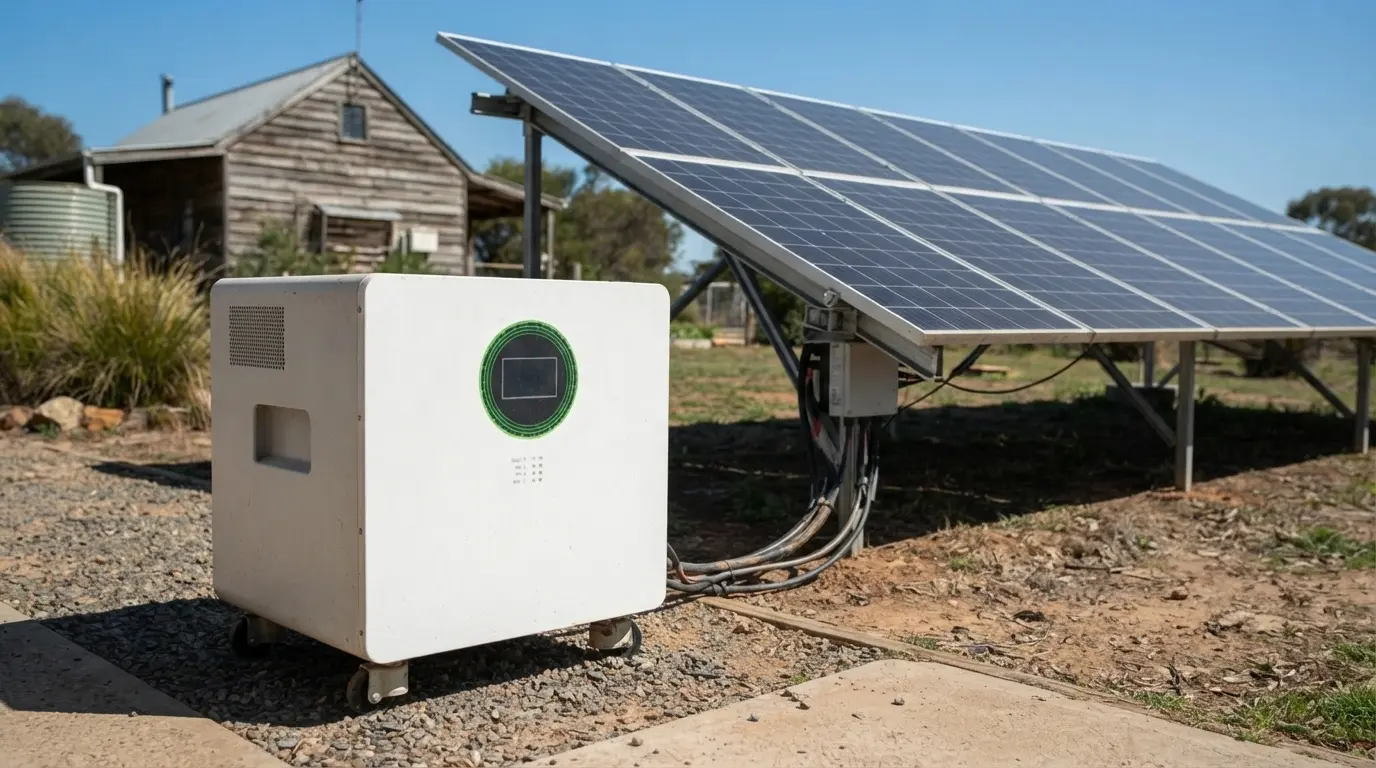
I use solar power generators as a practical alternative to fuel-based backup systems where quiet, low-maintenance energy matters. TURSAN portable power stations and off-grid systems use LiFePO4 prismatic cells, delivering 6,000+ cycles and backed by a 5-year warranty. With no engine, fuel storage, or routine oil changes, they provide quiet operation and no direct local emissions.
The main trade-off is the higher upfront cost of the solar array and battery storage bank. Solar output also varies with weather and available sunlight, so I plan the panel arrangement carefully and include enough battery capacity for periods of lower solar production. This approach supports dependable off-grid solar power systems while reducing fuel dependence. For more detail on battery durability, see this guide to solar generator lifespan and runtime.
Head-to-Head Comparison: Diesel vs. Solar Energy Storage
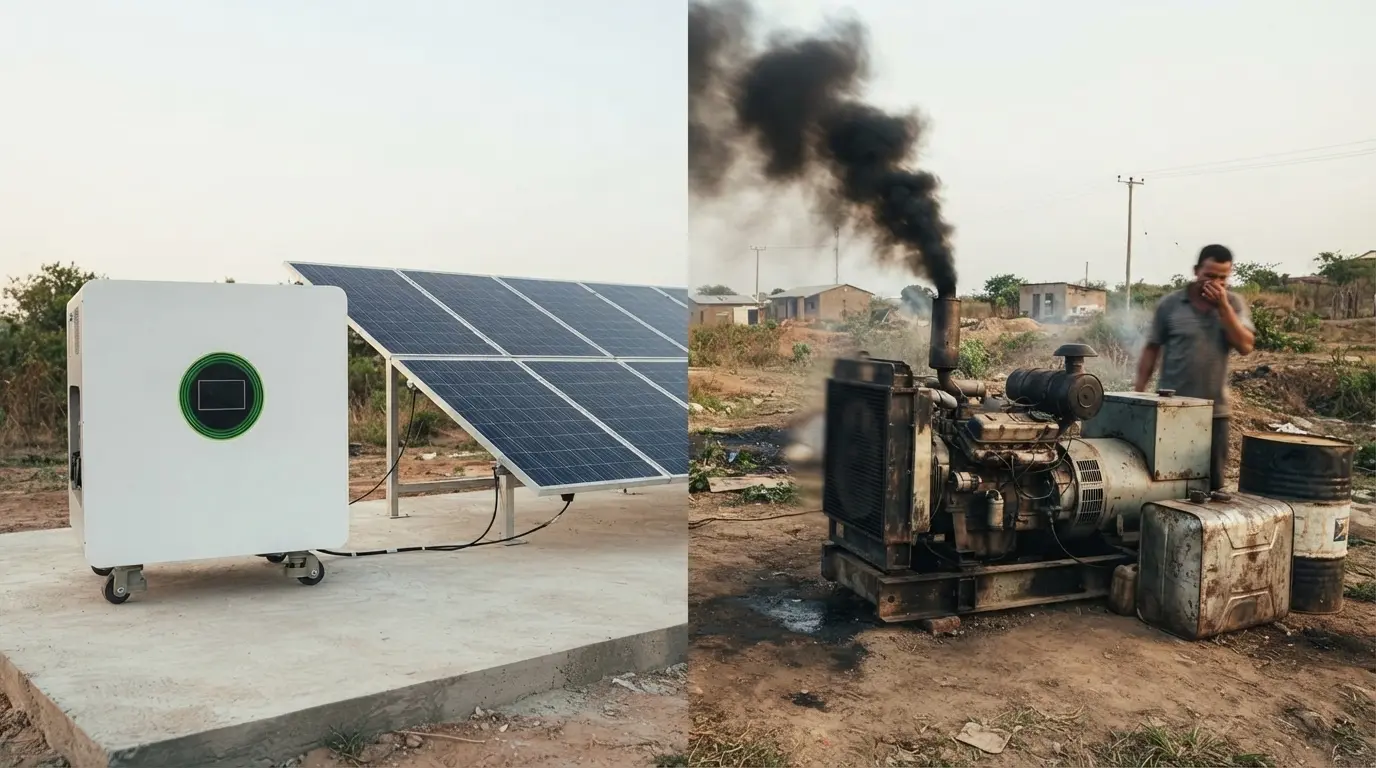
I compare the best generator for off-grid living by looking beyond the purchase price. A diesel generator may have a lower initial cost, but its 10-year operating cost depends on fuel consumption, transport, oil changes, filters, repairs, and engine wear. A solar energy storage system requires higher upfront investment for the battery, inverter, and solar equipment, but it has no routine fuel expense and far fewer mechanical service requirements.
| Comparison Point | Diesel Generator | TURSAN Solar Energy Storage |
|---|---|---|
| Upfront CAPEX | Generator purchase and installation | LiFePO4 batteries, inverter, and solar equipment |
| 10-Year OPEX | Fuel, transport, oil, filters, repairs, and servicing | Limited routine maintenance; exact costs depend on the installation |
| Durability | Performance depends on engine hours and service quality | LiFePO4 prismatic cells rated for 6,000+ cycles with a 5-year warranty |
| Power Quality | Some lower-cost units may experience voltage variation or electrical noise | Pure sine wave inverter output is suited to sensitive electronics and demanding off-grid loads |
| Maintenance | Regular engine servicing and mechanical checks | Intelligent BMS-managed battery monitoring and protection |
| Operating Conditions | Can operate without sunlight, but requires fuel handling | Solar-dependent, with battery storage providing power when solar production is unavailable |
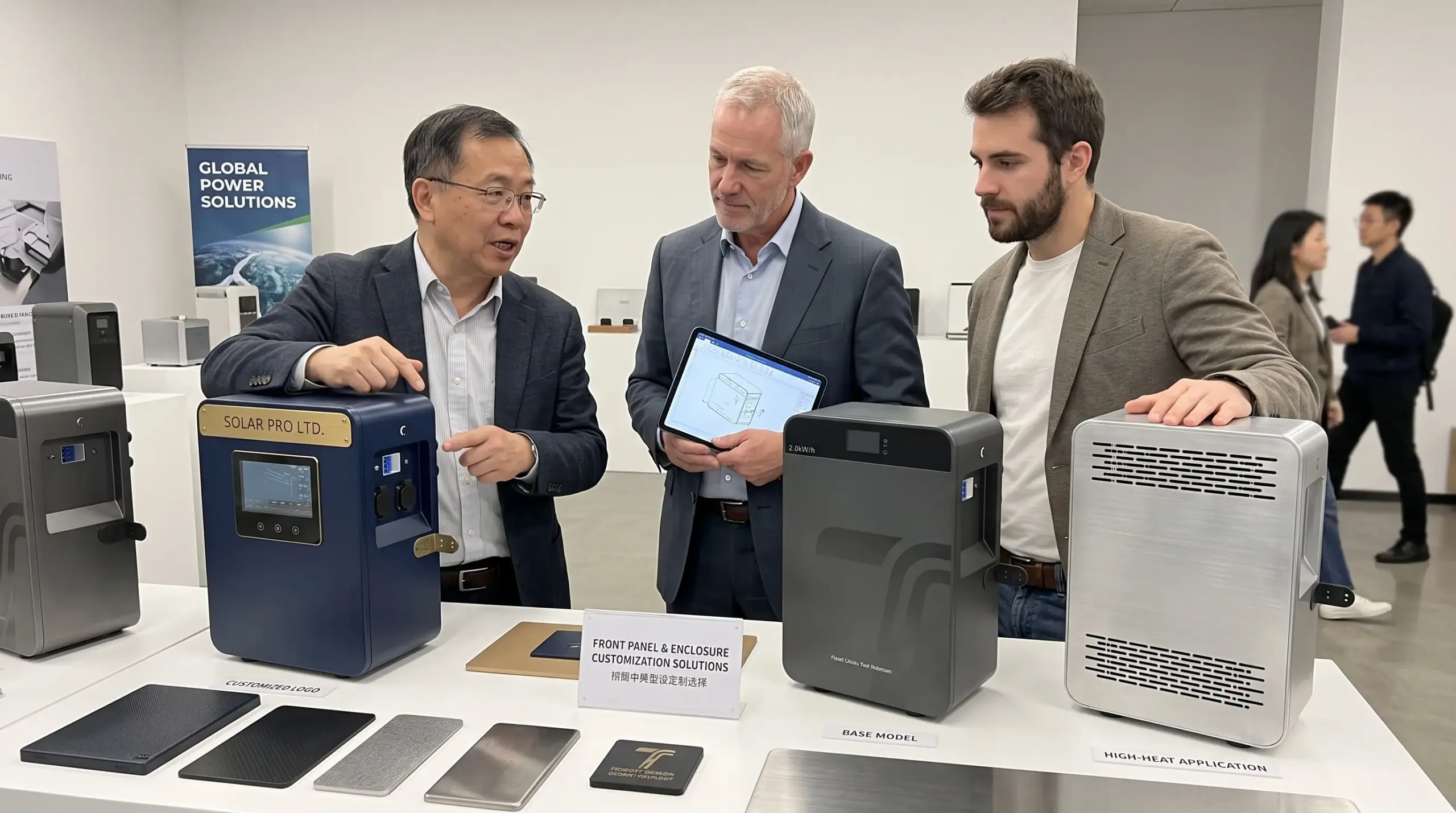
For a reliable off-grid solar power system, I also consider the battery manufacturer’s engineering and quality controls. TURSAN uses LiFePO4 prismatic cells, integrated BMS technology, and pure sine wave inverters. Its floor-standing LiFePO4 battery manufacturing approach is relevant when comparing long-term storage durability, system integration, and maintenance needs.
The Optimal Setup: Combining Diesel and Solar in a Hybrid Microgrid
I use solar power with LiFePO4 battery storage as the primary source for everyday off-grid electricity. This setup provides quiet, pure sine wave power without continuous fuel use, while the diesel generator remains available for extended periods of limited sunlight or unusually high demand.
A practical hybrid off-grid power system can be managed as follows:
- Solar and battery storage: Supply regular household loads and store energy for later use.
- Diesel backup: Support the system during prolonged cloudy conditions or when demand exceeds the available battery and inverter capacity.
- Fuel efficiency: Run the diesel generator for targeted battery charging instead of operating it continuously at low loads.
- System monitoring: Use the battery management system and available Wi-Fi or Bluetooth connectivity to track battery condition and energy use remotely.
This arrangement reduces diesel generator fuel consumption while maintaining a dependable backup option. Because solar generators operate without engine noise, they can also improve the living environment; my guide to how loud solar generators are explains this benefit in more detail.
Selecting the Right TURSAN Solar Generator Solution
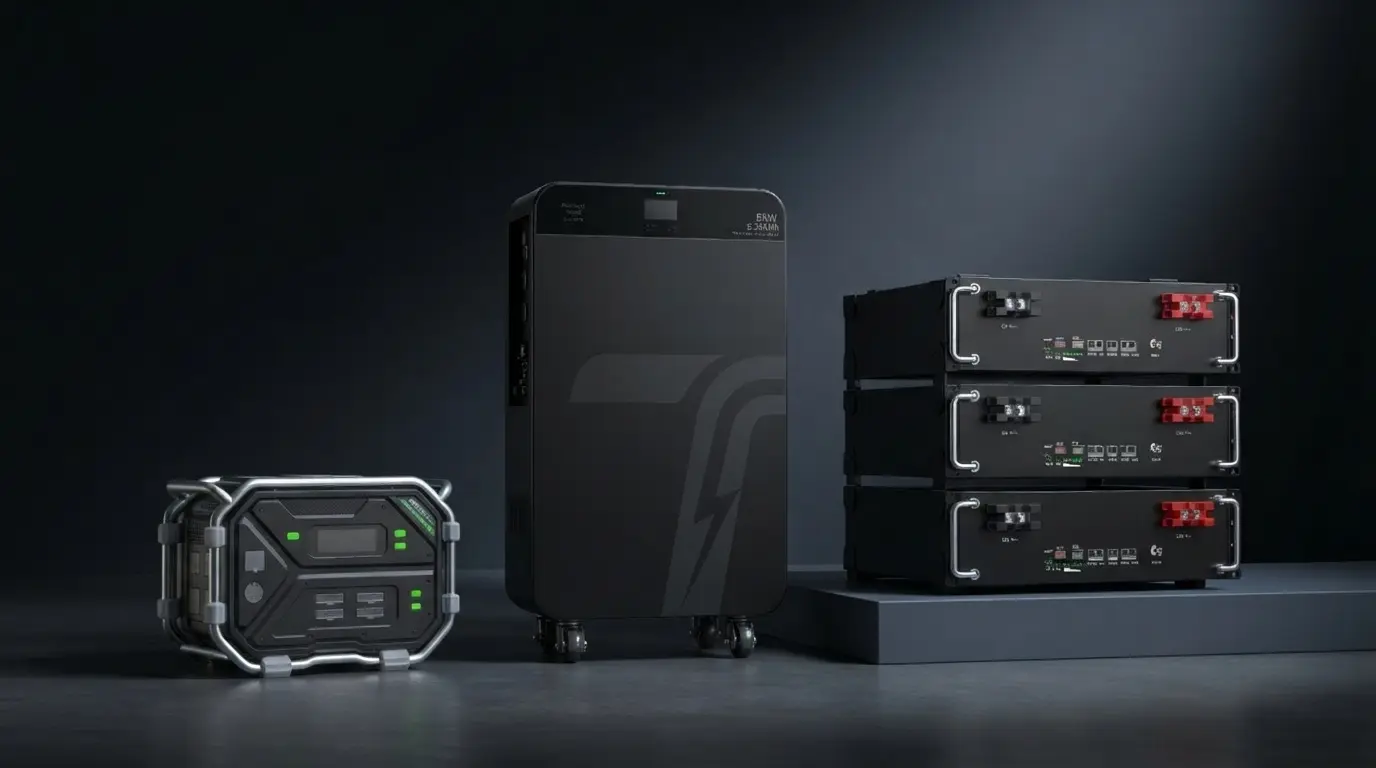
I match the system to the site’s load, mobility needs, and required storage capacity.
Mobile and Small Cabin Setup
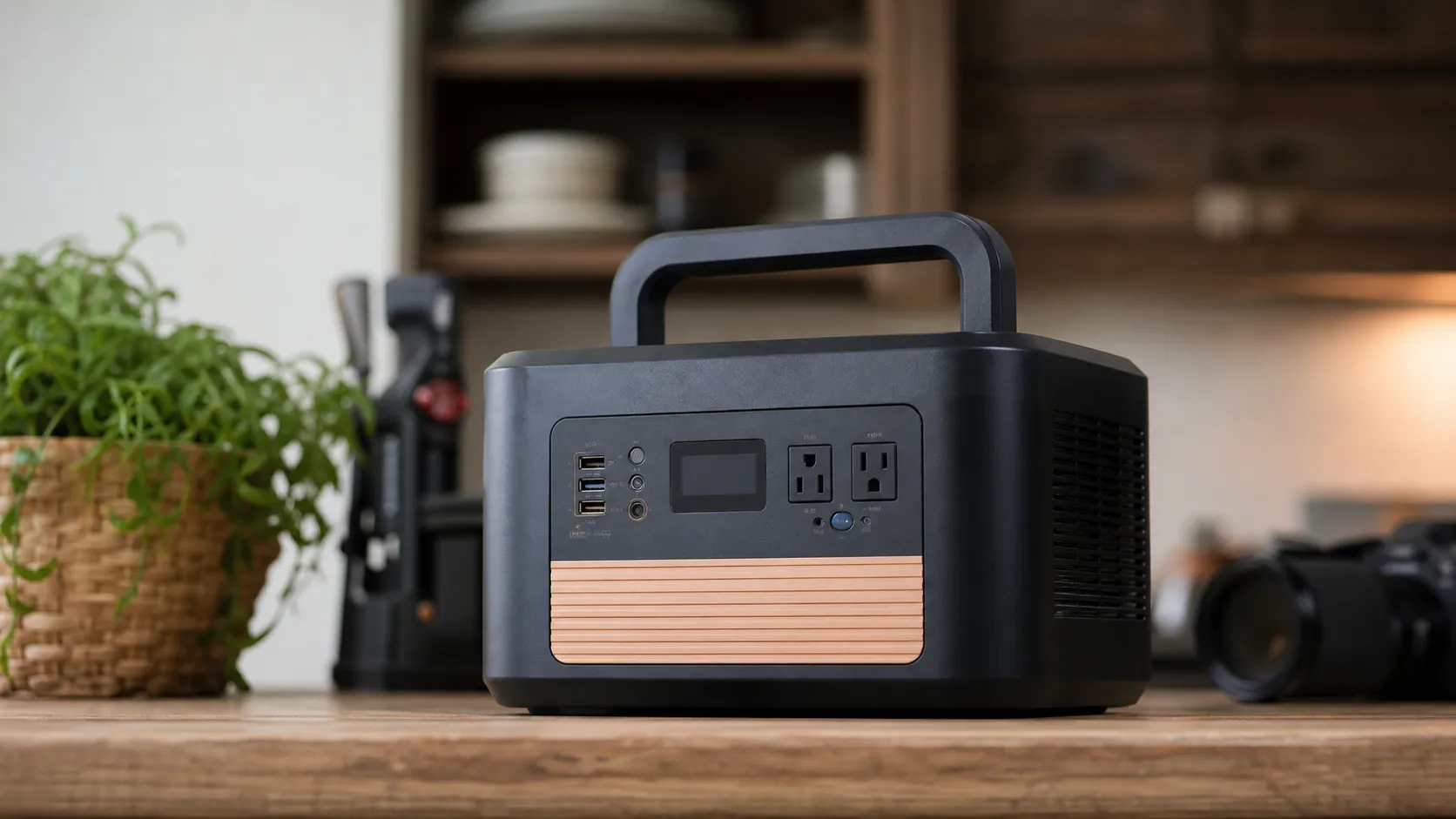
For mobile off-grid use, small cabins, tools, and essential lighting, TURSAN portable power stations range from 300W to 3,600W. Plastic and sheet-metal models use LiFePO4 prismatic cells and provide a compact solar power station option for flexible backup power.
Whole-Home Off-Grid Living
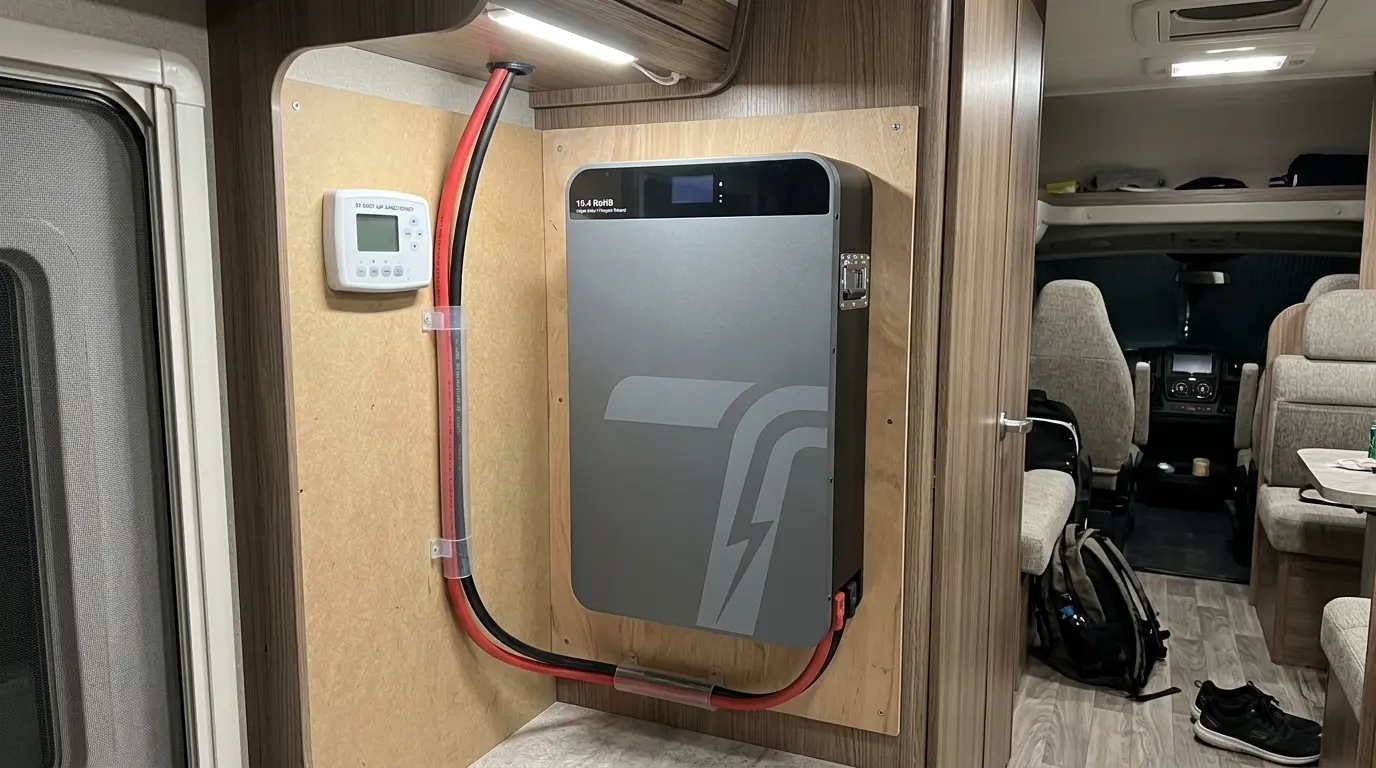
For larger cabins and whole-home off-grid power, I use 48V wall-mounted or floor-standing LiFePO4 batteries with off-grid MPPT inverters. TURSAN stacked and all-in-one systems cover 5kW to 25kW outputs, while battery storage can reach 32.15kWh. The 5kW wall-mounted LiFePO4 battery is one option for a structured residential energy storage system.
Commercial and Microgrid Applications
Commercial sites and remote microgrids can use multi-unit 19-inch rack-mount battery configurations for modular energy storage. Integrated Wi-Fi and Bluetooth IoT connectivity supports remote monitoring, helping installers and operators track system status across distributed off-grid power installations.
How to Size an Off-Grid Solar Generator System
I size an off-grid solar power system around three figures: daily energy use, peak starting demand, and the number of backup days required. This approach helps match the solar generator, LiFePO4 battery storage, and pure sine wave inverter to actual household needs.
1. Audit Daily Energy Use
List each appliance, its power rating, and estimated daily running time. Calculate total consumption in watt-hours, then convert it to kilowatt-hours.
| Appliance Type | What to Record |
|---|---|
| Lighting and electronics | Running watts and daily hours |
| Refrigerator or freezer | Average daily energy use and starting demand |
| Water pump | Running watts and motor-start surge |
| HVAC equipment | Continuous load and start-up requirement |
| Power tools | Rated watts and expected operating time |
The total daily figure provides the baseline for battery capacity. For example, systems using 2.56kWh to 32.15kWh of LiFePO4 storage can be selected according to daily consumption, appliance use, and required autonomy.
2. Account for Peak Surge
Motors in well pumps, refrigerators, compressors, and some tools can require more power when starting than they use during normal operation. I check both:
- Continuous wattage: The power required while appliances are running.
- Peak surge capacity: The short-term power needed to start inductive loads.
The inverter must support the expected continuous load and handle the starting demand of the heaviest appliance. TURSAN off-grid MPPT inverters are available from 1.2kW to 12kW, allowing different off-grid electricity requirements to be matched with an appropriate system size.
3. Calculate Battery Autonomy
Battery storage should cover normal daily use and provide a suitable buffer for periods of limited solar generation. A practical planning range is 1 to 3 days of autonomy, depending on local weather, solar availability, and how important uninterrupted power is for the property.
| Daily Energy Use | Planning Focus |
|---|---|
| Lower consumption | Smaller LiFePO4 battery system |
| Moderate household use | More storage for overnight and cloudy periods |
| High consumption | Larger battery bank and higher inverter output |
| Remote or critical loads | Additional autonomy and carefully managed loads |
TURSAN LiFePO4 prismatic-cell systems offer 6,000+ cycles and a 5-year warranty. Battery lifespan and usable runtime should be evaluated alongside the storage size when comparing off-grid power solutions; the solar generator lifespan and runtime guide provides additional context.
4. Match the Inverter to the Loads
I select inverter capacity by adding the appliances that may operate at the same time, then checking the highest starting demand. Heavy household appliances such as pumps, HVAC equipment, and power tools generally need more inverter capacity than lights, routers, or small electronics.
A pure sine wave inverter is suitable for sensitive electronics and motor-driven equipment because it provides stable AC power. For small or mobile needs, TURSAN portable power stations range from 300W to 3,600W. Larger off-grid homes can use 5kW to 25kW all-in-one or stacked systems with 48V battery storage and integrated power management.
Frequently Asked Questions
It can, provided the system is correctly sized for the appliance’s continuous wattage and starting surge. I match the load with a suitable pure sine wave off-grid inverter and enough LiFePO4 battery storage. Well pumps, air conditioners, and other motor-driven equipment may require substantial surge capacity.
TURSAN LiFePO4 prismatic battery systems are rated for 6,000+ cycles and include a 5-year warranty. This measurement is different from diesel engine operating hours, so the two should not be compared directly. Battery lifespan depends on usage, charging, temperature, and system management. The integrated BMS helps manage battery health and operation. More detail is available in this guide to solar generator lifespan and runtime.
Solar energy can support off-grid living in cold climates, but winter planning is essential. I account for reduced solar availability, changing weather, daily energy consumption, and the required storage buffer. A properly sized battery bank, such as a 48V LiFePO4 system, helps maintain power during periods of limited sunlight. For extended overcast conditions, a hybrid setup with backup generation can provide additional resilience.