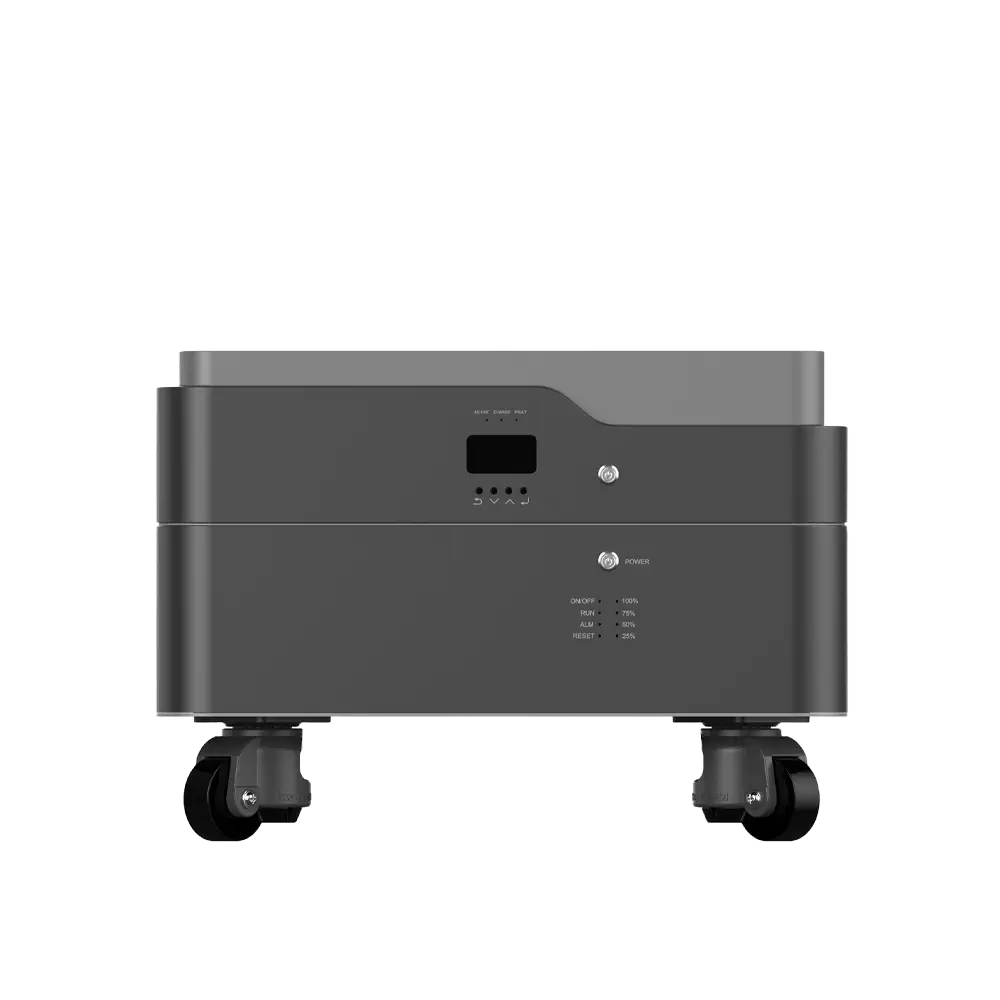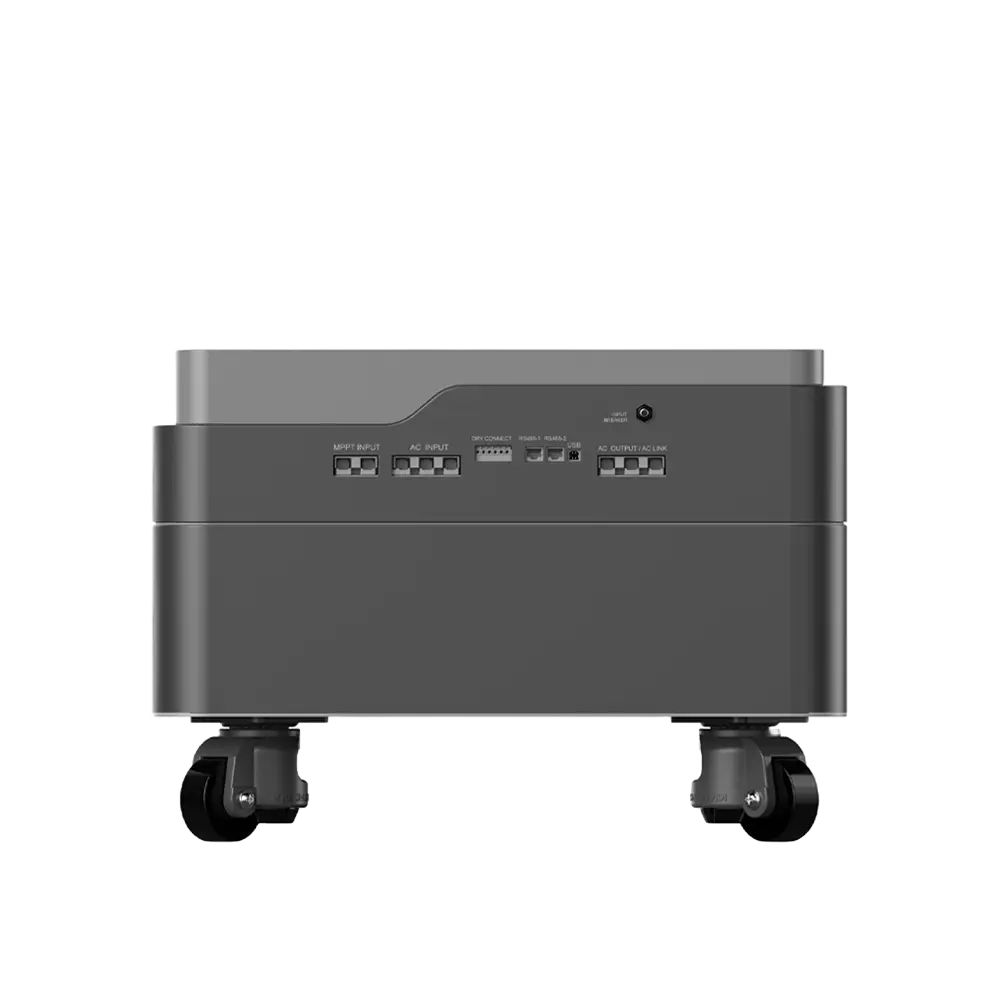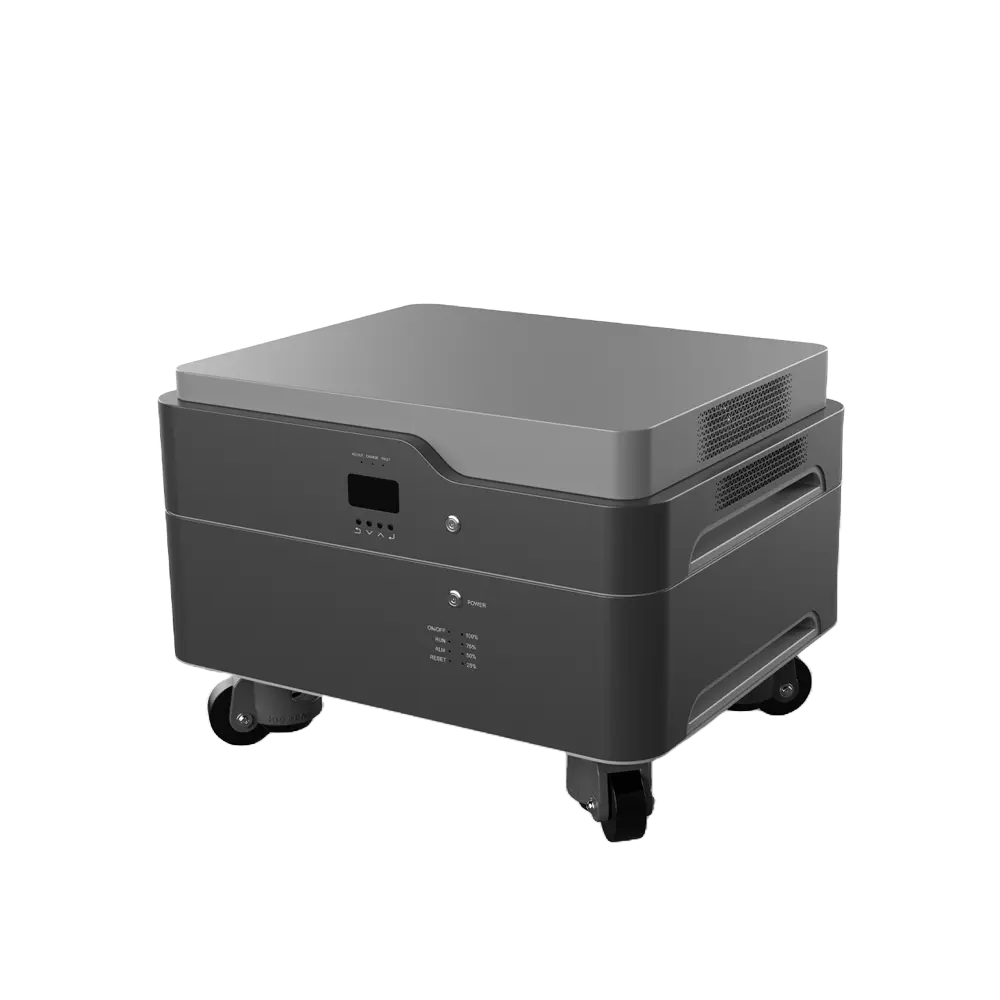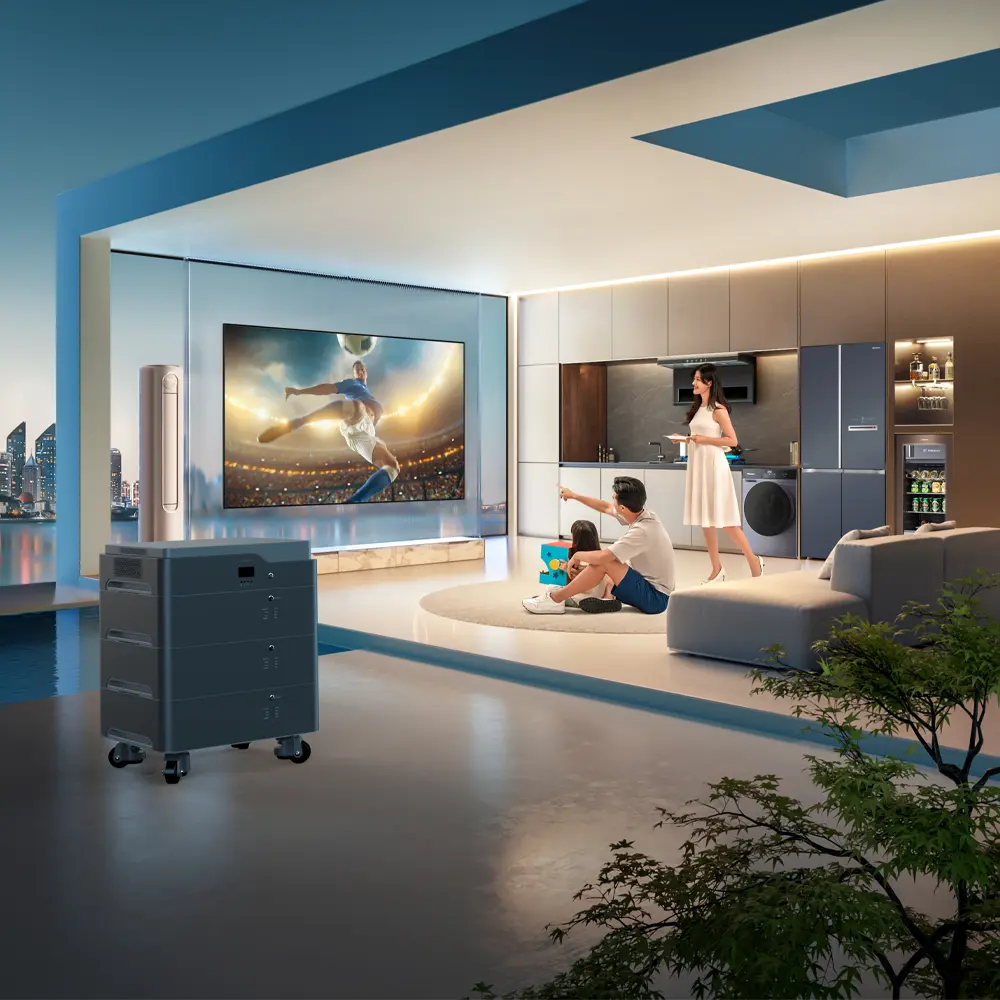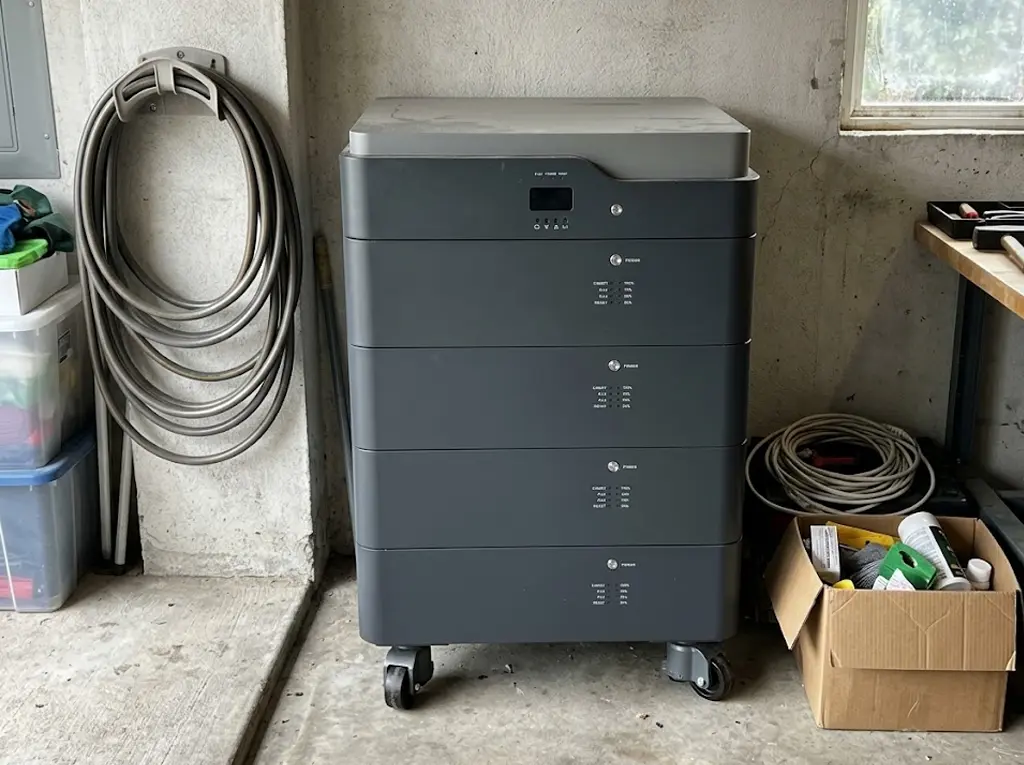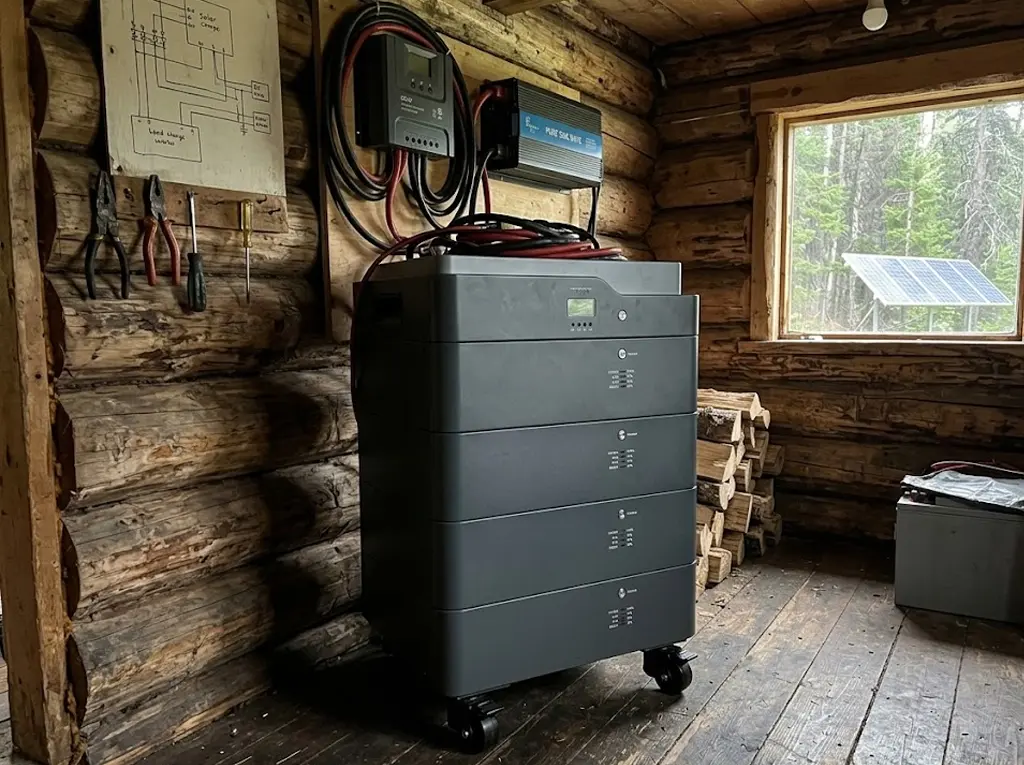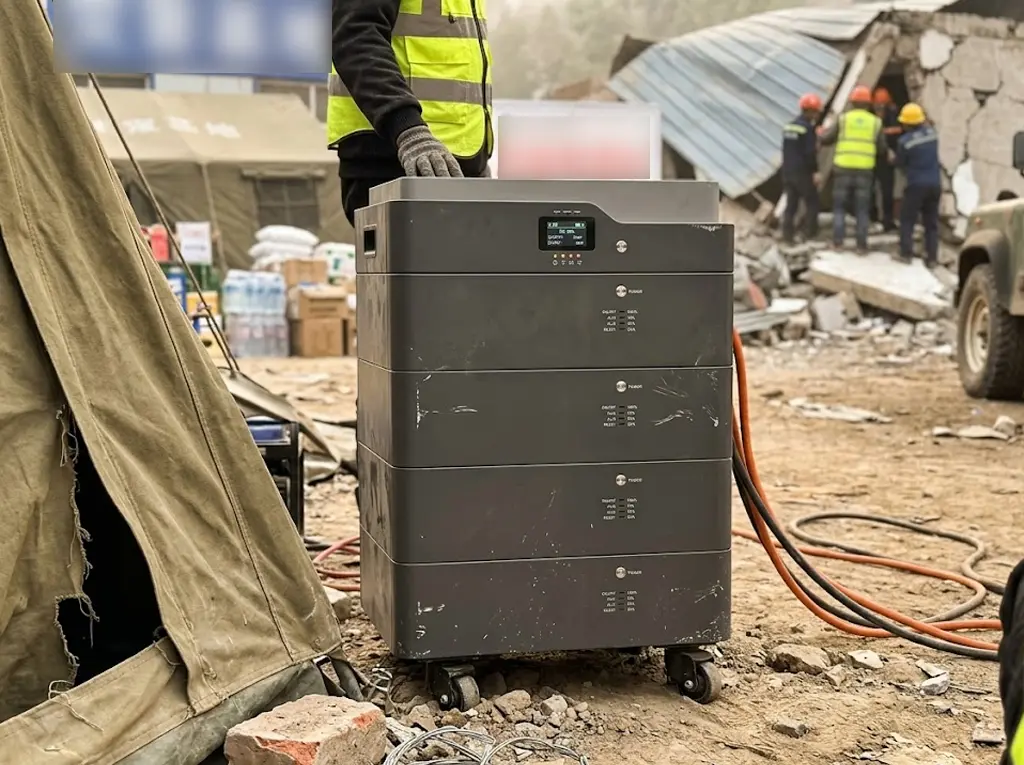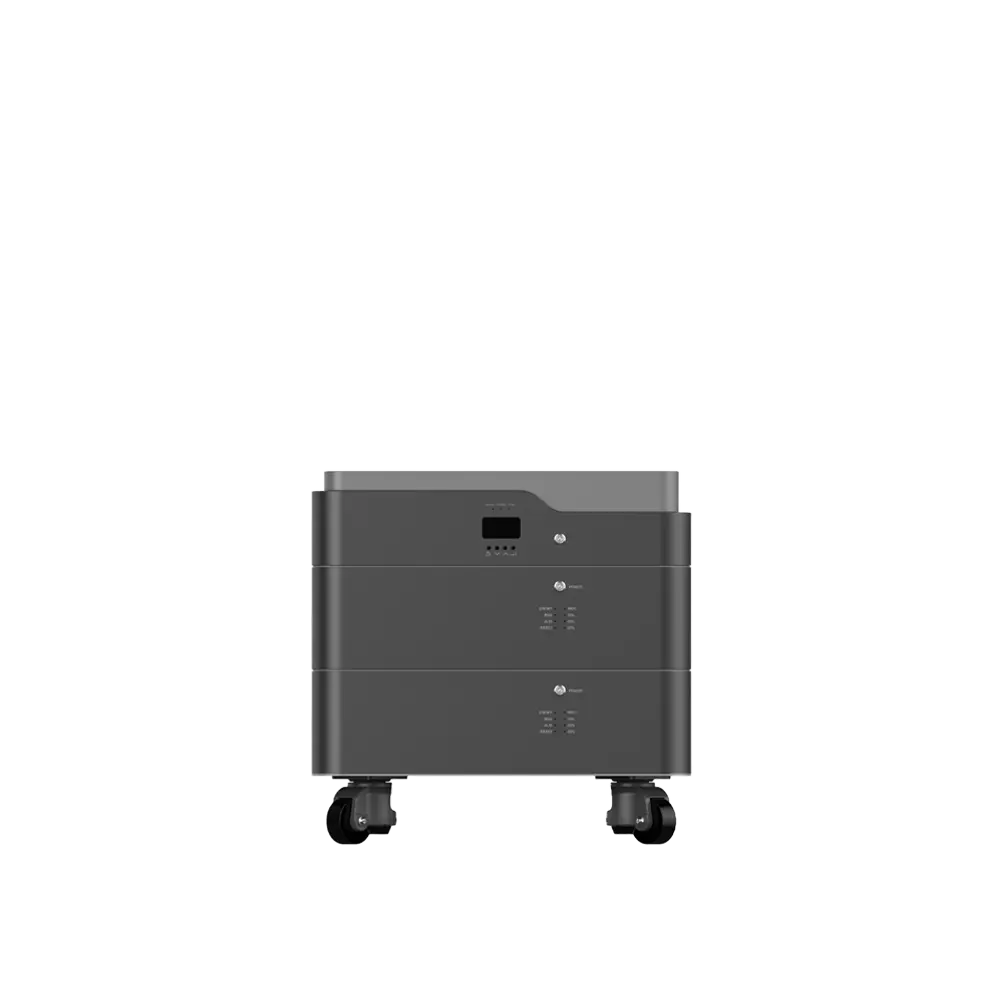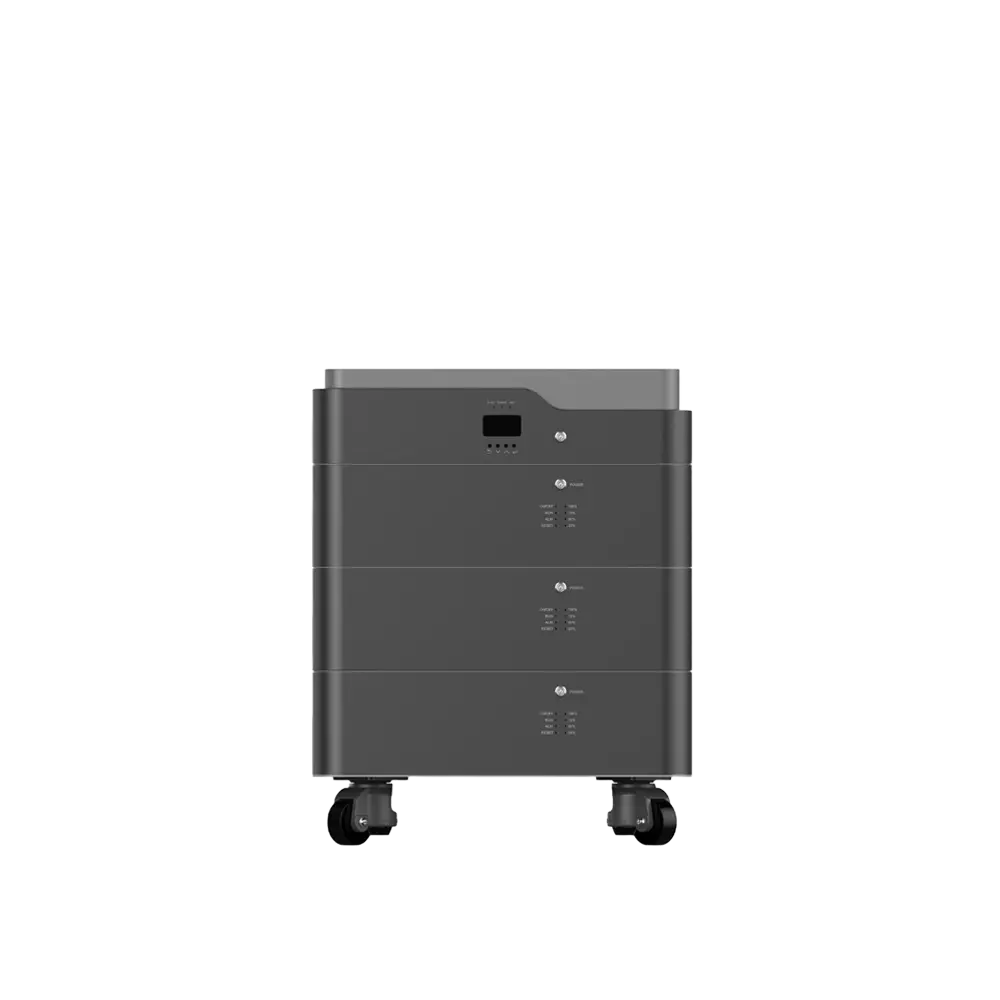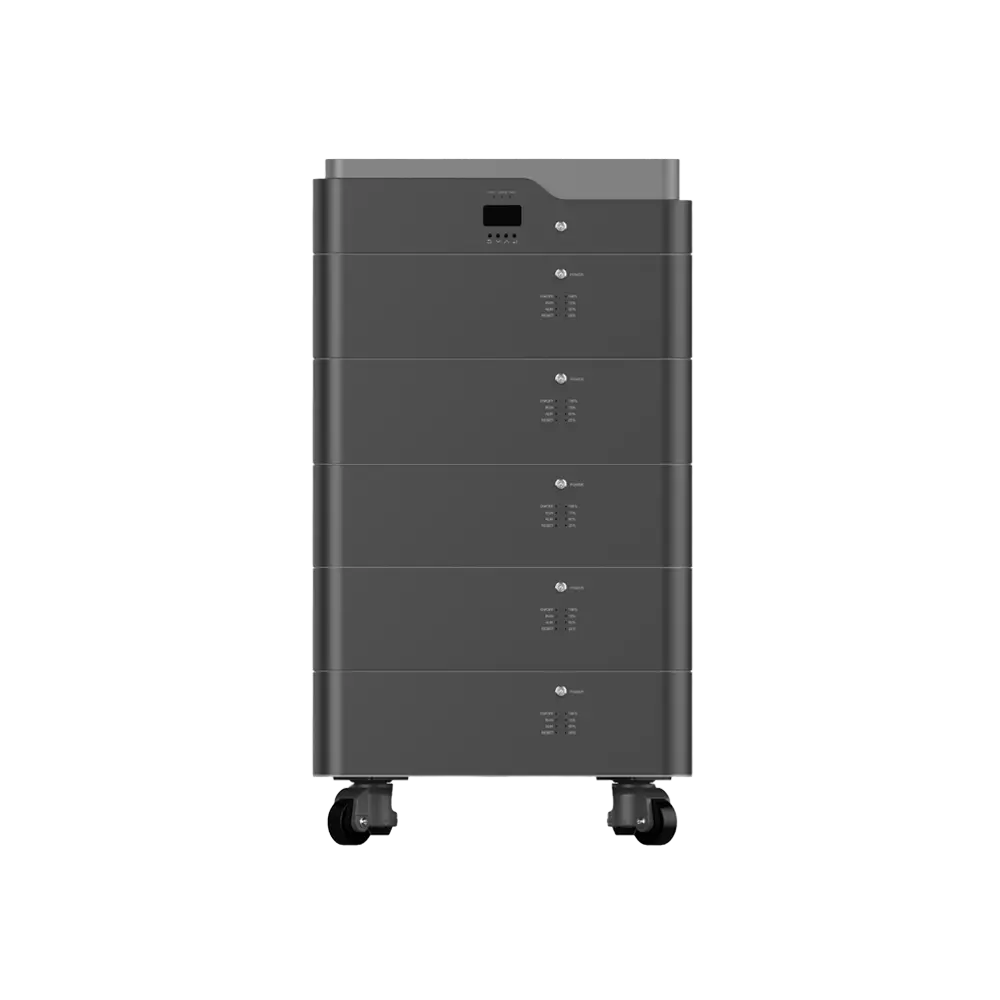
We are a direct manufacturer of stackable home solar energy storage systems, delivering high-power, plug-and-play stacked lithium battery solutions for residential whole-home backup, hybrid solar self-consumption, and off-grid applications.
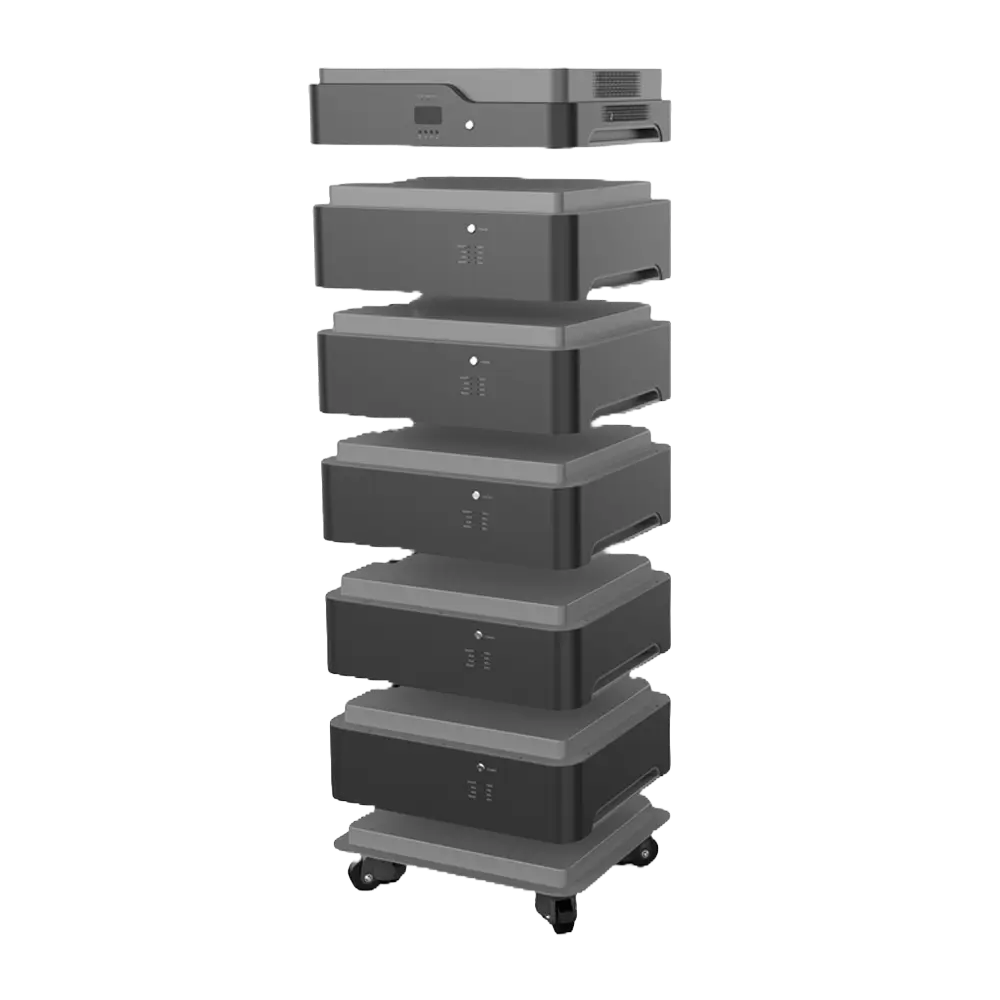
Each layer provides 5.2kWh energy, and the system supports modular expansion (battery stacks) to match different household load profiles. Built with LiFePO4 chemistry, rugged structure, and app-based monitoring via Bluetooth/Wi-Fi, this platform is engineered for installers, distributors, EPCs, and global OEM/ODM partners.
Key positioning keywords naturally covered: power stack battery, power stack batteries, battery stack, stacked battery, stacking batteries, stacked battery pack, lithium battery stack, home grid battery stack.
supports high-load homes and multiple appliances at once
long runtime with scalable expansion
6,000+ cycle class for long service life
fast installation, clean wiring, easy upgrades
flexible operating modes
real-time status via app
easy to move indoors/outdoors
stable backup power without complicated rewiring
stack your batteries anywhere you need energy resilience
Stackable architecture reduces installation time and simplifies upgrades.
Bluetooth/Wi-Fi app monitoring improves after-sales service and troubleshooting.
LiFePO4 chemistry supports long-term daily cycling and backup readiness.
Optimized internal structure for higher density within a consistent footprint.
Factory-direct customization and design support for global partners.
Designed to integrate with most home energy storage ecosystems.
With 5kW AC output, the system is suitable for households that want fewer compromises during outages—more circuits can stay on, including higher-demand appliances.
Connect PV → charge the stacked battery pack → power loads day and night. The system supports charging and discharging at the same time, improving solar self-consumption.
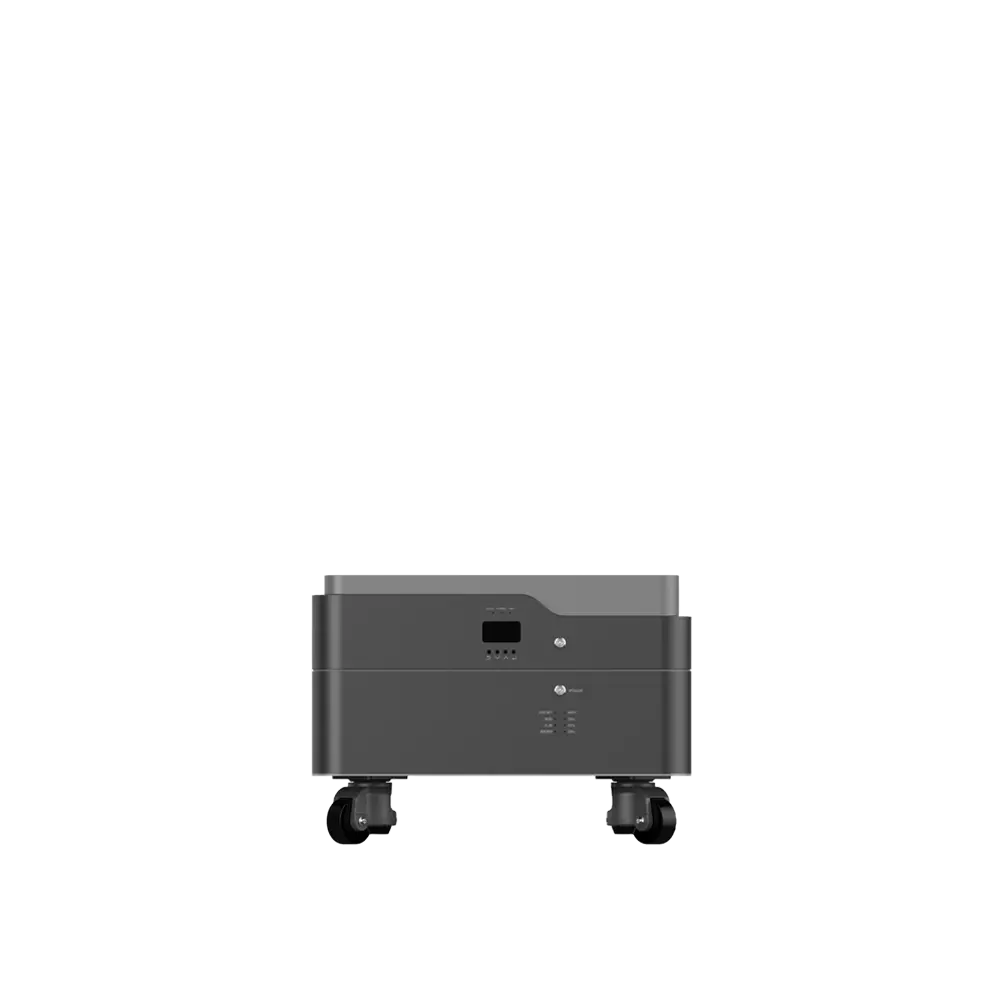
Rugged design for emergencies. (If your configuration includes handle + rollers like your other SKUs, it’s easy to move and position where needed.)
We support deep customization for power stack battery programs:
| Battery Battery Capacity | 20.88kWh |
| Battery Rated Voltage | 51.2V |
| Battery Cycle Life | LiFePO4, ≥ 6000 cycles, 70% SOH, 25°C |
| Battery Charge/Discharge Current | 100A |
| Battery Dimensions | 600×430×150 mm |
| Battery Weight | 46.9 kg |
| Inverter Rated AC Output Power | 5kW |
| Inverter AC Output Voltage | 220V (Optional) |
| Inverter AC Output Frequency | 50Hz (Optional) |
| Inverter AC Rated Input Voltage | 220V (Optional) |
| Inverter AC Input Power | 3000W |
| Inverter Grid Type | Off-grid/ On-grid |
| Inverter Display | LCD |
| Inverter Communication | RS485 |
| Inverter Operating Temperature | -10°C ~ 60°C |
| Inverter Dimensions | 600×430×204 mm |
| Inverter Weight | 16.4 kg |
| Base Dimensions | 600×430×152 mm |
| Base Weight | 9.3 kg |
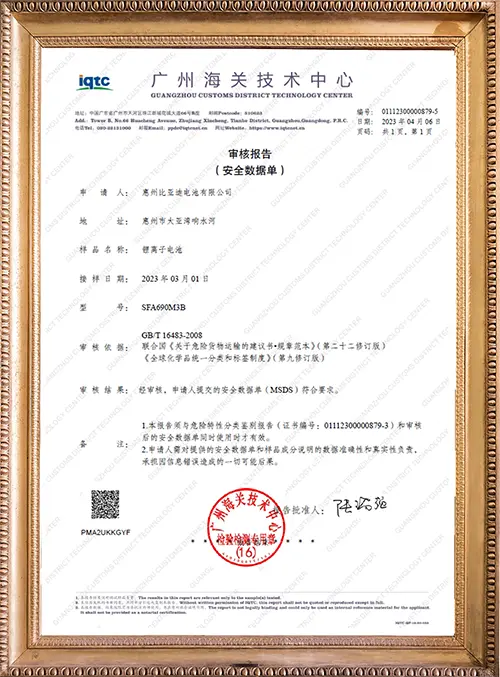
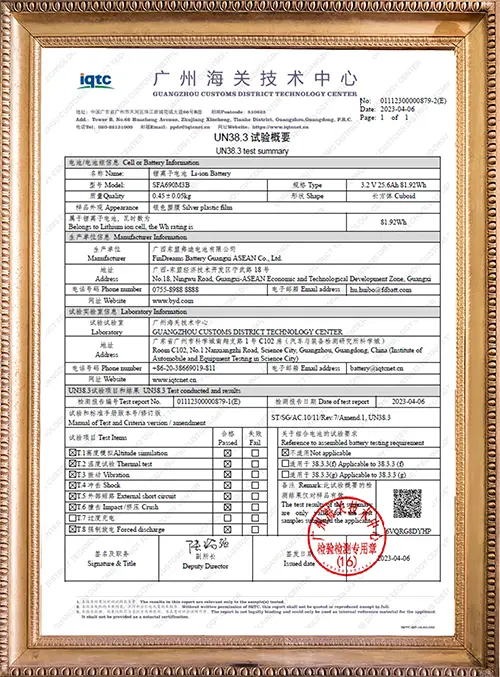
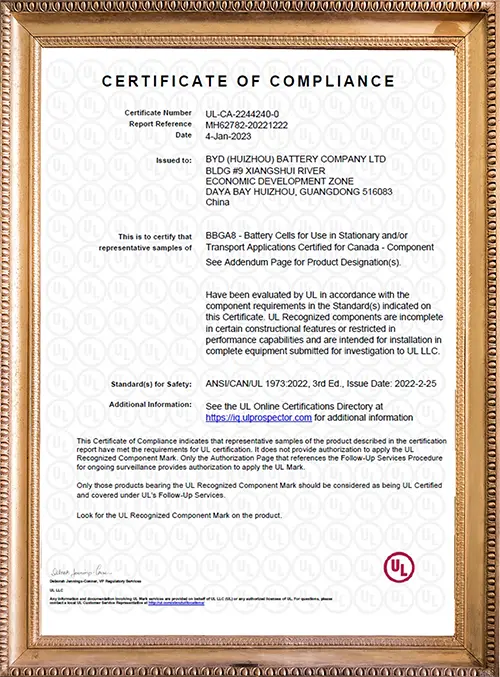
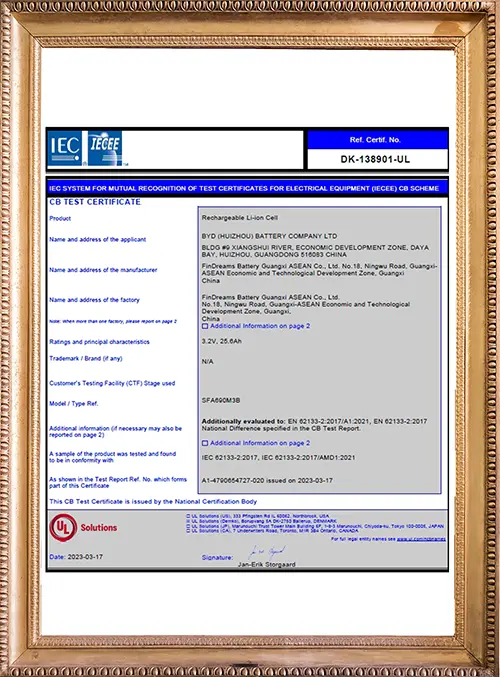
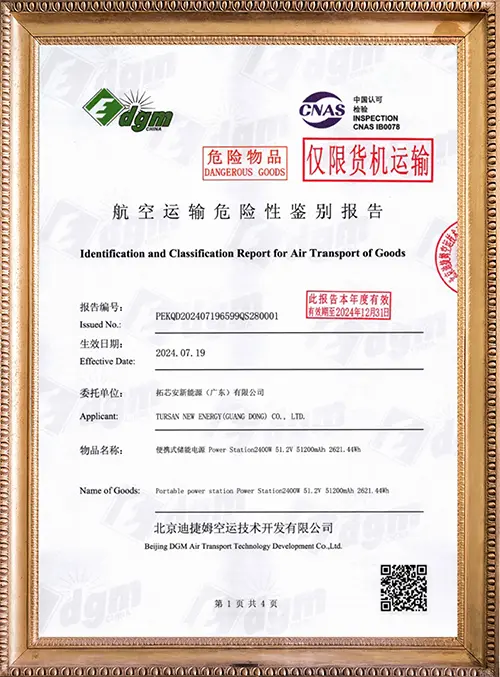
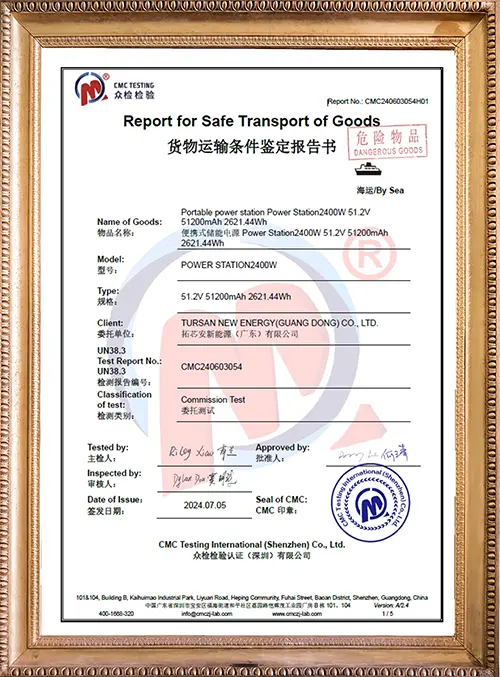
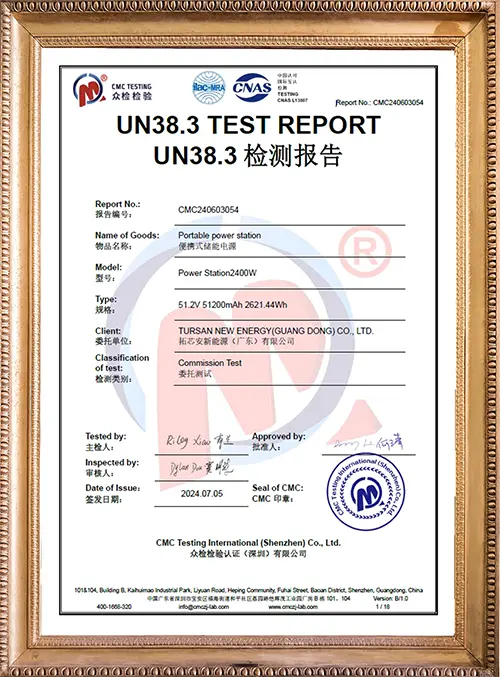
| Certificates |


A 5kW system can run most essential loads, but it depends on how many large appliances run at the same time. Power (5kW) determines what you can run simultaneously, while battery energy (20kWh) determines how long you can run it. Many homeowners still use priority circuits or load management for the heaviest loads.
A 5kW system can support refrigerators, lighting, TVs, internet, pumps, kitchen appliances, and often one air conditioner. The main constraint is the combined wattage and surge current at startup. For best results, balance large loads and avoid starting multiple motors at the same exact moment.
“5kW” refers to power output; runtime depends on battery capacity (kWh). Your model lists 20.8912kWh, so an average 2kW load could last roughly 8–10 hours, while a 5kW average load might last around 3–4 hours. Real-world results vary due to inverter efficiency and temperature.
A quick estimate is: Runtime (hours) ≈ usable kWh ÷ average kW. At a 1kW average load, ~20kWh can last about 20 hours; at 4kW, about 5 hours. Peak loads reduce runtime faster, so use your evening/night average load for more realistic planning.
It depends on household consumption. Many homes average 1–3kW overnight (higher with AC), so a ~20kWh battery may cover a full evening plus part of the next morning, or shorter if heavy cooling loads run continuously. Adding modules (battery stacks) extends runtime without changing the core system.
Pricing depends on configuration (power level 5kW, total kWh like 20kWh, certifications, monitoring, and included accessories) and whether installation is included. For B2B projects, costs are best quoted by BOM and compliance requirements. A “factory-direct” quote is typically the most accurate route for distributors and EPCs.
If you mean a 5kW PV array, divide 5,000W by panel wattage. With 400W panels, that’s about 13 panels; with 550W panels, about 9–10 panels. Roof space, shading, and local rules may affect the final design.
Charging time depends on charge power. A simple estimate: time ≈ battery kWh ÷ charging kW. With 5kW charging, ~20kWh may take around 4–5 hours, plus some tapering near full charge.
It depends on battery size and sunlight. In perfect conditions, 400W might produce ~1.6–2.0kWh over 4–5 peak sun hours, before losses. Real-world charging will be slower due to heat, angle, and conversion losses.
Panels increase generation; batteries increase usable energy at night and backup resilience. If your battery rarely reaches full, add more panels. If your battery fills early and you still buy power at night, add more battery capacity.
Start with your daily kWh usage and your peak kW demand. Decide how many hours of backup you want (essentials vs whole home). Then size energy capacity (kWh) for runtime and power (kW) for simultaneous appliance operation.
Yes, if the inverter power and surge capability match the AC requirements. Air conditioners have high startup surges, so proper sizing and wiring are essential. More battery capacity increases runtime; sufficient inverter power ensures stable operation.
Key considerations include higher upfront cost, the need for a quality BMS, correct installation, and safe charging practices. Performance can be affected by extreme temperatures, so proper placement and protection matter. Choosing LiFePO4 and a well-designed BMS reduces many risks.
Avoid poor ventilation, high heat exposure, incorrect chargers, loose connections, undersized cables, and missing protection devices. Do not bypass safety features or mix incompatible battery types. Proper installation and settings are as important as the battery itself.
Risk is low with quality cells, proper BMS protection, and correct installation, but no energy system is risk-free. Store and install batteries away from heat sources and flammable materials, use correct protection devices, and follow recommended operating temperature ranges. LiFePO4 is generally selected for better thermal stability.
Often yes. Many lithium systems benefit from avoiding long periods at 100% state of charge, especially in warm environments. Daily charge limits (e.g., 80–90%) can reduce stress and improve long-term durability.
It’s a longevity guideline suggesting daily use between roughly 40% and 80% SOC to reduce degradation. LiFePO4 is durable, but this practice can still help maximize service life. Many users charge higher only when they need maximum backup readiness.
It’s a common concept that most battery aging happens near extremes (very high or very low SOC). Many users operate mostly in the middle range and only go to full charge when needed. Settings depend on your backup goals and daily cycling pattern.
Keeping batteries at 100% for long periods—especially in heat—can accelerate aging. If the system is mainly for daily cycling, a slightly lower daily charge target may extend life. If it’s for emergency backup, staying closer to full can be reasonable, but temperature control remains important.
For some households it’s moderate; for others it’s high. Usage depends heavily on air conditioning/heating, water heating, cooking, and EV charging. If you regularly use 20kWh/day, storage can reduce peak-rate grid purchases and improve resilience.
Air conditioning/heating, water heaters, ovens/stoves, dryers, and older refrigerators/freezers are common top contributors. Long runtimes at high power matter more than short bursts. Measuring actual appliance consumption is the fastest way to identify the biggest drivers.
Often yes, especially if you consume more energy at night, face time-of-use rates, or want outage backup. A battery increases self-consumption of your solar production and can reduce reliance on the grid during peak hours. The best value comes from choosing the right kWh capacity for your evening load profile.
As a professional manufacturer of solar lithium battery energy storage systems, TURSAN is dedicated to providing the global market with high-quality home energy storage batteries, inverters, portable power stations, and all-in-one storage solutions. We now sincerely invite you to become our exclusive partner in your country or region, to jointly develop the clean energy storage market and create steadily growing business value.
Exclusive Regional Authorization
After signing the agreement, we will cease wholesale distribution to other clients in your region, fully safeguarding your market interests.
Priority Order Processing & Shipping
Ensure you can respond to local demand immediately and capture time‑sensitive market opportunities.
Product Customization Support
From your first order, we can design and produce energy storage systems completely tailored to your brand.
Comprehensive Product Range Suppor
From home storage and portable power to inverters and all-in-one units with built-in inverters — meeting diverse application needs.
Proven Success in 30+ Countries
We have already helped partners worldwide achieve measurable brand growth and increased profitability.
Your Most Reliable Backend
Whether you are a systems integrator, electrical distributor, or building your own brand, you get stable products and flexible cooperation mechanisms.
📩 Contact us now to receive a customized partnership proposal and product information.
Let’s join hands to bring reliable power solutions to homes and businesses, and co-create a green energy future together!