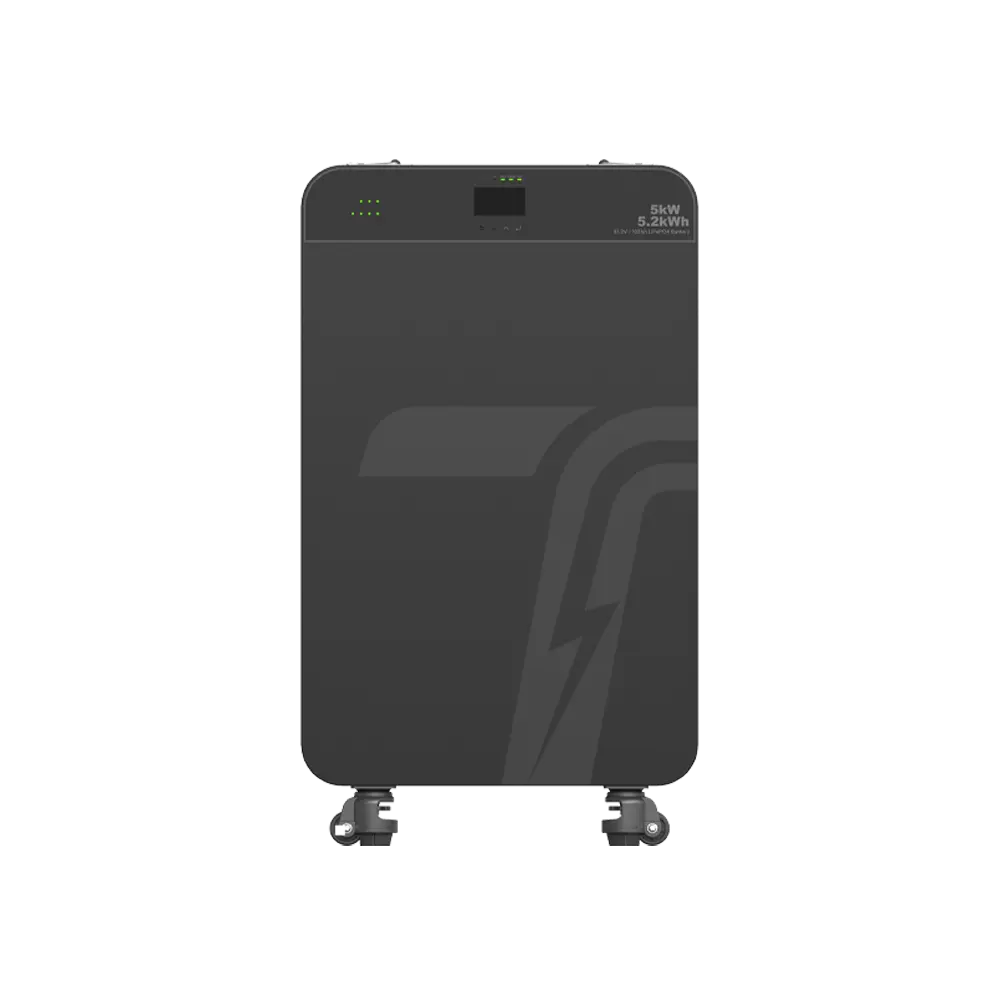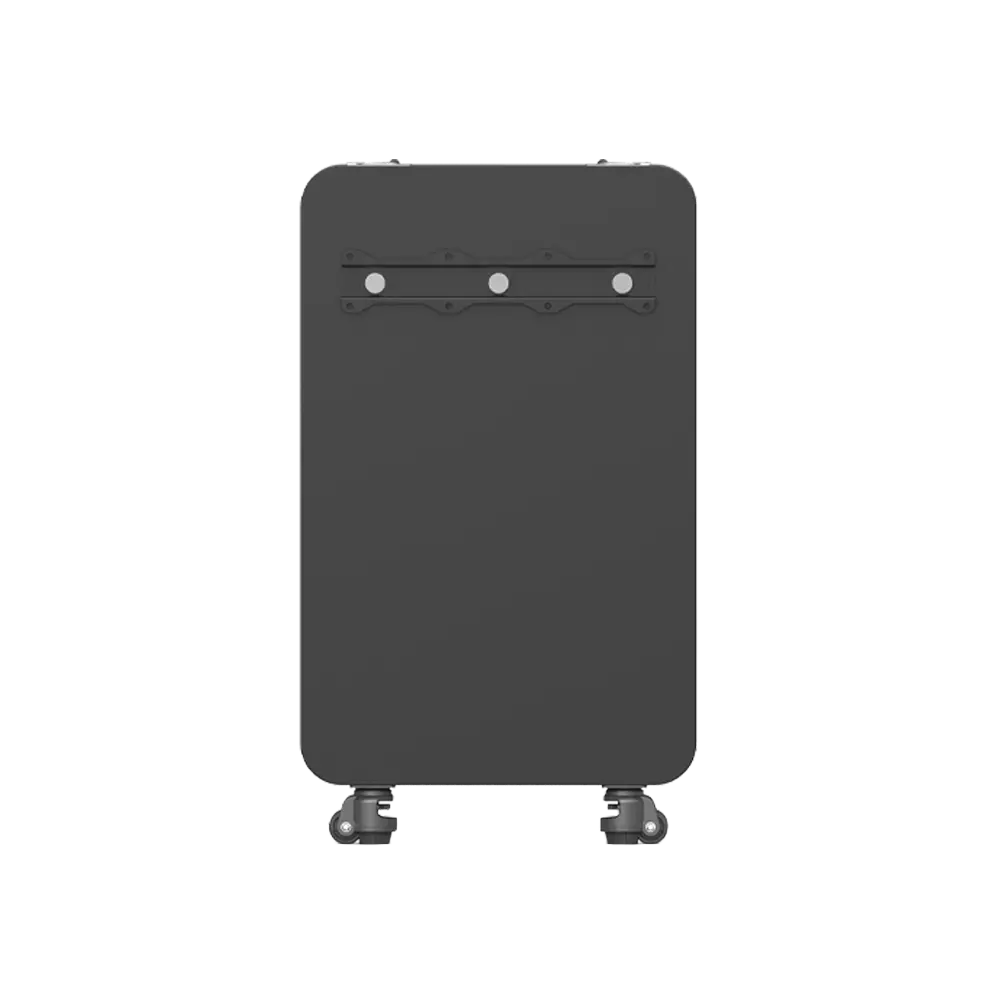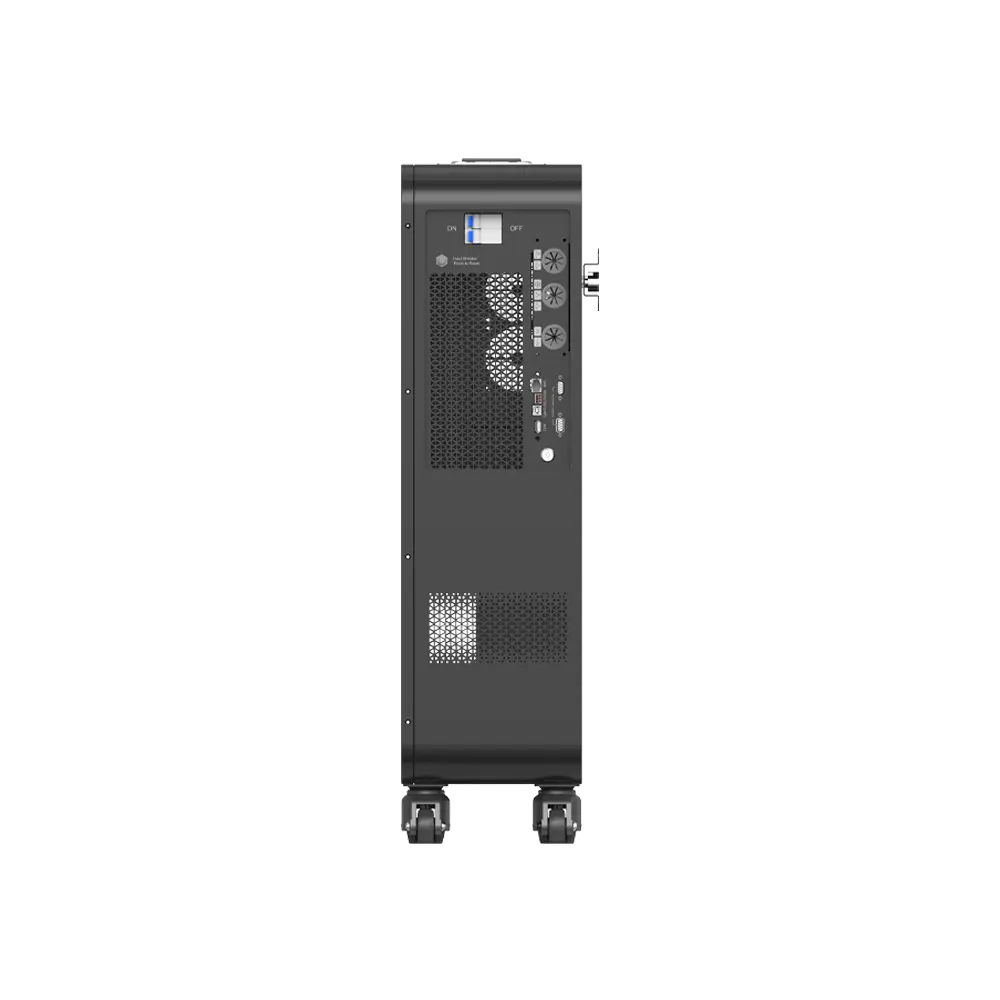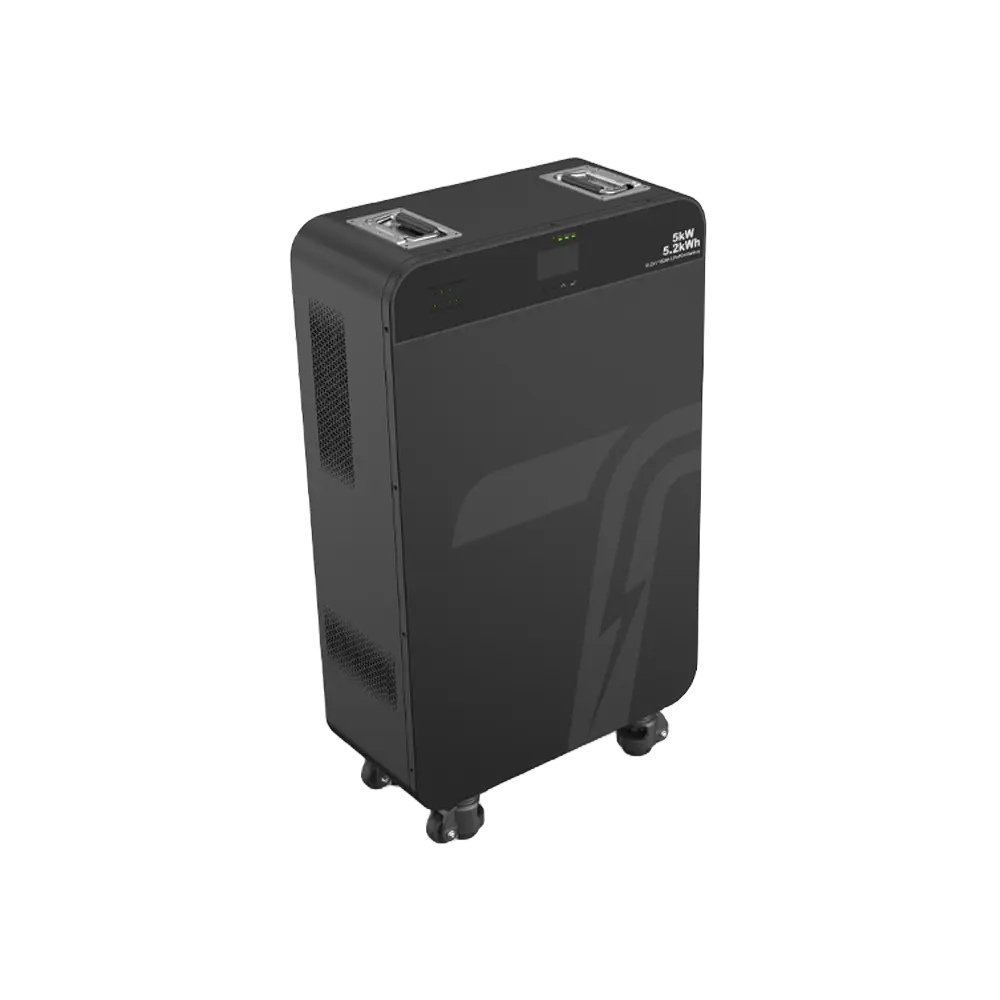
5kW All in One Home Backup Battery

5kW All in One Home Backup Battery (Movable) — OEM & ODM

All-in-One Solar Inverter with Battery (LiFePO4)

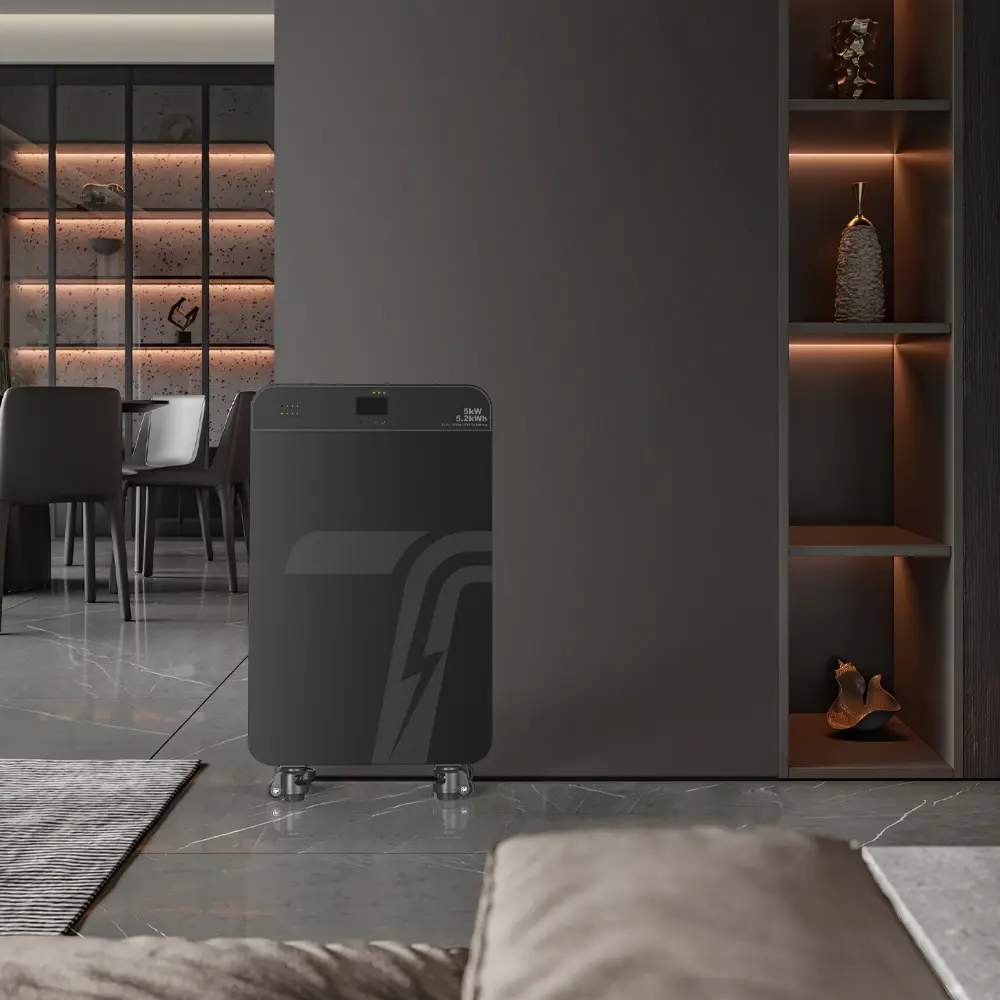
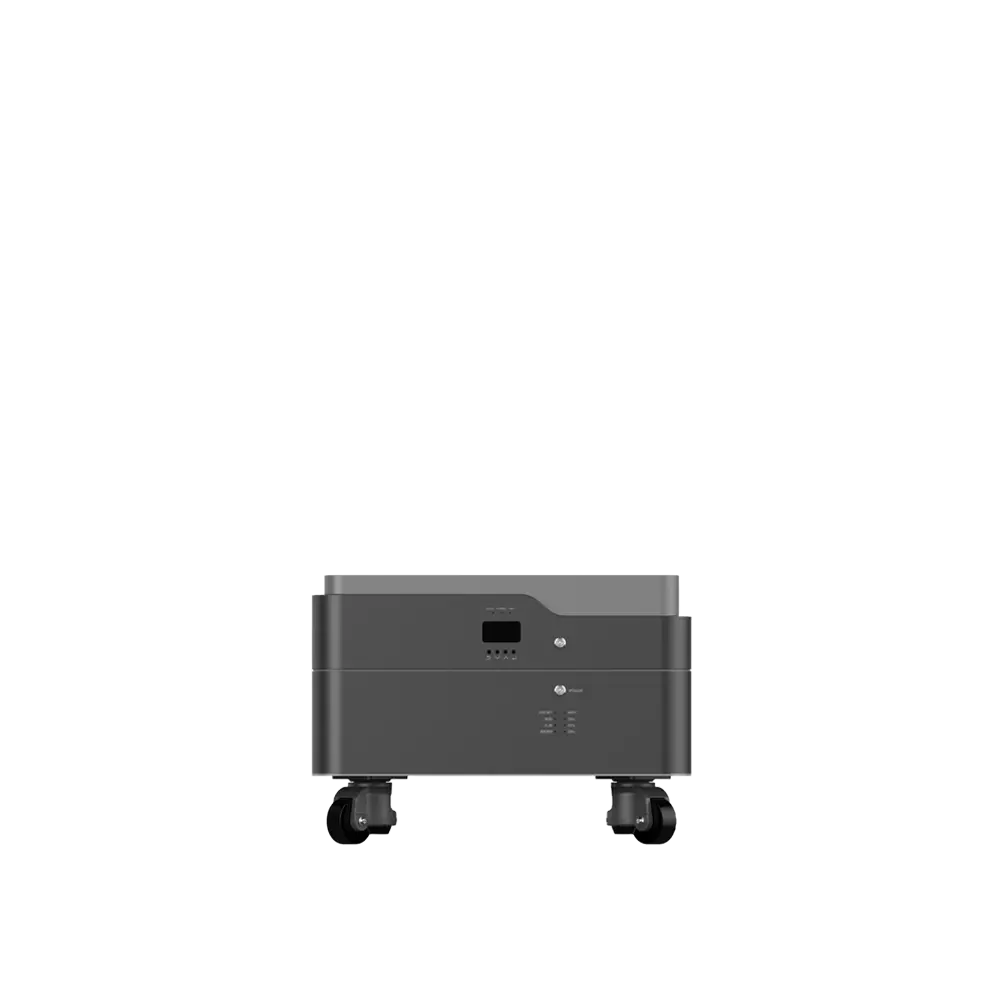
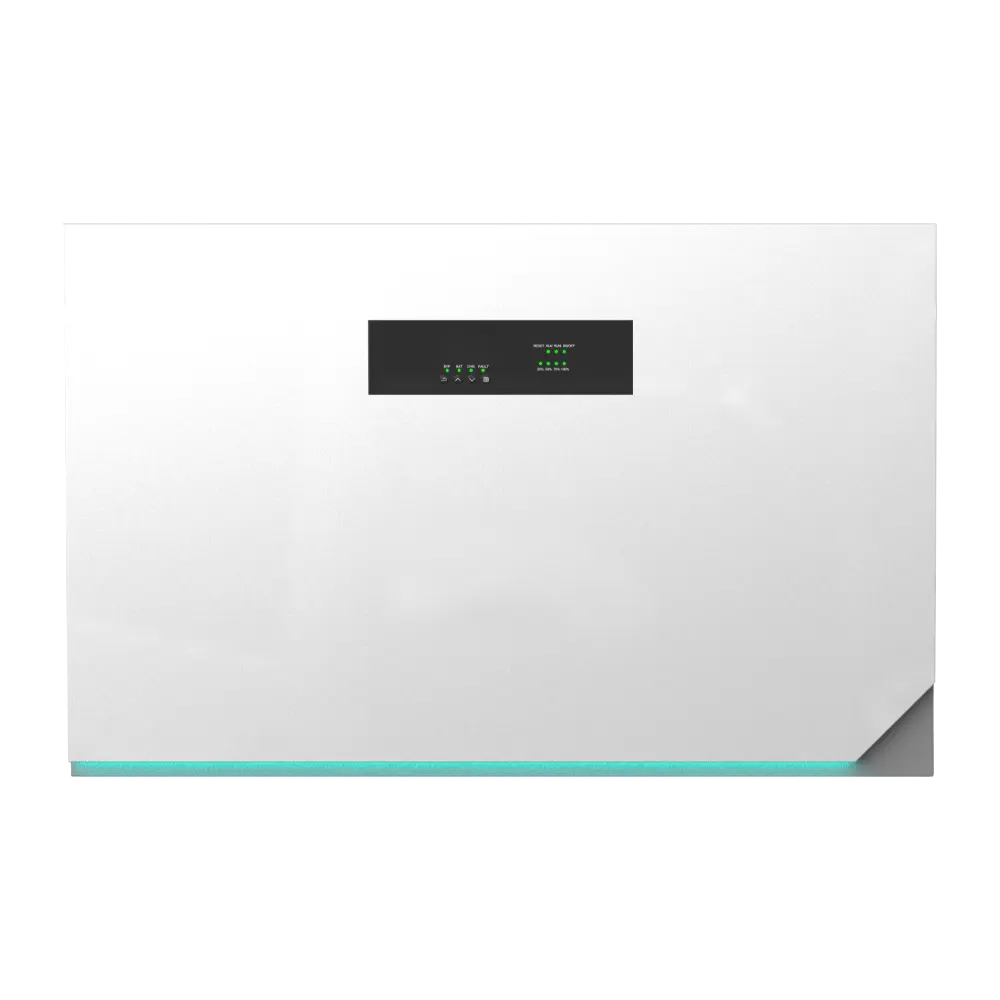
The JC-YT-5K is a compact, movable all-in-one home battery backup that combines a high-efficiency pure sine wave inverter, MPPT solar charging, and a long-life LiFePO4 battery in one integrated cabinet. Built for fast deployment, it supports both off-grid operation and grid-connected backup, making it a strong fit for installers, distributors, and OEM/ODM partners.

Designed as an “easy-to-install, easy-to-sell” all in one solar battery system, JC-YT-5K delivers reliable output for home essential loads, small homes, cabins, and emergency power—while keeping wiring clean and installation time low.

Battery Manage System
Overcurrent Protection
Over-discharge Protection
Low power Protection
High-Low Temp Protection
Overload Protection
Short circuit Protection
Disconnection Protection
Get an up-to-date quote with additional free information to download!

Key Highlights

long cycle life all in one battery

Off-Grid & Hybrid Solar Operation

Want to go off-grid? It’s simple:
LOADING...
GRID STABLE
LOAD CONTROL
Supports simultaneous charging and discharging, maximizing solar self-consumption and energy independence.

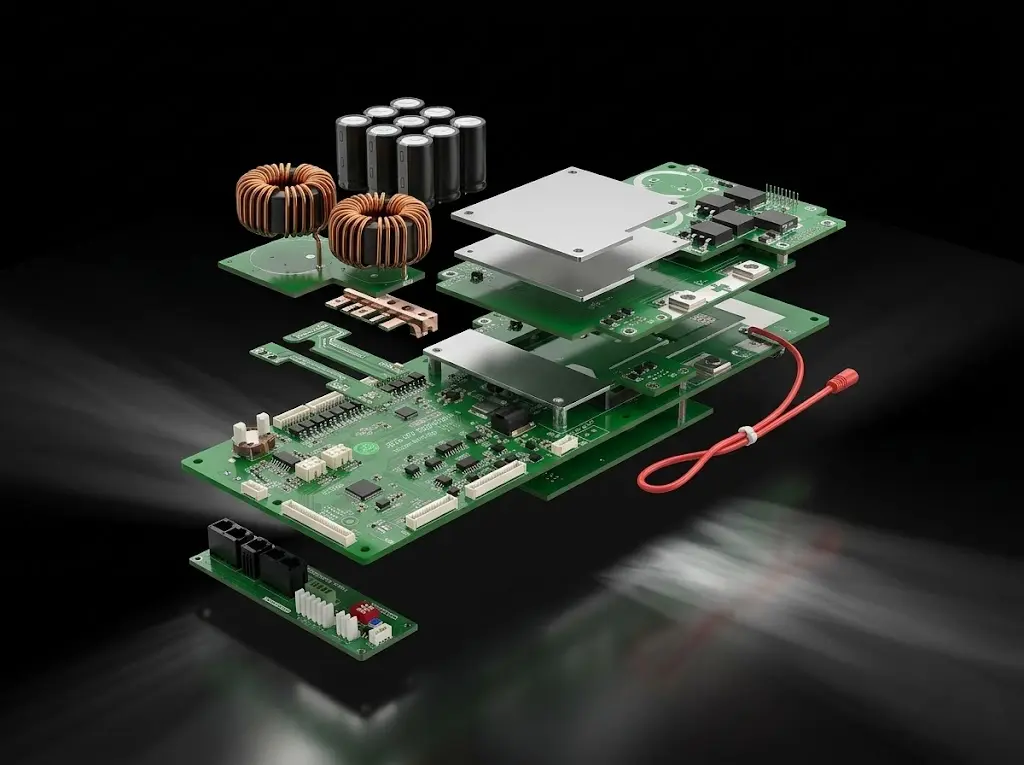
Battery Management System (BMS) Protection

Built-in Battery Manage System includes:
BMS
This protection framework improves reliability for both off-grid use and daily cycling.

Core Advantages

Quick Installation

All-in-one architecture reduces wiring complexity and significantly shortens technician installation time.

Smart Battery Management System

Built-in BMS ensures stable operation under varying load and temperature conditions.

High Cycle Life

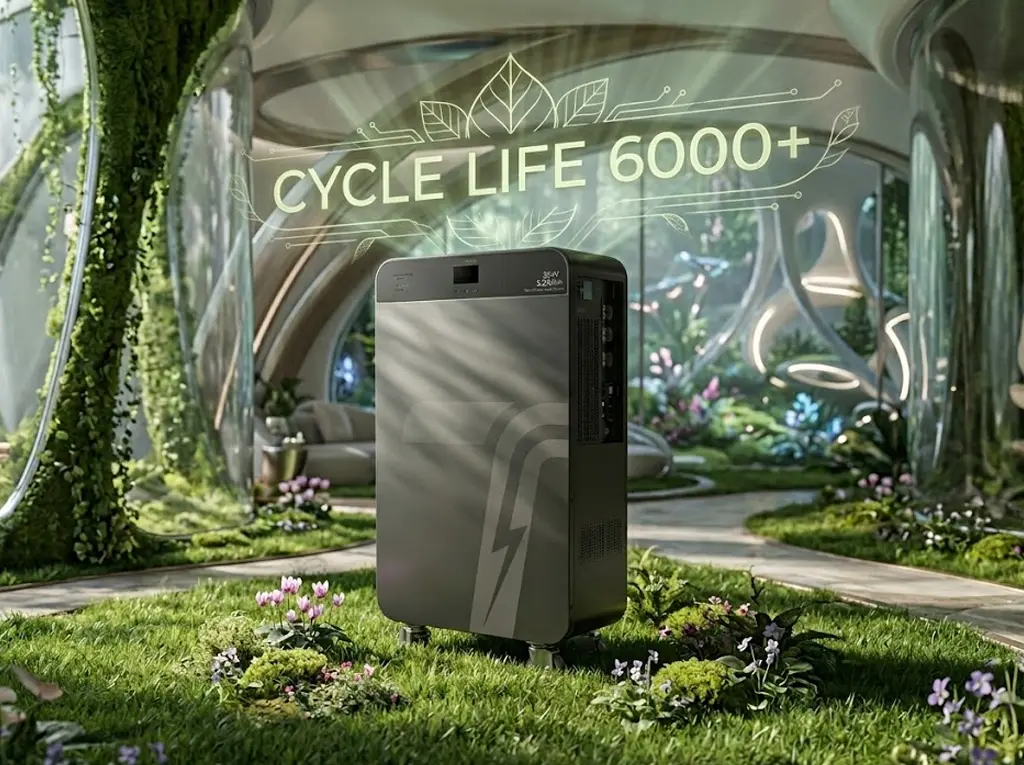
Premium LiFePO4 cell platform supports 6,000+ cycles class for long service life.

Advanced Structure

Optimized internal design improves density, reliability, and serviceability.

Deep Customization (OEM/ODM)

Factory-direct customization with complimentary design support for global partners.

99.99% Device Compatibility

Designed to integrate smoothly with common home energy and solar ecosystems.

Mobility + Emergency-Ready Design

Mobility + Emergency-Ready Design

easy to move indoors/outdoors

Built for power outages

stable backup power without complicated rewiring

Applications

Home All in One Battery System

Built-in Battery Manage System includes:

Supports loads like lighting, router, TV, laptop/home office, fans, and refrigerator (depending on duty cycle and surge). Ideal for homeowners who want quick backup without complex installation.

Hybrid Solar Self-Consumption (Grid + PV)

Charge from PV in the daytime and use stored energy at night to reduce peak-hour grid use. Utility charging is also supported for backup readiness.

Off-Grid Cabins & Remote Power

Works with PV arrays inside MPPT limits, delivering stable pure sine wave AC power with a compact footprint.

Parameters

Battery ModelBYD LiFePO4 Battery
Lifespan6000+
Waterproof GradeIP21
Battery Capacity5222.8Wh
Nominal Working Voltage51.2V
Nominal Input CurrentREDR5OA
Max.Operating Current100A
Over-Voltage Protection58.4V (Recovery Voltage 54V)
Over-Discharge Protection45V (Overdrain Recovery 48V)
Charging Over-Temperature Protection Temperature65℃
Charging Over-Temperature Recovery Temperature55℃
Discharge Over-Temperature Protection Temperature70℃
Discharge Over-Temperature Recovery Temperature60℃
EqualizationPassive Equilibrium
Short Circuit ProtectionYes (Charge Removal / Load Removal)
Max. Output Power (W)5600
Peak Output Power (W)10000
Output Voltage WaveformPure Sine Wave
AC Backfill ProtectionYes
Rated Output Voltage(Vac) (Customized)110Vac/120Vac/220Vac-250Vac±5%
Ouput Frequency Range (Customizable)47±0.3Hz~55±0.3Hz(50Hz); 57±0.3Hz~65±0.3Hz(60Hz);
Max.Efficiency>92%
Charge ModeSupports utility charging, photovoltaic charging
Input Voltage Range (Customized)(170Vac~280Vac)±2%(UPsmode)(90Vac-280Vac)±2%(APL mode)(90Vac-140Vac)±2%
Input Frequency Ranges50Hz/60Hz(Auto-detection)
Max.Charging Current (Settable)60A
Short Circuit ProtectionYes
Max.PV Open CircuitVoltage500Vdc
PV Operating VoltageRange450Vdc
MPPT Voltage Ranges120-450Vdc
Max.PV Input Power2500-4000W
Max.PV Input Current22A
Charging Short Circuit ProtectionBlown Fuses
Wiring ProtectionReverse Connection Protection
Maximum Hybrid Charge Current (PV+AC) (Settable)0-140A
Amount of Power Shipped50-80%
CommunicateRS485、CAN
UPSSupports 10ms (Typical)
Operating Temperature-15~55℃
Humidity Range0~80%RH
Weight61Kg±1Kg(134.5lbs ± 1lbs)
Dimensions(L×W×H)880mm×550mm×315mm
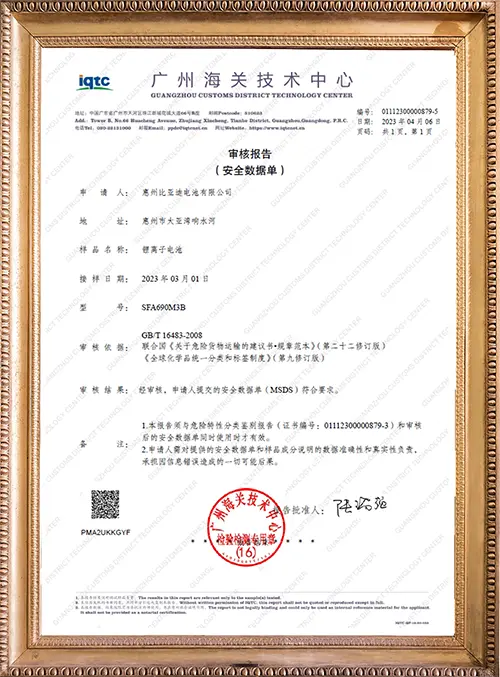
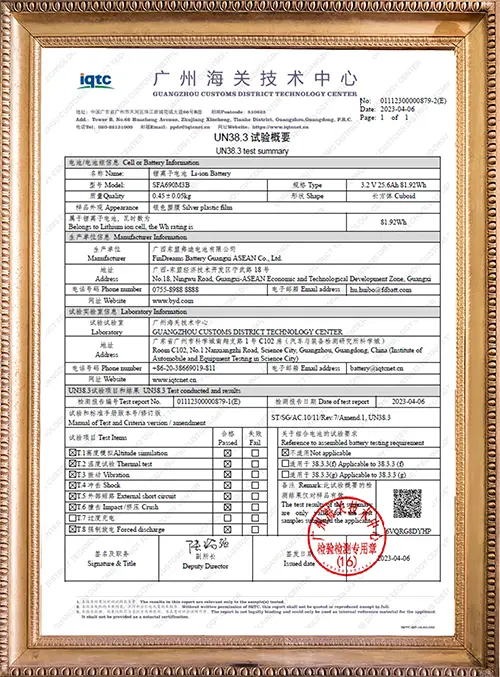
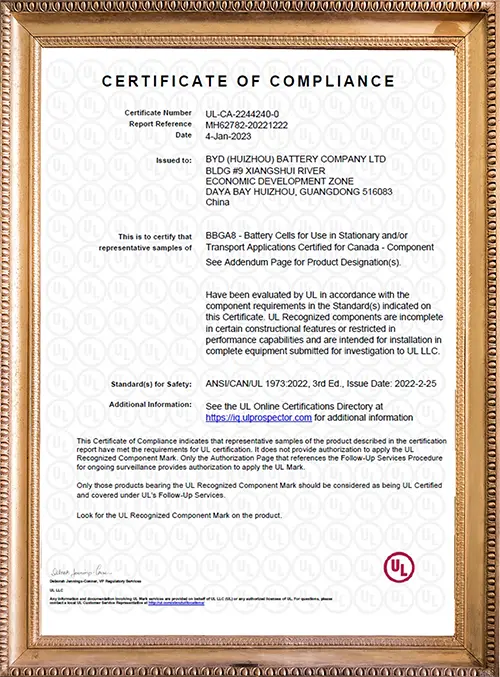
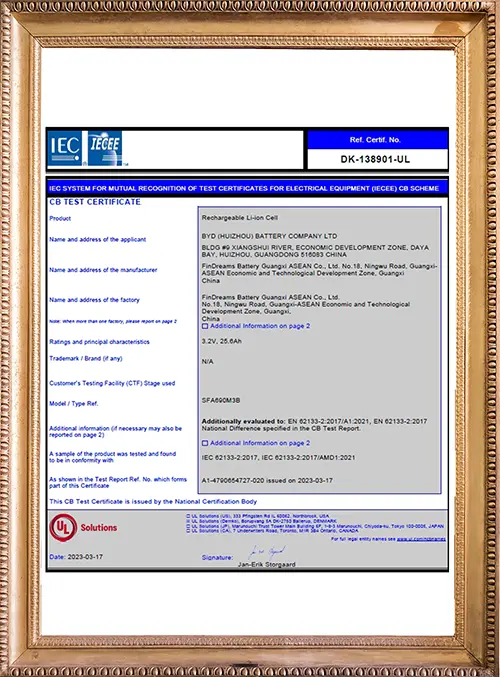
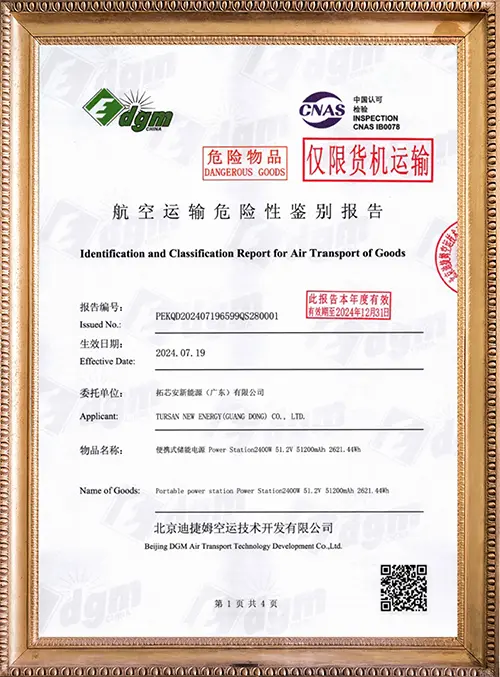
Certificates

Certificate

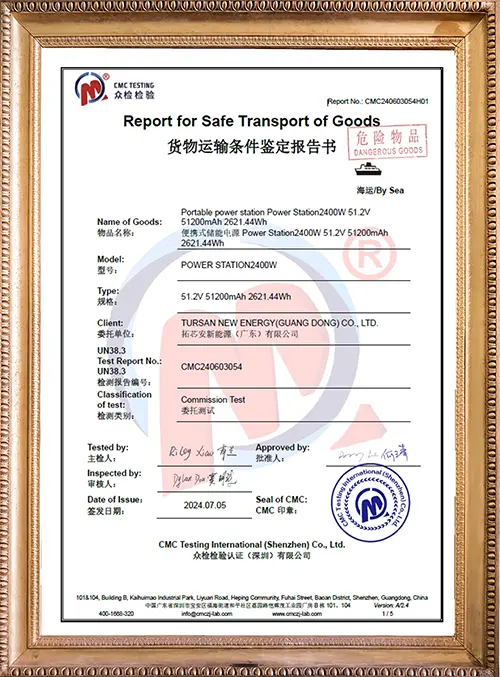
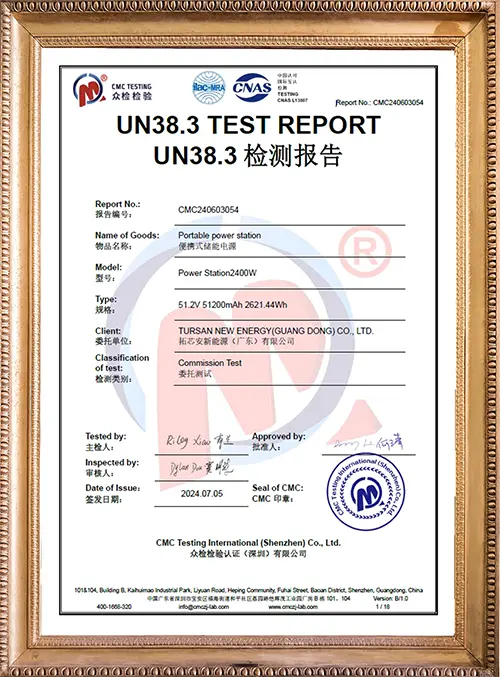
Pre-integrated UN38.3, MSDS, UL, CE, FCC, IEC, RoHS and other certifications to shorten market access cycles.

Wholesale Process

Frequently Asked Questions (FAQ)

It depends on battery capacity (kWh) and your average load (kW). Your battery is ~5.22kWh, so at a 500W average load it may last around 8–10 hours, while at a 2kW average load it may last around 2–3 hours. Inverter efficiency, temperature, and surge loads will affect real runtime.

For essential circuits, it often can be—especially if you manage high loads. Whether it can run an entire house depends on how many large appliances you run at once (AC, kettle, microwave, water heater). Many homes use a 5kW-class system for essentials and add capacity for longer runtime.

“5kW” usually refers to the system’s power output capability, not the stored energy. Stored energy is measured in kWh (your unit is ~5.22kWh). Power tells you what you can run at once; energy tells you how long you can run it.

It depends on battery voltage and capacity. A 48–51.2V system is typically preferred because it reduces current and improves efficiency. You size the battery bank by required runtime (kWh) and by whether the battery can safely deliver the continuous current.

Start with your nighttime/backup kWh needs. If you want to run 1kW average for 6 hours, you need about 6kWh usable energy (plus losses). Many users choose a 5–10kWh range depending on desired backup duration and whether they run AC.

To charge ~5kWh in one good solar day, many setups use roughly 1–2kW of PV depending on sun hours and losses. If you want faster charging and daytime load coverage, 2–4kW of PV can be more practical. Exact sizing should consider your location’s peak sun hours.

Charging time depends on charge power. A simple estimate is time ≈ battery kWh ÷ charge kW. If you charge at ~1.5kW, a 5.2kWh battery might take about 4 hours, with some tapering near full charge.

A 5kW system can often run most essentials: lights, TV, router, computers, refrigerator, fans, and some kitchen appliances—if not all at once. High-heat appliances (electric water heater, oven, space heater) can quickly consume available power. Load management is key.

Usually one efficient inverter AC may be possible alongside light loads, but it depends on AC size, startup surge, and indoor conditions. Running multiple AC units often requires higher power capacity or strict load scheduling. Peak output helps with startup, but continuous operation needs enough headroom.

Yes, commonly through PV + inverter + battery. Solar can support daytime operation, while the battery handles fluctuations and startup surge. For long runtime, PV size and battery kWh matter more than the inverter nameplate alone.

A properly designed system with MPPT and BMS will prevent overcharging by controlling current and voltage. Overcharging risk is mainly from incorrect controllers, wrong settings, or bypassing protections. Always use matched equipment and correct charge profiles for LiFePO4.

In most systems, yes—charging current is reduced or stopped when the battery reaches charge limits. The controller will also taper current near full charge. This is normal behavior and protects battery health.

If the battery is not full, excess PV typically charges the battery. If the battery is full, the system may curtail PV output or export to the grid (if grid-connected and allowed). Behavior depends on your operating mode and local rules.

This depends on your country and local policy, and it changes over time. Some regions provide incentives for batteries installed with solar or used for backup resilience. It’s best to confirm with local tax authority guidance or a qualified professional.

Eligibility depends on local regulations and documentation. Common issues can include non-qualifying equipment, missing invoices, incorrect filing, or systems not meeting program requirements. Always keep purchase and installation records and consult local guidance.

Common top drivers include air conditioning/heating, water heating, ovens/stoves, clothes dryers, and older refrigerators/freezers. Long runtime at high power matters more than short bursts. Monitoring your biggest loads is the fastest way to reduce costs.

HVAC systems, electric water heaters, and resistance heating devices often lead consumption. Cooking appliances and dryers can also be high users. The “biggest” varies by climate and lifestyle.

Space heaters, electric water heaters, older AC units, and dryers are frequent culprits. Refrigerators are moderate but run continuously. The biggest drain is usually the one that runs the longest at high wattage.

For LiFePO4, frequent partial charging is generally fine. Battery aging is more influenced by heat, very high state of charge storage, and deep discharges than by normal top-ups. Good charge settings and ventilation help long-term life.

Often yes. Keeping lithium batteries away from long periods at 100%—especially in warm environments—can reduce long-term degradation. Many users set daily charge limits and only charge to 100% when preparing for outages.

A 50% state of charge is generally a comfortable mid-range for lithium batteries and often favorable for storage. For backup readiness, you may keep a higher reserve. For longevity, avoiding extremes is typically beneficial.

It’s a common longevity guideline suggesting you operate mostly between 20% and 80% state of charge to reduce battery stress. Exact best practice depends on whether your priority is maximum backup readiness or maximum lifespan.

Similar concept: daily cycling in the mid-range (around 40–80%) can reduce wear. LiFePO4 is robust, but heat and constant 100% storage can still accelerate aging. Many systems allow SOC targets to balance lifespan and backup needs.

Storing at 100% for long periods—especially in warm conditions—can increase aging over time. Many users keep daily targets lower and only go to full charge when expecting outages. Good thermal management is important.

If you use the battery mainly for daily cycling, many users reserve full charges for outage readiness. Some systems recommend occasional full charges for calibration depending on BMS design. A practical approach is to keep a high reserve when outages are common, and a lower daily limit when they are not.

Avoid high heat, avoid repeated deep discharges, limit long storage at 100% SOC, use correct charge settings, and ensure tight/clean wiring connections. Ventilation and correct installation practices make a big difference. Monitoring usage patterns also helps optimize settings.

Related Products

Rated Power
3kW (Peak 7kW)
Battery Capacity
5kWh
Rated Power
5kW
Capacity Battery
5kWh

Partner with TURSAN, Ignite a New Chapter in Your Country's Energy Storage Business

As a professional manufacturer of solar lithium battery energy storage systems, TURSAN is dedicated to providing the global market with high-quality home energy storage batteries, inverters, portable power stations, and all-in-one storage solutions. We now sincerely invite you to become our exclusive partner in your country or region, to jointly develop the clean energy storage market and create steadily growing business value.

Market Protection

Exclusive Regional Authorization

After signing the agreement, we will cease wholesale distribution to other clients in your region, fully safeguarding your market interests.

Fast Fulfillment

Priority Order Processing & Shipping

Ensure you can respond to local demand immediately and capture time‑sensitive market opportunities.

Brand Ownership

Product Customization Support

From your first order, we can design and produce energy storage systems completely tailored to your brand.

Full Coverage

Comprehensive Product Range Suppor

From home storage and portable power to inverters and all-in-one units with built-in inverters — meeting diverse application needs.

Global Trust

Proven Success in 30+ Countries

We have already helped partners worldwide achieve measurable brand growth and increased profitability.

Partner Flexibility

Your Most Reliable Backend

Whether you are a systems integrator, electrical distributor, or building your own brand, you get stable products and flexible cooperation mechanisms.

📩 Contact us now to receive a customized partnership proposal and product information.
Let’s join hands to bring reliable power solutions to homes and businesses, and co-create a green energy future together!

Make Contact Now

Speak to Our Experts in 1 min
Got a Question? Contact me directly and l will help you quickly and directly.
Speak to Our Experts in 1 min
Got a Question? Contact me directly and l will help you quickly and directly.
WeChat Video
Use WeChat to Swipe and Watch our Videos!

Make Contact Now

Speak Directly with Our Boss!
Got a Question? Contact me directly and l will help you quickly and directly.
Speak Directly with Our Boss!
Got a Question? Contact me directly and l will help you quickly and directly.

Make Contact Now

Speak to Our Experts in 1 min
Got a Question? Contact me directly and l will help you quickly and directly.
TURSAN Smart Manufacturing
Witness how our batteries are made — from cells to finished packs — with complete quality control and rigorous testing. Submit your request and our tour coordinator will reach out.