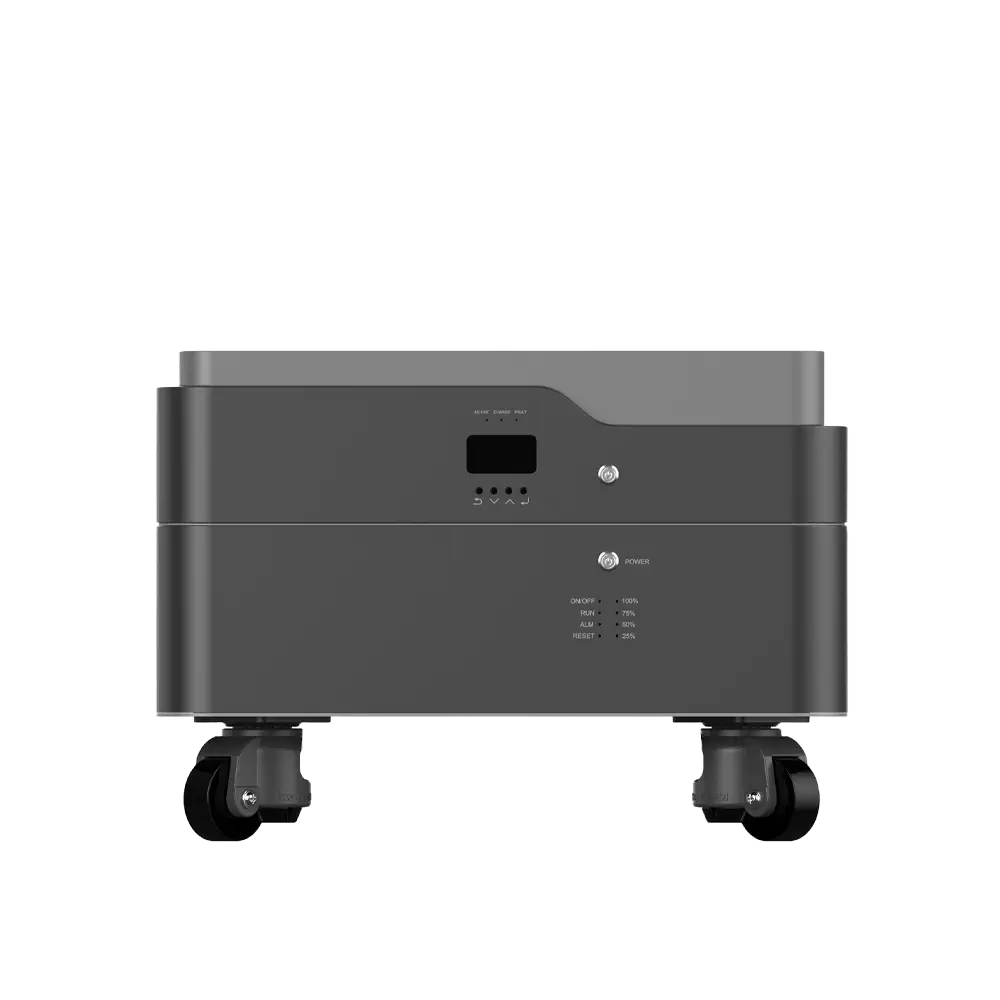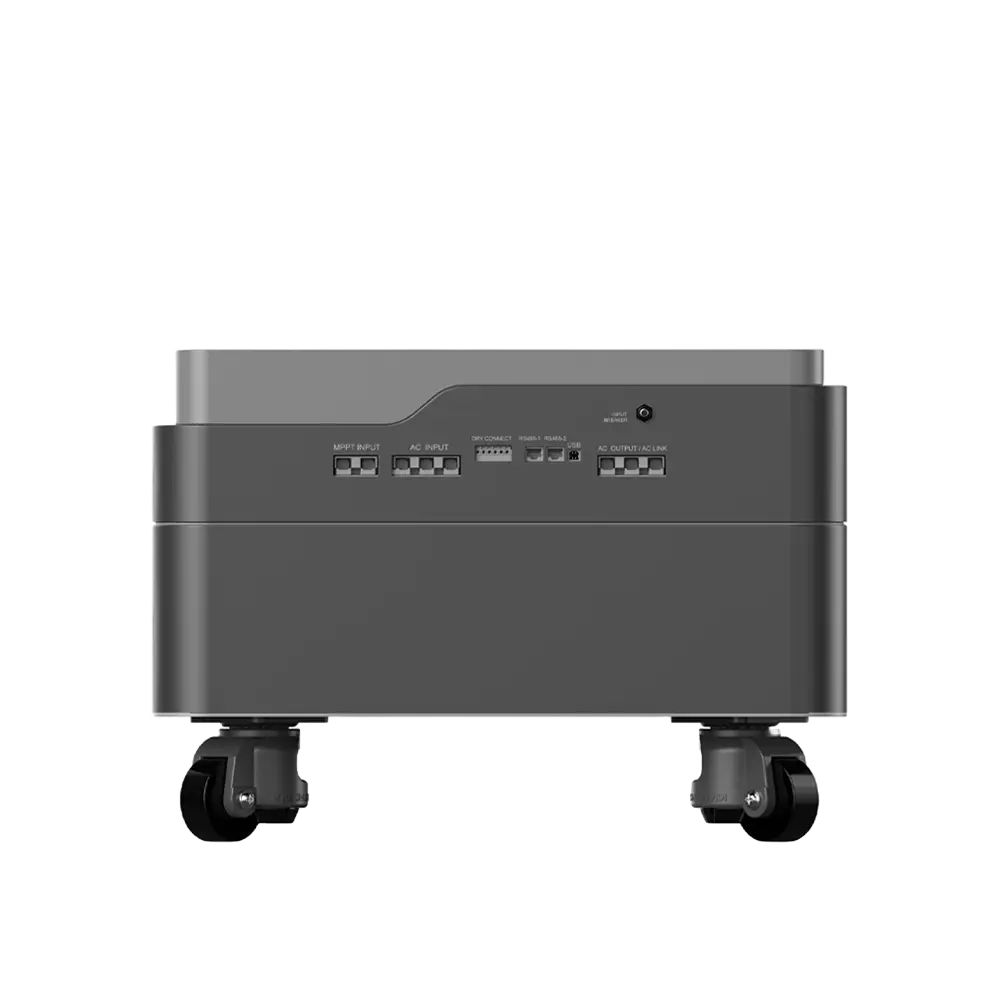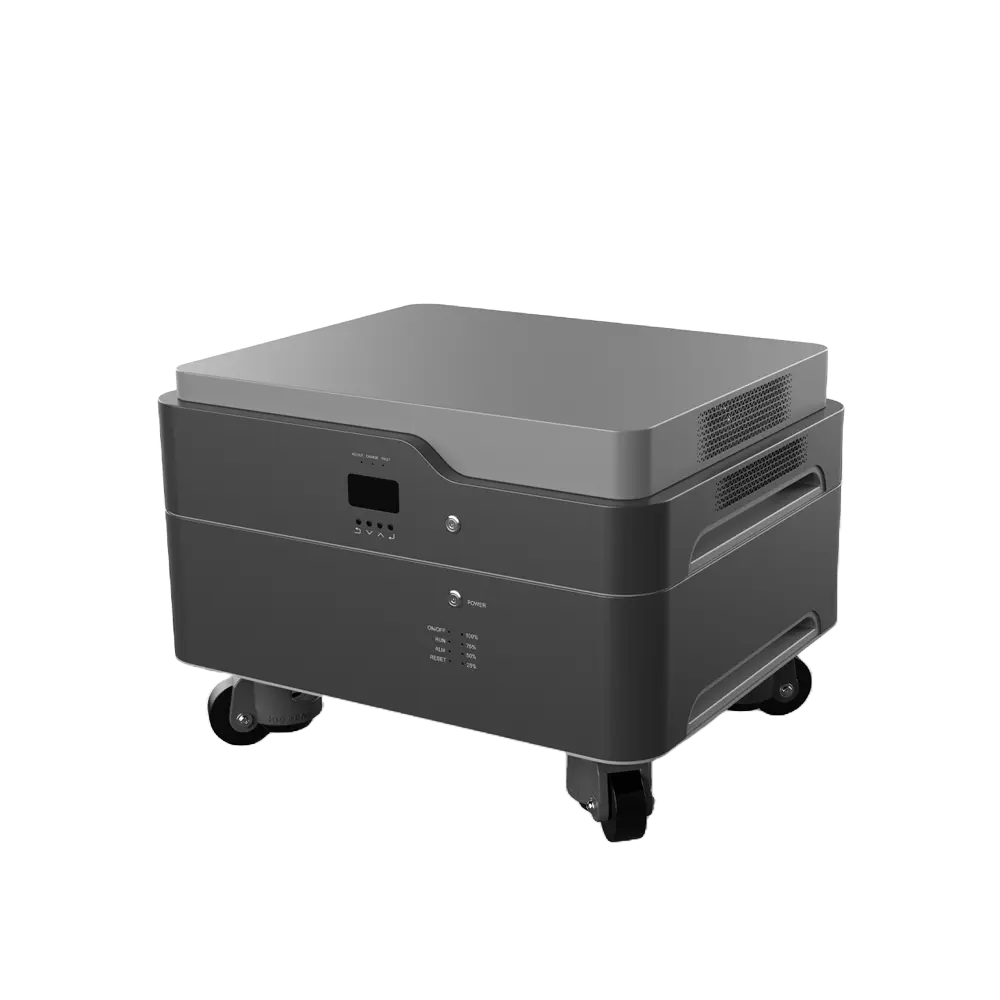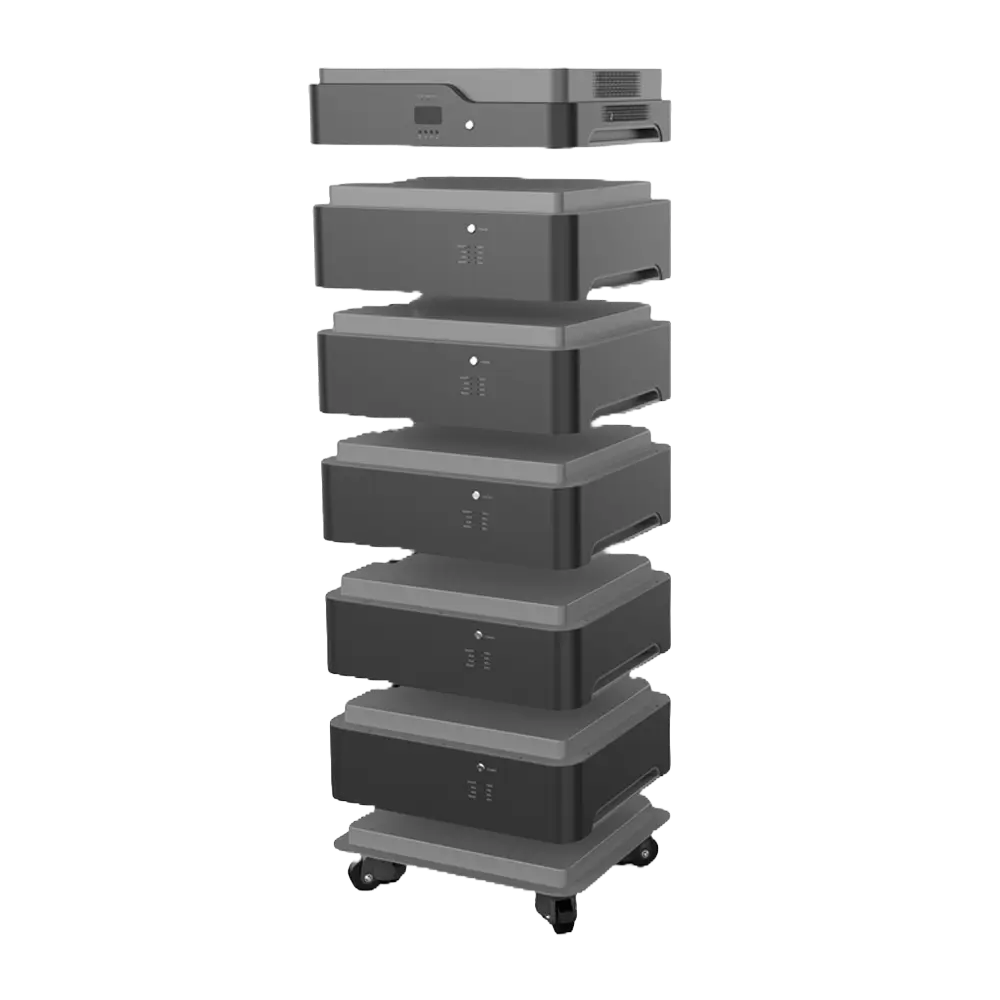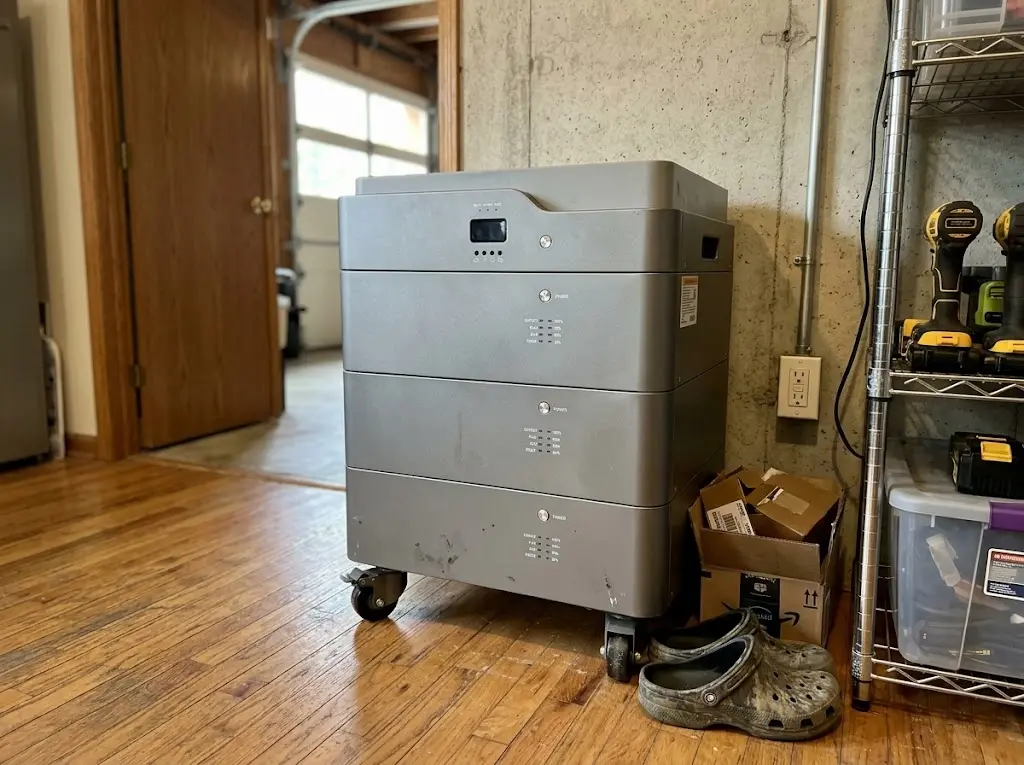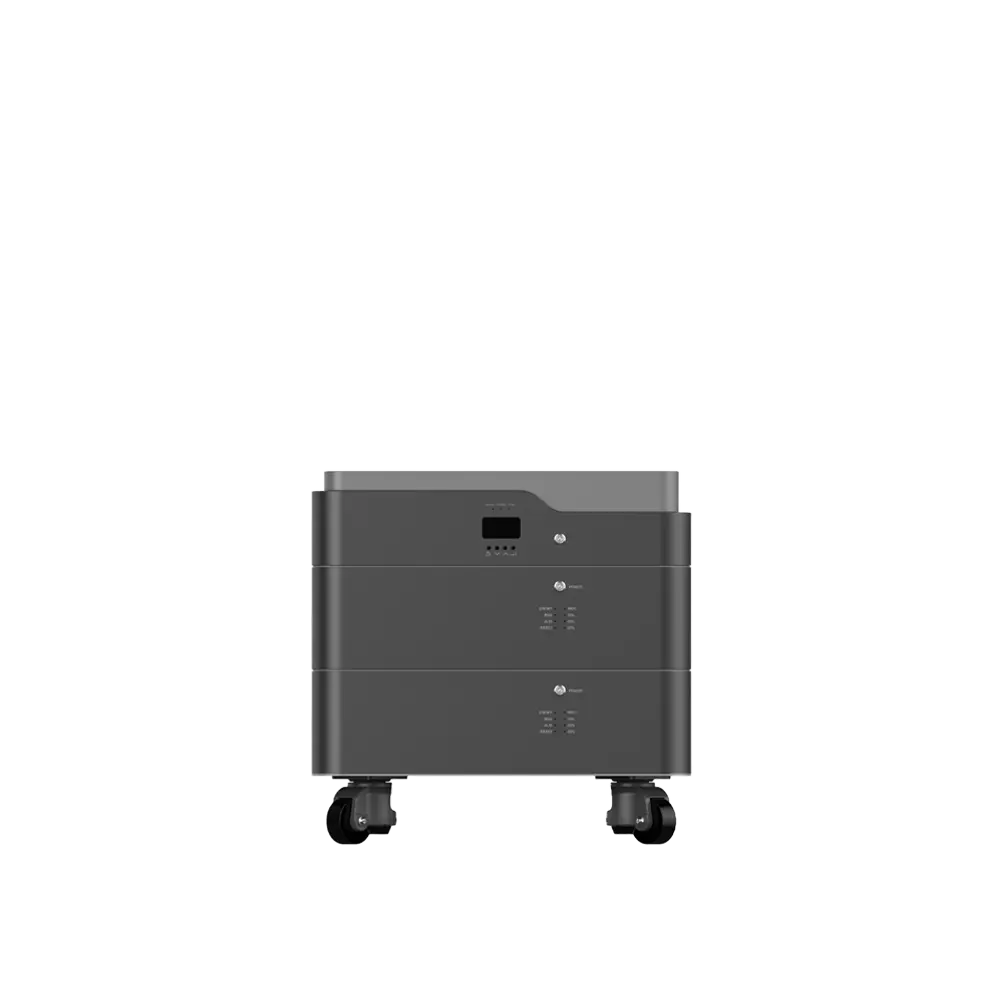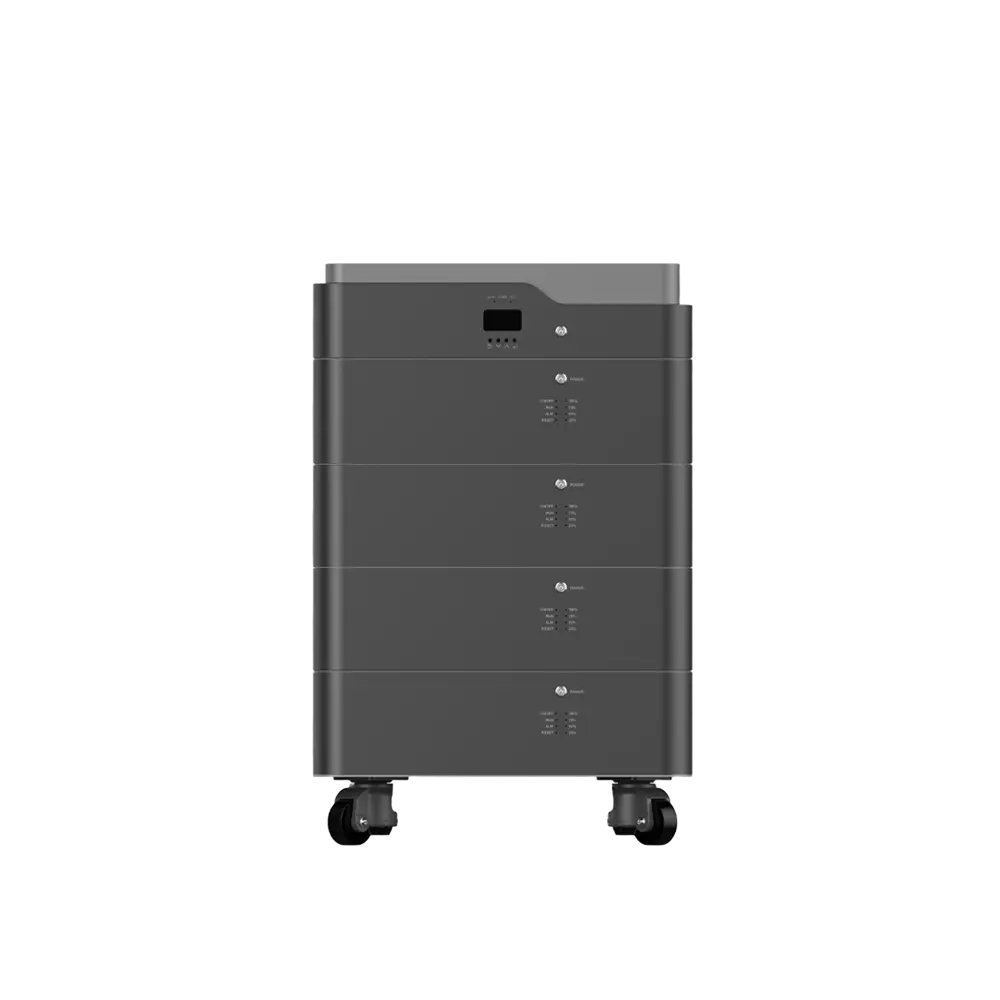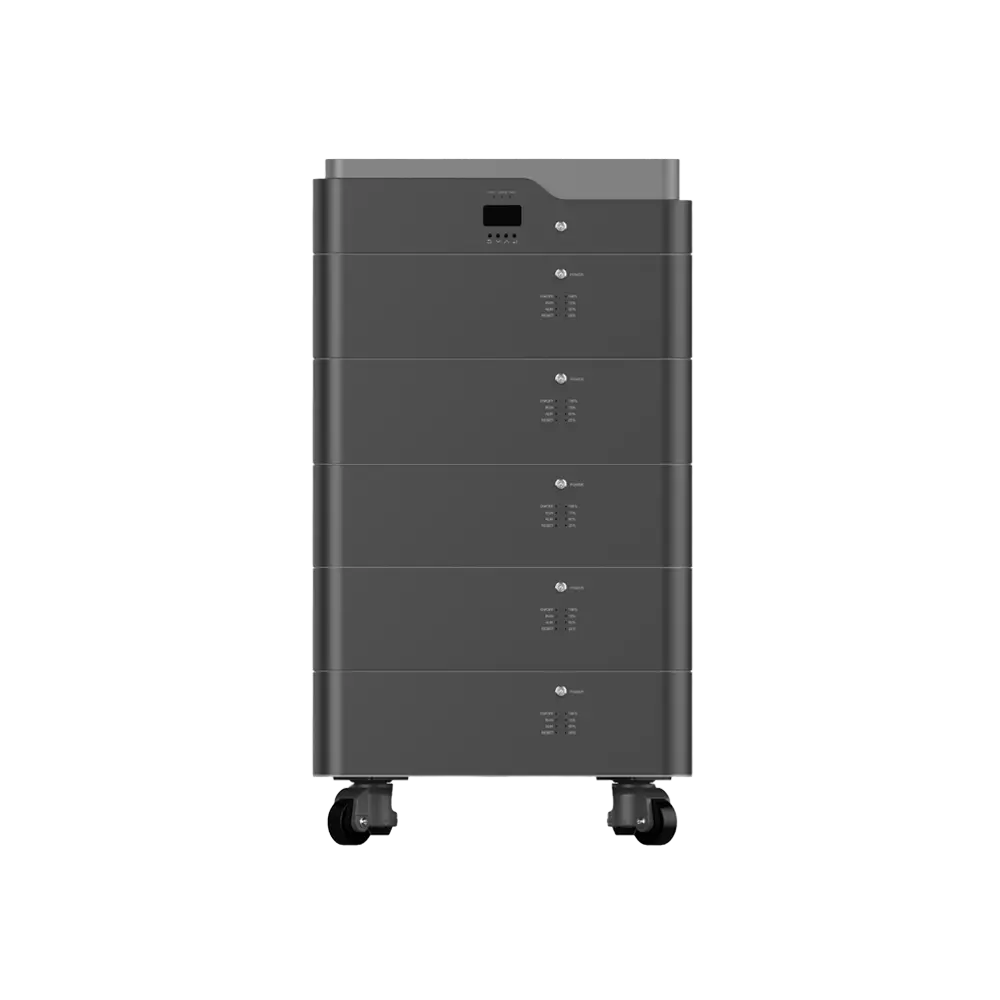
We are a direct manufacturer of stackable home solar energy storage systems, designed for whole-home backup, daily solar self-consumption, and off-grid living. The system uses LiFePO4 stacked lithium battery modules with a plug-and-play stacking structure—fast installation, clean wiring, and flexible capacity upgrades.
With the 5kWh per layer architecture, users can expand energy by adding battery stacks instead of replacing the whole system. This makes it easier for installers to upsell upgrades later, and easier for homeowners to scale.
Stackable design reduces installer time and cable complexity.
Remote monitoring and real-time alarms via App.
LiFePO4 chemistry supports long service life for daily cycling.
Higher energy density within the same footprint (battery stacks).
Branding, labeling, manuals, packaging, and project configuration support.
Designed to integrate smoothly with mainstream residential energy systems.
easy to move indoors/outdoors
stable backup power without complicated rewiring
stack your batteries anywhere you need energy resilience
With 15kWh of capacity, this system keeps high-load homes powered for longer during extended outages — no compromise on runtime.
Connect PV → charge your stack battery → run loads day/night. Add more modules when you expand your home or add new appliances.
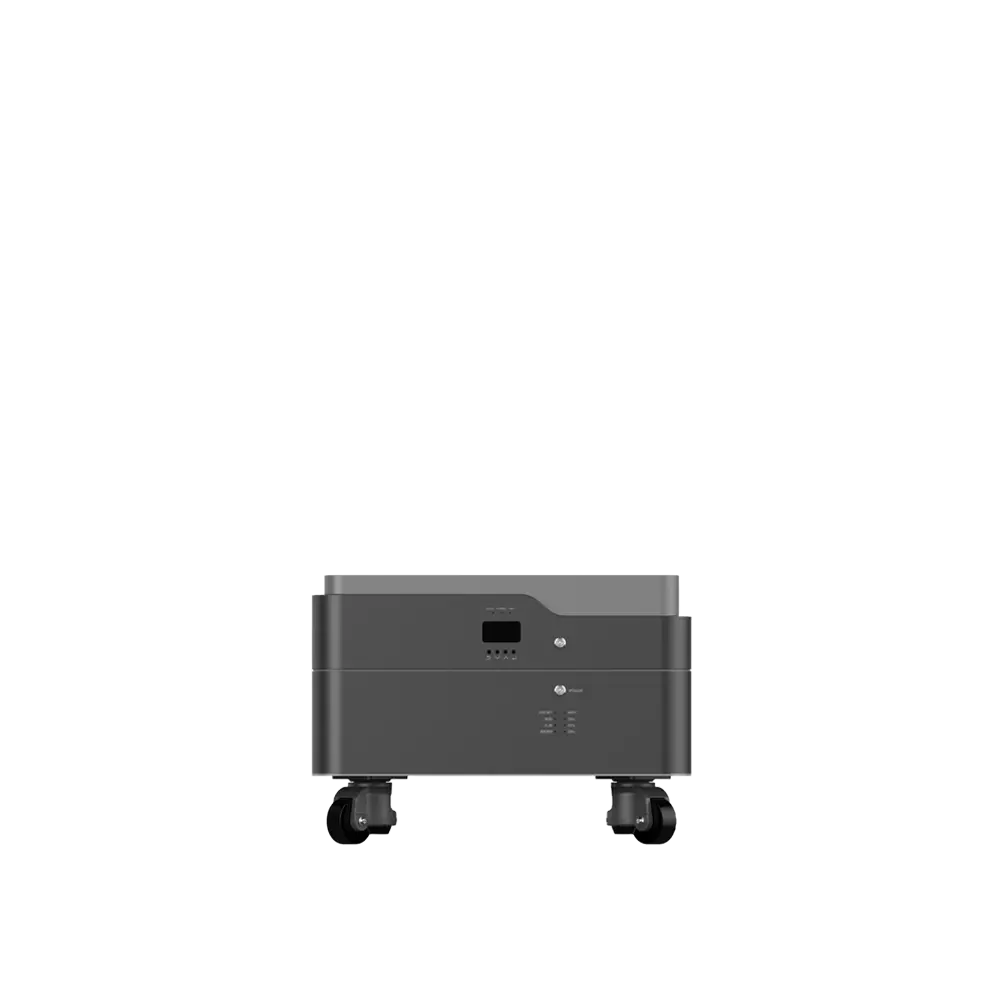
Rugged design for emergencies. If your model includes wheels/handle (like your other SKUs), it’s easy to position in a garage / utility room / sheltered outdoor space.
We support deep customization for power stack battery programs:
| Battery Battery Capacity | 15.66kWh |
| Battery Rated Voltage | 51.2V |
| Battery Cycle Life | LiFePO4, ≥ 6000 cycles, 70% SOH, 25°C |
| Battery Charge/Discharge Current | 100A |
| Battery Dimensions | 600×430×150 mm |
| Battery Weight | 46.9 kg |
| Inverter Rated AC Output Power | 5kW |
| Inverter AC Output Voltage | 220V (Optional) |
| Inverter AC Output Frequency | 50Hz (Optional) |
| Inverter AC Rated Input Voltage | 220V (Optional) |
| Inverter AC Input Power | 3000W |
| Inverter Grid Type | Off-grid/ On-grid |
| Inverter Display | LCD |
| Inverter Communication | RS485 |
| Inverter Operating Temperature | -10°C ~ 60°C |
| Inverter Dimensions | 600×430×204 mm |
| Inverter Weight | 16.4 kg |
| Base Dimensions | 600×430×152 mm |
| Base Weight | 9.3 kg |
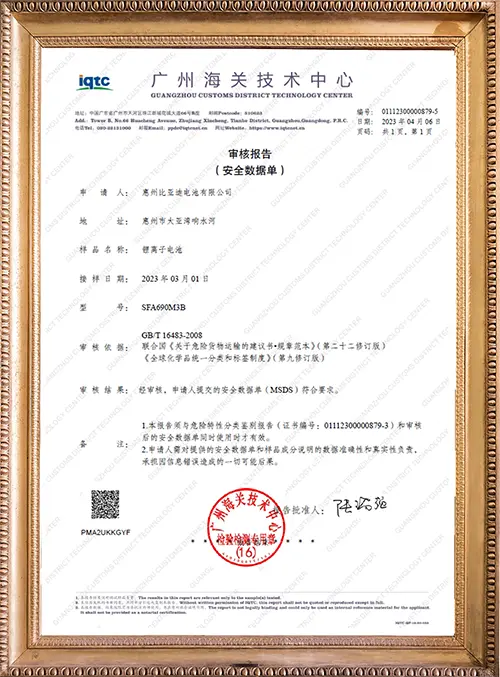
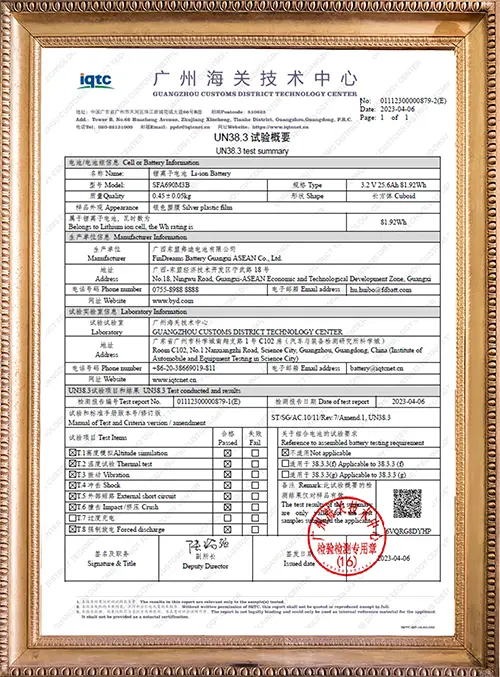
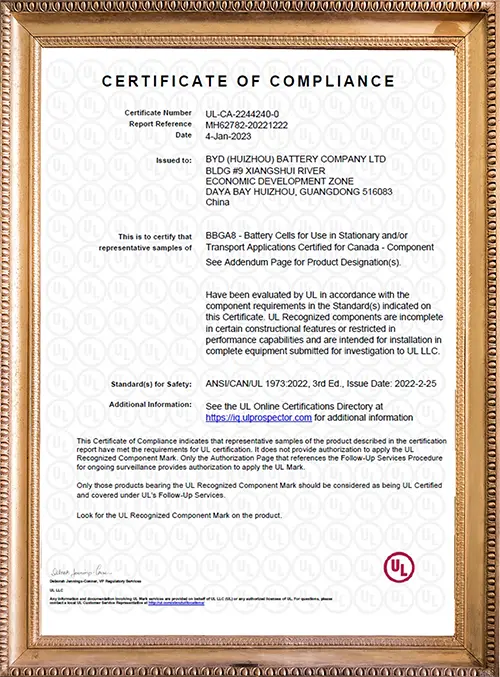
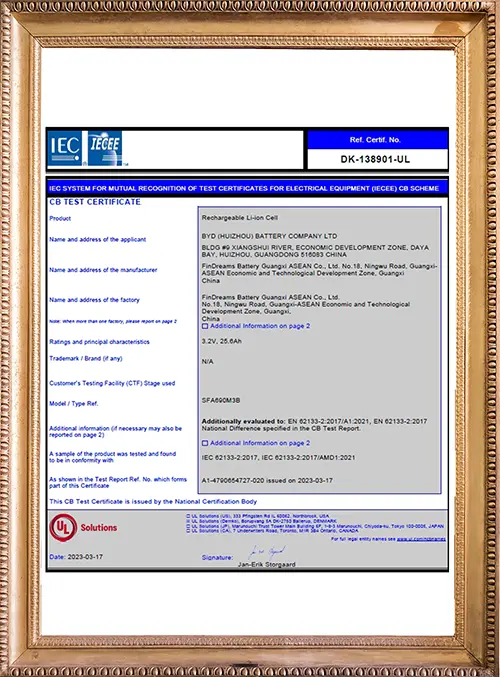
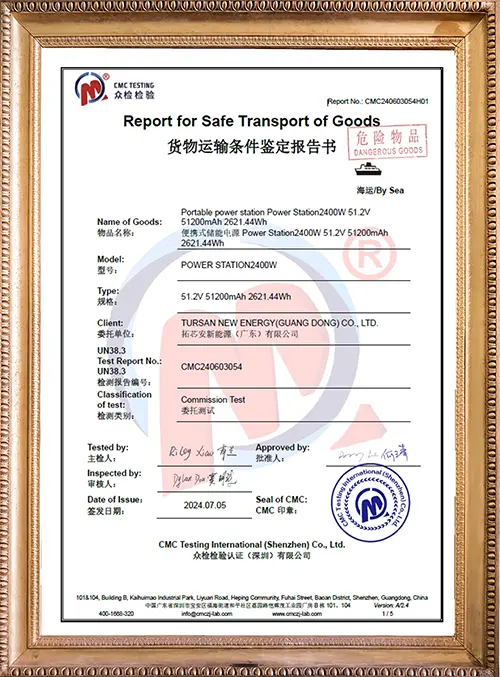
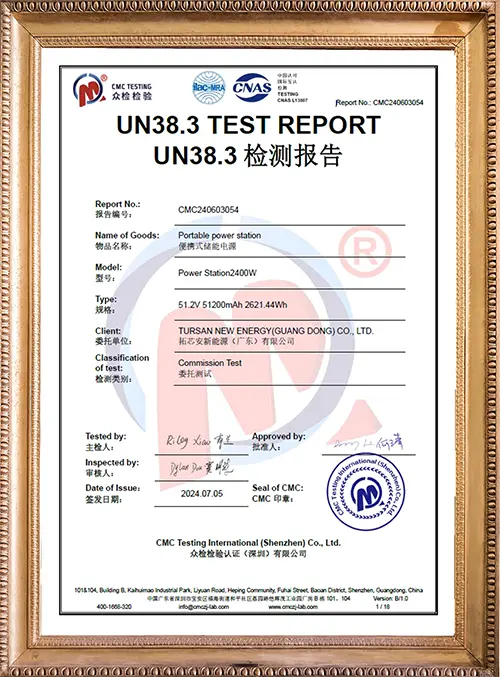
| Certificates |


Runtime depends on the battery energy (kWh) and your home’s average load (kW). A common estimate is: Runtime (hours) ≈ Usable kWh ÷ Average kW. For example, a 15kWh battery running a 3kW average load may last around 4–5 hours, while a 1.5kW average load could last closer to 8–10 hours. Real-world runtime also varies with inverter efficiency, temperature, and surge loads from appliances like air conditioners and pumps.
It depends on the AC type (inverter vs non-inverter), tonnage, and starting surge current. A 5kW output system can often handle 1–2 air conditioners plus essential loads, but the safe approach is to check each AC’s rated power and startup requirements. If multiple AC units must run at once, consider load management (priority circuits) and sufficient battery capacity for longer runtime.
A 5kW system can power most household loads, including refrigerators, lighting, TVs, computers, small kitchen appliances, pumps, and often air conditioning. The main limitation is not only total watts, but also surge power and how many large loads are running simultaneously. For “whole-home” backup, many homeowners prioritize essential circuits and add more battery modules to extend runtime.
A 12V 220Ah battery stores about 12V × 220Ah = 2,640Wh (2.64kWh) (nominal). A 15kWh battery is roughly 15 ÷ 2.64 ≈ 5.7, so about 6 units in theory. In practice, you should plan for inverter losses and usable depth of discharge, so 6–7 batteries is a more realistic equivalency range depending on system design.
If you mean a 5kW solar array (PV), divide 5,000W by the panel wattage. For example, with 400W panels: 5,000 ÷ 400 ≈ 13 panels. With 550W panels: 5,000 ÷ 550 ≈ 10 panels. Final count depends on roof space, shading, orientation, and local code/utility limits.
Solar panels increase energy generation, while batteries increase energy availability at night and during outages. If your batteries rarely reach full charge, add more panels first. If your batteries fill quickly at midday but you still buy power at night, add more battery capacity. The best value usually comes from balancing both based on your load profile.
The 40/80 rule is a battery-longevity guideline: keeping the battery between about 40% and 80% state of charge for routine daily use can reduce long-term degradation. While LiFePO4 is more durable than many lithium chemistries, avoiding constant 100% storage (especially in heat) and avoiding very deep discharge can still help maximize service life. Many users set a daily charge limit and reserve full charges for outage readiness.
Charging time depends on the grid charging power (kW). A simple estimate is: Time (hours) ≈ Battery kWh ÷ Charge kW. For example, charging at 3kW may take about 5–6 hours, while 5kW may take about 3–4 hours. Charging usually slows near the top of the charge curve, so real charging time can be slightly longer than the basic calculation.
Cost depends on what is included (inverter, battery capacity, PV array, installation), your market, and whether installation is included. A full system cost also varies based on battery capacity (kWh), certification requirements, wiring/protection components, and labor. For B2B projects, pricing is best quoted by configuration (5kW inverter + number of battery modules + required standards).
For many homes, yes – especially if you prioritize essential circuits and manage high-load devices. If you run multiple large AC units, electric ovens, electric water heaters, and EV charging simultaneously, you may exceed 5kW. A load list and peak-demand estimate is the best way to confirm, and capacity can be extended by adding more battery modules for longer runtime.
It can, depending on electricity price, sunshine, incentives, installation cost, and how much of your solar you use directly. Batteries improve savings when you have high evening consumption or unfavorable export rates, because they increase self-consumption. Payback is most reliable when sizing matches your actual usage patterns instead of oversizing for theoretical production.
Air conditioning/heating, water heating, electric ovens/stoves, clothes dryers, and older refrigerators/freezers are frequent top contributors. Long run-times at high power matter more than short bursts. Understanding your daily load profile helps size both PV and battery modules correctly.
Yes. When the battery reaches its charge limit, the system will reduce charging current or curtail PV input depending on inverter/MPPT behavior. Off-grid systems often divert excess energy to loads or simply limit PV output once storage is full.
It depends on how fast you want to charge and your peak sun hours. If you want to charge 15kWh in about 5 hours, you need roughly 3kW of effective charging power (and more PV capacity to account for losses and clouds). Many systems oversize PV slightly to ensure consistent charging performance.
Not usually—partial charging is often beneficial for longevity. Many users operate between 20–80% or 30–90% for daily cycling. If your priority is maximum backup readiness, you may charge higher more often, but daily partial charging can help extend life.
Gentler charging rates can reduce heat and stress, which may support longer battery life. However, “best” charging rate depends on the battery design and BMS settings. A properly designed LiFePO4 system balances safe charging speed with long-term durability.
Higher Ah means more capacity at the same voltage, which can provide longer runtime. Lifespan, however, depends on cell quality, operating temperature, depth of discharge, and charge/discharge rates. A well-designed BMS and correct installation often matter more than Ah alone.
Yes, in many cases. The runtime depends on voltage, fridge power, duty cycle, and inverter efficiency. A larger battery capacity generally provides more runtime and less depth of discharge per day, which can improve longevity.
As a professional manufacturer of solar lithium battery energy storage systems, TURSAN is dedicated to providing the global market with high-quality home energy storage batteries, inverters, portable power stations, and all-in-one storage solutions. We now sincerely invite you to become our exclusive partner in your country or region, to jointly develop the clean energy storage market and create steadily growing business value.
Exclusive Regional Authorization
After signing the agreement, we will cease wholesale distribution to other clients in your region, fully safeguarding your market interests.
Priority Order Processing & Shipping
Ensure you can respond to local demand immediately and capture time‑sensitive market opportunities.
Product Customization Support
From your first order, we can design and produce energy storage systems completely tailored to your brand.
Comprehensive Product Range Suppor
From home storage and portable power to inverters and all-in-one units with built-in inverters — meeting diverse application needs.
Proven Success in 30+ Countries
We have already helped partners worldwide achieve measurable brand growth and increased profitability.
Your Most Reliable Backend
Whether you are a systems integrator, electrical distributor, or building your own brand, you get stable products and flexible cooperation mechanisms.
📩 Contact us now to receive a customized partnership proposal and product information.
Let’s join hands to bring reliable power solutions to homes and businesses, and co-create a green energy future together!