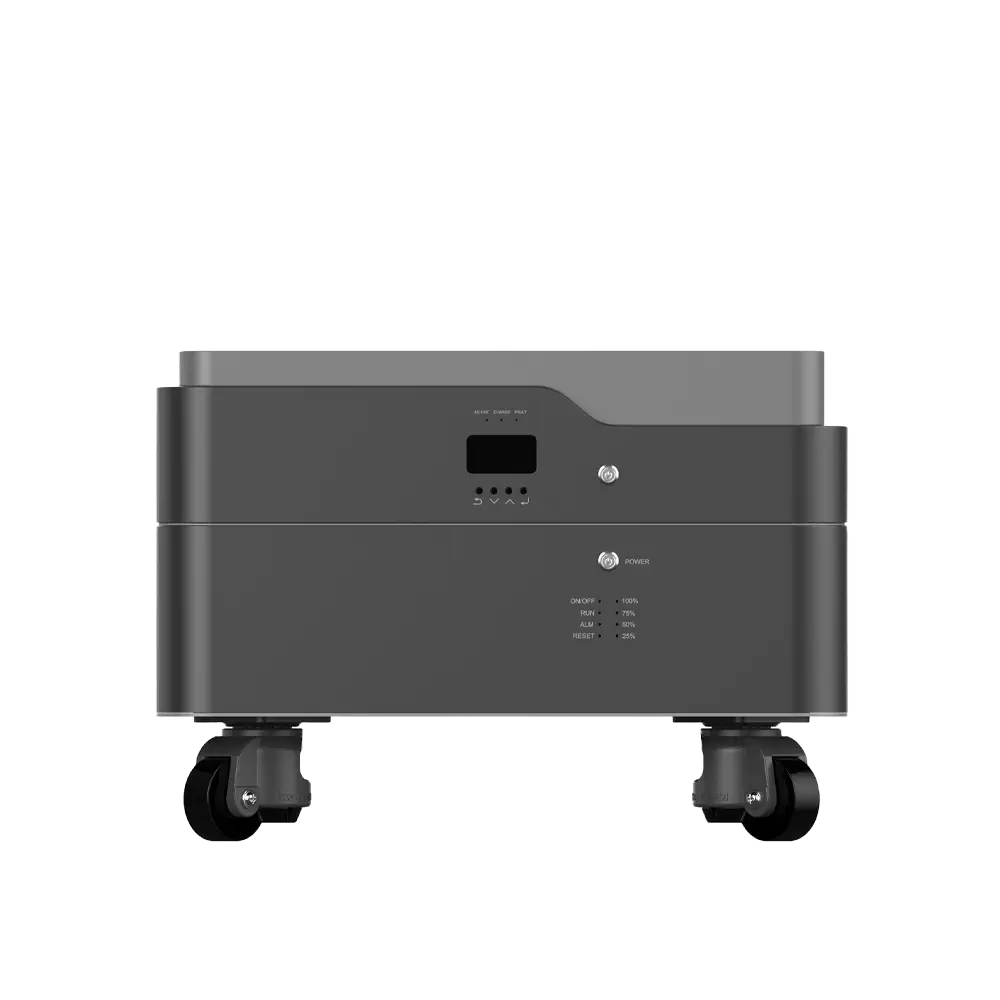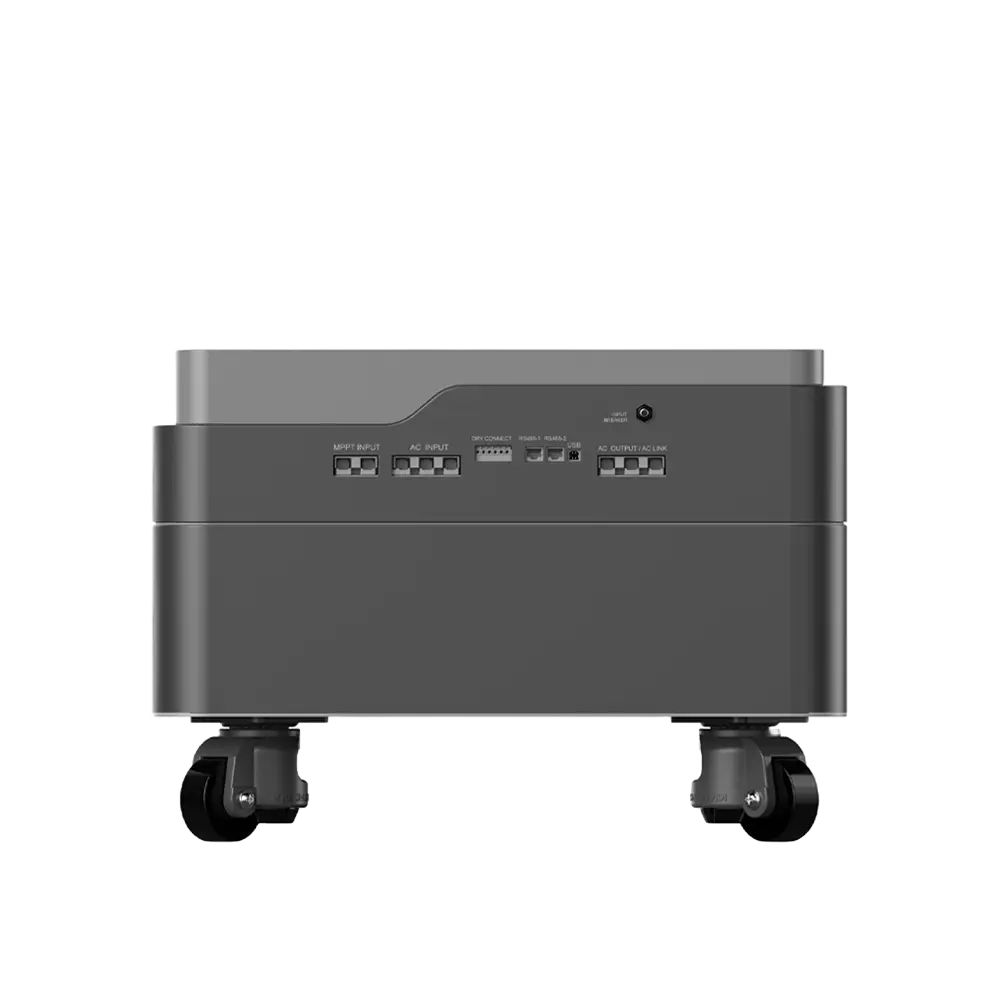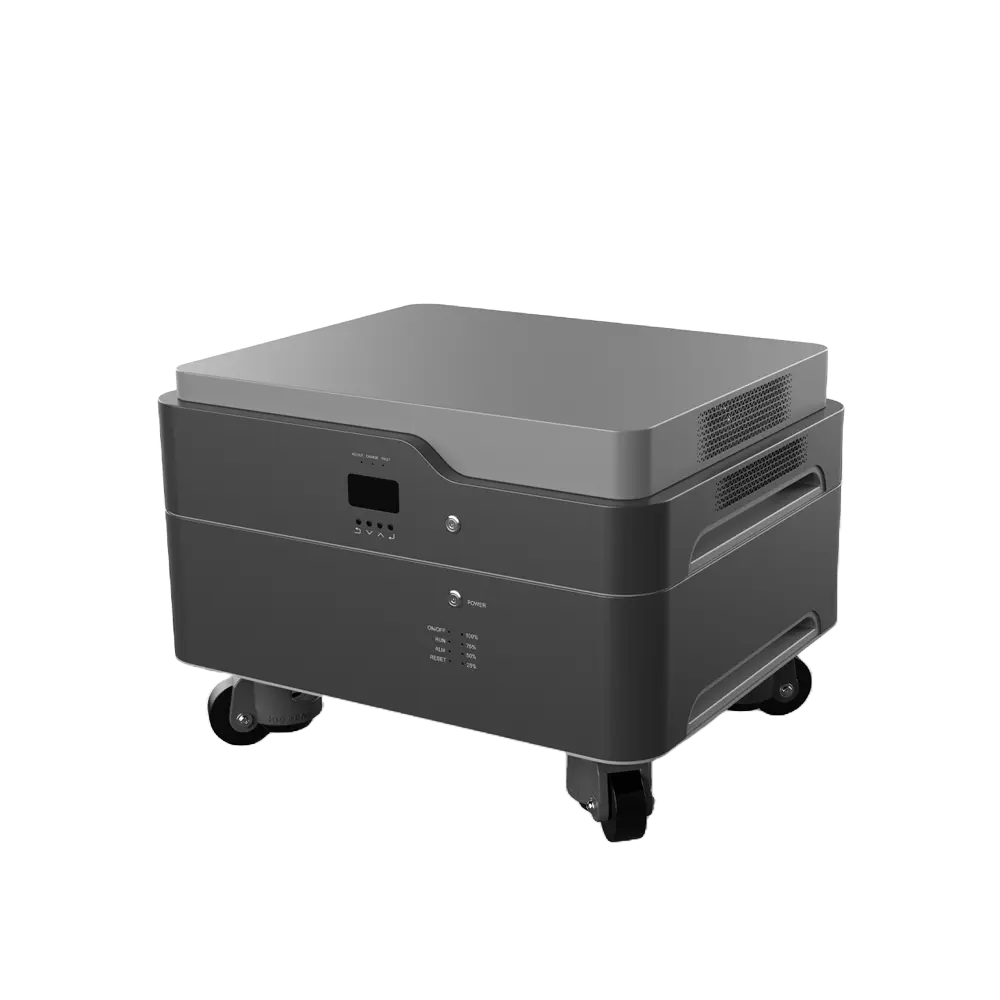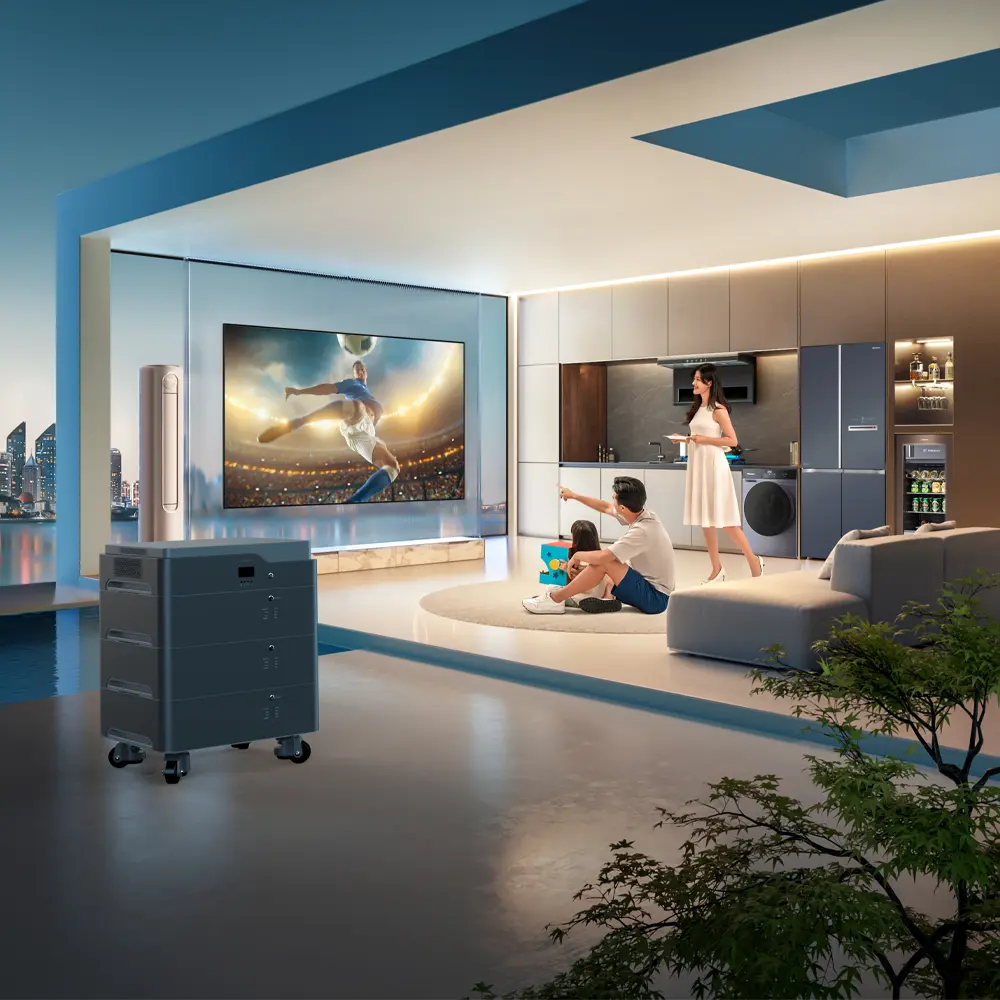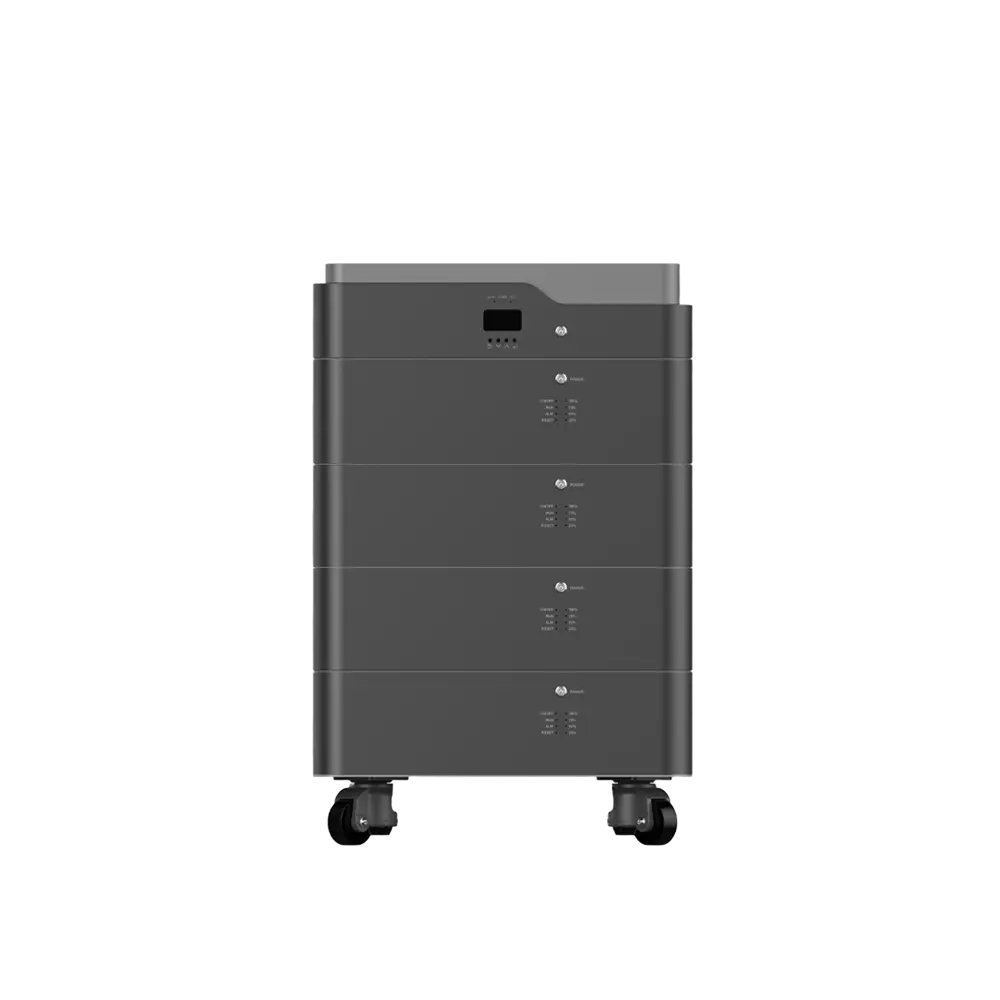
We are a manufacturer of stackable home solar energy storage systems, delivering a rugged, plug-and-play stack battery platform built for daily cycling and emergency backup.
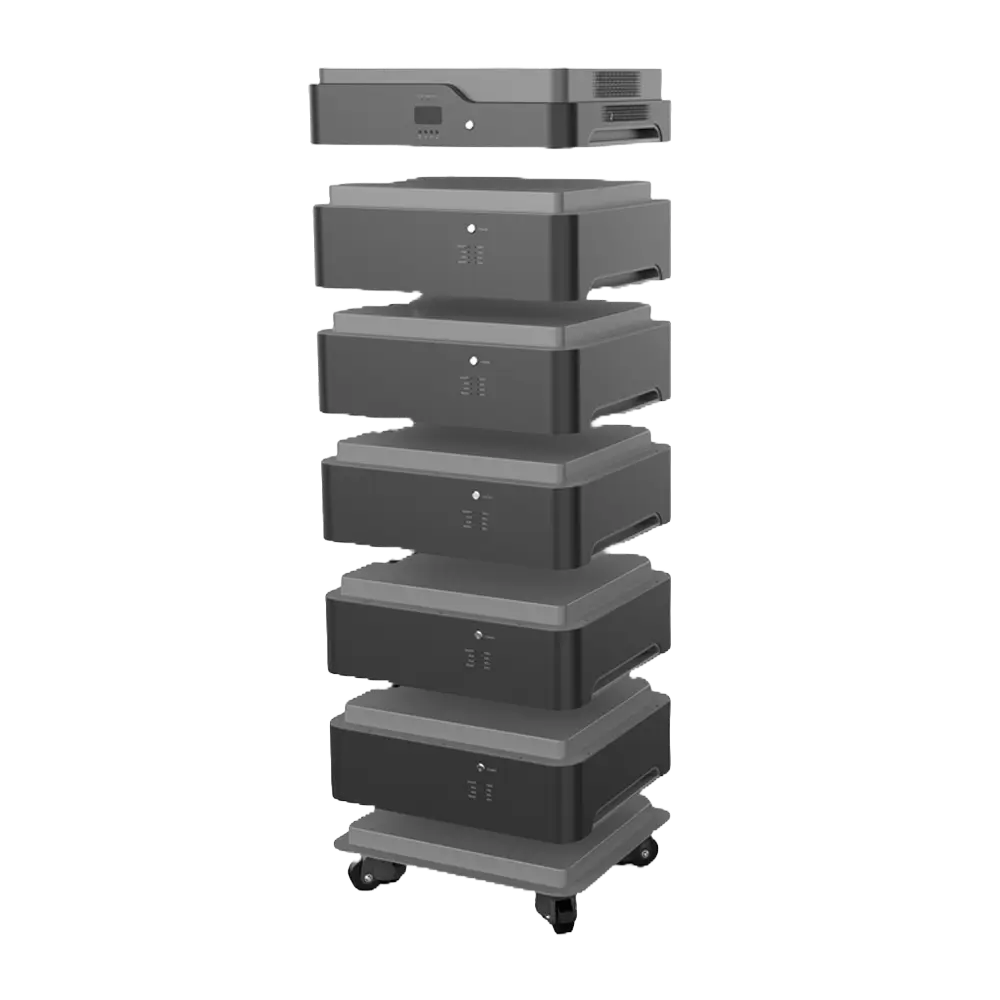
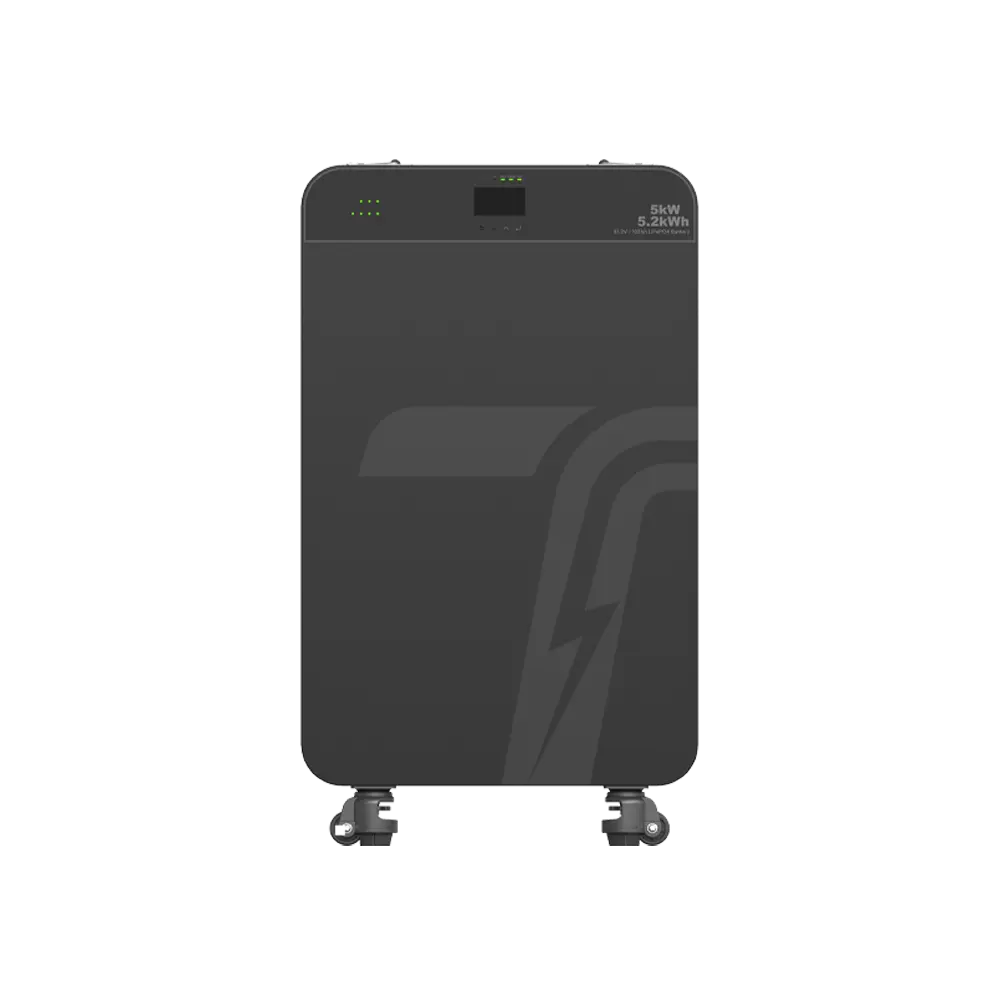
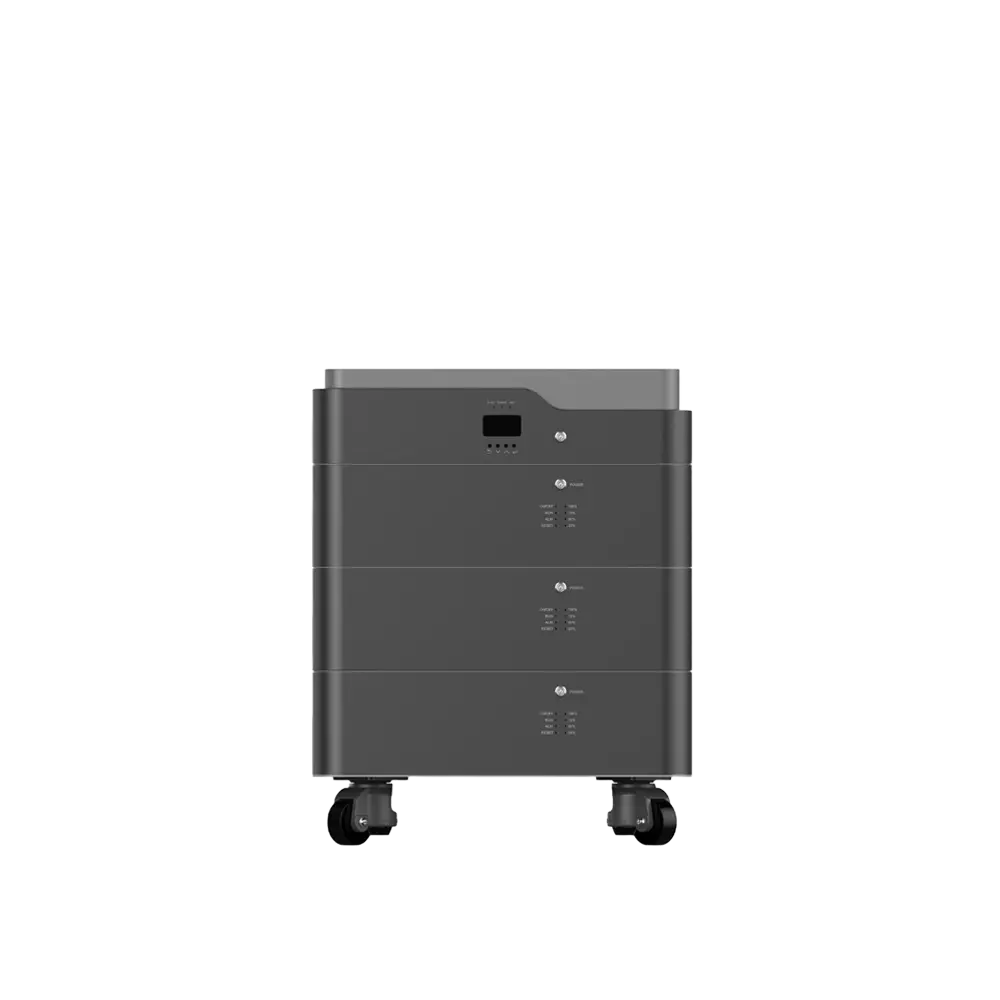
This solution combines a 5kW pure sine wave inverter with modular battery stacks (5.2kWh per layer). Expand energy capacity by stacking modules—fast deployment, clean wiring, and smart monitoring via Bluetooth/Wi-Fi battery stack monitor (App).
Ideal for: installers, solar EPCs, distributors, OEM brands, off-grid homes, hybrid solar households.
If customers ask “power stack battery vs regular,” the key difference is the system is designed to grow: you don’t replace the whole pack—just expand your stacked battery pack when demand increases.
Safer chemistry, stable thermal behavior, long service life for home solar use.
Supports hybrid operation for self-consumption + blackout backup.
Cleaner install than traditional rack wiring—perfect for residential teams.
Real-time SOC, alarms, and performance tracking (battery stack monitor).
Factory-direct support for branding, labeling, manuals, packaging, firmware/app.
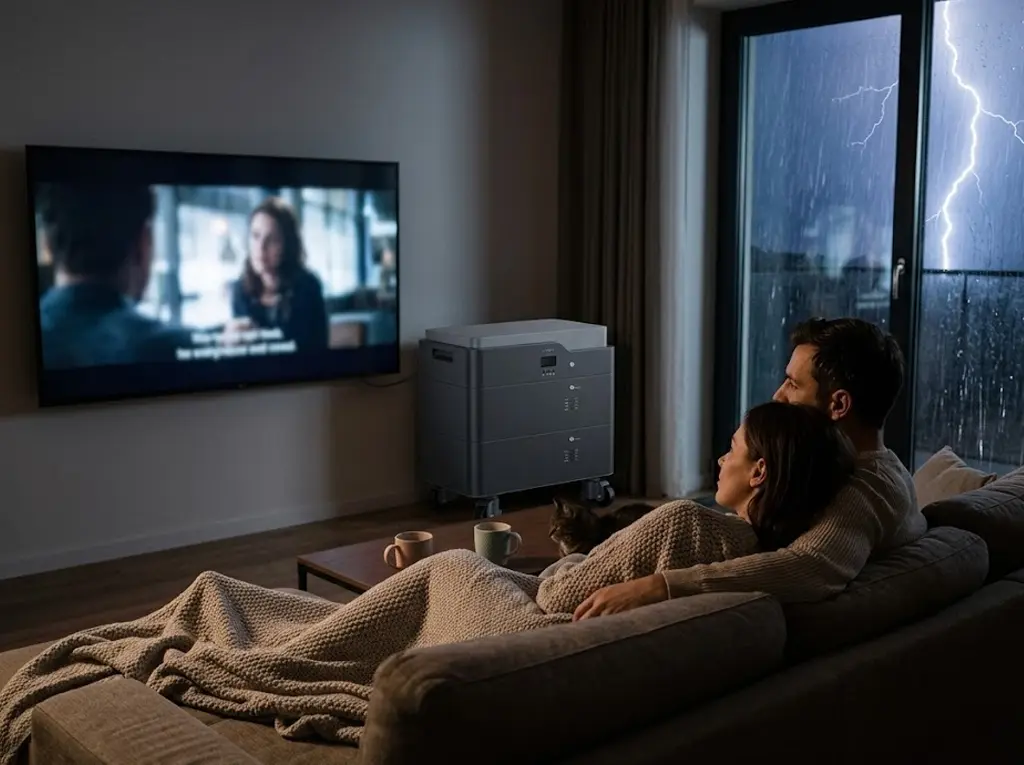
Seamless blackout protection for sensitive devices (PCs, routers, fridges).
easy to move indoors/outdoors
stable backup power without complicated rewiring
stack your batteries anywhere you need energy resilience
With 5kW pure sine wave output, the system can support most residential AC loads with low noise and low interference—ideal for sensitive electronics and home office.
Connect PV → charge your stacked battery → power loads day and night. Expand the home grid battery stack when you add more appliances or extend runtime needs.
Roll it outdoors for events, temporary charging tasks, or as a backup power hub.
We support deep customization for power stack battery programs:
| Battery Battery Capacity | 10.44kWh |
| Battery Rated Voltage | 51.2V |
| Battery Cycle Life | LiFePO4, ≥ 6000 cycles, 70% SOH, 25°C |
| Battery Charge/Discharge Current | 100A |
| Battery Dimensions | 600×430×150 mm |
| Battery Weight | 46.9 kg |
| Inverter Rated AC Output Power | 5kW |
| Inverter AC Output Voltage | 220V (Optional) |
| Inverter AC Output Frequency | 50Hz (Optional) |
| Inverter AC Rated Input Voltage | 220V (Optional) |
| Inverter AC Input Power | 3000W |
| Inverter Grid Type | Off-grid/ On-grid |
| Inverter Display | LCD |
| Inverter Communication | RS485 |
| Inverter Operating Temperature | -10°C ~ 60°C |
| Inverter Dimensions | 600×430×204 mm |
| Inverter Weight | 16.4 kg |
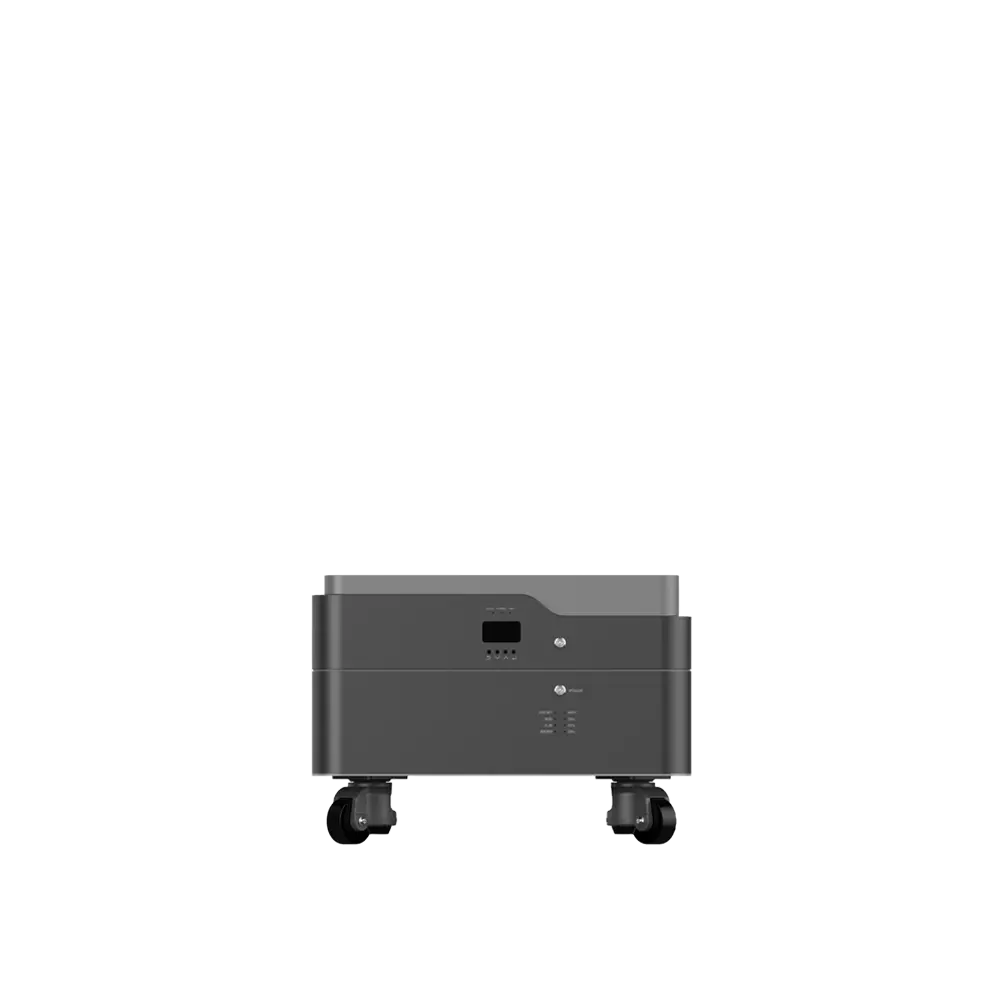
| Base Dimensions | 600×430×152 mm |
| Base Weight | 9.3 kg |
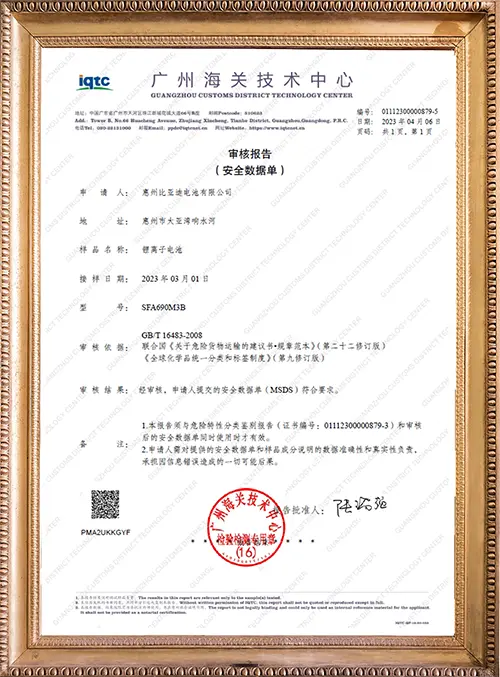
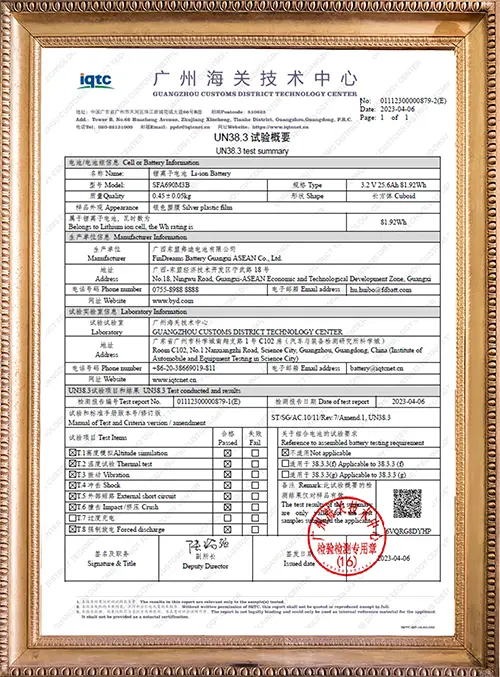
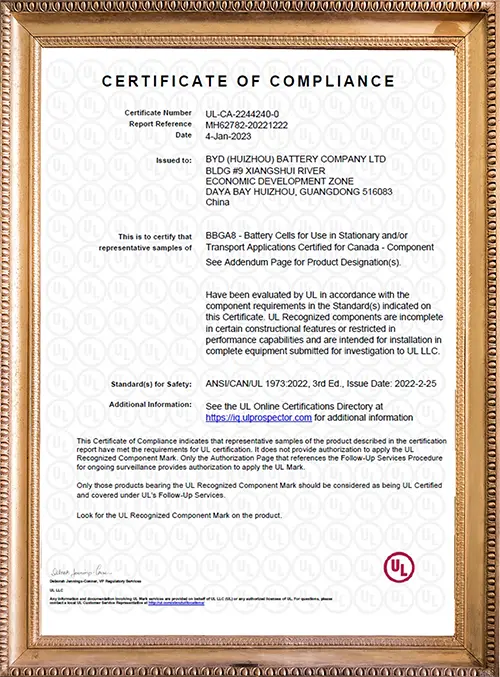
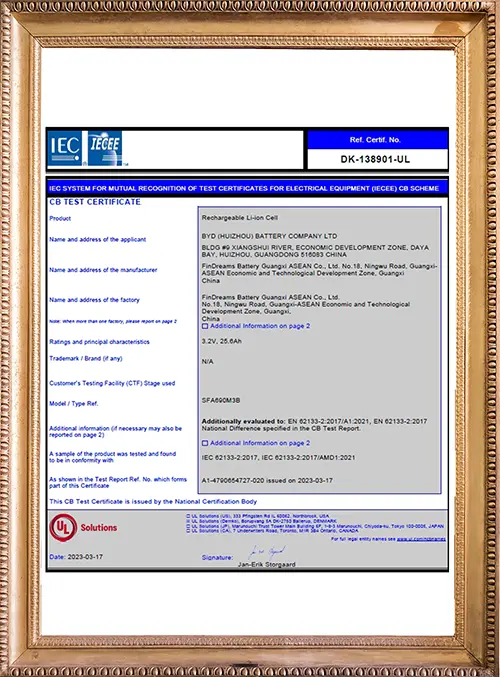
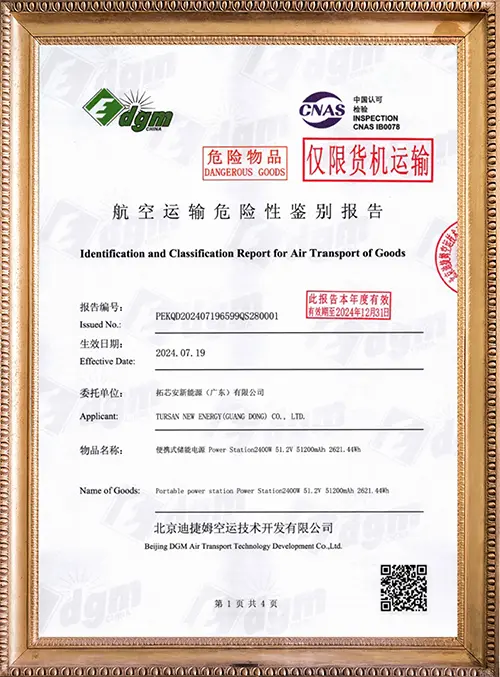
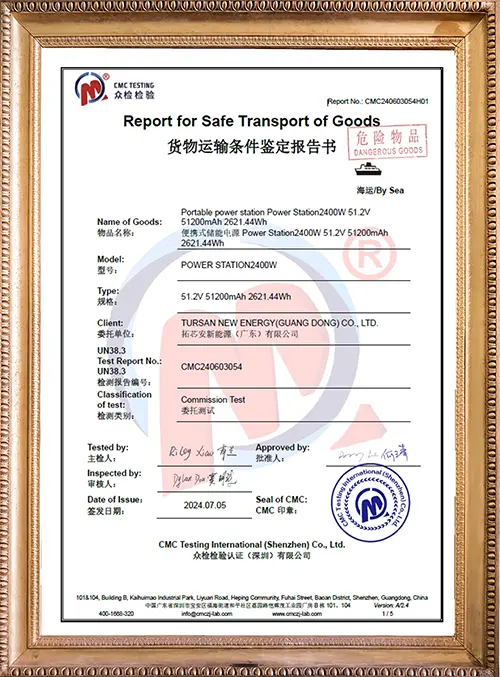
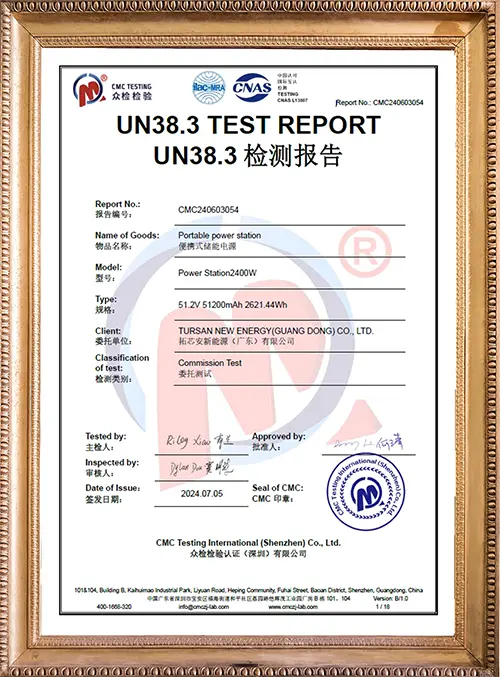
| Certificates |


A 5kW output system can run many essential loads, but “whole house” depends on what’s running at the same time. High-power items like central AC, ovens, water heaters, and pumps can push demand higher. A common approach is to prioritize essential circuits and expand the battery stacks for longer runtime.
Runtime = usable battery energy ÷ average load. For example, a ~10kWh stacked battery pack might last ~10 hours at a 1kW average load, or ~5 hours at 2kW. Real-world results vary due to inverter efficiency, surge loads, and temperature.
It depends on AC type (inverter vs non-inverter), tonnage, and starting surge. Many homes can run 1 air conditioner plus essential loads on 5kW, but the safe method is to check each unit’s rated power and starting current. If multiple AC units must run together, consider a higher‑power system via OEM/ODM.
This rule suggests keeping battery charge between ~40% and ~80% for daily use to reduce long-term wear. While LiFePO4 is more tolerant than some lithium chemistries, staying away from “always 100% full” and “always deeply discharged” can help preserve lifespan—especially in hot climates.
Panel quantity depends on panel wattage, sun hours, and charging window. The practical approach is to target enough PV to recharge daily usage plus battery top-up. If you want faster recovery after outages, add more PV rather than relying only on grid charging.
If you mean a 5kW solar array, that’s roughly 13 × 400W panels (5,000W ÷ 400W ≈ 13). For charging a 10kWh battery, you can use fewer—what matters is daily energy production (kWh), not just peak kW.
Panels increase energy generation; batteries increase storage. If you often hit “battery full” midday and still buy power at night, add more batteries. If your battery can’t fully recharge most days, add more panels. A balanced design wins.
This term is often used in electrical interconnection contexts (e.g., panel/service busbar sizing rules). Because it can vary by country and code, installers should confirm local regulations and utility requirements. For project quotes, we recommend checking your site’s main service rating and planned backfeed method.
Charging time depends on charging power (kW) and system limits. As a simple estimate: ~10kWh ÷ 3kW ≈ 3–4 hours; ~10kWh ÷ 5kW ≈ 2–3 hours. Actual time varies by charge taper near full and system settings.
Any lithium system requires correct protection and safe installation. LiFePO4 is known for higher thermal stability than many other lithium chemistries, and a quality BMS reduces risk by monitoring voltage, current, and temperature. Always use correct fusing/breakers and follow storage guidelines.
Choose a dry, ventilated area away from direct heat sources, flammable materials, and water exposure. Avoid sealed closets with poor airflow. For stacked energy storage battery systems, a utility room or garage location with proper clearance is common.
The major causes are misuse, damaged cells, poor-quality packs, incorrect charging, lack of protection, or installation faults (loose connections, undersized cables, missing overcurrent protection). Using a well-designed stacked lithium battery with verified QC and proper electrical protection is key.
Procedures differ by local guidance and fire type; many departments use large amounts of water for cooling and preventing re-ignition, plus isolation and monitoring. The best strategy for homeowners is prevention: correct installation, protection devices, and safe placement.
For many lithium batteries, yes—partial charging can reduce stress and extend cycle life. If your priority is maximum daily lifespan, setting a daily charge limit (e.g., 80–90%) is commonly used, and you can occasionally charge to 100% for calibration if your system recommends it.
Occasional 100% is usually fine, but staying at 100% for long periods—especially at high temperature—can accelerate aging. A smart strategy is “daily partial, full only when needed,” particularly for backup systems.
Keeping any lithium battery at high state-of-charge for weeks/months can increase degradation. For seasonal storage, many users keep batteries around mid-SOC and store in a cool, dry place.
If there’s no load and the battery is full, the system will reduce PV input or curtail generation depending on inverter/MPPT logic. To use extra solar, you can schedule loads (water heating, appliances) during solar peak, or expand battery stacks.
For most homes, LiFePO4 is widely chosen due to safety profile, long cycle life, and stable performance. The “best” also depends on system voltage, warranty, service support, and integration with your inverter ecosystem.
Higher Ah means more capacity at the same voltage, so runtime can be longer. But lifespan depends on cell quality, temperature, charge/discharge rates, and how deeply you cycle. A high-quality stacked battery technology design plus correct settings matters more than Ah alone.
As a professional manufacturer of solar lithium battery energy storage systems, TURSAN is dedicated to providing the global market with high-quality home energy storage batteries, inverters, portable power stations, and all-in-one storage solutions. We now sincerely invite you to become our exclusive partner in your country or region, to jointly develop the clean energy storage market and create steadily growing business value.
Exclusive Regional Authorization
After signing the agreement, we will cease wholesale distribution to other clients in your region, fully safeguarding your market interests.
Priority Order Processing & Shipping
Ensure you can respond to local demand immediately and capture time‑sensitive market opportunities.
Product Customization Support
From your first order, we can design and produce energy storage systems completely tailored to your brand.
Comprehensive Product Range Suppor
From home storage and portable power to inverters and all-in-one units with built-in inverters — meeting diverse application needs.
Proven Success in 30+ Countries
We have already helped partners worldwide achieve measurable brand growth and increased profitability.
Your Most Reliable Backend
Whether you are a systems integrator, electrical distributor, or building your own brand, you get stable products and flexible cooperation mechanisms.
📩 Contact us now to receive a customized partnership proposal and product information.
Let’s join hands to bring reliable power solutions to homes and businesses, and co-create a green energy future together!