
 English
  العربية
  日本語
日本語  한국어
한국어  Tiếng Việt
  ไทย
ไทย  Bahasa Melayu
  فارسی
فارسی  Bahasa Indonesia
  ဗမာစာ
ဗမာစာ  简体中文
简体中文  香港中文
香港中文  繁體中文
繁體中文  Русский
  Deutsch
  Nederlands
  Italiano
  Français
  Español
  Português
  Afrikaans
  Azərbaycan dili
  Български
  ਪੰਜਾਬੀ
  हिन्दी
  اردو
اردو  বাংলা
বাংলা  Հայերեն
  Íslenska
  Қазақ тілі
  नेपाली
  Српски језик
  Kiswahili
  తెలుగు
  Basa Jawa
  தமிழ்
தமிழ்  मराठी
मराठी 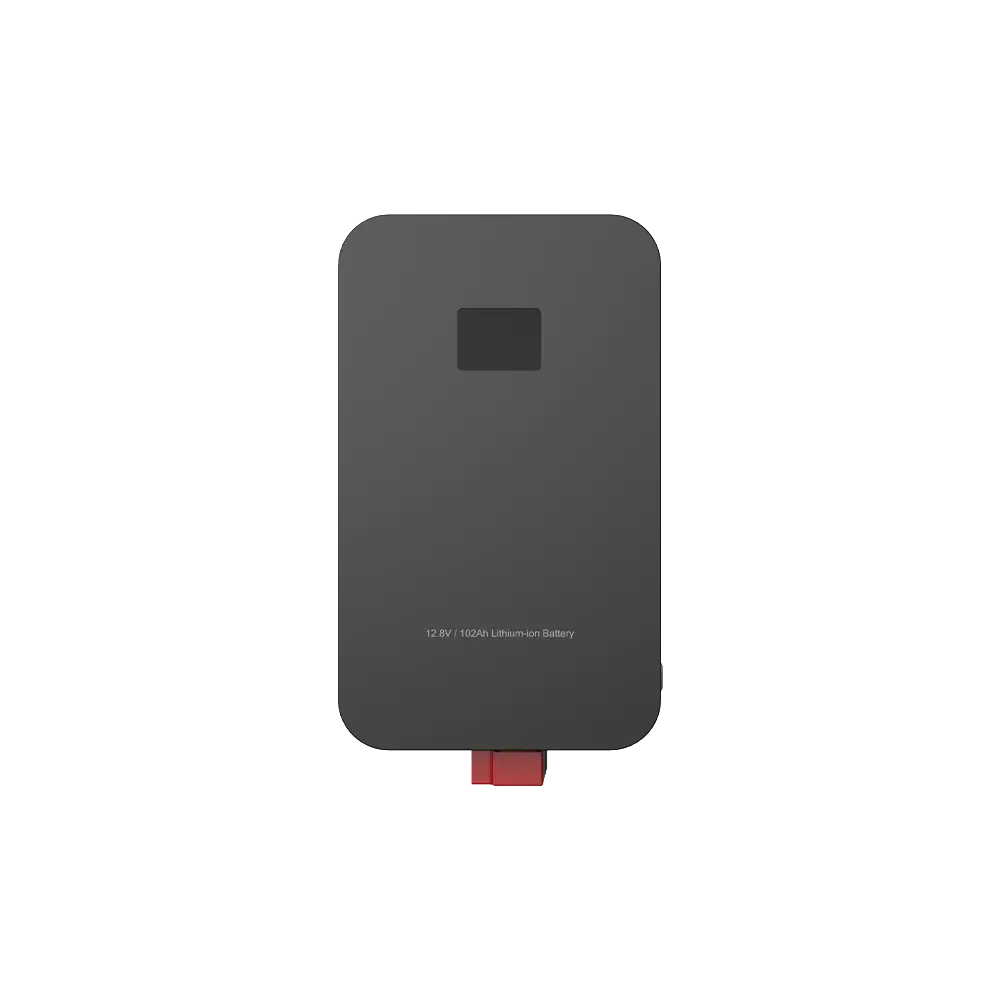
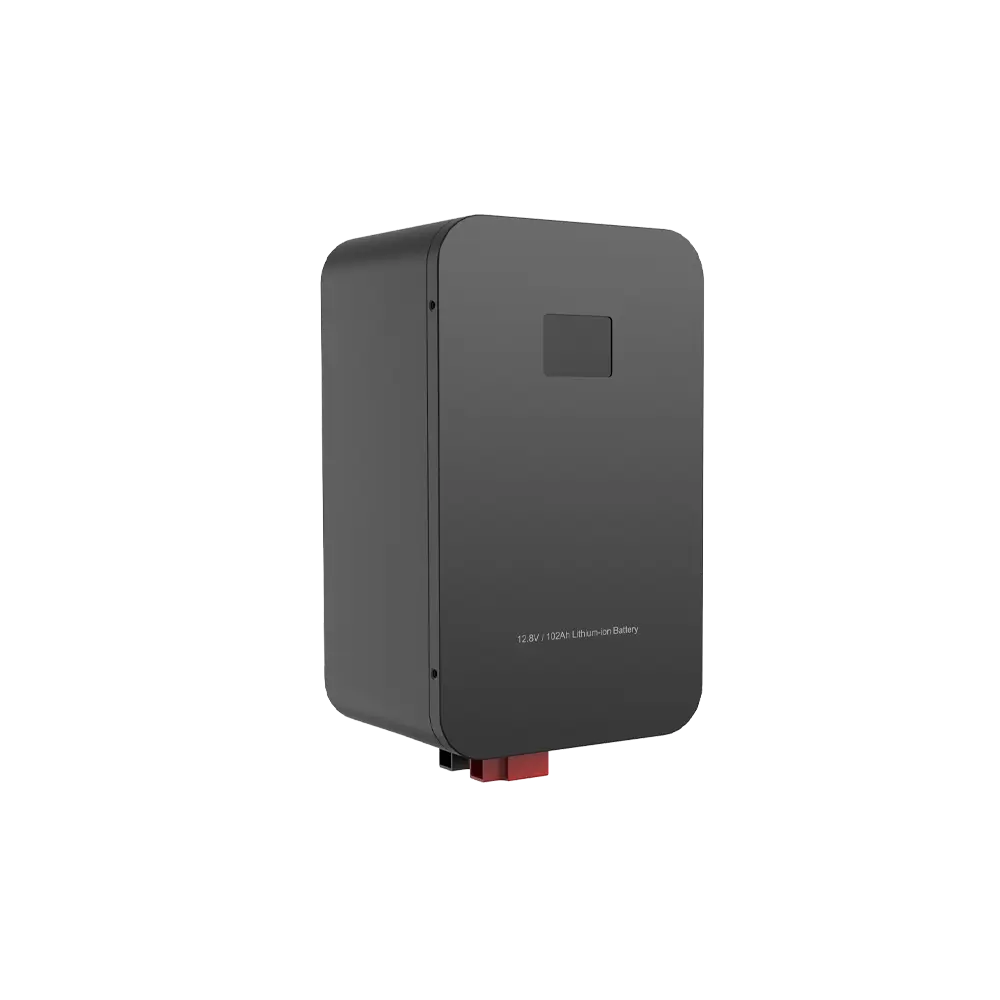
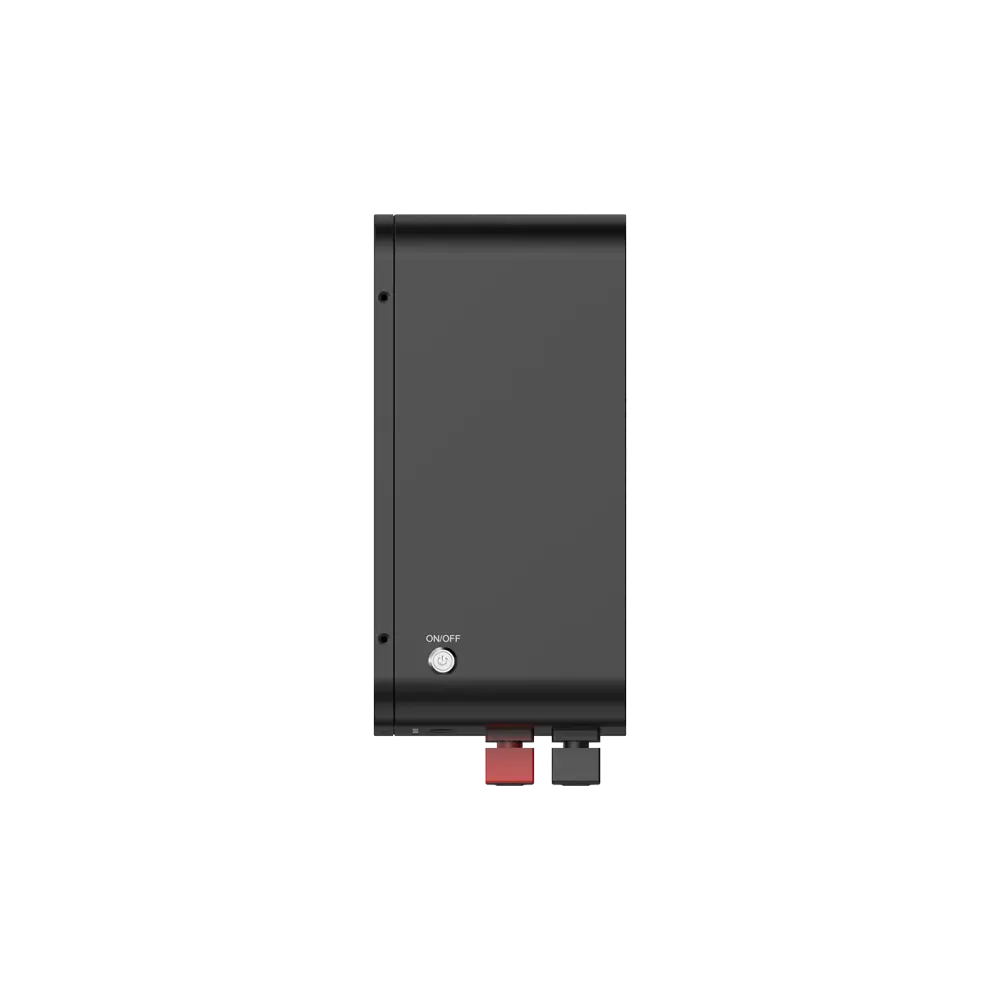
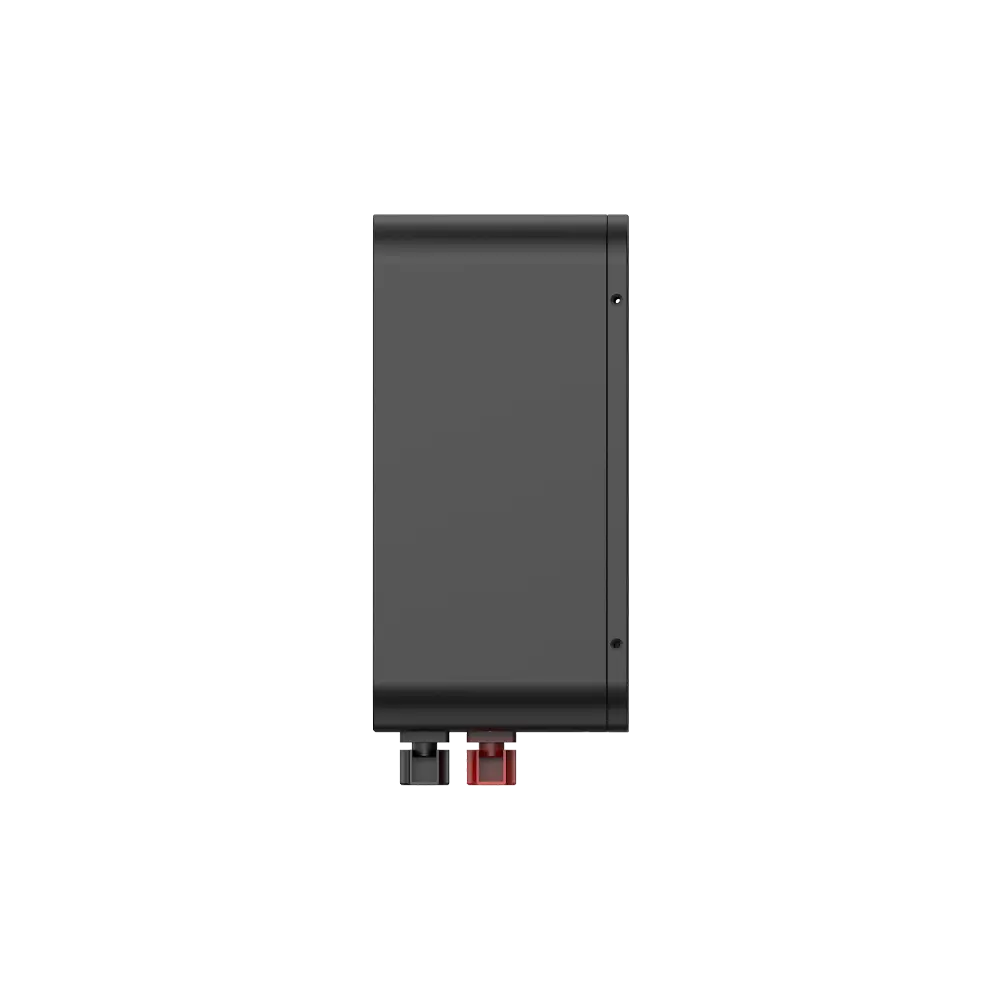
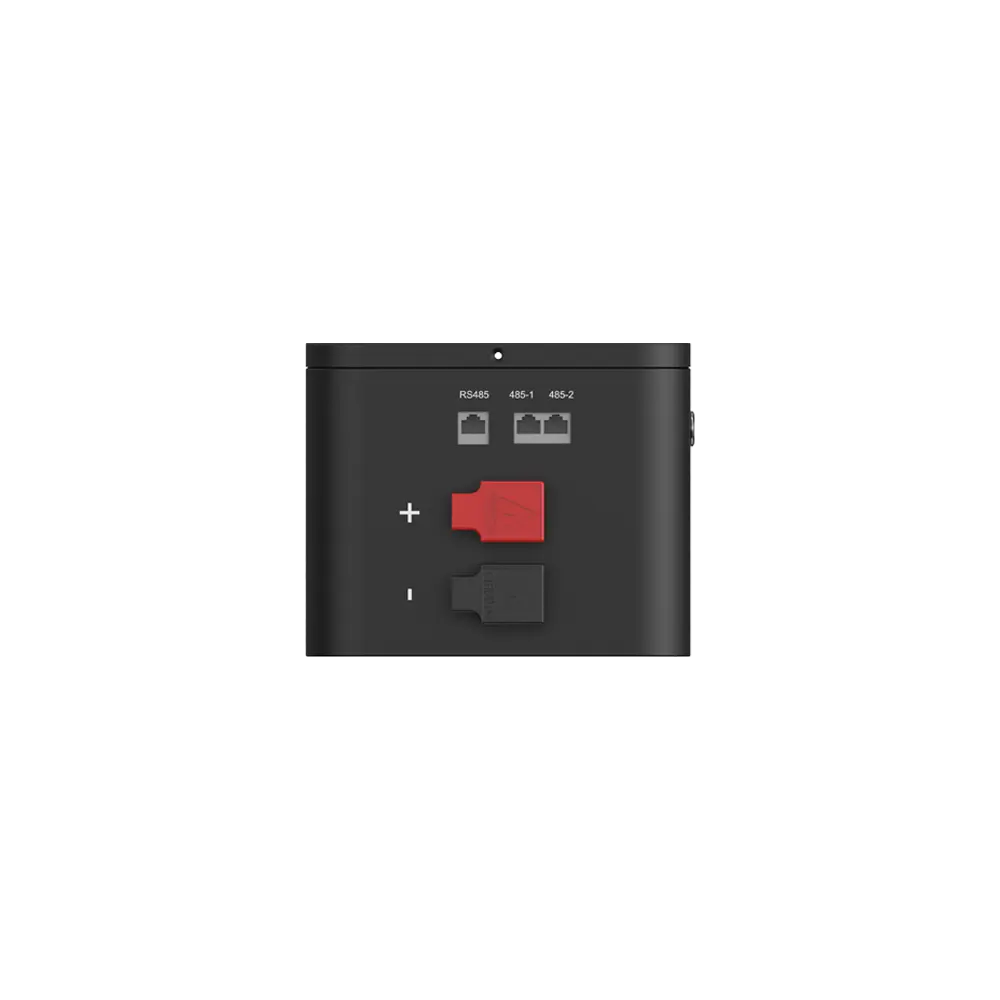
12.8V100Ah Wall Mounted LiFePO4 Battery
Designed for wall installation in compact energy systems, this 12.8V100Ah wall mounted LiFePO4 battery delivers stable 12.8V output and 1280Wh usable-rated energy in a rugged sheet metal enclosure. With Bluetooth + RS485 communication and a clear HFD screen, it’s ideal for installers and distributors who need a reliable, clean-looking 1kwh battery pack for residential backup, small solar storage, telecom DC loads, and light commercial power projects.
- Energy: 1280Wh (1kwh battery class)
- Capacity: 12.8V 100Ah
- Cells: BYD LiFePO4 Battery
- Cycle Life: ≥ 6000 cycles @70% EOL
- Wall Mounting: Space-saving, fast deployment
- Waterproof & Dustproof Housing: Sheet metal shell for tougher environments
- Smart Monitoring: Bluetooth App + RS485 for system integration
- Display: HFD screen for onsite status checking
- Operating Temp: -10°C to 60°C
Get an up-to-date quote with additional free information to download!
Why This Wall-Mounted 1kWh Lithium Battery?
Clean Wall Install, Faster Projects
Wall mounting reduces floor space and shortens installation time—perfect for technicians doing fast deployments in small energy rooms, cabinets, or service areas.
Tough Sheet Metal Housing (Waterproof & Dustproof)
Unlike typical plastic shells, the sheet metal enclosure is designed for better protection in practical job sites where dust, handling, and installation constraints are common.
Smart BMS + Bluetooth + RS485
✔ Bluetooth for quick commissioning and app-based monitoring
✔ RS485 for professional integration with inverters, EMS, or monitoring gatewaysThis makes it a better fit than many basic 1 kwh battery options that only offer simple terminals.
Long Cycle Life (6000+)
With BYD LiFePO4 cells and an optimized BMS, the battery targets a long service life, helping distributors position it as a premium 1kwh lithium battery for repeat customers.
OEM/ODM Deep Customization
Direct factory support for branding, connector/port options, mounting brackets, packaging, manuals, and communication protocol matching—ideal for channel partners.
Broad System Compatibility
With standard communication interfaces, stable output performance, and high device adaptability, this battery can be easily matched with a wide range of DC loads, inverters, and energy storage systems.

Applications (Typical Use Cases)
- Small solar storage systems (12V)
- Residential backup DC loads (routers, lighting, control systems)
- Telecom / monitoring stations (DC power)
- Light commercial DC supply
- Off-grid cabins / small energy cabinets

Parameters
| Shell Material | Sheet Metal |
| Rated Capacity | 1280Wh |
| Battery | BYD LiFePO4 |
| Lifespan | ≥ 6000 Cycles @70%EOL |
| Nominal Capacity | 100Ah |
| Nominal Voltage | 12.8V |
| Communication Mode | Bluetooth |
| Operating Temperature | -10℃~60℃ |
| Dimensions | 315×190×155mm |
| Weight | 11.3Kg |
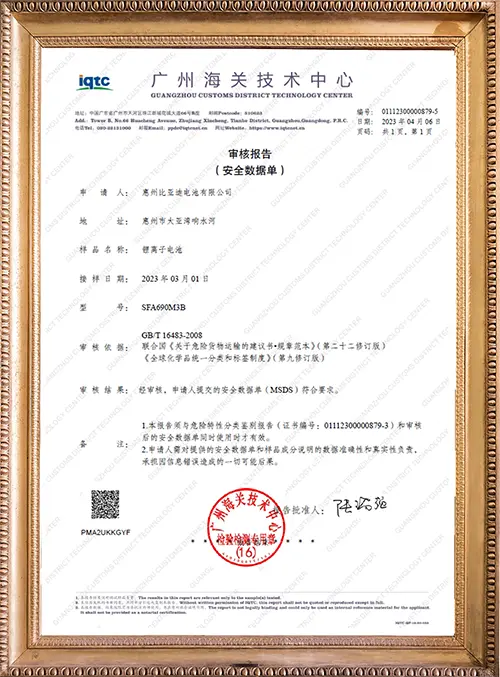
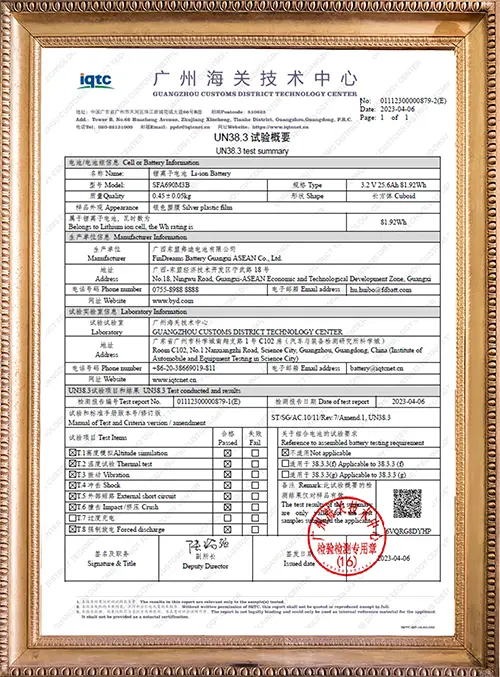
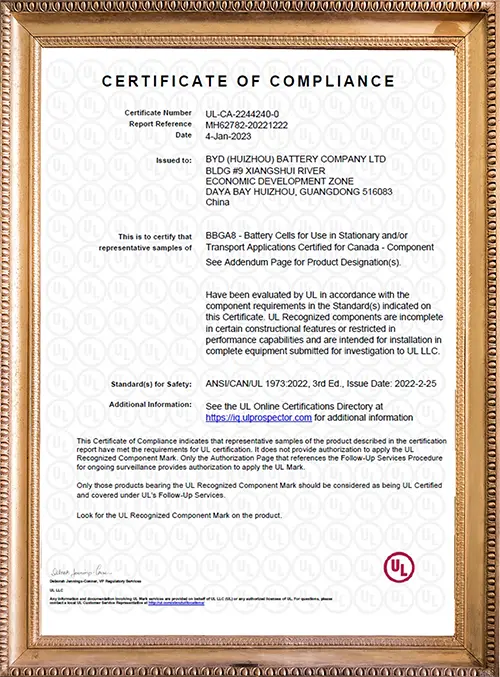
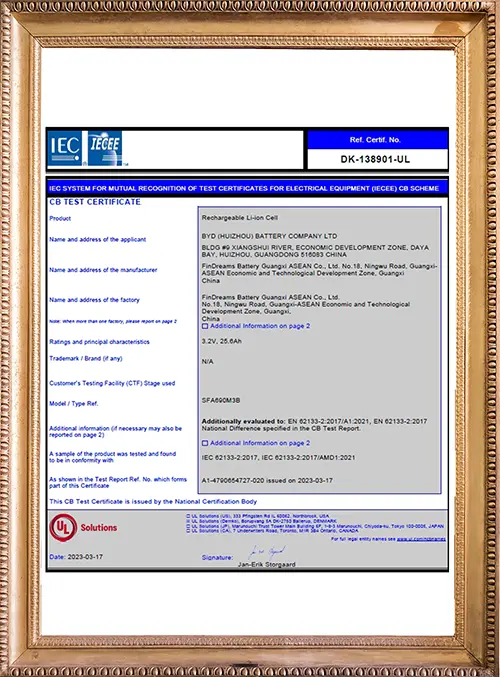
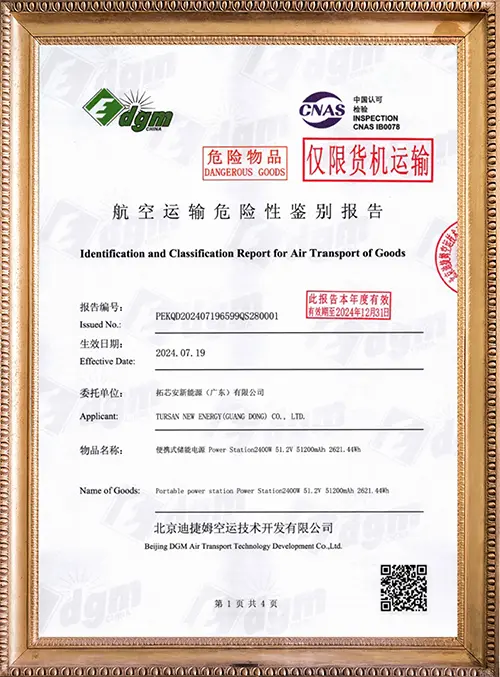
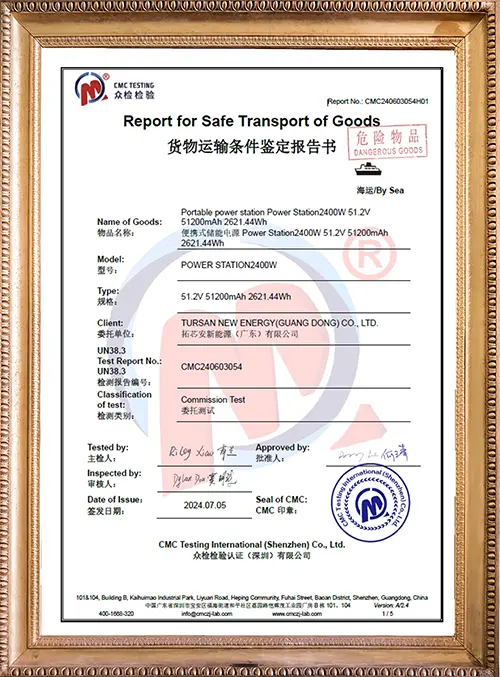
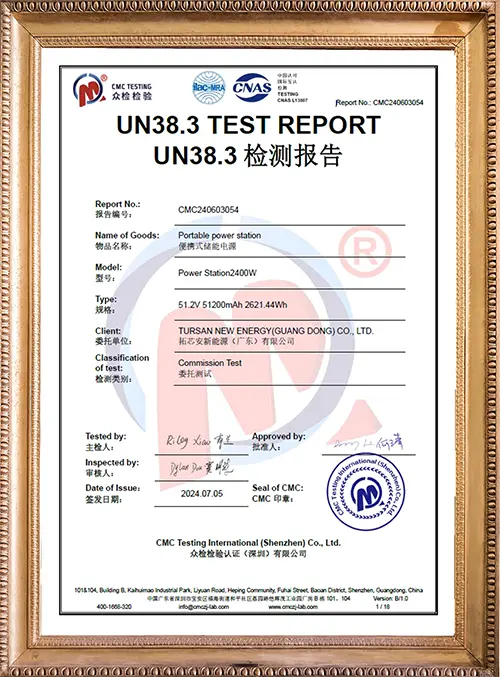
Certificate

About us


A decade of energy storage manufacturing excellence.
Residential Solar Energy Storage Battery Solution Manufacturer
TURSAN is a high-tech enterprise integrating R&D, manufacturing, and global sales of lithium battery–based energy storage systems. Founded in 2016, we operate a 20,000+m² production facility producing reliable LiFePO4 power solutions for residential, commercial, and outdoor applications.
Through a strategic partnership with BYD, we co-manufacture larger-capacity, safer, and more environmentally friendly portable power stations and home battery backups. Today we serve global brand owners, distributors, EPC contractors, and project developers in over 60 countries — saving OEM clients up to 20% in annual sourcing cost while meeting the toughest international safety standards.
OEM&ODM Process
Confirm Requirements and Finalise the Solution
We collect all customer specifications: voltage, capacity, dimensions, communication protocol, etc. Then we decide if it is a pure OEM job (build exactly to your drawings) or an ODM job (we provide the design). We issue a clear BOM (bill of materials) and 2D/3D drawings for both parties to sign off, avoiding any later misunderstandings.
Procurement and Incoming Inspection
We purchase all materials according to the BOM: cells, enclosure, brackets, screws, wiring, BMS boards, etc. When goods arrive, we do sampling or 100% inspection. For cells, we measure voltage, internal resistance and check appearance. For structural parts, we check dimensions and hole sizes. Any non‑conforming items are rejected and never go into our warehouse.
Cell Sorting and Matching
We group cells from the same batch by voltage and internal resistance values. We then match cells with the closest parameters into one set (for example, if a string uses 4 cells, the voltage and resistance differences among those 4 must stay within our set limits). This directly affects how long the battery pack will last without performance decay.
Laser Welding and Module Assembly
We fix cells into holders, then laser‑weld the tabs (connectors). We do pull‑force tests on sample weld spots to check strength. After that, we fasten the welded sub‑modules into the enclosure or tray, using torque‑controlled tools to apply the correct tightening force.
BMS Installation and Wiring Connection
We mount the main BMS and slave boards in their designated positions, then plug in all voltage sampling wires and temperature sensors. We always have a two‑person verification of the wiring sequence – this prevents reverse connections that could burn the boards when we power up.
First High‑Voltage Safety Test
We apply high voltage between the positive/negative terminals and the enclosure to measure insulation resistance and withstand voltage. We check for any leakage or breakdown. If this test fails, the module goes back for rework immediately – it does not move forward.
High‑Temperature Standing and Self‑Discharge (K‑Value) Check
We place the modules in a 45 °C room for 24–48 hours. We measure voltage before and after the standing period, then calculate the daily voltage drop (K‑value). Units with excessive drop are rejected because they indicate internal micro‑shorts that could cause early failure later.
Charge/Discharge Aging and Capacity Calibration
We connect the modules to charge/discharge equipment and run several full cycles at the current specified by the customer. During the process, we record actual discharge capacity, charge/discharge efficiency, and the temperature/voltage differences among individual cells. If all data stay within our acceptance limits, we calibrate the final rated capacity. If not, we isolate and analyse the failed units.
Final Inspection, Labelling and Packaging
We re‑measure total voltage, internal resistance and insulation performance. We check appearance for scratches, gaps, or damaged screws. We attach a permanent nameplate (with serial number), UN38.3 hazardous‑goods label, and all required operation warning labels. Then we package the battery with foam or cardboard for shock protection, as per customer requirements, and record the final weight.
Shipment and Document Handover
We verify the shipping quantity, address and consignee. We prepare all accompanying documents: factory test report, MSDS, UN38.3 test summary, and transport condition certificate. We arrange pickup with our logistics partner, and after dispatch we send the tracking number and estimated arrival time to the customer.


Frequently Asked Questions (FAQ)
Q1: What is a 1 kWh battery?
A 1 kWh battery is an energy storage device that can deliver 1 kilowatt of power for 1 hour, or an equivalent amount of energy over a longer time (for example, 100 watts for 10 hours).
Q2: What does kWh mean in batteries?
kWh (kilowatt-hour) measures energy capacity, not power. In batteries, it indicates how much total energy the battery can store and deliver.
Q3: Is a 1 kWh battery a lot?
A 1 kWh battery is considered small to medium capacity. It is ideal for light loads such as routers, lighting, small appliances, backup electronics, or modular solar systems.
Q4: How long will a 1 kWh battery last?
That depends on the load:
- 100W device → ~10 hours
- 500W device → ~2 hours
- 1000W (1kW) device → ~1 hour
Q5: What can run on 1 kWh?
A 1 kWh battery can typically power:
- Wi-Fi router for days
- LED lights for 8–15 hours
- Laptop for 15–20 hours
- TV for 4–6 hours
- Small DC refrigerator for several hours
Q6: Can a lithium battery run an air conditioner?
Yes, a lithium battery can run an AC, but air conditioners require high power. A 1 kWh battery can usually run a small AC only for a short time unless multiple batteries are used.
Q7: Is 1 kW enough to run a home?
No. 1 kW is not enough for a whole house, but it can support essential loads such as lights, communication devices, and control systems.
Q8: Why are batteries measured in kWh instead of Ah?
Because kWh reflects usable energy, while Ah only shows capacity at a specific voltage. kWh allows easy comparison between batteries of different voltages.
Q9: How much does 1 kWh cost?
Electricity cost varies by region. In the US, 1 kWh typically costs USD $0.12–$0.25 depending on location and utility provider.
Q10: What is the average cost of 1 kWh in the US?
The US average electricity price is around $0.15–$0.17 per kWh, though some states are higher or lower.
Q11: Is solar power cheaper than buying electricity per kWh?
Over time, solar power with batteries can be cheaper, especially in areas with high grid electricity prices or unreliable power supply.
Q12: Is it better to have higher or lower kWh batteries?
Higher kWh means longer runtime, but also higher cost. The best choice depends on:
- Load size
- Backup duration
- Budget
- Available installation space
Q13: What wastes the most electricity in a house?
The biggest energy consumers are usually:
- Air conditioners
- Electric water heaters
- Electric ovens
- Old refrigerators
Q14: Is it better to have more solar panels or more batteries?
- More panels= more energy generation
- More batteries= longer backup timeA balanced system is usually the most cost-effective.
Q15: Why should lithium batteries not be fully discharged?
Deep discharging shortens battery life. Most lithium batteries perform best when operated within 20%–80% state of charge.
Q16: Is a 1 kWh lithium battery suitable for solar systems?
Yes. A 1 kWh lithium battery is ideal for:
- Small solar systems
- Modular energy storage
- Entry-level solar backup
- DC and low-power applications

Related Products
Partner with TURSAN, Ignite a New Chapter in Your Country's Energy Storage Business
As a professional manufacturer of solar lithium battery energy storage systems, TURSAN is dedicated to providing the global market with high-quality home energy storage batteries, inverters, portable power stations, and all-in-one storage solutions. We now sincerely invite you to become our exclusive partner in your country or region, to jointly develop the clean energy storage market and create steadily growing business value.

Exclusive Regional Authorization
After signing the agreement, we will cease wholesale distribution to other clients in your region, fully safeguarding your market interests.

Priority Order Processing & Shipping
Ensure you can respond to local demand immediately and capture time‑sensitive market opportunities.

Product Customization Support
From your first order, we can design and produce energy storage systems completely tailored to your brand.

Comprehensive Product Range Suppor
From home storage and portable power to inverters and all-in-one units with built-in inverters — meeting diverse application needs.

Proven Success in 30+ Countries
We have already helped partners worldwide achieve measurable brand growth and increased profitability.

Your Most Reliable Backend
Whether you are a systems integrator, electrical distributor, or building your own brand, you get stable products and flexible cooperation mechanisms.
📩 Contact us now to receive a customized partnership proposal and product information.
Let’s join hands to bring reliable power solutions to homes and businesses, and co-create a green energy future together!