TURSAN time-of-use home battery storage helps dealers and energy service partners build residential ESS packages for peak tariff optimization, load shifting and solar self-consumption — with a transparent ROI framework, not fixed-savings promises.
Daily TOU Cycles
Round-Trip Efficiency
Cycle Life
Warranty
TOU battery storage is one of the most ROI-driven home energy sales conversations there is. Customers ask "how much will I save?" — and good dealers don't promise fixed numbers, they help the customer compute them.
A TOU schedule turns electricity timing into electricity cost. The battery acts as a buffer between when energy is cheapest and when it's most expensive — with PV and backup-reserve sitting on top of the cycle.
OFF-PEAK · NIGHT
Charge from Grid
Battery fills at the lowest grid tariff. Grid does the work while the rate is low.
DAYTIME
Solar Supplement
PV charges the battery further (where solar is present). Free kWh layered on top of cheap kWh.
PEAK · EVENING
Discharge to Loads
Battery covers home loads during peak-rate hours. Customer skips the most expensive grid imports.
RESERVE
Backup SOC Held
EMS holds a minimum SOC (e.g. 20%) at all times for outage backup, independent of the TOU cycle.
TOU doesn't make economic sense everywhere. Where the four conditions below are present, a residential battery has a strong ROI conversation with the homeowner. Where they're not, the dealer should be honest about it.
We do not publish a fixed payback period because it depends entirely on the customer's tariff and load profile. Instead, we publish the six inputs that go into the calculation — so dealers can plug in local numbers and produce honest ROI guidance for the customer.
01
Peak rate minus off-peak rate (USD/kWh). The bigger the spread, the more value each cycle captures.
02
How many kWh the home actually uses during peak hours — and how much the battery can offset.
03
Battery size in kWh × usable depth-of-discharge. Larger battery = more kWh arbitraged per cycle.
04
Cycles per year (usually 365 daily) × round-trip efficiency (~90% for LiFePO4).
05
If solar is present, free PV charging stacks on top of TOU arbitrage, accelerating payback.
06
SOC held back for outages (e.g. 20%) reduces TOU-active capacity but adds resilience value.
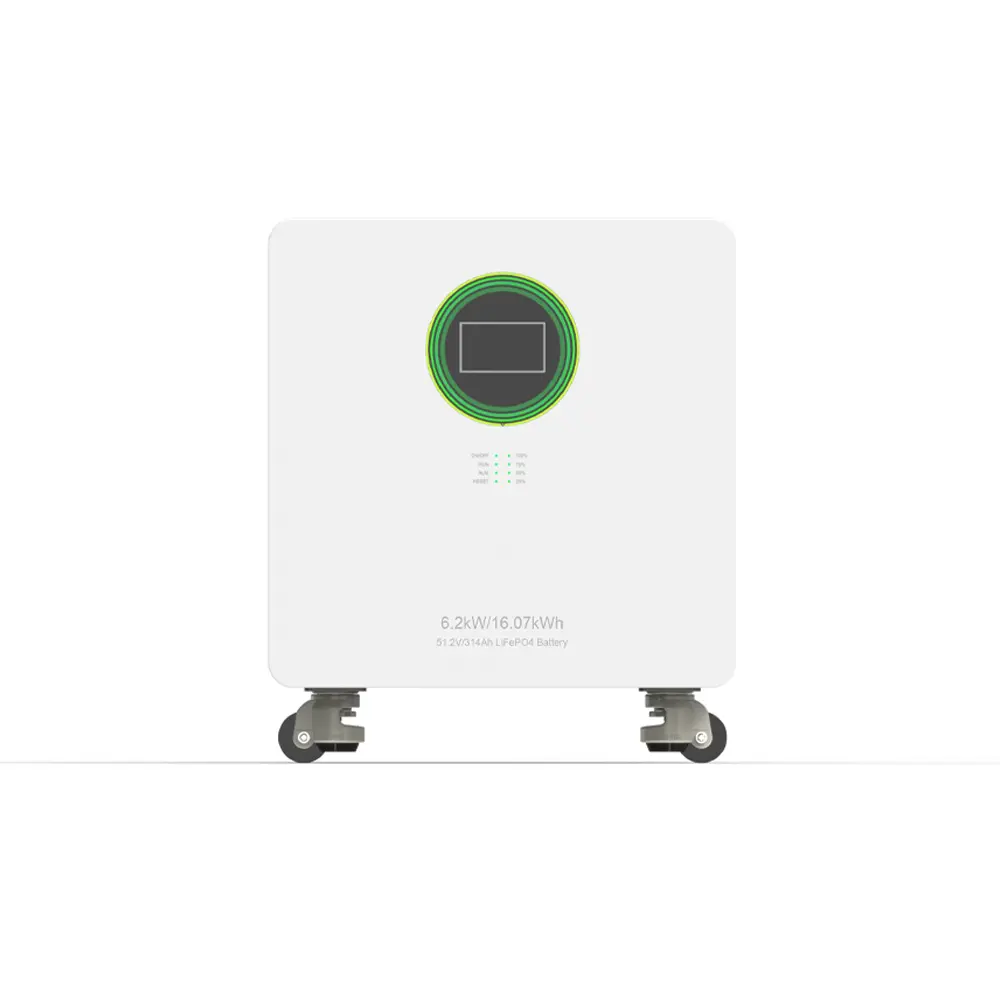
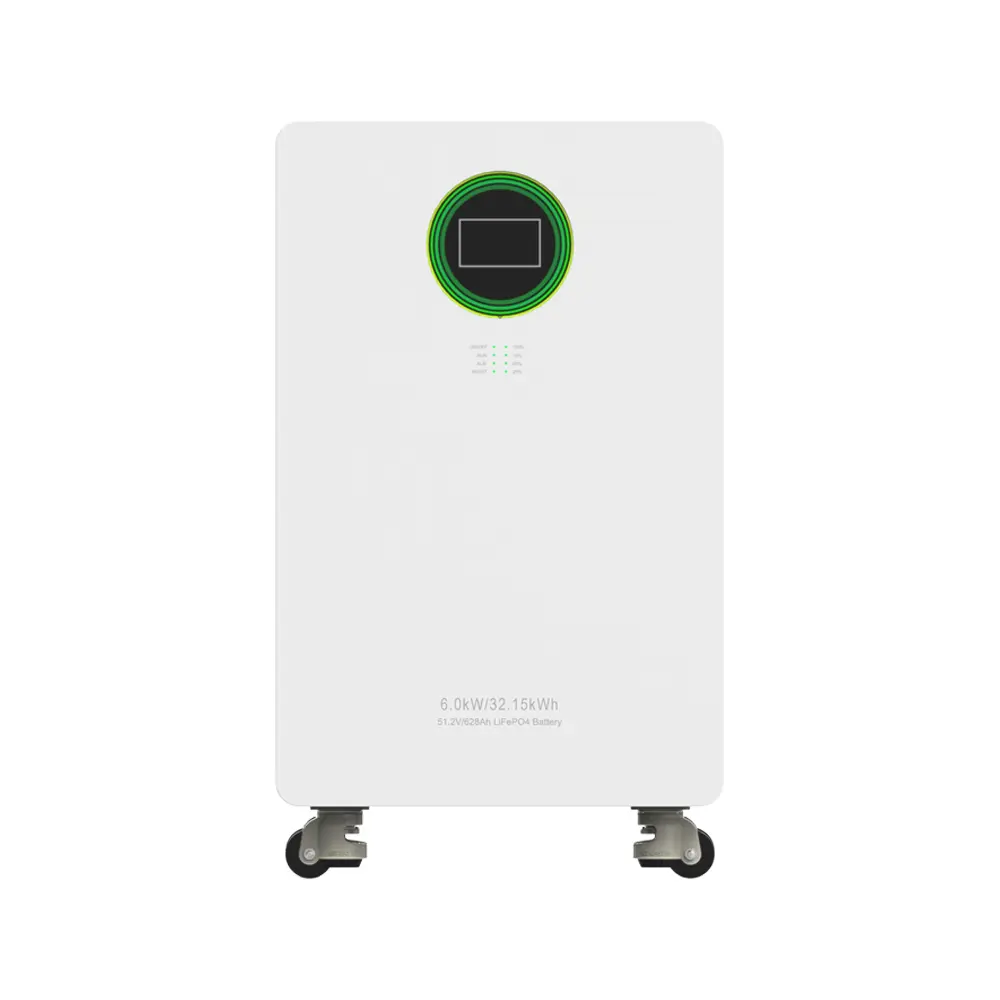
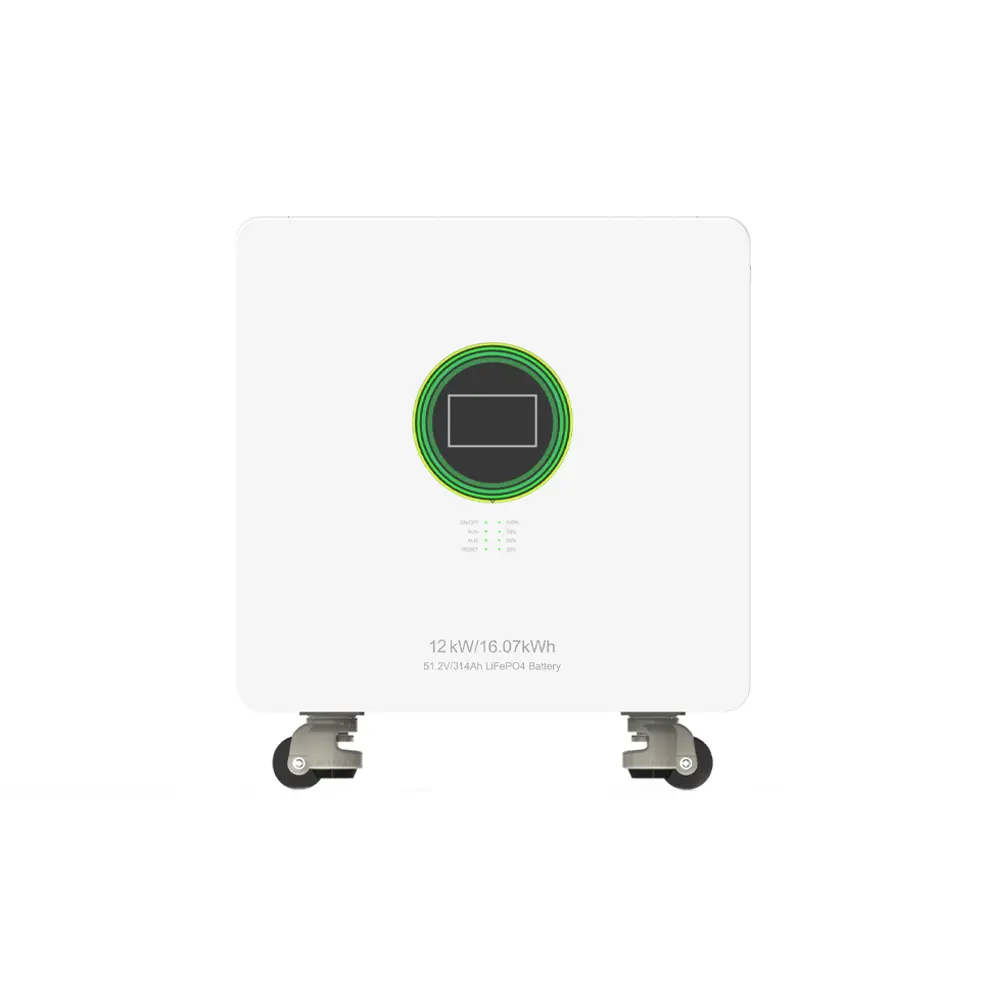
For most TOU customers, capacity selection follows the daily peak-hour kWh consumption. These four tiers cover the bulk of residential TOU projects — from apartment to villa.
Entry
kWh Battery
Small homes, apartments, light evening load. Lowest-cost entry to TOU arbitrage.
Mainstream
kWh Battery
3-4 bedroom homes with typical evening cooking, entertainment and HVAC. The TOU mainstream.
POPULAR
Higher Usage
kWh Battery
Larger homes with electric cooking, heat pumps and longer peak periods. Strong arbitrage capture.
Project Grade
kWh+ Stackable
Villas, large homes, light-commercial TOU and homes with EV charging on peak avoidance.
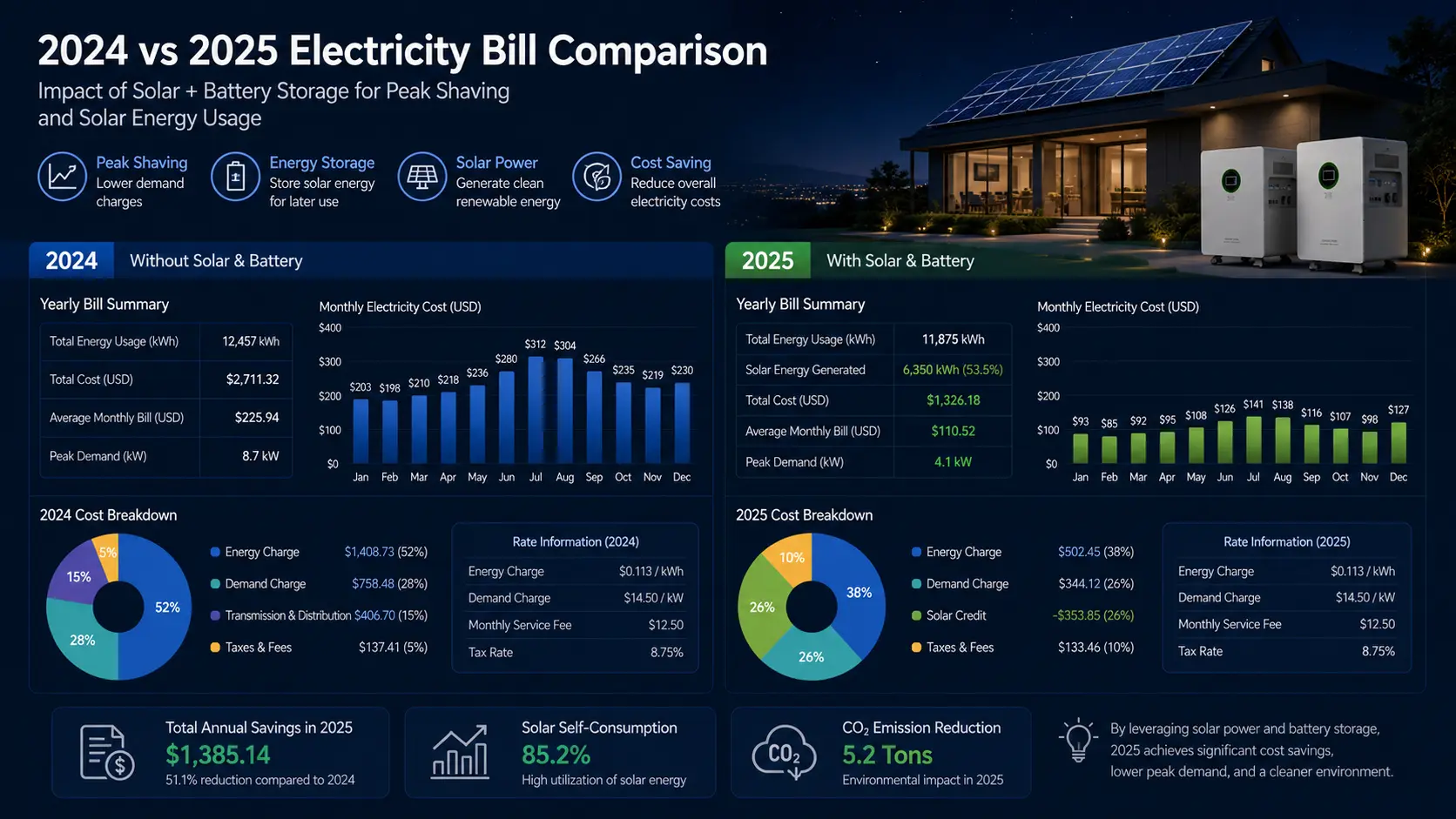
A homeowner with rooftop PV and TOU pricing gets both savings stacked. Solar charges the battery during the day (free kWh in), the battery discharges during peak hours (expensive kWh avoided). The same battery does both jobs.
Solar self-consumption + TOU arbitrage on one battery
For dealers, the strongest sales conversation is showing the homeowner two simultaneous benefits — solar self-consumption AND peak-tariff avoidance — on the same hardware they were going to buy anyway.
For dealers selling TOU systems, the conversation is more numbers than feelings. We provide tools designed to help the dealer guide the customer through tariff data collection and savings estimation — without overpromising.
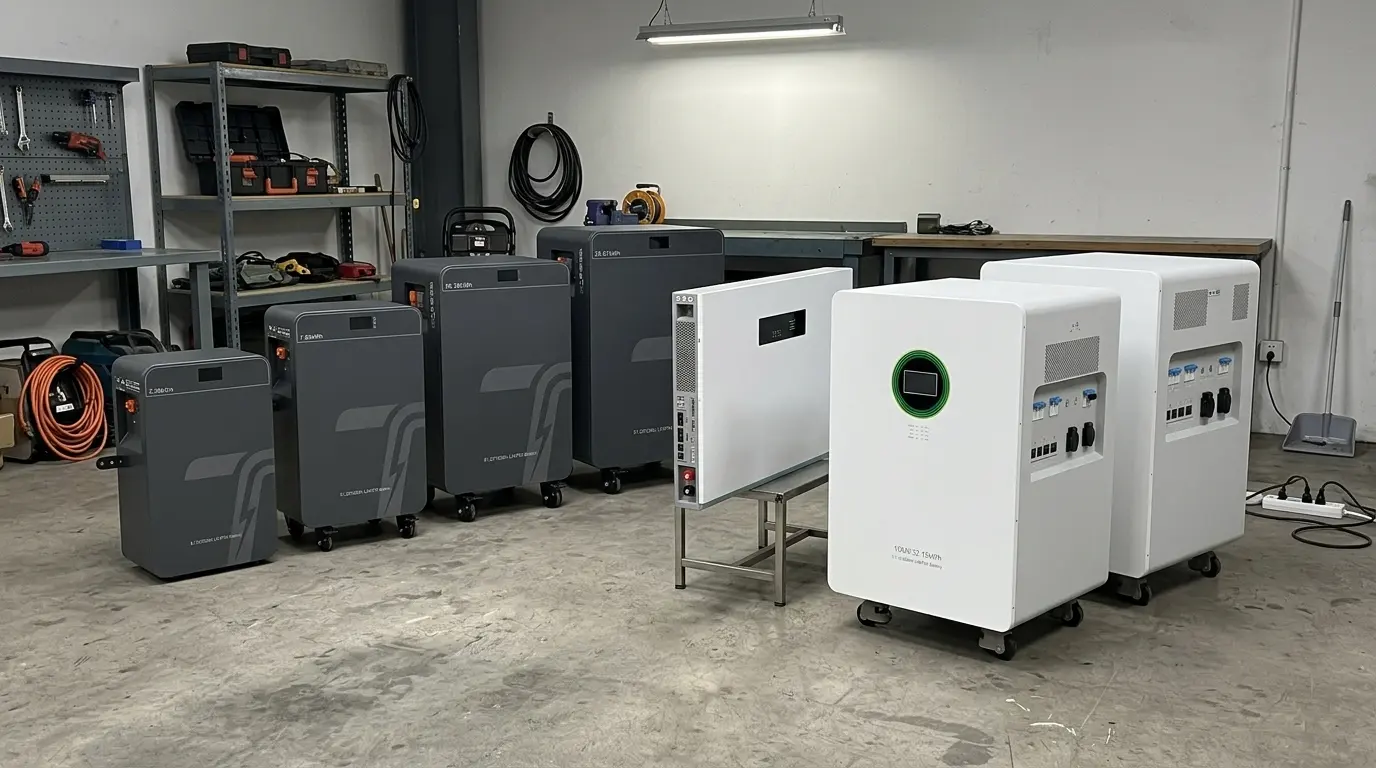
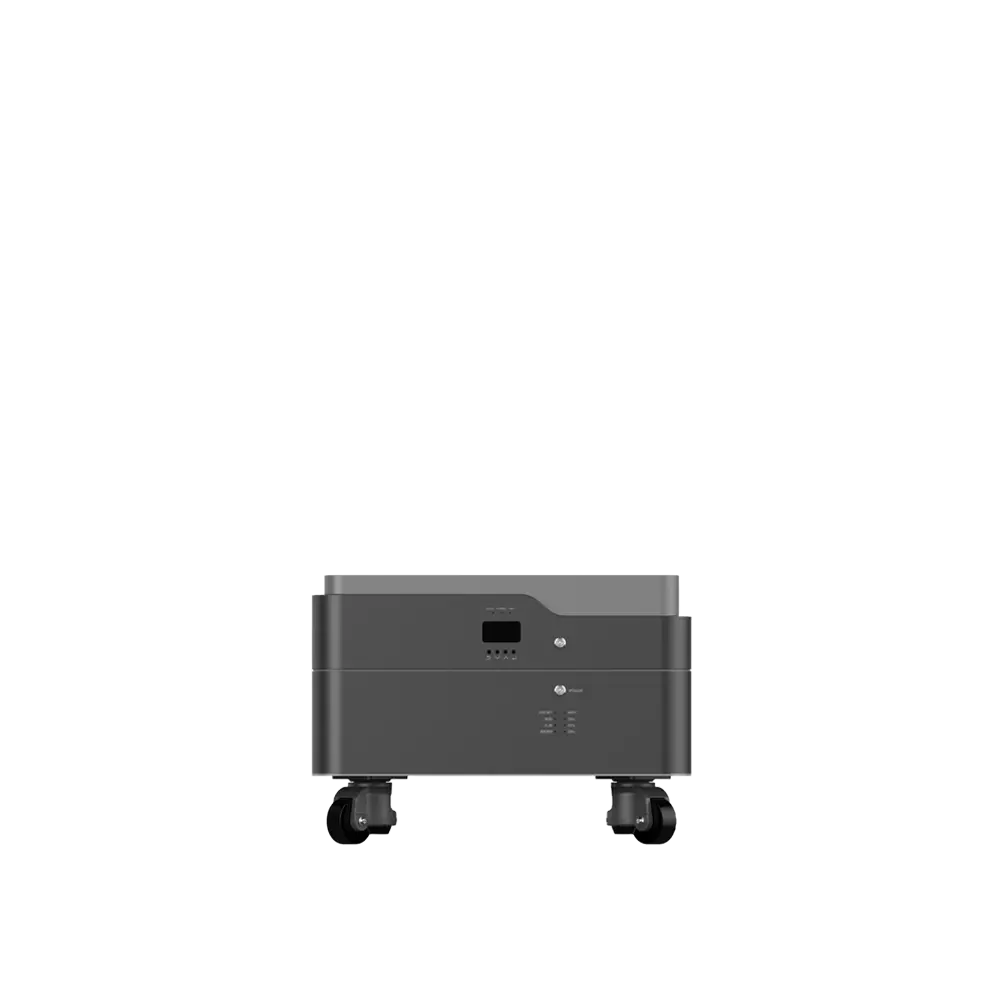
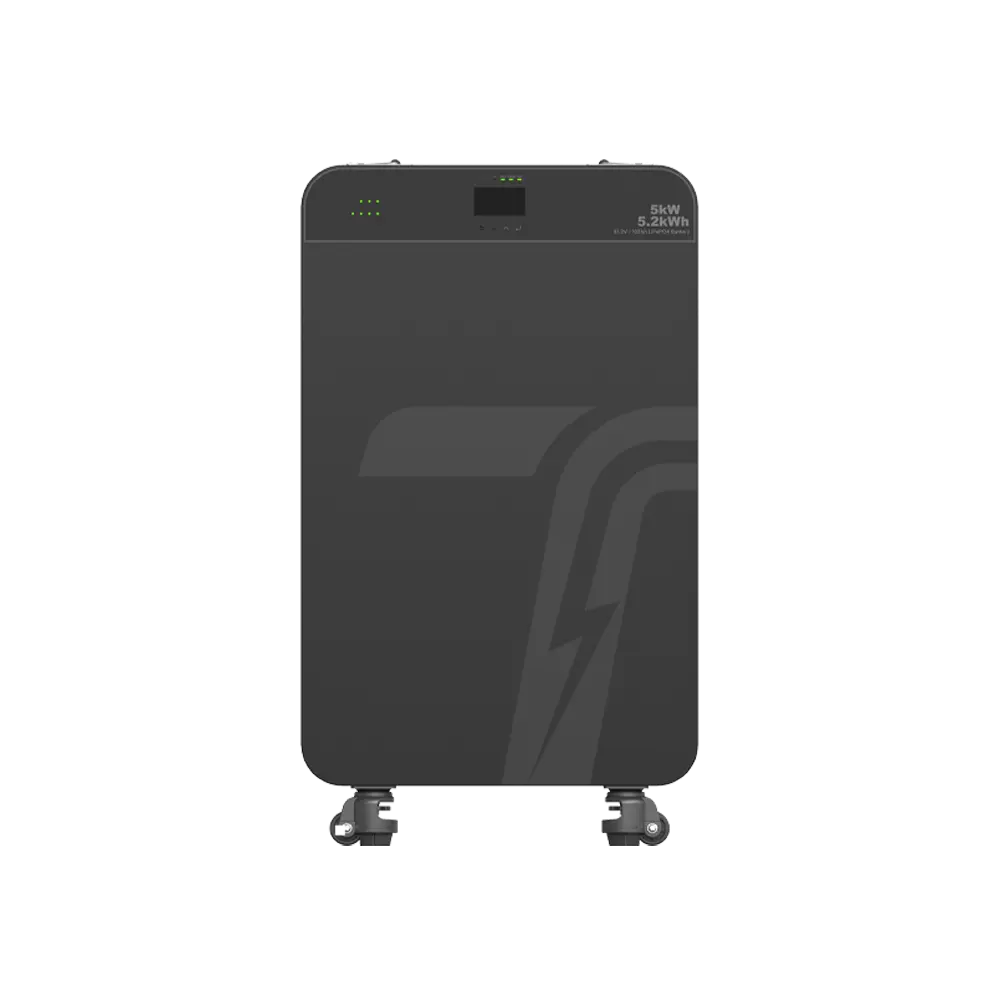
From entry 5 kWh up to project-grade 32 kWh — all LiFePO4, all 6000+ cycles, all built for daily TOU cycling at high round-trip efficiency.
Factory-direct OEM/ODM for energy service companies, dealer networks and TOU-market distributors — branded units, custom EMS interface, regional certifications, project-grade supply.
For energy service partners and tariff-market dealers
Energy service companies and dealer networks get a single-point-of-contact OEM process — branding, EMS schedule presets, certification documentation and channel-scale supply.
STEP 01
STEP 02
STEP 03
STEP 04
TOU operation cycles the battery every day for a decade or more. Every TURSAN unit passes IQC, IPQC and OQC three-gate quality control, 100% burn-in testing, and full batch traceability through MES — so a daily-cycle TOU system still meets spec in year 8.
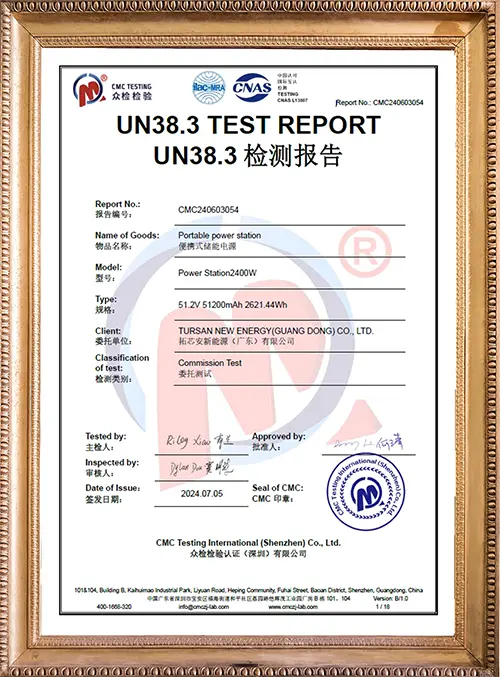
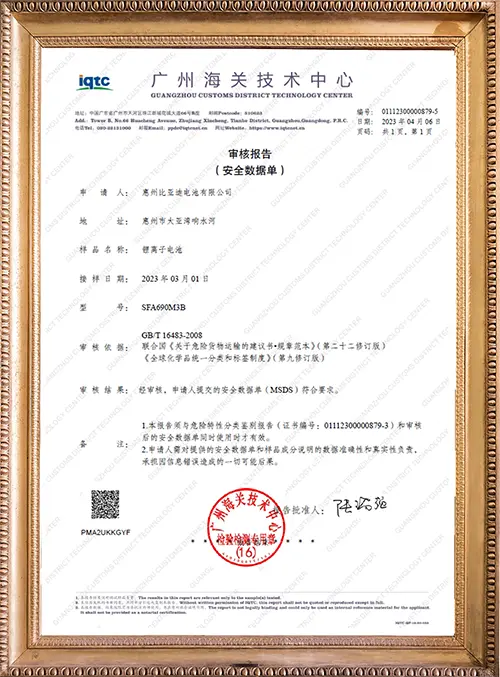
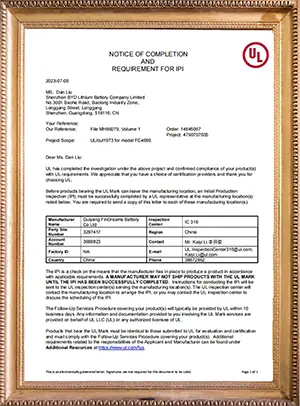
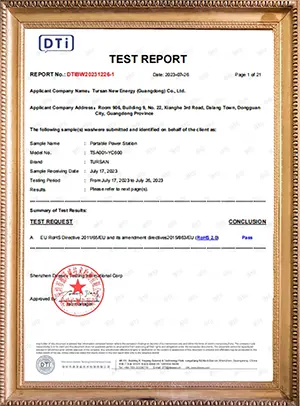
UN38.3, MSDS, UL, CE, FCC, IEC and RoHS — full certification documentation prepared from day one for TOU-active markets in Europe, North America, Australia, Asia and the Pacific.
The questions we hear most from dealers and energy service companies selling TOU battery storage into tariff-active markets.
Tell us your local peak / off-peak tariffs, daily evening load and (optional) PV size — we'll return a per-customer ROI estimate, recommended battery capacity and wholesale pricing within 4 hours. No fixed-savings claims — just transparent inputs and outputs.