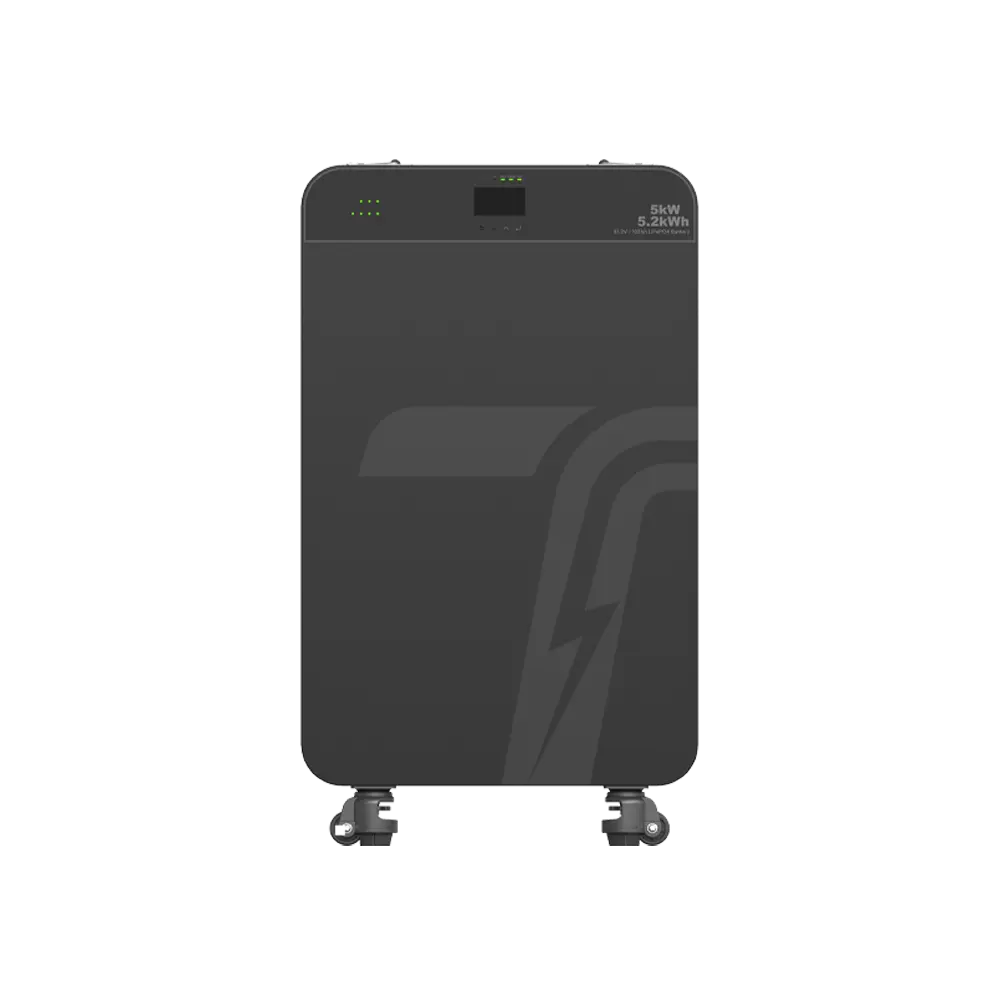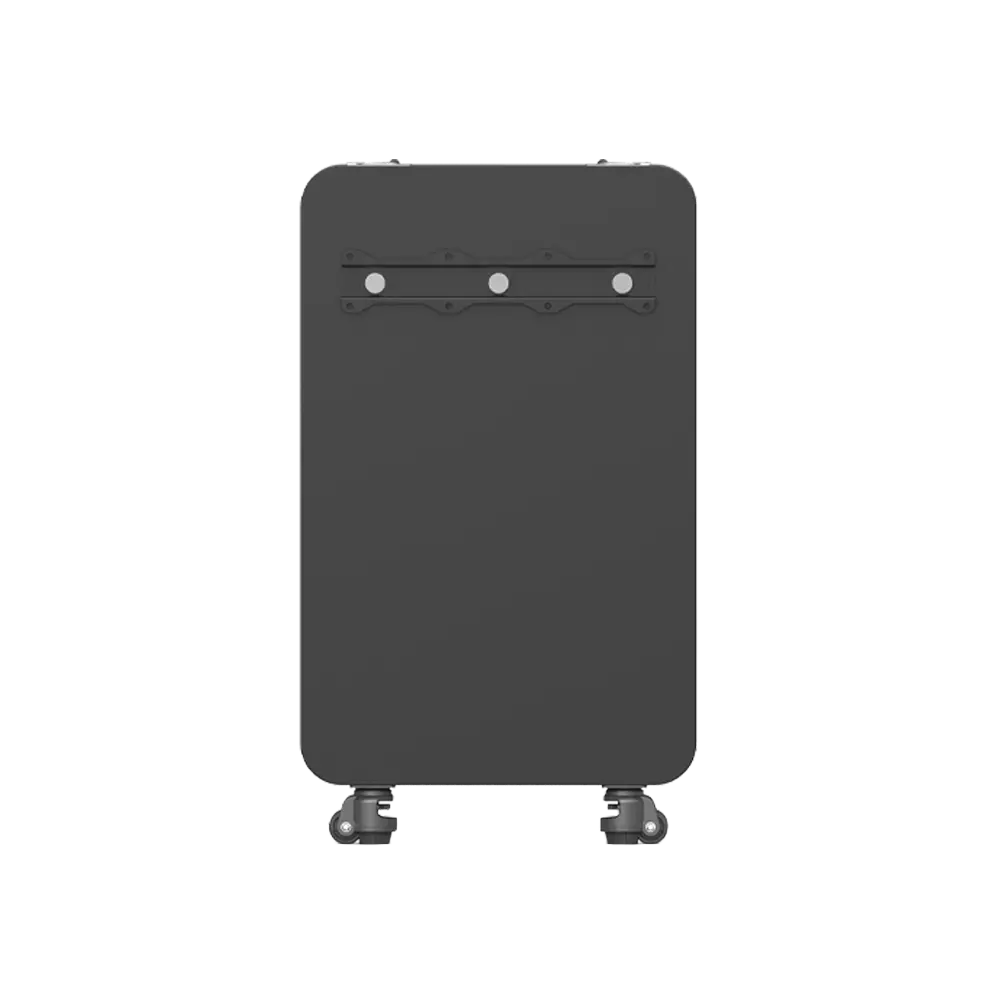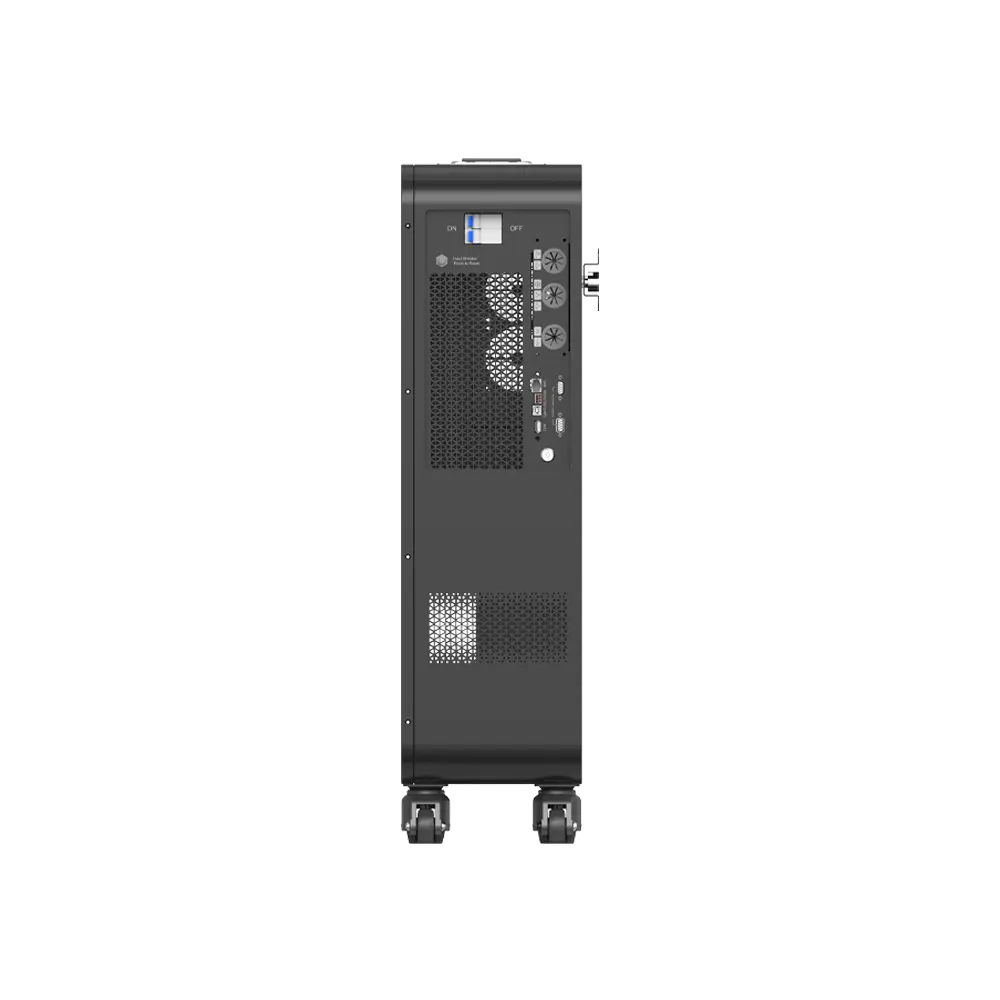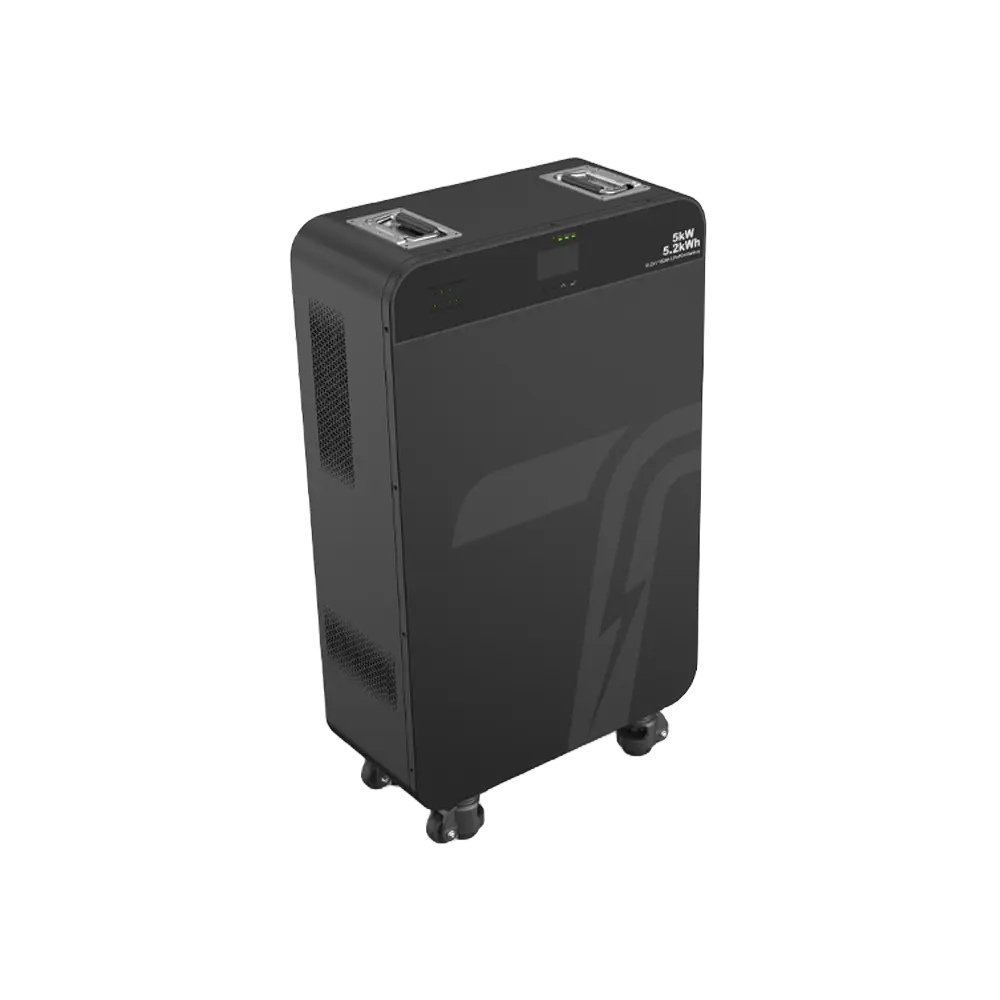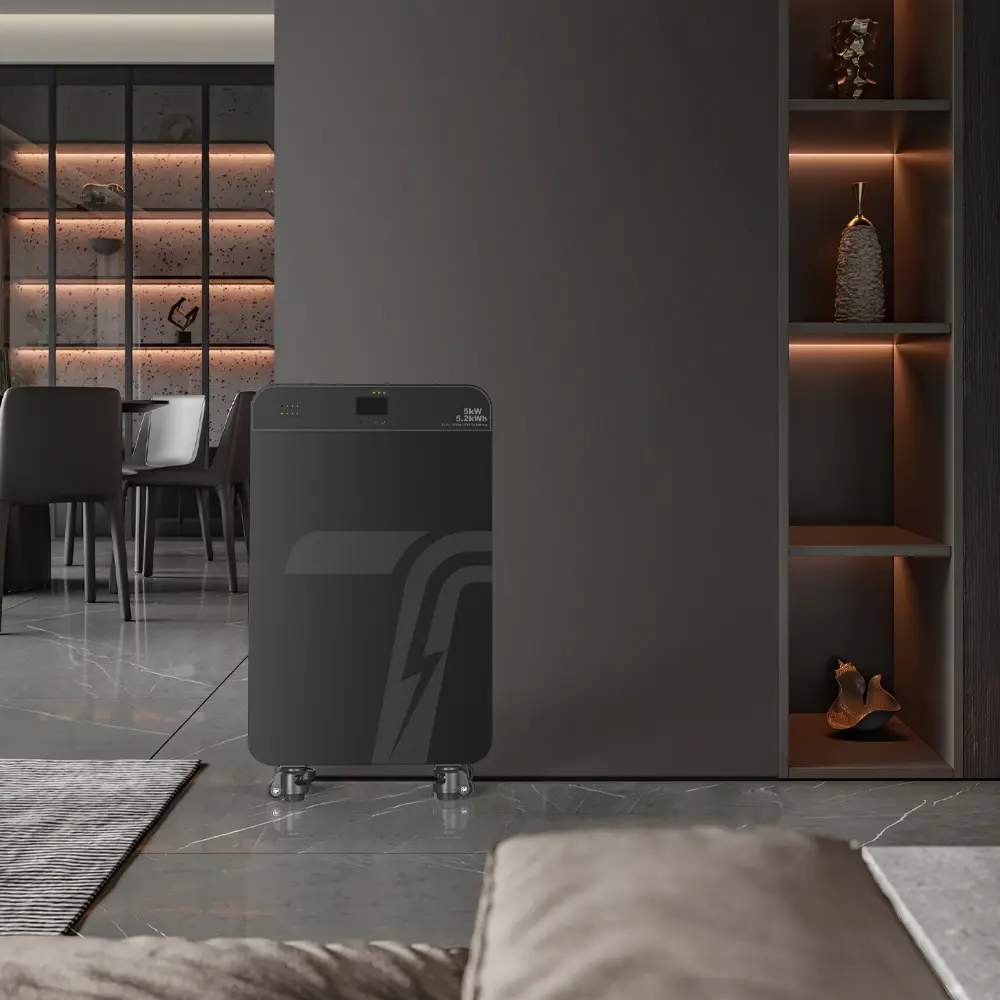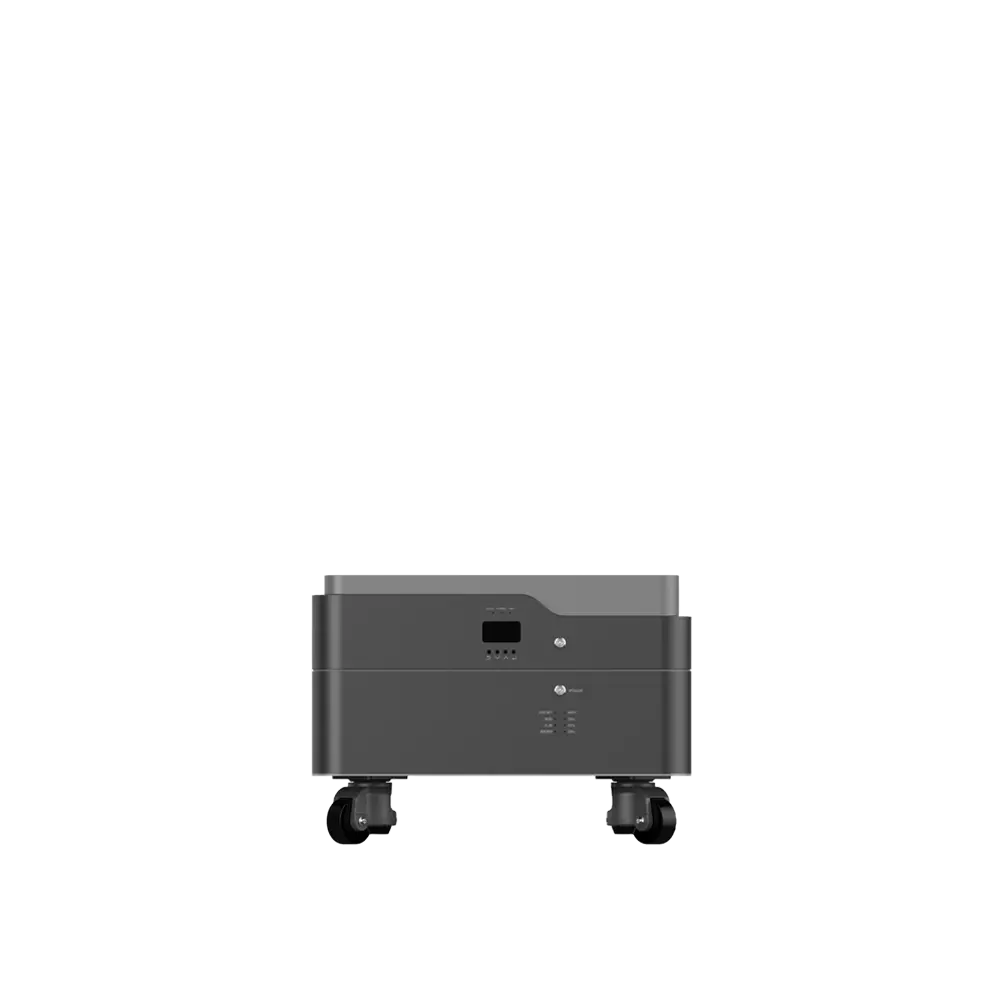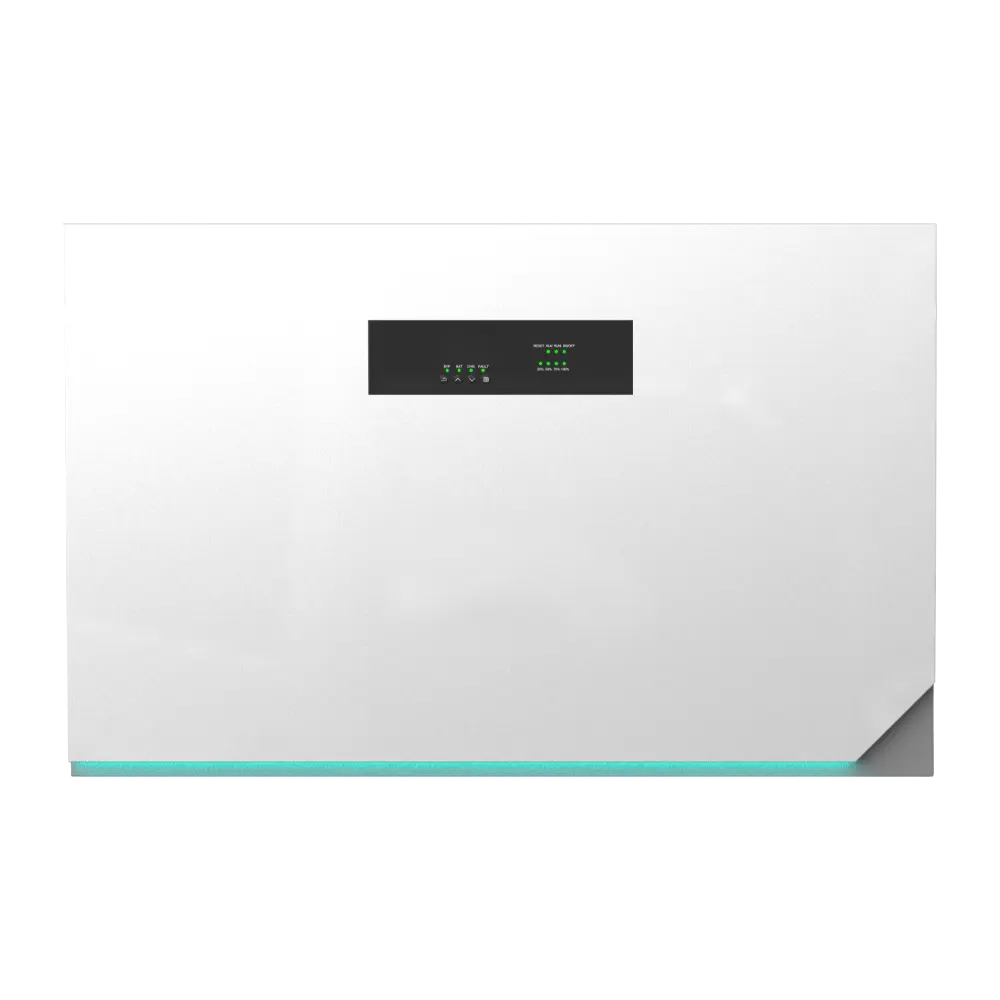
The 3kW Movable Home Solar Energy Storage System is a compact, movable all-in-one solar battery system designed for home backup power, off-grid applications, and hybrid (grid-connected) self-consumption. It combines a high-efficiency pure sine wave inverter with a long-life LiFePO4 battery in a single integrated unit—ideal for installers and OEM partners seeking a clean, fast-deployment solution.
With utility + PV charging, rapid installation, and rugged emergency-ready design, JC-YT-3K is a cost-effective all-in-one battery and inverter platform for global markets.
Integrated “battery + inverter + MPPT” design reduces wiring complexity and technician time.
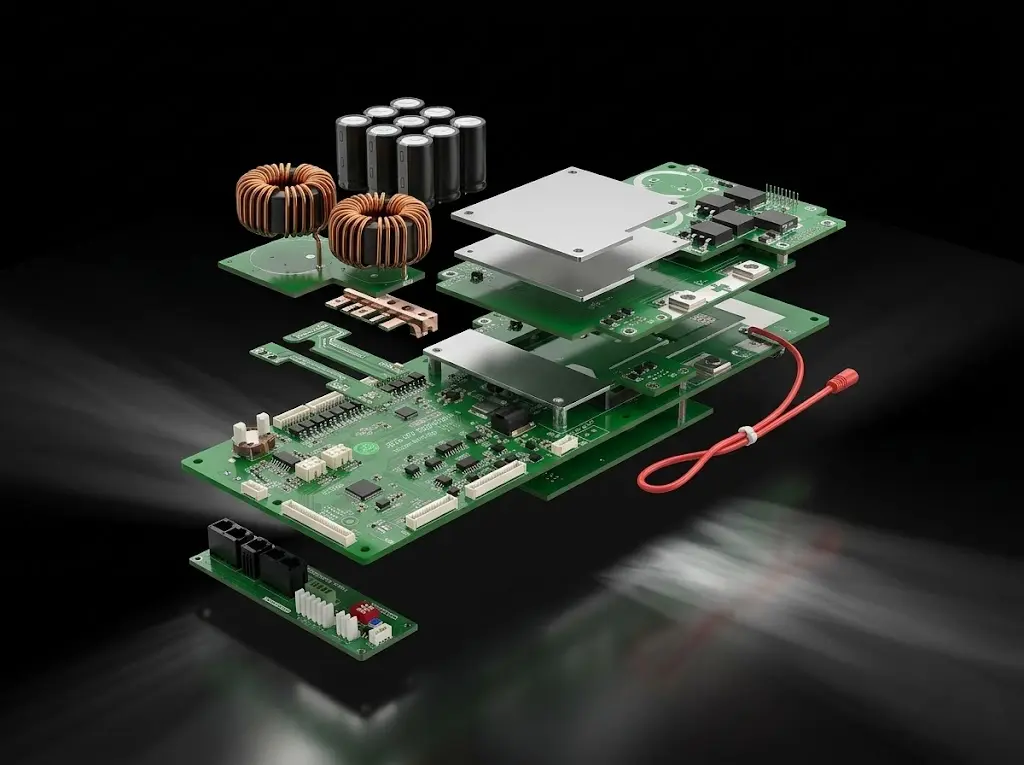
Built-in BMS with stable protection logic for real household usage and frequent cycling.
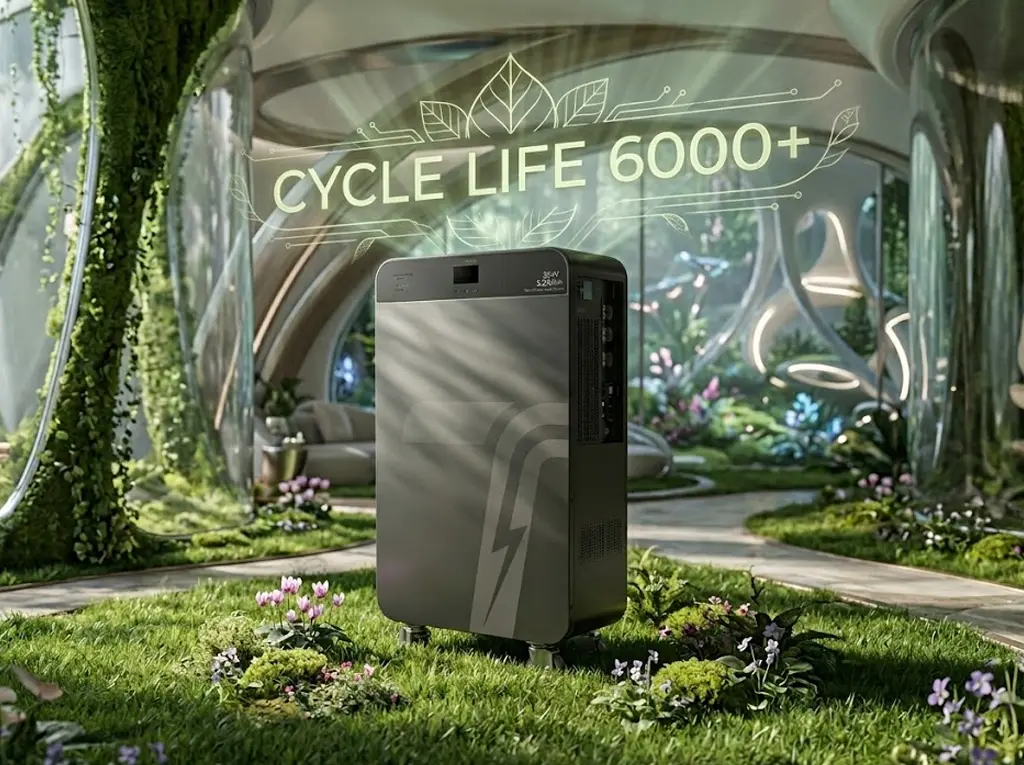
Premium LiFePO4 cell platform supports 6,000+ cycles class for long service life.
Optimized internal layout improves energy density and reliability in a compact cabinet.
Factory-direct customization with complimentary design support for global partners.
Designed to integrate smoothly with common home energy and solar ecosystems.
easy to move indoors/outdoors
stable backup power without complicated rewiring
Power key circuits during outages—lights, Wi-Fi router, refrigerator (typical duty-cycle), TV, fans, and home office devices. The pure sine wave output keeps sensitive electronics stable.
Pair with PV panels for clean off-grid power. With MPPT 120–480Vdc and PV input up to 800–5600W, the system supports flexible array design within its limits.
Charge from solar in the daytime, use stored energy at night, and top up from the grid when needed—improving solar utilization and reducing peak-hour grid reliance.
| Battery Model | BYD LiFePO4 Battery |
| Lifespan | 6000+ |
| Waterproof Grade | IP21 |
| Battery Capacity | 5222.8Wh |
| Nominal Working Voltage | 51.2V |
| Nominal Input Current | REDR5OA |
| Max.Operating Current | 80A |
| Over-Voltage Protection | 58.4V (Recovery Voltage 54V) |
| Over-Discharge Protection | 45V (Overdrain Recovery 48V) |
| Charging Over-Temperature Protection Temperature | 65℃ |
| Charging Over-Temperature Recovery Temperature | 55℃ |
| Discharge Over-Temperature Protection Temperature | 70℃ |
| Discharge Over-Temperature Recovery Temperature | 60℃ |
| Equalization | Passive Equilibrium |
| Short Circuit Protection | Yes (Charge Removal / Load Removal) |
| Max. Output Power (W) | 3600 |
| Peak Output Power (W) | 7000 |
| Output Voltage Waveform | Pure Sine Wave |
| AC Backfill Protection | Yes |
| Rated Output Voltage(Vac) (Customized) | 110Vac/120Vac/220Vac-250Vac±5% |
| Ouput Frequency Range (Customizable) | 47±0.3Hz~55±0.3Hz(50Hz); 57±0.3Hz~65±0.3Hz(60Hz); |
| Max.Efficiency | >92% |
| Charge Mode | Supports utility charging, photovoltaic charging |
| Input Voltage Range (Customized) | (170Vac~280Vac)±2%(UPsmode)(90Vac-280Vac)±2%(APL mode)(90Vac-140Vac)±2% |
| Input Frequency Ranges | 50Hz/60Hz(Auto-detection) |
| Max.Charging Current (Settable) | 60A |
| Short Circuit Protection | Yes |
| Max.PV Open CircuitVoltage | 500Vdc |
| PV Operating VoltageRange | 450Vdc |
| MPPT Voltage Ranges | 120-450Vdc |
| Max.PV Input Power | 1000-2500W |
| Max.PV Input Current | 22A |
| Charging Short Circuit Protection | Blown Fuses |
| Wiring Protection | Reverse Connection Protection |
| Maximum Hybrid Charge Current (PV+AC) (Settable) | 0-140A |
| Amount of Power Shipped | 50-80% |
| Communicate | RS485、CAN |
| UPS | Supports 10ms (Typical) |
| Operating Temperature | -15~55℃ |
| Humidity Range | 0~80%RH |
| Weight | 60Kg±1Kg(132.3lbs ± 1lbs) |
| Dimensions(L×W×H) | 880mm×550mm×315mm |
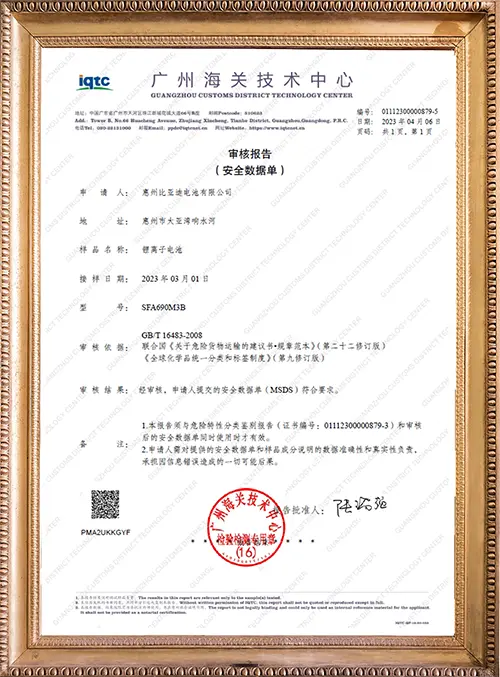
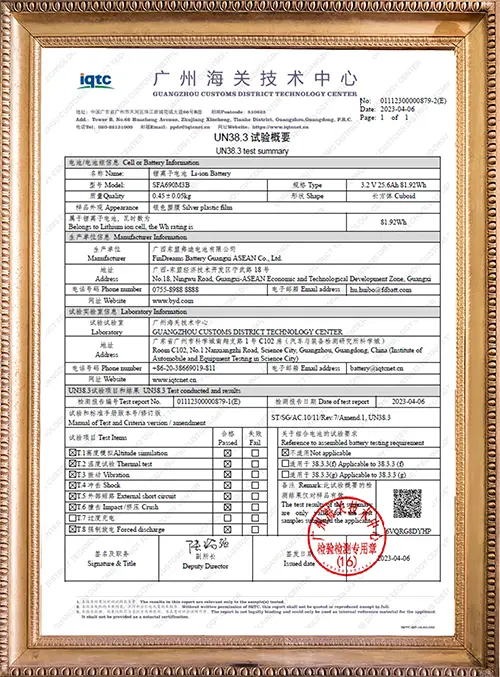
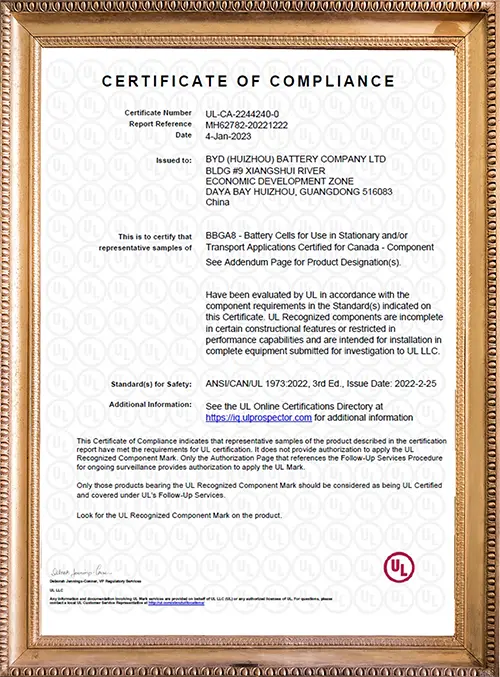
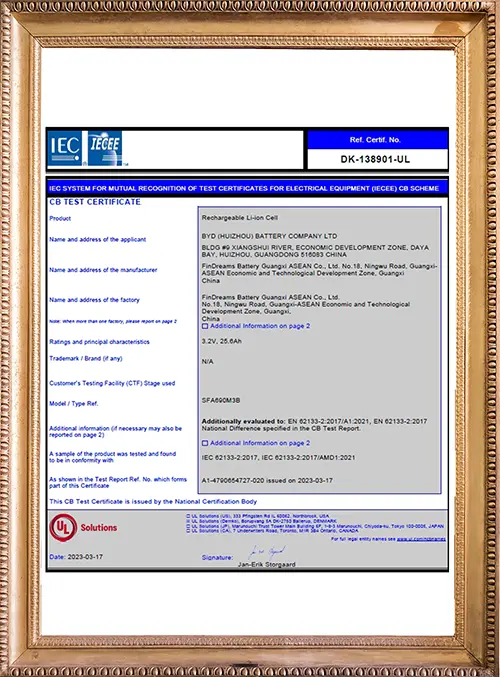
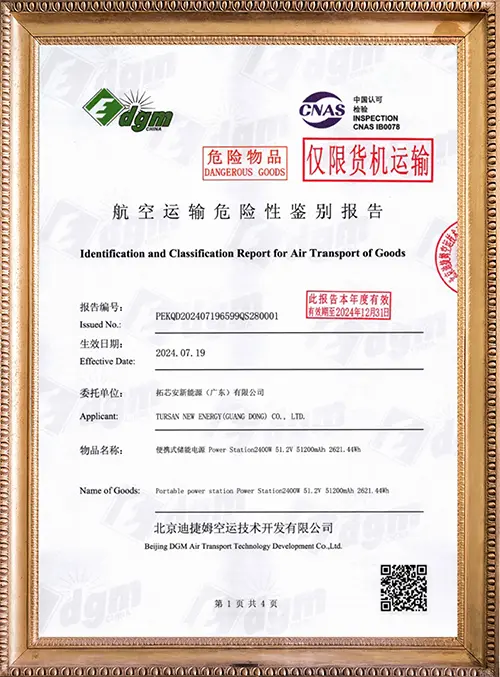
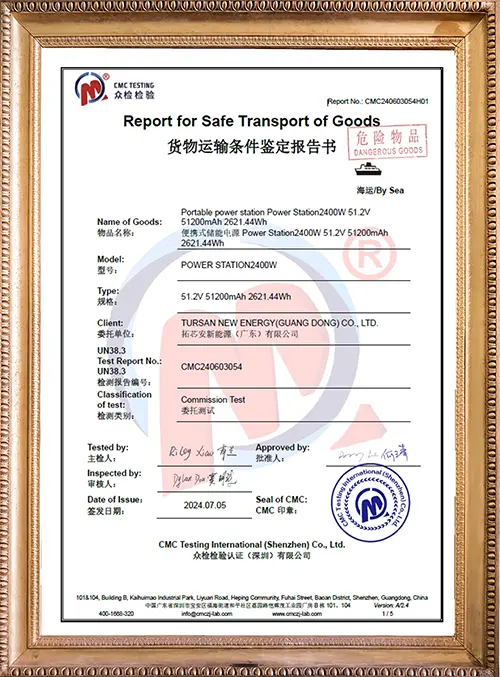
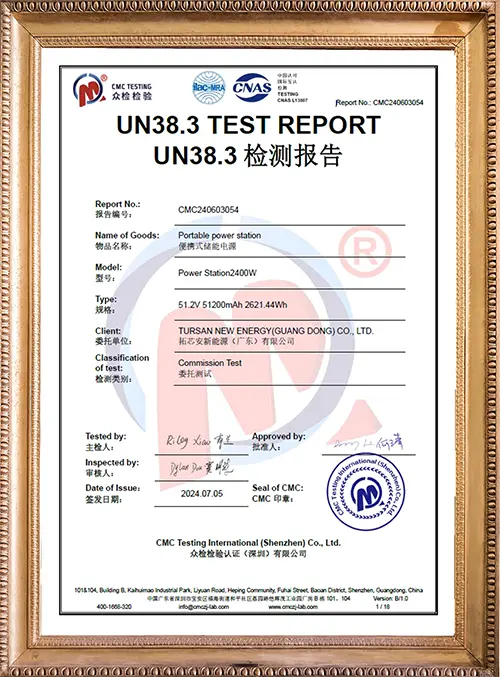
| Certificates |


A 3kWh battery can last anywhere from under an hour to many hours depending on your load. If your average load is 300W, it can run roughly 8–9 hours; at 1,000W it may run around 2–3 hours. Real results vary with inverter efficiency and surge loads.
Battery size depends on how many hours of backup you want and what loads you run at night. A common approach is to estimate your evening consumption in kWh and size battery capacity to cover that amount plus a safety margin. If you want overnight backup for essentials, a 5kWh-class battery is often a practical starting point.
A 3kW system can typically run essential household loads such as lights, fans, TV, Wi-Fi, laptops, and a refrigerator (depending on duty cycle). High-power devices like electric ovens, large water heaters, and multiple air conditioners are usually not ideal without higher PV and storage capacity. The key is managing simultaneous loads.
It depends on appliance wattage and whether they start with surge. You might run multiple small loads (lights, TV, router, laptop) plus a refrigerator at the same time. But if you add high loads like kettles, microwaves, or heaters together, you may exceed 3kW quickly.
Small inverter-type AC units can run if surge and continuous power are within limits, but runtime will be determined by battery capacity and solar availability. For stable AC operation, you need adequate inverter surge capability and enough PV to support the load during the day.
In most cases, two AC units running together can exceed 3kW, especially during startup or hot conditions. Some high-efficiency inverter AC units may run at lower power once stabilized, but it’s still risky without load management. A higher power system is recommended for multiple AC use.
Panel count depends on panel wattage. For example, with 400W panels, 3kW is about 8 panels (3,000 ÷ 400 ≈ 7.5). With 550W panels, it’s about 6 panels. Roof space and local code constraints may affect design.
This is the same calculation: divide 3,000W by the panel rating. Then add design margin based on temperature losses and inverter limits. Installers often optimize string design to fit MPPT voltage ranges.
If your battery rarely reaches full charge, add more panels. If your battery fills early in the day but you buy power at night, add more battery capacity. The best setup balances both based on your daily load curve.
Similar to a 3kW inverter, you can run essential loads like lights, fridge, TV, router, and some small kitchen appliances—but you need to manage surge loads. Running multiple high-watt appliances simultaneously can overload the generator.
Most essentials: lighting circuits, Wi-Fi, computers, TVs, fans, and many refrigerators/freezers (depending on startup surge). Avoid stacking multiple heating appliances (kettle + microwave + space heater) at the same time. A load priority plan helps avoid overload.
It’s a longevity guideline suggesting routine operation between roughly 40% and 80% state of charge to reduce aging. LiFePO4 is durable, but avoiding long periods at 100%—especially in heat—can still help extend life. Many users only charge to 100% when preparing for outages.
This is similar to 40/80 but more conservative: staying roughly between 20% and 80% SOC can reduce stress and improve longevity. Exact best practices depend on your backup needs and whether the system is used mainly for cycling or standby.
High temperature, deep discharges, high continuous current, poor charging settings, and long storage at 100% SOC can accelerate aging. Loose connections and undersized cables also create heat and inefficiency. Proper ventilation and correct settings are key.
Common causes include heavy loads, high inverter standby consumption, poor PV charging in bad weather, or running appliances with high duty cycles (like refrigerators in hot environments). Battery aging accelerates in heat and with frequent deep discharges. Monitoring usage patterns usually reveals the main driver.
Most serious incidents relate to incorrect installation, short circuits, damaged cells, wrong chargers, missing fuses/breakers, or severe overheating. A quality BMS and correct protection devices reduce risk significantly. Always follow proper wiring and safety standards.
Electricity cost is based on kWh, but higher voltage reduces current for the same power, which can reduce wiring losses and make high-power loads easier to support. Many large appliances operate more efficiently or practically at higher voltage because the current is lower. Final cost still depends on the appliance and usage time.
As a professional manufacturer of solar lithium battery energy storage systems, TURSAN is dedicated to providing the global market with high-quality home energy storage batteries, inverters, portable power stations, and all-in-one storage solutions. We now sincerely invite you to become our exclusive partner in your country or region, to jointly develop the clean energy storage market and create steadily growing business value.
Exclusive Regional Authorization
After signing the agreement, we will cease wholesale distribution to other clients in your region, fully safeguarding your market interests.
Priority Order Processing & Shipping
Ensure you can respond to local demand immediately and capture time‑sensitive market opportunities.
Product Customization Support
From your first order, we can design and produce energy storage systems completely tailored to your brand.
Comprehensive Product Range Suppor
From home storage and portable power to inverters and all-in-one units with built-in inverters — meeting diverse application needs.
Proven Success in 30+ Countries
We have already helped partners worldwide achieve measurable brand growth and increased profitability.
Your Most Reliable Backend
Whether you are a systems integrator, electrical distributor, or building your own brand, you get stable products and flexible cooperation mechanisms.
📩 Contact us now to receive a customized partnership proposal and product information.
Let’s join hands to bring reliable power solutions to homes and businesses, and co-create a green energy future together!