Off-Grid Home Power

Off-Grid Home Energy Storage for Rural, Island & Weak-Grid Homes

Independent Home Power for Places Where the Grid Cannot Reach.

TURSAN off-grid home ESS combines solar PV, LiFePO4 battery storage and off-grid / hybrid inverter options for rural homes, island houses, cabins and unstable-grid regions — built for project-grade reliability in remote locations.

5-28.67kWh

Off-Grid Capacity

90%+

Round-Trip Efficiency

6000+

Cycle Life

5-Year

Warranty

PV + Battery + Inverter

Complete Off-Grid Architecture

2 – 3 Day Backup

Daily Load Autonomy

Rural · Island · Weak-Grid

Project-Grade Build

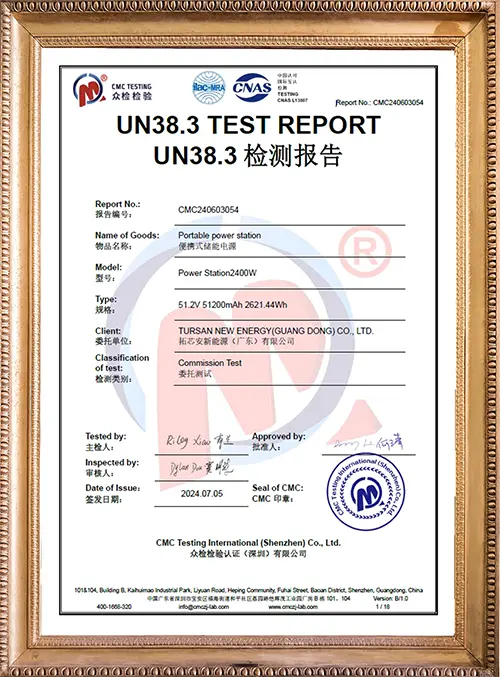
UL · CE · UN38.3

Pre-Integrated Certifications

What Off-Grid Projects Really Demand

Different Constraints From Grid-Tied Systems

An off-grid home doesn't have the grid as a fallback. Cloudy weeks, motor surges, mismatched inverters and remote service all become design risks the installer has to engineer out before commissioning.

No Grid or Weak Grid

Customer needs basic living power without a reliable utility — the system has to stand fully on its own.

Sunlight & Load Variability

Off-grid systems must handle consecutive cloudy days, seasonal solar drop and irregular peak loads.

Inverter-Battery Mismatch

Undersized inverters trip on motor startup; oversized inverters drain idle power. Both ruin off-grid economics.

Remote After-Sales

Rural/island projects need stable products, remote diagnosis, clear installation docs and accessible spare parts.

Off-Grid System Architecture

PV + Battery + Off-Grid Inverter + Home Loads

A complete off-grid home runs on four stages — sun energy comes in, battery holds the day's surplus, the inverter shapes pure sine wave AC, and the home loads draw on demand. Each stage needs to be sized against the others.

PV Array

Daily Generation

Sized for daily load × cloudy-day buffer. MPPT input to the inverter or hybrid charger.

LiFePO4 Battery

90%+ DoD · 6000+ Cycles

Stores daytime surplus. Sized for 2–3 days of autonomy with safe depth-of-discharge.

Off-Grid Inverter

1.2 – 12 kW

Pure sine wave AC out. Sized for continuous load + 3× startup surge of motor loads.

Home Loads

Daily kWh Profile

Refrigerator, lighting, water pump, fans, communications and seasonal HVAC.

Who Needs Off-Grid Home ESS

Six Common Off-Grid Customer Profiles

From small mountain cabins to weak-grid island communities — these are the residential off-grid customers that dealers and project developers serve most often.

Rural Homes

Farm houses and rural homes beyond grid extension, needing independent daily power.

Island Homes

Coastal and island residences where grid extension is impractical or costly.

Mountain Cabins

Holiday cabins, mountain lodges and remote dwellings in alpine and forested zones.

Farms & Agriculture

Farms running irrigation pumps, lighting, refrigeration and small workshops off-grid.

Weak-Grid Communities

Communities where the public grid exists but is unreliable, brownout-prone or rationed.

Remote B&Bs / Lodges

Eco-lodges, B&Bs and rural guesthouses needing 24/7 power for paying guests.

Off-Grid Sizing Logic

Six Variables That Set the Right Spec

Off-grid sizing is not "more is always better" — oversized systems waste budget, undersized systems disappoint customers. Six variables drive the configuration. Get them right and the system runs for a decade.

Daily Consumption

Total kWh consumed per 24 hours — the baseline for battery capacity and PV array sizing.

Peak Continuous Load

Highest simultaneous load — drives off-grid inverter rated power and AC output capacity.

Backup Days

Days of autonomy with no PV input — typically 2–3 days, longer in monsoon or high-latitude regions.

Solar Input Profile

Local irradiance and seasonal variation — drives PV array sizing and charge controller selection.

Battery DoD

Depth of discharge limits — LiFePO4 supports 90%+ DoD, vs ~50% for lead-acid (huge sizing advantage).

Surge Capacity

Motor startup surge (3× rated) for pumps, fridges, AC — drives inverter peak power headroom.

Recommended Off-Grid System Levels

Three Configurations For Three Project Types

From a small mountain cabin to a weak-grid island home or remote project, three off-grid system levels cover most residential builds.

Small Cabin / Outpost

Light Off-Grid

5 – 7.68 kWh

Small mountain cabins, weekend retreats, off-grid huts. Light daily loads — lights, fan, fridge, communications.

Rural Home

Standard Off-Grid

10 – 15 kWh

Full rural residence with refrigerator, lights, pump, fans, kitchen appliances and basic electronics. The mainstream off-grid configuration.

MOST COMMON

Island / Weak-Grid / Project

Heavy Off-Grid

25 – 28.67 kWh

Island residences, larger rural homes, lodges and B&Bs. Long backup days and headroom for cloudy seasons and higher loads.

Reliability in Remote Areas

Built to Run Where Service Calls Are Hard

An off-grid system that fails 200 km from the nearest installer costs much more than the original install. We build for that reality with cell-grade safety, rugged BMS, certified packaging and remote diagnostic support.

Project-Grade Build

For rural, island and weak-grid installations

Engineered for the Worst-Case Site

Remote installations have to assume the worst — long shipping, no on-site technicians, temperature swings, dust, humidity. The system is built so that none of those conditions are surprises.

BYD-Grade LiFePO4 Cells

A+ safety rating, pin-prick tested, active thermal management — proven cell chemistry for daily long-cycle operation.

12-Layer BMS Protection

Over-voltage, under-voltage, over-current, short-circuit, over-temperature — and balancing across cycles.

UN3480 DGR Packaging

Export-grade packaging tested for long sea-shipping legs to island and remote project sites.

Remote Tech Support

Multi-language installation docs, video walkthroughs and engineer-on-call for remote installer teams.

Recommended Products

8 SKUs for Three Off-Grid Project Tiers

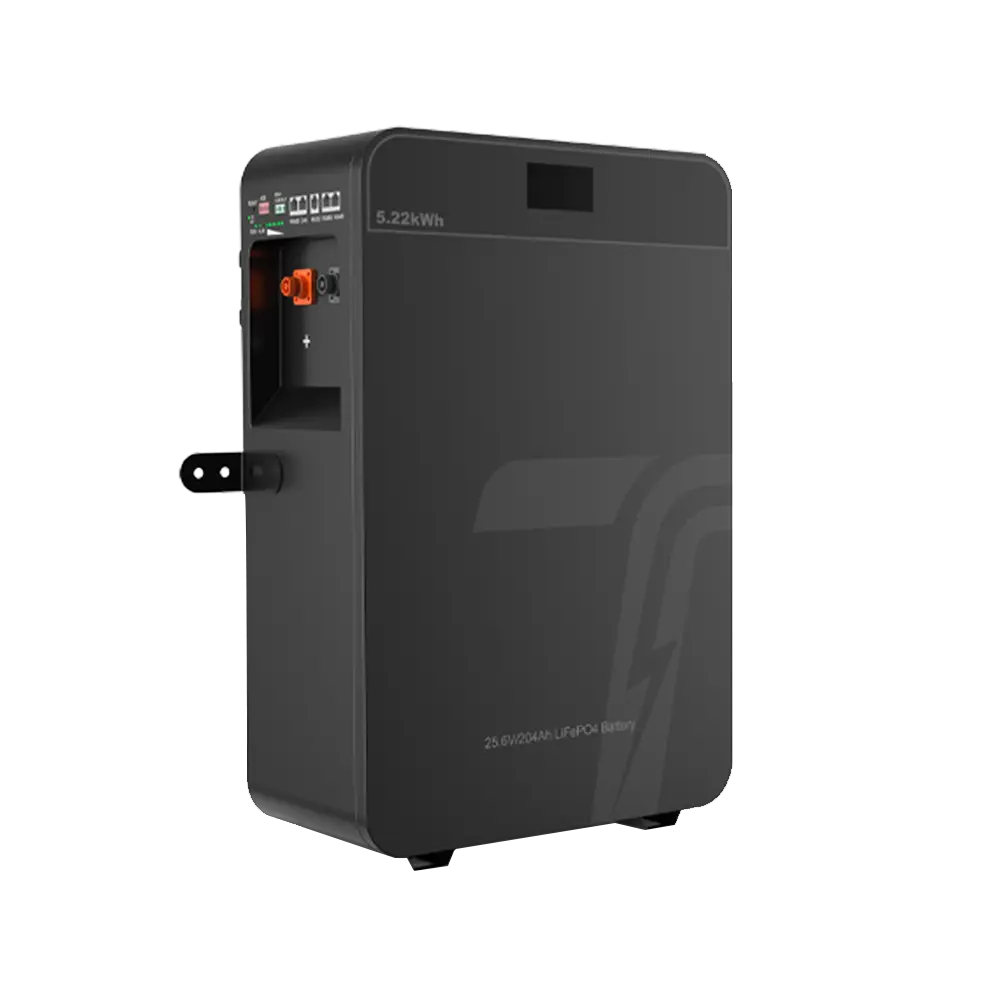
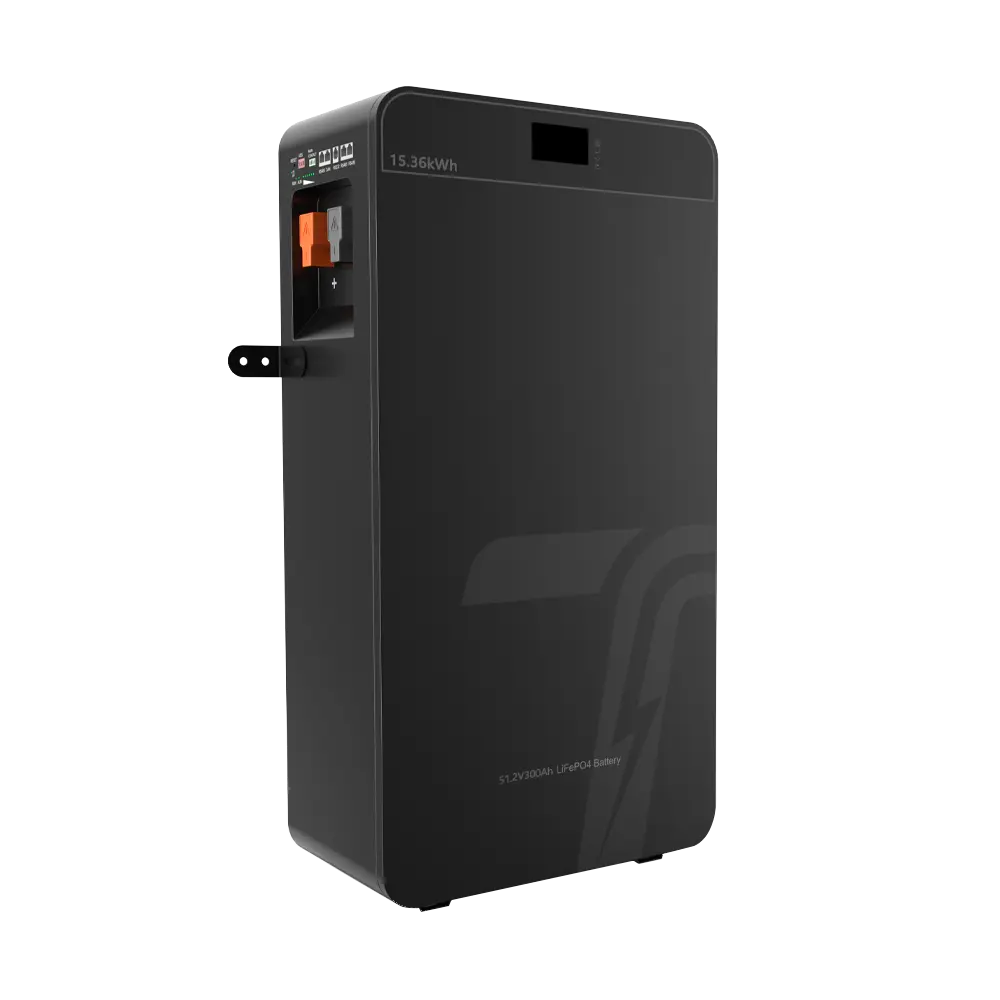
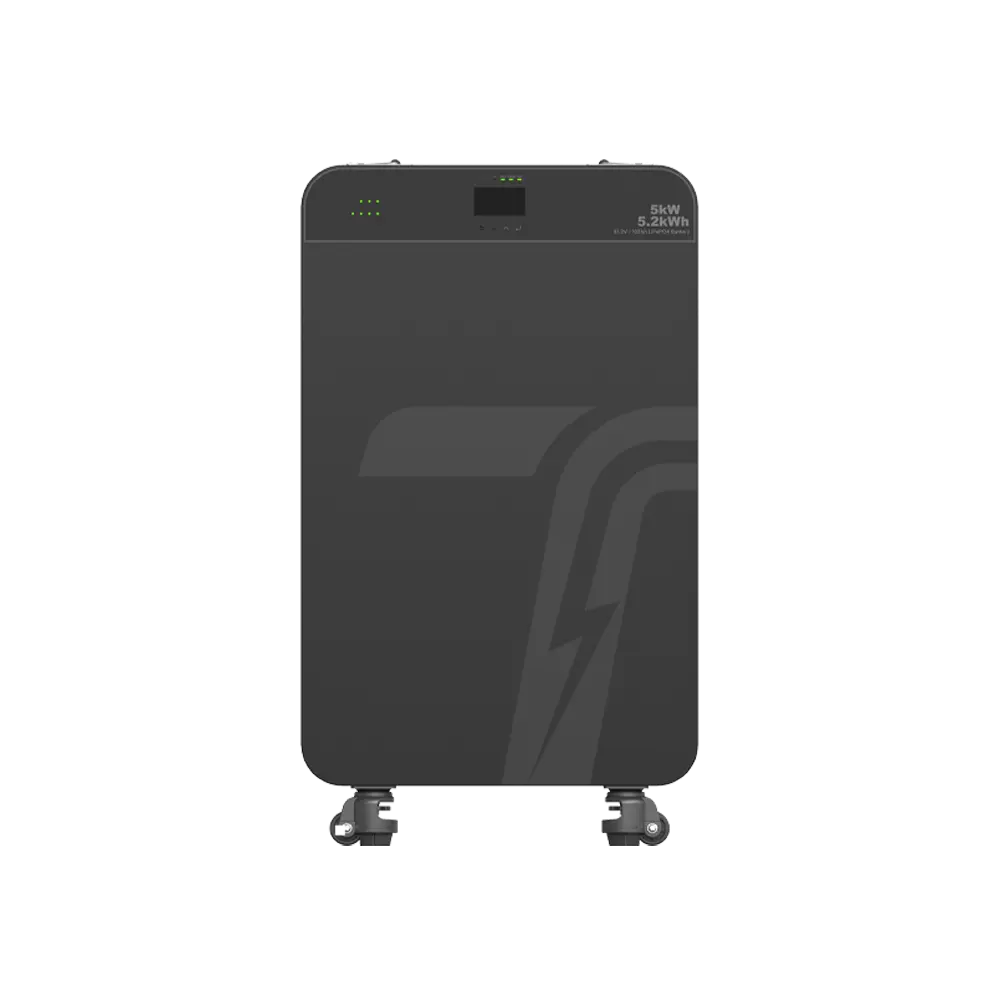
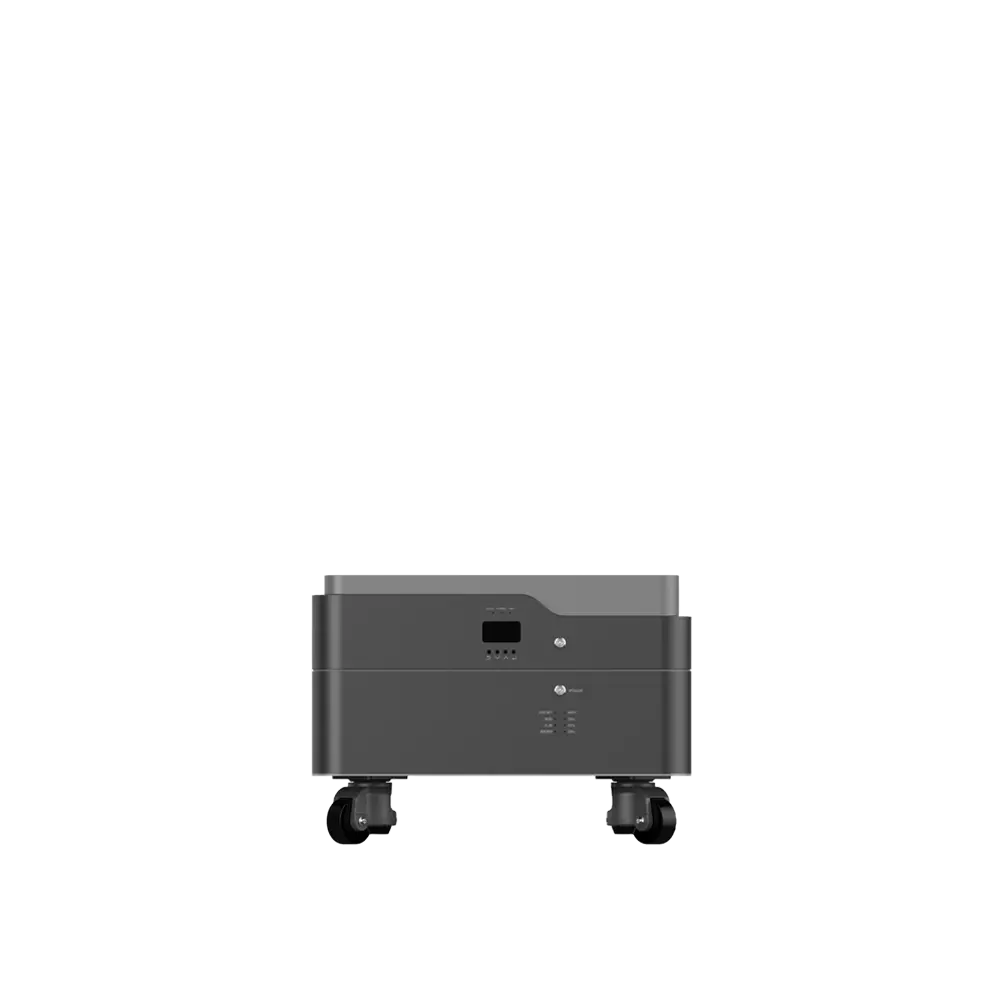
Small cabin to weak-grid island home — every off-grid configuration has a matching battery and an inverter spec. All LiFePO4, all built for daily cycling and remote reliability.

Voltage
25.6V
Capacity Battery
5.22kWh
Voltage
51.2V
Capacity Battery
15.36kWh
Rated Power
5kW (Peak 10kW)
Battery Capacity
5kWh
Rated Power
5kW
Capacity Battery
5kWh
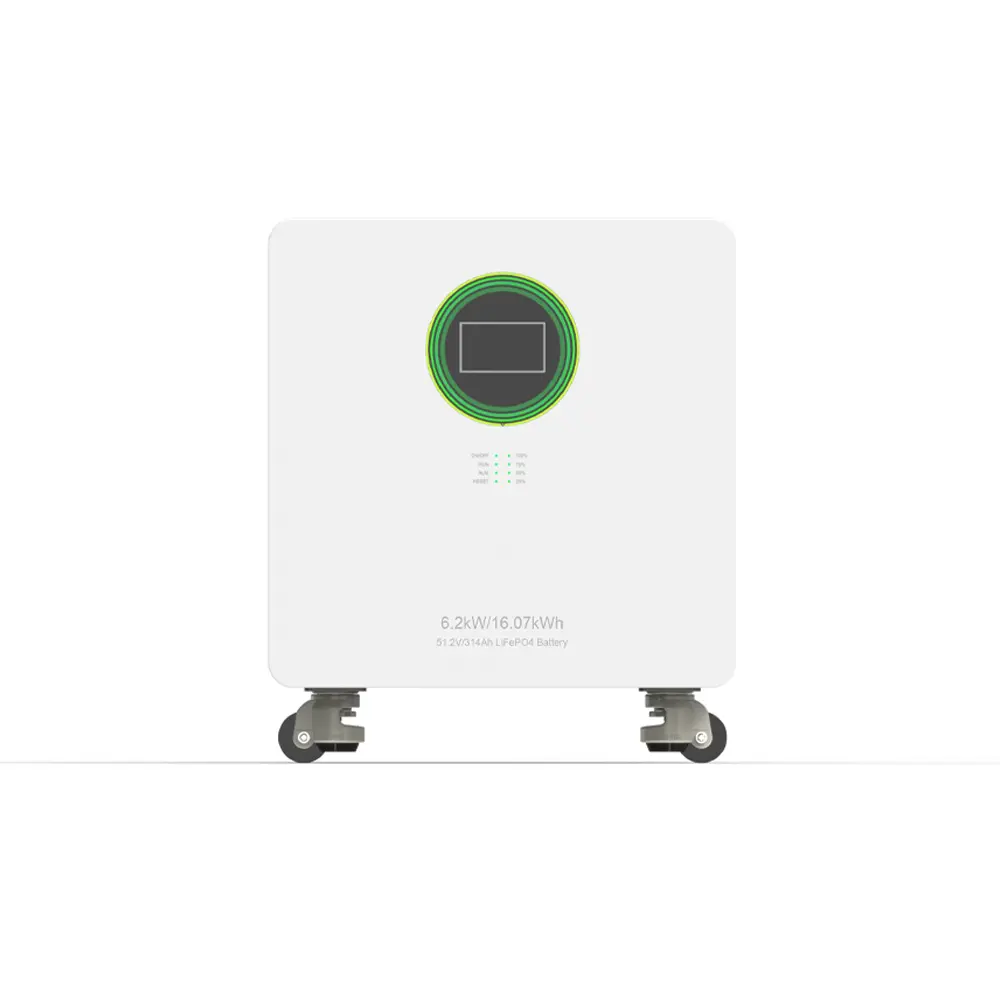
Rated Power
6kW
Battery Capacity
16.07kWh
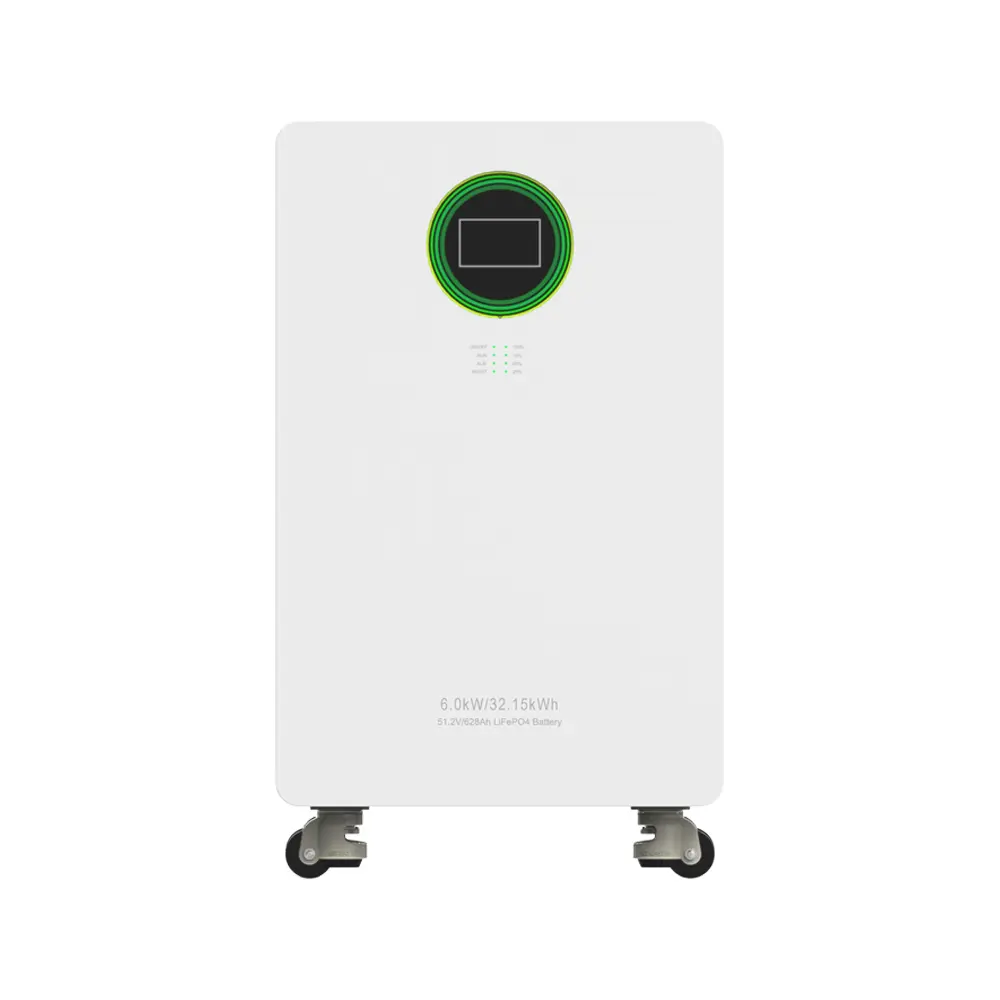
Rated Power
6kW
Battery Capacity
32.15kWh
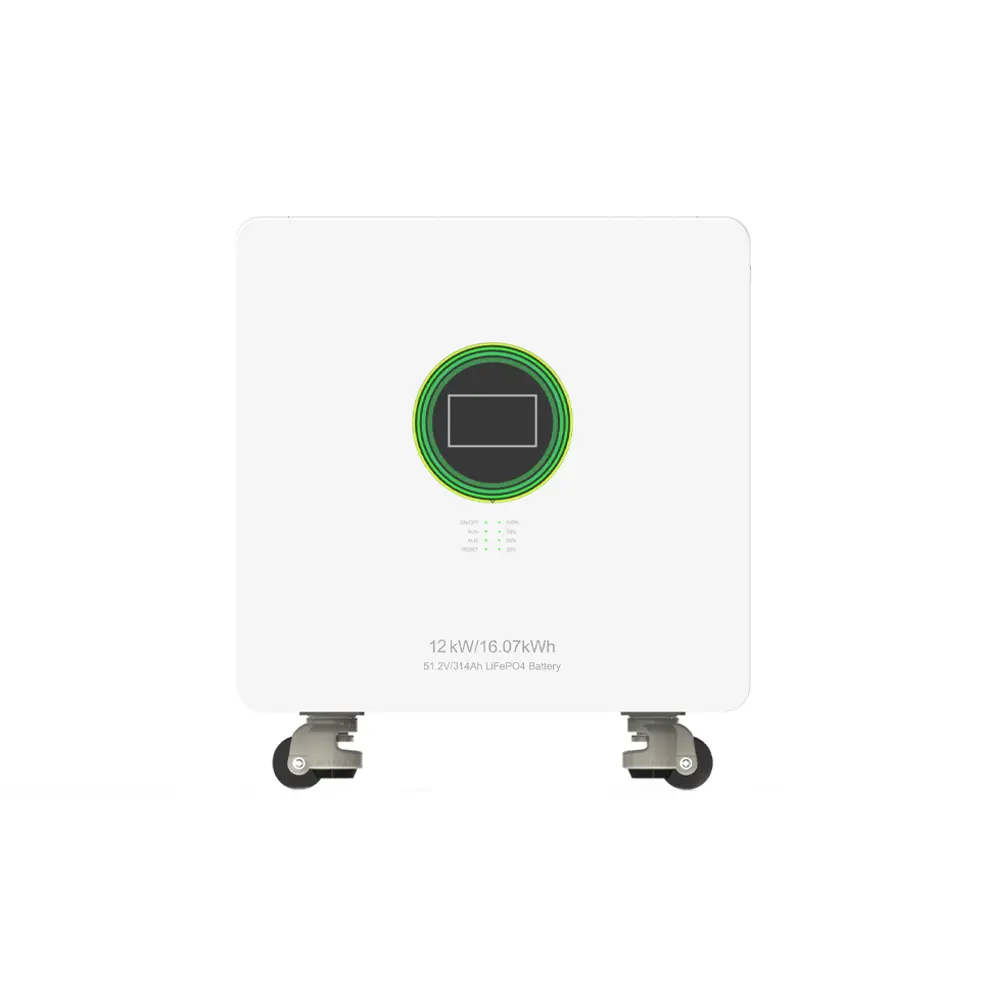
Rated Power
12kW
Battery Capacity
16.07kWh
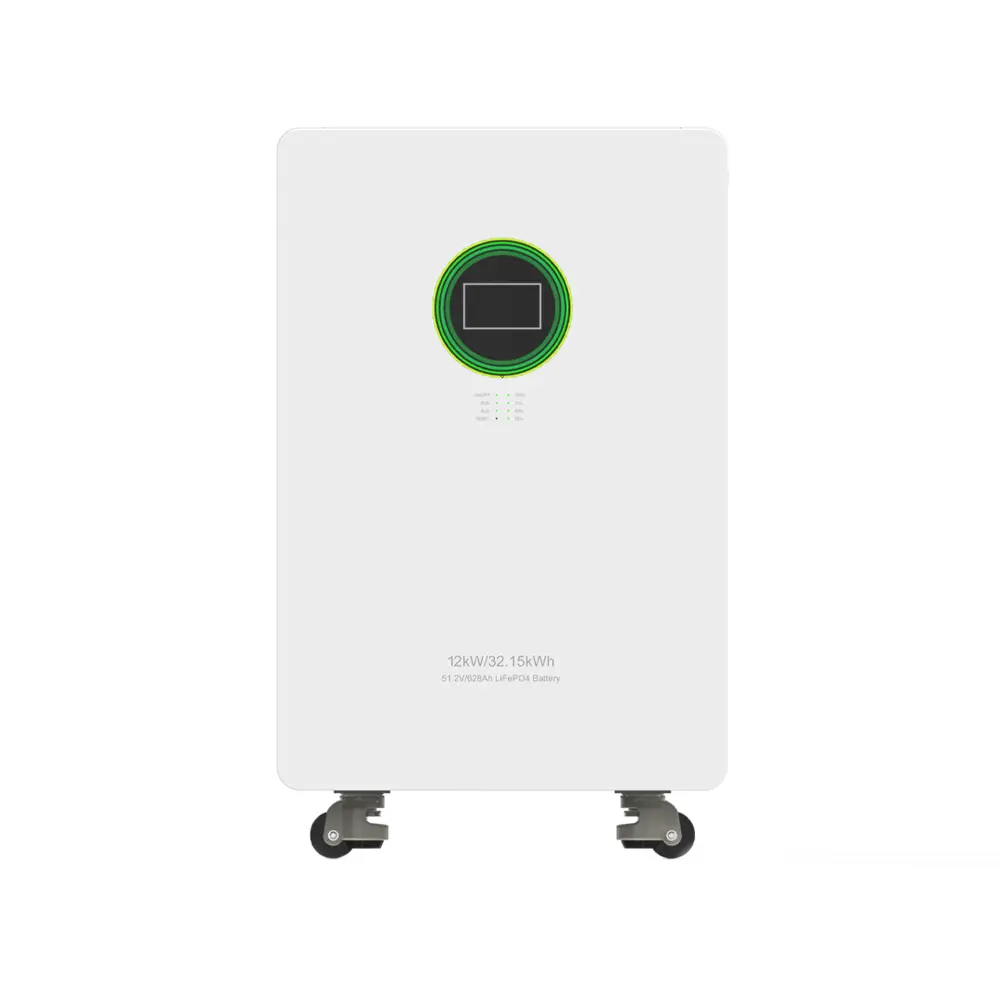
Rated Power
12kW
Battery Capacity
32.15kWh

OEM / ODM Customization

Your Brand, Your Off-Grid System

Factory-direct OEM/ODM for rural electrification, island home and weak-grid projects — branded units, multi-language manuals, regional voltage, project-ready packaging.

Custom Branding · EMS · Certs

For energy service partners and tariff-market dealers

From Off-Grid Project Spec to Mass Production in 4 Steps

Rural energy program partners and island distributors get a single-point-of-contact OEM process — branding, certification, batch consistency and remote-installer-ready documentation.

STEP 01

Consultation

24-hour response. We map daily loads, target market, voltage and remote-site constraints.

STEP 02

R&D Design

Off-grid inverter sizing, BMS configuration and local voltage matching for the project.

STEP 03

Certification

UN38.3, UL, CE, FCC and country-specific certifications prepared for your import market.

STEP 04

Mass Production

15 automated production lines · 500,000+ units annual capacity · 99.89% on-time delivery.

Logo & color
24V / 48V voltage
Multi-language manual
Sea-freight packaging
Remote tech support

Quality Assurance

Engineered for Daily Long-Cycle Off-Grid Service

Off-grid systems cycle every day for a decade — and the worst time to find a quality issue is on a remote island. Every TURSAN unit passes IQC, IPQC and OQC three-gate control, 100% burn-in testing and MES traceability.

Battery Safety

BYD-grade LiFePO4 cells with A+ safety rating, pin-prick tested and active thermal management.

BMS Logic

12-layer protection algorithm with cell balancing, real-time monitoring and IoT-ready comms.

Pure Sine Wave

Clean AC output (THD < 3%) — safe for pumps, fridges, computers and remote medical devices.

6000+ Cycles

10+ year design life with 5-year warranty. Built for daily off-grid cycling at 90%+ DoD.

Global Certifications & Standards

Pre-Integrated for Global Market Access

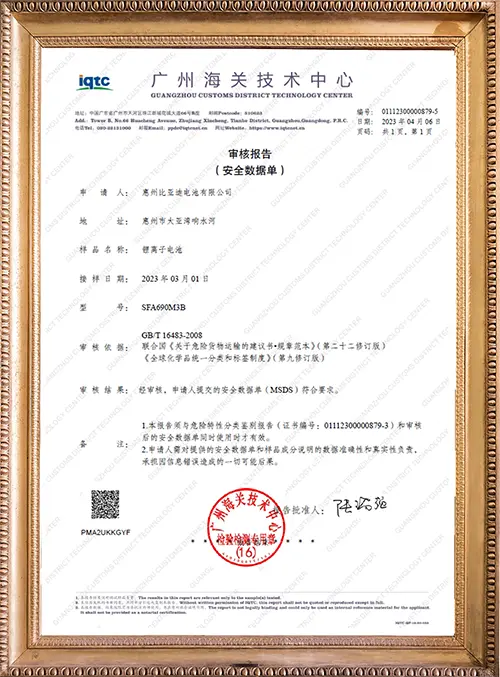
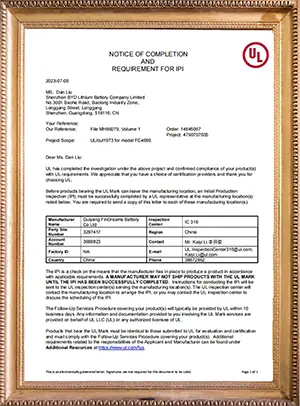
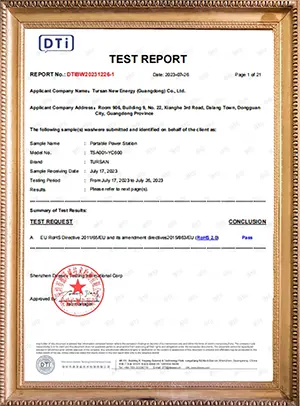
UN38.3, MSDS, UL, CE, FCC, IEC and RoHS — full certification documentation prepared from day one, so your branded off-grid system clears customs and reaches remote project sites on schedule.

UN38.3

Transport

MSDS

Material

UL 1973

Safety

CE

EU Conformity

FCC

EMC

IEC

International

RoHS

Substance

Off-Grid Home ESS FAQ

Questions From Off-Grid Dealers & Project Buyers

The questions we hear most from rural electrification dealers, island home projects and weak-grid distributors.

What components are needed for an off-grid home energy storage system?

A complete off-grid home system requires four core components:
(1) PV array sized for daily generation including cloudy days;
(2) LiFePO4 battery sized for backup days and depth-of-discharge;
(3) off-grid or hybrid inverter sized for continuous load plus motor surge;
(4) safety equipment — DC and AC disconnects, breakers, surge protection and grounding. Optional: a generator for extended cloudy periods.

Off-grid battery sizing starts from daily load (kWh/day), backup days (typically 2–3 days of autonomy), and depth-of-discharge (LiFePO4 supports 90%+ DoD). For a 10 kWh/day home with 2 days autonomy at 90% DoD, that's roughly 22 kWh of battery. Send your daily load and target backup days and we'll calculate the right battery capacity.

Yes. Our off-grid systems are designed for fully independent operation with no grid connection — PV generates, battery stores, off-grid inverter supplies AC to home loads. The system also supports weak-grid mode (intermittent grid) where the battery covers grid outages and load peaks while the grid handles steady-state load when available.

Yes — provided the off-grid inverter is sized for the continuous load and the surge load. Water pumps and refrigerators have high startup surges (3x running watts). A 3 kW or 5 kW pure sine wave off-grid inverter handles most residential motor loads. For heavier loads like air conditioning or commercial pumps, larger inverters (5.5kW or 10kW) are required.

For pure off-grid systems, 2–3 days of autonomy is a typical design target — enough to ride out 1–2 cloudy days without a generator. In monsoon or high-latitude regions with longer cloudy periods, 3–5 days of autonomy may be needed, or a small generator added for extended backup. We help calculate this against your local solar resource.

Yes. We supply off-grid home ESS to rural electrification dealers, island home projects, weak-grid distributors and rural energy program partners. Support includes project sizing, sample testing, bulk delivery, multi-language installation documentation, OEM/ODM branding and remote technical support for installer teams in remote regions.

Explore More

Related TURSAN Pages

Design Off-Grid System

Send Your Daily Load & Site — Get a Sized Off-Grid System

Tell us your local peak / off-peak tariffs, daily evening load and (optional) PV size — we'll return a per-customer ROI estimate, recommended battery capacity and wholesale pricing within 4 hours. No fixed-savings claims — just transparent inputs and outputs.

Make Contact Now

Speak to Our Experts in 1 min
Got a Question? Contact me directly and l will help you quickly and directly.
Speak to Our Experts in 1 min
Got a Question? Contact me directly and l will help you quickly and directly.
WeChat Video
Use WeChat to Swipe and Watch our Videos!

Make Contact Now

Speak Directly with Our Boss!
Got a Question? Contact me directly and l will help you quickly and directly.
Speak Directly with Our Boss!
Got a Question? Contact me directly and l will help you quickly and directly.

Make Contact Now

Speak to Our Experts in 1 min
Got a Question? Contact me directly and l will help you quickly and directly.
TURSAN Smart Manufacturing
Witness how our batteries are made — from cells to finished packs — with complete quality control and rigorous testing. Submit your request and our tour coordinator will reach out.