 English
  العربية
  日本語
日本語  한국어
한국어  Tiếng Việt
  ไทย
ไทย  Bahasa Melayu
  فارسی
فارسی  Bahasa Indonesia
  ဗမာစာ
ဗမာစာ  简体中文
简体中文  香港中文
香港中文  繁體中文
繁體中文  Русский
  Deutsch
  Nederlands
  Italiano
  Français
  Español
  Português
  Afrikaans
  Azərbaycan dili
  Български
  ਪੰਜਾਬੀ
  हिन्दी
  اردو
اردو  বাংলা
বাংলা  Հայերեն
  Íslenska
  Қазақ тілі
  नेपाली
  Српски језик
  Kiswahili
  తెలుగు
  Basa Jawa
  தமிழ்
தமிழ்  मराठी
मराठी Best Generator for an Apartment
Apartment backup is a constraint problem: no exhaust, limited storage, low noise, easy transport, and enough usable energy for the loads that matter most.

What is the best generator for an apartment?
The answer is usually a portable battery power station, not a traditional gas generator. Gas models produce dangerous carbon monoxide, create noise, and are often prohibited in apartment buildings.
In this guide, you’ll learn how to choose a safe, quiet, and rental-friendly backup power option based on battery capacity, wattage, LiFePO4 chemistry, portability, and the appliances you need to keep running during an outage.
Let’s find the right apartment generator for your space and power needs.
Why Gas Generators Are Prohibited in Apartments
Carbon Monoxide Hazard
Fuel-powered generators produce toxic exhaust, including carbon monoxide. In an enclosed apartment or near doors and windows, these fumes can enter living areas and create a fatal risk. A balcony does not automatically make a combustion generator safe, because exhaust can still move into the building.
Lease and Fire Regulations
Apartment buildings commonly restrict open-flame and combustion equipment because of fire, exhaust, and fuel-storage risks. Municipal codes, building policies, HOA rules, and rental agreements may also prohibit gas or diesel generators. I always treat the property’s written safety requirements as the first legal reference.
Noise and Storage Constraints
Combustion engines create noise and vibration that can disturb neighbouring residents, especially in compact buildings. Storing petrol or diesel inside an apartment also introduces additional fire and handling risks. These limitations make a battery power station a more suitable form of indoor-safe generator for apartment backup.
The True Apartment Generator: Battery Power Stations
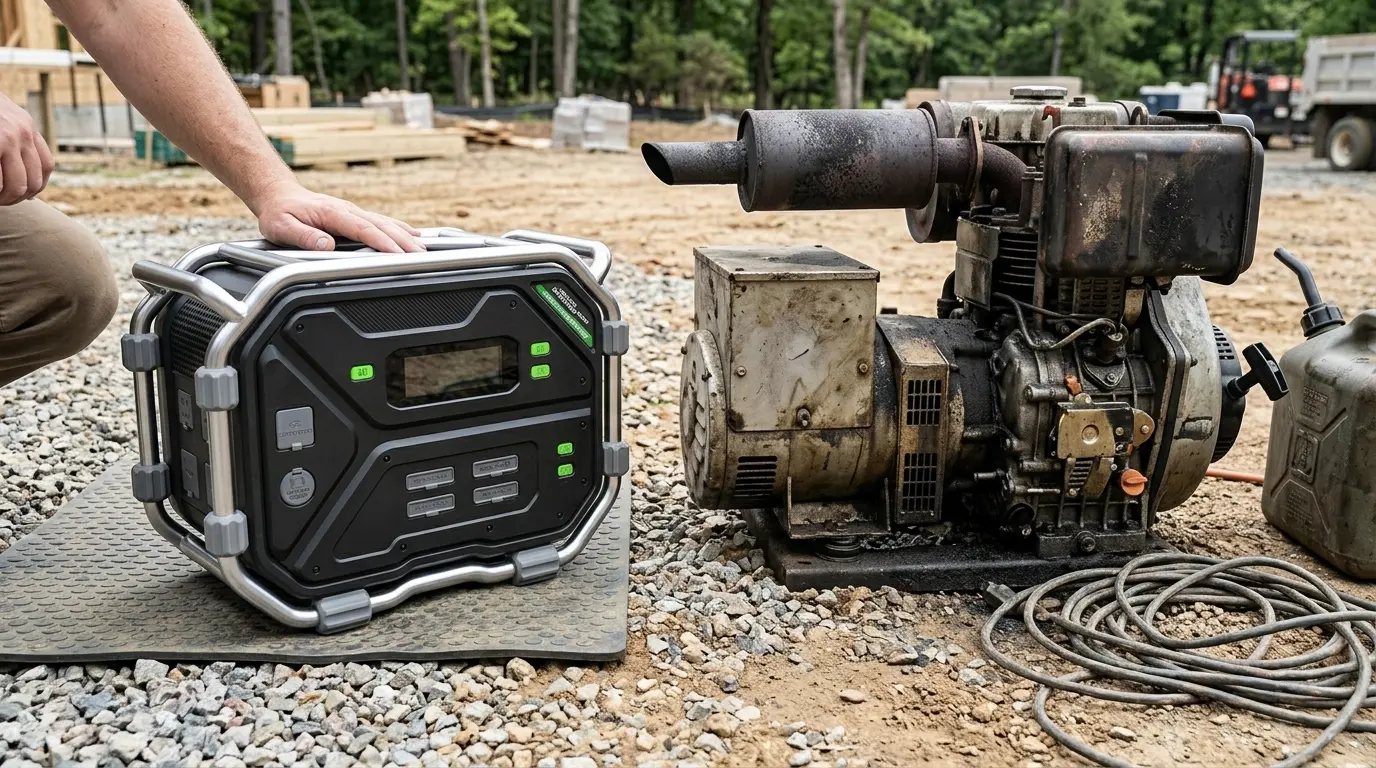
I treat a battery power station as the practical generator for an apartment. It stores electricity in a rechargeable LiFePO4 battery system and delivers power through an inverter, without the fuel, exhaust, or combustion engine associated with traditional generators.
Why Battery Power Stations Suit Renters
| Benefit | What it means indoors |
|---|---|
| No combustion emissions | Suitable for indoor backup use when operated according to the product instructions |
| Low-noise operation | Pure sine wave inverter technology supports quiet, stable power delivery |
| Low maintenance | No fuel or engine servicing is required |
| Portable design | Easy to move and store in an apartment |
| Simple operation | Recharge the unit and use it when backup power is needed |
TURSAN portable power stations use LiFePO4 prismatic cells, an intelligent Battery Management System (BMS), and pure sine wave output. The product range covers compact 300W models through heavy-duty units rated up to 3600W, helping renters choose backup power that matches their available space and energy needs.
Everyday Apartment Backup
A battery generator can support essential apartment equipment during an outage:
- Refrigerators: Help maintain cooling during short power interruptions.
- Home offices: Keep routers, laptops, and communication equipment running.
- Lighting: Power LED lamps and other small electronics.
- Medical equipment: Provide backup power for devices such as CPAP machines, subject to their power requirements.
- Small appliances: Support selected devices when their running and starting wattage stays within the station’s limits.
For a wider comparison of residential battery backup options, our guide to home battery brands provides additional context on energy storage systems.
What Makes an Apartment Battery Generator the Best?
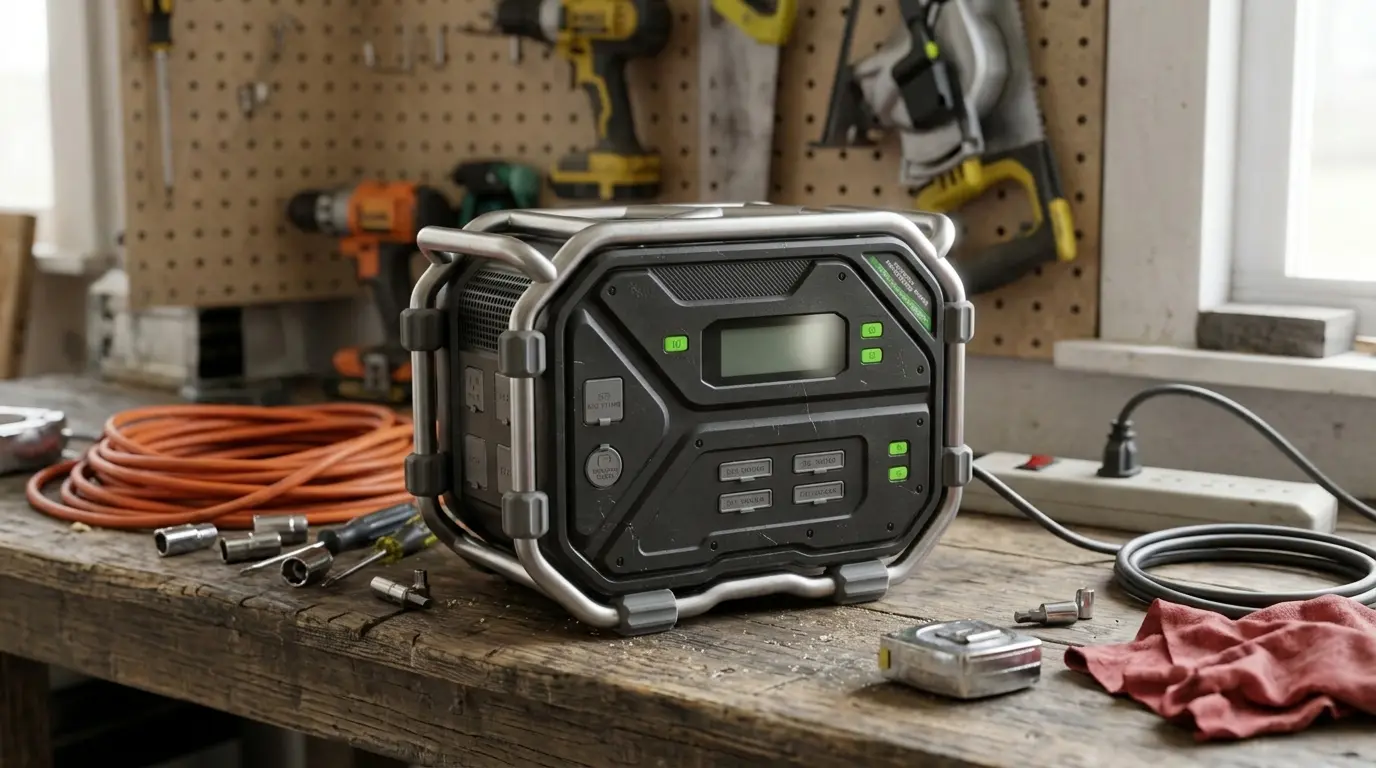
For an apartment, I prioritize four technical features: LiFePO4 battery chemistry, a Pure Sine Wave inverter, an intelligent BMS, and a suitable enclosure. Together, they support safer indoor energy storage and stable power for common household electronics.
| Feature | What I look for | Why it matters |
|---|---|---|
| LiFePO4 battery chemistry | Lithium Iron Phosphate prismatic cells | Provides high thermal stability, strong safety performance, and a rated life of 6,000+ cycles. |
| Pure Sine Wave inverter | Clean, stable AC output | Produces low noise and low interference for sensitive devices. TURSAN’s 5kW Pure Sine Wave inverter is designed for stable power delivery. |
| Intelligent BMS | Battery monitoring and cell balancing | Helps protect the battery from operating problems and supports balanced cell performance. |
| Enclosure design | Plastic or sheet metal housing | Plastic designs suit selected compact models, while sheet metal housings are available for higher-power units and added physical durability. |
TURSAN portable power stations use LiFePO4 prismatic cells, with models ranging from 300W to 3600W. Plastic and sheet metal enclosure options are available across different power and capacity profiles, allowing me to match the battery generator to the apartment’s available storage space and backup needs.
What Is the Best Generator for an Apartment? Size It Correctly
I size an apartment battery power station by checking two figures: output power in watts (W) and battery capacity in watt-hours (Wh).
- Running watts: The power an appliance needs while operating.
- Starting or surge watts: The brief extra power some appliances need when they start.
- Runtime formula: Runtime (hours) ~ Battery capacity (Wh) / Total load (W)
Actual runtime varies with the connected devices and operating conditions. For a broader explanation of portable battery backup systems, see this guide to how a solar generator works.
Apartment Power Capacity Tiers
| Backup tier | Suitable power station range | Typical apartment use |
|---|---|---|
| Tier 1: Basic emergency communication | 300W-500W, around 1,000Wh | Phones, laptops, Wi-Fi routers, LED lights and small electronics |
| Tier 2: Medium home-office backup | 1,000W-2,000W, around 1,000Wh-2,100Wh | Work-from-home equipment, TVs, CPAP machines, mini-fridges and short appliance surges |
| Tier 3: Heavy-duty apartment backup | 2,400W-3,600W, around 2,400Wh-3,225.6Wh | Refrigerators, multiple devices and higher-demand equipment during longer outages |
For example, a 1,000Wh unit supplying a continuous 100W load has a theoretical runtime of about 10 hours before losses and operating limits. I also check the appliance’s starting wattage, because the power station must support both the normal load and any temporary surge. TURSAN portable power stations range from 300W to 3,600W, with capacities from approximately 806.4Wh to 3,225.6Wh, covering compact emergency backup through higher-capacity apartment power needs.
Indoor Recharging Options for Urban Living
For apartment blackout backup, I focus on charging methods that fit limited space, shared buildings, and everyday routines. A portable power station can be recharged from an AC outlet, while selected systems may support solar input or UPS-related use depending on the model configuration.
| Recharging method | Practical apartment use |
|---|---|
| AC grid charging | Recharge the battery from a standard indoor power source before or after an outage. |
| Solar charging | Use a suitable solar input setup where balcony, window, or outdoor access is available. Check the power station’s supported input specifications before connecting panels. |
| UPS integration | Use a compatible power station to help maintain power for essential equipment such as routers, laptops, and other home-office devices. Confirm the model’s UPS function and switchover specifications. |
AC Grid Charging
AC charging is the most practical option for many renters because it does not require permanent installation or outdoor space. I recommend keeping the power station charged before severe weather or planned outages, then topping it up when grid power returns.
Balcony and Window Solar Charging
Solar charging can provide an additional option for apartments with suitable balcony or window access. Because available sunlight and installation space vary by location, I match the panel arrangement to the power station’s supported solar-input requirements. This approach is especially useful for maintaining a portable energy storage system during longer outages.
UPS Support for Essential Devices
A compatible UPS function can help keep key devices powered when the grid supply changes. This is useful for routers, laptops, and home-office equipment that may restart during an interruption. TURSAN’s comparison of traditional UPS systems and solar generators explains how battery-based backup can support more flexible power continuity. Always check the specific model’s UPS compatibility and performance details before relying on it for sensitive equipment.
Why TURSAN LiFePO4 Power Stations Stand Out for Apartment Backup
I choose TURSAN LiFePO4 power stations for apartment backup because they combine safety, stable output, and practical capacity options:
- BYD manufacturing partnership: TURSAN works with BYD to produce safer, higher-capacity, and more eco-friendly energy storage solutions using prismatic LiFePO4 cells rated for 6,000+ cycles.
- Wide capacity range: Options span compact 300W plastic-enclosure models to heavy-duty 3,600W units with up to 3,225.6Wh in sheet metal enclosures.
- Pure sine wave output: The inverter provides low-noise, low-interference power with strong load stability for sensitive household electronics.
- Integrated protection: An intelligent BMS supports battery monitoring, protection, and cell balancing.
- Recognized certifications: TURSAN products are pre-certified with UL1973, UN38.3, MSDS, CE, and FCC standards.
For larger residential backup requirements, I also consider floor-standing LiFePO4 battery manufacturing capabilities when evaluating a complete apartment energy storage solution.
Emergency Setup and Storage Best Practices for Renters
I keep an apartment power station in a cool, dry, well-ventilated place, such as a closet or under a desk, away from heat, moisture, and direct sunlight.
For indoor use, I choose suitable, good-quality cables and keep them clear of walkways to reduce damage and trip risks. I also inspect the connections before use and avoid overloading the unit.
To support long-term battery health, I store the LiFePO4 power station according to the manufacturer’s charging guidance, check its charge level periodically, and recharge it when needed. The integrated BMS helps monitor the battery and supports protection during operation.
Frequently Asked Questions
Is it legal to operate a solar generator inside an apartment?
A battery power station is designed for indoor use because it produces no combustion fumes. However, I always recommend checking the lease agreement, building rules, and local fire regulations before operating any energy storage system in an apartment. TURSAN power stations use LiFePO4 cells, an intelligent BMS, and are pre-certified with UN38.3, MSDS, UL1973, CE, and FCC standards.
Can an apartment generator run a full-size refrigerator during a blackout?
Yes, a suitable portable power station may support a refrigerator, but the required output and runtime depend on the refrigerator’s running and starting power. I match the appliance’s surge wattage with the station’s rated output. TURSAN models range from 300W to 3600W, with energy capacities from about 806Wh to 3225.6Wh, providing options for different apartment backup needs. The portable power station comparison guide explains how battery backup differs from fuel generators.
How do I charge my power station if I do not have balcony access?
A balcony is not required. I can recharge a power station using an appropriate indoor charging method supported by the specific model and the manufacturer’s instructions. Portable power stations are designed for mobile energy storage, while larger residential systems can provide a more permanent backup solution. Always place the unit in a dry, well-ventilated area away from heat and moisture during charging.