 English
  العربية
  日本語
日本語  한국어
한국어  Tiếng Việt
  ไทย
ไทย  Bahasa Melayu
  فارسی
فارسی  Bahasa Indonesia
  ဗမာစာ
ဗမာစာ  简体中文
简体中文  香港中文
香港中文  繁體中文
繁體中文  Русский
  Deutsch
  Nederlands
  Italiano
  Français
  Español
  Português
  Afrikaans
  Azərbaycan dili
  Български
  ਪੰਜਾਬੀ
  हिन्दी
  اردو
اردو  বাংলা
বাংলা  Հայերեն
  Íslenska
  Қазақ тілі
  नेपाली
  Српски језик
  Kiswahili
  తెలుగు
  Basa Jawa
  தமிழ்
தமிழ்  मराठी
मराठी Grid instability, prolonged outages, rising fuel costs, and frequent battery replacement create real operational risk for critical facilities. A legacy UPS is designed mainly to bridge short interruptions, while fuel generators require fuel, maintenance, startup management, and ongoing servicing during extended events.
A solar generator with UPS function combines battery storage, inverter power, and flexible charging into one backup platform. When utility power is interrupted, the system automatically supports connected loads from its battery reserve. This helps protect routers, telecom equipment, servers, medical devices, and other sensitive electronics from disruptive power loss.
For applications that cannot tolerate an interruption, confirm the system’s stated transfer-time performance. A zero transfer time power station configuration is intended to maintain continuous power delivery for compatible mission-critical loads, helping avoid resets, data loss, and costly equipment downtime.
A quality pure sine wave inverter generator also matters. Pure sine wave AC output supports stable, low-noise power for sensitive electronic loads, unlike unstable backup sources that may introduce interference or poor power quality. For B2B buyers, the shift from a short-runtime UPS to solar-rechargeable battery backup creates a more flexible path to reliable power without depending solely on fuel-based generation.
Buyer note: For servers, medical electronics, telecom equipment, and other sensitive loads, always verify transfer time, continuous output, surge capacity, and certification scope before selecting a UPS solar generator.
LiFePO4 Solar Battery Backup: Safety, Life Span, and ROI
For reliable backup power, we prioritize LiFePO4 solar battery backup systems because this chemistry offers strong thermal stability and supports safer energy storage design. An intelligent BMS monitors battery operation and helps manage conditions such as overheating, overcharge, and short-circuit risk.
A lithium iron phosphate battery cycle life of 6,000+ cycles matters for daily-use backup applications. TURSAN systems use LiFePO4 prismatic cells and are designed for a 5-year warranty, with overall device life commonly ranging from 5 to 15 years depending on operating conditions, load profile, storage practices, and temperature control. For planning purposes, review expected solar generator lifespan and runtime against the actual duty cycle.
| Backup Option | Main Cost Considerations | Practical Limitation |
|---|---|---|
| Lead-acid UPS batteries | Frequent battery replacement and maintenance | Typically suited to short-duration backup |
| LiFePO4 backup systems | Higher initial investment, lower replacement frequency | Requires correct sizing and battery management |
| Diesel generators | Fuel, servicing, emissions controls, and downtime risk | Ongoing operating costs during long outages |
The real ROI comes from total cost of ownership—not only the purchase price. We assess fuel expenses, maintenance labor, replacement batteries, lost productivity, and the cost of equipment downtime. Solar charging can further reduce dependence on fuel-based backup where site conditions support it.
Clean-energy incentives and solar tax credits may improve project economics in some markets, but eligibility varies by country, region, installation type, and local regulations. Confirm current requirements with qualified local tax and compliance professionals before including incentives in a financial model.
How UPS Solar Generators Work
A UPS solar generator combines LiFePO4 battery storage, charging inputs, inverter output, and backup-control circuitry in one system. It can keep selected loads running when grid power is interrupted while also storing energy from solar panels or AC charging.
| Component | Main Role |
|---|---|
| Solar input and charge control | Accepts compatible solar input and manages battery charging |
| LiFePO4 battery pack | Stores energy for emergency power backup |
| BMS | Monitors and protects battery cells |
| Pure sine wave inverter | Converts battery DC power into stable AC power |
| UPS circuitry | Detects grid loss and changes the power path based on the system design |
| AC and DC ports | Supply power to connected equipment and charging devices |
| Expansion battery connection | Supports added storage on compatible systems |
Charging Workflows
A solar generator with UPS function may use three practical charging paths:
- Grid charging: AC input charges the battery when utility power is available.
- Solar charging: Compatible solar panels recharge the battery during daylight hours.
- Hybrid charging: Grid and solar inputs support energy availability based on system configuration.
The BMS is central to safe operation. It monitors cell conditions and helps protect against overcharge, overheating, short circuits, and other abnormal battery conditions.
UPS Operating Modes
| UPS Approach | Operating Principle | Best Fit |
|---|---|---|
| Online UPS | Power is continuously conditioned through the UPS architecture | Highly sensitive, mission-critical loads |
| Line-interactive UPS | Regulates voltage and switches to battery when needed | Network equipment and general backup loads |
| Backup mode | Uses utility power normally and activates battery output during an outage | Portable and essential-load backup |
Transfer behavior varies by product design and connected load. For servers, routers, telecom equipment, and medical electronics, buyers should confirm the actual transfer-time specification and compatibility requirements before deployment.
Runtime Basics
Runtime depends on usable battery capacity, connected load, inverter efficiency, and surge demand at startup.
Estimated runtime formula:
Usable battery Wh ÷ load W ÷ inverter loss factor = approximate operating hours
For example, higher-wattage equipment drains a battery faster, while motors, pumps, and compressors may require extra surge capacity. A pure sine wave inverter generator is important for stable operation with sensitive electronic loads and equipment that needs clean AC output.
For practical planning, review solar generator lifespan and runtime factors alongside the system’s rated output, battery capacity, solar-input limits, and supported expansion options.
Choosing the Right UPS Solar Generator Size
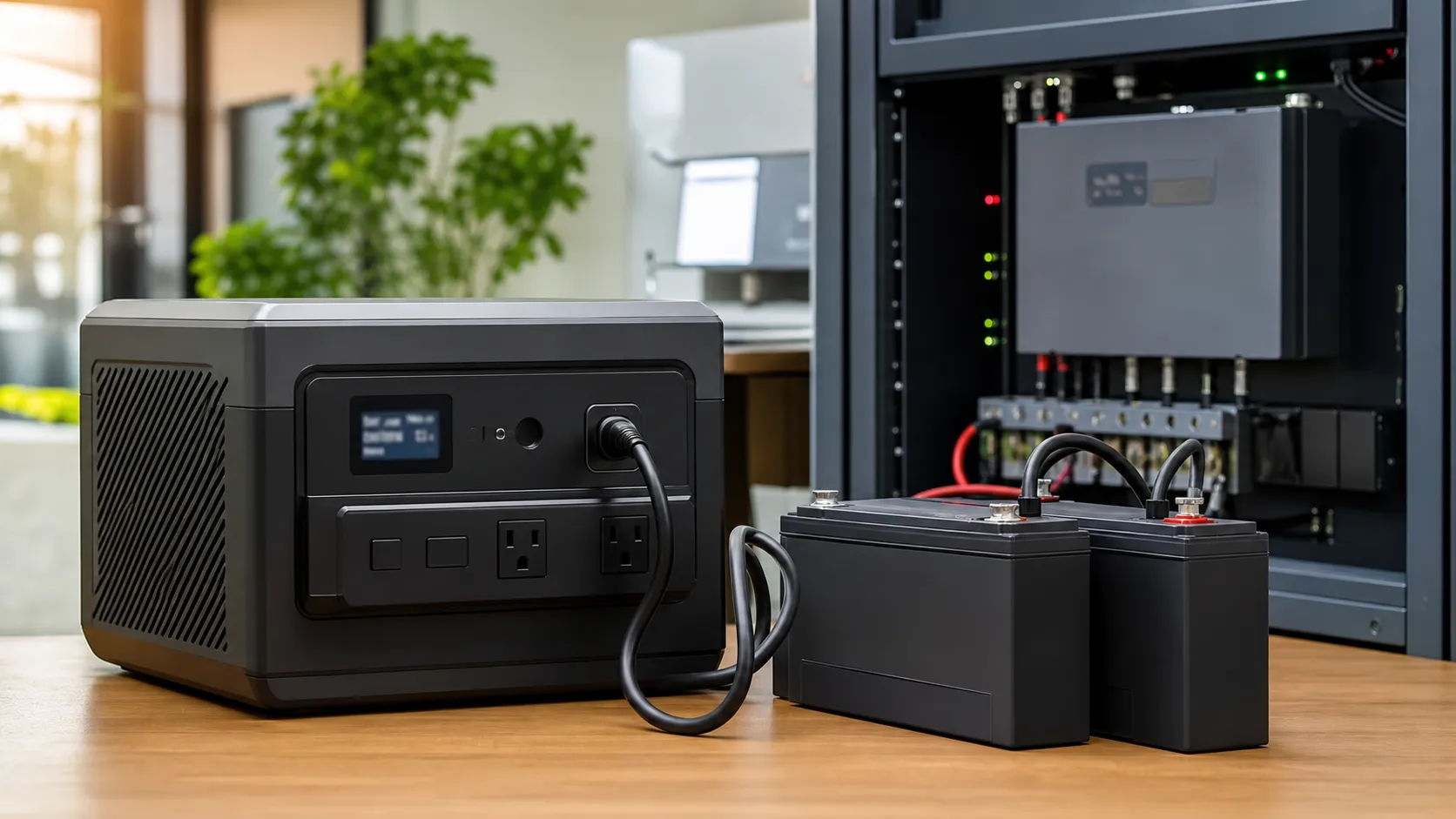
Sizing a UPS solar generator starts with the loads that must stay online. We recommend listing critical equipment first, then calculating both running watts and startup demand before selecting battery capacity or inverter output.
| Sizing Factor | What to Check | Why It Matters |
|---|---|---|
| Continuous load | Total watts used during normal operation | Determines the required continuous inverter output |
| Surge load | Extra power needed when motors start | Prevents inverter overload from refrigerators, pumps, tools, or HVAC equipment |
| Runtime | Hours of backup required | Determines the battery capacity in Wh or kWh |
| Solar input | Supported solar voltage, current, and input power | Determines how quickly the battery can recharge |
| Expansion needs | Future loads and longer outage coverage | Helps avoid premature system replacement |
Calculate Critical-Load Wattage
Add the rated running wattage of essential loads, such as routers, servers, lights, refrigeration, communications equipment, and field tools. Leave practical headroom rather than sizing the inverter exactly at the expected load.
Basic load calculation:
Total critical-load watts = combined running watts of essential equipment
A system running at its maximum output for long periods has less room for load changes and motor startup surges.
Estimate Required Battery Runtime
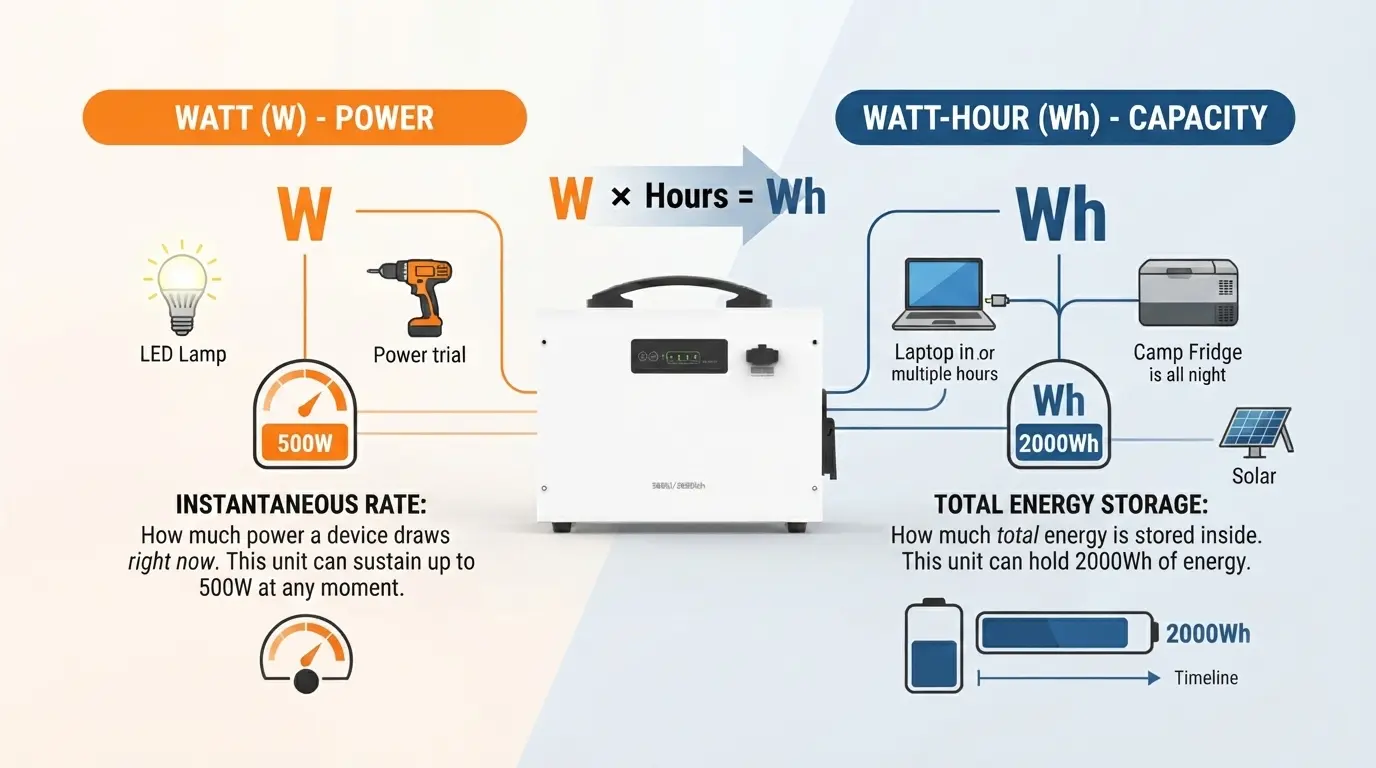
Battery capacity is measured in watt-hours (Wh) or kilowatt-hours (kWh). One kWh equals 1,000Wh. A larger battery supports longer runtime, but real-world backup time also depends on inverter efficiency, changing load levels, and surge demand.
Basic runtime estimate:
Runtime hours = usable battery Wh ÷ load watts
For example, a 1,000Wh battery supporting a 100W load can provide approximately 10 hours before allowing for system losses. For practical planning, use a conservative estimate and retain capacity margin for unexpected outages.
For procurement teams comparing system life and runtime planning, these solar generator lifespan and runtime factors help frame battery capacity against daily operating needs.
Match Continuous and Surge Output
Do not rely on a high peak-watt figure alone. Continuous output is the power a solar generator can supply steadily. Surge power is temporary support for startup loads.
| Load Type | Key Sizing Requirement |
|---|---|
| Servers, routers, lights | Stable continuous output |
| Refrigerators and pumps | Continuous output plus startup surge margin |
| Power tools | Higher surge capability and adequate continuous rating |
| HVAC equipment | Careful load assessment; startup demand can be significant |
| Telecom and network loads | Pure sine wave output and reliable backup capacity |
A portable power station range from 300W to 3600W can suit different mobile and emergency loads. A 3600W portable power station may support more demanding equipment, but it must still be matched to the actual starting and running requirements of connected loads.
Plan Solar Recharging Capacity
Solar panels must be compatible with the supported solar input range of the power station or energy storage system. Check panel voltage, current, connector compatibility, and maximum solar input before installation.
For daily use, solar capacity should be planned around:
- Daily energy consumption in Wh or kWh
- Available sunlight at the installation site
- Charging losses and weather variation
- Required recharge time after an outage
- Battery capacity expansion plans
Key takeaway: Select a UPS solar generator based on continuous watts, motor surge, required runtime, and supported solar input—not on peak-watt marketing alone.
Portable Power Stations for Mobile and Emergency Use
A portable power station gives mobile teams a practical solar generator with UPS function for short outages, field work, and essential equipment. Our LiFePO4 portable range covers 300W to 3600W, helping distributors and commercial buyers match output to real critical loads.
| Portable Output Range | Typical Emergency Loads |
|---|---|
| 300W class | Phones, radios, LED lights, Wi-Fi routers, laptops |
| Mid-range units | CPAP machines, field instruments, multiple laptops, network equipment |
| 3600W portable power station | Higher-demand tools and broader emergency power backup, subject to load and surge requirements |
For remote workstations, mobile service crews, disaster-response teams, and outdoor operations, portable power stations can support communications, lighting, charging, and selected field equipment without relying solely on fuel-based generators. A pure sine wave inverter generator output is important where loads include laptops, routers, medical-support devices, and sensitive electronics.
Enclosure and Port Protection
We offer portable power station configurations in sheet-metal and plastic housings. Buyers should select the chassis based on transport frequency, working environment, handling conditions, and required port layout. Protected connections and suitable enclosure design help support dependable use in active field environments.
Portable Solar Charging
Solar charging performance depends on compatible panel voltage, available sunlight, and the station’s supported solar input. Match panels to the approved input range and plan for local weather conditions rather than relying on peak solar figures alone. Grid charging can provide an additional recovery path when solar production is limited.
For buyers comparing backup roles, the practical differences between a portable station and conventional UPS equipment are outlined in this guide to portable power station and UPS differences and overlaps.
Industrial UPS Battery Storage for Fixed Infrastructure
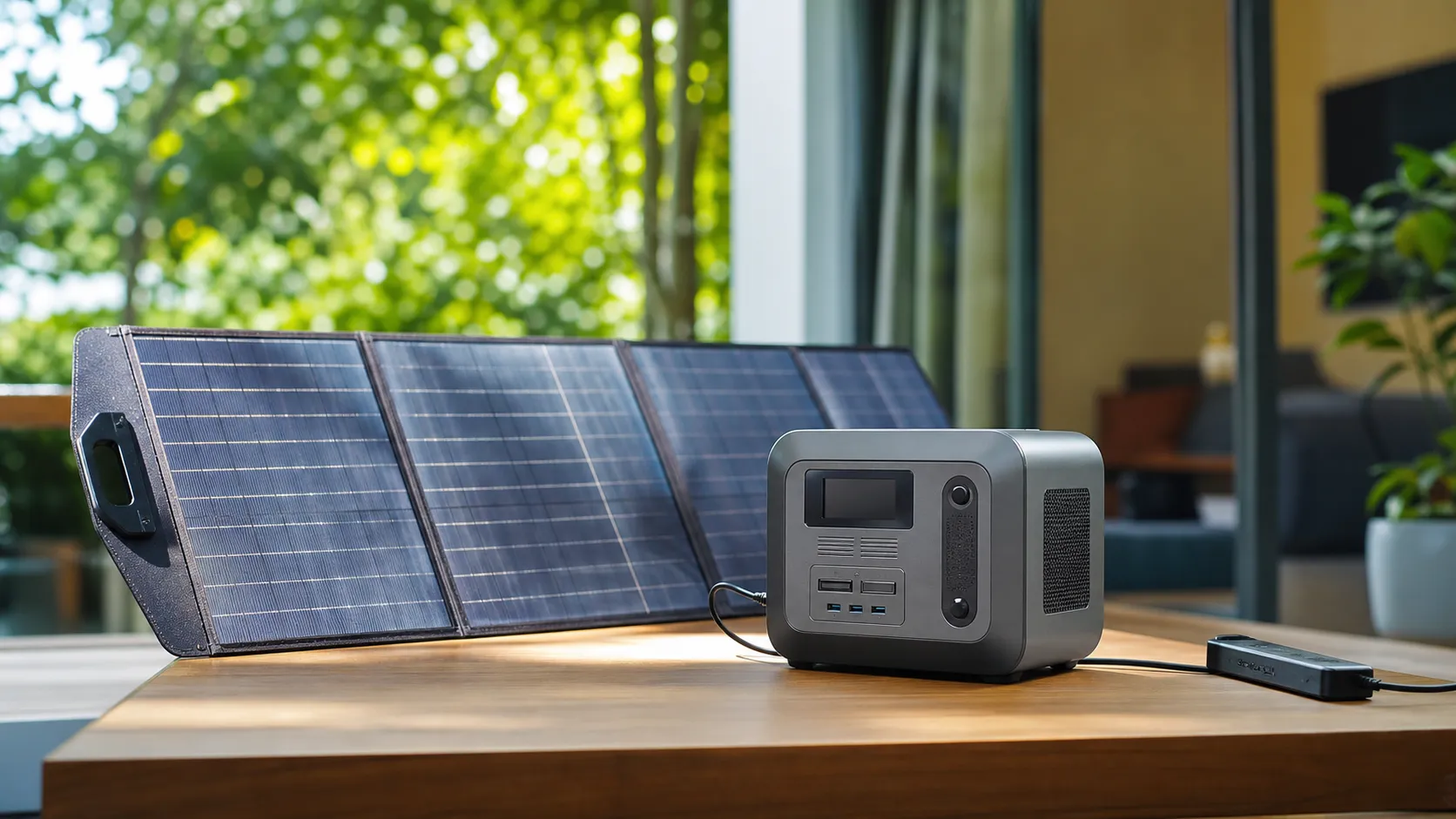
For fixed sites, we use stackable and rack-mount battery backup systems to build reliable power capacity from 5kWh to 25kWh. This format suits data nodes, telecom base stations, security networks, clinics, and commercial facilities that need longer backup than a standard UPS battery bank can provide.
A correctly designed industrial UPS battery storage system separates critical loads from nonessential circuits. Servers, network equipment, access control, communications, and essential medical equipment can remain prioritized during an outage. For residential projects, a home battery backup system for power outages can support essential circuits or broader home backup requirements, depending on load planning.
Stackable, Rack-Mount, and Hybrid Designs
| Application | Recommended Configuration | Planning Focus |
|---|---|---|
| Telecom and data equipment | Rack-mount battery backup system | Stable backup for communications and network loads |
| Clinics and security systems | Stackable LiFePO4 battery storage | Critical-circuit prioritization and safe battery management |
| Commercial facilities | Modular energy storage system | Load segmentation, expansion, and demand management |
| Homes and small business sites | Home energy storage system (ESS) | Essential loads or wider backup coverage |
An off-grid hybrid inverter system combines solar charging, battery storage, and AC power management. It supports solar self-consumption during normal operation while retaining stored energy for backup needs. Built-in battery communication and intelligent BMS functions help coordinate charging, discharging, and protection across connected modules.
Plan Capacity Beyond Today’s Load
We recommend leaving room for future expansion. Parallel battery architecture allows capacity to grow as more telecom equipment, workstations, circuits, or solar generation are added. Match battery modules, inverter capability, and communication protocols before expanding the system.
For facilities with high utility demand periods, peak-shaving battery storage can be evaluated as part of the broader energy strategy. Stored energy may support selected loads during peak periods, helping operators manage demand charges and reduce reliance on grid power when rates are highest.
Power Quality and Reliability for Sensitive Electronics
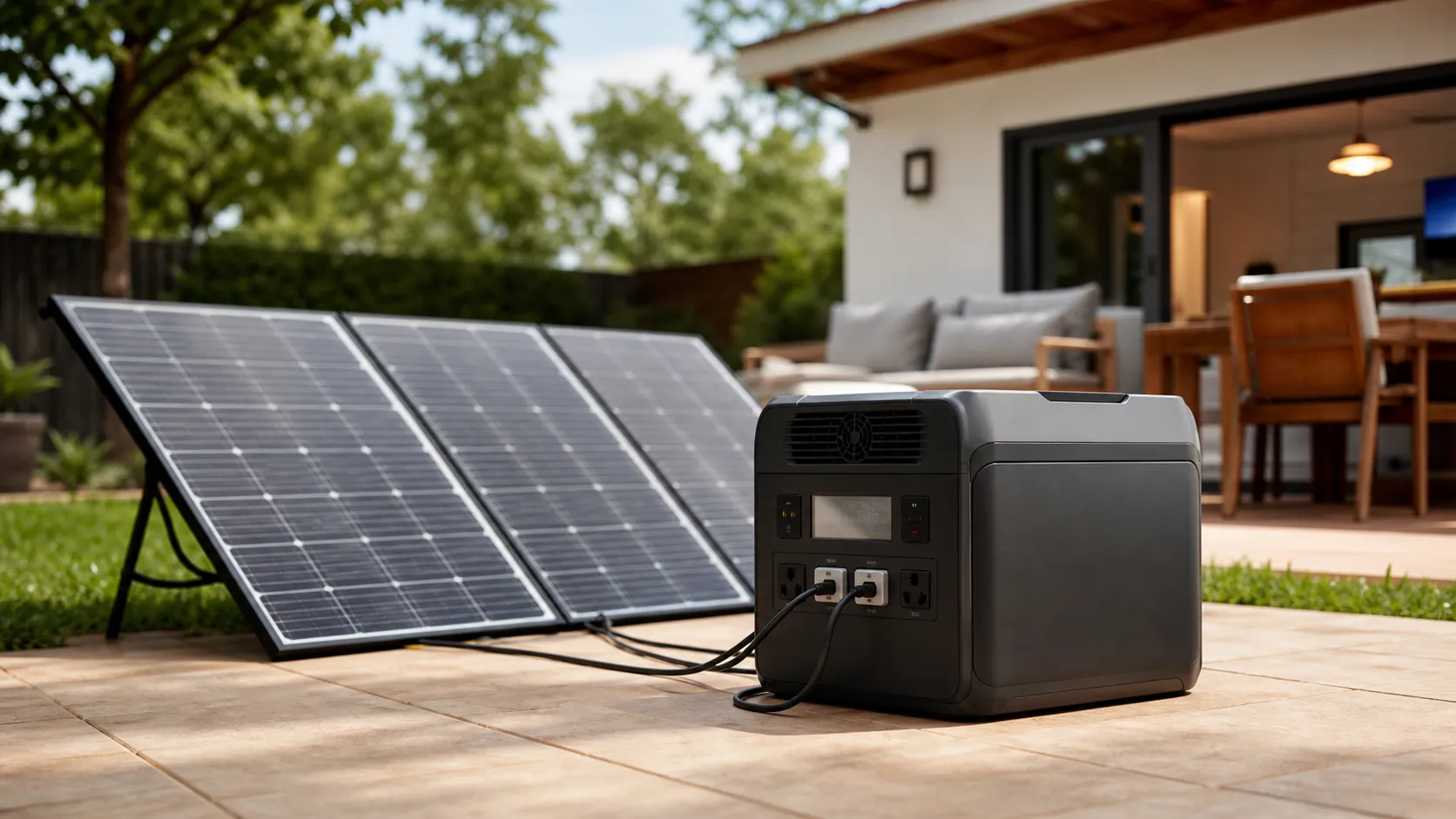
For sensitive loads, output quality matters as much as battery capacity. A solar generator with UPS function should deliver clean, stable AC power and fast backup switching to help protect servers, network equipment, lab instruments, and medical electronics.
Pure Sine Wave Output
We use pure sine wave inverter generator output for equipment that can be affected by unstable or distorted power. It supports quieter operation, lower interference, and steadier performance than lower-quality waveform alternatives.
| Critical load | Power quality priority |
|---|---|
| Servers and storage | Stable voltage and fast transfer |
| Routers and telecom gear | Continuous power and low noise |
| Lab equipment | Clean waveform and frequency control |
| Medical electronics | Reliable output and protected circuits |
| Security systems | Uninterrupted operation during outages |
Stable Voltage and Frequency
A dependable UPS solar generator should regulate output voltage and maintain stable frequency under changing loads. Low total harmonic distortion also helps reduce electrical noise for sensitive electronics.
For B2B buyers evaluating the overlap between backup systems and portable units, this guide to portable power station and UPS differences and overlaps provides useful context.
Transfer Time for Critical Loads
Transfer time is the interval between grid failure and battery output. Mission-critical equipment may require a zero transfer time power station or a UPS design with switching performance suitable for the connected load.
Fast transfer helps prevent:
- Server resets and lost transactions
- Router or telecom interruptions
- Security-camera downtime
- Data loss during active file transfers
- Unplanned shutdowns of sensitive devices
Always confirm the actual transfer-time specification against the tolerance of the equipment being protected.
Essential Electrical Protections
A reliable LiFePO4 solar battery backup needs layered electrical protection, not only high battery capacity.
| Protection | Function |
|---|---|
| Surge protection | Limits damage from voltage spikes |
| Overload protection | Prevents excessive output demand |
| Short-circuit protection | Isolates fault conditions quickly |
| Over-temperature protection | Reduces risk during high heat |
| Grounding provisions | Supports safe system installation |
Built-in intelligent BMS protection monitors battery conditions and helps manage overcharge, overheating, and short-circuit risks.
Temperature and Installation Safety
Battery temperature must be monitored in hot, cold, or enclosed installations. Place the system in a dry, ventilated area with clear airflow around the enclosure. Keep cables routed safely, avoid blocked vents, and follow applicable grounding and electrical installation rules.
For industrial UPS battery storage, correct load protection, thermal management, and installation practices are central to dependable emergency power backup for sensitive electronics.
Solar Generator Certifications and Compliance
For global UPS solar generator projects, compliance is part of product selection—not paperwork added at the end. We verify battery, transport, and electronics documentation before a system is specified for distribution or installation.
| Requirement | What It Covers | Why It Matters |
|---|---|---|
| UL1973 | Battery safety for stationary energy storage | Important for North American LiFePO4 battery backup projects |
| CE | Product conformity for applicable European markets | Supports international distribution requirements |
| FCC | Electronic emissions and interference compliance | Relevant for power stations and connected electronic equipment |
| UN38.3 | Lithium battery transport testing | Required for shipping lithium battery products |
| MSDS | Battery material and safety information | Supports freight handling and logistics documentation |
Verify the Exact Certification Scope
A certificate must apply to the actual product configuration. Battery capacity, cell type, enclosure, inverter rating, and model number can affect the scope of a test report. A report for one battery pack does not automatically cover every solar generator with UPS function in a supplier’s catalog.
For fixed installations, local grid codes, electrical rules, permitting requirements, and transfer-switch practices also apply. These requirements vary by country and region, especially where a home energy storage system or commercial backup system connects to building wiring.
Compliance Checks for B2B Buyers
Before importing or deploying industrial UPS battery storage, we recommend confirming:
- The report issuer and report number
- The exact model and configuration listed
- Validity of UL1973, CE, FCC, UN38.3, and MSDS documentation
- Compatibility with regional installation and grid-connection rules
- Clear technical documents for the battery, inverter, BMS, inputs, and outputs
TURSAN integrates key documentation such as UN38.3, MSDS, UL1973, CE, and FCC across applicable product lines, helping distributors reduce compliance delays for LiFePO4 solar battery backup projects. For sourcing fixed backup systems, our guide to home battery brands and energy storage options provides useful market context.
OEM Solar Generator Manufacturer and B2B Buying Considerations
For distributors, installers, telecom integrators, and commercial buyers, an OEM solar generator manufacturer should offer more than a low unit price. We focus on configuration fit, documented compliance, and long-term supply support for B2B wholesale power stations.
| Buying Area | What to Review |
|---|---|
| OEM/ODM options | Branding, enclosure styling, ports, power ratings, and battery capacity |
| Battery supply | LiFePO4 cell source, supplier traceability, and cell documentation |
| Product design | Intelligent BMS, pure sine wave inverter options, WiFi/Bluetooth support |
| Manufacturing | Production capacity, quality-control process, aging and burn-in testing records |
| Compliance | UN38.3, MSDS, UL1973, CE, and FCC scope for the target market |
| Commercial terms | MOQ, production lead time, warranty, spare parts, technical documents, and after-sales support |
Tursan supports OEM and ODM projects with free industrial design and exterior modeling. This is useful when a distributor needs a differentiated portable power station or a tailored home energy storage system rather than an off-the-shelf product.
Cell quality remains a core procurement point. LiFePO4 systems should use safe prismatic cells with clear sourcing information. Tursan works with BYD on larger-capacity portable power stations and home backup products, providing an added reference point for buyers evaluating battery supply and safety priorities.
Do not assess a supplier only by peak wattage or the lowest quotation. Confirm continuous output, battery capacity, certification availability, warranty terms, and production reliability. For lifecycle planning, review realistic expectations for solar generator lifespan and runtime alongside the stated 6,000+ cycle life and standard 5-year warranty.
A strong B2B supplier comparison includes:
- Configurable 300W to 3600W portable power station ranges
- Stackable and rack-mount storage options for larger backup projects
- Clear certificates for shipping and market entry
- Responsive technical documentation and spare-parts planning
- Stable manufacturing capacity and delivery performance
- A complete system lineup for one-stop procurement
Installation, Operation, and Maintenance Best Practices
A UPS solar generator or home energy storage system (ESS) should be installed in a dry, ventilated location with clear access for inspection and safe cable routing. Keep air paths unobstructed, protect connectors from damage, and leave enough clearance around the unit for normal heat dissipation.
Connect solar panels only within the system’s supported solar-input voltage and current range. Incorrect string sizing can trigger protection alarms or prevent charging. For fixed installations, use suitable cable protection and follow local electrical installation rules.
Prioritize essential loads such as routers, servers, security equipment, lighting, communications gear, and critical medical or operational devices. Dedicated critical-load circuits help prevent nonessential appliances from exhausting battery capacity during an outage.
Monitor key operating data regularly:
- Battery state of charge and available runtime
- Load demand against continuous inverter output
- Solar yield and charging status
- System alerts from the BMS, inverter, or UPS circuitry
- Battery temperature in hot, cold, or enclosed spaces
For long-term LiFePO4 solar battery backup performance, store equipment at an appropriate charge level and avoid prolonged exposure to extreme temperatures. A built-in BMS helps protect against overcharge, overheating, and short circuits, but correct siting and routine checks remain essential.
Use a licensed electrician for transfer switches, electrical-panel integration, dedicated circuits, and commercial installations. This is especially important where an industrial UPS battery storage system connects to building wiring or supports mission-critical equipment. Buyers evaluating complete backup solutions can also compare home battery brands and storage system options for broader procurement planning.
UPS Solar Generator FAQs
| Topic | Practical answer |
|---|---|
| UPS vs. solar generator | A UPS mainly provides short-term backup for connected electronics. A solar generator combines battery storage, inverter output, and solar charging for longer, flexible backup power. |
| Zero transfer time | Transfer performance depends on the model and UPS design. We recommend confirming the stated transfer specification for servers, medical devices, routers, and telecom equipment. |
| LiFePO4 backup runtime | Runtime depends on battery capacity, load wattage, inverter efficiency, and surge demand. Low-load devices such as routers generally run much longer than refrigerators or medical equipment. |
| 3600W portable power station | A 3600W portable power station can support many essential loads within its continuous output limit, but it is not automatically a whole-home solution. Total running watts and startup loads must be checked. |
| Solar panel quantity | Panel sizing depends on battery kWh capacity, available sunlight, panel output, and supported solar input. A correctly matched MPPT charging system is essential. See how a portable solar generator works for the charging flow. |
| Diesel generator replacement | A UPS solar generator can reduce generator use for many backup applications. Large, extended commercial loads may require a hybrid design with storage, solar, grid input, or generator support. |
| Import certifications | B2B buyers should review UN38.3 and MSDS transport documents, plus applicable UL1973, CE, and FCC compliance records. Certification scope must match the actual product configuration. |
| LiFePO4 service life | LiFePO4 battery systems can deliver 6,000+ cycles. Overall device life is typically in the 5–15-year range, depending on operating conditions and maintenance. |
| Peak-demand reduction | Rack-mount battery backup systems may support peak shaving when configured with suitable energy storage capacity, load monitoring, and inverter controls. |
| OEM supplier review | We advise distributors to assess battery cell sourcing, BMS design, certifications, customization scope, production capability, warranty terms, technical documents, spare-parts support, and delivery performance. TURSAN supports OEM and ODM configurations across portable stations and energy storage systems. |