 English
  العربية
  日本語
日本語  한국어
한국어  Tiếng Việt
  ไทย
ไทย  Bahasa Melayu
  فارسی
فارسی  Bahasa Indonesia
  ဗမာစာ
ဗမာစာ  简体中文
简体中文  香港中文
香港中文  繁體中文
繁體中文  Русский
  Deutsch
  Nederlands
  Italiano
  Français
  Español
  Português
  Afrikaans
  Azərbaycan dili
  Български
  ਪੰਜਾਬੀ
  हिन्दी
  اردو
اردو  বাংলা
বাংলা  Հայերեն
  Íslenska
  Қазақ тілі
  नेपाली
  Српски језик
  Kiswahili
  తెలుగు
  Basa Jawa
  தமிழ்
தமிழ்  मराठी
मराठी What Is a Solar Generator Today?
When people ask, “how does a solar generator work?” they often picture a complex web of industrial solar panels and noisy machinery. Today, the reality is much sleeker. A modern portable solar generator is a compact, eco-friendly powerhouse designed to capture, store, and deliver electricity whenever and wherever you need it.
Modern Definition: More Than Just “Panels on a Box”
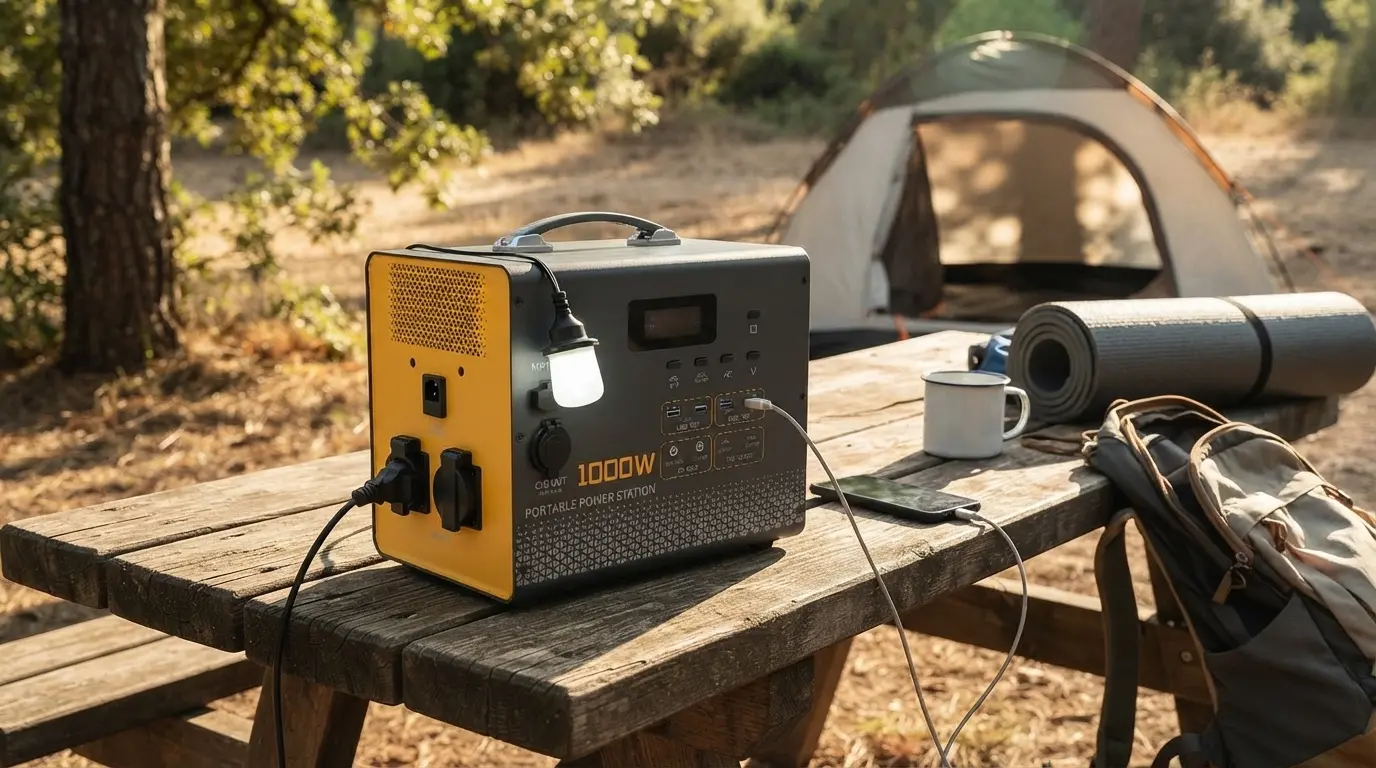
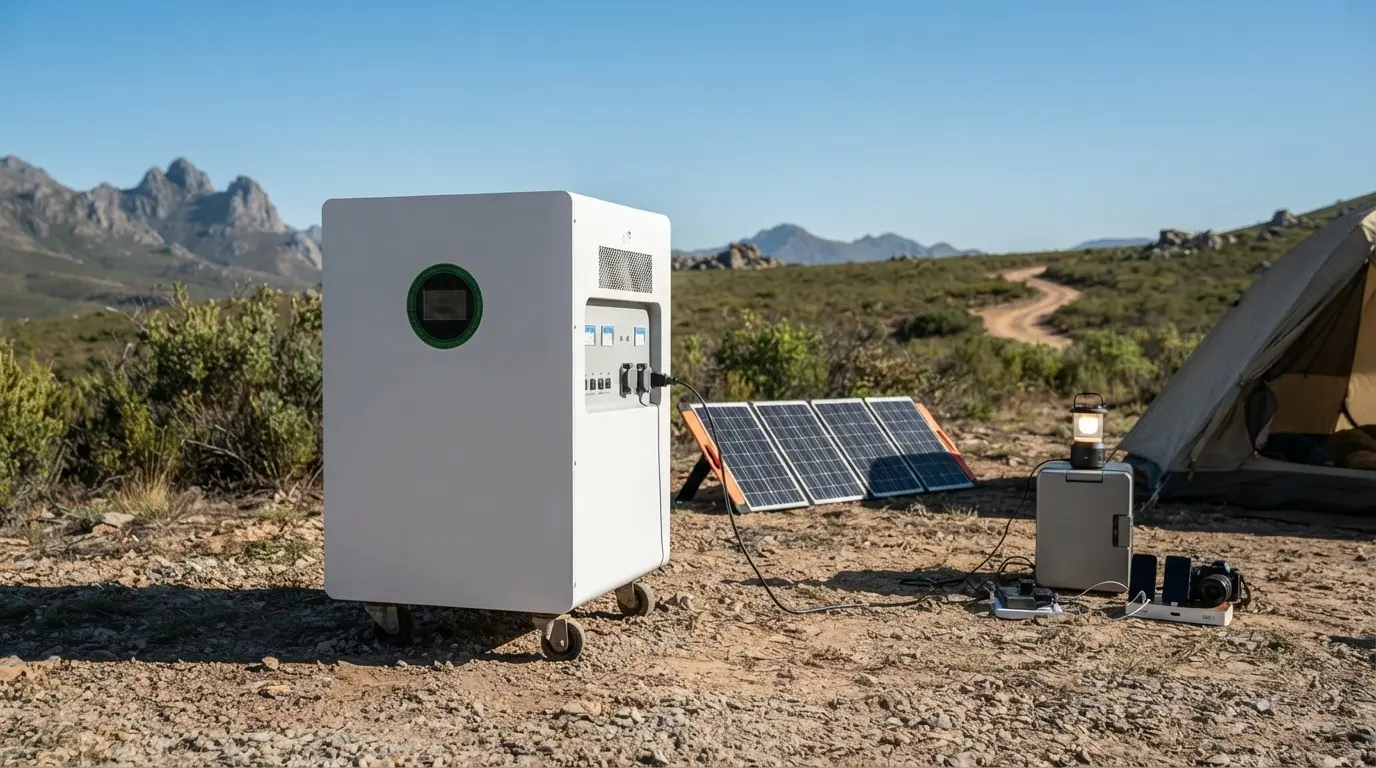
Years ago, a DIY solar setup required separate batteries, confusing wiring, and external inverters. Today, we define an off-grid solar power station as an all-in-one, plug-and-play system. It integrates high-efficiency solar panels, a advanced battery storage system, and intelligent power management into a single cohesive unit.
Instead of burning fossil fuels like old-school combustion engines, these systems rely on advanced lithium chemistry and smart digital controllers to provide clean, silent power.
Key Use Cases for Solar Generators
Whether you are looking for everyday convenience or preparing for worst-case scenarios, a solar-powered home backup system fits seamlessly into several real-world situations:
Emergency Backup
Keeps critical medical devices, refrigerators, and Wi‑Fi routers running smoothly during unexpected grid blackouts.
Off‑Grid & RV
Powers lights, laptops, and appliances during camping adventures or an RV solar generator setup.
Professional Work Sites
Delivers reliable power for tools and laptops in remote locations without access to the traditional electrical grid.
Core Components of a Solar Generator (The Anatomy)
To understand how these power systems work, we need to look under the hood. A modern portable solar generator isn’t a single mechanism; it is a highly integrated ecosystem of engineering components designed to capture, manage, store, and deliver power on demand.
Solar Panels – Capturing Sunlight as DC Power
The process begins with solar panels to generate electricity. These photovoltaic (PV) cells absorb sunlight and knock electrons loose, creating direct current (DC) electricity. Whether you use rigid panels mounted on an RV solar generator setup or lightweight, foldable panels for a camping portable power station, the panels serve as the essential intake system for your power setup.
Solar Charge Controller – Protecting and Optimizing Charging
Raw electricity from solar panels fluctuates constantly based on weather conditions. The solar charge controller MPPT (Maximum Power Point Tracking) acts as the gatekeeper. It regulates the incoming voltage and current from the panels to ensure the battery charges at its most efficient rate, preventing overcharging and electrical damage.
Battery Pack – The Heart of the Solar Generator
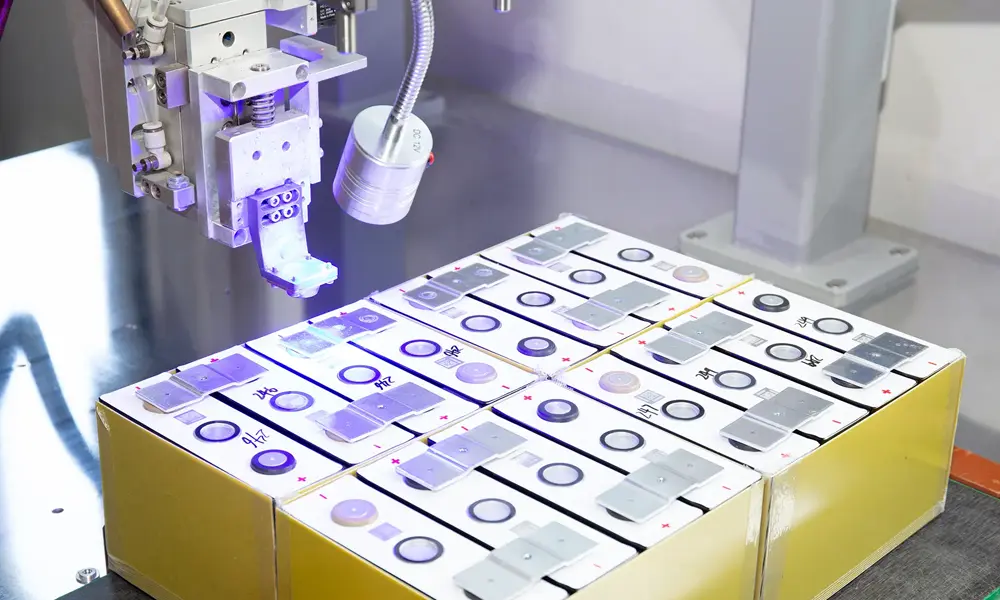
The battery pack is where the energy sits until you need it. Inside our high-performance units, we use a premium LiFePO4 solar battery (Lithium Iron Phosphate). Compared to older lead-acid or standard lithium-ion options, LiFePO4 chemistry delivers exceptional thermal stability, enhanced safety, and thousands of lifecycles, making it the ideal choice for an emergency solar backup generator.
Inverter – Converting DC Battery Power into Clean AC Output
Batteries store energy as DC power, but standard household appliances run on alternating current (AC). The pure sine wave solar inverter handles this translation. It converts the stored DC energy into clean, stable AC electricity. This ensures your sensitive electronics—like laptops, CPAP machines, and smartphones—run smoothly without the buzz or electrical interference caused by cheap modified sine wave inverters.
Smart BMS – The Hidden Safety and Performance Layer
Operating silently in the background is the smart BMS for solar batteries (Battery Management System). This micro-computer monitors individual cell voltages, tracks temperatures, and protects the system against short circuits, over-current, and extreme temperatures. It maximizes the overall lifespan of the solar battery storage system and guarantees safe operation in any environment.
| Component | Primary Function | Key Technology |
|---|---|---|
| Solar Panels | Capture sunlight and generate raw DC power | Monocrystalline PV Cells |
| Charge Controller | Regulates voltage and optimizes charging efficiency | MPPT Technology |
| Battery Pack | Stores energy safely for long-term use | LiFePO4 Chemistry |
| Inverter | Converts DC power to clean household AC power | Pure Sine Wave |
| Smart BMS | Monitored safety, balancing, and thermal regulation | Multi-layer digital protection |
How a Solar Generator Works Step-by-Step
Understanding how a portable solar generator transforms raw sunlight into everyday electricity is simpler than you think. I break down this process into five clear, real-time steps to show exactly how our systems manage your power.
Step 1 – Sunlight Hits the Panels (Energy Capture)
The process begins the moment sunlight strikes the photovoltaic cells on your solar panels. These cells absorb the solar energy and instantly convert it into Direct Current (DC) electricity. Whether you are running a temporary campsite or setting up off-grid energy storage systems for reliable backup, high-efficiency panels ensure you capture the maximum amount of juice even on hazy days.
Step 2 – Charge Controller Regulates Incoming Power
Raw DC electricity from solar panels fluctuates constantly based on cloud cover and sun angle. This volatile power flows directly into the solar charge controller (typically an advanced MPPT system). The controller acts as a protective gatekeeper, smoothing out the voltage and current to prevent overcharging or damaging the internal battery.
Step 3 – Battery Stores Energy for Later Use
Once the power is safely regulated, it travels directly into the heavy-duty LiFePO4 solar battery pack. This is where the energy sits until you actually need it. By storing this electricity safely inside the stable chemical cells, you ensure that you have functional power ready to deploy at a moment’s notice, day or night.
Step 4 – Inverter Delivers Usable AC Power
Your household appliances—like refrigerators, laptops, and power tools—cannot run on raw DC power; they require Alternating Current (AC). When you plug a device into the generator, the built-in pure sine wave solar inverter goes to work. It cleanly converts the stored DC battery power into a steady, safe AC output that mimics the traditional wall outlets in your home.
Step 5 – Smart Monitoring and Protection in Real Time
While power flows through the system, a smart BMS (Battery Management System) constantly tracks everything in the background. This integrated brain monitors voltage, cell temperature, and current flow across all inputs and outputs. It keeps your system running at peak efficiency while preventing overheating, short circuits, or over-discharging automatically.
What Can a Solar Generator Power in Real Life?

When you buy a portable solar generator, you need to know exactly what it can run during a blackout or a camping trip. To figure that out, we look at three main metrics: Watts (W), Watt-hours (Wh), and Amps (A).
- Watts (Running vs. Surge): This is the instantaneous power an appliance pulls. Your fridge might need 150W to keep running, but it requires a 600W “surge” just to start the compressor.
- Watt-hours (Capacity): This tells you how long the solar battery storage system can supply that power. A 1000Wh battery can theoretically power a 100W TV for about 10 hours.
- Amps: This measures the electrical current flowing from the generator to your devices.
Typical Loads a Solar Generator Can Handle
The electrical appliances we use every day fall into different categories based on their energy consumption. High-quality systems utilize a pure sine wave solar inverter to safely power everything from heavy tools to sensitive electronics.
| Device Type | Typical Wattage | Can a Portable Solar Generator Run It? |
|---|---|---|
| Phones & Laptops | 5W – 100W | Yes, easily for days or weeks. |
| CPAP Machines | 30W – 60W | Yes, critical for emergency solar backup generator setups. |
| Mini Fridges & Full-Size Fridges | 100W – 800W | Yes, if the generator has a high surge rating. |
| Coffee Makers & Microwaves | 1000W – 1800W | Yes, but only on medium to large power stations. |
| Central AC & Water Heaters | 3000W+ | Requires a heavy-duty, commercial-grade system. |
Matching Solar Generator Size to Your Scenario
We design power systems to fit specific life scenarios so you don’t overpay for capacity you won’t use. When weighing the benefits of a portable power station vs generator driven by gas, matching your power budget to the right scenario ensures you always have clean energy ready.
- The Weekend Camper (300Wh – 500Wh): Perfect for charging phones, cameras, drones, and running LED camp lights. Lightweight and highly portable.
- The Overlander & RV Enthusiast (1000Wh – 2000Wh): Ideal for an RV solar generator setup. It easily runs 12V portable fridges, blenders, electric grills, and laptops while off the grid.
- The Home Emergency Backup (2000Wh – 5000Wh+): Acts as a reliable solar-powered home backup system. It keeps your full-sized refrigerator, Wi-Fi router, lights, and medical devices running smoothly during prolonged grid failures.
Solar Generator vs Gas Generator: How Do They Really Compare?
When choosing backup power, the classic showdown is a modern solar generator vs gas generator. Both get the job done, but how they do it—and where they shine—couldn’t be more different.
How Each Type of Generator Produces Power
Traditional gas generators rely on an internal combustion engine. You pour in fuel, start the engine, and it spins an alternator to create electricity on demand.
A portable solar generator, on the other hand, is a completely silent electronic system. It collects clean energy from solar panels, manages the voltage through a charge controller, stores it safely in a high-capacity battery pack, and converts it to usable AC power through an onboard inverter.
Key Comparative Factors
| Feature | Solar Generator | Gas Generator |
|---|---|---|
| Fuel Source | Sunlight (Free & Infinite) | Gasoline, Propane, or Diesel (Paid & Finite) |
| Noise Level | Completely silent | Loud (usually 50–70+ dB) |
| Maintenance | Virtually zero | Regular oil changes, spark plugs, and filters |
| Emissions | Zero (Safe for indoor use) | Toxic carbon monoxide (Outdoor use only) |
| Operating Cost | Free after initial purchase | High (continuous fuel costs) |
When Solar Generators Are the Better Choice
We always recommend an off-grid solar power station or a portable solar generator when you need clean, quiet, and maintenance-free operation. They are perfect for RV camping, tailgating, and outdoor events where loud engine noise ruins the experience.
More importantly, because they emit zero toxic fumes, they act as a safe emergency solar backup generator that you can run right inside your living room or tent. If you are debating between setting up a clean home battery vs gas generator system, solar-powered setups offer long-term energy independence without the hassle or danger of storing volatile liquid fuel in your garage.
When Gas Generators May Still Be Needed
While we specialize in clean energy solutions, we keep it real with our customers: gas generators still have specific use cases. If you are running high-draw commercial power tools on a construction site all day, or if you experience a massive multi-day winter storm with zero sunlight and need immediate, continuous power, a gas generator can deliver high wattage as long as you have fuel on hand.
However, for most everyday users, remote workers, and residential emergency backups, the safety, silence, and grab-and-go convenience of solar heavily outweigh the mechanical headaches of fossil fuels.
Do Solar Generators Work at Night, in Cloudy Weather, and in Real-World Conditions?

We get asked this all the time: how do solar generators work when the conditions aren’t perfect? The short answer is yes, they absolutely work in real-world conditions, but their efficiency depends entirely on how you manage your energy collection and storage.
Night-Time Operation and Energy Storage
Solar panels cannot generate electricity without sunlight, meaning a portable solar generator will not harvest power after dark. However, the system works perfectly at night because of the energy stored during the day. The sunlight captured yesterday is saved inside the battery pack, allowing you to run lights, refrigerators, and medical equipment overnight without a hitch.
Performance in Cloudy or Variable Weather
Do solar generators work on cloudy days? Yes, but at a reduced capacity. Solar panels rely on both direct and diffuse sunlight. On an overcast day, your panels will still catch scattered light and generate electricity, but the output might drop to 10% to 25% of their maximum rating. To keep your solar battery storage system topped off during bad weather, you can temporarily supplement it by charging via an AC wall outlet or a vehicle carport.
Seasonal and Geographic Considerations
Your location and the time of year heavily impact daily power yields.
Winter vs. Summer: Shorter winter days and lower sun angles mean fewer peak sun hours.
Angle of Incidence: Adjusting the tilt of your portable panels to face the sun directly ensures you get the maximum possible wattage.
For reliable performance regardless of the weather, choosing a system built by one of the best home battery brands ensures your setup has the efficiency and battery capacity needed to carry you through seasonal dips and unexpected storms.
Why Technology Choices Matter: Inside a High-Quality Solar Generator
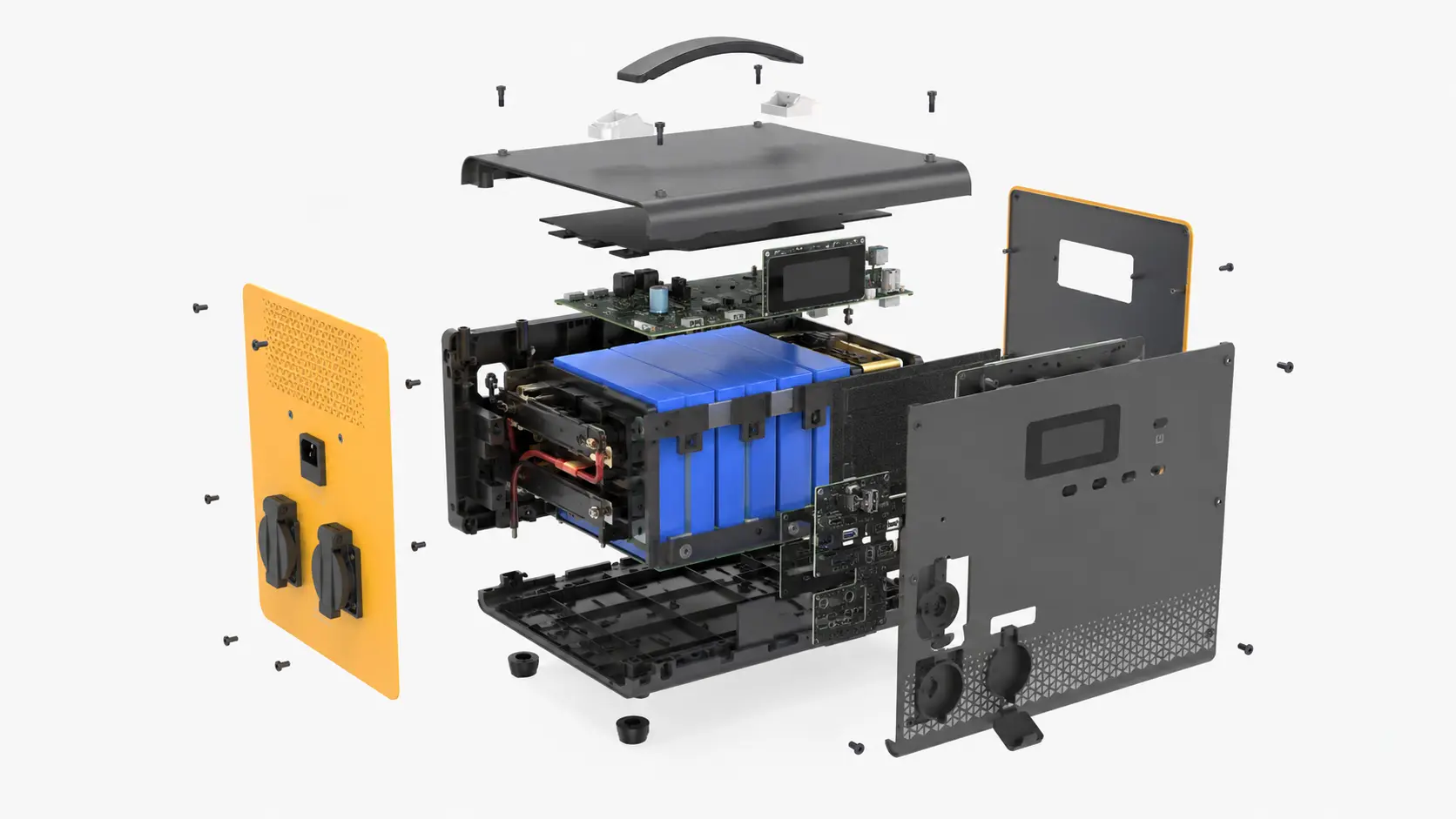
When you invest in an off-grid solar power station, what is on the inside matters just as much as the solar panels on the outside. The underlying technology directly determines how long your system lasts, how safely it runs, and whether it will fry your expensive electronics. A premium setup handles demanding electrical loads smoothly, while cheap components fail when you need them most during an emergency backup scenario.
LiFePO4 Solar Battery – Safety, Lifespan, and Performance
The choice of battery chemistry defines the lifespan of your unit. Modern premium systems utilize LiFePO4 solar battery technology (Lithium Iron Phosphate) rather than standard lithium-ion.
- Extended Lifespan: LiFePO4 batteries routinely last for over 3,500 to 5,000 charge cycles before dropping to 80% capacity, meaning they can serve you for over a decade of daily use.
- Thermal Stability: They are highly resistant to overheating, eliminating the risk of thermal runaway or catching fire under heavy load.
- Consistent Power Deliverability: They maintain a steady voltage output even as the battery drains, ensuring your devices get stable power until the last drop.
Pure Sine Wave Solar Inverter – Protecting Sensitive Electronics
An inverter converts stored DC energy into usable AC power. High-quality systems use a dedicated pure sine wave solar inverter rather than a cheap modified sine wave alternative.
- Grid-Quality Power: Clean, smooth electrical waves match or exceed the quality of the electricity coming out of your home wall outlets.
- Device Protection: Essential for running sensitive modern devices like laptops, medical equipment (CPAP machines), smart TVs, and refrigerators without buzzing, overheating, or circuit damage.
Smart BMS for Solar Batteries
Safety requires constant, automated oversight. A smart BMS for solar batteries acts as the digital brain of the generator, continuously tracking performance metrics in real time.
- Multi-Layer Protection: Instantly shuts down the system if it detects short circuits, over-voltage, over-charging, or extreme temperatures.
- Cell Balancing: Ensures all individual cells within the battery pack charge and discharge evenly, preventing premature wear and maximizing total runtime.
The TURSAN Engineering Approach
At TURSAN, we engineer our portable power stations around these exact technical benchmarks. We integrate heavy-duty LiFePO4 chemistry, industrial-grade pure sine wave inverters, and highly responsive smart BMS protections into every unit. Our hardware is built to withstand real-world stress, providing dependable energy resilience whether you are managing an unexpected power outage at home or running a remote job site. We focus on premium components so your power remains reliable, safe, and efficient through years of rigorous use.
Choosing the Right Solar Generator for Your Application
When deciding on a portable solar generator, you need to match the equipment to your specific energy demands. Whether you are setting up an off-grid solar power station or looking for an emergency solar backup generator, picking the wrong size or grade will leave you in the dark.
Core Questions to Ask Before You Buy or Design
Before investing in a system, we always recommend asking yourself these three basic questions:
What electronics do you need to power? Make a list of essential devices like phones, refrigerators, or medical equipment.
How long do you need them to run? This determines your required battery capacity.
How will you recharge it? Will you rely solely on solar panels to generate electricity, or will you have access to AC wall outlets?
Key Specifications to Evaluate
To understand how a solar generator works for your specific setup, you must look closely at its technical data sheet.
| Specification | What It Means | Why It Matters |
|---|---|---|
| Battery Capacity (Wh) | Total energy stored in the LiFePO4 solar battery. | Determines your overall runtime. |
| Inverter Output (Watts) | Continuous and surge power output capacity. | Dictates what appliances you can plug in simultaneously. |
| Solar Input Rate (Watts) | Maximum solar recharge capability. | Controls how fast your solar panels can replenish the battery. |
Consumer-Grade vs Commercial-Grade Solar Generators
Not all power stations are built equal. While a standard portable solar generator works beautifully for weekend camping or light DIY projects, larger applications require a heavy-duty solution. If you need a robust home solar battery backup system to handle critical household circuits or commercial equipment during an extended blackout, upgrading to a commercial-grade unit with a smart BMS and expandable battery bays is essential for long-term reliability.
OEM/ODM Solar Generators and Energy Storage: How TURSAN Supports Professional Buyers
From Portable Power Stations to Full Energy Storage Systems
We design and manufacture scalable power solutions built for the demanding US market. Our lineup spans from highly versatile portable solar generator units for mobile power to heavy-duty, high-capacity off-grid energy storage systems engineered for industrial, commercial, and backup applications. Whether your customers need a reliable emergency solar backup generator for residential blackouts or a ruggedized off-grid solar power station for job sites, our hardware delivers consistent, clean energy.
Customization and Integration for Brands and Projects
As a premier OEM portable power station manufacturer, we provide end-to-end tailored engineering for professional buyers, distributors, and B2B clients. We understand how a solar generator works inside and out, allowing us to customize key performance metrics to match your specific brand requirements:
- Battery Scaling: Custom capacity configurations utilizing ultra-safe LiFePO4 solar battery chemistry.
- Inverter Tuning: Integration of high-efficiency pure sine wave solar inverter modules to guarantee safe operation of sensitive equipment.
- Enclosure & Branding: Tailored physical chassis designs, localized US port configurations, and private-label branding.
- Advanced Control: Specialized programming for the solar charge controller MPPT firmware and smart communication protocols.
Quality, Compliance, and Long-Term Support
Every system we build features an industrial-grade smart BMS for solar batteries to monitor thermal limits, voltage, and cell balancing in real time. Our manufacturing processes prioritize rigorous testing and strict adherence to US regulatory and safety certifications. We back our supply chain with dedicated engineering support, reliable component sourcing, and comprehensive warranties, ensuring your brand delivers a top-tier solar battery storage system that performs flawlessly under real-world conditions.