 English
  العربية
  日本語
日本語  한국어
한국어  Tiếng Việt
  ไทย
ไทย  Bahasa Melayu
  فارسی
فارسی  Bahasa Indonesia
  ဗမာစာ
ဗမာစာ  简体中文
简体中文  香港中文
香港中文  繁體中文
繁體中文  Русский
  Deutsch
  Nederlands
  Italiano
  Français
  Español
  Português
  Afrikaans
  Azərbaycan dili
  Български
  ਪੰਜਾਬੀ
  हिन्दी
  اردو
اردو  বাংলা
বাংলা  Հայերեն
  Íslenska
  Қазақ тілі
  नेपाली
  Српски језик
  Kiswahili
  తెలుగు
  Basa Jawa
  தமிழ்
தமிழ்  मराठी
मराठी Best Home Battery Brands: Crucial Metrics Evaluated
When shopping for residential energy storage systems (ESS), it is easy to get lost in marketing hype. I look at these systems through an engineering lens to cut through the noise. To find the best home battery brands, you need to evaluate four fundamental technical metrics.
Battery Chemistry Matters
The core of any battery is its chemistry. The industry has largely shifted away from traditional Lithium-Nickel-Manganese-Cobalt (NMC) toward Lithium Iron Phosphate (LFP / LiFePO4).
- Safety: LFP chemistry has a much higher thermal runaway threshold, making it significantly safer for residential installation.
- Lifespan: LFP batteries routinely deliver 6,000+ cycles before noticeable degradation, outlasting NMC alternatives.
- Sustainability: They eliminate the need for cobalt, reducing environmental and ethical sourcing concerns.
Usable Capacity vs. Continuous Power Output
Do not confuse how much energy a battery can hold with how much power it can push out at any given moment.
| Metric | What It Means | Why It Matters |
|---|---|---|
| Usable Capacity (kWh) | The total amount of electricity stored and available for use. | Determines how long you can run your appliances during an outage. |
| Continuous Power Output (kW) | The maximum steady stream of electricity the battery can deliver. | Determines which appliances (like A/C or pumps) you can run simultaneously. |
| Peak Surge Power (kW) | A brief burst of high power (usually lasting 10 seconds or less). | Required to handle the initial startup current of heavy motorized equipment. |
Round-Trip Efficiency Rating
Every time you store and retrieve energy, you lose a little bit of power to heat and conversion inefficiencies. The round-trip efficiency rating tells you exactly how much energy you get back for every kilowatt-hour you put in. Top-tier brands maintain an efficiency rating of 89% to 92%. Lower efficiency means wasted solar generation and slower ROI during Time-of-Use (TOU) rate optimization.
AC-Coupled vs. DC-Coupled Storage
How your battery connects to your solar array dictates system efficiency and installation flexibility.
- DC-Coupled Systems: Solar energy flows directly into the battery without intermediate conversions. This method provides higher overall efficiency during solar self-consumption.
- AC-Coupled Systems: Solar power is converted to AC electricity first, then back to DC to charge the battery. While you lose a fraction of efficiency, AC coupling is incredibly flexible, making it the superior choice for retrofitting existing solar arrays.
The Best Home Battery Brands of 2026: In-Depth Breakdown
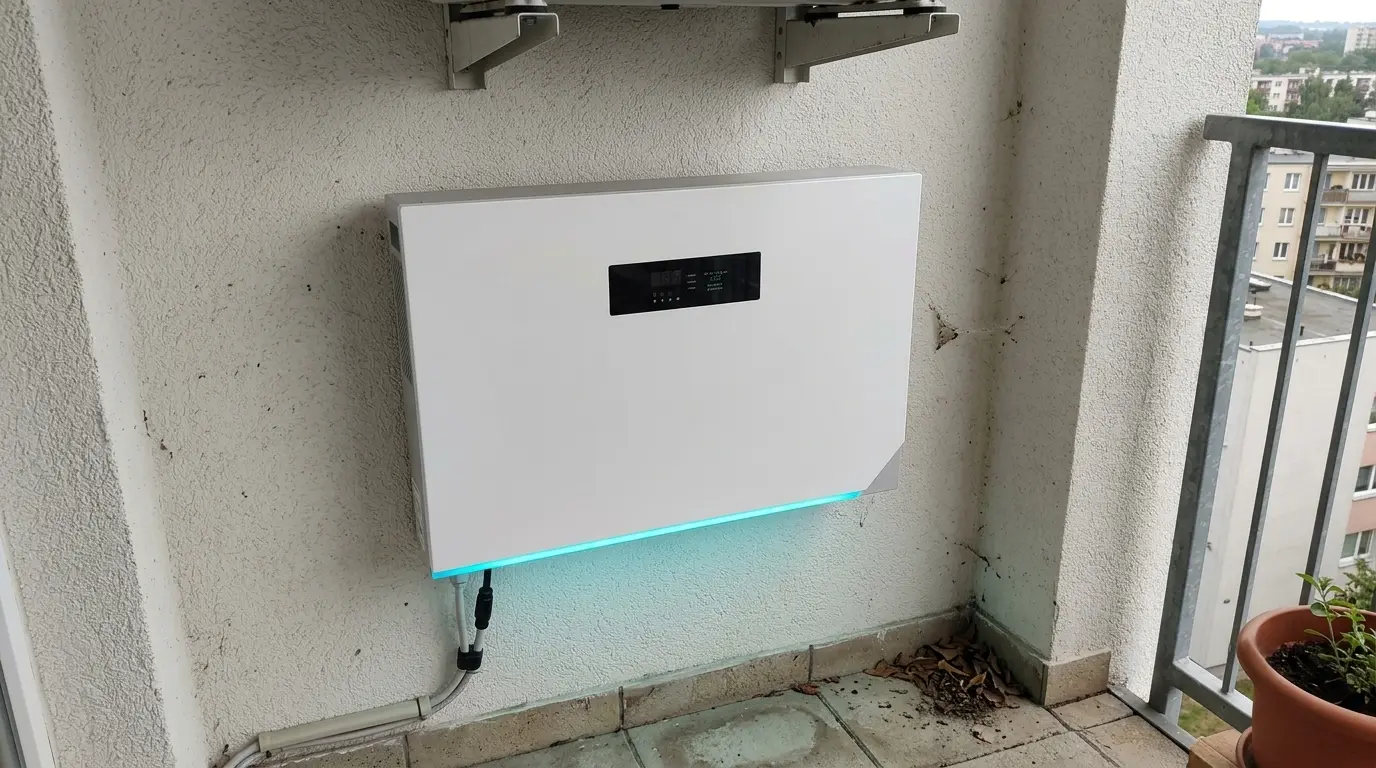
Choosing from the best home battery brands comes down to matching your specific energy goals with the right engineering. The market in 2026 offers highly specialized residential energy storage systems (ESS), whether your priority is seamless solar integration or complete off-grid independence.
Here is how the top contenders stack up for U.S. homeowners.
Tesla Powerwall 3: Best All-Around Integration
Tesla remains a dominant force by streamlining the installation process. The Powerwall 3 shifts away from traditional AC-coupling by integrating a powerful hybrid solar inverter directly into the unit.
- Core Strength: Exceptional continuous power output of up to 11.5 kW. A single unit can comfortably kickstart heavy loads like a central air conditioner during an outage.
- System Architecture: True DC-coupled storage setup, minimizing efficiency losses when transferring power from your solar panels straight into the battery cells.
- Best For: Homeowners installing brand-new solar-plus-storage systems who want a single app to manage everything.
Enphase IQ Battery 5P: Best for Solar Self-Consumption & Reliability
Enphase takes a distributed architectural approach, placing multiple microinverters inside each battery enclosure. This eliminates single points of failure.
- Core Strength: Extreme reliability and granular control over solar self-consumption. If one microinverter encounters an issue, the rest of the system keeps running smoothly.
- Response Time: Utilizes a wired control system called Control Wire, offering near-instantaneous backup switching during grid failures.
- Best For: Homeowners with existing Enphase microinverter solar arrays who want a reliable, modular fallback strategy to optimize Time-of-Use (TOU) utility rates.
FranklinWH aPower 2: Best for Complex Whole-Home Backups & Retrofits
The FranklinWH system is engineered specifically to manage large, complex household electrical loads without needing a massive battery bank.
- Core Strength: Its intelligent aGate control panel manages up to two 50A loads automatically. It integrates beautifully with existing solar setups, standby generators, and the grid simultaneously.
- Versatility: The robust design handles high peak surge power demands effortlessly, making it the premier choice for older homes with challenging electrical panels.
- Best For: Comprehensive whole-home backup power retrofits where a traditional battery might struggle to handle the initial surge of heavy appliances.
Value & Modular Innovators (Anker Solix X1 / EG4 Series): Best for Custom Scalability
For those looking for high performance without the premium brand markup, modular innovators are changing the game by utilizing ultra-safe Lithium Iron Phosphate (LFP) chemistry.
- Core Strength: True modular scalability. These systems let you stack slim battery blocks as your energy needs grow, minimizing upfront costs.
- Customization: If you are building highly customized configurations or setting up robust off-grid energy storage systems, these platforms give you deep control over charging parameters through an advanced battery management system (BMS).
- Best For: Budget-conscious homeowners and DIY enthusiasts looking for scalable, high-capacity setups tailored to exact specifications.
| Brand & Model | Chemistry | Coupling Type | Usable Capacity (kWh) | Best Application |
|---|---|---|---|---|
| Tesla Powerwall 3 | LFP | DC-Coupled | 13.5 | New Solar Installations |
| Enphase IQ 5P | LFP | AC-Coupled | 5.0 (Modular) | TOU Rate Optimization |
| FranklinWH aPower 2 | LFP | AC-Coupled | 13.6 | Complex Whole-Home Backup |
| Anker Solix X1 / EG4 | LFP | Flexible | Customizable | Budget-Friendly Scalability |
The Hidden Engine: Why OEM/ODM Engineering Shapes Best Home Battery Brands
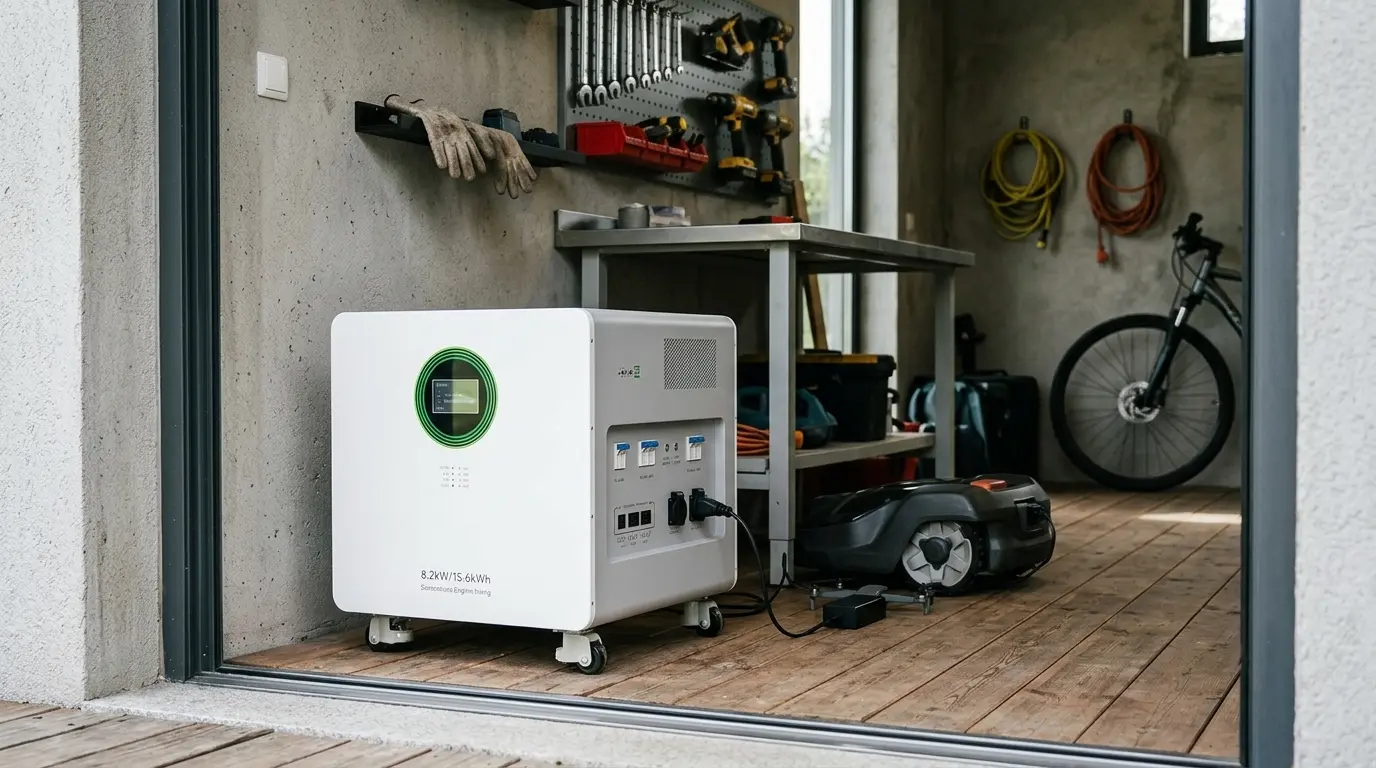
Behind every top-tier residential energy storage system (ESS) is a sophisticated production ecosystem. Many of the industry’s household names do not build their units from scratch; instead, they rely heavily on specialized solar battery OEM/ODM manufacturing. This foundational engineering layer dictates everything from software stability to safety standards, ultimately determining which companies emerge as the market leaders.
Decoding the Supply Chain
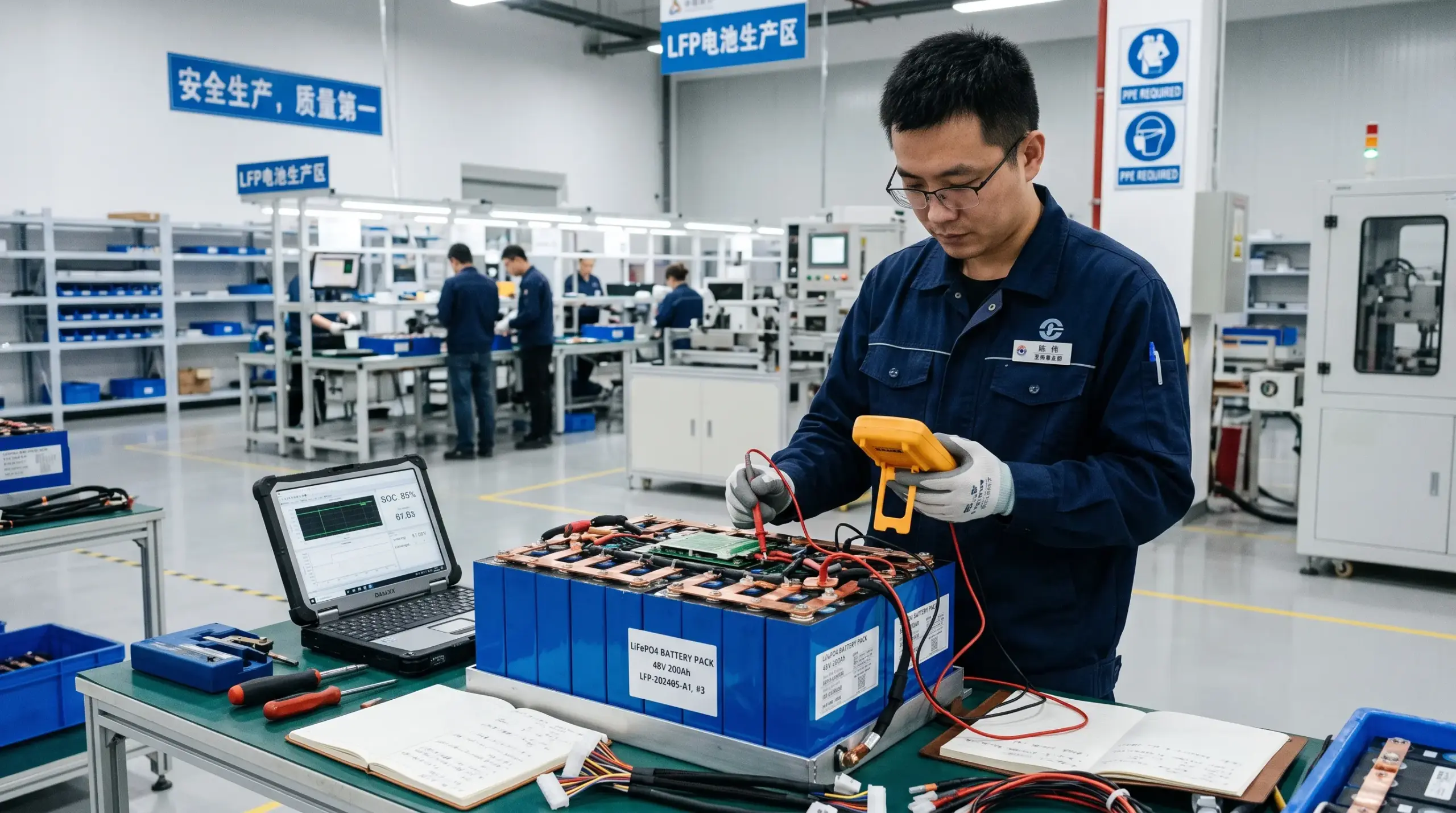
The journey from raw materials to a finished residential battery pack involves deep integration. High-performing brands collaborate closely with original equipment manufacturers (OEMs) to source high-grade Lithium Iron Phosphate (LFP / LiFePO4) cells. These cells are then paired with a proprietary battery management system (BMS) that monitors voltage, temperature, and cell balancing. By controlling this supply chain, a brand ensures that its hardware delivers consistent whole-home backup power without unexpected thermal degradation.
Spotlight on Customization
To win over local United States customers, hardware must adapt to specific regional demands. A standard global battery rarely fits the exact needs of American homeowners, who often face extreme weather events and complex grid structures. ODM (Original Design Manufacturing) partners allow platforms to inject custom specifications into their product lines, such as:
- Enhanced Peak Surge Power: Vital for starting heavy loads like 3-ton central HVAC systems during grid failures.
- Tailored Enclosures: Weather-rated NEMA 3R or NEMA 4X housing designed specifically for harsh outdoor installations in regions like Texas or the Northeast.
- Smart Application Interactivity: Customized software layers that align perfectly with local Time-of-Use (TOU) rate optimization policies.
The OEM Advantage
Leveraging established manufacturing frameworks allows us to bring commercial-grade reliability directly to your doorstep. Instead of reinventing the wheel, engineering efforts focus on optimizing round-trip efficiency ratings and expanding modular scalability. For developers and installers looking to secure high-quality hardware at scale, sourcing a reliable wholesale home backup battery ensures access to these exact commercial-grade standards, lowering upfront costs while maintaining premium performance. This manufacturing strategy creates a reliable net metering fallback strategy, ensuring your home remains powered while maximizing long-term energy independence.
Local Buying Guide & Financial Incentives for the Best Home Battery Brands
Investing in the best home battery brands requires more than just picking a top-tier manufacturer. To maximize your return on investment (ROI), you need to navigate local American incentive programs, utility rules, and precise sizing requirements.
Maximizing ROI with Incentives
The financial viability of a residential energy storage system (ESS) drops significantly without leveraging federal and local incentives. In the United States, these cost-saving measures turn a luxury backup system into a smart, income-generating asset.
- Federal Residential Clean Energy Credit: Covers 30% of the total installation cost of your battery storage system under Section 25D. This applies whether the battery is paired with new solar or installed as a standalone retrofit.
- State-Level Rebates: Programs like California’s Self-Generation Incentive Program (SGIP) or New York’s NYSERDA offer thousands of dollars in direct cash-back rebates based on battery capacity.
- Time-of-Use (TOU) Rate Optimization: The smartest way to boost ROI is using your battery management system (BMS) to store cheap power (off-peak) and discharge it when grid prices skyrocket (on-peak).
Local Utility Interconnection & Strategies
Connecting your battery to the local grid requires navigating utility policies. Because traditional net metering is being replaced by weaker fallback strategies across many states, your battery serves as an economic shield.
- Net Billing Interconnection: With policies like California’s NEM 3.0, exporting solar energy to the grid pays pennies. Storing that power in a battery for home consumption is the only way to save your solar investment.
- Virtual Power Plants (VPPs): Many utilities now pay homeowners to discharge their batteries during peak grid stress. Programs run by companies like Tesla or local aggregators offer annual payouts or bill credits for participating.
Calculating Sizing Requirements
Getting the right battery capacity means matching your home’s daily load with the battery’s continuous power output and usable capacity (kWh).
| Backup Strategy | Typical Usable Capacity Needed | Target Loads Covered |
|---|---|---|
| Critical Loads Backup | 5 – 10 kWh | Refrigerator, lights, Wi-Fi, phone chargers, security systems. |
| Whole-Home Backup Power | 15 – 30+ kWh | Central AC, electric dryers, well pumps, kitchen appliances. |
| Daily Solar Self-Consumption | 10 – 15 kWh | Offsetting evening energy use to avoid peak TOU rates. |
To calculate your exact needs, review your utility bill for your highest daily kilowatt-hour (kWh) usage. For advanced setups, a specialized 10kw household energy backup station offers an optimized balance of storage and delivery, ensuring your home runs seamlessly through extended grid outages while keeping your energy bills completely optimized.