 English
  العربية
  日本語
日本語  한국어
한국어  Tiếng Việt
  ไทย
ไทย  Bahasa Melayu
  فارسی
فارسی  Bahasa Indonesia
  ဗမာစာ
ဗမာစာ  简体中文
简体中文  香港中文
香港中文  繁體中文
繁體中文  Русский
  Deutsch
  Nederlands
  Italiano
  Français
  Español
  Português
  Afrikaans
  Azərbaycan dili
  Български
  ਪੰਜਾਬੀ
  हिन्दी
  اردو
اردو  বাংলা
বাংলা  Հայերեն
  Íslenska
  Қазақ тілі
  नेपाली
  Српски језик
  Kiswahili
  తెలుగు
  Basa Jawa
  தமிழ்
தமிழ்  मराठी
मराठी The Importance of Backup Power Inverters During Outages
The inverter determines how stored DC energy becomes usable AC power. Output quality, surge performance, battery compatibility, and system architecture all shape the result.
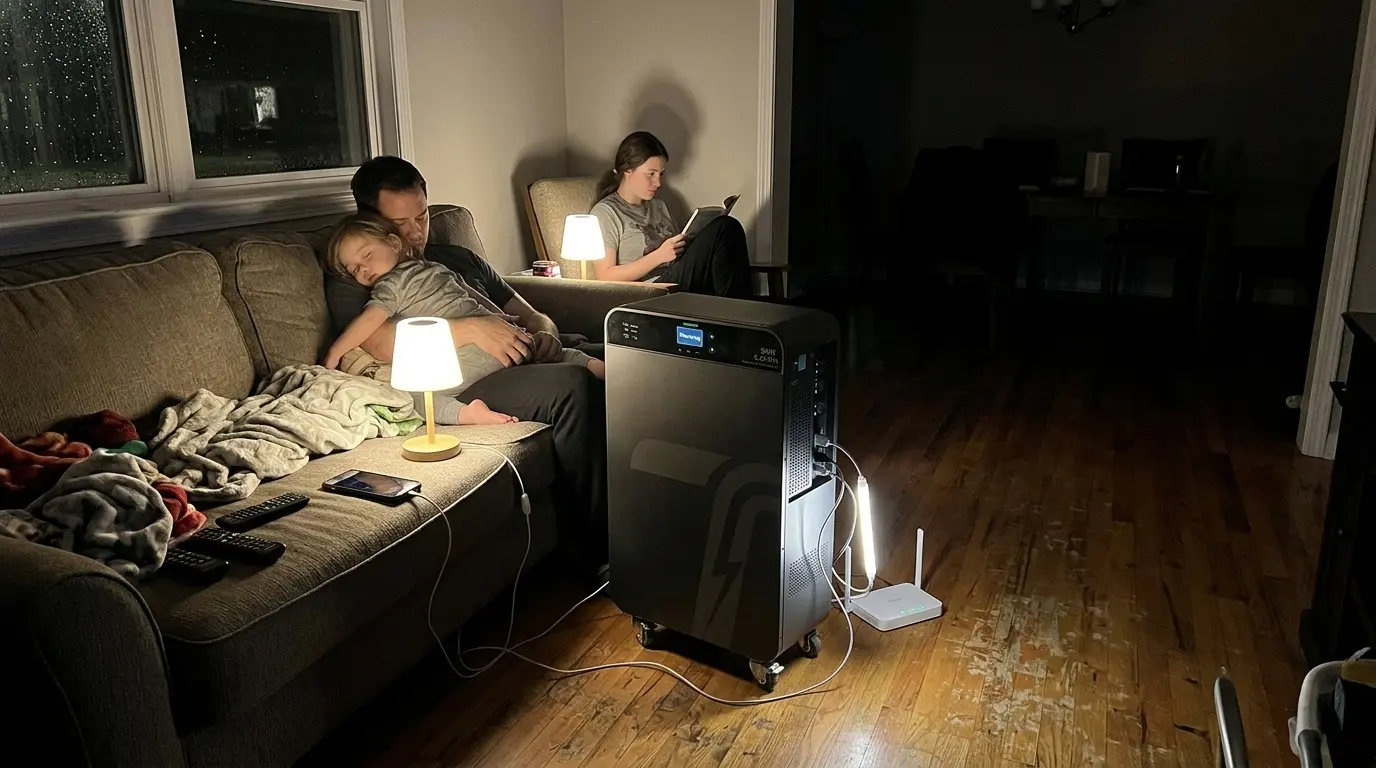
A power outage can do more than interrupt your day. It can damage sensitive electronics, disrupt work, and leave essential appliances without reliable electricity.
That is why backup power inverters matter. They convert stored DC battery power into usable AC electricity, provide a smooth transition during blackouts, and help protect devices from voltage fluctuations.
In this guide, you’ll learn the importance of backup power inverters, how pure sine wave technology works, and what to consider when choosing the right wattage, battery compatibility, and safety features for your needs.
Why Backup Power Inverters Are Vital During Outages
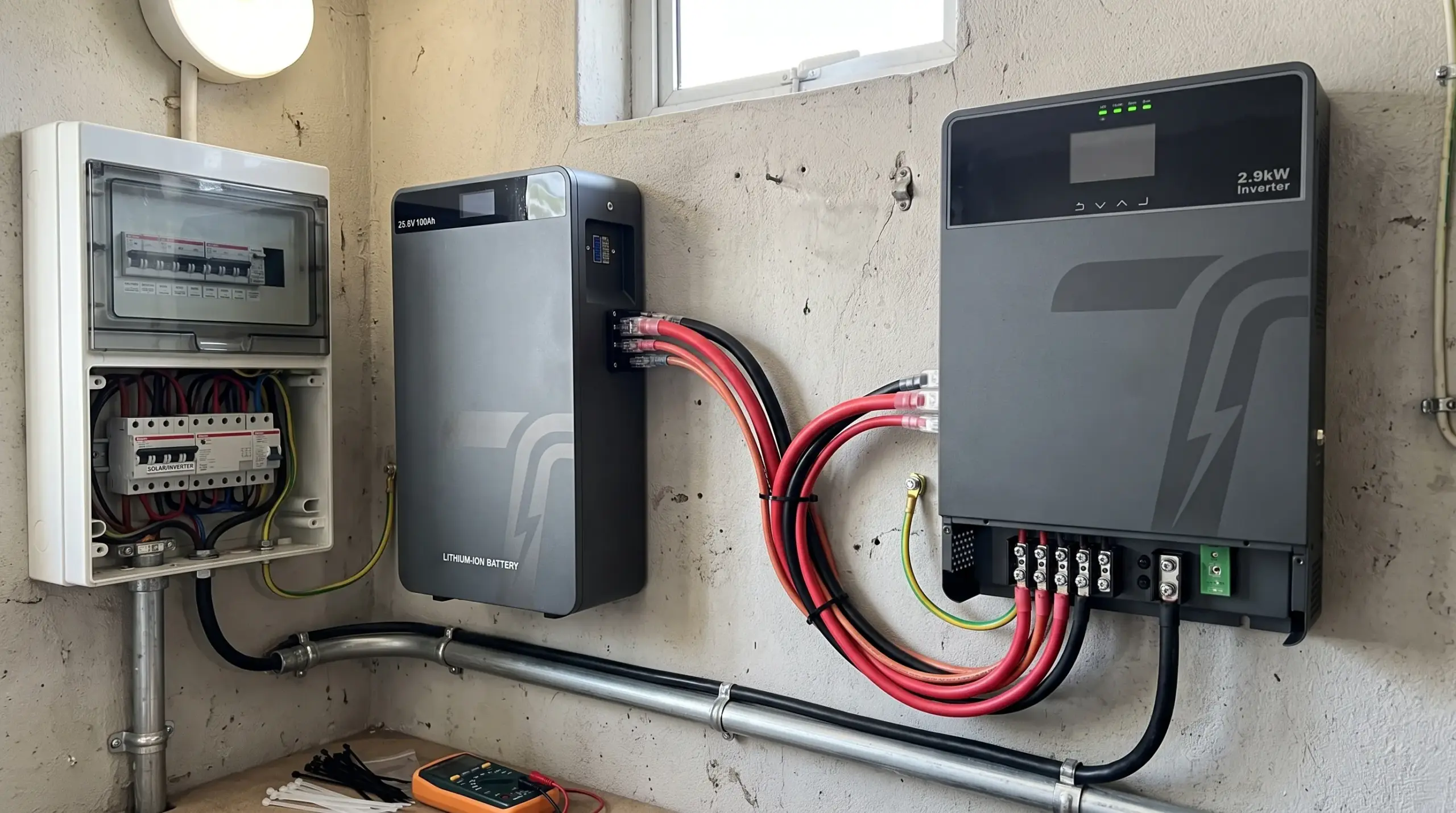
When the grid fails, a backup power inverter converts stored DC energy from a battery into usable AC electricity for essential equipment. This helps maintain power for homes, remote sites, IT systems, and other critical loads without relying entirely on the grid.
Silent, Emissions-Free Emergency Power
Battery-based backup power provides a quiet alternative to combustion generators. During an outage, a battery inverter backup power system can support essential equipment without on-site fuel burning or engine noise.
Key benefits include:
- Quiet operation for homes, offices, and sensitive environments
- No on-site combustion emissions during battery operation
- Reliable emergency power for selected loads
- Compatibility with portable power stations and modular energy storage systems
Seamless Power Transition
A backup power inverter can help maintain energy continuity when grid power is interrupted. When paired with suitable battery storage and system controls, it supports an Emergency Power Supply (EPS) or Uninterruptible Power Supply (UPS) setup for essential equipment.
A well-designed system can help reduce disruption to:
- Home networking and communication equipment
- Security systems
- IT and telecom infrastructure
- Refrigeration and other essential appliances
- Selected lighting and business equipment
The actual runtime and transition performance depend on the inverter configuration, battery capacity, connected load, and system installation.
Protection for Sensitive Electronics
Power quality matters during an outage. TURSAN inverters use pure sine wave output, which is designed to provide stable electricity with low interference and low noise. This makes the technology suitable for equipment that may be sensitive to unstable power.
Pure sine wave backup power can support:
- Computers and networking equipment
- Refrigerators and other motor-driven appliances
- Communications systems
- Security and monitoring equipment
- Other critical electronic loads within the inverter’s rated capacity
For dependable home backup power, the inverter and battery should be selected according to the equipment’s continuous demand and starting requirements.
Pure Sine Wave vs. Modified Sine Wave: Understanding Power Quality
The Pure Sine Wave Advantage
Power quality matters whenever backup power runs sensitive or high-demand equipment. A pure sine wave inverter produces a smooth AC output designed for stable device operation, with:
- Low electrical interference
- Low operating noise
- Strong load capacity
- Reliable power for computers, refrigerators, communications equipment, and other sensitive electronics
For systems that require dependable conversion from battery DC to usable AC power, a 5kW pure sine wave inverter provides a practical reference point for commercial and residential backup planning.
Risks of Modified Wave Output
Modified sine wave output is less consistent than pure sine wave power. It may cause unwanted noise, interference, or unstable performance in equipment that relies on clean electrical input. This can affect appliances with motors, power supplies, or electronic controls, making modified output a less suitable choice for demanding backup applications.
High-Grade Inverter Architecture for Load Safety
A dependable backup power inverter should match output quality with the intended load. TURSAN off-grid and hybrid inverter ranges use pure sine wave technology and include models from 1.2kW to 12kW, supporting different backup requirements. Correct capacity selection helps maintain stable operation without placing unnecessary stress on the inverter or connected equipment.
Off-Grid vs. Hybrid Inverters: Selecting the Right Architecture
The importance of backup power inverters depends on how much control I need over solar generation, battery storage, and grid supply. I generally compare these two architectures:
| Inverter type | Capacity range | Best suited for | Main function |
|---|---|---|---|
| Off-grid inverter | 1.2kW-12kW | Remote properties, weak-grid areas, and independent power systems | Converts battery power into stable AC electricity and supports solar charging through built-in MPPT integration |
| Hybrid inverter | 5.6kW-12kW | Homes, commercial sites, and grid-connected solar systems | Coordinates solar generation, the utility grid, and battery storage |
Off-Grid Inverters: 1.2kW-12kW Systems
An off-grid solar inverter is designed for systems that need strong independence from the utility grid. TURSAN off-grid models range from 1.2kW to 12kW and include MPPT solar integration. This makes them suitable for backup power systems serving homes, remote sites, and other locations where grid access is limited or unreliable.
For stable operation, I match the inverter output with the connected battery capacity and the expected household or site loads. TURSAN’s 12kW pure sine wave inverter is an example of a higher-capacity option for demanding installations.
Hybrid Inverters: 5.6kW-12kW Systems
A hybrid backup inverter combines multiple energy sources in one system. TURSAN hybrid inverters are available from 5.6kW to 12kW, supporting coordination between:
- Solar PV generation
- Battery storage
- Utility grid power
- Backup loads
This architecture gives me more flexibility when the site remains grid-connected but still needs reliable battery backup during outages or unstable supply conditions.
Peak Shaving and Time-of-Use Optimisation
Hybrid inverters also support peak shaving and time-of-use optimisation. The system can store energy when electricity costs are lower and discharge battery power during higher-rate periods. This helps businesses and households manage energy use while keeping stored power available for backup.
The right choice is straightforward:
- Choose off-grid for maximum grid independence.
- Choose hybrid for flexible solar, battery, and grid management.
- Base the final inverter size on continuous loads, surge requirements, battery storage, and the intended backup strategy.
Battery Integration & Smart System Safety
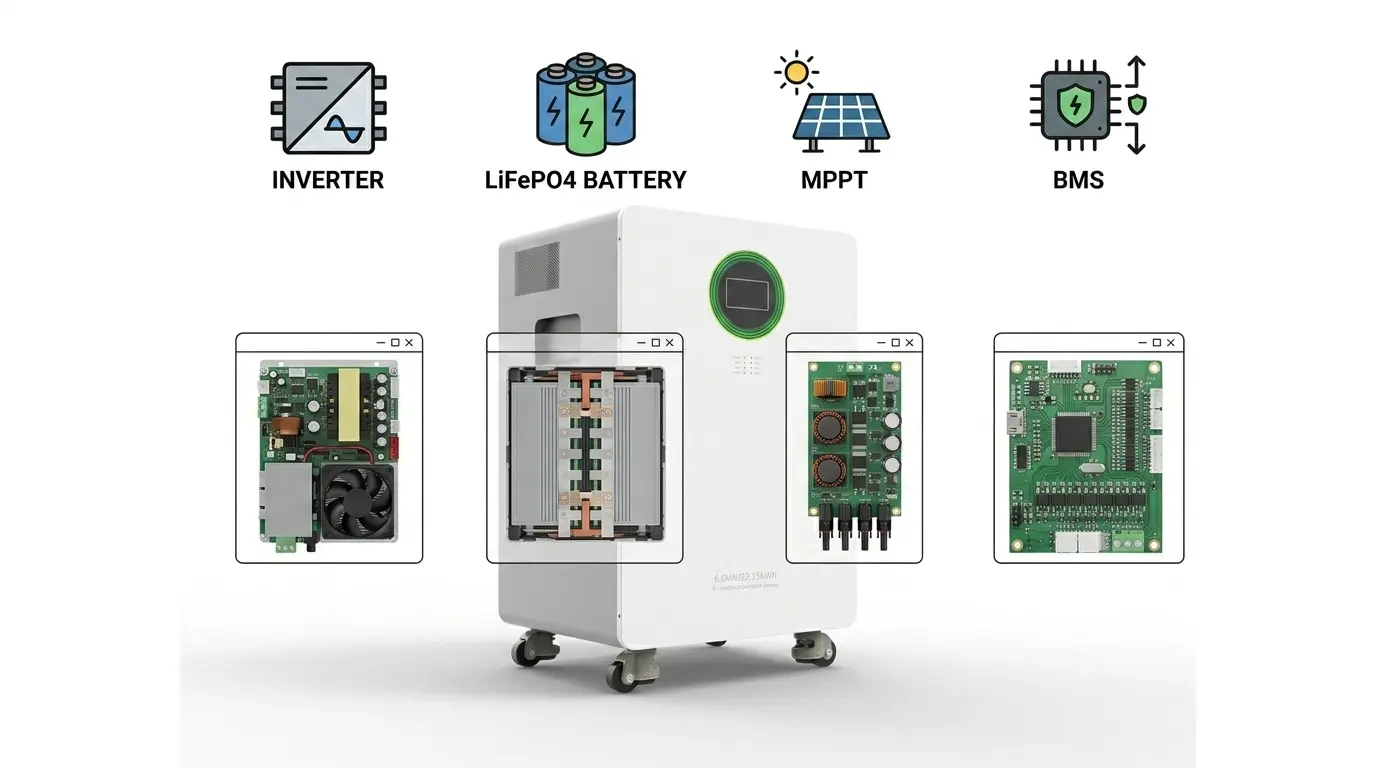
LiFePO4 Battery Integration
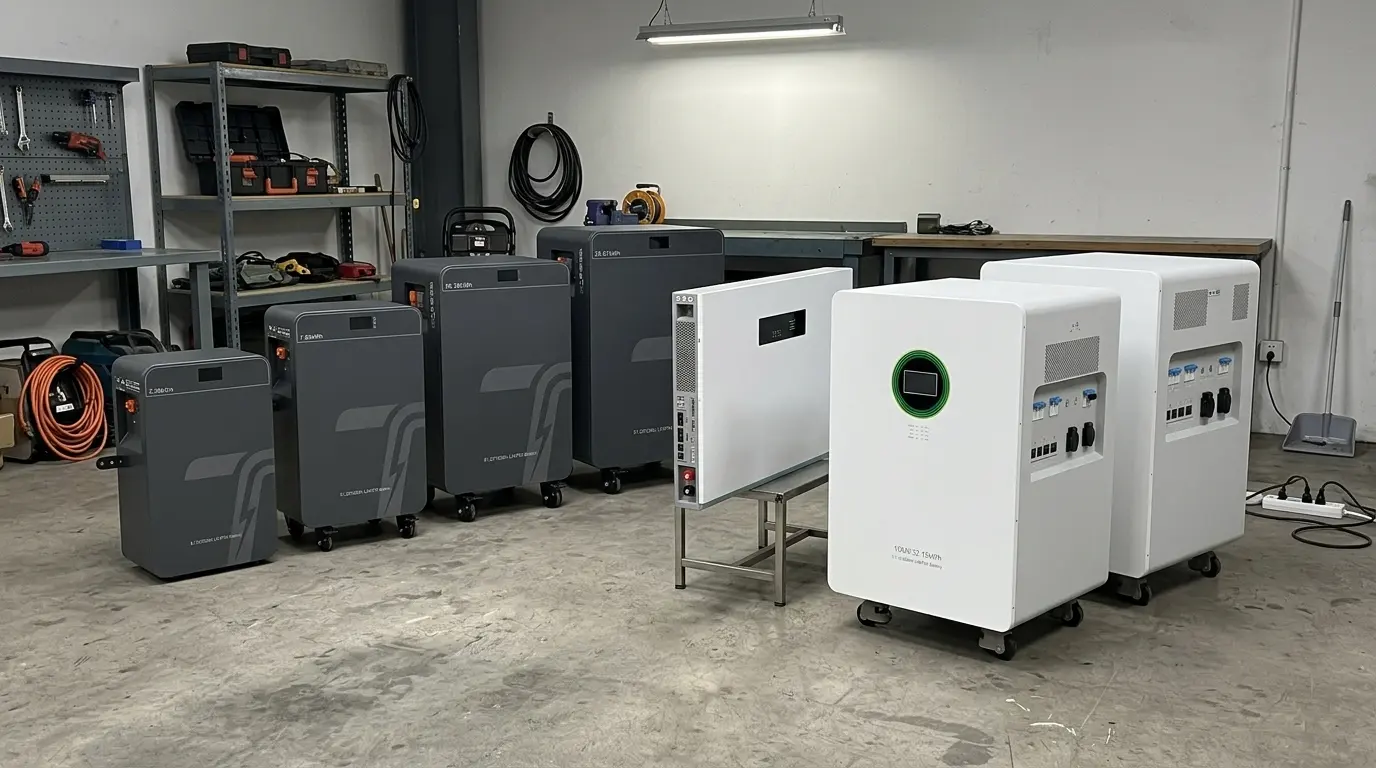
A reliable backup power inverter should work as part of a complete battery storage system. TURSAN systems use LiFePO4 (LFP) prismatic cells, combining stable energy storage with a cycle life of 6,000+ cycles and a 5-year warranty.
This chemistry supports several backup formats, including:
- Wall-mounted battery systems
- Floor-standing energy storage
- Stackable battery packs
- All-in-one inverter and battery systems
- Compact rack-mount ESS for IT, security, and telecom applications
For project planning, choosing a suitable floor-standing LiFePO4 battery manufacturer can help align battery capacity, inverter output, and installation requirements.
Intelligent BMS Protection
The intelligent BMS (Battery Management System) is an important part of a battery inverter backup system. It supports coordinated battery monitoring and system protection, helping the inverter and battery operate as an integrated unit.
TURSAN battery systems include smart BMS support for:
- IoT-enabled system management
- Bluetooth and Wi-Fi connectivity
- Multiple API protocols
- Monitoring across residential, commercial, and off-grid installations
Smart Connectivity
Connectivity makes system status easier to monitor across different backup power applications. Bluetooth, Wi-Fi, IoT, and API support can help installers, distributors, and system operators manage connected energy storage equipment more efficiently.
This combination of LiFePO4 battery integration, intelligent BMS functions, and smart connectivity provides a practical foundation for stable solar inverter backup power, home energy storage, and commercial backup systems.
Key Use Cases for Backup Power Inverters
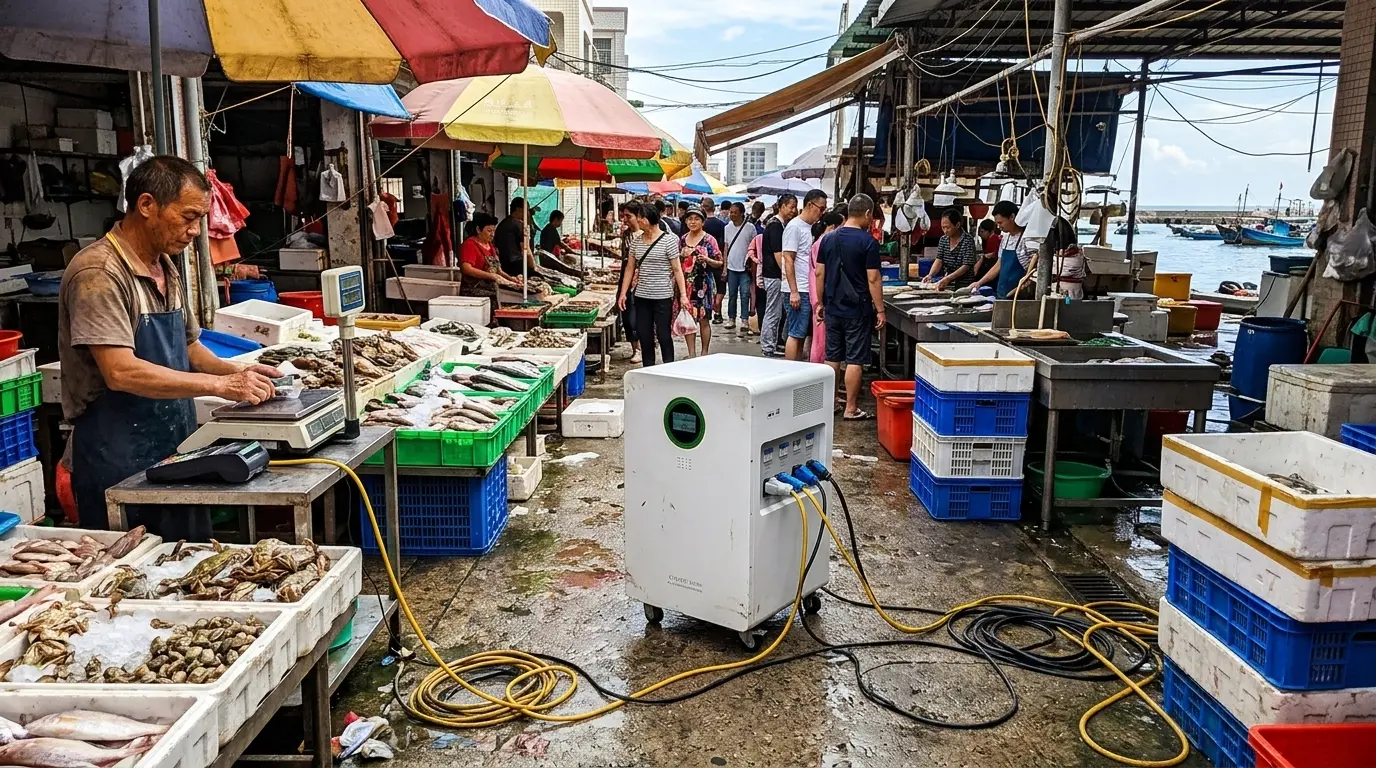
I use backup power inverters where a stable supply is important during blackouts, weak-grid conditions, or off-grid operation. TURSAN systems combine battery storage with pure sine wave conversion for residential, commercial, and portable applications.
Residential Backup for Critical Home Loads
A home backup power inverter can support selected essential loads when grid power fails, including:
- Lighting and communication equipment
- Refrigerators and other household appliances
- Home networking and electronic devices
- Essential equipment connected to a compatible battery system
Available inverter outputs range from 1.2kW to 12kW, helping installers and homeowners match the system to the required load.
Sump Pump and Emergency Drainage Protection
A sump pump depends on reliable power during heavy rain and drainage emergencies. A correctly sized sump pump backup power inverter can supply stored battery energy to compatible pumping equipment during an outage.
For motor-driven loads, I recommend checking both the pump’s continuous running demand and its starting surge before selecting the inverter. The final system must also match the battery voltage, storage capacity, and inverter output.
Commercial and IT Infrastructure Safeguards
Commercial sites need backup power for equipment that supports daily operations. TURSAN’s compact 5.22kWh, 51.2V rack-mount ESS is designed for 19-inch rack environments and can support applications such as:
- IT infrastructure
- Security systems
- Telecom equipment
- Portable power setups
Pure sine wave output helps reduce electrical interference and supports stable operation for compatible sensitive devices.
Off-Grid and Portable Applications
For cabins, remote work sites, field operations, and emergency use, an off-grid solar inverter can convert stored DC battery power into usable AC electricity. Off-grid models include built-in MPPT solar integration, while portable power stations are available from 300W to 3600W, with storage capacities from 1004.8Wh to 3225.6Wh.
For mobile and temporary power needs, portable LFP power stations provide a practical battery-based alternative to fuel-powered equipment. The working principles of portable solar generators also show how solar input, battery storage, and inverter conversion work together in a clean backup power system.
Key Criteria for Sizing and Choosing an Inverter
Choosing a backup power inverter starts with the loads it must support, the battery capacity available, and the installation environment. I focus on three practical factors: power demand, physical format, and documented safety compliance.
Calculate Running and Surge Wattage
The inverter must support the combined continuous wattage of the appliances operating at the same time. Motors in refrigerators, pumps, and similar equipment may also require extra starting power, known as surge wattage.
| Power requirement | What to check |
|---|---|
| Continuous load | Total wattage during normal operation |
| Surge load | Short-term starting demand from motor-driven equipment |
| Battery capacity | Available stored energy for the intended backup period |
| Inverter rating | Suitable output from 1.2kW to 12kW, depending on the system |
I also match the inverter with the battery’s voltage and capacity. TURSAN systems support LiFePO4 storage from 1.28kWh to 32.15kWh, with system voltages including 12.8V, 25.6V, 48V, and 51.2V. For larger home or commercial installations, reviewing how to choose a floor-standing LiFePO4 battery manufacturer can help align the battery enclosure, capacity, and inverter requirements.
Select the Right Form Factor
The physical design should suit the available space and installation method:
- Wall-mounted systems: Useful where floor space is limited.
- Floor-standing systems: Suitable for larger battery storage and fixed energy installations.
- Stackable all-in-one ESS: Supports modular deployment with integrated inverter and battery components.
- Rack-mount ESS: The compact 5.22kWh, 51.2V 102Ah chassis fits standard 19-inch rack environments used for IT, security, telecom, and portable power setups.
Check Safety and Regulatory Documentation
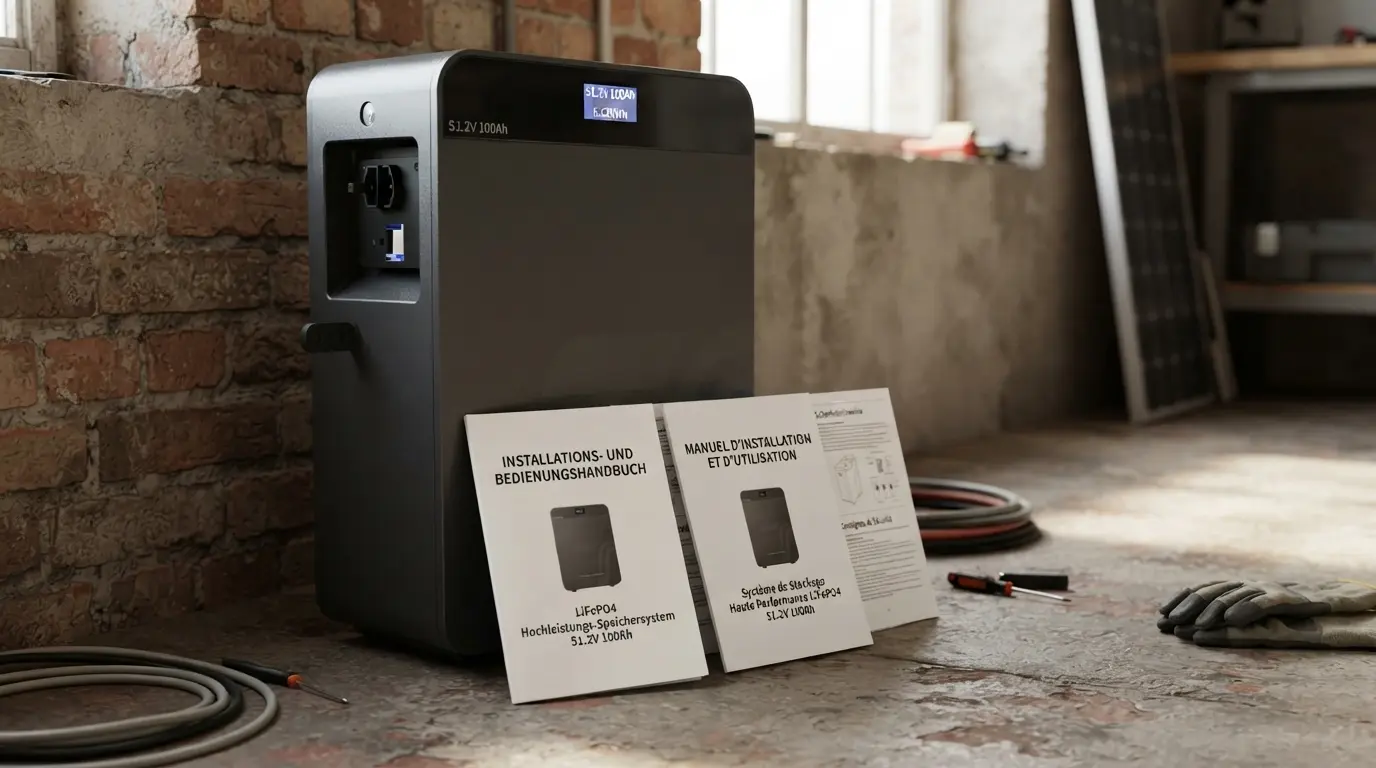
For international projects, I verify the available compliance documents before selecting a battery backup power inverter system. TURSAN lists pre-integrated UL1973, CE, FCC, UN38.3, and MSDS certifications to support product evaluation, transport, and market entry.
A documented compliance package, intelligent BMS, and 6000+ cycle LiFePO4 cells provide a stronger foundation for reliable backup power across residential, commercial, and off-grid applications.
Frequently Asked Questions About Backup Power Inverters
How long can a backup power inverter run household appliances during a blackout?
Runtime depends on the battery capacity, inverter efficiency, and the total load. A simple estimate is:
Runtime (hours) ~ Battery capacity (Wh) x usable battery percentage / Load (W)
For an accurate result, add the running wattage of every appliance and allow extra capacity for start-up surges. TURSAN energy storage systems range from 1.28kWh to 32.15kWh, supporting different home and business backup requirements.
Is a backup inverter safe to operate indoors compared to a gas generator?
A battery backup power inverter does not burn fuel or produce exhaust emissions during operation. This makes it suitable for many indoor backup applications, provided the system is installed and used according to local electrical, ventilation, clearance, and fire-safety requirements. TURSAN systems use LiFePO4 cells, intelligent BMS protection, and pure sine wave output for stable power delivery.
What is the difference between pure sine wave and modified sine wave inverters?
| Feature | Pure sine wave | Modified sine wave |
|---|---|---|
| Power output | Smooth AC waveform | Stepped waveform |
| Sensitive equipment | Better compatibility | May cause noise or operating issues |
| Motor loads | Smoother operation | May create extra heat or noise |
| Best suited for | Home, IT, medical, and commercial loads | Basic, less-sensitive equipment |
For dependable home backup, a pure sine wave backup inverter provides low interference, low noise, high load capacity, and stable device operation.
How do I calculate continuous versus surge wattage for motor loads?
Continuous wattage is the power an appliance uses during normal operation. Surge wattage is the short-term power required when a motor starts, such as in a refrigerator, pump, or compressor.
Use this process:
- Add the continuous wattage of all connected appliances.
- Identify the highest start-up surge among motor-driven loads.
- Confirm that the inverter supports both the total running load and the required surge.
- Select additional capacity when appliance ratings are uncertain.
This sizing method helps prevent overloads and improves blackout protection for pumps, refrigerators, and other motor loads.