 English
  العربية
  日本語
日本語  한국어
한국어  Tiếng Việt
  ไทย
ไทย  Bahasa Melayu
  فارسی
فارسی  Bahasa Indonesia
  ဗမာစာ
ဗမာစာ  简体中文
简体中文  香港中文
香港中文  繁體中文
繁體中文  Русский
  Deutsch
  Nederlands
  Italiano
  Français
  Español
  Português
  Afrikaans
  Azərbaycan dili
  Български
  ਪੰਜਾਬੀ
  हिन्दी
  اردو
اردو  বাংলা
বাংলা  Հայերեն
  Íslenska
  Қазақ тілі
  नेपाली
  Српски језик
  Kiswahili
  తెలుగు
  Basa Jawa
  தமிழ்
தமிழ்  मराठी
मराठी Grid instability is hitting modern communities harder than ever, while the call of the off-grid lifestyle has never been louder. When the lights go out or you hit the open road, you face a critical crossroads: traditional portable generators versus modern portable power stations.
One is a battle-tested, fuel-burning workhorse. The other is a silent, emission-free battery powerhouse.
Choosing the wrong one means either drowning in maintenance costs and noise, or finding yourself underpowered when you need it most. This guide cuts through the marketing fluff to give you an honest, data-driven breakdown of how these technologies actually stack up in the real world.
Let’s dive right in.
Portable Power Station vs Generator: How Do They Actually Work?
When the lights go out or you head off the grid, you need reliable power. But the technology you choose dictates exactly how you’ll get it. While both a portable power station vs generator setup will keep your devices running, they generate and deliver that energy in entirely different ways.
Understanding these core mechanics is the first step in choosing the right backup system for your needs.
What is a Portable Power Station (PPS)?
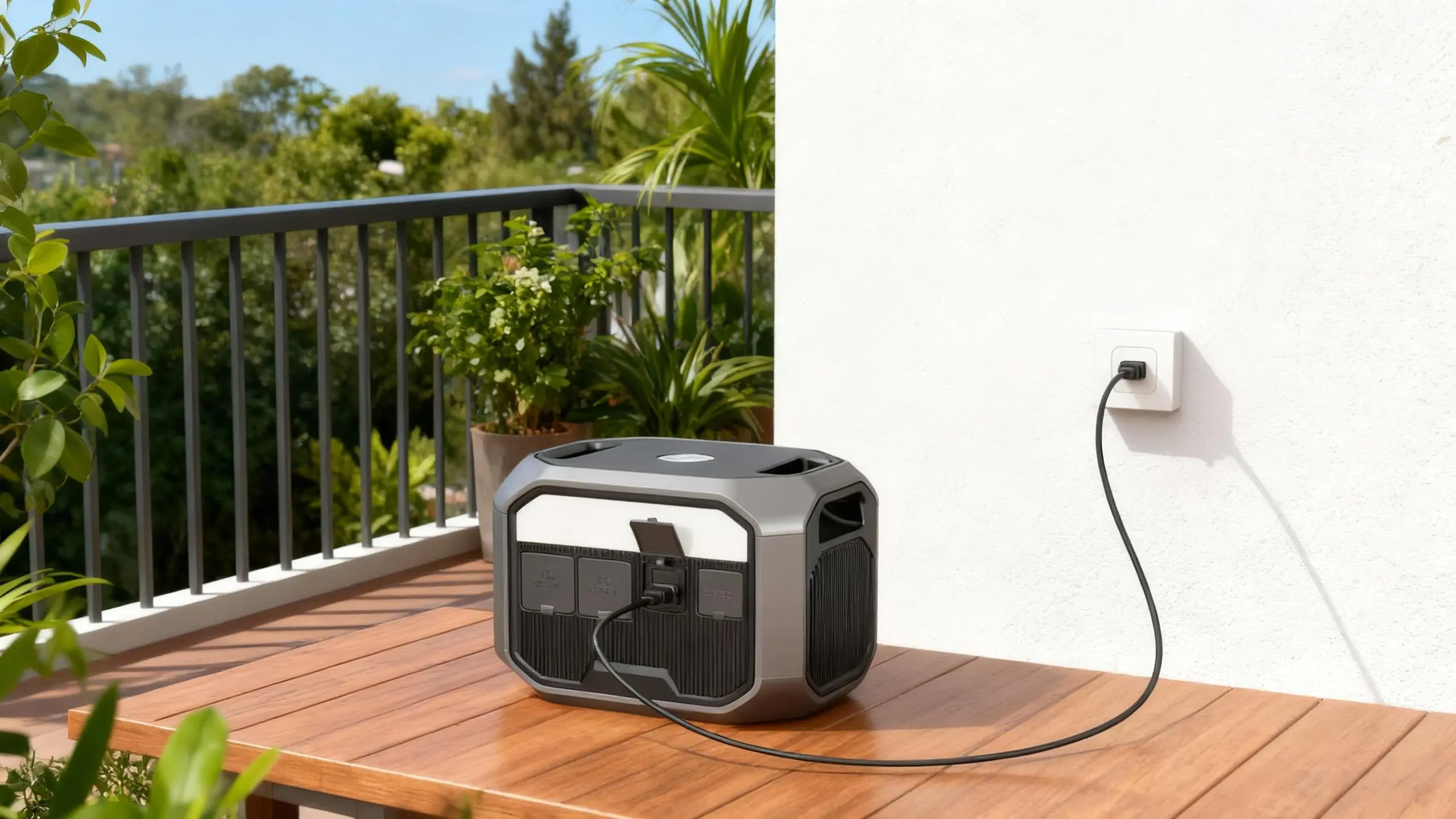
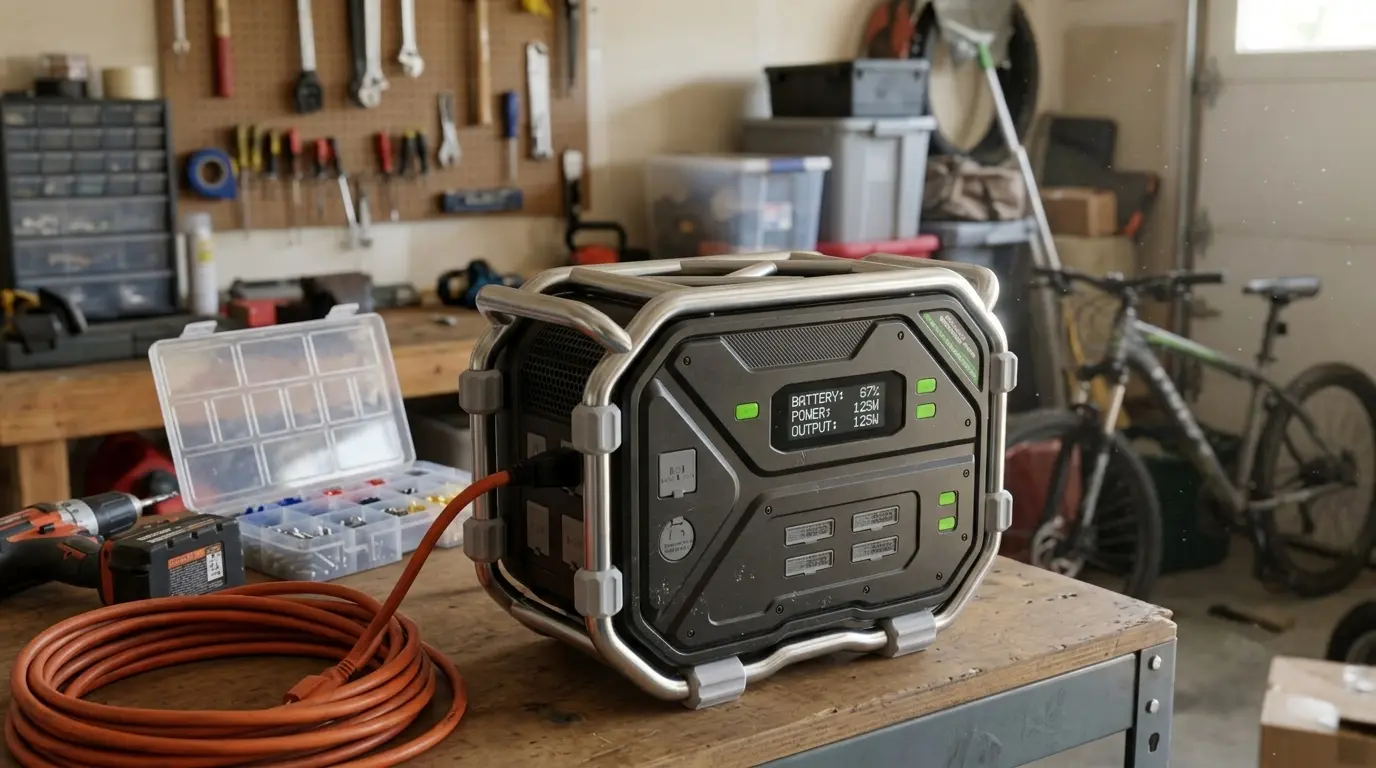
A portable power station is essentially a massive, high-tech battery-powered generator enclosed in a mobile case. Instead of creating energy, it stores it for later use.
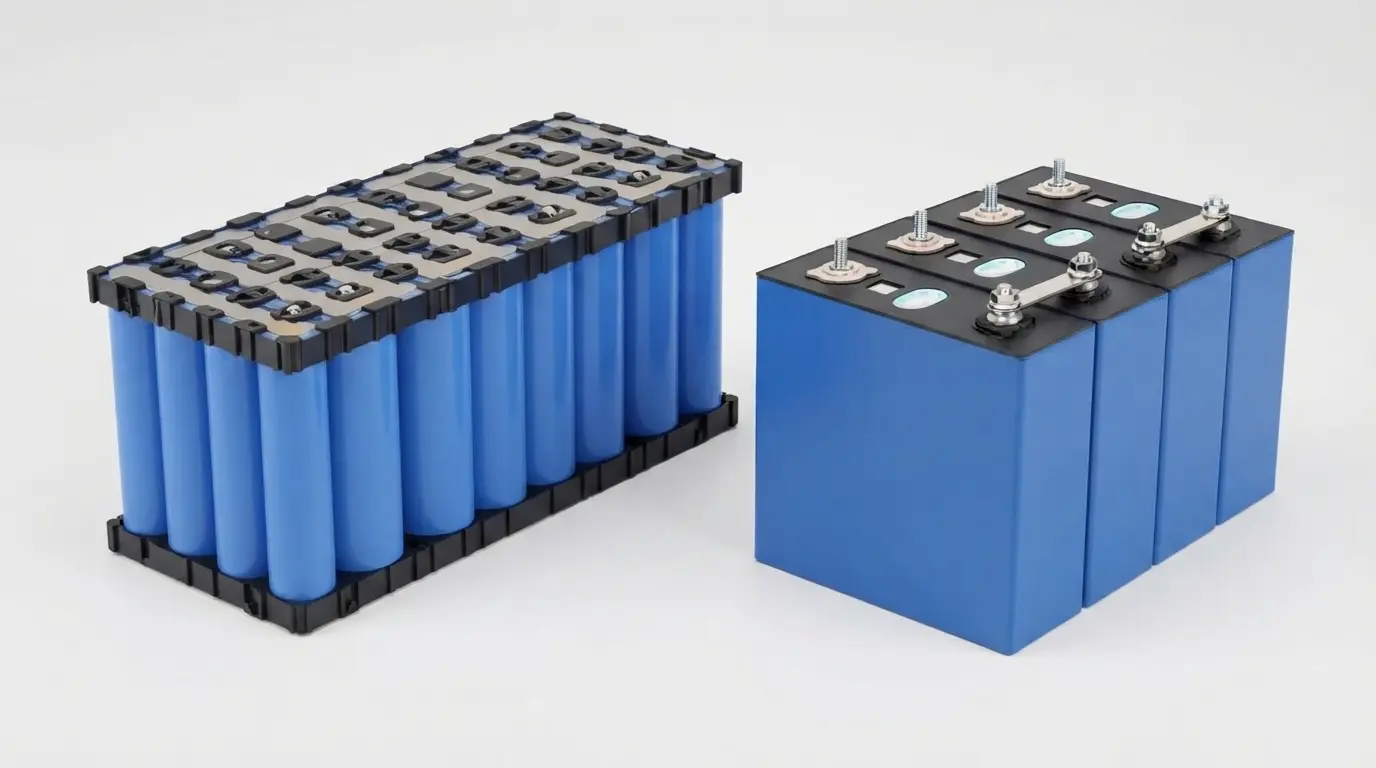
- The Mechanics: A PPS pulls electricity from a standard wall outlet, a car adapter, or solar panels. It stores this energy inside an advanced internal battery pack—typically using lithium iron phosphate (LiFePO4) battery cells in modern units.
- The Delivery: An internal component called an inverter converts the stored Direct Current (DC) power into Alternating Current (AC) power. This allows you to safely plug in standard household appliances.
- The Advantage: Because there is no combustion, a portable solar power station operates completely silently and emits zero fumes, making it an indoor-safe power source.
What is a Traditional Portable Generator?
A traditional portable generator is a compact, mobile power plant that creates electricity on demand by burning fossil fuels.
- The Mechanics: This system relies on an internal combustion engine, closely resembling a small car engine. You pour fuel into the tank, crank the engine, and the mechanical energy turns an alternator.
- The Delivery: The spinning alternator creates raw electrical energy, which is routed directly to the outlets on the control panel.
- The Advantage: As long as you have a steady supply of gas, propane, or diesel, a gas-powered portable generator will continuously produce high-wattage electricity. However, this process creates loud mechanics and toxic exhaust, meaning it must always operate outdoors, far away from windows and doors.
Portable Power Station vs Generator: The Core Differences
When sizing up a portable power station vs generator, you are choosing between stored energy and manufactured energy. They handle electrical loads, fueling, and maintenance completely differently.
Power Output and Capacity (Wattage vs. Watt-Hours)
Traditional generators excel at raw, continuous output. They are rated primarily in Watts (W), which measures the running and starting power they can deliver at any given second. If you need to run high-draw equipment simultaneously, a gas-powered portable generator offers massive headroom.
A battery-powered generator (portable power station) is constrained by two metrics: Watts (instantaneous output) and Watt-Hours (Wh) (total energy capacity). A 2,000W power station can run a 1,000W appliance, but its 2,000Wh capacity means it will drain in roughly two hours.
| Metric | Traditional Portable Generator | Portable Power Station (PPS) |
|---|---|---|
| Primary Rating | Running / Starting Watts | Continuous Watts & Watt-Hours (Wh) |
| Surge Capacity | High (handles heavy motor startups easily) | Limited by internal inverter thresholds |
| Scalability | Fixed output based on engine size | Expandable via modular smart battery packs |
Fuel, Charging, and Runtime Dynamics
Traditional options rely on fossil fuels like gasoline, propane, or diesel. Runtime is limited only by your fuel supply; you simply top off the tank to keep the electricity flowing.
A portable solar power station relies on a clean energy storage system. You recharge it via solar panels, AC wall outlets, or a car port. While it provides fuel-free mobile power, once the battery hits zero, you must wait for it to recharge.
Upfront Investment vs. Total Cost of Ownership (TCO)
Gas units offer a lower upfront cost per watt. However, their total cost of ownership climbs over time due to continuous fuel purchases, oil changes, and spark plug replacements.
A premium indoor-safe power source requires a higher initial investment. But over its lifespan, the operational cost drops to nearly zero because there is no fuel to buy and no mechanical parts to service.
Maintenance, Lifecycles, and Reliability
- Mechanical Generators: Require regular oil changes, fuel stabilizers, carburetor cleaning, and routine startups to prevent the engine from seizing. Neglect directly leads to starting failures during an emergency power outage backup situation.
- Lithium Power Stations: Feature zero moving parts. They require no oil, no filters, and no winterization. Modern units utilizing a lithium iron phosphate (LiFePO4) battery retain their charge for months and easily handle thousands of complete charge cycles before experiencing any noticeable capacity drop.
Safety, Environmental Impact, and Operational Experience
When choosing between a portable power station vs generator, the day-to-day experience comes down to three major factors: safety, noise, and environmental impact. For United States homeowners and outdoor enthusiasts, these factors dictate where, when, and how you can actually use your power backup.
Carbon Monoxide and Indoor Safety
The most critical differentiator is indoor usability. Traditional gas-powered portable generators emit high levels of Carbon Monoxide (CO), a lethal, odorless gas. Because of this, gas generators must never be run indoors, in a garage, or near open windows. They require placement at least 20 feet away from the home in dry weather.
Conversely, a portable power station is a completely indoor-safe power source. Because it relies on battery storage rather than combustion, it emits zero emissions. You can safely operate an eco-friendly power solution right next to your bed, inside a closed tent, or in a tight RV space without any ventilation risks.
Noise Pollution (Decibel Levels)
Operation experience varies wildly when it comes to acoustics. Gas generators use internal combustion engines that create constant noise pollution, typically running between 60 to 80 decibels (dB) at a 20-foot distance—comparable to a vacuum cleaner or noisy traffic. This can violate campground regulations and frustrate neighbors during a residential power outage.
Battery-powered units operate in near-total silence. The only sound comes from small internal cooling fans that kick on during heavy power draws, usually staying below 30 to 45 dB. This makes them the ideal quiet camping power source or an undisruptive companion during overnight home blackouts.
Environmental Footprint and Carbon Goals
As more users look to reduce their carbon footprint, the energy source matters. Traditional generators rely entirely on fossil fuels, requiring you to store and handle flammable gasoline or propane.
Portable power stations serve as a clean energy storage system. They produce zero operational carbon emissions and can be recharged using renewable energy. By pairing them with solar panels, they transform into a self-sustaining solar power generator, allowing you to harvest free, clean energy completely off the grid. For those looking to invest in long-term reliability, working with top-tier portable power station manufacturers ensures you get high-efficiency battery management systems designed to minimize energy waste.
| Feature | Traditional Portable Generator | Portable Power Station |
|---|---|---|
| Indoor Use | Dangerous (Strictly Outdoors) | 100% Indoor Safe |
| Noise Level | Loud (60–80 dB) | Silent to Quiet (30–45 dB) |
| Emissions | High CO & Carbon Output | Zero Emissions |
| Fuel Dependency | Gasoline, Propane, or Diesel | Solar, AC Wall Outlet, or Car Charger |
Scenario-Based Analysis: Portable Power Station vs Generator in Real Life
When deciding between a portable power station vs generator, the right choice always depends on your specific situation. Here is how they stack up in common everyday scenarios.

Scenario A: Emergency Home Backup (Short vs. Long Outages)
For short blackouts lasting a few hours to a day, a battery-powered generator or portable power station is the clear winner. It sits right in your living room, boots up instantly, and safely powers your fridge, Wi-Fi router, and medical devices without fumes.
However, if an extreme storm knocks out the grid for a week, a gas-powered portable generator takes the lead for extended runtime. As long as you have fuel cans, it keeps running. For the best of both worlds, many homeowners now pair a traditional generator with a dedicated home backup battery system to manage energy consumption efficiently without running loud motors through the night.
Scenario B: Camping, RVing, and Van Life
For life on the road or out in the woods, the portable solar power station dominates.
- Zero Noise: National parks have strict decibel limits. A battery station runs completely silent, keeping your campsite peaceful.
- Zero Fumes: You can safely cook and sleep inside your van or tent with an indoor-safe power source.
- Easy Recharging: You can replenish your power using portable solar panels during the day, creating a truly fuel-free mobile power setup.
Scenario C: Professional Jobsites and Heavy-Duty Tools
On a commercial construction site, high-surge power is non-negotiable. Traditional industrial generators excel at running heavy-duty tools like table saws, air compressors, and rotary hammers all day long.
With that said, smart energy storage systems are quickly moving into the trade space. Crews frequently use quiet lithium iron phosphate (LiFePO4) battery units to power sensitive diagnostic equipment, laptops, and cordless tool charging stations right inside the work vehicle without idling a truck engine.
The Hybrid Approach: Portable Power Station vs Generator
For ultimate emergency home backup, choosing between a portable power station vs generator doesn’t have to be an either-or decision. In fact, relying on a single power source leaves you vulnerable. Combining a gas-powered portable generator with a clean energy storage system creates a bulletproof hybrid setup that maximizes efficiency, slashes fuel consumption, and guarantees 24/7 power.
Why the Hybrid Model is the Ultimate Prep
Traditional generators excel at raw output but waste massive amounts of fuel during periods of low power demand. A portable solar power station solves this operational inefficiency. By running both systems together, you create a smart, resilient ecosystem.
- Daytime Bulk Charging: Run your traditional generator for a few hours during the day to power heavy-duty appliances and simultaneously fast-charge your battery-powered generator.
- Nighttime Silent Mode: Turn off the noisy fuel generator at night. Switch entirely to your indoor-safe power source to run refrigerators, medical devices, and fans silently without carbon monoxide risks.
- Fuel Conservation: Instead of running a gas engine 24/7, you only run it when needed. This extends your fuel supply from days to weeks during extended grid failures.
Optimizing Your Backup Infrastructure
To make this hybrid system seamless, your energy storage needs to handle rapid, heavy cycling. Standard lithium batteries wear down quickly under constant charge and discharge stress. Upgrading your storage setup with specialized heavy-duty components ensures your system is always ready. Utilizing a 12v306ah LiFePO4 battery provides the massive capacity and high cycle life required to buffer large generator surges. For space-saving setups, a 12v204ah wall-mounted LiFePO4 battery integrates cleanly into your garage or utility room, acting as the perfect bridge between raw generator power and quiet, eco-friendly power distribution.
| Power System Component | Primary Role in Hybrid Setup | Key Benefit |
|---|---|---|
| Traditional Generator | Bulk power generation and rapid battery charging | High peak wattage |
| Portable Power Station | Silent, indoor-safe power distribution | Zero emissions, instant delivery |
| LiFePO4 Battery Bank | Long-term energy storage and cycling | 3,500+ lifecycles, maximum stability |
B2B Industry Insight: The Engineering Behind Modern Power Supply (Presented by tursan)
As an energy storage OEM/ODM manufacturer, we have seen firsthand how the global demand for reliable mobile power has shifted. Commercial buyers and industrial clients are no longer just looking for raw wattage; they demand smart, scalable, and highly efficient systems. The engineering driving today’s portable power station market focuses on maximizing energy density, streamlining thermal management, and ensuring absolute operational safety.
Transitioning from Traditional to Smart Energy Systems
The shift from a gas-powered portable generator to a clean energy storage system represents a massive technological leap. Traditional generators rely on mechanical combustion, which is noisy, requires heavy maintenance, and offers no data integration. Modern battery-powered generators, by contrast, utilize advanced Battery Management Systems (BMS). This software layer monitors cell voltage, balances charging loads, and provides real-time diagnostics. For businesses deploying field equipment or offering emergency power outage backup solutions, this transition means moving toward maintenance-free, intelligent hardware that integrates seamlessly with solar arrays and smart grids.
The LiFePO4 Advantage
The cornerstone of modern high-performance energy storage is the Lithium Iron Phosphate (LiFePO4) battery. Compared to older ternary lithium chemistry, LiFePO4 cells offer unmatched thermal stability, a lower risk of thermal runaway, and an exceptional lifespan exceeding 3,000 to 5,000 complete charge cycles. This longevity dramatically lowers the total cost of ownership for commercial applications.
To meet the high-capacity demands of modern off-grid setups and enterprise backup systems, commercial operators frequently utilize heavy-duty commercial cells. For custom high-capacity configurations, integrating a specialized 12V 306Ah wall-mounted LiFePO4 battery provides the precise industrial-grade reliability, extended lifecycle, and stable voltage delivery required for demanding commercial and residential energy storage infrastructures.
Verdict & Decision Matrix: Portable Power Station vs Generator
Choosing between a portable power station and a traditional generator comes down to one thing: your specific power environment. There is no single winner, but there is a clear right choice for your lifestyle or emergency preparedness plan.
If you need a quiet, indoor-safe power source for remote work, camping, or running essential electronics during short blackouts, a battery-powered station is the ideal fit. However, if you need to run high-draw heavy-duty tools or require indefinite emergency home backup during extended natural disasters, a gas-powered portable generator still holds the crown for raw runtime capacity.
The Quick Decision Matrix
This matrix simplifies the choice based on real-world use cases and primary needs.
| Feature / Need | Portable Power Station (PPS) | Traditional Portable Generator |
|---|---|---|
| Operational Environment | Indoor & Outdoor safe (Zero emissions) | Strictly Outdoors (At least 20 feet from home) |
| Noise Level | Silent operation | Loud (50–70+ dB) |
| Maintenance | Zero maintenance | Regular oil changes, fuel stabilization |
| Power Source | Solar panels, AC wall outlets, Car ports | Gasoline, Propane, or Diesel |
| Best For | Tech gear, short outages, quiet camping | Large appliances, jobsites, multi-day blackouts |
Making Your Choice
- Go with a Portable Power Station if: You prioritize clean energy storage systems, silent operation, and immediate, plug-and-play use inside your living room or tent. It is a one-time investment that cuts out ongoing fuel logistics and engine maintenance.
- Go with a Traditional Generator if: You need maximum wattage per dollar to keep massive appliances running for days at a time and you have safe, outdoor ventilation space to run internal combustion equipment.
For more deep dives into clean energy tech, grid independence setups, and system integration strategies, explore our comprehensive portable power station blog to find the perfect setup for your power needs.