 English
  العربية
  日本語
日本語  한국어
한국어  Tiếng Việt
  ไทย
ไทย  Bahasa Melayu
  فارسی
فارسی  Bahasa Indonesia
  ဗမာစာ
ဗမာစာ  简体中文
简体中文  香港中文
香港中文  繁體中文
繁體中文  Русский
  Deutsch
  Nederlands
  Italiano
  Français
  Español
  Português
  Afrikaans
  Azərbaycan dili
  Български
  ਪੰਜਾਬੀ
  हिन्दी
  اردو
اردو  বাংলা
বাংলা  Հայերեն
  Íslenska
  Қазақ тілі
  नेपाली
  Српски језик
  Kiswahili
  తెలుగు
  Basa Jawa
  தமிழ்
தமிழ்  मराठी
मराठी A portable power station can pass UN38.3, arrive safely at a Japanese warehouse, and still fail a compliance review before launch. The usual problem isn’t the LFP cell. It is an incorrect PSE scope decision, a noncompliant AC adapter label, or a test report that covers a cell but not the finished battery assembly.
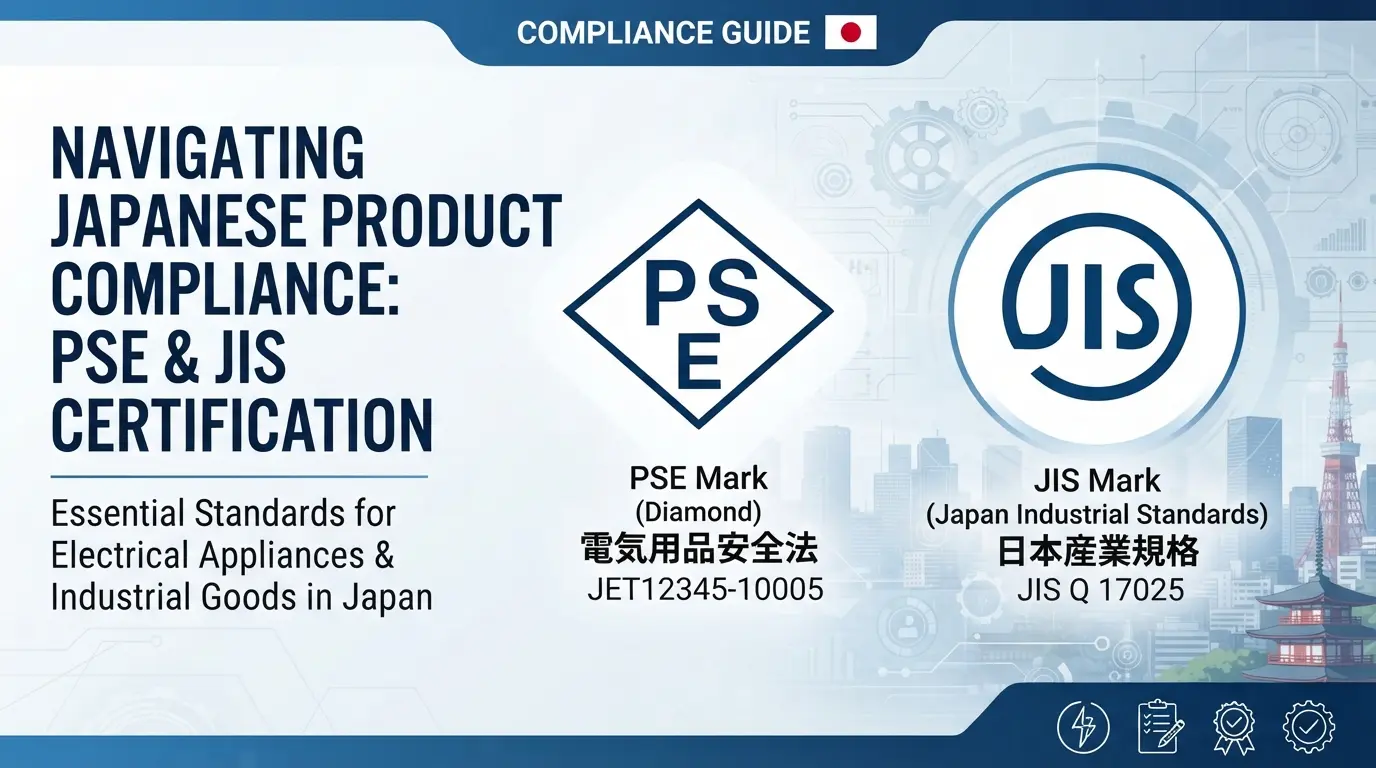
This distinction matters for importers, distributors, and brand owners. Japan’s PSE system under the Electrical Appliances and Materials Safety Act, commonly called DENAN, is a legal market-access regime for products listed by the regulation. JIS documents are technical standards. They may support design verification, customer acceptance, or third-party certification, but a claim such as “JIS compliant” does not automatically satisfy a PSE obligation.
The practical task is to classify every electrical function before tooling. This guide explains how PSE and relevant JIS standards affect lithium energy storage hardware, what evidence a Japanese importer should collect, and where an OEM must lock the design to keep mass production consistent with the tested sample.
The Core Technical Requirement Starts With Product Classification
There is no single PSE certificate that automatically covers every portable power station, residential battery, and commercial storage cabinet. PSE applies only when a component or product falls within a category named under DENAN. The importer or manufacturer must determine that scope from the rated voltage, construction, intended use, battery energy density, charging architecture, and whether a regulated power supply forms part of the package.
For many lithium products, buyers should evaluate at least three layers separately.
- Lithium-ion battery pack – Rechargeable lithium-ion batteries within the regulated scope generally require the circular PSE mark as non-specified electrical appliances and materials. Exclusions and thresholds exist, so the responsible importer must confirm the exact legal classification rather than rely on cell chemistry or watt-hours alone.
- AC adapter or external charger – A regulated AC adapter commonly falls into the specified category and uses the diamond PSE mark. It requires conformity assessment through a registered conformity assessment body, not merely an internal factory test.
- Finished energy storage unit – The complete portable or stationary system may not have one blanket PSE route. Its regulated inputs, power supply, battery pack, cables, and other listed components still need individual assessment. Grid-connected equipment also faces utility interconnection and protection requirements outside the basic PSE discussion.
This creates a common counter-intuitive result. A 1,024 Wh portable power station may not carry one PSE mark for the entire enclosure, while its removable battery and 100 V AC adapter require different markings and different evidence. Printing a circular PSE logo on the power station because the battery passed a test can misrepresent the actual scope.
The battery design must also survive the safety conditions represented in the applicable technical requirements and test standards. For a 16-series LFP pack, a typical nominal voltage is 51.2 V and the fully charged pack reaches 58.4 V when each cell reaches 3.65 V. The BMS should provide cell overvoltage, undervoltage, overcurrent, short-circuit, and temperature protection. A residential 5.12 kWh module may use a continuous discharge limit of 100 A, but the compliance file must show the tested current, fuse rating, conductor size, relay or MOSFET rating, and protection tolerances. A catalog claim alone has no evidential value.
Relevant JIS standards depend on application. JIS C 8712 addresses safety requirements for portable sealed secondary cells and batteries, while JIS C 8715-2 addresses safety requirements for stationary and industrial secondary lithium cells and batteries. Product architecture and use case decide which standard is appropriate. An industrial rack battery tested only as a portable cell product leaves a gap at pack level, where busbars, insulation, enclosure strength, BMS behavior, and propagation risk matter.
Temperature claims need the same discipline. If the datasheet allows discharge from -20 degrees C to 55 degrees C but charging only from 0 degrees C to 45 degrees C, the BMS firmware must block charging below the validated threshold. For a heated battery, document heater power, sensor placement, control hysteresis, and the temperature at which the charge relay closes. Japan’s winter installations can expose wall-mounted batteries to unheated utility rooms, so a generic “low-temperature protection” line is not enough.
The OEM and ODM Edge Comes From Controlling the Compliance File
Japanese buyers rarely need a factory to invent a new cell. They need the factory to keep the certified construction unchanged from sample approval through the fifth container. That requires an engineering change process tied directly to the bill of materials.
For an OEM project, define the compliance boundary before confirming the quotation. List the cell manufacturer and model, BMS hardware revision, firmware checksum, fuse, contactor, insulation material, enclosure, AC adapter, connector family, and cable specification. If the factory replaces a 105 degrees C cable with an 80 degrees C version or changes the adapter supplier after testing, the importer needs a documented impact review and may need additional assessment.
White-label work adds marking obligations. The rating label should match the legal role of the Japanese importer, the applicable PSE mark, product model, electrical ratings, and other required information. The mark cannot be treated as decorative artwork. The responsible business in Japan must complete the required notification, retain compliance records, and ensure that the marked product corresponds to the supporting evidence.
An experienced ODM team should provide a document pack that separates cell, battery, adapter, transport, and system evidence. Ask for the applicable PSE conformity documents, Japanese technical requirement test reports, critical component list, circuit diagrams, PCB layouts, BMS protection settings, label drawing, Japanese manual, UN38.3 test summary, and SDS. For stationary systems, add the relevant JIS test report and any inverter or grid-interconnection evidence required by the customer or utility.
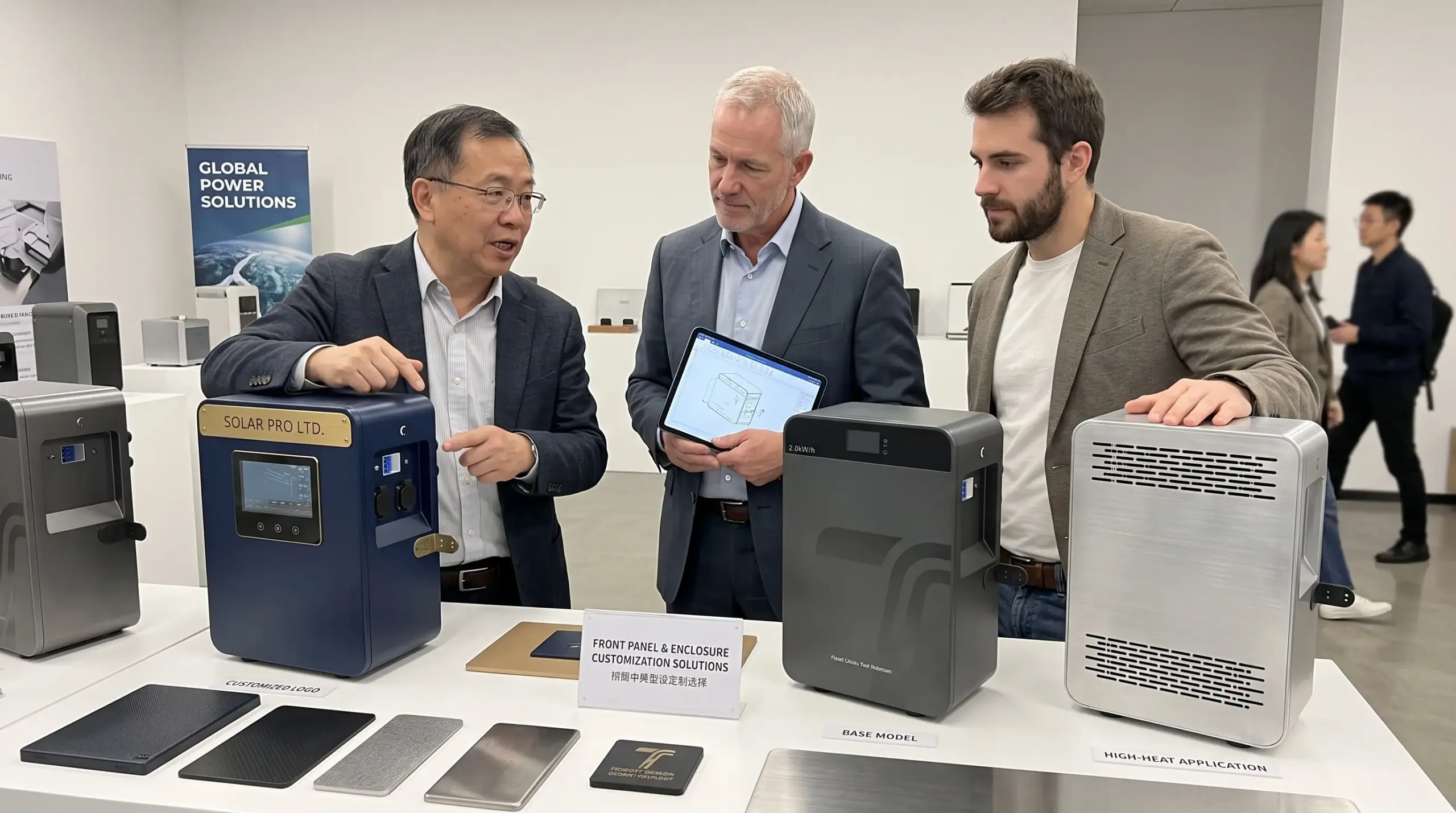
Customization remains possible within that controlled baseline. Common options include Japanese branding, Anderson or Amphenol connector variants, CAN or RS485 protocol mapping, inverter-specific CAN IDs, charge-current limits, heater firmware, and enclosure color. A realistic sample cycle is often 3 to 5 weeks when existing hardware needs only label and firmware changes. A new adapter, enclosure, or BMS power stage can extend both engineering and compliance lead time, so it should not be quoted as a cosmetic ODM change.

A Decision Matrix for Japanese Energy Storage Projects
The following matrix helps buyers decide where to place compliance effort. It is a procurement guide, not a substitute for a formal product classification by the Japanese responsible party.
| Configuration | Typical electrical design | Primary compliance focus in Japan | Evidence buyers should request | Main procurement risk |
|---|---|---|---|---|
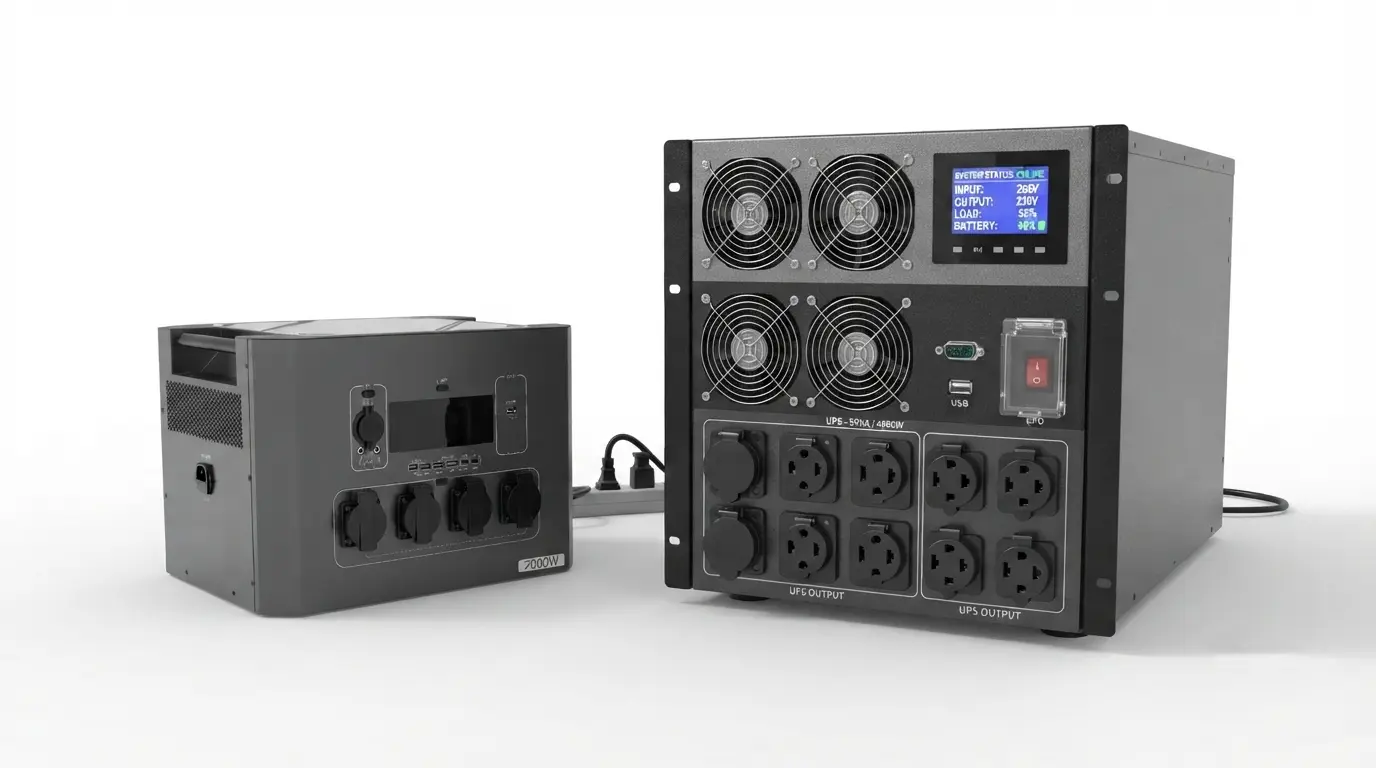
| Portable power station | 25.6 V LFP pack, 500 to 2,000 Wh, 100 V AC output, external or internal charger | Determine PSE scope separately for the battery, AC adapter, charger, and included cables; use the appropriate portable battery safety standard | Scope memo, PSE evidence for regulated parts, cell and pack reports, UN38.3 test summary, Japanese labels and manual | Assuming one battery report covers the complete retail package |
| Residential wall battery | 51.2 V LFP, 5.12 to 15.36 kWh, 50 to 200 A, CAN or RS485 | Stationary battery safety under the applicable JIS framework, inverter compatibility, installation protection, and any regulated components | JIS-based pack report, BMS settings, inverter compatibility record, insulation data, IP test, system wiring diagram | Passing cell tests while leaving pack-level controls and communications unverified |
| Commercial rack or cabinet | 51.2 V modules in parallel, 20 to 200 kWh, contactor-based BMS | Industrial battery safety, cabinet fault isolation, parallel-current control, thermal monitoring, and site-specific electrical rules | Module and cabinet reports, short-circuit coordination, contactor and fuse data, communication specification, installation risk assessment | Changing modules or protection devices without reviewing system-level results |
| Grid-connected storage package | High-voltage battery plus PCS, commonly 200 to 1,000 V DC | Battery safety plus PCS protection, utility interconnection, grid codes, EMC, and site approval | Battery reports, PCS certification or test evidence, protection settings, grid-interconnection documents, commissioning procedure | Treating PSE as the only approval needed for grid connection |
The table also shows why buyers should not choose a standard from capacity alone. A 2 kWh battery installed permanently in industrial equipment may require a different test rationale from a 2 kWh portable unit with handles and AC outlets. Intended use and product construction control the route.
Four Common Compliance Pitfalls
Applying the PSE Mark to the Wrong Product Boundary
A supplier may place a PSE logo on the outer enclosure even though the supporting report covers only the internal battery or external adapter. Stop artwork approval until the factory maps each mark to a regulated category, model number, and evidence file. The diamond and circular marks are not interchangeable.
Treating a JIS Report as a Legal Market Entry Certificate
JIS standards define test methods and safety requirements, but JIS compliance does not replace DENAN duties where PSE applies. Ask who issued the report, whether the laboratory covered the final production configuration, and whether the report supports a voluntary scheme, customer requirement, or legal technical requirement. These are different purposes.
Changing Critical Components After Testing
Cell substitutions create obvious risk, but smaller changes can matter too. A new MOSFET, fuse, thermal pad, insulation sheet, charger transformer, or enclosure resin may alter temperature rise, dielectric strength, flame behavior, or fault protection. Require written approval before the OEM changes any item on the critical component list. Match incoming inspection records to manufacturer and part number, not only nominal specification.
Ignoring Japan-Specific Installation and Communication Conditions
A battery may operate correctly at 25 degrees C on a factory bench yet fail in a Japanese inverter ecosystem. Verify the exact CAN profile, termination resistance, wake-up sequence, charge and discharge current commands, state-of-charge scaling, and alarm mapping. For a 51.2 V battery, also check conductor sizing, DC isolation, protective earth, terminal guards, torque values, and seismic restraint. Use the Japanese installation manual during the field trial, not an English draft translated after production.

Frequently Asked Questions From Japanese Buyers
Build the Japanese Compliance Route Before You Freeze the BOM
Japan’s special requirement is not one unusually severe test. It is the need to connect legal classification, technical standards, importer responsibility, markings, and production control without gaps. PSE determines mandatory obligations for listed electrical products. JIS standards provide the test language that buyers, laboratories, and certification schemes use to judge battery safety and performance. Neither should be reduced to a logo on a sales sheet.
For a bulk project, freeze the compliance matrix before tooling and keep every critical component linked to its report. Share your product architecture, battery voltage, watt-hour rating, charging method, AC adapter specification, installation scenario, and target inverter list. We’ll return a preliminary Japan compliance matrix and required OEM document checklist within 24 hours.