 English
  العربية
  日本語
日本語  한국어
한국어  Tiếng Việt
  ไทย
ไทย  Bahasa Melayu
  فارسی
فارسی  Bahasa Indonesia
  ဗမာစာ
ဗမာစာ  简体中文
简体中文  香港中文
香港中文  繁體中文
繁體中文  Русский
  Deutsch
  Nederlands
  Italiano
  Français
  Español
  Português
  Afrikaans
  Azərbaycan dili
  Български
  ਪੰਜਾਬੀ
  हिन्दी
  اردو
اردو  বাংলা
বাংলা  Հայերեն
  Íslenska
  Қазақ тілі
  नेपाली
  Српски језик
  Kiswahili
  తెలుగు
  Basa Jawa
  தமிழ்
தமிழ்  मराठी
मराठी Harnessing Solar Power with Solar System Batteries
Understand how a solar battery captures surplus generation, supplies power after sunset, and supports grid-tied or off-grid operation.
What is a Solar Battery and Its Role in Harnessing Solar Power?
A solar battery is an advanced energy storage solution designed to capture excess electricity generated by solar panels for later use. By bridging the gap between peak sunlight hours and high-demand energy periods, solar system batteries transform intermittent daylight generation into a continuous, 24/7 power source.
The Fundamental Function of Solar Energy Storage
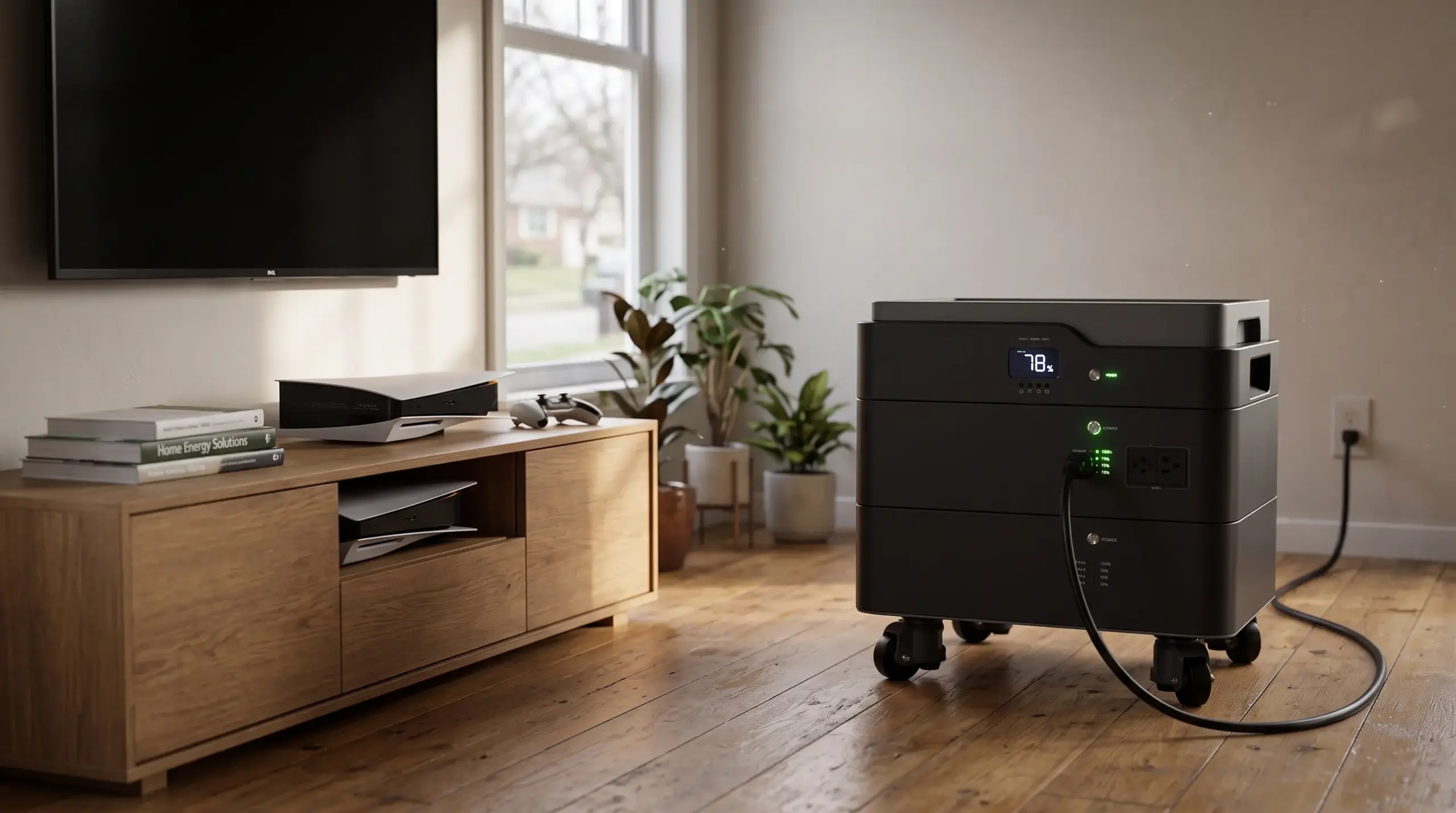
The core purpose of energy storage is to retain surplus kilowatt-hours produced during the middle of the day. Instead of sending unconsumed electricity back to the utility grid, a solar battery system stores this power locally.
- Charge: Captures surplus energy when solar generation exceeds current household load.
- Store: Retains electricity safely, governed by an onboard battery management system to optimize performance.
- Discharge: Releases power during evening peak rates, bad weather, or utility service interruptions.
Key Components of a Home Solar Energy System
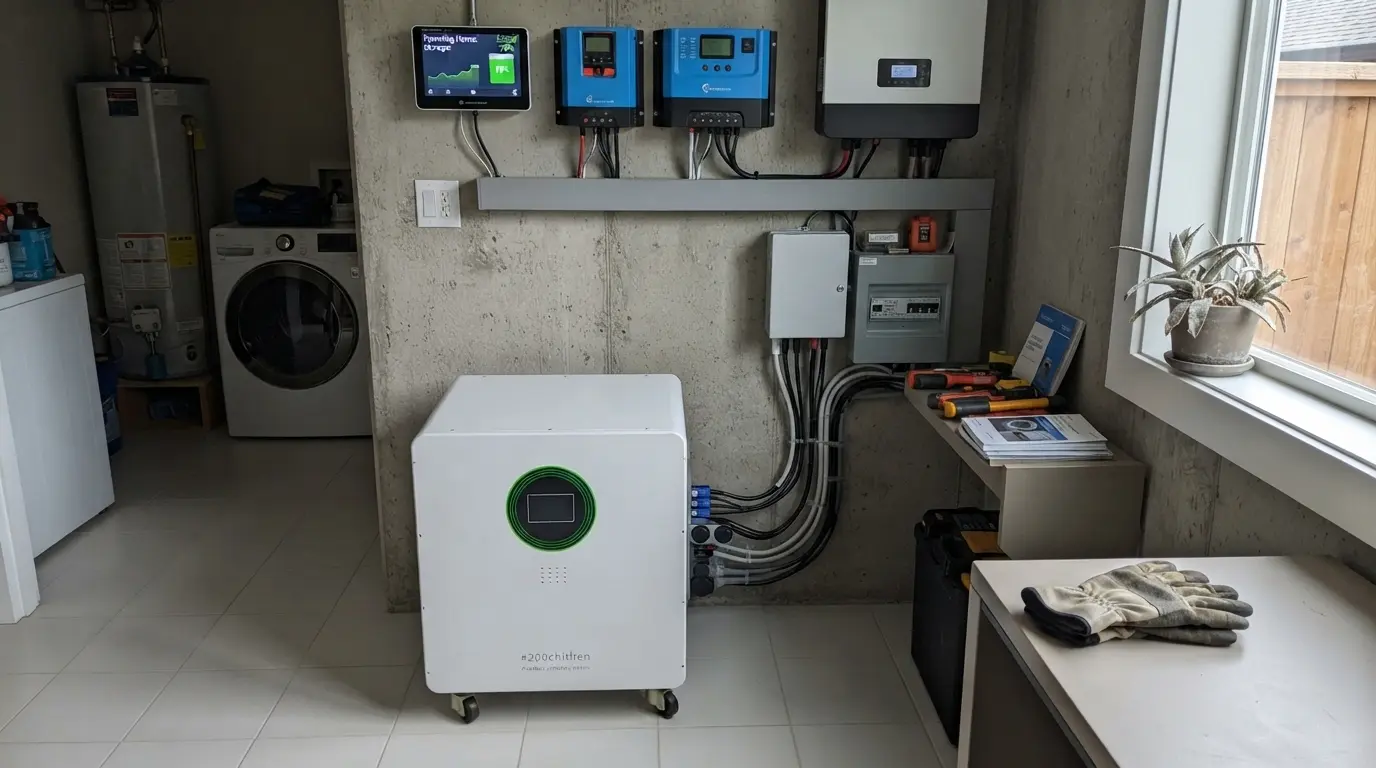
Effective solar panel integration requires a fully coordinated hardware ecosystem to direct energy efficiently throughout the home.
| Component | Primary Function |
|---|---|
| Solar Panels | Capture sunlight and convert it into direct current (DC) power. |
| Solar Inverter | Converts DC power into alternating current (AC) for residential electronics. |
| Solar System Battery | Preserves reserve power for immediate or emergency draw. |
| Battery Management System (BMS) | Protects battery health by regulating temperature, voltage, and depth of discharge. |
Why Battery Storage is Essential for Renewable Energy
Solar electricity production peaks around noon, while typical household demand surges during early mornings and evenings. Battery storage resolves this mismatch, turning variable solar energy into a stable asset.
- Reliable Backup Power: Keeps essential appliances running without disruption during blackouts.
- Enhanced Grid Stability: Eases demand spikes on local utility infrastructure during peak usage hours.
- Maximized Self-Consumption: Ensures every unit of clean energy generated by solar panels is utilized onsite rather than wasted.
How Solar System Batteries Work
At its core, a solar system battery acts as a dynamic reservoir that captures surplus energy when production exceeds demand. I always urge system builders and homeowners to view energy storage as an active management hub, taking full advantage of peak generation to deliver power whenever the grid fails or electricity costs spike.
The Charging and Discharging Cycle
Every system relies on a continuous cycle of chemical-to-electrical energy conversion:
- The Charging Phase: During peak daylight hours, your array often generates more electricity than your building consumes. The excess DC power flows directly into the battery, storing energy for later use.
- The Discharging Phase: As the sun goes down or grid power drops, the stored chemical energy converts back into active electricity. This delivers consistent power throughout the night without drawing expensive energy from the grid.
Optimizing this continuous loop keeps your total usable capacity in kilowatt-hours performing at its highest level while maximizing daily system efficiency.
System Integration: AC vs. DC Coupling
Integrating energy storage with your solar array generally comes down to two structural approaches:
| Feature | DC-Coupled Systems | AC-Coupled Systems |
|---|---|---|
| System Structure | Solar array and battery share a single hybrid inverter. | Panels and battery use separate, individual inverters. |
| Primary Advantage | Higher overall efficiency with fewer power conversions. | Maximum flexibility for retrofitting existing solar arrays. |
| Ideal Application | New, ground-up solar panel integration projects. | Upgrading existing solar installations with backup power. |
When deciding between these two setups, reviewing complete residential energy storage system costs and configuration options will help you select the setup that aligns with your hardware budget and performance goals.
The Role of Inverters and Charge Controllers
Hardware coordination ensures power flows safely between your solar panels, energy storage bank, and local electrical grid:
- Solar Inverter: Converts raw direct current (DC) from your panels and batteries into standard alternating current (AC) used by home appliances.
- Charge Controller: Regulates incoming voltage and current from the solar panels, preventing battery overcharging and guarding against thermal issues.
- Battery Management System (BMS): Monitors state-of-charge, cell balance, and operating temperatures continuously to protect system longevity and guarantee seamless backup power during grid failures.
Main Types of Solar System Batteries
Choosing the right energy storage solution comes down to your budget, space, and daily power demands. I focus on three primary battery technologies when designing robust solar power setups.
Lithium-Ion Batteries
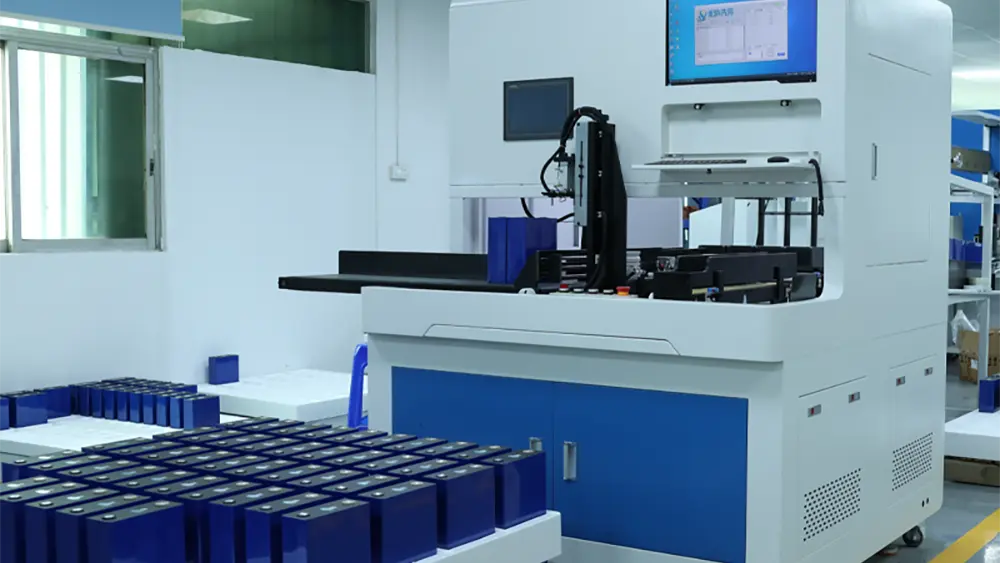
Lithium-ion technology is the industry standard for residential solar system batteries. High efficiency and compact sizing make these units ideal for daily power cycling.
- High Efficiency: Offers an impressive depth of discharge (80%-95%), letting you use more stored energy per cycle without damaging the unit.
- Long Lifespan: Delivers reliable performance for 10 to 15 years with virtually zero maintenance.
- Smart Safety: Features an integrated battery management system (BMS) to regulate temperatures and optimize charge rates.
To see how these units interface with your household utility setup, explore our guide on the grid connection playbook for home batteries.
Lead-Acid Batteries
Lead-acid units are the traditional workhorses of energy storage. While less common in modern urban homes, they remain practical for specific budget-focused projects.
- Lower Upfront Cost: Offers the lowest initial purchase price for basic solar setups.
- Tested Reliability: Decades of proven performance in simple standalone systems.
- Key Trade-offs: Shorter lifespan (3 to 5 years) and a lower depth of discharge (~50%), requiring a larger physical footprint to deliver equal usable power.
Flow Batteries
Flow battery technology is an emerging solution for long-duration energy storage and heavy daily demand.
- Zero Degradation: Uses liquid electrolyte tanks that do not lose capacity over thousands of cycles.
- Full Discharge: Allows 100% depth of discharge without impacting the battery’s overall lifespan.
- Commercial Scale: Larger physical footprints and higher initial costs make them best suited for large properties or commercial installations.
| Battery Type | Expected Lifespan | Depth of Discharge | Primary Best Use |
|---|---|---|---|
| Lithium-Ion | 10-15 Years | 80%-95% | Home backup power & daily solar optimization |
| Lead-Acid | 3-5 Years | ~50% | Budget-conscious off-grid cabins |
| Flow | 20+ Years | 100% | Large-scale & long-duration energy storage |
Key Benefits of Solar Battery Storage
Adding energy storage to your setup transforms simple generation into total energy control. By storing surplus electricity during peak sunlight hours, we help homeowners unlock continuous power, cut energy bills, and build true energy resilience.
Reliable Backup Power During Grid Outages
When the main grid fails, standard solar panel installations shut down automatically for safety. A solar system battery changes the game by isolating your electrical system from the grid and providing seamless backup power.
- Instant Switching: Integrated battery management systems transfer your power source in milliseconds during a blackout.
- Continuous Operation: Keeps essential loads like refrigeration, lighting, and communications running smoothly.
- Extended Protection: Properly sizing a home battery backup system guarantees you keep enough stored kilowatt-hours to weather multi-day utility disruptions.
Savings on Electricity Bills and Energy Costs
Energy storage maximizes your financial return by eliminating peak-rate utility charges. Instead of selling excess solar power back to utilities for minimal credits, you store it to avoid high evening rates.
| Cost Factor | Grid-Only Reliance | Solar + Battery Storage System |
|---|---|---|
| Peak Hourly Rates | Pay maximum utility pricing | Run loads on stored solar energy |
| Overnight Power | Draw 100% utility electricity | Discharge reserve daytime energy |
| Demand Charges | High spikes drive up costs | Battery caps peak power draw automatically |
Greater Energy Independence and System Stability
Storing your own electricity reduces reliance on legacy utility infrastructure while actively supporting overall grid stability. Maximizing self-consumption shields your property from volatile energy pricing and unpredictable utility rate shifts.
- High Self-Consumption: Use up to 80-90% of your generated solar power directly on-site.
- Voltage Smoothing: Eliminate micro-spikes and maintain clean output across your home electronics.
- Long-Term Autonomy: Protect your energy investment against changing net-metering rules and policy shifts.
Solar Batteries in Off-Grid vs. Grid-Tied Applications
How you configure your energy storage depends entirely on whether you intend to disconnect from the grid completely or simply optimize your current utility connection. We design solar system batteries to serve distinct roles in both environments.
Off-Grid Systems: Providing Round-the-Clock Power
In standalone off-grid systems, battery storage isn’t optional-it is your entire power lifeline. Without a public grid connection to fall back on, every kilowatt-hour generated during peak daylight must be efficiently stored to power your home through the night and during cloudy weather.
- Complete Energy Autonomy: You generate, store, and consume 100% of your own electricity with zero reliance on utility companies.
- Continuous Reliability: Systems require careful sizing to balance daily load demands with multi-day reserve capacities.
- Redundant Power Options: Remote properties often combine battery banks with secondary generators. If you are designing a fully remote setup, reviewing off-grid system configurations and backup power options ensures your critical electronics never run dark during extended low-sunlight periods.
Grid-Tied Systems: Optimizing Self-Consumption
For most residential properties, hybrid grid-tied setups offer the ideal balance of convenience, savings, and security. You remain connected to the central electric grid while using your battery bank to manage peak electricity rates.
- Bill Optimization: Rather than selling excess solar energy back to the grid at low net-metering rates, you store it to power your home when utility prices spike in the evening.
- Instant Outage Protection: When severe weather knocks out localized utility power, your system instantly shifts to store energy for seamless backup power.
- Support for Grid Stability: By relying on stored solar power during high-demand hours, you reduce stress on regional infrastructure while maintaining full personal power security.
Key Factors When Choosing and Sizing a Solar Battery
Selecting the right solar system battery requires matching daily power habits with storage technology that lasts. We focus on three core factors to ensure seamless performance and maximum financial return.
Determining Your Home Energy Consumption and Battery Size
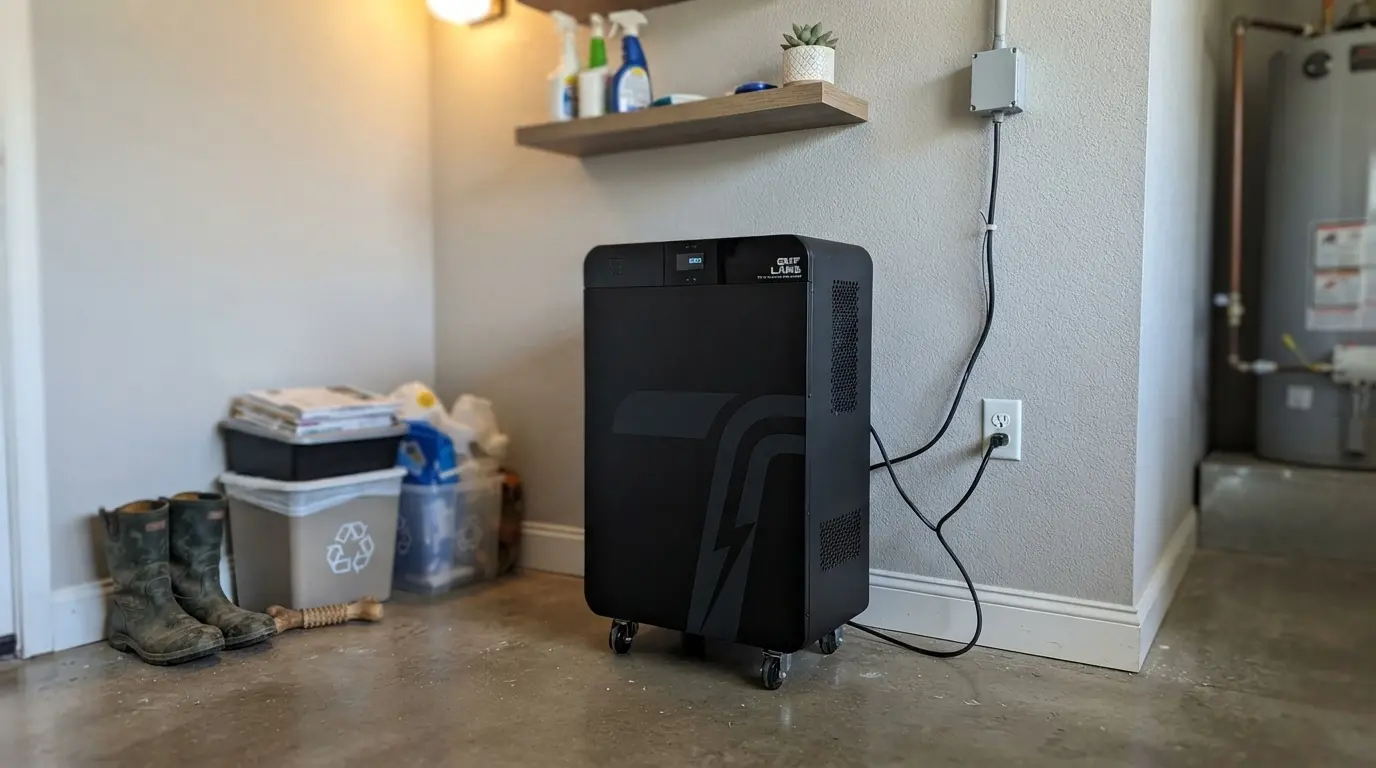
Calculating exact electricity demands prevents underpowering critical circuits during power interruptions. Properly sizing a home battery backup system guarantees reliable off-grid runtime when utility grids fail.
- Kilowatt-Hour Usage: Audit past utility bills to find your average daily consumption in kilowatt-hours (kWh).
- Critical Load Profiling: Isolate essential loads-such as refrigeration, medical devices, lighting, and water pumps-that need continuous backup power.
- Autonomy Duration: Decide how many hours or days your energy storage must power the home without solar panel input.
Evaluating Specs: Capacity, Depth of Discharge, and Lifespan
Battery performance metrics directly impact daily usable energy and long-term operating costs.
- Usable Capacity: Always evaluate usable kilowatt-hours rather than total capacity to know actual available power.
- Depth of Discharge (DoD): High-performing lithium-ion batteries feature up to 90-95% DoD, letting you access more energy per cycle without degrading cells.
- Cycle Life and Warranty: Quality storage units deliver 4,000 to 6,000 charge cycles, backed by a 10-year throughput warranty.
- Battery Management System (BMS): An integrated BMS balances individual cells and protects against overcharging and thermal spikes.
Understanding Solar Battery Costs and Financial Worth
Upfront battery costs are offset by utility savings, protection against outages, and peak power management.
| Value Driver | Financial Impact |
|---|---|
| Time-of-Use Optimization | Discharges stored solar energy during peak utility rate hours to eliminate high power rates. |
| Grid Outage Protection | Provides immediate backup power, preventing food spoilage and costly electrical downtime. |
| Solar Inverter Efficiency | Direct pairing with a hybrid solar inverter limits energy loss during charge and discharge cycles. |