 English
  العربية
  日本語
日本語  한국어
한국어  Tiếng Việt
  ไทย
ไทย  Bahasa Melayu
  فارسی
فارسی  Bahasa Indonesia
  ဗမာစာ
ဗမာစာ  简体中文
简体中文  香港中文
香港中文  繁體中文
繁體中文  Русский
  Deutsch
  Nederlands
  Italiano
  Français
  Español
  Português
  Afrikaans
  Azərbaycan dili
  Български
  ਪੰਜਾਬੀ
  हिन्दी
  اردو
اردو  বাংলা
বাংলা  Հայերեն
  Íslenska
  Қазақ тілі
  नेपाली
  Српски језик
  Kiswahili
  తెలుగు
  Basa Jawa
  தமிழ்
தமிழ்  मराठी
मराठी A practical guide to battery cycle life, capacity decline, BMS protection, maintenance, and the long-term value of LiFePO4 portable power stations.
Quick Answer: How Long Does a Solar Portable Generator Last?
A solar portable generator’s life expectancy depends mainly on its battery chemistry, charge cycles, and battery health. TURSAN LiFePO4 portable power stations are rated for 6,000+ cycles and include a 5-year warranty, providing a strong foundation for repeated backup, travel, and off-grid use.
A charge cycle is the cumulative use of one full battery charge. Battery life is not simply the date when a power station stops working. Its practical service life typically changes in stages:
- Rated cycle life: The manufacturer’s stated battery-cycle rating, such as 6,000+ cycles for LiFePO4 battery cells.
- Usable life: The period when the portable solar generator still provides sufficient capacity and stable output for the intended loads.
- Capacity decline: Over time, the battery stores less energy per charge. The unit may remain operational even after its original runtime has decreased.
LiFePO4 portable generators generally offer a longer solar power station life expectancy than standard lithium-ion models because their LFP prismatic cells are engineered for high safety and extended cycle life. An intelligent Battery Management System (BMS) also helps protect battery health by supporting safer, more reliable operation over repeated charging and discharging.
What Life Expectancy Means for a Solar Portable Generator
A solar portable generator’s life expectancy is mainly measured by battery capacity retention, not by the day it stops turning on. A common industry reference point is 80% of original battery capacity. At that point, the power station is still usable, but it delivers less runtime than it did when new.
For example, a unit that originally stored 1,000Wh may provide roughly 800Wh of usable stored energy after reaching this capacity benchmark. TURSAN portable power stations use LiFePO4 prismatic cells rated for 6,000+ cycles, helping support a long portable solar generator lifespan.
| Component | What Determines Its Service Life | What Happens as It Ages |
|---|---|---|
| Battery pack | Charge cycles, operating conditions, and BMS protection | Capacity gradually declines and runtime becomes shorter |
| Pure sine wave inverter | Load conditions and electrical protection | The unit may show unstable output or protection alerts if stressed |
| Solar panel | Build quality and exposure conditions | Solar charging may gradually become less effective over time |
Battery life and inverter life are not the same. The battery is normally the component that shows age first because it stores and releases energy during every charge cycle. An intelligent Battery Management System (BMS) helps manage battery operation and supports safety, reliability, and cycle life.
A solar generator can continue operating after its battery has declined below 80% capacity. It can still power compatible devices, but it will run them for less time between charges. In practical use, this means the solar power station life expectancy depends on whether the remaining capacity still meets the needs of backup, travel, or off-grid power. For broader product context, see the TURSAN portable power station range.
Battery Chemistry and Solar Generator Lifespan
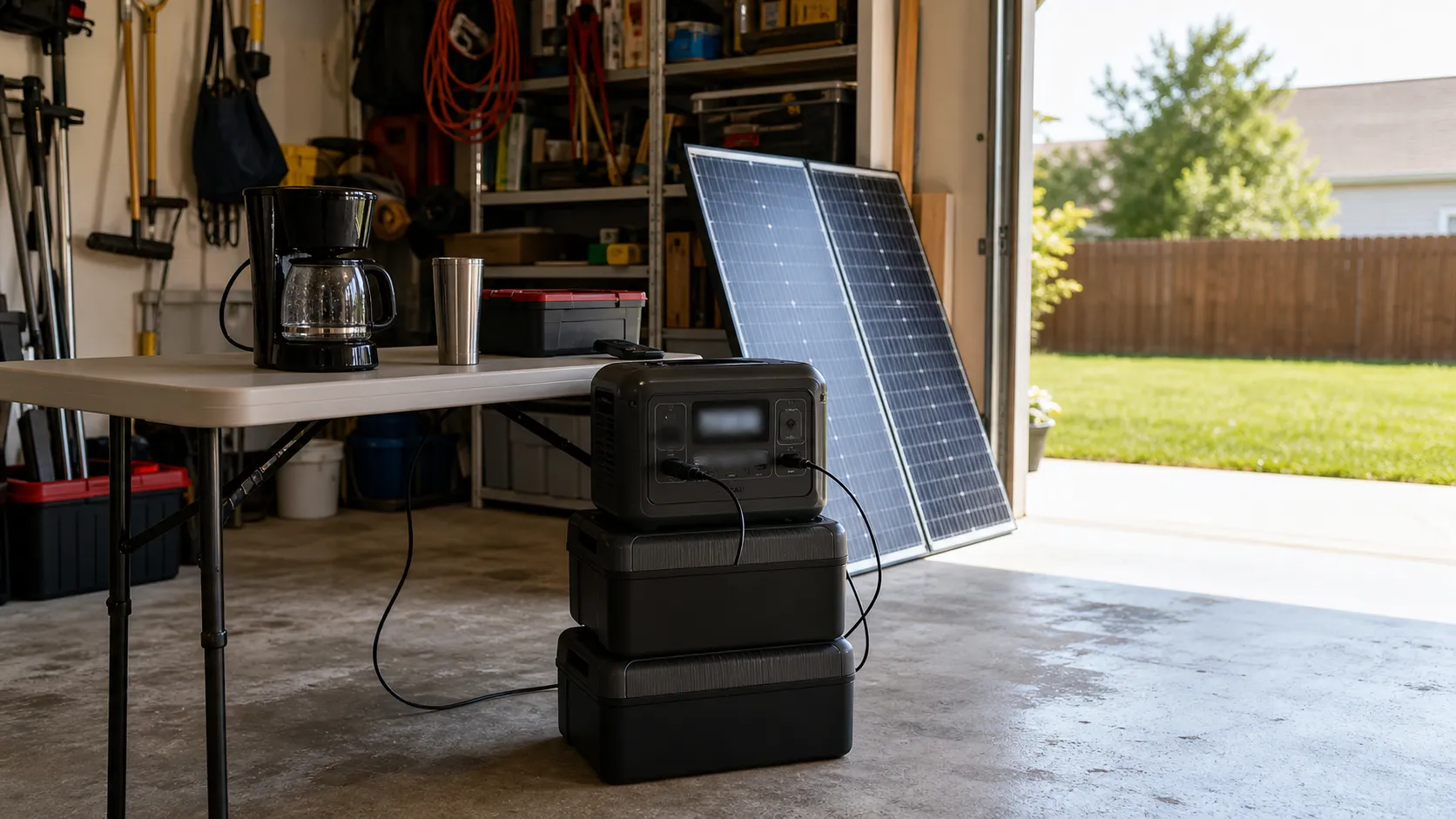
Battery chemistry is the main driver of a solar portable generator’s service life. A high-quality LiFePO4 (LFP) portable power station is rated for 6,000+ cycles, while its intelligent BMS helps manage battery safety and long-term reliability.
| Factor | LiFePO4 Portable Generator | Standard Lithium-Ion Generator |
|---|---|---|
| Cycle life | 6,000+ cycles on supported models | Depends on the battery design |
| Safety | High-safety LFP prismatic cell chemistry | Varies by cell chemistry and design |
| Battery management | Intelligent BMS protects and manages the battery | Protection design varies |
| Long-term use | Well suited to repeated charging and backup use | Service life can differ significantly |
A charge cycle is the battery energy used and recharged over time. More available cycles generally mean more years of useful charging, provided the power station is used within its specified limits.
Chemistry Matters More Than Wattage
Generator wattage tells you how much power the inverter can deliver, not how long the battery pack will last. A 300W unit and a 3,600W unit can both have strong long-term performance when they use durable LiFePO4 cells and an effective battery management system.
Likewise, two solar generators with similar capacity can have very different service lives. The important details are the battery chemistry, published cycle-life rating, BMS design, inverter stability, and manufacturing quality—not the brand name or capacity figure alone.
Our LiFePO4 portable power stations use prismatic LFP cells, an intelligent BMS, and pure sine wave output to support stable, repeatable use. For broader company and product context, see how battery brands are evaluated.
How Long Solar Portable Generator Components Last
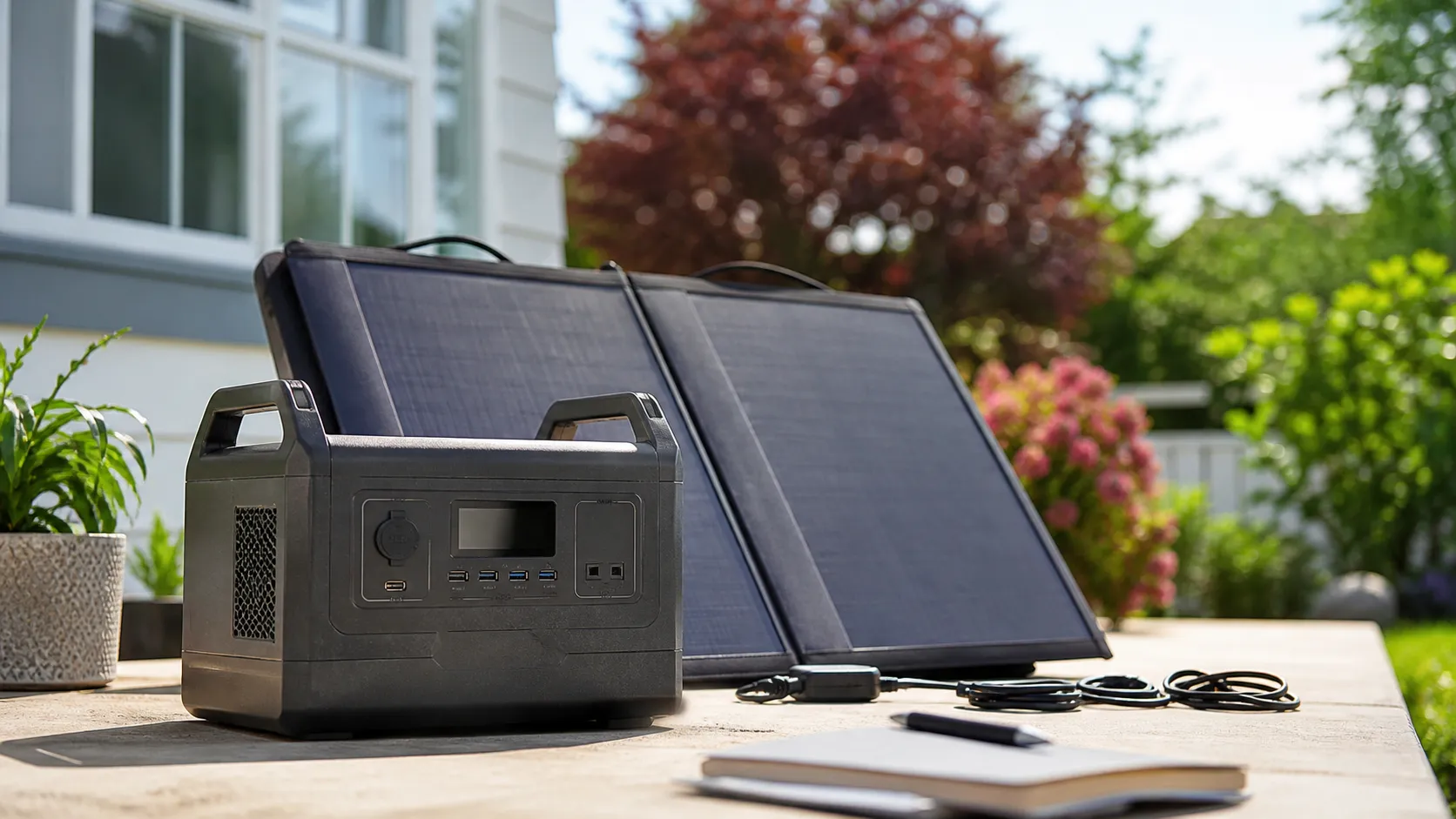
A solar portable generator is a system, not just a battery. Its overall life expectancy depends on the battery pack, inverter, charging controls, and solar panels working reliably together.
Battery Pack: The Main Wear Component
The battery pack is usually the first major component to age because every charge and discharge uses part of its cycle life. TURSAN portable power stations use LiFePO4 prismatic cells rated for 6,000+ cycles, helping support long-term backup, travel, and repeated off-grid use.
As capacity gradually declines, the unit can still operate, but it will provide less runtime than it did when new. A portable power station may therefore remain useful after the battery has lost part of its original capacity.
Inverter: Stable Power Matters
The inverter converts battery power into AC electricity for connected equipment. A quality pure sine wave inverter delivers stable output with low noise and low interference, helping reduce unnecessary strain on compatible loads.
Common signs of inverter strain include unstable output, shutdowns under load, or difficulty running equipment within the unit’s rated output. Matching appliances to the generator’s power capability helps protect the inverter and improve solar generator durability.
BMS and Charging Protection
The charge controller and intelligent Battery Management System (BMS) protect the battery during charging and use. The BMS monitors battery operation and is engineered to optimize safety, reliability, and battery cycle life.
This protection is especially important for portable solar generator lifespan because it helps manage electrical and thermal stress inside the battery system. TURSAN’s quality control process provides additional context on how battery products are verified.
Solar Panels: Separate From the Power Station
Solar panels are external charging equipment, while the portable power station stores and delivers energy. Panel performance can gradually change over time, so consistent charging depends on both the panel condition and the power station’s compatible solar input.
Keep connectors, cables, and charging ports clean and dry. Reliable connections help the solar charging system operate consistently and protect the complete solar portable generator system.
What Shortens a Solar Portable Generator’s Life?
A solar portable generator lasts longest when its battery, inverter, and charging system operate within their intended limits. Heat, repeated deep discharge, poor storage, and overloads can place unnecessary stress on these components and reduce usable battery capacity over time.
Temperature Stress
High heat can accelerate battery wear, while freezing conditions can affect battery performance and charging behavior. Keep a portable power station in a dry, ventilated location and avoid leaving it in direct sun, enclosed vehicles, or other extreme-temperature environments for extended periods.
Deep Drains and Excessive Cycling
A charge cycle is the use and recharge of battery energy. LiFePO4 portable power stations are rated for 6,000+ cycles, but repeated full drains to 0% and constant heavy cycling still increase stress on the battery pack. Recharge before the unit is fully depleted whenever practical.
Poor Charging Practices
Use compatible solar panels, AC chargers, cables, and accessories. Unmatched charging equipment or unstable connections can affect charging reliability. The built-in intelligent BMS is designed to manage and protect the battery, but proper charging habits remain important for long-term solar generator durability.
Improper Long-Term Storage
Do not leave a solar portable generator stored at 0% charge or continuously at full charge for long periods. Extended storage without checking the battery can result in lower readiness when backup power is needed. Store the unit according to the manufacturer’s battery guidance and inspect it periodically.
Overloads and Surge Loads
Running appliances beyond the power station’s rated output can strain the inverter and trigger protection functions. Check both continuous running power and starting demand before connecting motors, pumps, tools, or other high-load equipment. A pure sine wave inverter provides stable output, but correct load planning is still essential to protect the system and preserve its service life.
How to Make a Solar Portable Generator Last Longer
Good solar generator maintenance protects the battery, inverter, and connections over the long term. Treat the battery as the core wear component: avoid making repeated full discharges to 0% part of normal use. A LiFePO4 portable power station is rated for 6,000+ cycles, but sensible charging and load habits help preserve useful capacity.
Use Better Charging and Storage Habits
- Avoid repeated 0% drains. Recharge the unit before it is fully depleted when practical.
- Store it cool and dry. Keep the power station away from moisture, direct heat, and extreme temperatures. Follow the manufacturer’s recommended storage charge level.
- Use compatible equipment. Connect only suitable solar panels, AC chargers, cables, and accessories to support stable charging and safe operation.
- Plan appliance loads. Keep connected equipment within the generator’s rated output and account for startup surges. Pure sine wave output supports stable power delivery, but overloads can still place unnecessary strain on the system.
- Inspect the unit regularly. Check ports, cables, vents, and the enclosure for dust, moisture, looseness, or visible damage. Keep ventilation paths clear during charging and operation.
For quiet, well-managed use in campsites, homes, and mobile work settings, it also helps to compare portable power stations and conventional generators. Proper placement with clear airflow supports safer everyday operation and longer portable power station lifespan.
Signs Your Solar Portable Generator Is Aging
Aging does not always mean a solar portable generator stops working. In most cases, the first change is reduced usable battery capacity. A power station that once ran the same devices for many hours may deliver noticeably shorter runtime after repeated charge cycles.
Watch for these common signs:
- Faster capacity loss: The battery percentage drops more quickly than it did when new, even with similar appliance loads.
- Longer or inconsistent charging: AC or solar charging takes longer, stops unexpectedly, or delivers inconsistent input.
- Unstable output: Devices may shut down early, runtime may be reduced, or the display may show error codes and battery warnings.
- More frequent fan operation: A louder fan or a fan that runs more often can indicate that the system is working harder to manage heat during charging or discharge.
- Display irregularities: Sudden percentage changes, inaccurate battery readings, or recurring alerts should be checked before continued heavy use.
The battery pack is usually the component that shows age first. However, output instability, repeated overload warnings, or charging faults can also involve the inverter, ports, cables, or the intelligent Battery Management System (BMS).
Repair, replacement, or an upgrade may be appropriate when reduced capacity no longer supports the required backup time, when charging or output is unreliable, or when warnings continue after checking compatible accessories and load levels. For frequent backup or daily cycling, a LiFePO4 portable power station with a 6,000+ cycle life rating and a 5-year warranty provides a stronger long-term basis for dependable use.
Solar Portable Generator Lifespan by Use Case
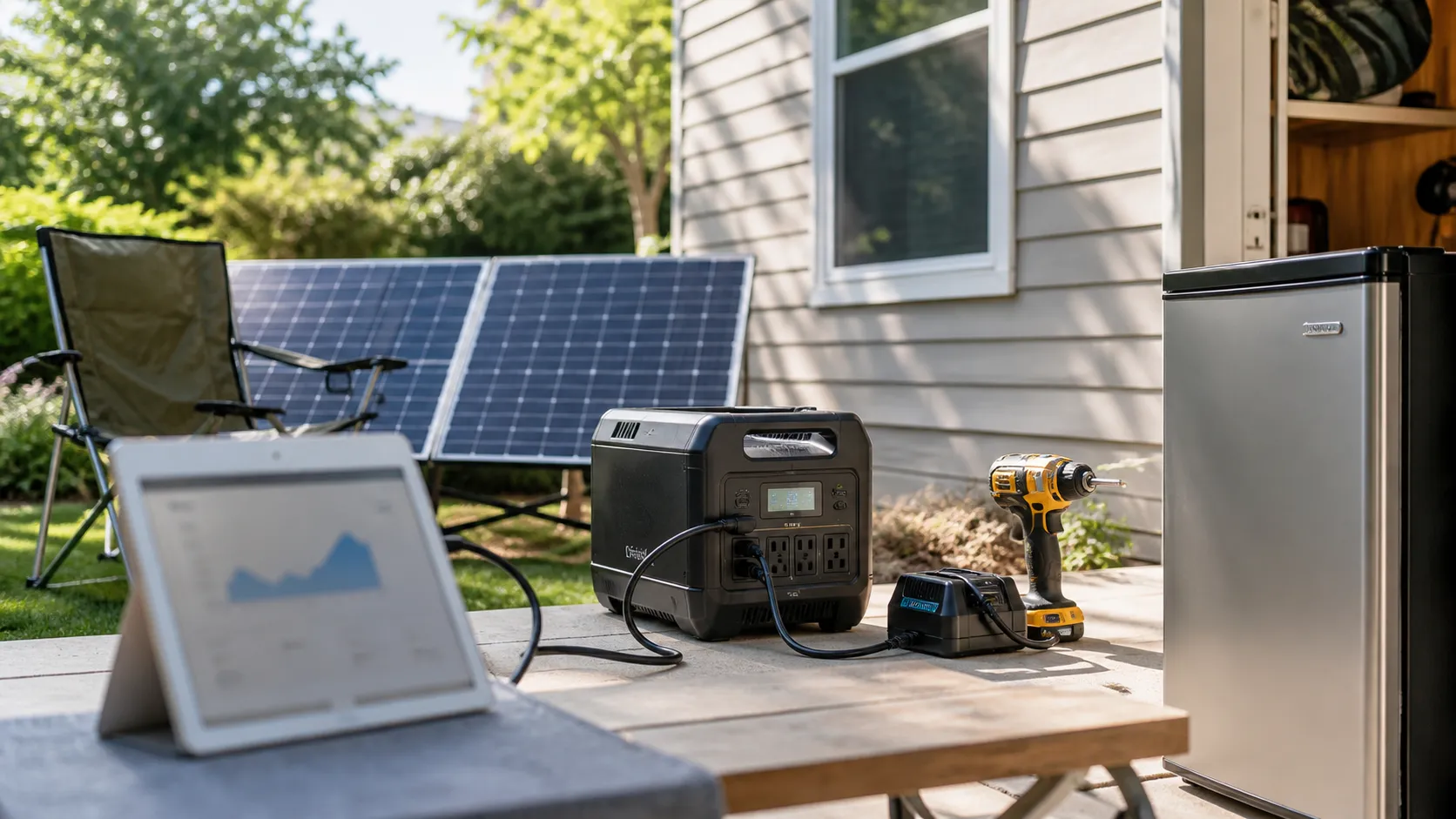
A solar portable generator’s life expectancy depends heavily on how often it is charged and discharged. The same portable power station can serve for very different lengths of time in camping, emergency backup, and daily off-grid use.
Camping and Outdoor Travel
For camping, RV trips, and occasional outdoor work, cycling is usually limited. A unit may spend long periods stored between trips, so battery wear from repeated charge cycles is lower. This can support a longer practical service life, provided the generator is stored properly and protected from moisture, impacts, and extreme temperatures.
Emergency Backup Power
Emergency backup units may have relatively low cycle use, but readiness still matters. Periodic checks and controlled charging help confirm that the battery, ports, display, and inverter remain operational before an outage occurs. During a power failure, avoid connecting loads beyond the rated output. Stable pure sine wave output helps support compatible household and electronic loads with low interference and low noise.
For applications where uninterrupted power is critical, it is useful to understand the difference between a portable power station and a conventional generator.
Off-Grid Living and Daily Use
Daily solar charging and regular discharge use battery cycles faster than occasional use. Off-grid homes, mobile work sites, and frequent RV use place greater demand on the battery pack, inverter, and charging system. Load planning is essential: match appliances to the power station’s rated output and avoid unnecessary overloads.
Frequent use does not make a solar generator unsuitable—it makes battery cycle life more important.
Why LiFePO4 Fits Heavy Use
LiFePO4 portable power stations are a strong fit for repeated backup and daily-use power needs because their prismatic cells are rated for 6,000+ cycles. An intelligent BMS helps manage battery operation for safety and reliability, while a pure sine wave inverter provides stable power delivery.
For users who expect regular cycling, prioritize a LiFePO4 solar portable generator with a published cycle-life rating, integrated BMS protection, and a 5-year warranty.
Is a Solar Portable Generator Worth It Over Time?
A solar portable generator is worth the investment when its battery life, output, and usage pattern match the job. The upfront price matters, but long-term value also depends on how many useful charge cycles the power station can deliver before capacity declines and replacement becomes necessary.
A LiFePO4 portable power station rated for 6,000+ cycles can offer a lower cost per charge cycle than a unit with a shorter cycle life. Its 5-year warranty also provides added support for business buyers, installers, and end users planning for regular backup or mobile power use.
| Use Case | Long-Term Value Focus |
|---|---|
| Camping and travel | Portable capacity, durable housing, reliable AC output |
| Home backup | Sufficient wattage and battery capacity for essential loads |
| RV power | Stable pure sine wave output and repeatable charging |
| Off-grid daily use | High LiFePO4 cycle life and intelligent BMS protection |
For a practical return-on-investment estimate, compare the expected number of charge cycles with how often the unit will be used. A system used occasionally for camping may prioritize portability, while a unit used for frequent backup or daily off-grid power benefits more from long-cycle LiFePO4 cells, an intelligent BMS, and dependable inverter performance.
For distributors and project buyers, TURSAN’s wholesale and OEM/ODM service can help match battery chemistry, capacity, housing, and market requirements before procurement.
What to Look for Before Buying a Long-Lasting Solar Generator
A long-lasting solar generator starts with verified battery technology, suitable output, and safety protection—not just a large wattage number. Compare the published specifications before comparing prices.
| Buying Factor | What to Check |
|---|---|
| Battery type | Choose LiFePO4 (LFP) prismatic cells for a rated 6,000+ cycle life. |
| Battery capacity | Match Wh capacity to the runtime needed for backup, travel, or off-grid loads. |
| AC output | Confirm the continuous output can support the appliances you plan to run. |
| Inverter quality | A pure sine wave inverter supports stable, low-noise output and high load capacity. |
| BMS protection | Look for an intelligent Battery Management System designed to improve safety, reliability, and battery cycle life. |
| Housing | Select sheet metal or plastic housing based on the required level of portability and physical protection. |
| Warranty | A 5-year warranty provides a clear baseline for energy storage equipment support. |
| Certifications | Check for relevant compliance documents, including UN38.3, MSDS, UL1973, CE, and FCC. |
| Solar compatibility | Confirm that the solar input and charging setup are compatible with the power station and panels being used. |
For regular backup or daily charging, battery chemistry should lead the decision. LiFePO4 portable power stations offer a stronger long-term foundation than units without a clearly published battery type and cycle-life rating.
Build quality also matters. A well-integrated system combines LFP cells, intelligent BMS protection, and a stable pure sine wave inverter in a durable enclosure. For buyers comparing portable and residential backup options, this overview of the best home battery brands can help frame wider energy-storage criteria.
Before buying, verify these published details:
- LiFePO4 battery chemistry and 6,000+ cycles rating
- Capacity, voltage, and AC output specifications
- Intelligent BMS and pure sine wave output
- Solar charging compatibility
- Certified compliance and a 5-year warranty
- Manufacturer capability for OEM, ODM, and technical project support
Why LiFePO4 Portable Generators Last Longer
A LiFePO4 portable generator is built for substantially more repeated use than a conventional lithium-ion power station. TURSAN portable power stations use LFP prismatic cells rated for 6,000+ cycles, making them well suited to regular backup charging, mobile work, off-grid use, and daily power needs.
Higher Cycle Life for Repeated Use
Cycle life measures how many charge-and-discharge cycles a battery can complete before its usable capacity declines. A higher cycle rating does not mean capacity never drops; it means the battery is designed to remain useful through far more charging cycles.
For buyers comparing a lithium-ion vs. LiFePO4 generator, battery chemistry should carry more weight than output wattage alone. Two units with similar capacity and AC output can have very different portable power station lifespans because their cells and battery protection systems are different.
Safer, More Stable Battery Chemistry
LiFePO4 chemistry is valued for high safety and stable operation. In TURSAN systems, LFP cells work with an intelligent Battery Management System (BMS) that helps optimize safety, reliability, and battery cycle life. The BMS manages battery operation and helps reduce electrical stress during charging and discharging.
Pure sine wave inverter output also supports stable power delivery with low noise and low interference. This matters when a solar portable generator is used repeatedly with sensitive electronics, household devices, or work equipment.
Better Value Over the Working Life
A LiFePO4 solar portable generator may have a higher initial cost than a basic conventional lithium-ion model, but its longer rated cycle life can improve value over time. For daily charging or frequent backup use, more usable cycles can reduce the need for earlier replacement.
Evaluate the full ownership period rather than only the purchase price:
- Battery type: LiFePO4 prismatic cells are designed for 6,000+ cycles.
- Battery protection: An intelligent BMS supports safer, more reliable operation.
- Output quality: Pure sine wave power helps deliver stable AC output.
- Warranty: TURSAN energy storage and battery solutions include a 5-year warranty.
- Use pattern: Frequent cycling makes long-cycle-life battery chemistry especially important.
For B2B product selection, TURSAN’s portable solar generator OEM/ODM application shows how battery and system specifications can be aligned to a project.
Frequently Asked Questions
How many years does a solar portable generator last?
A solar portable generator’s life expectancy depends mainly on battery chemistry, charge cycles, and system protection. Portable power stations built with LiFePO4 prismatic cells are rated for 6,000+ cycles and include a 5-year warranty. Actual calendar life depends on how often the unit is used and how it is operated.
Does solar panel quality affect a solar generator’s lifespan?
Solar panels are part of the charging system, so compatible equipment matters. Use suitable solar input equipment and follow the power station’s charging requirements to support reliable operation. Confirm panel voltage, current, connectors, and the approved charging range before installation.
Is LiFePO4 really better than standard lithium-ion for portable generators?
For long-cycle portable power applications, LiFePO4 is a strong choice. LiFePO4 prismatic cells provide high safety and a 6,000+ cycle life rating, making them well suited to repeated backup, off-grid, and mobile power use.
Can I use a solar portable generator every day?
Yes. Daily use is possible when the generator’s output matches the connected load and the battery system is designed for frequent cycling. A LiFePO4 portable power station with an intelligent BMS is better positioned for repeated charge-and-discharge use.
How should I store a solar generator for several months?
Keep the unit in a clean, dry environment and follow the manufacturer’s storage guidance. Before using it again, inspect the enclosure, cables, ports, and display for visible damage or moisture.
What is the biggest cause of solar generator battery degradation?
Battery aging is primarily linked to charge-and-discharge cycling and operating stress. An intelligent Battery Management System helps manage battery conditions and is designed to improve safety, reliability, and overall cycle life.
Can I replace the battery in a portable power station?
Battery replacement depends on the power station’s design and service policy. Many portable units are integrated systems containing the battery pack, BMS, inverter, charger, and display. Check the manufacturer’s approved service options before attempting any repair.
Do solar generators lose capacity when they are not in use?
All rechargeable battery systems can experience capacity change over time. The available cycle-life rating is the key published indicator for battery durability: LiFePO4 portable power stations are rated for 6,000+ cycles, while their usable performance will still depend on storage and operating conditions.