 English
  العربية
  日本語
日本語  한국어
한국어  Tiếng Việt
  ไทย
ไทย  Bahasa Melayu
  فارسی
فارسی  Bahasa Indonesia
  ဗမာစာ
ဗမာစာ  简体中文
简体中文  香港中文
香港中文  繁體中文
繁體中文  Русский
  Deutsch
  Nederlands
  Italiano
  Français
  Español
  Português
  Afrikaans
  Azərbaycan dili
  Български
  ਪੰਜਾਬੀ
  हिन्दी
  اردو
اردو  বাংলা
বাংলা  Հայերեն
  Íslenska
  Қазақ тілі
  नेपाली
  Српски језик
  Kiswahili
  తెలుగు
  Basa Jawa
  தமிழ்
தமிழ்  मराठी
मराठी 8 Best Portable Solar Generators and Kits
A practical comparison of battery capacity, AC output, solar charging, enclosure design, and project fit for portable backup power.
Choosing the right portable solar generator can make the difference between reliable backup power and an expensive unit that cannot run what you need.
With so many kits claiming big wattage, fast solar charging, and “home backup” capability, comparing them is not always simple.
That’s why I ranked and reviewed the 8 best portable solar generators and kits based on the specifications that matter most: battery capacity, AC output, solar input, recharge speed, portability, and overall value.
Whether you need power for camping, RV travel, off-grid work, or an unexpected outage, this guide will help you find the right setup. Let’s get into the rankings.
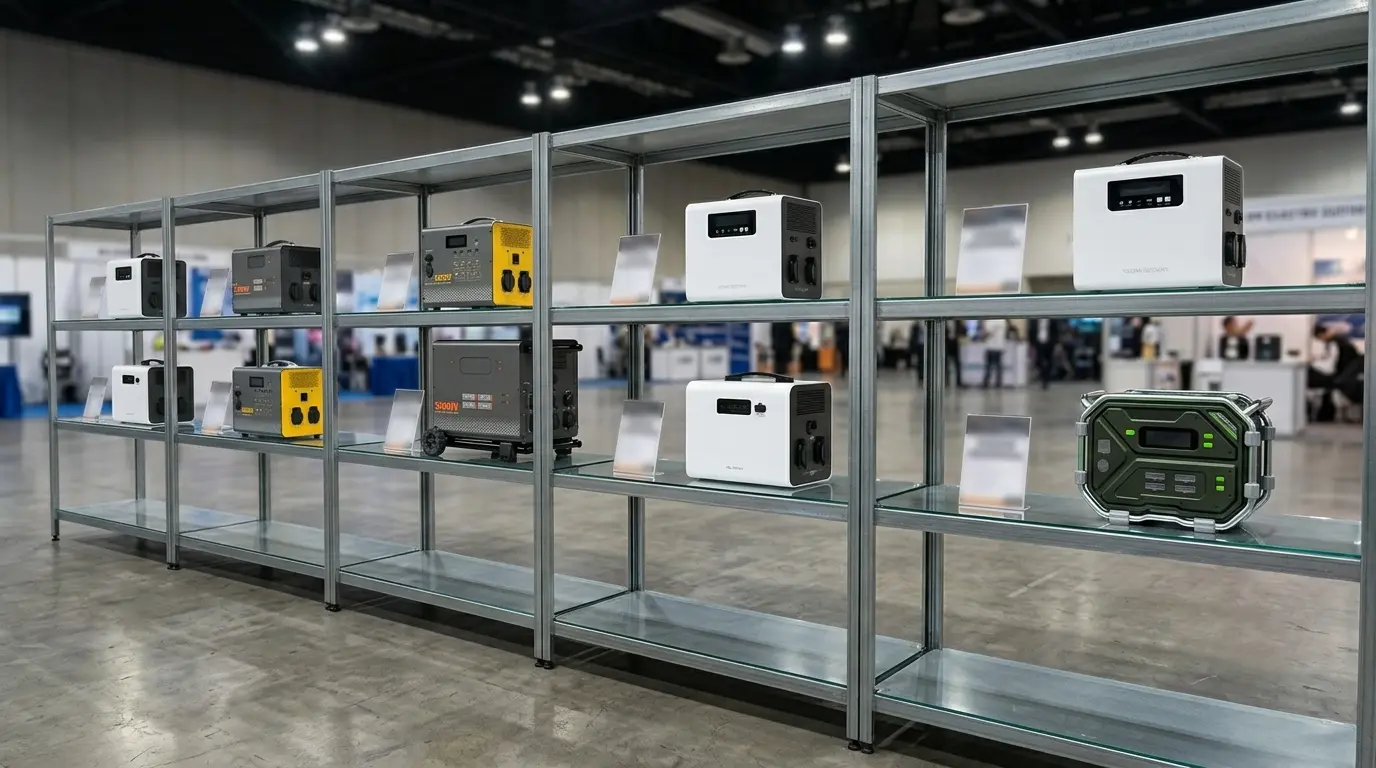
We rank these portable solar generators by the practical balance of watt-hour capacity, continuous output, LiFePO4 prismatic-cell design, and enclosure type. Each TURSAN tier is built around long-life LFP battery technology, with the wider portable power station range designed for dependable backup, mobile power, and B2B deployment.
| Rank | Generator Tier | Capacity | Continuous Output | Battery / Enclosure | Best Fit |
|---|---|---|---|---|---|
| 1 | Ultra-High Capacity Backup | 3,225.6Wh | 3,600W | LiFePO4 prismatic / sheet metal | High-demand backup and heavy-load applications |
| 2 | High-Output Workhorse | 2,400Wh | 2,400W | LiFePO4 prismatic / plastic | Powerful mobile power with a plastic enclosure |
| 3 | Rugged All-Terrain | 2,165.2Wh | 2,000W | LiFePO4 prismatic / sheet metal | Demanding field and off-grid use |
| 4 | Mid-Range Modular EPS | 1,008Wh or 2,009.6Wh | 1,000W | LiFePO4 prismatic / sheet metal | Flexible backup-power configurations |
| 5 | Compact Portable Mid-Tier | 806.4Wh | 1,000W | LiFePO4 prismatic / plastic | Compact power for everyday mobile use |
| 6 | High-Capacity 500W Option | 1,000Wh or 2,009.6Wh | 500W | LiFePO4 prismatic / sheet metal | Longer-duration power for lower-wattage loads |
| 7 | Entry-Level Grab-and-Go | 1,004.8Wh | 300W | LiFePO4 prismatic | Essential devices and light-duty backup |
| 8 | Modular Chassis Integration | 5.22kWh | System-dependent | 19-inch rack-mount ESS | Installer-led and integrated energy storage projects |
1. Ultra-High Capacity Backup
The 3,600W / 3,225.6Wh portable solar generator tier leads this ranking for its highest listed AC output and large LiFePO4 battery capacity. Its sheet metal housing supports a robust product format for demanding backup requirements. See the matching 3,600W sheet metal portable power station.
2. High-Output Workhorse
With 2,400W output and 2,400Wh capacity, this plastic-housing portable power station is positioned for users who need strong output in a more portable enclosure format. It combines LiFePO4 prismatic cells with high-capacity mobile energy storage. See the 2,400W portable power station.
3. Rugged All-Terrain
The 2,000W / 2,165.2Wh model uses a sheet metal enclosure and LiFePO4 prismatic-cell architecture. It is a strong fit where a more industrial-style portable solar power generator is needed for remote work, off-grid power, or backup loads. See the 2,000W sheet metal model.
4. Mid-Range Modular EPS
This 1,000W sheet metal range offers 1,008Wh and 2,009.6Wh capacity options. The two capacity formats provide a practical middle ground for portable backup systems requiring a consistent 1,000W output tier. Review the 1,000W sheet metal portable power station.
5. Compact Portable Mid-Tier
The 1,000W / 806.4Wh plastic model delivers relatively high output in a compact capacity class. It is suited to mobile electronics, small appliances, and portable power needs where a lighter housing format is preferred. See the 1,000W portable power station.
6. High-Capacity 500W Option
Available in 1,000Wh and 2,009.6Wh versions, this 500W sheet metal portable power station prioritizes stored energy over high inverter output. It is well aligned with extended operation of low-wattage equipment. See the 500W sheet metal LFP model.
7. Entry-Level Grab-and-Go
The 300W / 1,004.8Wh portable solar generator uses LiFePO4 prismatic cells in an accessible power tier. Its 300W output is intended for lighter electrical loads, while its 1,004.8Wh battery capacity supports longer-duration use within that output limit. See the 300W portable power station.
8. Modular Chassis Integration
The 5.22kWh 19-inch rack-mount ESS is the most integration-focused option in this comparison. Rather than a conventional carry-style power station, it is designed for modular energy storage projects that use external system components and installer-led configurations. For project-based sourcing, see TURSAN’s wholesale and OEM/ODM service.
In-Depth Reviews: The 8 Best Portable Solar Generators and Kits
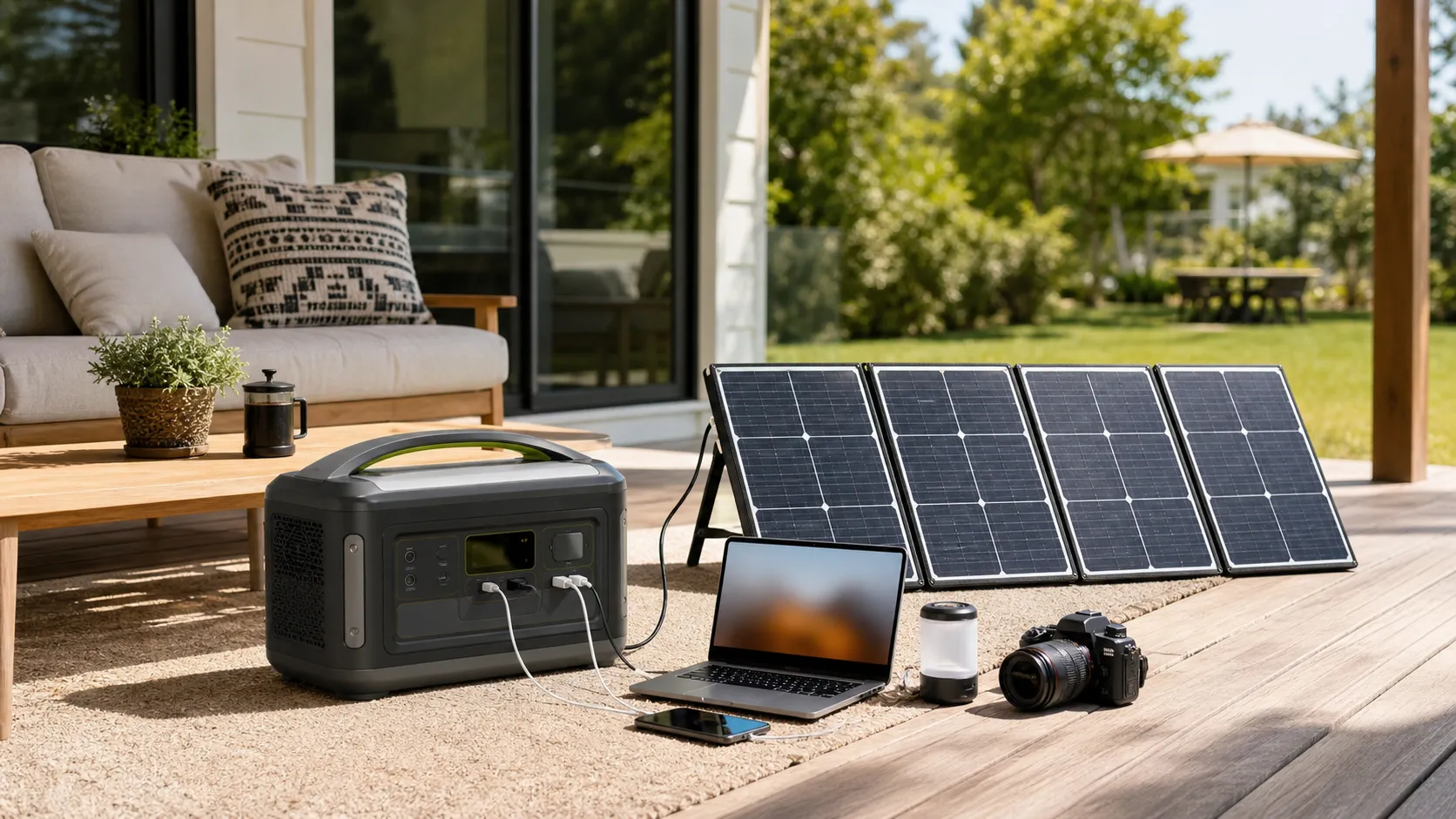
We rank these portable solar generator options by output, stored energy, enclosure style, and fit for backup or project use. All listed portable power stations use LiFePO4 prismatic cells, with a stated 6,000+ cycle life.
| Rank | Power Station | Output | Capacity | Housing | Best Fit |
|---|---|---|---|---|---|
| 1 | Ultra-High Capacity Backup | 3,600W | 3,225.6Wh | Sheet metal | High-demand backup |
| 2 | High-Output Workhorse | 2,400W | 2,400Wh | Plastic | Strong portable power |
| 3 | Rugged All-Terrain | 2,000W | 2,165.2Wh | Sheet metal | Field and work use |
| 4 | Mid-Range EPS | 1,000W | 1,008Wh / 2,009.6Wh | Sheet metal | Flexible backup |
| 5 | Compact Mid-Tier | 1,000W | 806.4Wh | Plastic | Mobile power needs |
| 6 | High-Capacity 500W | 500W | 1,000Wh / 2,009.6Wh | Sheet metal | Long-duration low-load use |
| 7 | Entry-Level Unit | 300W | 1,004.8Wh | Not specified | Essential-device backup |
| 8 | Rack-Mount ESS | System-dependent | 5.22kWh | 19-inch chassis | Integrated energy storage |
1. Best Ultra-High Capacity Backup: 3600W Solar Generator
The 3,600W model is our top portable solar generator for customers who need the highest listed AC output and battery capacity in this lineup. Its 3,225.6Wh LiFePO4 battery and sheet metal housing make it a strong fit for demanding backup plans and professional deployments.
- Output: 3,600W pure sine wave
- Capacity: 3,225.6Wh
- Battery: LiFePO4 prismatic cells
- Housing: Sheet metal
Why it ranks #1: This is the highest-output portable power station listed. It provides more room for higher-load equipment than the lower-wattage models.
Strengths:
- Highest listed power and energy capacity
- Long-life LiFePO4 cell platform
- Sheet metal enclosure for a more industrial format
Considerations:
- A higher-capacity system may be less convenient to move than smaller portable units.
- Solar charging configuration depends on the selected system setup. See the TURSAN portable power station comparison guide when evaluating backup formats.
2. Best High-Output Workhorse: 2400W Solar Power Station
The 2,400W portable power station combines 2,400W output with 2,400Wh capacity in a plastic housing. It is a practical middle ground for users who need substantial power without moving into the largest sheet metal model.
- Output: 2,400W
- Capacity: 2,400Wh
- Battery: LiFePO4 prismatic cells
- Housing: Plastic
Performance: This model provides closely matched power and battery capacity figures, making it suitable for a broad range of mobile power and backup requirements.
Strengths:
- High 2,400W output
- 2,400Wh battery capacity
- Plastic housing format
- Pure sine wave power for stable AC output
Considerations:
- Plastic and sheet metal housings serve different installation and transport preferences.
- Smart IoT functions, including WiFi, Bluetooth, and API support, are available for applicable custom solutions rather than confirmed as standard on every unit.
3. Best Industrial Rugged Generator: 2000W All-Terrain Kit
The 2,000W sheet metal model is a balanced choice for users who prioritize a metal enclosure alongside substantial energy storage. Its 2,165.2Wh capacity gives it more stored energy than its rated output figure.
- Output: 2,000W
- Capacity: 2,165.2Wh
- Battery: LiFePO4 prismatic cells
- Housing: Sheet metal
Performance: The sheet metal format makes this model well suited to B2B projects, remote-site power planning, and users who prefer a more industrial enclosure style.
Strengths:
- 2,000W AC output
- 2,165.2Wh battery capacity
- Sheet metal housing
- LiFePO4 prismatic cell design
Considerations:
- Specific UPS transfer speed, thermal performance, and impact ratings are not listed for this model.
- Product selection should match the actual continuous load and required operating time.
4. Best Mid-Range Home Backup Kit: 1000W EPS
The 1,000W sheet metal EPS1 range is available in 1,008Wh and 2,009.6Wh capacities. This gives distributors and project buyers two energy-storage options at the same 1,000W power tier.
- Output: 1,000W
- Capacity options: 1,008Wh or 2,009.6Wh
- Battery: LiFePO4 prismatic cells
- Housing: Sheet metal EPS1
Performance: This range is a clear option for essential-load backup, mobile work requirements, and compact energy storage packages where 1,000W output is appropriate.
Strengths:
- Two available capacity options
- Sheet metal EPS1 enclosure
- Pure sine wave output
- Long-cycle LiFePO4 chemistry
Considerations:
- The 1,000W rating sets the maximum AC load class for the unit.
- Larger capacity supports longer runtime, but not a higher AC output rating.
5. Best Compact Mid-Tier Generator: 1000W Portable Power Station
The 1,000W plastic portable power station offers 806.4Wh of capacity. It is the smaller-capacity 1,000W option for customers focused on portability within the mid-range output class.
- Output: 1,000W
- Capacity: 806.4Wh
- Battery: LiFePO4 prismatic cells
- Housing: Plastic
Performance: This model fits mobile power applications where users need 1,000W output but do not require the larger battery capacities offered by the EPS1 range.
Strengths:
- 1,000W output in a plastic-housing format
- Compact capacity within the 1,000W category
- Pure sine wave AC power
- LiFePO4 prismatic battery cells
Considerations:
- The 806.4Wh battery capacity is lower than the 1,008Wh and 2,009.6Wh 1,000W sheet metal options.
- Runtime depends on the connected device load.
6. Best High-Capacity 500W Generator: 500W Series
The 500W range is available in 1,000Wh and 2,009.6Wh configurations. It is a strong choice when battery capacity matters more than high AC output.
- Output: 500W
- Capacity options: 1,000Wh or 2,009.6Wh
- Battery: LiFePO4 prismatic cells
- Housing: Sheet metal
Performance: With up to 2,009.6Wh of storage at a 500W output tier, this model is suited to lower-power devices that need longer operating time.
Strengths:
- Two battery capacity options
- High capacity relative to the 500W output class
- Sheet metal enclosure
- Pure sine wave output
Considerations:
- Loads must remain within the 500W output rating.
- This is not the best fit for equipment that requires higher continuous wattage.
7. Best Entry-Level Prismatic Unit: 300W Portable Power Station
The 300W model pairs a 1,004.8Wh battery with a 300W output rating. It is an energy-focused option for lower-wattage essentials, communications equipment, and compact device charging.
- Output: 300W
- Capacity: 1,004.8Wh
- Battery: LiFePO4 prismatic cells
- Model: SM-1
Performance: The combination of 1,004.8Wh capacity and 300W output makes this unit best matched to lower-draw applications rather than high-wattage appliances.
Strengths:
- 1,004.8Wh LiFePO4 battery capacity
- 300W output for essential electronics and small loads
- Long-cycle prismatic cell platform
- Pure sine wave output
Considerations:
- Devices drawing more than 300W are outside its rated output class.
- Housing details are not specified in the available model information.
8. Best Modular Chassis Integration: 5.22kWh Rack-Mount ESS
The 5.22kWh 19-inch rack-mount ESS is designed for integrated energy storage rather than grab-and-go portable use. It supports project-based installations that require a standard chassis format.
- Capacity: 5.22kWh
- Battery: LiFePO4 energy storage system
- Format: 19-inch rack-mount chassis
- Use case: Integrated ESS projects
Performance: This format is suited to installers, EPCs, distributors, and off-grid energy storage projects that need rack-based system integration.
Strengths:
- 5.22kWh energy storage capacity
- Standard 19-inch chassis format
- LiFePO4 battery technology
- Suitable for tailored system designs
Considerations:
- Inverter selection and system configuration depend on the wider project design.
- This rack-mount ESS requires a more technical installation approach than a self-contained portable power station.
Solar Generator Buyer’s Guide: Crucial Technical Factors
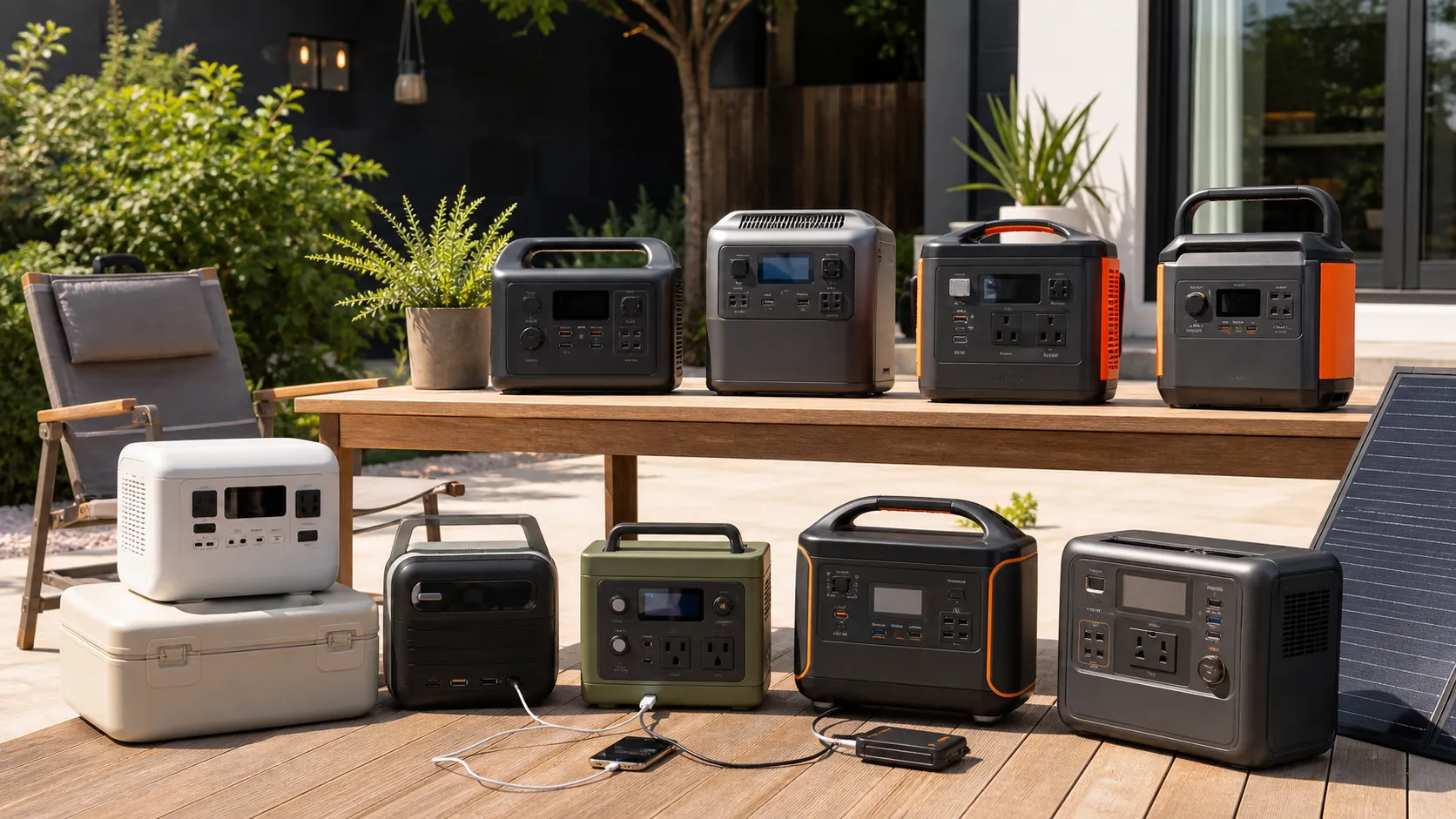
When we compare the best portable solar generators and kits, we focus on usable output, battery life, housing, and charging-system details—not headline wattage alone.
| Factor | What to Check | TURSAN Lineup Detail |
|---|---|---|
| Battery chemistry | Cell type and cycle life | LiFePO4 prismatic cells with 6,000+ cycles |
| Housing | Durability versus portability | Sheet metal and plastic housing options |
| Inverter output | Power quality for connected loads | Pure sine wave output |
| Solar charging | Input limits and charge-controller specifications | Confirm the selected model’s solar-input configuration before procurement |
LiFePO4 Prismatic Cells
TURSAN portable solar power generators use LiFePO4 prismatic cells, a chemistry selected for long service life. The stated battery cycle life is 6,000+ cycles, making this technology suitable for repeated backup, mobile work, and off-grid use.
NMC battery specifications are not provided for this range. For buyers comparing chemistries, the key verified point is that TURSAN portable power stations are built around long-life LFP cells. See the battery brand evaluation guide for broader context on energy-storage selection.
Sheet Metal vs. Plastic Housing
Housing affects how a portable solar generator fits the job.
| Housing Type | Best Fit | Available TURSAN Examples |
|---|---|---|
| Sheet metal | Heavy-duty use, commercial deployment, and rugged equipment layouts | 500W, 1,000W EPS1, 2,000W, and 3,600W models |
| Plastic | More portable power-station formats | 1,000W and 2,400W models |
Sheet metal housing is available across several higher-output and EPS-style configurations. Plastic housing is offered on selected portable models where a lighter overall format may be preferred. Buyers should select the enclosure based on transport needs, installation environment, and required output tier.
Pure Sine Wave Inverter Output
A pure sine wave inverter is a core consideration for portable solar generators powering electronics and common AC equipment. TURSAN identifies pure sine wave output as a key product feature, supporting low-noise operation and stable load performance.
Always separate inverter output from battery capacity:
- Watts (W) indicate the unit’s output rating.
- Watt-hours (Wh) indicate stored battery energy.
- A larger battery can run lower-wattage loads longer, while higher output supports more demanding connected equipment within the station’s rated capability.
Solar Charging and System Configuration
Solar recharge performance depends on the selected generator’s supported solar input, the connected solar array, and local sunlight conditions. Specific MPPT controller ratings, solar-input limits, and recharge times are not listed across the portable power-station range, so these details should be confirmed for the exact model and project configuration.
For global B2B sourcing, we recommend matching the solar charging setup to:
- Required daily energy consumption
- Regional solar conditions
- Portable or fixed installation needs
- Selected power-station capacity and output rating
- Local certification and deployment requirements
TURSAN supports OEM/ODM and wholesale solutions, helping distributors, installers, and energy-storage buyers align portable solar generator specifications with their market requirements.
Appliance Wattage Guide & Sizing Calculations
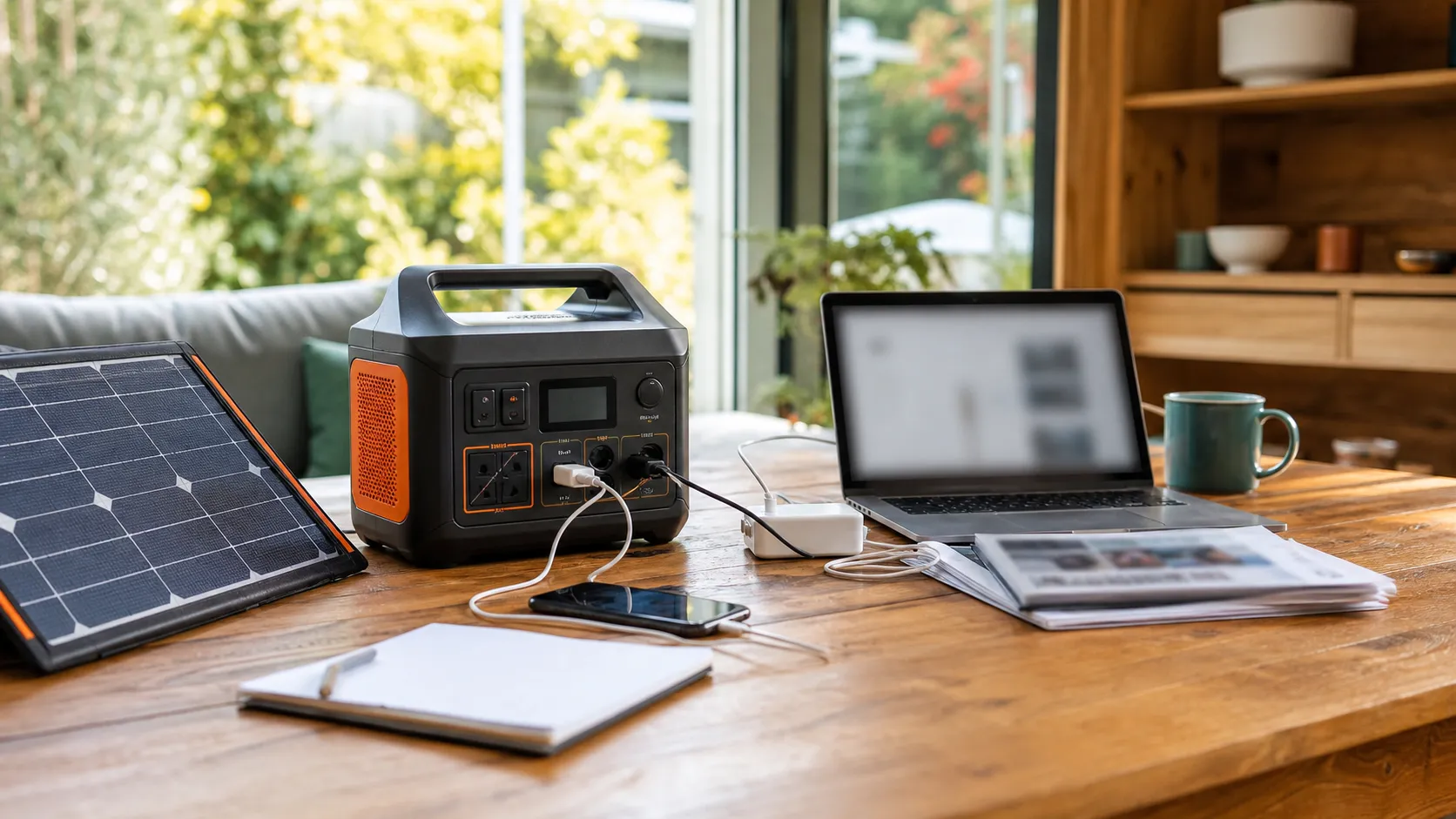
We size a portable solar generator by matching both its continuous AC output and its watt-hour capacity (Wh) to the equipment being used. Output wattage determines whether the station can run an appliance. Battery capacity determines how long it can run.
| Appliance | Typical Running Load | Suitable TURSAN Generator Tier | Estimated Runtime Example |
|---|---|---|---|
| Full-size refrigerator | Varies by model; startup load can be higher than running load | 2,000W, 2,400W, or 3,600W | Calculate from the refrigerator’s rated watts and selected Wh capacity |
| CPAP machine | Varies by machine and humidifier use | 300W, 500W, or 1,000W | A 1,004.8Wh unit at a 50W load: about 17 hours |
| Electric grill | Often a high-wattage load | 2,000W, 2,400W, or 3,600W | Confirm the grill’s rated wattage before connection |
| Power drills | Varies by tool and startup demand | 1,000W to 3,600W, depending on tool rating | Select output above the tool’s running requirement |
| Laptop | Commonly low draw | 300W or higher | A 1,004.8Wh unit at a 60W load: about 14 hours |
| Smartphones | Low draw | 300W or higher | Runtime depends on the charger and charging cycles |
For emergency home backup power, check each appliance label for its rated watts and allow headroom for motors, compressors, and power tools that may require a higher startup load. A pure sine wave inverter supports stable power delivery for sensitive electronics, while higher-capacity portable solar generators provide longer operating time for lower-draw essentials.
Manufacturing Quality, Safety & OEM/B2B Sourcing
At TURSAN, we build portable solar generators around LiFePO4 prismatic cell technology for long-term energy storage performance. Our manufacturing partnership with BYD supports larger-capacity, safety-focused power solutions, while LiFePO4 cells are designed for 6,000+ cycles. This gives distributors, installers, and project buyers a dependable foundation for portable power stations and backup energy systems.
Built for Global Compliance
Our products are supported by pre-integrated international documentation and certifications, including:
- UN38.3 for battery transport
- MSDS documentation
- UL1973
- CE
- FCC
These standards help simplify market-entry planning for global B2B buyers. For a closer look at TURSAN’s production and verification capabilities, visit the quality control process.
OEM and ODM Flexibility
We support wholesale and project-based sourcing with OEM/ODM services tailored to brand and deployment requirements. Available options include:
- Free ID design and exterior modeling
- Custom housing configurations, including sheet metal and plastic formats
- WiFi and Bluetooth connectivity options
- Multiple API protocol support for smart IoT integration
- Tailored solutions for distributors, solar installers, EPCs, and off-grid applications
With 15 production lines, more than 10 years of experience, and service coverage across 30+ countries, TURSAN combines manufacturing scale with responsive B2B support. Custom wholesale pricing can be prepared within as little as four hours. See the portable power station manufacturer comparison for more sourcing context.
Portable Solar Generator FAQs
| Topic | Clear Answer |
|---|---|
| Whole-home blackout power | A portable solar generator can support selected essential loads during an outage, but it is not automatically a whole-home solution. Match the unit’s continuous AC output and watt-hour capacity to the appliances you plan to run. Our portable range spans 300W to 3,600W and 806.4Wh to 3,225.6Wh. |
| EPS vs. UPS operation | EPS and UPS performance details are model-specific. Our product overview does not publish transfer-time specifications, so installers and distributors should confirm the required backup mode and system configuration during project quoting. |
| LiFePO4 battery lifespan | Our portable solar generators use LiFePO4 prismatic cells rated for 6,000+ cycles, with a 5-year warranty. Actual service life depends on load levels, charging habits, storage conditions, and operating environment. |
| Charging while powering devices | Simultaneous charging and appliance use depends on the selected power station’s supported operating configuration. Confirm the applicable model specifications before designing a continuous backup or solar charging setup. |
| Solar panel compatibility | Solar panel compatibility depends on the power station’s supported solar input parameters. Confirm the input requirements, connector arrangement, and solar array design before selecting panels for a high-capacity portable power station. |
For a clear view of portable power use cases, compare TURSAN’s camping and portable solar generator OEM/ODM application.