 English
  العربية
  日本語
日本語  한국어
한국어  Tiếng Việt
  ไทย
ไทย  Bahasa Melayu
  فارسی
فارسی  Bahasa Indonesia
  ဗမာစာ
ဗမာစာ  简体中文
简体中文  香港中文
香港中文  繁體中文
繁體中文  Русский
  Deutsch
  Nederlands
  Italiano
  Français
  Español
  Português
  Afrikaans
  Azərbaycan dili
  Български
  ਪੰਜਾਬੀ
  हिन्दी
  اردو
اردو  বাংলা
বাংলা  Հայերեն
  Íslenska
  Қазақ тілі
  नेपाली
  Српски језик
  Kiswahili
  తెలుగు
  Basa Jawa
  தமிழ்
தமிழ்  मराठी
मराठी Crucial Metrics Before Choosing a Residential Energy Storage System (ESS)
Investing in a residential energy storage system (ESS) is a major step toward energy independence, but choosing the right system requires looking past marketing buzzwords. To get the best solar-plus-storage ROI, you need to understand exactly how a battery performs under pressure.
Usable Capacity (kWh) vs. Continuous Power Output (kW)
When evaluating a battery, do not confuse how much energy it holds with how much power it can deliver at any given moment.
- Usable Capacity (kWh): This is the total amount of electricity stored in the battery that your home can actually use. Think of it as the size of your fuel tank. A higher kilowatt-hour (kWh) rating means the battery can run your appliances for a longer duration.
- Continuous Power Output (kW): This is the maximum amount of electricity the battery can discharge consistently. Think of it as the width of the fuel pipe. A higher kilowatt (kW) rating determines how many appliances you can turn on simultaneously.
If your goal is whole-home backup power to run heavy loads like central air conditioning or a well pump, you need a high continuous power output. If you simply want to keep the lights and refrigerator running through a long overnight outage, focus on maximizing usable capacity.
Battery Chemistry: LFP vs. NMC
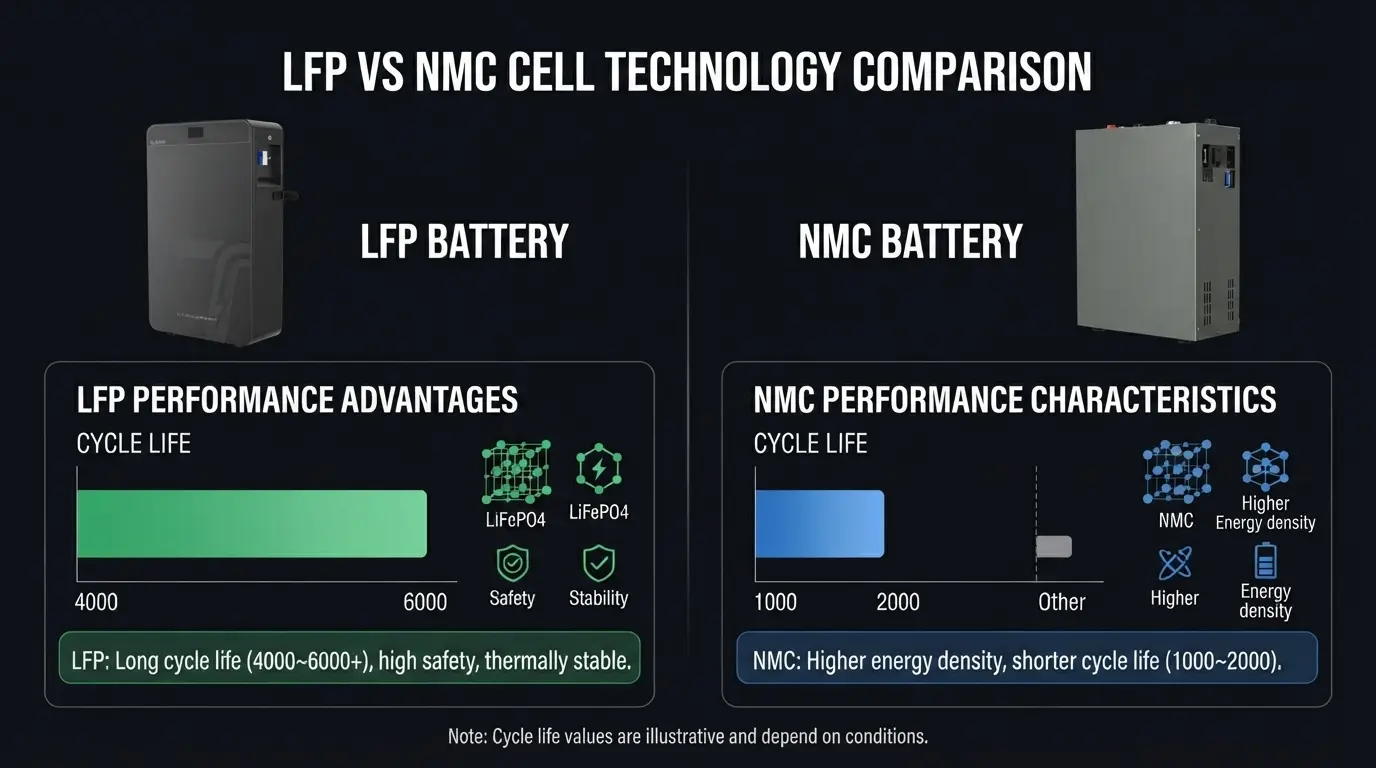
The internal chemistry of a battery dictates its lifespan, safety, and physical size. Most modern residential energy storage systems use one of two lithium-ion variants:
| Feature | Lithium Iron Phosphate (LiFePO4 / LFP) | Lithium Nickel Manganese Cobalt (NMC) |
|---|---|---|
| Lifespan & Cycle Life | Superior (Often 6,000+ cycles) | Moderate (Typically 2,000 to 3,000 cycles) |
| Safety & Thermal Stability | Excellent (Highly resistant to thermal runaway) | Moderate (Requires advanced cooling systems) |
| Energy Density | Lower (Requires a larger, heavier footprint) | Higher (More compact and lightweight) |
| Environmental Impact | Cobalt-free, easier to recycle | Contains cobalt, harder to recycle |
LFP has rapidly become the gold standard for home energy storage due to its exceptional safety profile and long operational life, making it the ideal choice for stationary home installations.
Round-Trip Efficiency
No electrical system is perfectly efficient; energy is always lost as heat during the conversion from DC power to AC power and back.
Round-trip efficiency represents the percentage of energy that can be retrieved from the battery compared to the amount of energy it took to store it. For example, if a solar array sends 10 kWh of electricity into a battery, but you can only pull 9 kWh back out, the system has a 90% round-trip efficiency.
When configuring a smart home energy management plan, look for systems with a round-trip efficiency of 90% or higher to minimize wasted solar generation and accelerate your financial payback.
Ecosystem Coupling
How a battery integrates with an existing solar array is determined by its coupling architecture.
- DC-Coupled Systems: Solar panels send direct current (DC) electricity straight to a hybrid inverter and into the battery without intermediate conversions. This method offers higher overall efficiency during solar charging.
- AC-Coupled Systems: Solar energy is converted to alternating current (AC) by solar inverters first, then converted back to DC to charge the battery. While slightly less efficient, AC-coupled systems offer unmatched flexibility, making them incredibly easy to retrofit onto existing solar panel systems.
Choosing the right coupling method impacts your overall installation costs, system flexibility, and Time-of-Use (TOU) optimization efficiency.
Detailed Profiles: The Top 10 Home Battery Manufacturers
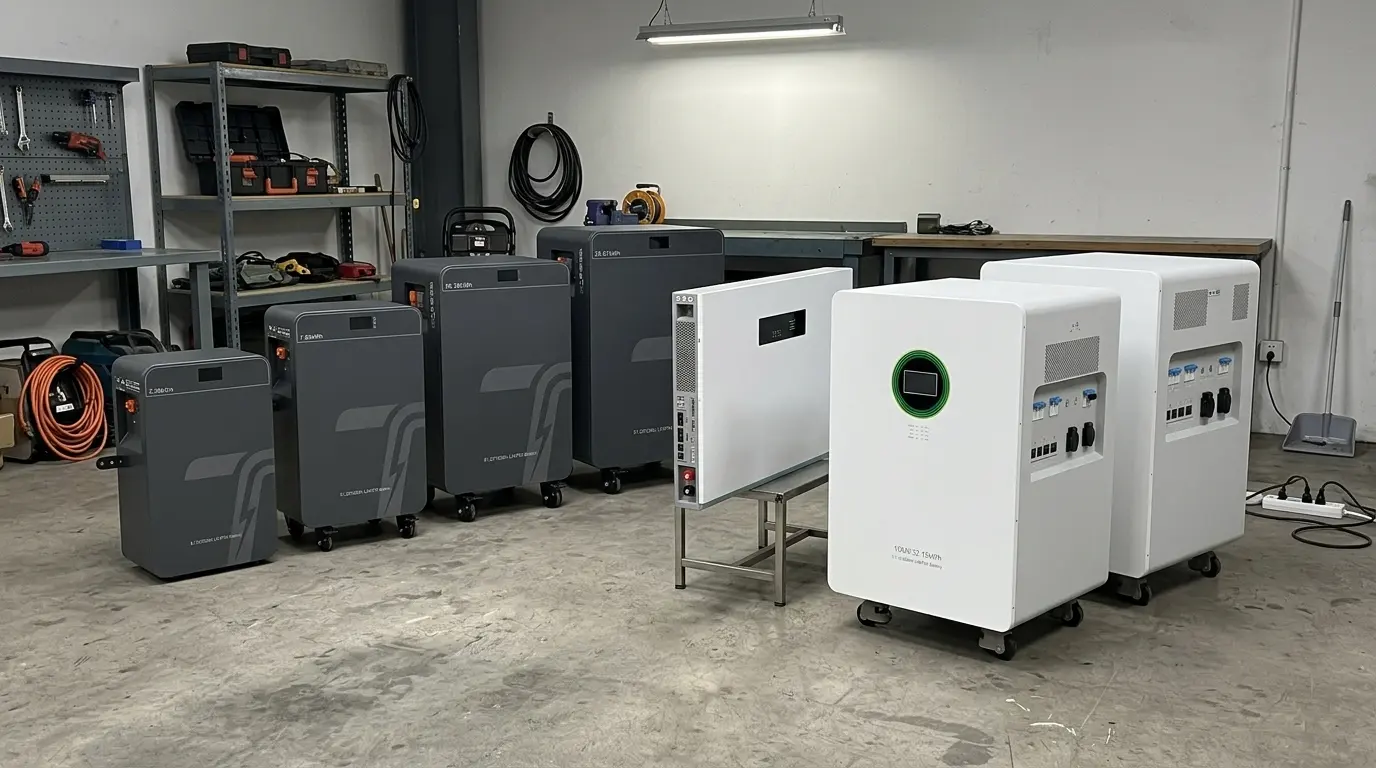
The residential energy storage market is expanding rapidly, driven by the need for reliable whole-home backup power and smarter grid management. Below is a detailed look at the leading choices for homeowners looking to secure their energy independence.
1. Tesla (Powerwall 3)
Tesla remains a dominant force with the Powerwall 3. Unlike its predecessor, it features a fully integrated hybrid inverter, making solar battery integration much cleaner and cheaper during installation. It delivers robust continuous power output, allowing homeowners to run heavy appliances like central air conditioners during a grid outage.
2. BYD (Battery-Box Series)
As a global leader in Lithium Iron Phosphate (LiFePO4) battery technology, BYD offers the highly adaptable Battery-Box series. Its modular battery capacity allows users to stack storage units as their energy needs grow, offering an exceptionally stable and safe option for long-term residential energy storage.
3. Enphase Energy (IQ Battery 5P)
Enphase brings its signature microinverter technology to energy storage with the IQ Battery 5P. Operating on a distributed architecture, it provides excellent round-trip efficiency and ensures that even if one component faces an issue, the rest of the system keeps running seamlessly.
4. FranklinWH (aPower 2)
FranklinWH has quickly gained a reputation for elite smart home energy management. The aPower 2 features a robust battery management system (BMS) that integrates seamlessly with existing solar setups, specialized standby generators, and main electrical panels to optimize energy consumption dynamically.
5. Huawei (FusionSolar Luna Series)
Huawei’s FusionSolar Luna Series is a highly customizable, modular residential energy storage system. It features built-in energy optimizers for each battery module, ensuring that older modules do not degrade the performance of newly added packs over time.
6. SolarEdge (Home Battery)
Optimized for the SolarEdge ecosystem, this high-voltage DC-coupled battery minimizes conversion losses, maximizing overall solar-plus-storage ROI. It interfaces directly with SolarEdge smart inverters to prioritize Time-of-Use (TOU) optimization.
7. Generac (PWRcell)
Coming from a household name in backup generators, the Generac PWRcell is engineered specifically for serious whole-home backup power. Its scalable design can deliver massive continuous power output when the grid goes down, making it a favorite for large American homes.
8. LG Energy Solution (RESU Prime)
LG’s RESU Prime series offers high-energy density storage with a compact footprint. Backed by one of the largest battery manufacturers in the world, these systems are highly reliable and offer advanced monitoring features for real-time tracking.
9. EG4 Electronics (WallMount Series)
EG4 has taken the DIY and value-conscious markets by storm with its WallMount Series. Utilizing safe LiFePO4 chemistry, it delivers substantial usable capacity at a highly competitive price point, making it easier for homeowners to achieve a fast return on investment.
10. Fortress Power (eForce Stackable)
The eForce Stackable system focuses on heavy-duty reliability and ease of installation. With an emphasis on safety and local support, Fortress Power provides robust energy security that integrates effortlessly into Virtual Power Plants (VPP) and demand response programs across the United States.
The Power Behind the Brands: The Role of Elite OEM/ODM Manufacturers
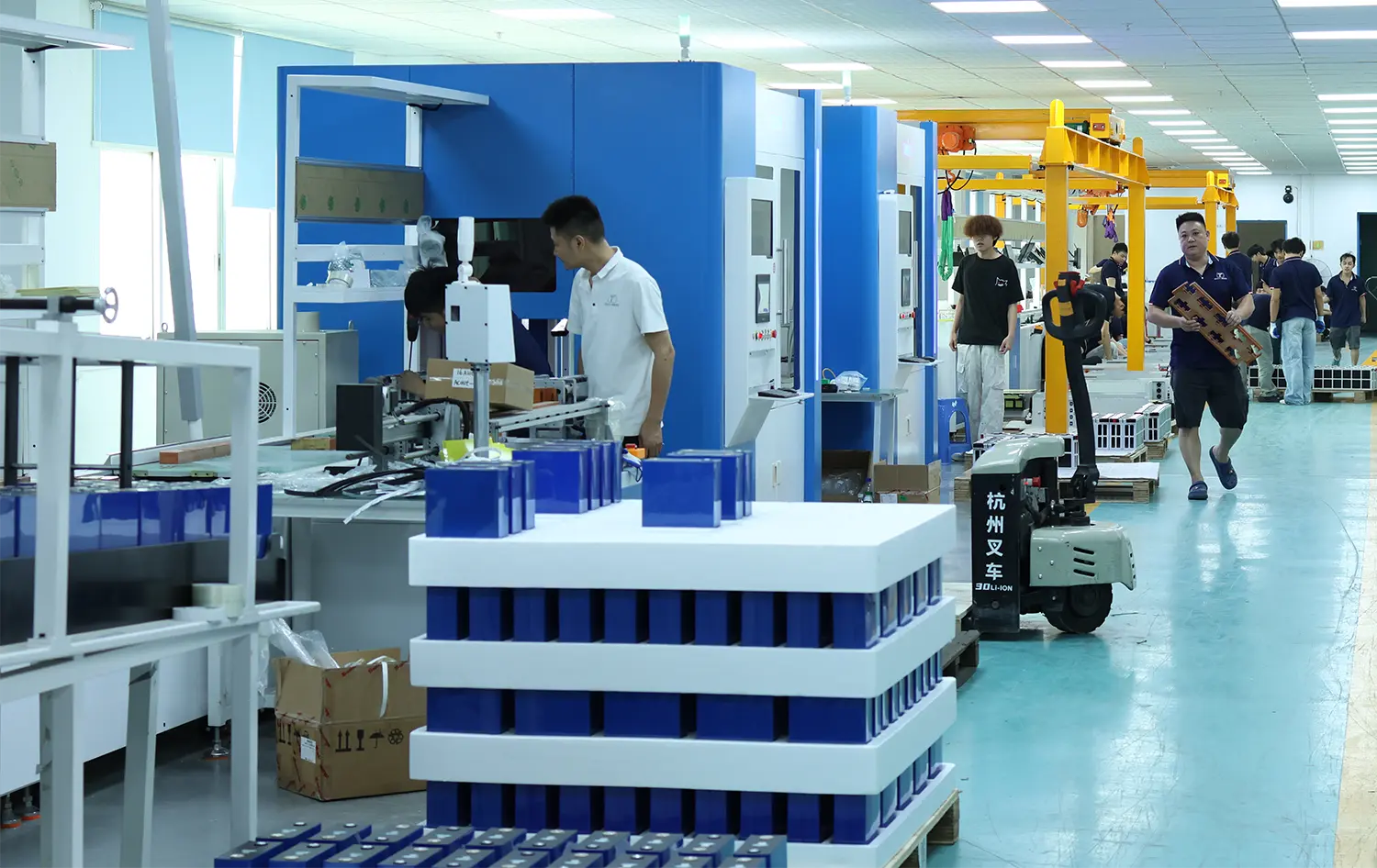
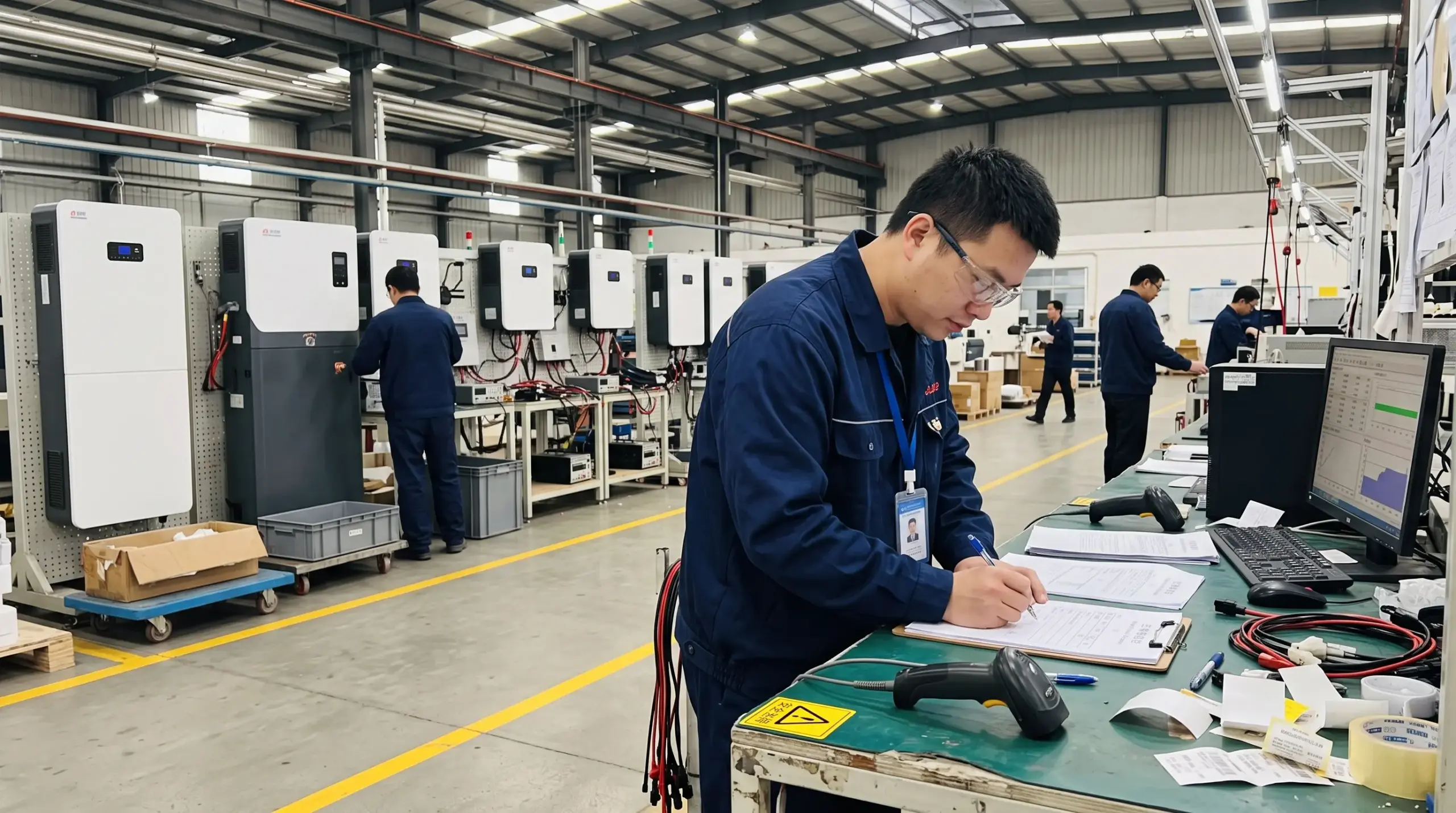
While household names dominate the marketing headlines, the true backbone of the residential energy storage systems (ESS) industry lies in elite OEM/ODM manufacturing partnerships. Many top-tier brands rely on specialized engineering firms to build the hardware, manage thermal safety, and program the smart battery management systems (BMS). This collaborative supply chain allows tech brands to focus on software and customer service, while advanced production facilities handle the complex physical architecture.
Demystifying the Supply Chain
The transition from raw lithium cells to a fully certified home battery backup requires world-class manufacturing infrastructure. Original Design Manufacturers (ODMs) create the foundational blueprints, safety casing, and power electronics that consumer brands later label as their own. By consolidating production, these elite manufacturers ensure that key metrics—like rapid continuous power output and high round-trip efficiency—are consistently met at scale for the American market.
Spotlight on Tursan
As a leading solar battery and energy storage OEM/ODM manufacturer, Tursan designs robust power architectures that operate behind the scenes of major clean energy brands. Our facility focuses on high-capacity solutions, advanced thermal dynamics, and seamless smart home energy management integration. Beyond massive residential setups, engineering reliable energy infrastructure requires precision testing. This attention to detail extends across all product tiers, ensuring accurate calculations whether analyzing a massive whole-home backup matrix or utilizing an Ah to kWh converter battery capacity tool during the early system configuration phase.
Engineering to Tier-1 Standards
To survive the rigorous demands of US grid compliance and extreme weather, home batteries must be engineered to strict Tier-1 benchmarks. Every system leaving the line undergoes extensive quality control protocols:
- Chemistry Selection: Prioritizing ultra-stable Lithium Iron Phosphate (LiFePO4) battery cells for superior thermal stability and lifespan over standard chemistries.
- Modular Scalability: Designing flexible, modular battery capacity enclosures that allow installers to easily expand storage for whole-home backup power.
- Safety Certifications: Meeting rigid UL safety standards (such as UL 9540A) to prevent thermal runaway and ensure safe indoor or outdoor residential placement.
Comparative Matrix: Side-by-Side Industry Comparison
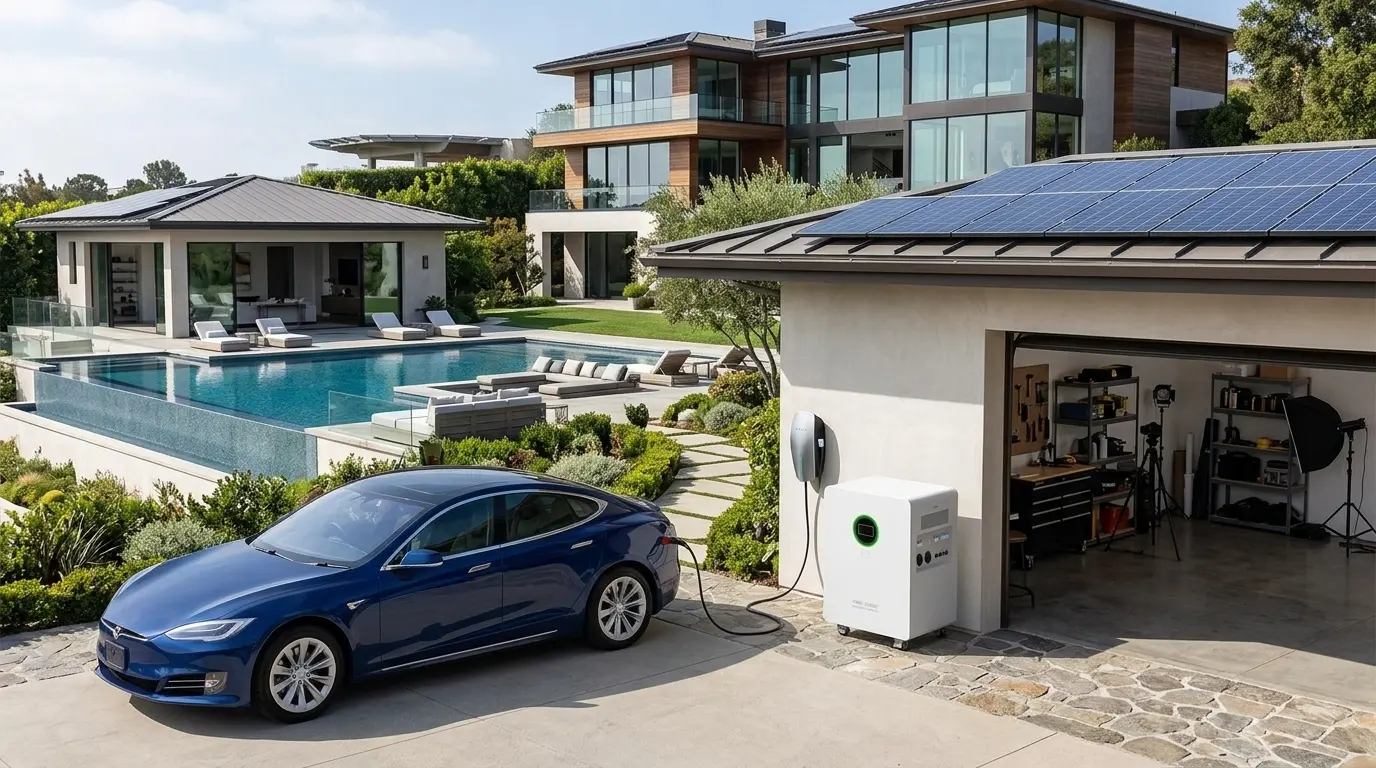
Choosing the right residential energy storage system (ESS) comes down to how the top 10 home battery manufacturers stack up on raw performance, chemistry, and integration flexibility.
The side-by-side comparison matrix below breaks down the key specifications of the industry’s leading whole-home backup power solutions for 2026.
| Manufacturer & Model | Battery Chemistry | Usable Capacity (kWh) | Continuous Power Output (kW) | Round-Trip Efficiency | Ecosystem Coupling |
|---|---|---|---|---|---|
| Tesla (Powerwall 3) | LFP | 13.5 | 11.5 | 90.0% | AC or DC (Built-in Inverter) |
| BYD (Battery-Box Premium) | LFP | 5.1 – 22.1 (Modular) | 5.0 – 10.0 | 96.0% | DC Coupled |
| Enphase Energy (IQ Battery 5P) | LFP | 5.0 (Modular) | 3.84 | 90.0% | AC Coupled |
| FranklinWH (aPower 2) | LFP | 13.6 | 5.0 | 89.0% | AC Coupled |
| Huawei (Luna Series) | LFP | 5.0 – 15.0 (Modular) | 2.5 – 5.0 | 95.0% | DC Coupled |
| SolarEdge (Home Battery) | NMC | 9.7 | 5.0 | 94.5% | DC Coupled |
| Generac (PWRcell) | NMC | 9.0 – 18.0 (Modular) | 4.5 – 9.0 | 90.0% | DC Coupled |
| LG Energy Solution (RESU Prime) | NMC | 9.6 – 16.0 | 5.0 – 7.0 | 90.0% | DC or AC Coupled |
| EG4 Electronics (WallMount) | LFP | 14.3 | 12.0 | 93.0% | DC Coupled |
| Fortress Power (eForce) | LFP | 18.5 | 12.0 | 98.0% | DC Coupled |
Key Takeaways for US Homeowners
- Chemistry Shift: Lithium Iron Phosphate (LFP) has officially overtaken Nickel Manganese Cobalt (NMC) among most top 10 home battery manufacturers due to its superior thermal stability, longer cycle life, and safer operation for indoor or outdoor residential energy storage systems (ESS).
- Power vs. Capacity: For true whole-home backup power during a grid outage, look closely at the continuous power output (kW) rather than just the usable capacity (kWh). High-output systems like the Tesla Powerwall 3 or EG4 WallMount handle heavy startup loads like central air conditioning much better than low-output options.
- Solar Battery Integration: DC-coupled systems deliver higher round-trip efficiency because they reduce the number of power conversions between your solar panels, the battery, and your home. AC-coupled systems, however, offer easier retrofitting for existing solar arrays.
Maximizing Financial Returns: Incentives, Rebates, and ROI in 2026
Investing in residential energy storage systems (ESS) is no longer just about emergency backup power—it is a strategic move to maximize your financial returns. With fluctuating utility rules and new federal programs active this year, the solar-plus-storage ROI has never been more compelling for American homeowners. Choosing technology from the Top 10 Home Battery Manufacturers ensures you have the smart home energy management features needed to unlock these savings.
The Federal Clean Energy Credit
The cornerstone of your financial return is the Residential Clean Energy Credit (Section 25D).
- 30% Tax Credit: You can deduct 30% of the total installation cost of your battery system directly from your federal taxes.
- Standalone Eligibility: The battery does not need to be paired with solar panels to qualify. Standalone storage systems with a capacity of 3 kWh or greater qualify for the full 30% credit.
- Capped Savings: There is no maximum dollar limit on this credit, meaning larger whole-home backup power setups yield even larger tax offsets.
Virtual Power Plants (VPPs) & Demand Response
Your home battery can generate passive income through Virtual Power Plants (VPPs) and demand response programs. By networking thousands of decentralized residential batteries together, utilities can draw power from your system during peak grid strain instead of firing up expensive, polluting peaker plants.
- Direct Incentives: Programs like California’s DSGS or New England’s ConnectedSolutions pay you cash incentives or bill credits just for participating.
- Grid Support: You decide how much reserve capacity to keep for personal backup power, while the rest automatically assists the grid when called upon.
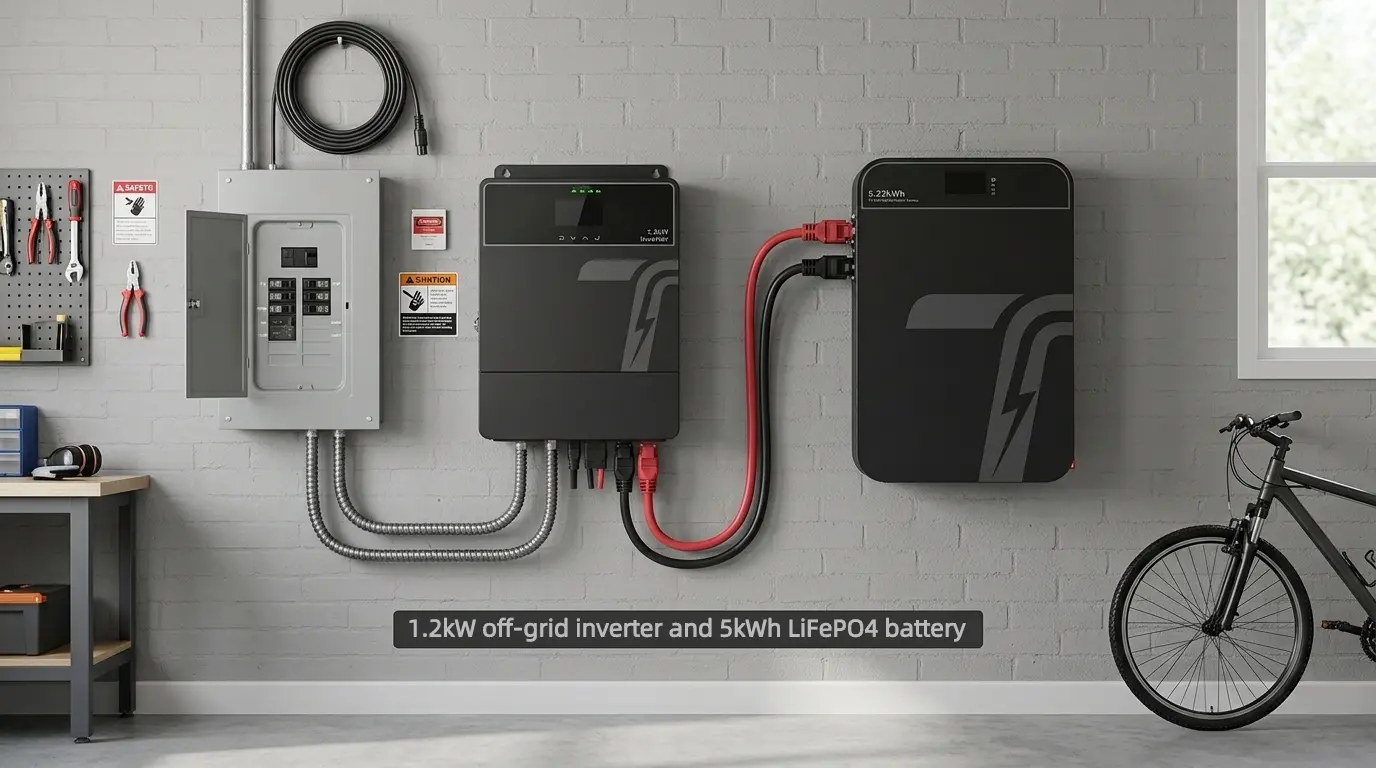
- Premium Infrastructure: Elite tier-1 setups and versatile options like a 10kW wall-mounted battery storage system feature advanced battery management systems (BMS) that handle these rapid utility dispatches flawlessly without degrading your cell life.
Beating Time-of-Use (TOU) Rates
Utility companies across the United States are aggressively shifting consumers toward Time-of-Use (TOU) rates, charging premium prices for electricity during late afternoon and evening hours.
- Load Shifting: Your battery automatically charges during the day when solar power is abundant or when grid electricity is cheapest.
- Peak Shaving: During expensive peak hours, your system switches over to run your home entirely on stored battery power, completely bypassing high utility rates.
- NEM 3.0 Mitigation: In states like California under Net Energy Metering 3.0, exporting solar power to the grid yields minimal credit. Storing that excess energy in your own battery for night use is the only way to safeguard your solar savings and secure a rapid return on your investment.