 English
  العربية
  日本語
日本語  한국어
한국어  Tiếng Việt
  ไทย
ไทย  Bahasa Melayu
  فارسی
فارسی  Bahasa Indonesia
  ဗမာစာ
ဗမာစာ  简体中文
简体中文  香港中文
香港中文  繁體中文
繁體中文  Русский
  Deutsch
  Nederlands
  Italiano
  Français
  Español
  Português
  Afrikaans
  Azərbaycan dili
  Български
  ਪੰਜਾਬੀ
  हिन्दी
  اردو
اردو  বাংলা
বাংলা  Հայերեն
  Íslenska
  Қазақ тілі
  नेपाली
  Српски језик
  Kiswahili
  తెలుగు
  Basa Jawa
  தமிழ்
தமிழ்  मराठी
मराठी 4000 vs 6000 Cycles – How Big Is the Real-World Difference
A distributor in Poland sent us two supplier quotes last month. Same 51.2V 100Ah LFP wall-mount battery, same enclosure, same BMS chipset. One datasheet claims 4,000 cycles, the other 6,000. The price gap is 12%. His question was one line: “Which one do I stock?”
The honest answer is that the cycle number alone doesn’t tell you much. What matters is what those cycles are worth in the hands of your actual customers – a homeowner cycling once a day, a telecom site cycling twice, a portable power station user cycling once a week. This article does the field math so you can decide whether the 2,000-cycle gap justifies the premium.
What a Cycle Number Actually Measures
A cycle life claim is only meaningful when you know the test conditions behind it. The industry-standard reference for LFP is 80% depth of discharge (DoD), 25°C ambient, 0.5C charge and discharge, cycled until the cell retains 80% of its original capacity. Under those conditions, a 4,000-cycle cell and a 6,000-cycle cell are both real products – the difference comes from electrolyte additives, anode coating, and cell compression, not marketing.
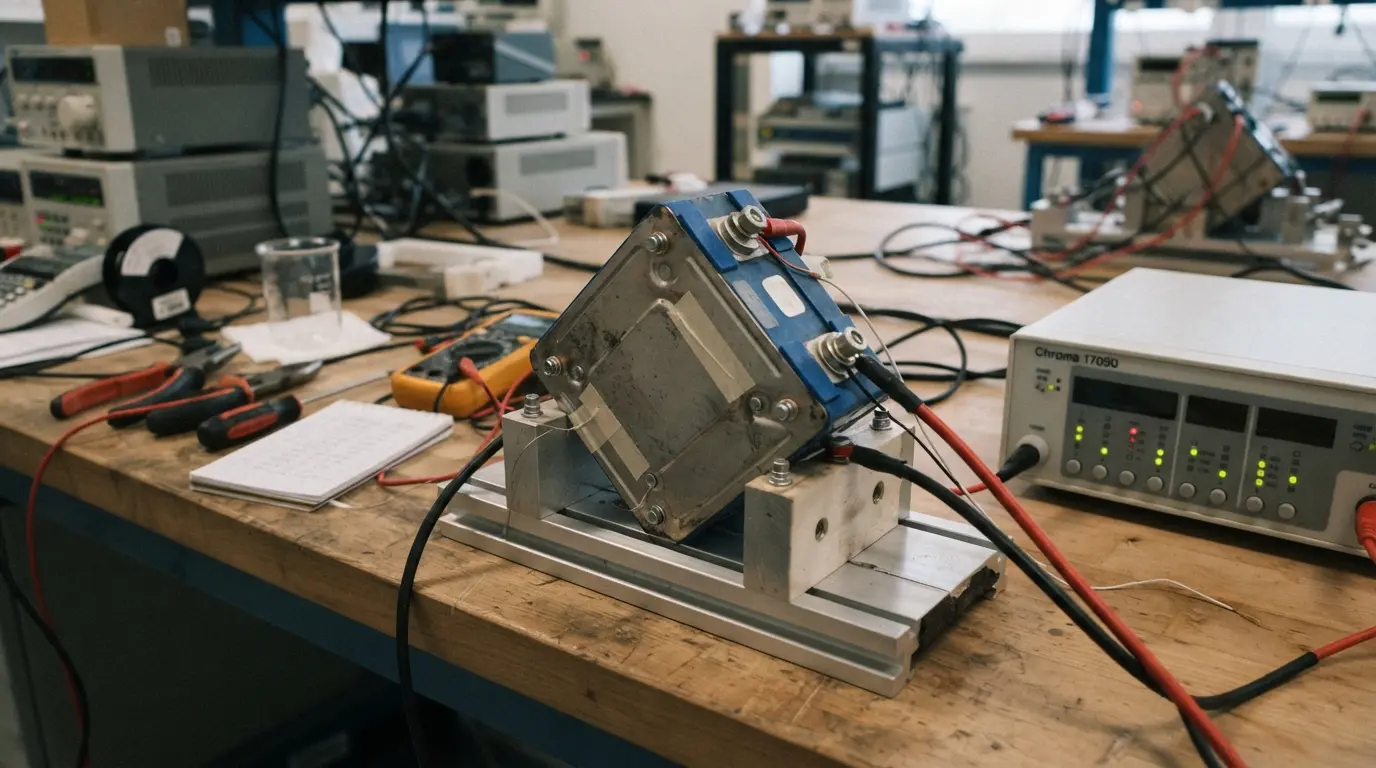 image slot / test conditions
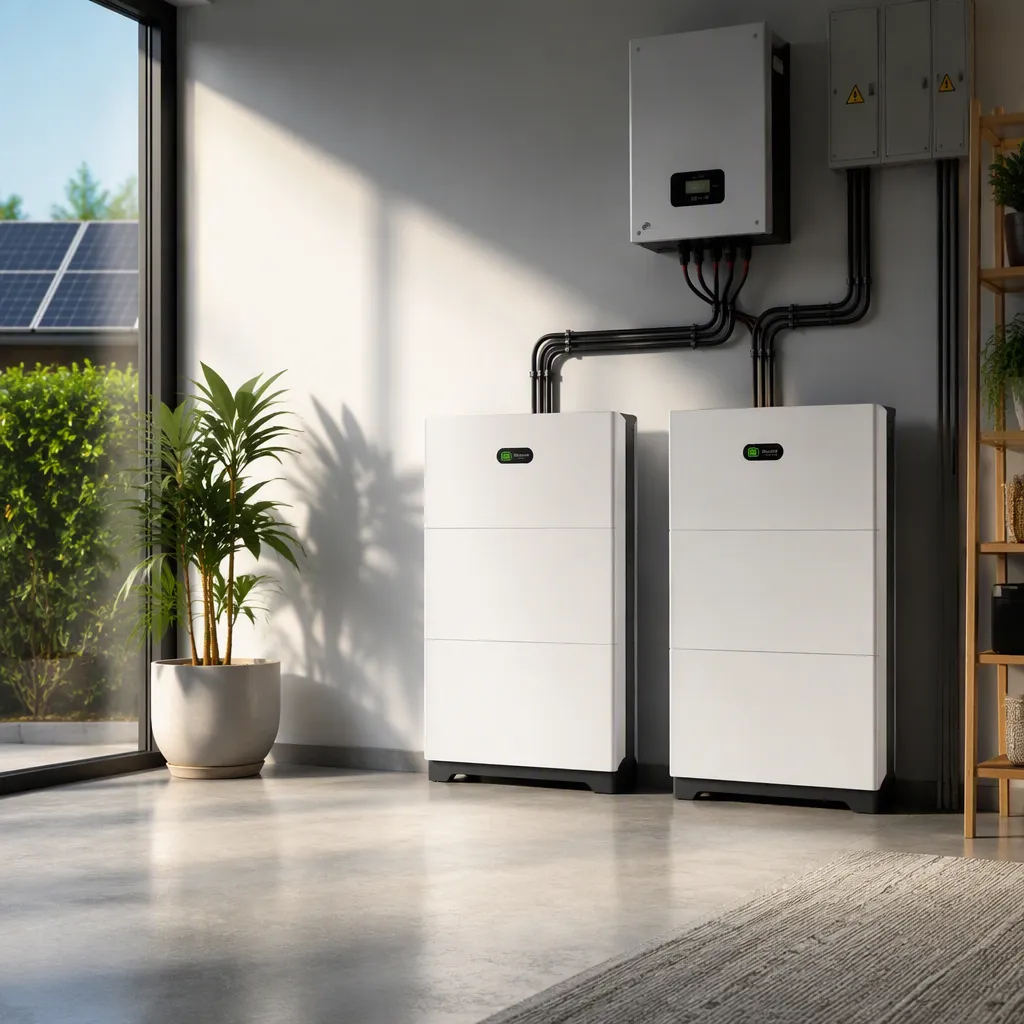
Now do the field math. A home storage system in Europe cycles roughly once per day. 4,000 cycles at one cycle per day is 10.9 years. 6,000 cycles is 16.4 years. On paper, that’s a 5.5-year advantage.
But here’s the part most datasheets don’t mention: calendar aging. An LFP cell loses roughly 2–3% capacity per year at 25°C even if it never cycles once. After ten years, calendar aging alone has consumed 20–30% of the capacity budget. The 6,000-cycle cell still wins, but the real-world gap shrinks from 5.5 years to something closer to 3–4 years for a once-a-day user.
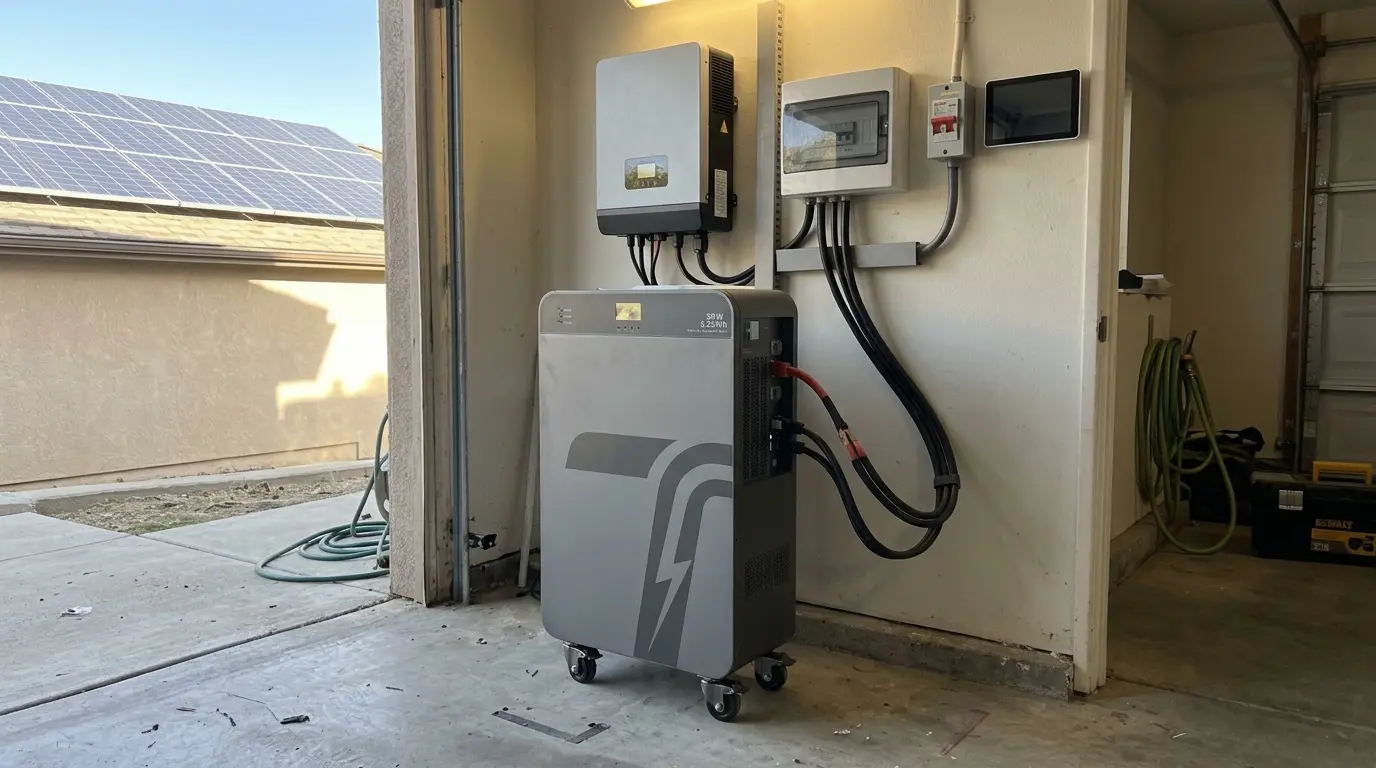
The gap widens again when cycling is heavy. A telecom backup site or a commercial peak-shaving system can run 2–3 cycles per day. At two cycles per day, the 4,000-cycle cell reaches 80% SOH in 5.5 years, the 6,000-cycle cell in 8.2 years. That is where the premium pays for itself.
 image slot / field application
What a Real OEM/ODM Partner Does With the Cycle Number
From a manufacturing standpoint, 4,000 and 6,000 cycles are often two points on the same cell platform. The same LFP chemistry, the same 3.2V prismatic format, tuned differently – a richer electrolyte formulation, a tighter charge voltage cap in the BMS firmware, higher compression in the module. A competent OEM can offer both SKUs from one production line.
That is the leverage you want as a brand owner. You can position the 4,000-cycle SKU for price-sensitive home retrofit markets and the 6,000-cycle SKU for commercial and telecom channels, with your own label on both. Ask the factory for the third-party cycle test report – IEC 62619 or GB/T 36276 – not just the datasheet number. A factory that won’t share the test curve is usually hiding the test conditions.
Firmware matters as much as chemistry here. A BMS that caps charge at 3.45V per cell instead of 3.65V extends cycle life by 15–20% on the same cells. If you are white-labeling, request that charge cap as a firmware parameter you can tune per market. The same pack can then ship as a 4,000-cycle economy SKU or a 6,000-cycle long-life SKU with one parameter change.
 image slot / OEM configuration
4000 vs 6000 Cycles – The Decision Matrix
Here is the comparison that matters for a bulk buyer, using grade-A LFP cells at 80% DoD and 25°C, with a lead-acid baseline for reference.
| Configuration | Cycle life to 80% SOH | Years at 1 cycle/day | Years at 2 cycles/day | Best fit |
|---|---|---|---|---|
| 4,000-cycle LFP | 4,000 cycles | ~10.9 | ~5.5 | Home retrofit, price-sensitive markets |
| 6,000-cycle LFP | 6,000 cycles | ~16.4 | ~8.2 | Commercial, telecom, premium home |
| Lead-acid reference | 600–1,200 cycles | ~2–3 | ~1–1.5 | Legacy replacement only |
Four Common Pitfalls
- 01
Comparing cycle numbers from different test conditions. A 6,000-cycle claim at 60% DoD and 20°C is not better than a 4,000-cycle claim at 80% DoD and 35°C. Always ask for the DoD, temperature, and C-rate behind the number. If the supplier can’t answer, treat the claim as unverified.
- 02
Ignoring calendar aging. A battery that sits in a warehouse for two years before installation has already lost 4–6% capacity. For slow-cycling applications like portable power stations, calendar aging – not cycle count – is the dominant failure mode. Check the production date on the cell QR code before you accept a shipment.
- 03
Mismatched warranty and cycle claims. Some suppliers advertise 6,000 cycles but warrant only five years or 70% SOH. The warranty is the enforceable number. A ten-year, 80% SOH warranty on a 4,000-cycle cell is worth more than a five-year warranty on a 6,000-cycle cell.
- 04
Assuming full daily cycling. Most home systems average 0.5–0.8 cycles per day, not 1.0. At 0.7 cycles per day, the 4,000-cycle cell lasts 15.6 years – beyond the useful life of the inverter it is paired with. The cycle gap only becomes decisive in multi-cycle commercial applications.
FAQ
Conclusion
The 4,000 vs 6,000 cycle question is really a question about your customer’s usage profile. For a homeowner cycling once a day, the two cells deliver nearly the same practical lifetime – calendar aging, not cycle count, sets the ceiling. For a commercial operator cycling twice a day, the 6,000-cycle cell earns its premium in under three years.
Before you commit to either, get the test conditions in writing and align the warranty with the claim. Send us your target market and daily usage profile, and we’ll return a cell-to-system cost comparison for both SKUs within 24 hours.