 नेपाली
  English
  العربية
  日本語
日本語  한국어
한국어  Tiếng Việt
  ไทย
ไทย  Bahasa Melayu
  فارسی
فارسی  Bahasa Indonesia
  ဗမာစာ
ဗမာစာ  简体中文
简体中文  香港中文
香港中文  繁體中文
繁體中文  Русский
  Deutsch
  Nederlands
  Italiano
  Français
  Español
  Português
  Afrikaans
  Azərbaycan dili
  Български
  ਪੰਜਾਬੀ
  हिन्दी
  اردو
اردو  বাংলা
বাংলা  Հայերեն
  Íslenska
  Қазақ тілі
  Српски језик
  Kiswahili
  తెలుగు
  Basa Jawa
  தமிழ்
தமிழ்  मराठी
मराठी ४००० सर्कल बनाम ६००० सर्कल – वास्तविक विश्वमा कति ठूलो भिन्नता छ
पोलेन्डमा एक वितरकले गत महिना हामीलाई दुईवटा आपूर्तिकर्ता कोटहरू पठाएका थिए। एउटै ५१.२V १०০Ah LFP वाल-मैण्ट ब्याट्री, same enclosure, same BMS chipset. One datasheet claims 4,000 cycles, the other 6,000. The price gap is 12%. His question was one line: “Which one do I stock?”
The honest answer is that the cycle number alone doesn’t tell you much. What matters is what those cycles are worth in the hands of your actual customers – a homeowner cycling once a day, a telecom site cycling twice, a portable power station user cycling once a week. This article does the field math so you can decide whether the 2,000-cycle gap justifies the premium.
चक्र सङ्ख्या वास्तवमा के मापन गर्छ
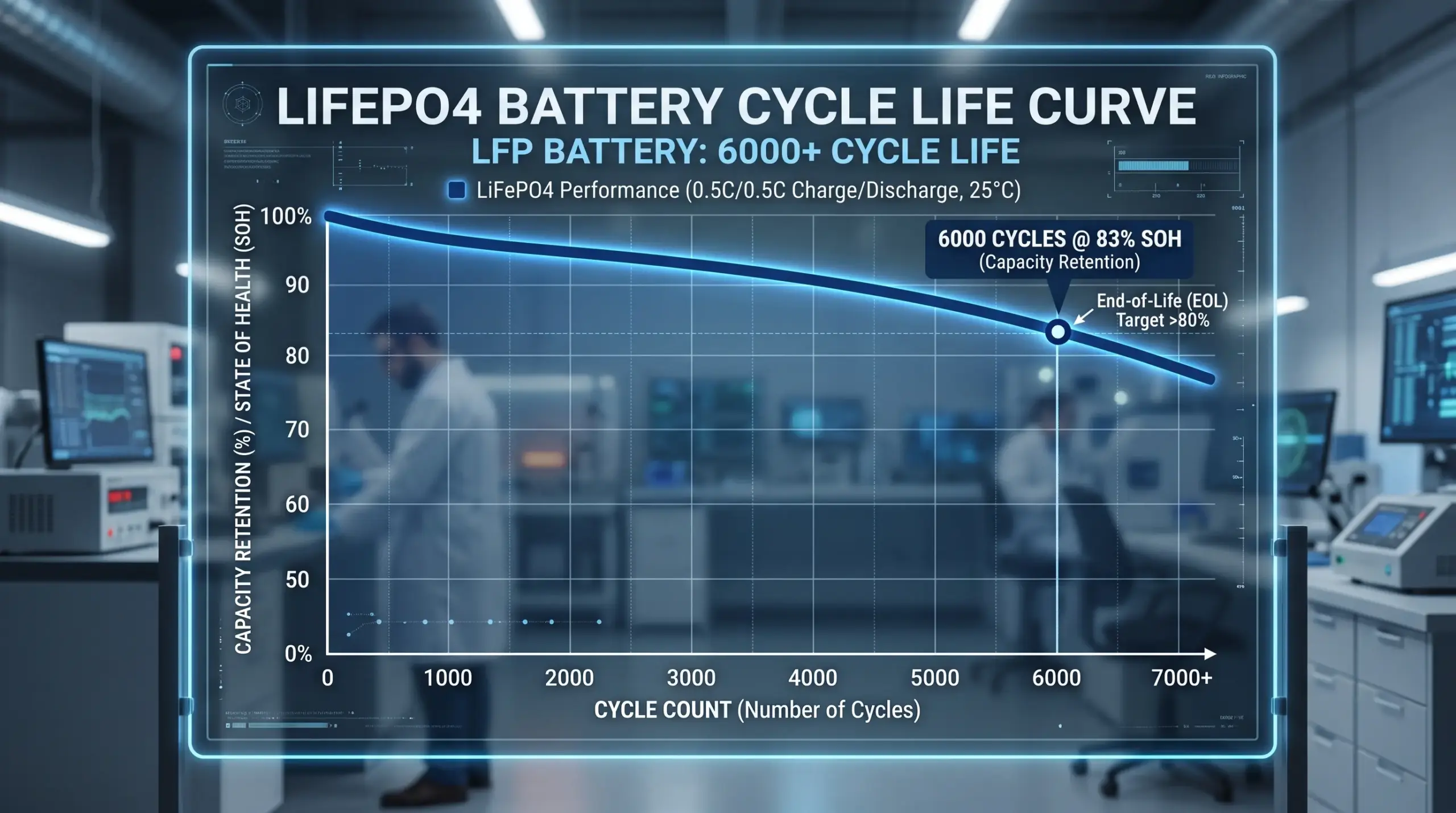
चक्र जीवन दाबी केवल त्यसलाई पछ्याउने परीक्षण अवस्थाहरू थाहा भएपछि मात्र अर्थपूर्ण हुन्छ। LFP को उद्योग-स्तरीय सन्दर्भ 80% depth of discharge (DoD), २५°C वातावण, ०.५C चार्ज र डिस्चार्ज, एकचक्रमा पुनः ८०१TP5T आफ्नो मूल क्षमता भन्दा घट्ने अवस्थामा पर्छ। ती अवस्थाहरु अन्तर्गत, ४,०००-चक्र सेल र ६,०००-चक्र सेल दुवै वास्तविक उत्पादन हुन् – भिन्नता इलेक्ट्रोलाइट एडिटिभ्स, एनोड कोटिंग, र सेल कम्प्रेशनबाट आउँछ, मार्केटिङबाट होइन।.
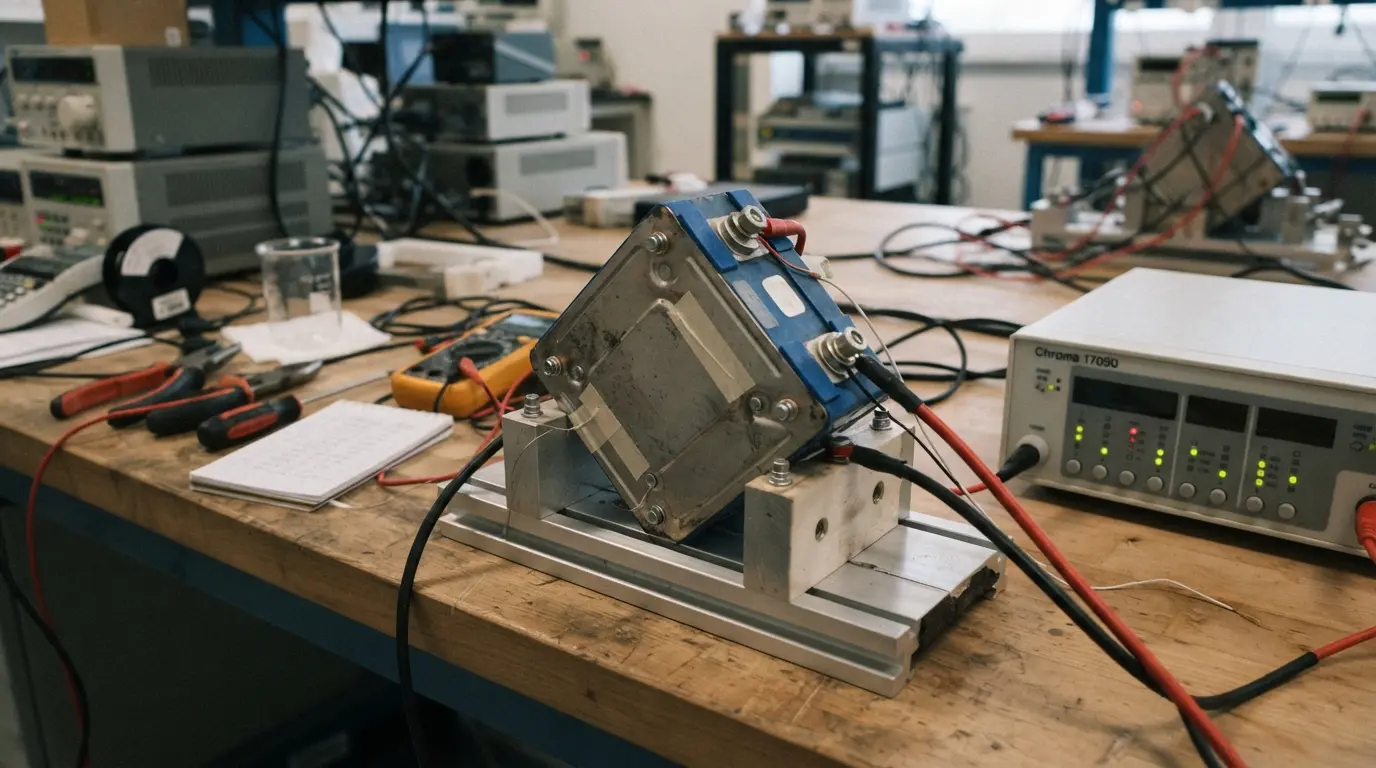 छवि स्लॉट / परीक्षण अवस्था
Now do the field math. A home storage system in Europe cycles roughly once per day. 4,000 cycles at one cycle per day is 10.9 years. 6,000 cycles is 16.4 years. On paper, that’s a 5.5-year advantage.
But here’s the part most datasheets don’t mention: calendar aging. An LFP cell loses roughly 2–3% capacity per year at 25°C even if it never cycles once. After ten years, calendar aging alone has consumed 20–30% of the capacity budget. The 6,000-cycle cell still wins, but the real-world gap shrinks from 5.5 years to something closer to 3–4 years for a once-a-day user.
चक्र भारी हुँदा गैप फेरि चौडा हुन्छ। टेलिकम ब्याकअप साईट वा व्यापारिक पीक-शेविंग प्रणालीले दिनमा 2–3 चक्र चलाउन सक्छ। दिनमा दुई चक्रमा, 4,000-चक्र सेलले 5.5 वर्षमा 80% SOH मा पुग्दछ, 6,000-चक्र सेल 8.2 वर्षमा पुग्छ। यही स्थानमा प्रिमियम आफैँमा तिर्ने हुन्छ।.
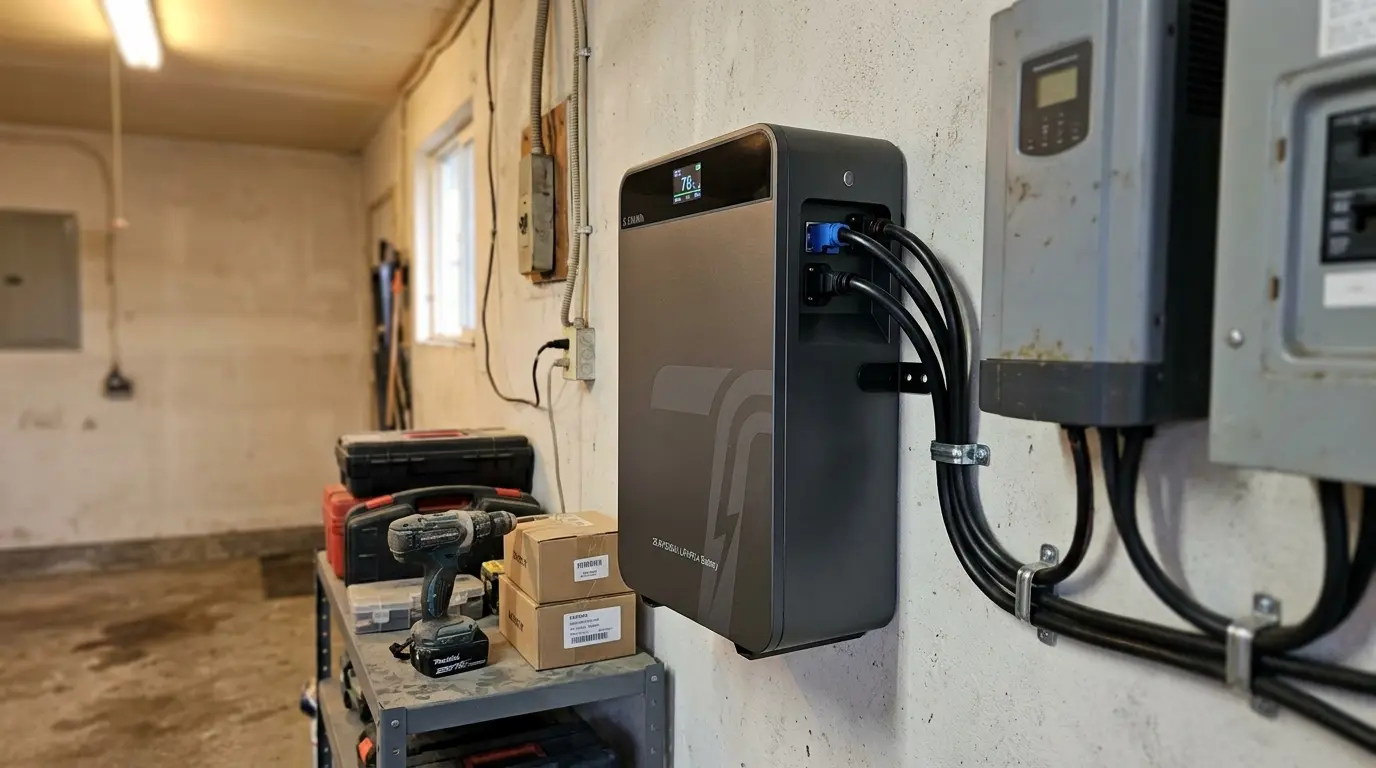
 छवि स्लॉट / क्षेत्र আবেদন
एक Real OEM/ODM पार्टनरले Cycle Number संग के गर्छ
उत्पादन दृष्टिले, 4,000 र 6,000 चक्र प्राय: एउटै सेल प्लेटफर्मका दुई बिन्दुहरू हुन्। एउटै LFP रसायन विज्ञान, एउटै 3.2V प्रिज्माटिक फर्म्याट, फरक तरीकाले ट्यून गरिएको – एक समृद्ध इलेक्ट्रोलाइट संरचना, BMS फर्मवेयरमा चार्ज भोल्टेजकैपलाई कडा पारिएको, मोड्यूलमा उच्च कम्प्रेशन। एक सक्षम OEM ले एउटै उत्पादन लाइनबाट दुई SKUs प्रस्ताव गर्न सक्छ।.
That is the leverage you want as a brand owner. You can position the 4,000-cycle SKU for price-sensitive home retrofit markets and the 6,000-cycle SKU for commercial and telecom channels, with your own label on both. Ask the factory for the third-party cycle test report – IEC 62619 or GB/T 36276 – not just the datasheet number. A factory that won’t share the test curve is usually hiding the test conditions.
फर्मवेयर यहाँ रसायन विज्ञान जति नै महत्त्वपूर्ण छ। प्रति सेलमा चार्ज 3.45V मा क्याप गर्ने BMS 3.65V भन्दा, एउटै सेलमा चक्र जीवन 15–20% सम्म बढाउँछ। यदि तपाईं ह्वाइट-लेबल गर्दै हुनुहुन्छ भने, त्यो चार्ज क्यापलाई बजारअनुसार ट्यून गर्न सकिने फर्मवेयर प्यारामीटरको रूपमा माग गर्नुहोस्। त्यसै प्याकलाई त्यसपछि 4,000-चक्र इकोनमी SKU वा 6,000-चक्र लामो-जीवन SKU एक पेरामिटर परिवर्तनसहित शिप गर्न सक्छ।.
 छवि स्लॉट / OEM कन्फिगरेसन
4000 बनाम 6000 चक्रहरू – निर्णय म्याट्रिक्स
यहाँ bulk खरिदकर्ताका लागि महत्त्वपूर्ण तुलना छ, Grade-A LFP सेलहरू 80% DoD र 25°C मा प्रयोग गर्दै, संदर्भको लागि लिड-अस बेसलाइन सहित।.
| कन्फिगरेसन | Cycle life 80% SOH सम्म | वर्षहरू 1 चक्र/दिनमा | वर्षहरू 2 चक्र/दिनमा | उत्तम फिट |
|---|---|---|---|---|
| 4,000-चक्र LFP | ४,००० चक्रहरू | ~10.9 | ~5.5 | गृह पुनर्स्थापना, मूल्य-संवेदनशील बजार |
| 6,000-चक्र LFP | ६,००० चक्रहरू | ~16.4 | ~8.2 | व्यावसायिक, टेलिकम, प्रीमियम घर |
| Lead-acid reference | 600–1,200 cycles | ~2–3 | ~1–1.5 | Legacy replacement only |
चार सामान्य त्रुटिपूर्ण अवस्था
- 01
Different परीक्षण स्थितिहरूबाट घुमाइएका चक्र सङ्ख्या मिलाउँदा. 60% DoD र 20°C मा 6,000-चक्र दाबी 80% DoD र 35°C मा 4,000-चक्र दाबीभन्दा राम्रो हुँदैन। सँधै DoD, तापक्रम, र N-रेट पछाडि रहेको सङ्ख्या माग्नुहोस्। आपूर्तिकर्ता जवाफ दिन सक्दैन भने दाबीलाई सत्यापित नभएको मान्नुहोस्।.
- 02
क्यालेन्डर आयु अवहेलना गर्ने. स्थापना अघि दुई वर्षसम्म वेयरहाउसमा रहेको ब्याट्रीले पहिले नै 4–6% क्षमतामा गुमाएको हुन्छ। पोर्टेबल पावर स्टेसनहरू जस्ता बिस्तृत चक्रवृद्धि प्रयोगमा, क्यालेन्डर आयु—चक्र गन्ती होइन—यो प्रमुख विफलता मोड हो। शिपिङ स्वीकार गर्नु अघि सेल QR कार्यक्रममा उत्पादन मिति जाँच गर्नुहोस्।.
- 03
मेलो प्राप्त गारंटी र चक्र दाबीहरू मिल्देन. केही आपूर्तिकर्ताहरू 6,000 चक्र विज्ञापन गर्छन् तर पाँच वर्ष वा 70% SOH मात्र गारंटी गर्छन्। गारंटी भनेको लागू हुने सङ्ख्या हो। 4,000-चक्र सेलमा दस वर्षको 80% SOH गारंटी 6,000-चक्र सेलमा पाँच वर्षको गारंटीभन्दा महत्त्वपूर्ण हुन्छ।.
- 04
पूरा दैनिक चक्रमा परिकल्पना गर्नु।. प्रत्येक घरेलु प्रणालीहरूले दैनिक 0.5–0.8 साइकल औसत गर्छन्, 1.0 होइन। दैनिक 0.7 साइकलमा, 4,000-साइक्लको कोषिका 15.6 वर्ष टिक्छ – यसलाई सँगसँगै रहेको इन्वर्टरको उपयोगी आयूभन्दा पर। मल्टि-साइक्लिक व्यावसायिक अनुप्रयोगहरूमा मात्र साइकल दूरी निर्णायक हुन्छन्।.
सामान्य प्रश्न
निष्कर्ष
4,000 बनाम 6,000 साइकल प्रश्न वास्तवमा तपाईंका ग्राहकहरूको प्रयोग प्रोफाइलको कुरा हो। एक घरधन मानिसले हरेक दिन साइकलिङ गरेमा, दुई कोषिका लगभग उस्तै व्यावहारिक जीवनकाल प्रदान गर्छन् – क्यालेन्डर आयु नै चाँडो उच्च सीमा तय गर्छ, साइकल गन्ती होइन। एक व्यवसायिक सञ्चालकले दैनिक दुइपटक साइकल गर्दा, 6,000-ไซकल कोषिका यसको प्रिमियमभन्दा तीन वर्षभन्दा कम समयमा फर्मिन्छ।.
तपाईं दुबैमा प्रतिबद्ध हुनु अघि, परीक्षण सर्तहरू लेखित रूपमा पाउनुहोस् र दाबीसँग वारंटीलाई मिलाउनुहोस्।. हामीलाई पठाउनुहोस् तपाईंको लक्षित बजार र दैनिक प्रयोग प्रोफाइल, र हामी 24 घण्टाभित्र दुबै SKUsका लागि कोषिका-प्रणाली लागत तुलना फर्काउँछौँ।.