 香港中文
香港中文  English
  العربية
  日本語
日本語  한국어
한국어  Tiếng Việt
  ไทย
ไทย  Bahasa Melayu
  فارسی
فارسی  Bahasa Indonesia
  ဗမာစာ
ဗမာစာ  简体中文
简体中文  繁體中文
繁體中文  Русский
  Deutsch
  Nederlands
  Italiano
  Français
  Español
  Português
  Afrikaans
  Azərbaycan dili
  Български
  ਪੰਜਾਬੀ
  हिन्दी
  اردو
اردو  বাংলা
বাংলা  Հայերեն
  Íslenska
  Қазақ тілі
  नेपाली
  Српски језик
  Kiswahili
  తెలుగు
  Basa Jawa
  தமிழ்
தமிழ்  मराठी
मराठी 4000 與 6000 週期– 現實世界差異有多大
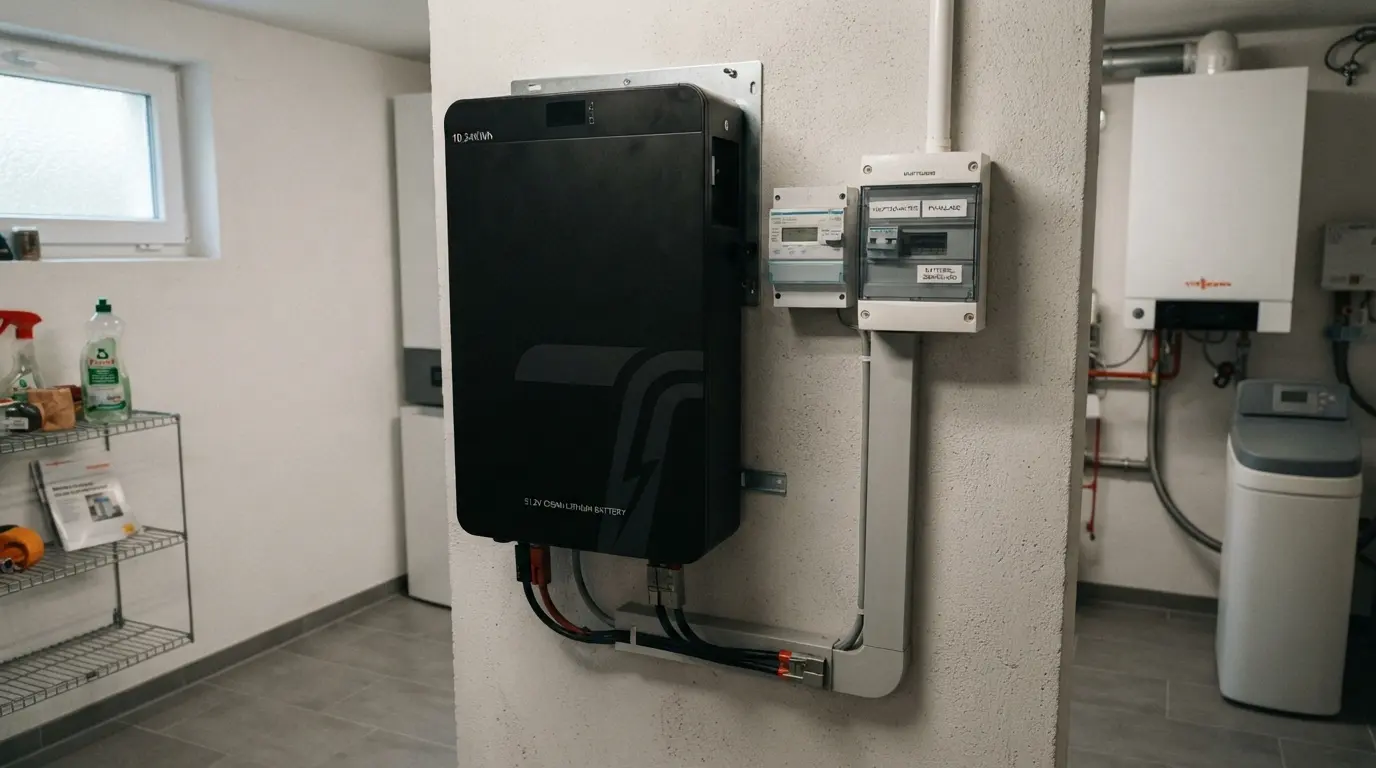
上月波蘭的一家分銷商寄給我們兩份供應商報價。相同 51.2V 100Ah LFP 壁掛式電池, same enclosure, same BMS chipset. One datasheet claims 4,000 cycles, the other 6,000. The price gap is 12%. His question was one line: “Which one do I stock?”
The honest answer is that the cycle number alone doesn’t tell you much. What matters is what those cycles are worth in the hands of your actual customers – a homeowner cycling once a day, a telecom site cycling twice, a portable power station user cycling once a week. This article does the field math so you can decide whether the 2,000-cycle gap justifies the premium.
什麼是循環次數實際衡量的
循環壽命聲稱只有在知道其測試條件時才有意義。LFP 的行業標準參考是 80% 放電深度 (DoD)、環境溫度 25°C、0.5C 充放電,循環直到電池保留其原始容量的 80%。 在這些條件下,4000 週期的電池和 6000 週期的電池都是實際產品——差異來自電解質添加劑、陽極塗層和電池壓縮,而不是行銷促銷。.
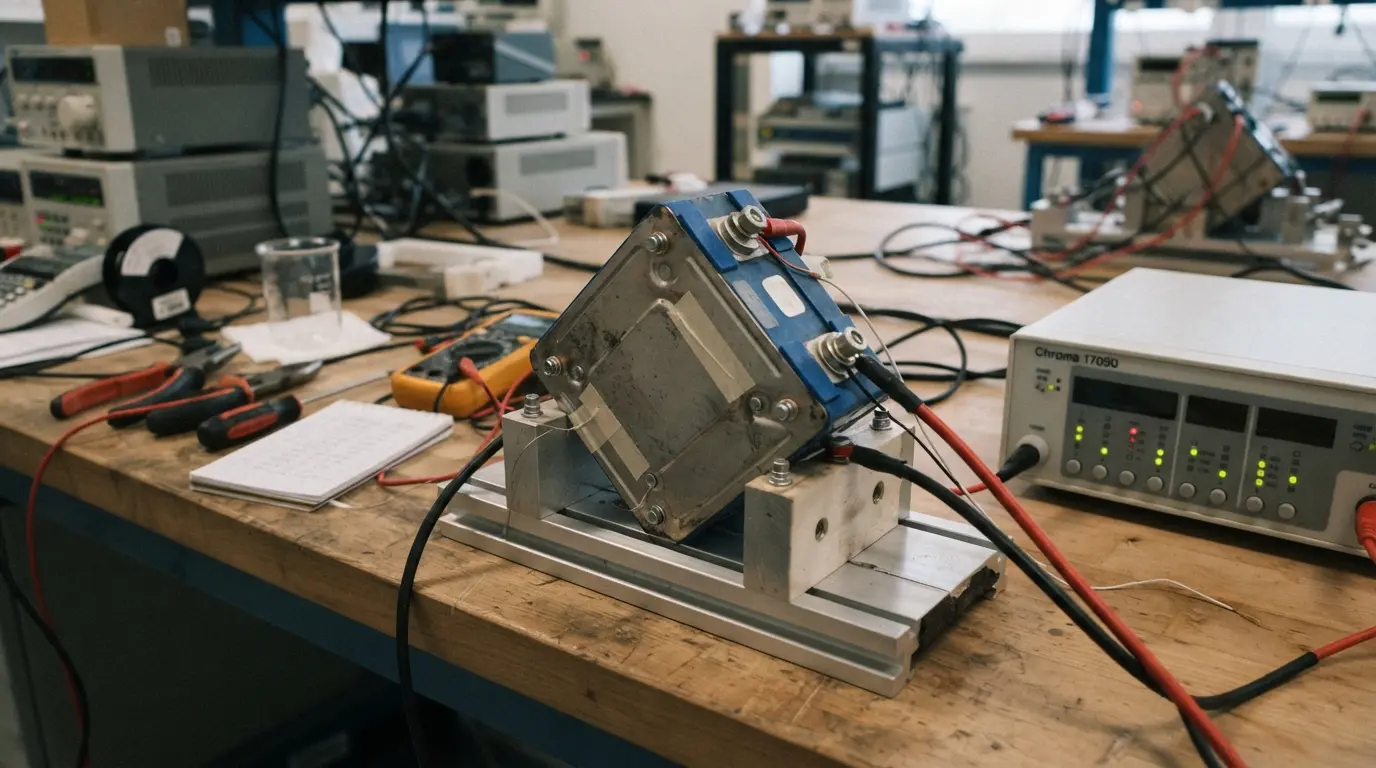 圖片插槽 / 測試條件
Now do the field math. A home storage system in Europe cycles roughly once per day. 4,000 cycles at one cycle per day is 10.9 years. 6,000 cycles is 16.4 years. On paper, that’s a 5.5-year advantage.
But here’s the part most datasheets don’t mention: calendar aging. An LFP cell loses roughly 2–3% capacity per year at 25°C even if it never cycles once. After ten years, calendar aging alone has consumed 20–30% of the capacity budget. The 6,000-cycle cell still wins, but the real-world gap shrinks from 5.5 years to something closer to 3–4 years for a once-a-day user.
當負荷高時,間隙再次擴大。電信備用站點或商業峰值削谷系統每天可運行 2–3 次。以每天兩次循環來算,4000 週期電池在 5.5 年內達到 80% SOH,6000 週期電池則在 8.2 年內達到。這就是溢價自我回本的地方。.
 影像位槽 / 欄位應用
真正的原始設備製造商/原設計製造商伙伴對循環次數的做法
從製造角度看,4000 與 6000 循環往往是同一電池平台上的兩個點。相同的 LFP 化學成分、相同的 3.2V 棱柱式格式,經過不同的調整——更豐富的電解質配方、BMS 固件中的充電電壓上限更嚴格、模組內部的壓縮更高。稱職的原始設備製造商可從單一生產線同時提供兩個 SKU。.
That is the leverage you want as a brand owner. You can position the 4,000-cycle SKU for price-sensitive home retrofit markets and the 6,000-cycle SKU for commercial and telecom channels, with your own label on both. Ask the factory for the third-party cycle test report – IEC 62619 or GB/T 36276 – not just the datasheet number. A factory that won’t share the test curve is usually hiding the test conditions.
固件與化學成分同等重要。若 BMS 將每顆電池的充電上限設定為 3.45V 而非 3.65V,單同系列電池的循環壽命可延長 15–20%。若您是白標生產,請將該充電上限作為一個固件參數,讓您可依市場調整。相同的電池模組在更改一個參數後即可出貨為 4000 循環經濟型 SKU 或 6000 循環長壽命型 SKU。.
 影像位槽 / 原始設備配置
4000 與 6000 循環——決策矩陣
以下是對批量買家來說重要的比較,採用 80% DoD 及 25°C 的 A 品等級 LFP 電池,並以鉛酸基準作參考。.
| 配置 | 循環壽命至 80% SOH | 每日 1 次循環之年數 | 每日 2 次循環之年數 | 最佳擬合 |
|---|---|---|---|---|
| 4000 循環 LFP | 4,000 次循環 | ~10.9 | ~5.5 | 家用翻新與價格敏感市場 |
| 6000 循環 LFP | 6,000 次循環 | ~16.4 | ~8.2 | 商業、電信、高階家庭 |
| 鉛酸參考 | 600–1,200 次循環 | ~2–3 | ~1–1.5 | 僅限遺留替代 |
四大常見陷阱
- 01
僅比較不同測試條件下的循環數。. 在 60% DoD 與 20°C 下的 6,000 次循環宣稱,並不比在 80% DoD 與 35°C 下的 4,000 次循環宣稱更好。始終詢問數字背後的 DoD、溫度和 C 速率。如果供應商無法回答,則視為未經驗證的聲稱。.
- 02
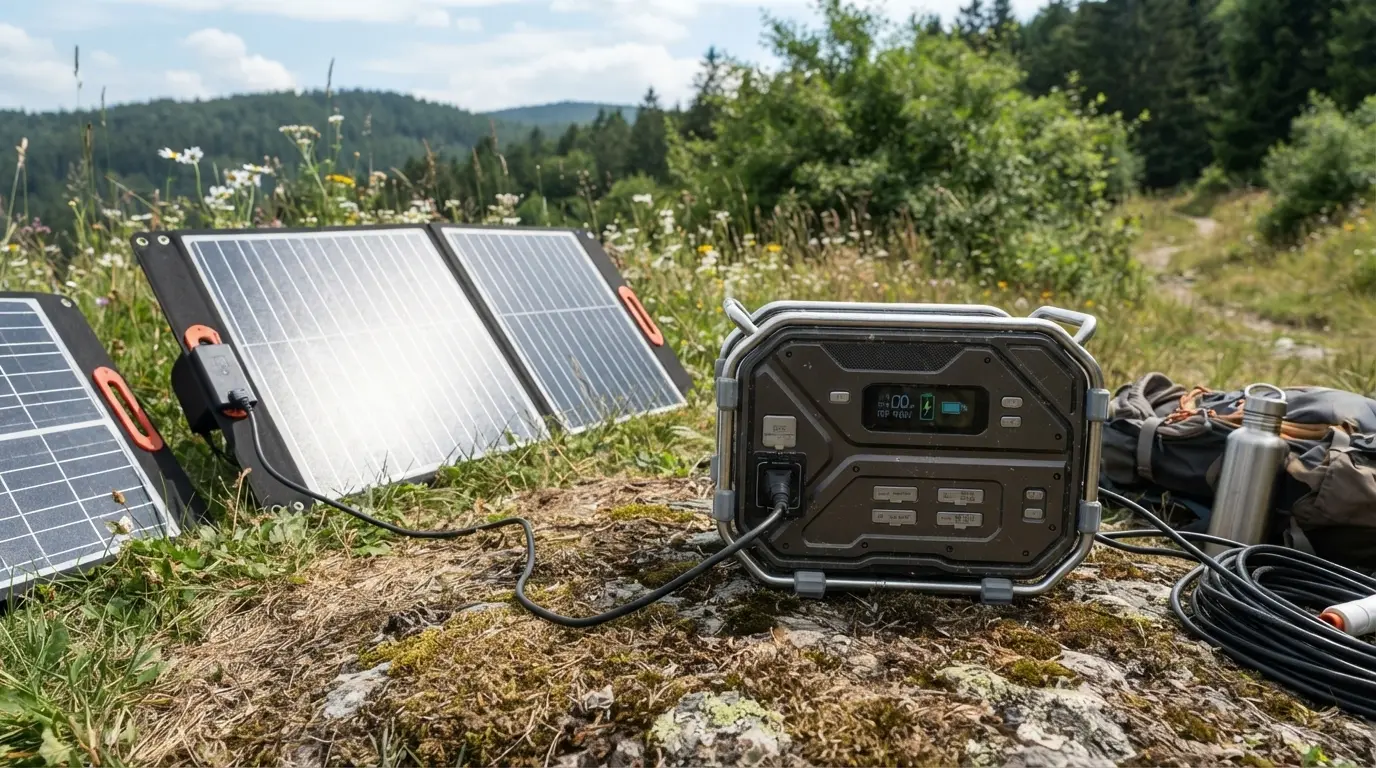
忽略日曆衰退。. 在安裝前在倉庫中放置兩年的電池,容量已經損失 4–6%。對於像便攜式電源等慢速循環的應用,日曆衰退——而非循環次數——是主導的失效模式。接受出貨前,請先檢查電芯 QR 代碼上的生產日期。.
- 03
保固與循環量不匹配。. 有些供應商宣稱 6,000 次循環,但保固僅五年或 70% SOH。保固是可強制執行的數字。對於 4,000 次循環的電池,若提供十年、80% SOH 的保固,通常比五年保固於 6,000 次循環的電池來得更有價值。.
- 04
假設每天都在完全循環。. 多數家庭系統平均每天 0.5–0.8 次循環,而非 1.0。若每日 0.7 次循環,4,000 次循環的電池壽命為 15.6 年——超過與之配對的逆變器的實用壽命。循環間距在多循環商業應用中才會成為決定因素。.
常問問題
結論
4,000 與 6,000 循環之間的問題,其實是在於你客戶的使用情境。若屋主一天一次循環,這兩種電池幾乎提供相同的實際壽命——日曆老化而非循環次數設定天花板。若商業營運商每天循環兩次,則 6,000 循環的電池在不到三年內就能凸顯其溢價。.
在你做出承諾前,先取得測試條件之書面證明,並讓保固條款與聲稱相符。. 寄給我們 您的目標市場與每日使用情境,我們將在 24 小時內提供兩者 SKU 的電池到系統成本比較。.