 English
  العربية
  日本語
日本語  한국어
한국어  Tiếng Việt
  ไทย
ไทย  Bahasa Melayu
  فارسی
فارسی  Bahasa Indonesia
  ဗမာစာ
ဗမာစာ  简体中文
简体中文  香港中文
香港中文  繁體中文
繁體中文  Русский
  Deutsch
  Nederlands
  Italiano
  Français
  Español
  Português
  Afrikaans
  Azərbaycan dili
  Български
  ਪੰਜਾਬੀ
  हिन्दी
  اردو
اردو  বাংলা
বাংলা  Հայերեն
  Íslenska
  Қазақ тілі
  नेपाली
  Српски језик
  Kiswahili
  తెలుగు
  Basa Jawa
  தமிழ்
தமிழ்  मराठी
मराठी Why You Must Lock In 2026 Capacity and Costs Before the Window Closes
Residential ESS procurement brief
Hold the cost.
Price alone does not protect a 2026 order. The BOM, production slot, customs declaration, and shipment window must move together.
The second half of 2026 is turning residential energy storage procurement into a scheduling problem, not simply a price negotiation. One widely circulated industry planning forecast places global residential ESS additions at 46.1 GWh for 2026. Buyers should verify the scope and methodology behind that figure before citing it externally, but the commercial signal is clear: distributors and installers are preparing for another high-volume procurement cycle.
Australia, South Africa, the Middle East, and Southeast Asia each have different subsidy structures and grid conditions, yet the buying pressure comes from similar sources. Electricity costs remain difficult to predict. Weak grids increase demand for backup power. Targeted incentives can move thousands of households from enquiry to installation within a short period. When those triggers overlap, a normal replenishment order can become a six-week production delay followed by a missed installation season.
The old purchasing assumption was simple: wait, buy later, and expect battery prices to fall. That assumption is now dangerous. A distributor planning 500 or 2,000 systems must control four variables before the window closes: unit cost, bill-of-material availability, production capacity, and the export date. Locking only the quoted price does not protect the project.
The policy deadline is closer than it looks
China’s 2026 export VAT rebate adjustment creates a firm cost boundary for battery buyers. Under Ministry of Finance and State Taxation Administration Announcement No. 2 of 2026, the rebate for 22 listed battery-product tariff lines fell from 9% to 6% on April 1, 2026. It is scheduled to be cancelled on January 1, 2027. The listed photovoltaic products followed a different timetable, with their rebates cancelled on April 1, 2026.
This distinction matters. A residential ESS can include LFP battery modules, an inverter, a cabinet, cables, and optional PV equipment. These items may not share the same customs classification or tax treatment. The applicable rebate depends on the customs commodity code and the export date stated on the customs declaration, not merely the purchase-order date or the date when a deposit reaches the factory.
The commercial boundary follows customs classification and declaration date. A signed purchase order alone does not preserve the treatment.
For a procurement manager, the practical lesson is straightforward. A December purchase order that ships in January may cross the policy boundary. If a contract does not define how a tax change affects the price, the buyer and supplier will have to renegotiate when production is already underway. That is where a nominally fixed quotation can fail.
A serious capacity reservation should therefore state all of the following in writing:
- The exact battery and system models covered by the agreement
- The customs codes to be used, subject to final customs review
- The Incoterm, currency, and quotation validity period
- The committed production quantity by month
- The bill-of-material revision and approved cell specification
- The planned customs declaration and shipment windows
- The price-adjustment mechanism if tax policy or freight changes
- The remedy for a supplier-caused delay
Manufacturing costs and allocation are turning
Two years of inventory reduction and aggressive pricing removed much of the easy margin from the battery supply chain. As order books recover, large cell and ESS manufacturers can run key lines at high utilization while remaining selective about low-volume or highly customized orders. If lithium, graphite, copper, aluminum, electronic components, or freight costs rise from a low base, the change reaches a finished home battery through several separate channels.
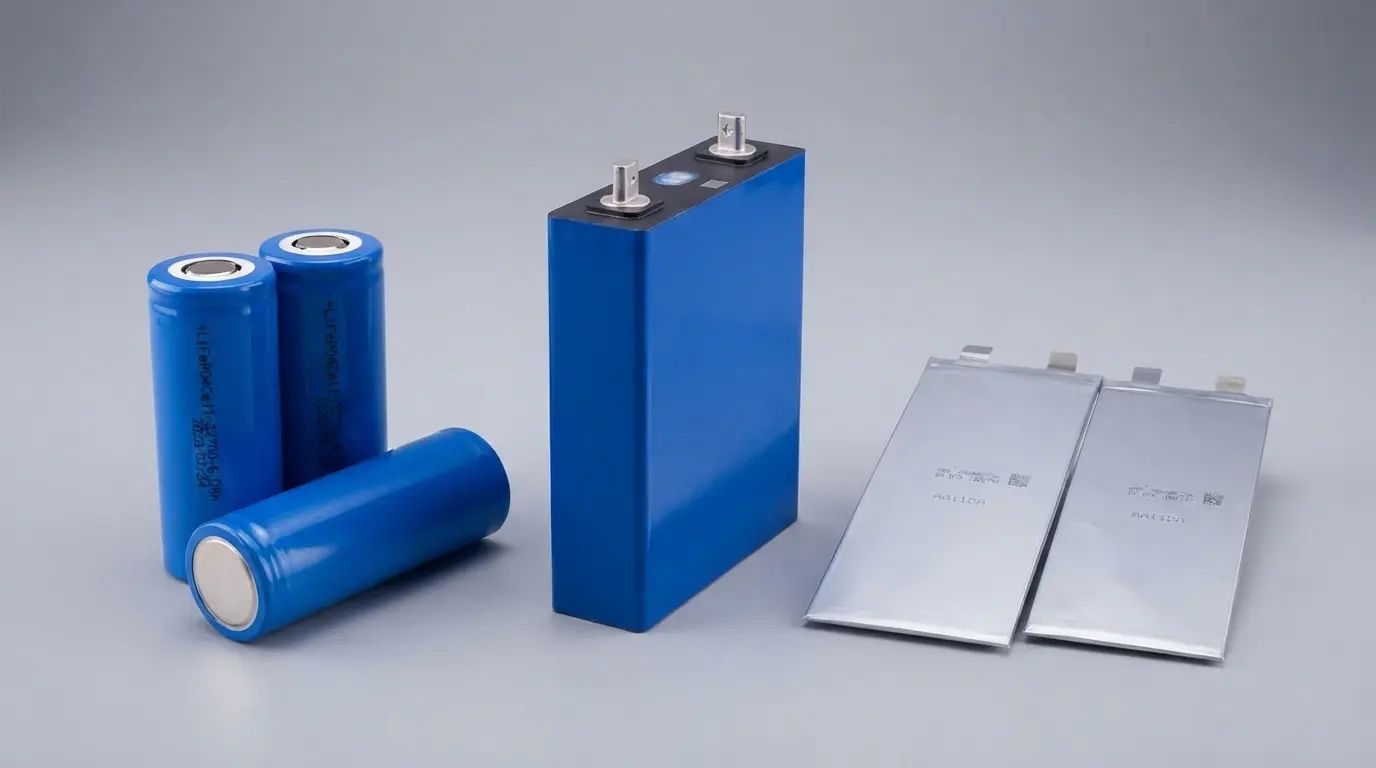
Cell cost is only one channel. A 51.2 V LFP module typically combines 16 series-connected cells with a BMS, busbars, fuses or breakers, current sensing, a steel enclosure, and CAN or RS485 communication. An all-in-one system adds inverter power electronics, relays, thermal design, firmware integration, and more extensive system-level validation. Securing cells without securing BMS boards or inverter components does not create a shippable product.
AI-driven data-center construction adds another form of competition. Public evidence strongly supports rising demand for grid connections, transformers, switchgear, backup power, and onsite storage. It does not yet prove that AI projects are broadly consuming residential LFP cell capacity. Buyers should avoid that exaggerated claim. The more defensible risk is that data centers, utility storage, and commercial projects compete for electrical equipment, engineering resources, and supplier attention at the same time that residential demand accelerates.
This is why allocation matters. A factory may have nominal annual capacity on a presentation slide, but the buyer needs confirmed capacity on the correct assembly line, with the correct enclosure, firmware, and cell lot. In peak season, an unreserved order joins the queue behind customers that already approved samples, forecasts, deposits, and packaging artwork.
The technical specification controls the real cost
A low headline price can hide a different cell grade, a narrower operating window, or an incomplete compliance package. Procurement teams should normalize quotations before comparing them.
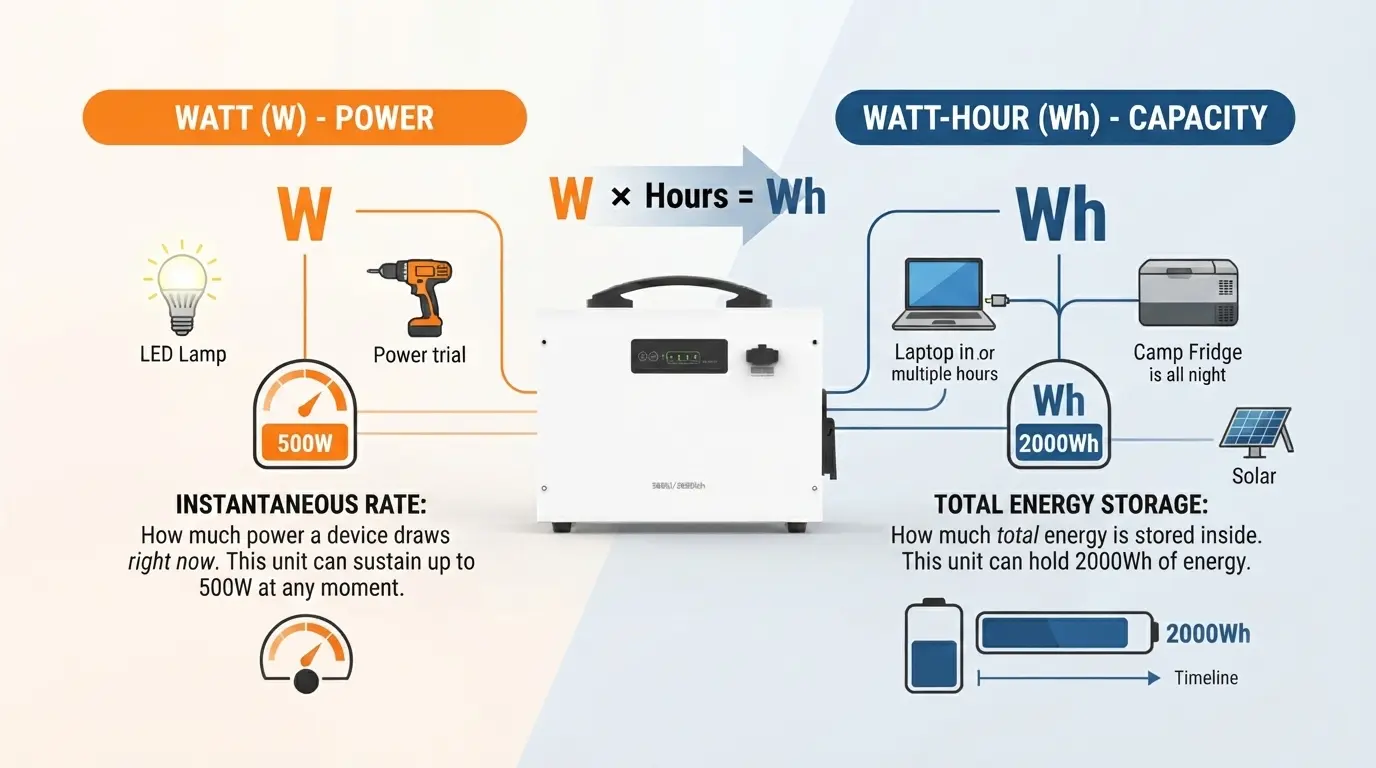
For example, a nominal 51.2 V, 100 Ah LFP battery stores 5.12 kWh. Ten units provide 51.2 kWh of nameplate energy, but the usable energy depends on the allowed state-of-charge window, inverter settings, temperature, and discharge rate. A system limited to 90% depth of discharge provides a different commercial result from one quoted only at theoretical nameplate capacity.
Ask the supplier to document at least these hardware points:
Do not accept a cycle-life number without its test conditions. “6,000 cycles” means little unless the supplier identifies the depth of discharge, ambient temperature, charge and discharge rate, and remaining-capacity criterion. A result measured at 25 degrees Celsius and 0.5C cannot be applied without qualification to a hot outdoor cabinet or a daily high-current backup application.
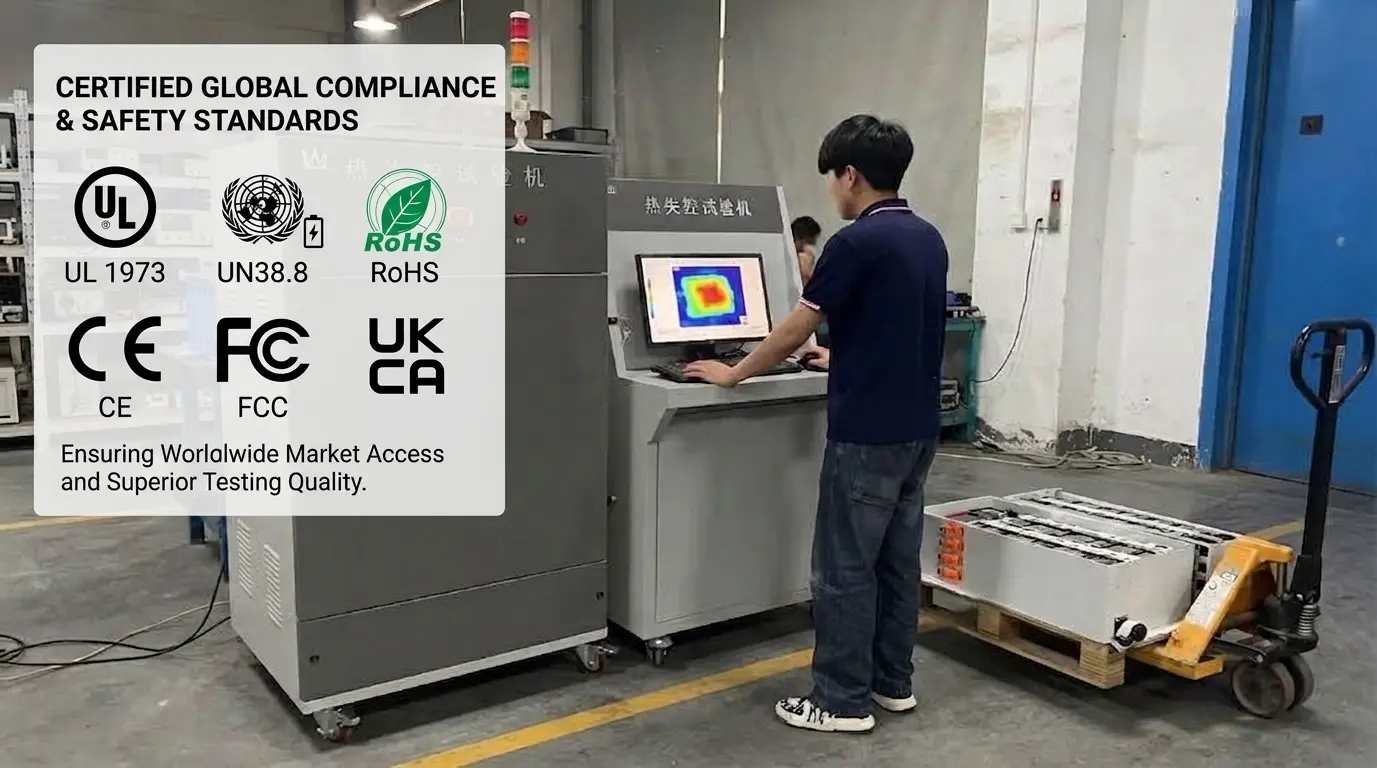
The same discipline applies to safety documents. UL 1973 addresses the safety of batteries for stationary and specified auxiliary applications. CE marking represents the manufacturer’s declaration that a product complies with applicable EU legislation; it is not a single third-party battery certificate. UN 38.3 covers lithium-cell and battery testing for transport, not stationary-system performance. None replaces the others.
Market access is removing weak suppliers
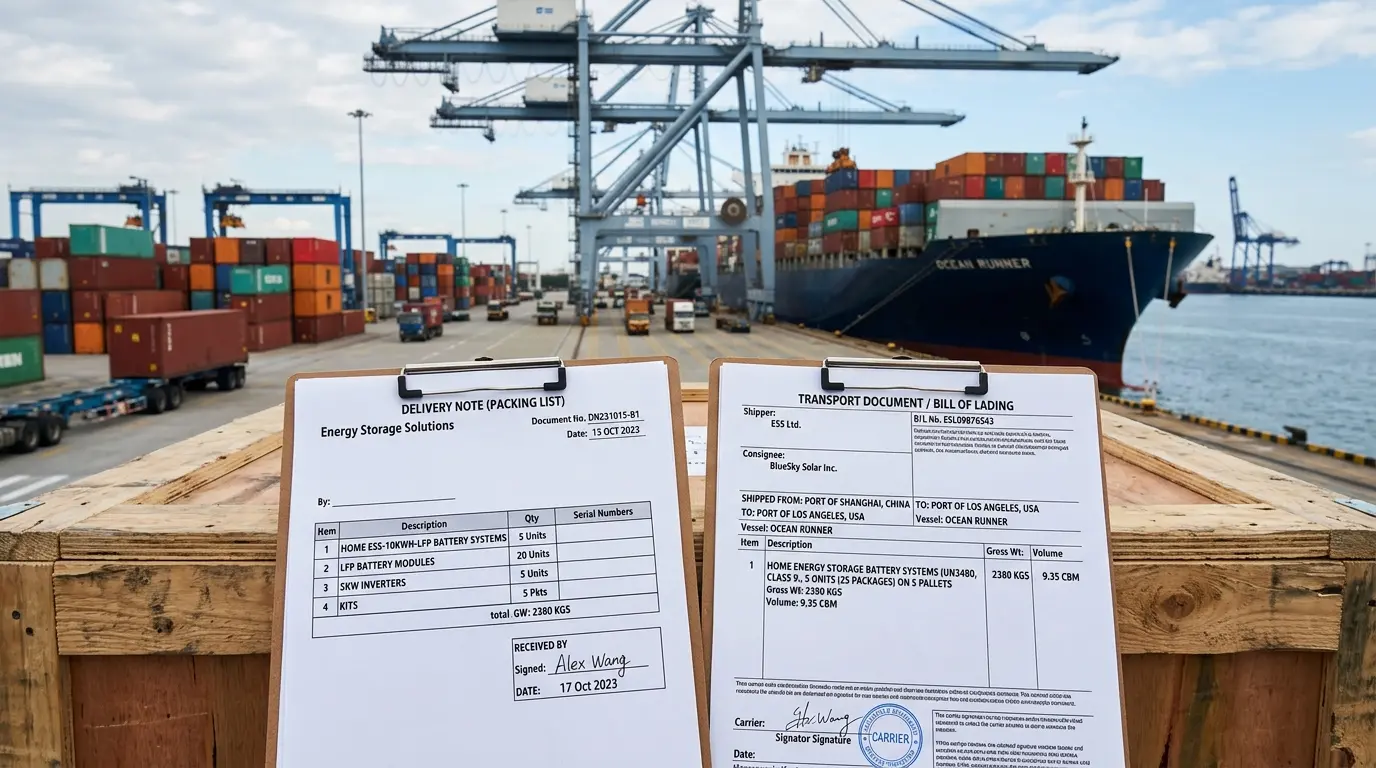
Importers now face closer review of product safety, traceability, transport records, and environmental obligations. A small workshop may assemble an acceptable-looking battery, yet still fail to provide a model-matched test report, an EU Declaration of Conformity, a valid UN 38.3 test summary, serial-number traceability, or consistent production records.
That gap becomes expensive at scale. A customs hold can consume the margin from an entire container. A certification mismatch can prevent an inverter-battery combination from entering an approved-product list. A firmware change made after testing can also create questions about whether the tested configuration still represents the shipped product.
Buyers should verify documents against the exact model and configuration, not against a supplier’s brand name. Check the applicant, manufacturer, production address, model number, standard edition, issue date, and scope. For CE-marked products, request the EU Declaration of Conformity and the supporting technical-document list. For lithium-battery transport, request the UN 38.3 test summary and confirm that packaging, state of charge, labels, and modal shipping rules are also covered.
Compliance is now a capacity filter. Manufacturers that maintain controlled bills of material, incoming-cell inspection, end-of-line testing, and document traceability can allocate production to export orders with fewer surprises. Workshops that cannot do this may still quote quickly, but they transfer the unresolved risk to the importer.
The OEM and ODM advantage starts before mass production
An effective OEM or ODM program converts a sales forecast into a controlled manufacturing release. It does not begin when a logo is printed on a cabinet.
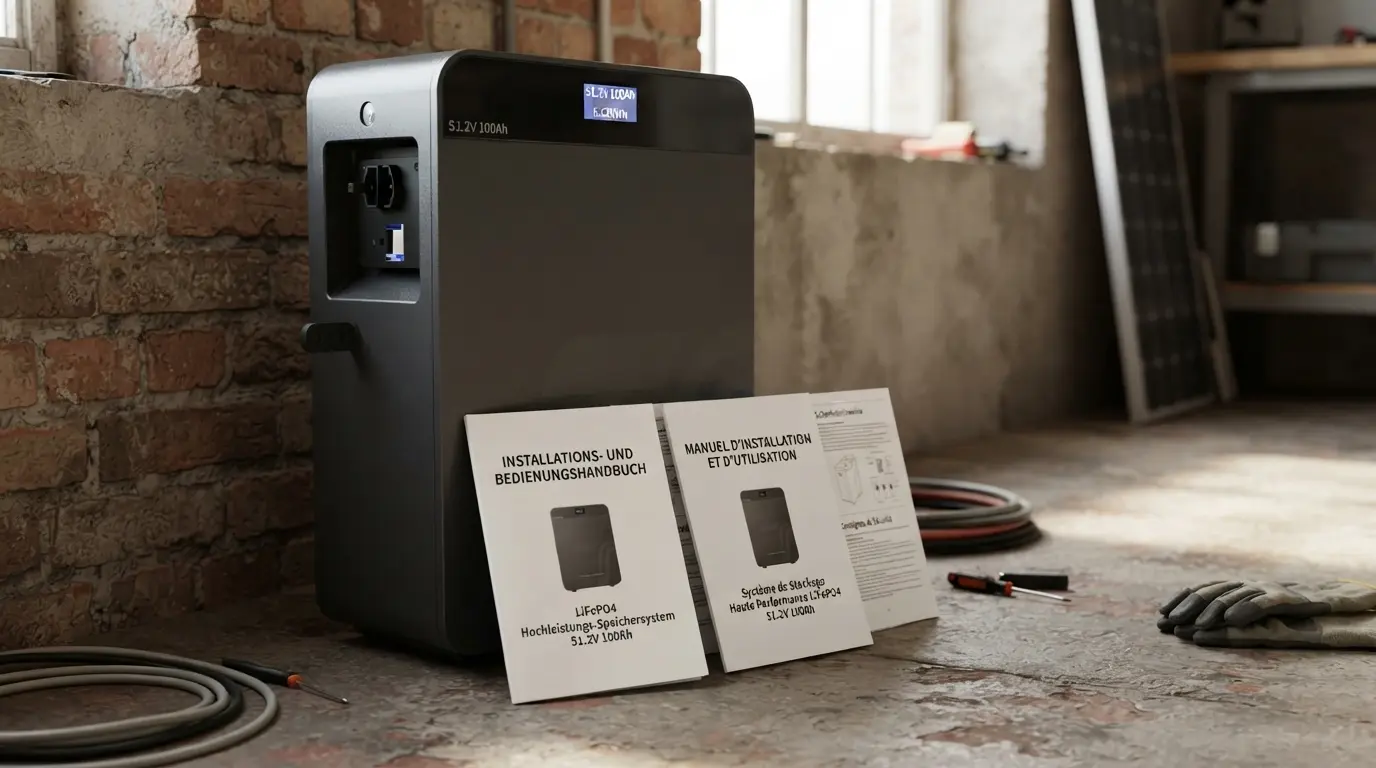
TURSAN supports wall-mounted, stackable, and all-in-one residential storage formats across a stated 2 kWh to 30 kWh range. The core architecture uses LiFePO4 cells, a BMS that controls overcharge, over-discharge, overcurrent, short-circuit, and temperature protection, and inverter integration appropriate to the selected system. The final specification must still define cell grade, current limits, communication protocol, environmental rating, and target-market requirements for each model.
For white-label buyers, the pre-production checklist should cover label branding, enclosure color, connector type, cable length, carton design, manuals, firmware parameters, inverter protocol, serial-number format, and warranty data capture. MOQ and sample lead time should be quoted against this exact scope. Every customization affects validation time; connector substitutions and firmware tuning deserve more control than a logo change.
TURSAN reports two production bases, 15 modern production lines, more than 500 trained employees, and monthly output above 10,000 units. It also reports a 99.89% on-time delivery rate and service coverage in more than 30 countries, including cooperation with partners such as SunHome Energy in Australia and Desert Solar in the Middle East. Procurement teams should confirm these figures, applicable customer references, and available monthly capacity during supplier due diligence, then write the agreed allocation into the supply contract.
The objective is not to reserve abstract factory capacity. It is to reserve the line time, approved material set, quality plan, documentation package, and shipping sequence required for your SKU.
Choose the reservation model that matches your demand
| Reservation model | Best fit | Price protection | Capacity protection | Buyer commitment | Main risk |
|---|---|---|---|---|---|
| Spot purchase | Trial orders or uncertain demand | Low | Low | Minimal | Peak-season price and lead-time exposure |
| Quarterly call-off order | Distributors with rolling installation forecasts | Medium | Medium to high when monthly volumes are stated | Forecast plus scheduled deposits | Forecast error can create excess or insufficient stock |
| Annual framework agreement | Brand owners and national distributors with repeat demand | High when the adjustment formula is defined | High when line slots and BOM allocation are contractual | Volume band, deposits, and release schedule | Poorly written tax or material clauses can reopen pricing |
| ODM program with phased releases | Buyers launching a customized system | High after design freeze | High after sample approval and material reservation | Engineering sign-off, MOQ, and staged forecast | Late firmware or enclosure changes can delay certification and production |
For most established distributors, a quarterly call-off order or annual framework agreement provides better control than a single oversized shipment. It lets the factory reserve material and production while the buyer aligns deliveries with warehouse space, cash flow, and local installation demand.
Use a volume band rather than an unrealistic point forecast. Define a firm minimum, a planned volume, and a maximum allocation. Then attach release dates. This gives both sides a basis for cell purchasing, labor planning, quality inspection, and freight booking.
Four procurement mistakes that destroy the protection
Mistake one is locking price without locking the export window
A purchase order dated in 2026 does not guarantee 2026 tax treatment. Tie the price to a defined customs declaration window and specify what happens if either party causes the shipment to cross January 1, 2027.
Mistake two is comparing nameplate energy instead of usable performance
Normalize voltage, ampere-hours, usable depth of discharge, continuous power, temperature limits, and cycle-test conditions. Confirm that the inverter can communicate with the BMS through the intended CAN or RS485 protocol. A lower-cost battery that repeatedly enters protection mode is not a lower-cost system.
Mistake three is accepting certificates that do not match the SKU
Check whether the report covers the exact model, cell, enclosure, manufacturing site, and system configuration. Confirm what UL 1973, CE documentation, and UN 38.3 each cover. Never present UN 38.3 as proof of stationary installation safety.
Mistake four is reserving finished units without reserving critical materials
Ask the factory to identify long-lead items and define the material-reservation trigger. Cells, BMS boards, inverter power modules, molded connectors, and custom cartons can run on different lead times. A factory slot without an approved BOM can remain empty while the project waits for one missing component.
Questions procurement teams are asking now
Not by itself. Under the announced schedule, the relevant treatment depends on the product’s customs classification and the export date on the customs declaration. Ask the supplier to confirm the planned declaration window and include a clear tax-change clause in the contract.
Start with confirmed installations, weighted pipeline, replacement stock, and a realistic channel-growth case. Reserve a firm minimum and negotiate an upside band. Divide the allocation into monthly or quarterly releases instead of treating the annual volume as one undated commitment.
Review the signed specification, approved sample record, bill-of-material control method, quality plan, warranty terms, relevant product-safety reports, EU Declaration of Conformity where applicable, and UN 38.3 test summary. Also verify the legal manufacturer, production site, model numbers, and report validity with the issuing body when possible.
The OEM and ODM scope can include branding, enclosure details, connectors, packaging, manuals, communication settings, and firmware matching. Send the inverter model, protocol document, target system voltage, continuous and surge load, installation environment, expected parallel quantity, destination market, and annual forecast. TURSAN can then confirm technical feasibility, MOQ, sample timing, compliance scope, and the mass-production schedule.
Capacity lock summary
Secure the order while there is still room to plan
The opportunity is large, but demand alone does not protect distributor margin. The buyers that enter the next installation season with controlled costs will have secured more than a quotation. They will have an approved technical baseline, documented compliance, allocated materials, a production calendar, and a shipment plan that recognizes the January 1, 2027 battery rebate change.
TURSAN’s two production bases, 15 lines, 500-plus-person manufacturing team, and stated monthly capacity above 10,000 units provide the foundation for scheduled wholesale supply. Its LiFePO4 portfolio covers wall-mounted, stackable, and all-in-one residential systems from 2 kWh to 30 kWh, with BMS and inverter integration configured for the target application. The value of that capacity becomes real when it is assigned to your forecast in writing.
Send your target market, system voltage, inverter model, capacity mix, required certifications, quarterly volume, and requested ship dates. TURSAN will use that information to prepare a model-specific wholesale proposal and capacity-lock schedule.
Move the forecast from a spreadsheet into a model-specific production and shipment schedule.
Source notes
- China Ministry of Finance and State Taxation Administration Announcement No. 2 of 2026 covers the 2026 export VAT rebate adjustments. Buyers should confirm tariff-code treatment with a qualified customs adviser.
- The U.S. Department of Energy and Lawrence Berkeley National Laboratory document rapid data-center electricity-demand growth; transformer lead-time data published by Wood Mackenzie illustrates wider electrical-equipment constraints.
- UL 1973, the European Commission’s CE-marking guidance, Regulation EU 2023/1542, and the UN Manual of Tests and Criteria provide the authoritative scope for the compliance terms discussed above.