 English
  العربية
  日本語
日本語  한국어
한국어  Tiếng Việt
  ไทย
ไทย  Bahasa Melayu
  فارسی
فارسی  Bahasa Indonesia
  ဗမာစာ
ဗမာစာ  简体中文
简体中文  香港中文
香港中文  繁體中文
繁體中文  Русский
  Deutsch
  Nederlands
  Italiano
  Français
  Español
  Português
  Afrikaans
  Azərbaycan dili
  Български
  ਪੰਜਾਬੀ
  हिन्दी
  اردو
اردو  বাংলা
বাংলা  Հայերեն
  Íslenska
  Қазақ тілі
  नेपाली
  Српски језик
  Kiswahili
  తెలుగు
  Basa Jawa
  தமிழ்
தமிழ்  मराठी
मराठी A practical way to size a 400W inverter for laptops, routers, CPAP machines, fans, chargers and other low-draw equipment.
Need more than a compact inverter can provide?
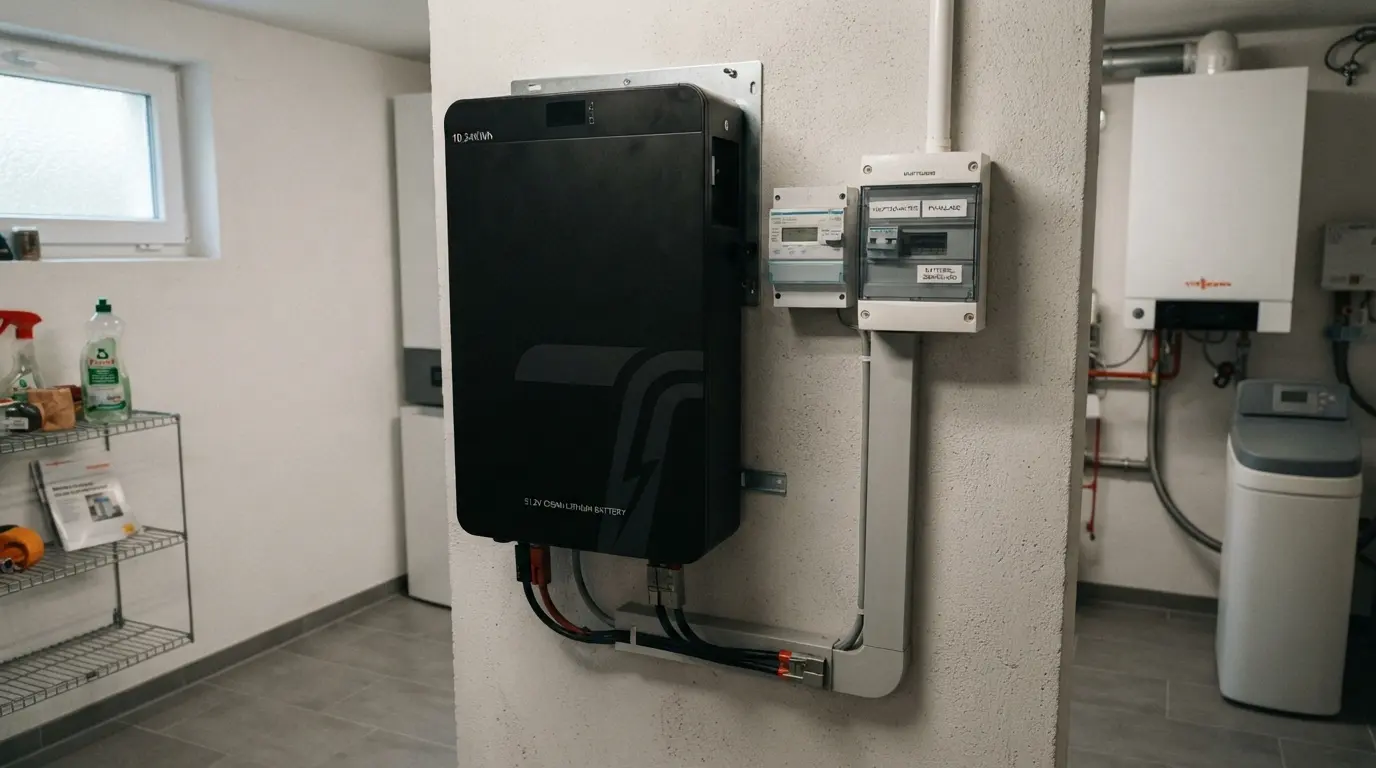
See TURSAN home energy storage solutions for larger battery, inverter and backup requirements.
Wondering what a 400-watt inverter can actually run? The answer depends on more than the device’s label. You also need to consider continuous wattage, startup surge, and the total power draw of everything plugged in at once.
In this guide, you’ll discover exactly which devices a 400-watt inverter can run, from laptops and TVs to CPAP machines, routers, LED lights, and small fans. You’ll also learn what it can’t handle, how to calculate runtime, and when it makes sense to upgrade to a larger inverter.
Let’s get started.
A 400-watt inverter can reliably power many low- and medium-draw electronics for vehicles, camping, mobile work, and backup power. The key limit is its 400W continuous output: the total running wattage of connected devices must remain below that rating, while motor-driven equipment must also stay within the inverter’s surge capacity.
For sensitive electronics, a Pure Sine Wave inverter is a dependable option. Its stable AC output is designed to reduce electrical noise and interference while supporting laptops, communication equipment, battery chargers, and other delicate devices.
400-Watt Inverter Device Compatibility Chart
| Device category | Typical running power | 400W inverter guidance |
|---|---|---|
| Smartphones and tablets | 10-30W | Yes, individually or in groups |
| Laptops and MacBooks | 45-100W | Yes |
| Wi-Fi routers and modems | 10-25W | Yes |
| 32- to 50-inch LED TVs | 40-110W | Yes |
| PS5 or Xbox Series X consoles | 160-220W | Yes, usually with limited additional loads |
| Desktop PC with one LED monitor | 150-300W | Usually yes; check the actual power supply and monitor rating |
| CPAP machine without heated humidifier | 30-60W | Yes |
| Desk or standing fan | 35-75W | Yes; allow about 100W for startup surge |
| Electric blanket on low or medium | 60-150W | Yes, subject to its label rating |
| 12V portable car fridge or cooler | 45-70W | Usually yes; allow 150-250W startup surge |
| LED camp lights | 5-30W | Yes |
| Camera or drone chargers | 30-90W | Yes |
Devices that commonly run individually: laptops, TVs, routers, CPAP machines without heated humidifiers, fans, LED lighting, portable coolers, and charging equipment.
Devices that need a total-load calculation: gaming consoles with TVs, desktop computers, portable fridges, electric blankets, and several chargers operating at once. Add every device’s running wattage before connecting it.
Mobile Workstations and Personal Computing
A 400-watt power inverter is well suited to mobile work setups. It can support a laptop, smartphone, tablet, Wi-Fi router, camera charger, and drone battery charger when their combined load remains within the inverter’s continuous rating.
USB-C Power Delivery chargers can be an efficient choice for compatible laptops and mobile devices because they deliver power directly at the charging level required by the device. Traditional AC laptop adapters also work with a Pure Sine Wave inverter when their input rating is within the available load capacity.
A practical mobile workstation may include:
- 65W laptop
- 15W Wi-Fi router
- 30W phone and tablet charging
- 60W camera or drone battery charger
This setup uses about 170W of running power, leaving capacity for other low-draw equipment. Check each adapter label, since actual charging power can vary by device, battery state, and workload.
For overnight or extended backup use, confirm the inverter’s input requirements, expected battery runtime, and the startup behavior of every connected device. Low-power monitoring equipment and other compatible low-draw medical devices may also fit within a 400W load, provided their manufacturer requirements and surge needs are verified.
Mobile Workstations and Low-Power Devices
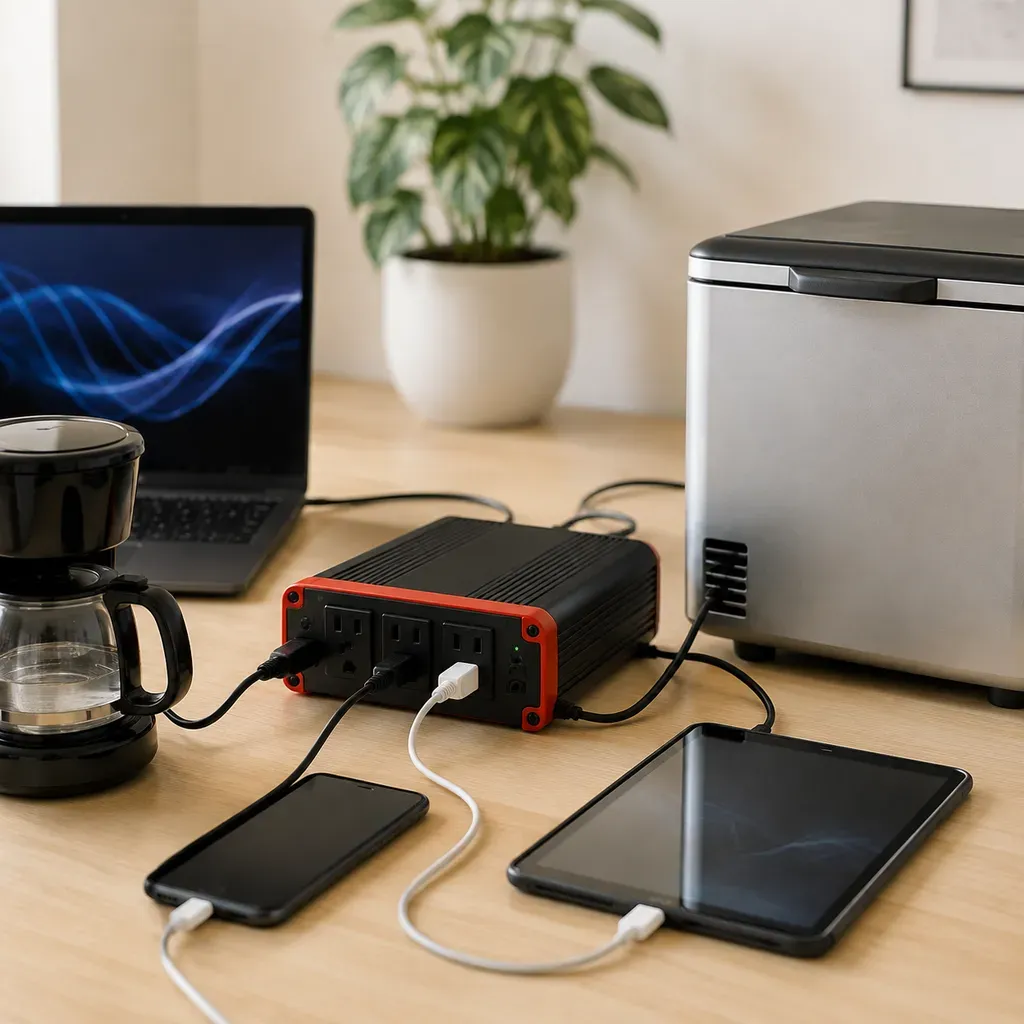
A 400-watt inverter can support a mobile workstation when the combined load stays below its continuous output rating. Laptops, smartphones, tablets, cameras, and drone batteries are generally suitable loads.
| Device | Typical Running Power | 400-Watt Inverter Guidance |
|---|---|---|
| USB-C laptop charger | 45-100W | Yes |
| Smartphone or tablet charger | 10-30W | Yes |
| Camera or drone charger | 30-90W | Yes |
| Wi-Fi router or modem | 10-25W | Yes |
| CPAP without heated humidifier | 30-60W | Usually suitable |
| Low-power monitoring equipment | Check device label | Suitable when total load remains within rating |
USB-C Power Delivery chargers can be an efficient option for compatible devices. Traditional AC laptop adapters also work when their input rating is within the available inverter capacity. Before overnight use, check each charger’s input label, any startup behavior, and expected battery runtime. Battery capacity is best compared in watt-hours; this guide explains what a watt-hour means for power planning.
Devices You Should Not Run on a 400-Watt Inverter
A 400-watt inverter is not designed for high-draw heating appliances. These products can exceed the continuous rating immediately and trigger overload or thermal protection.
| Device | Typical Power Demand | Guidance |
|---|---|---|
| Microwave | 700-1,200W | No |
| Hair dryer | 1,500W or more | No |
| Space heater | High continuous load | No |
| Coffee maker | High heating load | No |
| Electric kettle | High heating load | No |
| Toaster | High heating load | No |
Heating elements draw substantial continuous power. A plug fitting the outlet does not mean the appliance is compatible with a 400-watt power inverter.
Motorized Tools and Compressors
Circular saws, full-size refrigerators, air compressors, pumps, and similar motor-driven equipment should not be assumed compatible. Motors can draw a much higher startup or inrush current than their normal running wattage.
An inverter with a 400W continuous rating and an 800W surge rating may still be unable to start a motor with a large peak startup wattage spike. Use a larger inverter or portable power station for tools, refrigerators, compressors, pumps, and other heavy motor loads.
Calculate Simultaneous Power Consumption
Add the running wattage of every device operating at the same time. Keep the total below the 400-watt continuous rating, with a practical continuous-use target of about 320W to leave operating headroom.
| Device | Running Wattage |
|---|---|
| Laptop | 65W |
| Wi-Fi router | 15W |
| Desk fan | 45W |
| LED TV | 80W |
| Total | 205W |
This 205W setup is below both the 400W inverter rating and the 320W continuous-use target. Check startup surge separately for fans, portable fridges, and other motor-driven devices. Use the actual device label or manufacturer input rating rather than estimates whenever possible.
Battery Bank Amp Draw and 12V System Requirements
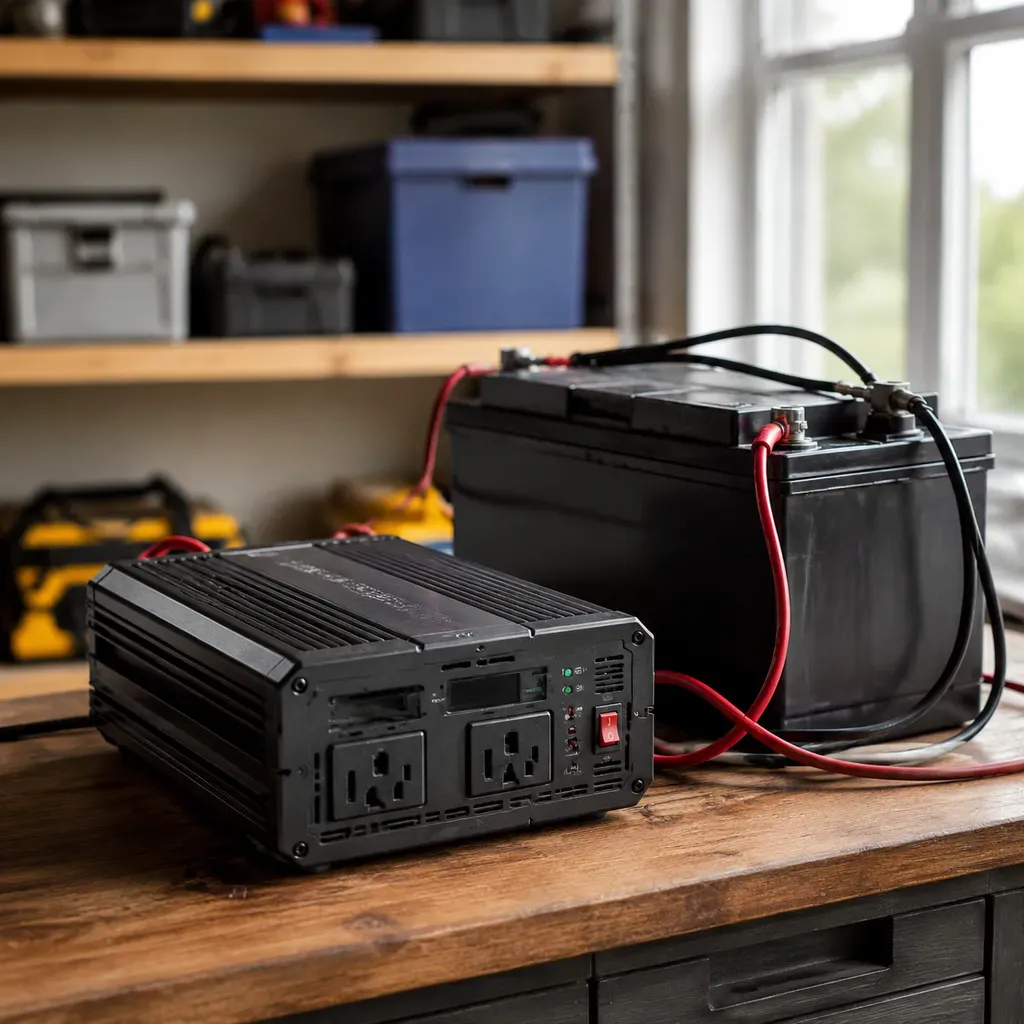
A 400-watt AC output can draw roughly 35–40 amps from a 12V battery after allowing for inverter losses. The actual current depends on the load, battery voltage, and inverter efficiency. Higher loads increase battery drain and reduce available runtime.
| Item | Key requirement |
|---|---|
| Cables | Use cable sized for the expected battery current and cable length. Undersized wiring can cause voltage drop and heat. |
| Fuse | Install suitable overcurrent protection close to the battery. |
| Connectors | Use secure connectors rated for the expected current. |
| Battery discharge rating | The battery must safely support the inverter’s maximum DC input current. |
Watt-hours (Wh) describe stored energy. Amp-hours (Ah) describe electrical capacity at a stated voltage. For example, a 12.8V, 100Ah LiFePO4 battery stores approximately 1,280Wh before system losses. Actual usable energy is lower because of inverter consumption, load conditions, and battery protection limits. A properly selected floor-standing LiFePO4 battery manufacturer can help ensure that the battery, BMS, and discharge rating match the inverter.
High loads shorten runtime and make voltage drop more noticeable, especially with long or undersized cables. Keep the battery-to-inverter connection short, use correctly rated wiring and fuses, and check the device’s actual DC input rating before operation.
Inverter Safety and TURSAN B2B Solutions
When a 400-watt inverter reaches its peak rating, upgrade to a larger inverter for microwaves, refrigerators, power tools, coffee makers, heaters, pumps, compressors, or multiple high-draw appliances. The higher-rated inverter must be matched with a battery bank, wiring system, fuse, and charging source that can support the increased battery amp draw.
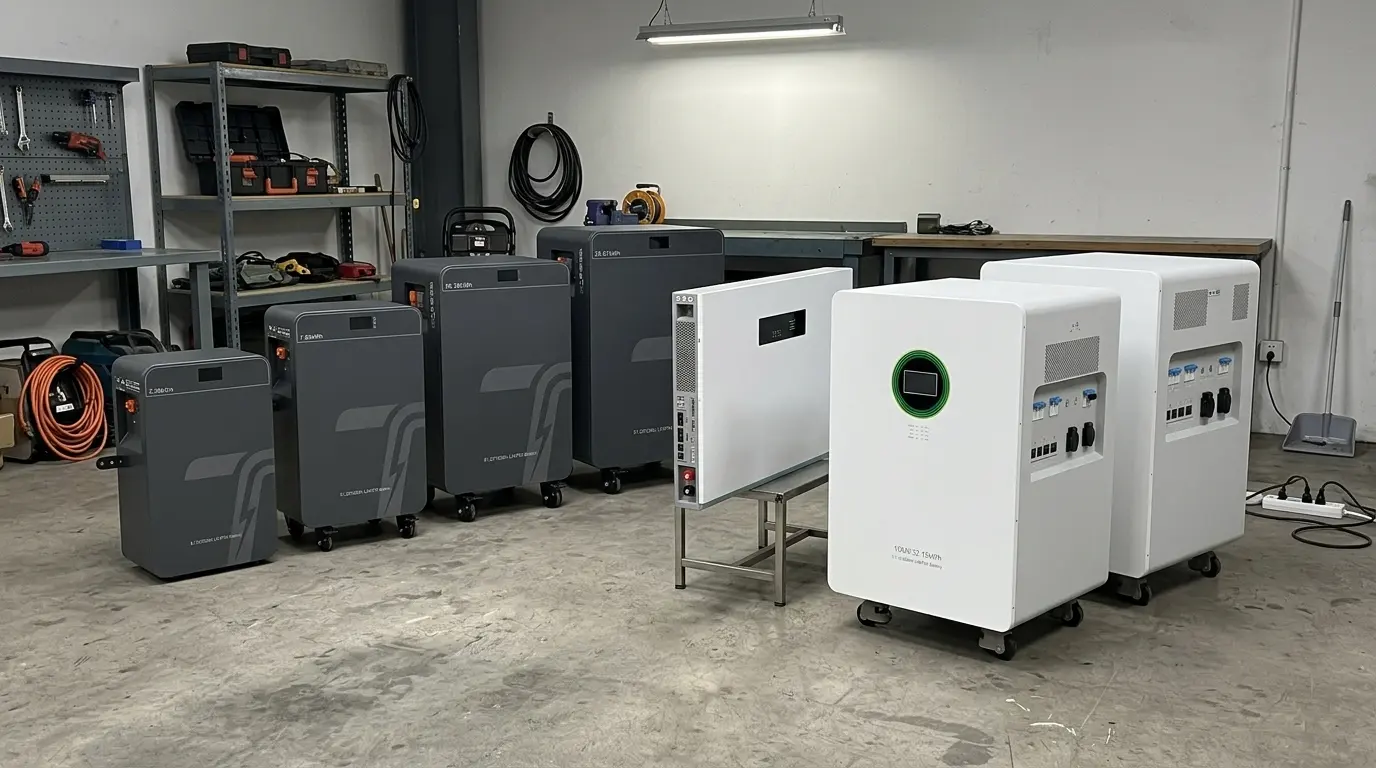
TURSAN supplies pure sine wave inverters, LiFePO4 battery systems, portable power stations, and home energy storage solutions for OEM and B2B projects. Its intelligent BMS supports battery safety and stable operation, while its energy storage products use LiFePO4 cells rated for 6,000+ cycles. TURSAN offers free exterior ID design and custom modeling, supported by 15 production lines, UN38.3, MSDS, UL1973, CE, and FCC certifications, plus a standard 5-year warranty. Businesses can also request home battery system solutions with custom wholesale quotes delivered within 4 hours.