 English
  العربية
  日本語
日本語  한국어
한국어  Tiếng Việt
  ไทย
ไทย  Bahasa Melayu
  فارسی
فارسی  Bahasa Indonesia
  ဗမာစာ
ဗမာစာ  简体中文
简体中文  香港中文
香港中文  繁體中文
繁體中文  Русский
  Deutsch
  Nederlands
  Italiano
  Français
  Español
  Português
  Afrikaans
  Azərbaycan dili
  Български
  ਪੰਜਾਬੀ
  हिन्दी
  اردو
اردو  বাংলা
বাংলা  Հայերեն
  Íslenska
  Қазақ тілі
  नेपाली
  Српски језик
  Kiswahili
  తెలుగు
  Basa Jawa
  தமிழ்
தமிழ்  मराठी
मराठी When the power goes out, or when you are off the grid, you need reliable backup power for appliances. The big question is whether you should buy a portable power station or stick to a traditional gas generator. While a gas unit is cheaper at checkout, the long-term solar generator vs gas generator cost tells a completely different story.
Upfront Cost vs Long-Term Fuel Savings
Gas generators have a lower initial price tag. However, they require constant spending on gasoline or propane. A solar generator requires a higher upfront investment, but your fuel (the sun) is completely free. Over time, the lack of fuel costs makes the solar setup a much more financially sound portable power station ROI play.
Maintenance & Lifespan
Gas engines have spark plugs, filters, and oil that require regular maintenance. They are prone to mechanical failure if left sitting. Solar generators have zero moving parts. Units built with premium LiFePO4 battery lifecycle technology can last over a decade with virtually no maintenance, maximizing your home battery backup worth it value.
Operational Freedom
Gas generators are loud, emit toxic fumes, and must be kept far outside. A portable solar generator gives you absolute operational freedom. They are completely silent and emission-free, meaning you can safely run an emergency power outage backup right inside your living room or tent.
Comparison Matrix: Solar vs Gas Generators
| Feature | Solar Generator (Portable Power Station) | Traditional Gas Generator |
|---|---|---|
| Initial Cost | Higher upfront investment | Lower upfront investment |
| Fuel Cost | $0 (Free solar energy) | Ongoing expense (Gas/Propane) |
| Maintenance | Virtually none | Frequent (Oil changes, filters, spark plugs) |
| Lifespan | Long (Up to 10+ years with LiFePO4) | Shorter (Dependent on mechanical wear) |
| Noise Level | Silent | Loud (50–80+ dB) |
| Usage Environment | Indoors, outdoors, anywhere | Strictly outdoors only (CO poisoning risk) |
| Eco-Friendliness | Clean, eco-friendly backup energy | Emits greenhouse gases and fumes |
Driving the ROI: How Technical Specifications Determine Value
When calculating a portable power station ROI, the underlying technology dictates exactly how much value you extract over time. You cannot just look at the capacity; you must look at what runs the system under the hood.
The Battery Chemistry Factor
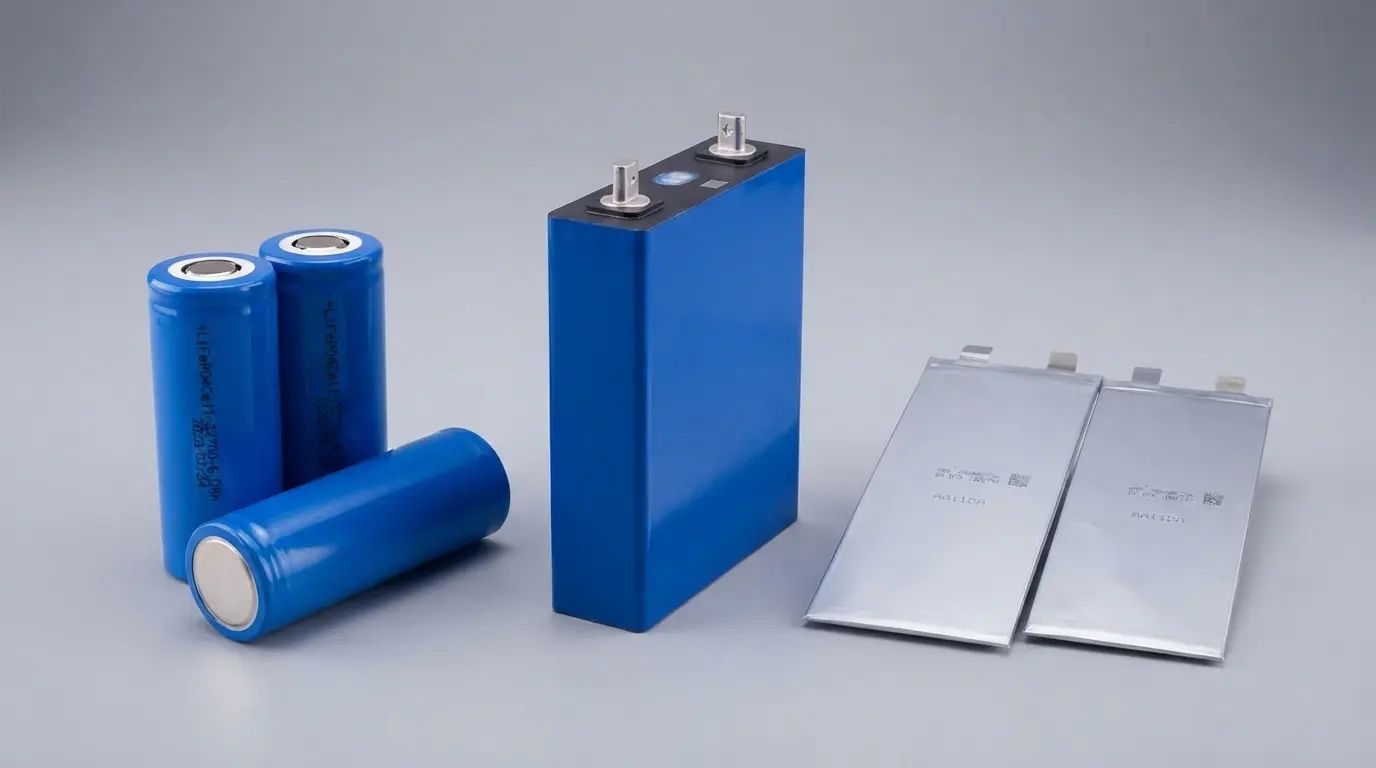
The core of your investment lies in the battery cells. We focus heavily on LiFePO4 battery lifecycle advantages because traditional lithium-ion options simply don’t hold up for the long haul. Using high-grade Lithium Iron Phosphate cells longevity ensures your system can handle daily cycling for a decade or more.
Pure Sine Wave Inverter Efficiency
An efficient inverter ensures that stored DC energy converts into usable AC power without massive conversion losses. Cheap modified inverters waste energy and risk damaging sensitive electronics like laptops or medical equipment. Integrating a high-efficiency 6kW pure sine wave inverter maximizes reliable backup power for appliances while minimizing heat waste.
Here is how these technical specifications directly influence your financial solar generator break-even point:
| Technical Metric | Low-End Systems | Our Premium Specification | ROI Impact |
|---|---|---|---|
| Battery Chemistry | Lithium-ion (NMC) | LiFePO4 (Lithium Iron Phosphate) | 4x longer lifespan (3,500+ cycles) |
| Inverter Type | Modified Sine Wave | Pure Sine Wave | Protects appliances, 90%+ efficiency |
| Solar Panel Charging Speed | Slow / Basic PWM | Fast MPPT Tracking | Quicker turnaround during outages |
The Break-Even Timeline
Your actual break-even timeline depends heavily on these specs. Standard backup systems degrade within a few years, meaning you replace them before they ever pay for themselves. By pairing robust LiFePO4 battery lifecycle performance with an efficient inverter setup, the system maintains its capacity long enough to offset expensive peak-grid electricity and fuel costs, securing a true positive return on your investment.
Beyond Emergencies: Maximizing ROI via Smart Energy Management
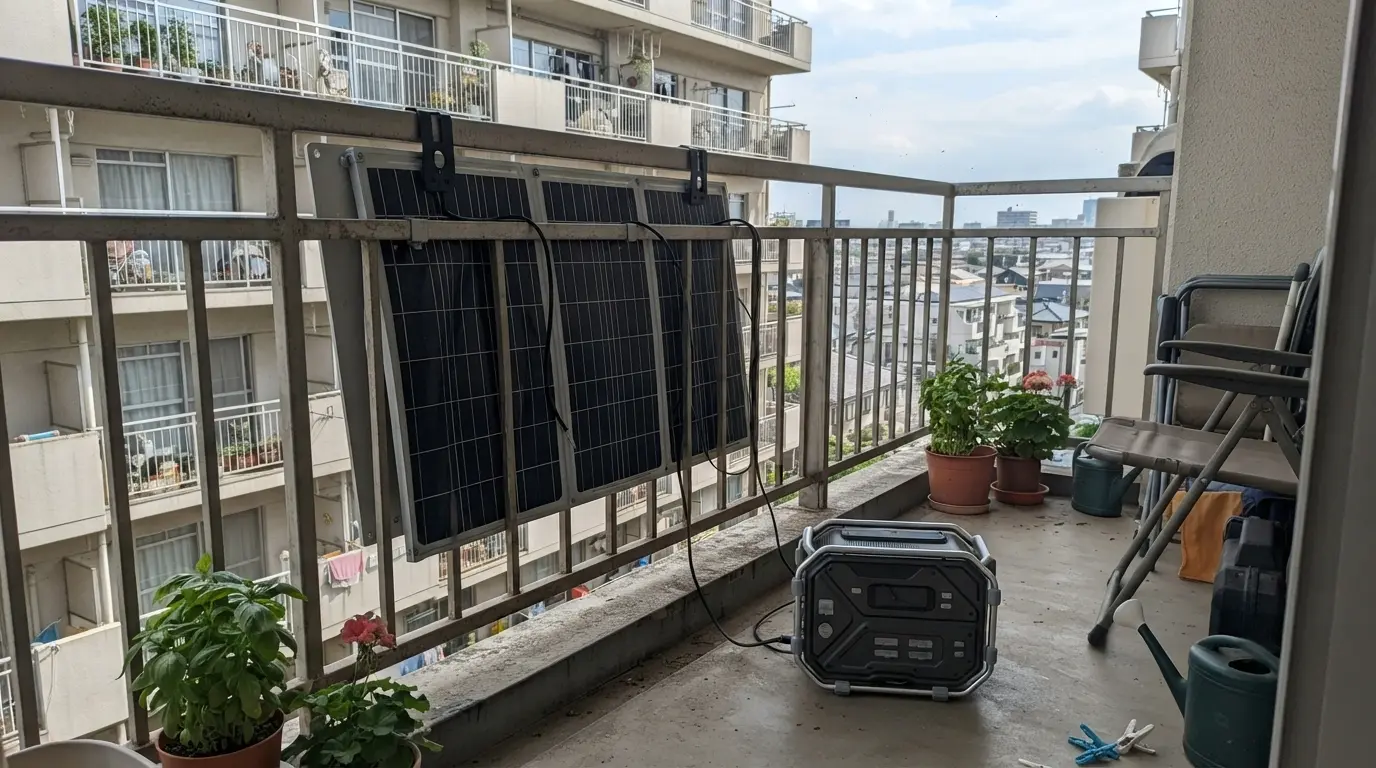
We often hear people ask, is a solar generator worth the investment if the power rarely goes out? The truth is, you do not have to wait for a blackout to see a return. By integrating a high-capacity system into your daily routine, you turn an emergency backup tool into an active, everyday money saver.
Time-of-Use (TOU) Peak Shaving
Many utility companies charge significantly higher electricity rates during peak hours—usually in the hot afternoon and early evening. This is where Time-of-Use (TOU) peak shaving becomes your best financial strategy.
- Charge Low: Store power during off-peak hours when electricity is cheapest, or let your solar panels juice up the battery for free during the day.
- Discharge High: Run your major household appliances off the stored battery power during expensive peak hours.
By systematically dodging these peak utility rates, your portable power station ROI accelerates dramatically. To see exactly how much you can save based on your local utility rates, you can use a photovoltaic energy storage revenue calculator to crunch the numbers and map out your savings timeline.
Sustainable Independence
Relying on your own eco-friendly backup energy delivers true grid independence. Transitioning parts of your daily power consumption to clean solar energy reduces your dependence on an aging grid infrastructure. It transforms a standard piece of backup equipment into a smart, self-sustaining power source for daily American life.
Real-World Use Cases: Is a Solar Generator Worth the Investment?

Determining your portable power station ROI comes down to how you plan to use the equipment. I evaluate value through the lens of practical everyday needs, long-term savings, and critical backup scenarios.
Emergency Preparedness Homeowner
For households facing unpredictable weather, a solar generator serves as an indispensable emergency power outage backup.
The Value: It runs completely silently indoors to keep refrigerators, medical devices, and communication networks live.
The Verdict: It is absolutely worth the investment for immediate safety and zero fuel-reliance during a crisis.
Off-Grid Traveler & RV Enthusiast
If you live for the open road or remote camping, a portable solar generator for RV trips completely changes the game.
The Value: You can skip crowded campsites with hookups and tap into a reliable, heavy-duty off-grid power supply out in the wild.
The Verdict: The ongoing savings from avoiding campground fees and gasoline make this a clear win.
B2B & Commercial Custom Deployment
We look at commercial deployment as a matter of operational efficiency. Businesses require rugged, unfailing field power for remote work sites, mobile clinics, and outdoor events.
The Value: It eliminates complex fuel logistics, reduces job-site emissions, and protects sensitive electronic equipment from voltage spikes.
The Verdict: The high upfront cost is quickly offset by zero routine maintenance and maximum uptime.
What to Look for to Ensure Your Investment Lasts

When evaluating if a solar generator is worth the investment, you cannot just look at the price tag. You need to look under the hood. To ensure you get a high portable power station ROI, the build quality and design flexibility dictate whether your system lasts for a few years or a few decades.
Commercial-Grade Manufacturing Partnerships
We don’t compromise on core components, and neither should you. A reliable home battery backup worth it to your family relies entirely on industrial-grade supply chains. We partner with top-tier manufacturers to source premium Lithium Iron Phosphate cells for longevity and heavy-duty electronics. When shopping around, look for clear transparency in the build quality. Choosing a brand that utilizes the engineering standards of the best home battery brands ensures your system can handle daily cycling without sudden voltage drops or early capacity degradation.
Scalable Capacity and Fast Recharge Paths
Your power needs will change over time, and your investment should adapt with you. A premium eco-friendly backup energy system must feature two critical engineering traits:
- Modular Expansion: Look for systems that allow you to chain extra battery packs. This lets you grow from a basic emergency power outage backup setup into a comprehensive off-grid power supply without buying a completely new generator.
- Rapid Solar Panel Charging Speed: High capacity means nothing if it takes three days to juice back up. Opt for systems equipped with high-input MPPT controllers that maximize solar panel charging speed, getting you back to 100% capacity in hours, not days.
FAQs: Is a Solar Generator Worth the Investment?
How long does a solar generator last?
A high-quality portable power station built with a LiFePO4 battery lifecycle can easily last 10 to 15 years or more with regular use. Lithium Iron Phosphate cells longevity ensures the unit can handle over 3,500 charge cycles before dropping to 80% of its original capacity. The built-in pure sine wave inverter efficiency and solid-state electronics also help extend the overall hardware lifespan.
Can a solar generator power a whole house?
Yes, but it depends entirely on the capacity. A standard compact unit is perfect for running critical appliances like refrigerators, Wi-Fi routers, and medical devices during an emergency power outage backup. For comprehensive whole house battery storage, you will need a scalable, high-capacity system paired with multiple solar panels to handle high-draw appliances like central air conditioning.
How long does it take for a solar generator to pay for itself?
The typical solar generator break-even point ranges between 2 to 5 years. You can drastically accelerate this portable power station ROI by practicing Time-of-Use (TOU) peak shaving—using stored solar energy during peak grid hours when electricity rates skyrocket—and using it frequently as an off-grid power supply for outdoor activities.
Can you use a solar generator indoors?
Absolutely. Unlike toxic, noisy gas options, a solar generator produces zero emissions and operates silently. This makes it a perfectly safe, eco-friendly backup energy solution to keep right inside your living room or office. If you plan to use it off-grid, check out our specialized camping portable power stations to see how these clean energy systems perform in both indoor and outdoor environments.