Home ﹥ Project Cases ﹥ Japan Single‑Family Home
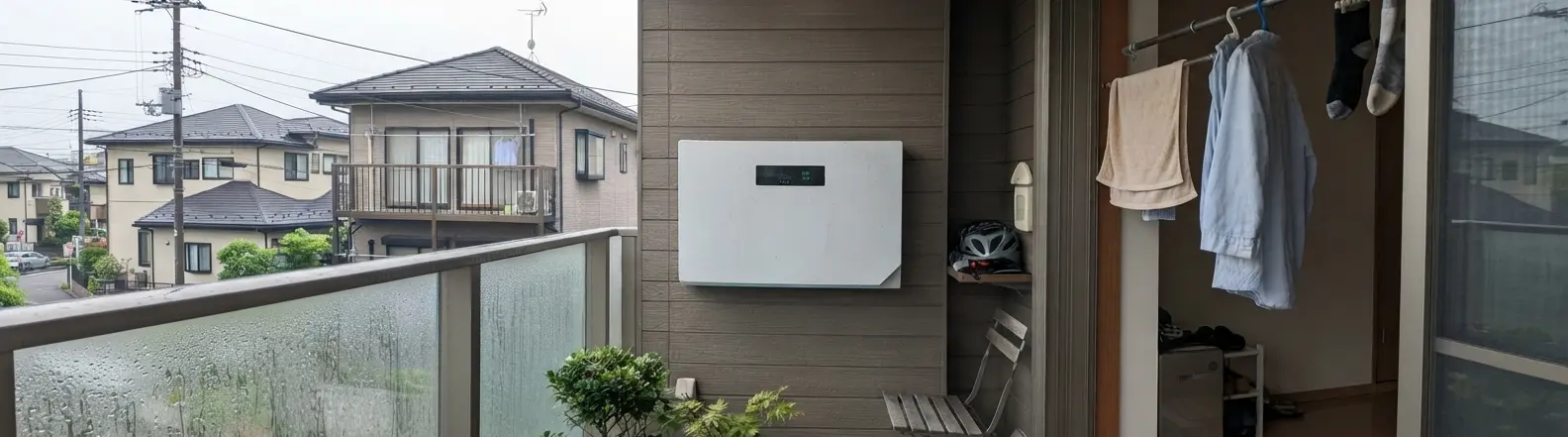
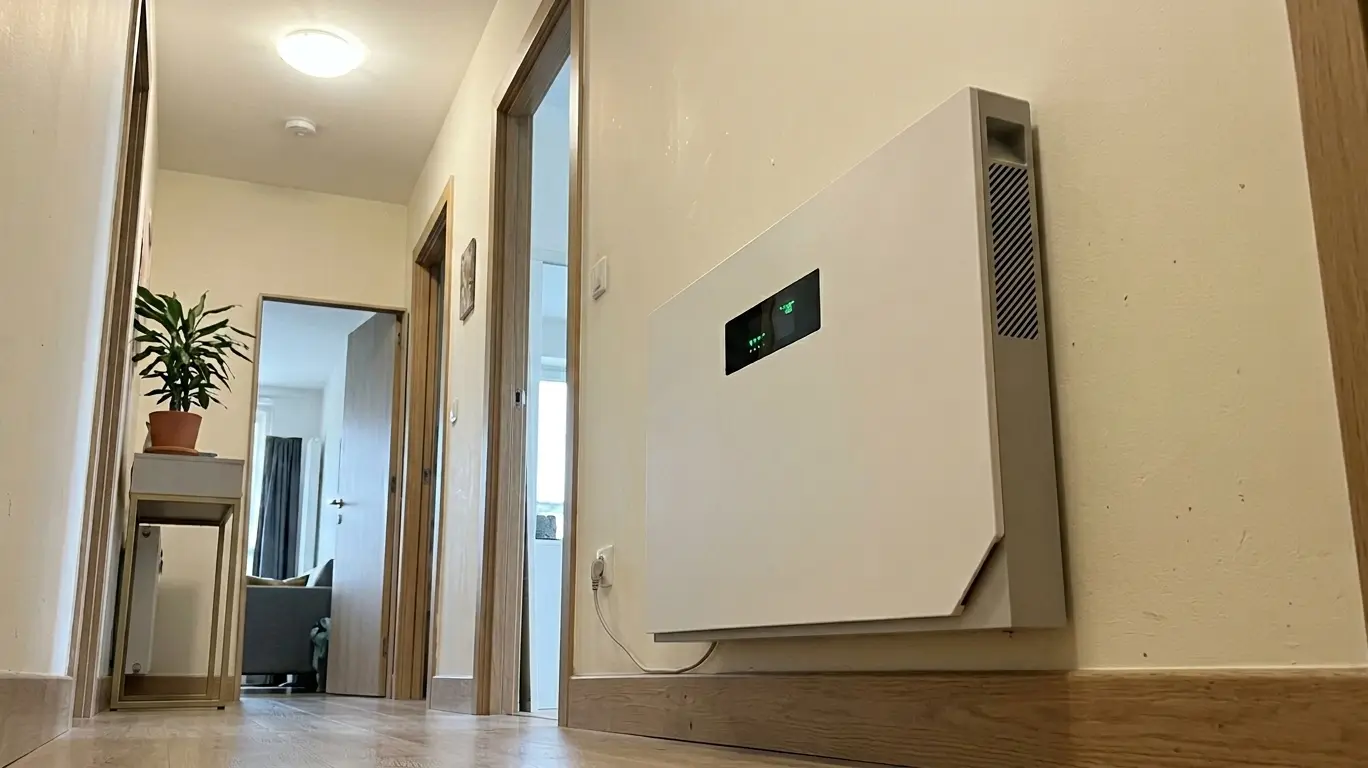
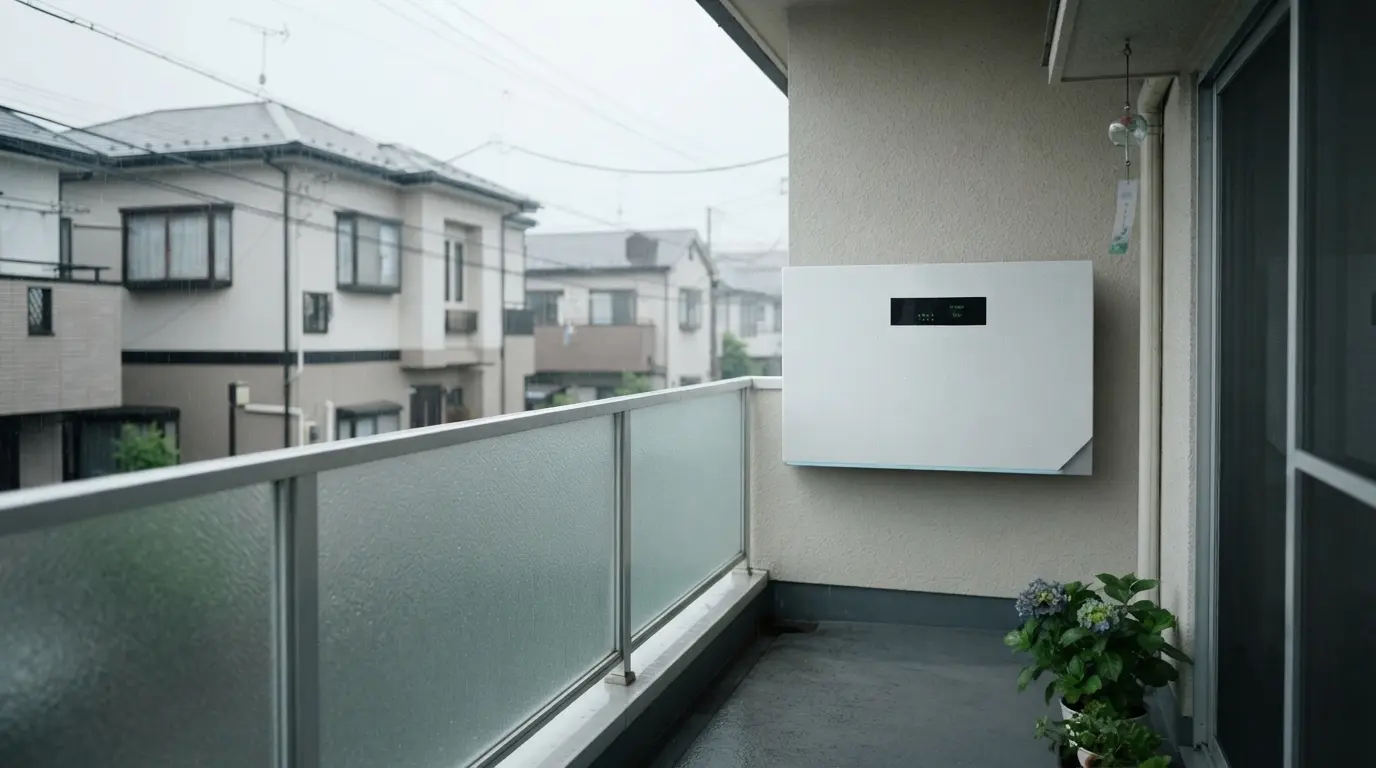
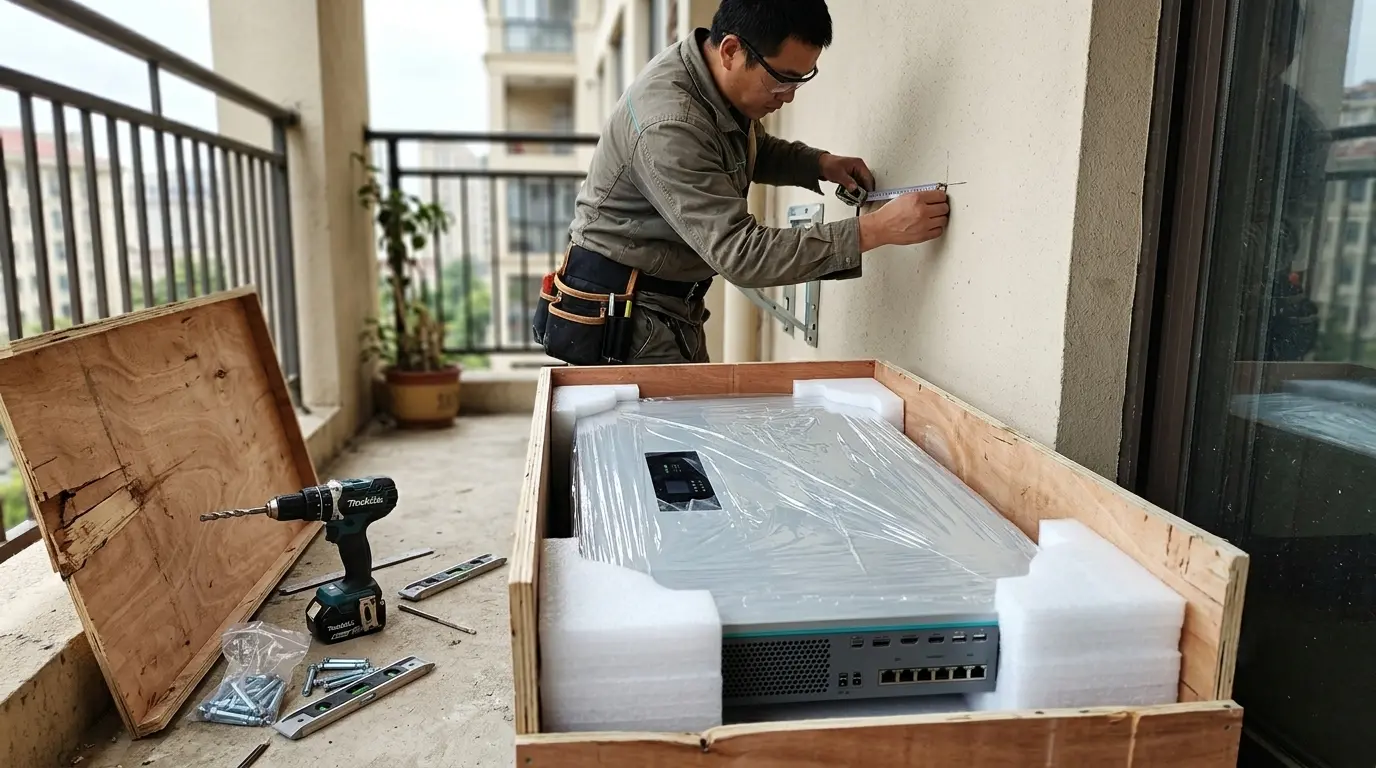
A Japanese residential equipment integrator serving the “single‑family home” renovation market in the Tokyo metropolitan area. Japanese homes are generally compact, with limited exterior wall space, requiring the energy storage device to be no thicker than 180 mm.
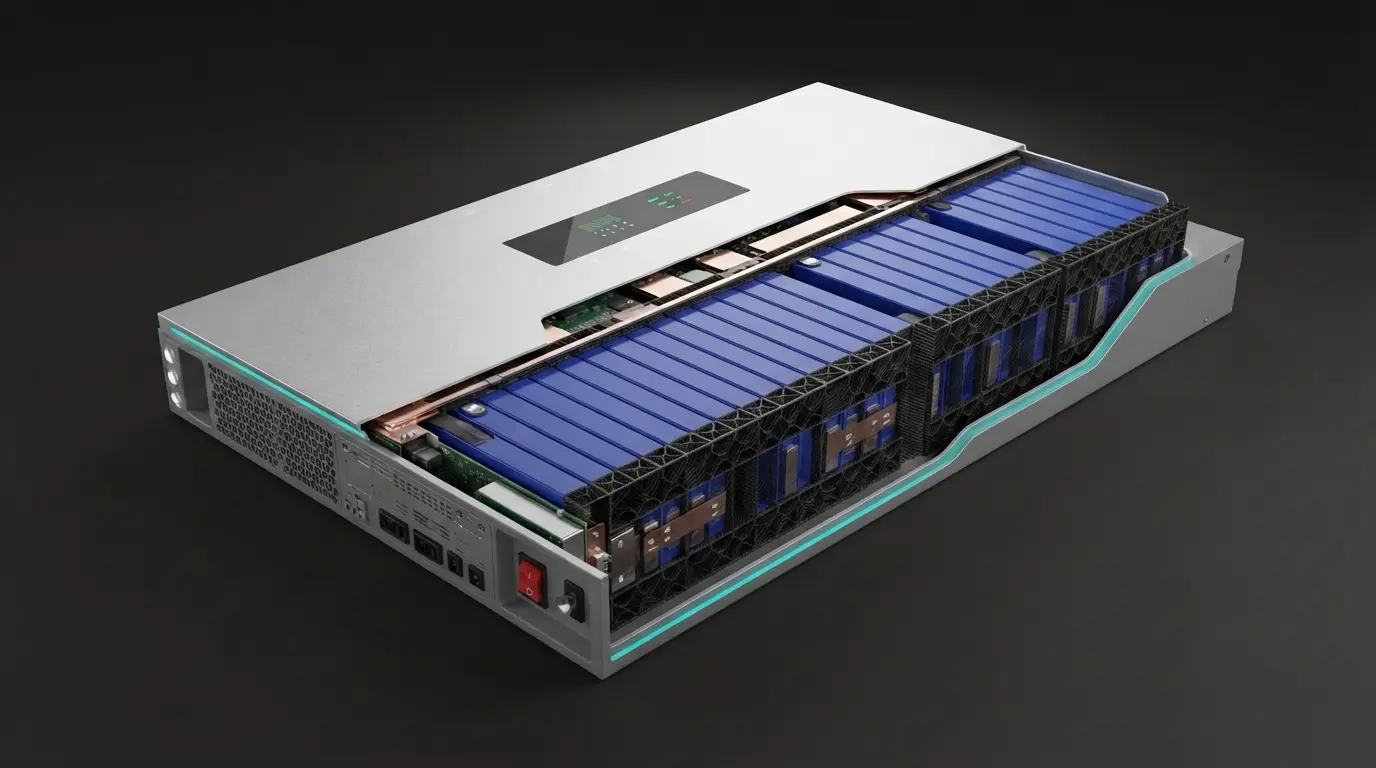
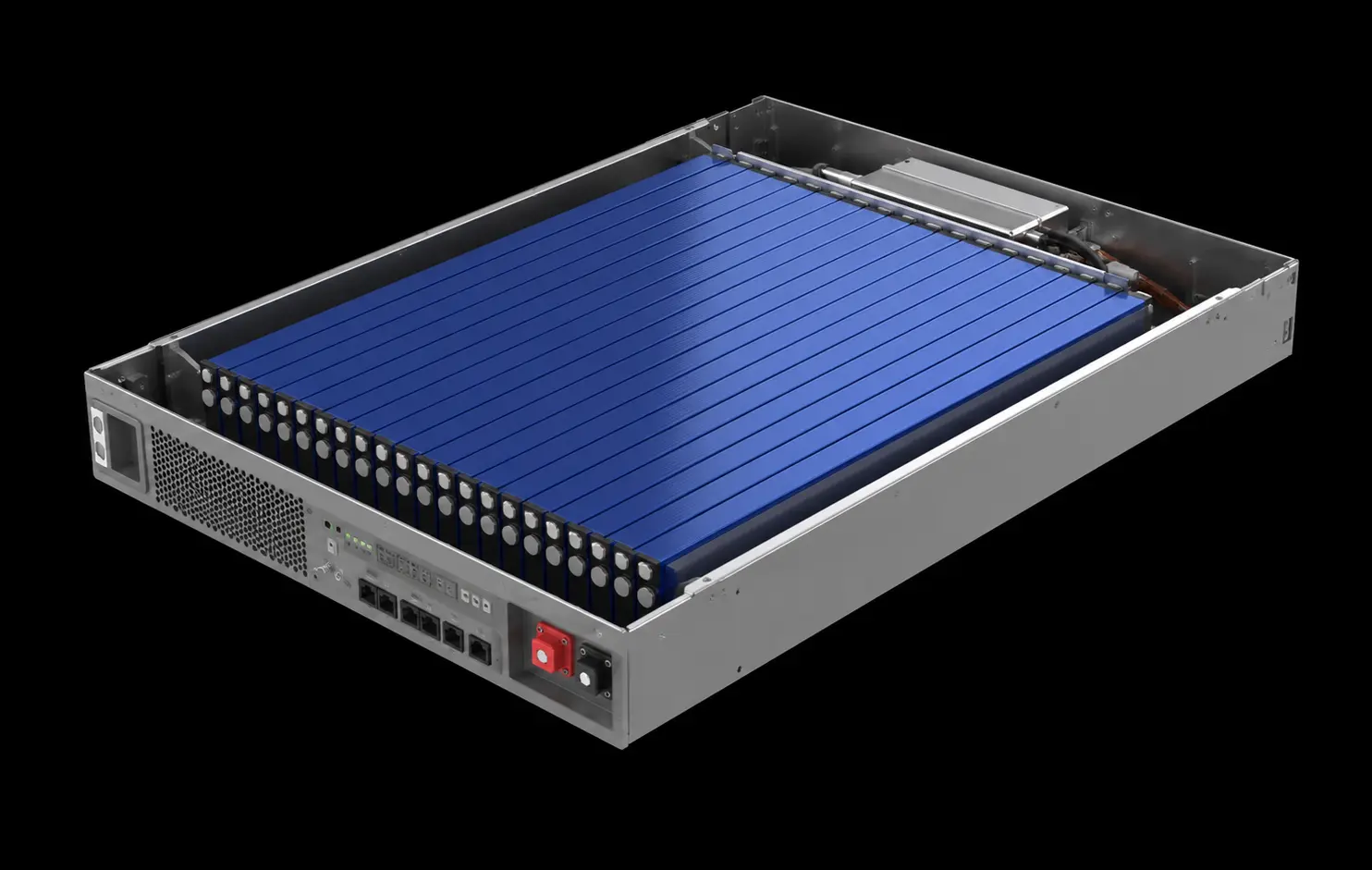
The ultra‑thin design placed extreme demands on heat dissipation and cell arrangement. Through a custom sheet metal enclosure with an internal honeycomb support structure, we maintained a minimum 5 mm air convection gap between cells within the limited thickness.
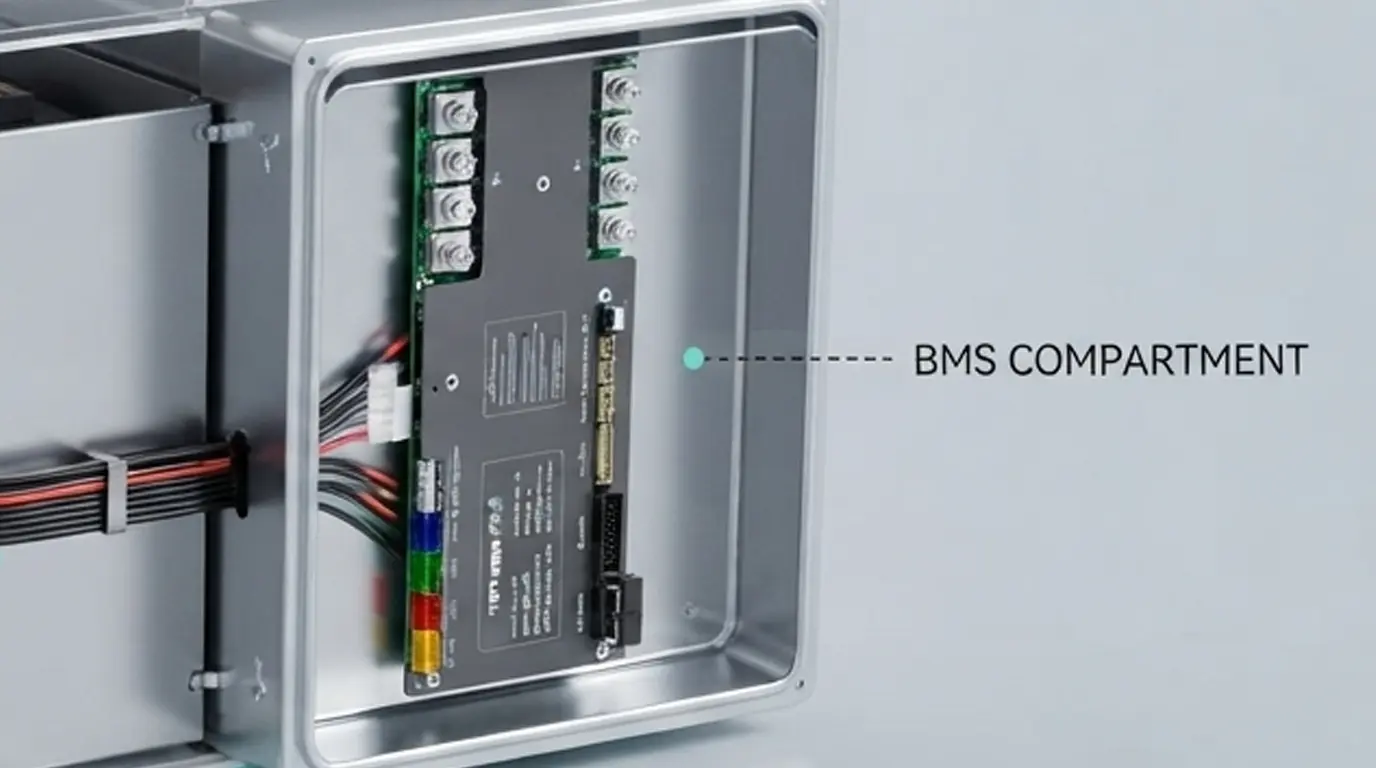
The BMS mainboard and power components were placed in separate compartments to avoid electromagnetic interference.
BMS voltage sampling deviation was controlled within ±20 mV, and temperature monitoring included 4 cell temperature sensors + 1 ambient temperature sensor + 1 MOSFET temperature sensor, with deviation within ±2 °C.
The 10‑year design life requirement (≥4,000 cycles at 80% DoD) – perfectly aligned with the typical renovation cycle of Japanese single‑family homes – therefore imposed extremely stringent demands on cell ageing consistency and long‑term balancing efficiency across parallel‑connected packs. Through a dedicated innovative adaptive equalisation algorithm that activates only during the constant‑voltage (CV) phase at the end of charging, we limited overall cell‑voltage divergence to within ±30 mV over the entire cycle life, effectively preventing premature capacity degradation of any single cell.
The humid coastal climate and occasional indoor condensation in the Tokyo‑Kanagawa area posed risks of insulation degradation and overcurrent faults. Beyond the existing ±20 mV voltage sampling and 6‑point temperature monitoring (4 cell + 1 ambient + 1 MOSFET, deviation ±2 °C), we integrated a real‑time insulation‑resistance monitoring circuit and a two‑stage overcurrent protection (warning + relay trip) – all embedded into the BMS without increasing the 120 mm profile. These measures ensure safe and reliable operation even during the rainy season or in condensing environments.
Ensure air convection and heat dissipation
Avoid electromagnetic interference
Deviation within ±2 °C
Beyond the ultra‑thin 120 mm profile, this solution addresses two critical requirements for Japanese single‑family homes:
First batch delivered in 35 days. The product passed Japan’s PSE certification and has been installed in more than 800 households across Tokyo and Kanagawa Prefecture.
First batch delivered
Japan PSE certified
Households Installed
With dual PV inputs (up to 12 kW), the system capitalises on TEPCO’s time‑of‑use tariff (peak evening rates 17:00–22:00). Through daily “solar‑charging by day, discharging at peak hours” arbitrage, a typical 4‑person household can save ¥150,000 – ¥200,000 per year on electricity bills. The static payback period shortens to 5–6 years (even less after applying Japanese government storage subsidies).
“We had long struggled with the narrow side‑walls of Japanese detached houses – many potential customers gave up on storage because of space. TURSAN’s 120 mm ultra‑thin product completely resolved our selection headache. More importantly, the fanless silent design and seismic bracket have earned outstanding end‑user satisfaction. ”
– Project Manager, Tokyo‑based residential equipment integrator
Whether you need a specific capacity, a thinner profile, a custom BMS protocol, or a product that passes PSE, VCCI, CE, or UL – we design and manufacture it for you. Straight to your solution..
From prototyping to OEM/ODM bulk production, we deliver ready‑to‑sell energy storage systems tailored to your market.
Tell us your spec. We’ll respond with a feasibility assessment within 12 hours.