Most people think “grid modernization” is some huge national project with cranes and high-voltage towers. But sometimes the real upgrade happens inside regular homes — a Home Battery Backup tucked in a garage or a utility closet. And if you’re a utility company that’s trying to reduce peak load, cut outage complaints, and build new service revenue (without blowing your CAPEX), promoting home batteries as a value-added program is honestly one of the easiest wins.
Homeowners want reliability. Utilities want stability. Batteries sit right in the middle. So let’s break down how utilities can push these systems in a way that feels natural, profitable, and genuinely helpful.
Grid Flexibility and Peak Shaving: Why Utilities Care
Utilities aren’t desperate for new hardware—they’re desperate for flexibility. Peaks at 6–9 PM, transformer overheating, and voltage swing headaches make operations messy. Home batteries fix a lot of that by acting like hundreds or thousands of tiny “load balancers” across neighborhoods.
Here’s a simple view:
| Utility Pain Point | How Home Battery Backup Helps | Why It Matters |
|---|---|---|
| Evening peaks | Home batteries discharge at peak | Cuts gen costs, reduces grid stress |
| Transformer overloads | Distributed storage spreads the load | Fewer emergency repairs |
| Solar volatility | Batteries soak up mid-day extra solar | Smooths demand curves |
| Expensive infra upgrades | Batteries create “virtual capacity” | Avoids big CAPEX projects |
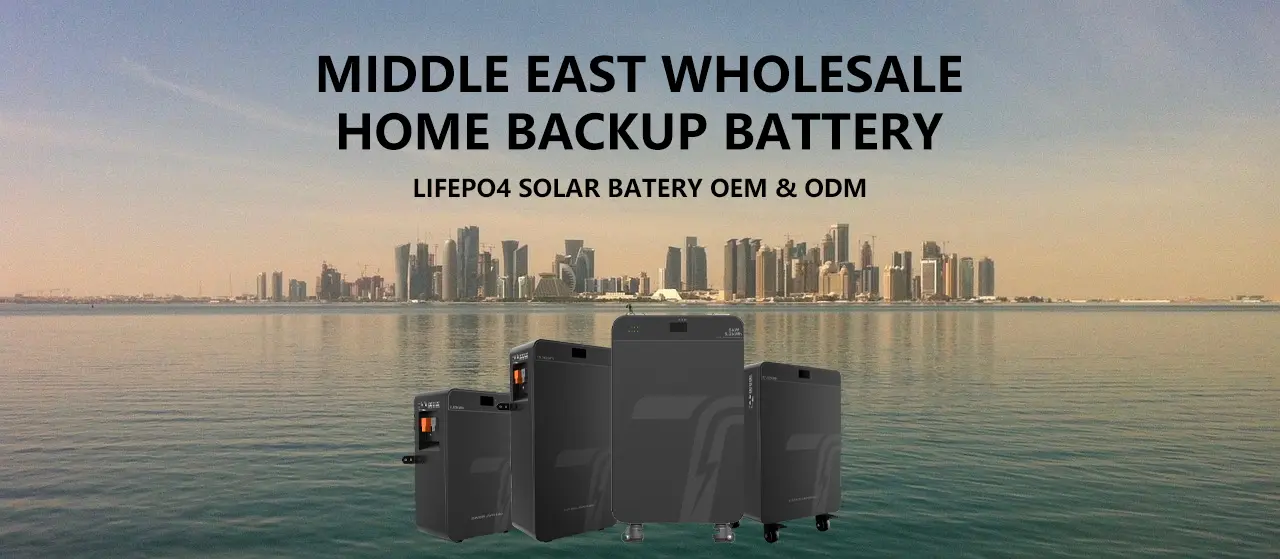
And here’s where TURSAN fits in — flexible capacities, good cycle life, and ready-to-run systems like:
- 24V200Ah 5.22kWh Home Backup Battery
- 48V300Ah 15.36kWh Home Backup Battery
- 48V560Ah 28.67kWh Home Backup Battery
Utilities don’t need a “super battery plant.” They just need these systems in customers’ homes.

Residential Resilience Is a Customer Magnet
When storms hit, customers don’t want a long explanation of why an outage happened. They want their fridge cold and their lights on.
Home batteries give utilities a new marketing angle: resilience.
Common programs include:
- “Storm-Ready Home” kits
- Backup-as-a-Service (monthly subscription)
- Programs that give bill credits for joining a VPP
- Utility-managed backup systems for high-risk areas
A mid-size pack like:
…is enough for essentials. Once homeowners try it, they don’t want to go back.
Solar Optimization: Storage Makes Renewables Actually Work
Utilities keep pushing solar adoption, but nobody talks enough about how solar also causes noon-time voltage spikes and reverse feeding. Home batteries fix that automatically.
Customers love hearing:
“This helps you use more of your own solar instead of selling it back for pennies.”
Utilities love the backend stability. It’s a clean win on both ends.
And when solar owners get batteries, they often join DR programs quicker. They already feel like “early adopters,” so utilities don’t need to sell hard.
Turn Batteries Into a Real Value-Added Service, Not Just a Box
Utilities often fall into the trap of selling batteries like hardware. That’s the wrong approach. They should sell services, like:
- monthly energy storage subscription
- free installation with 36-month agreement
- “performance guaranteed” plans where the utility monitors health/SOC
- credits for allowing DR/VPP access
This builds steady revenue and sticky customer relationships.
And with TURSAN (a Home Battery Backup Manufacturer with OEM/ODM support), utilities can even brand their own models. Low MOQ helps pilot programs, and the LiFePO4 cells meet strict BYD safety levels — something utilities want for fleet-scale operations.
Real-World Utility Patterns
Different regions use home storage in different ways, but the patterns are very similar worldwide.
Peak Load Control
Neighborhoods with high AC use see huge peaks. Distributed batteries cut those peaks by 10–20%, even with small adoption.
Solar Saturated Markets
Where rooftop solar explodes, utilities use home storage to absorb extra mid-day energy. This reduces voltage fluctuation issues.
Disaster-Prone Zones
After storms, sign-ups for backup programs usually jump dramatically. Resilience sells itself.
TOU Pricing Regions
Customers join storage programs to escape evening peak rates. Utilities get smoother curves; customers get stable bills.
Utilities don’t need futuristic tech. They just need good batteries deployed wisely.

Why Manufacturer Quality Affects Utility Adoption
Utilities can’t gamble on low-end batteries. Safety and consistency matter. This is why certifications and spec sheets become part of the selling point.
TURSAN delivers:
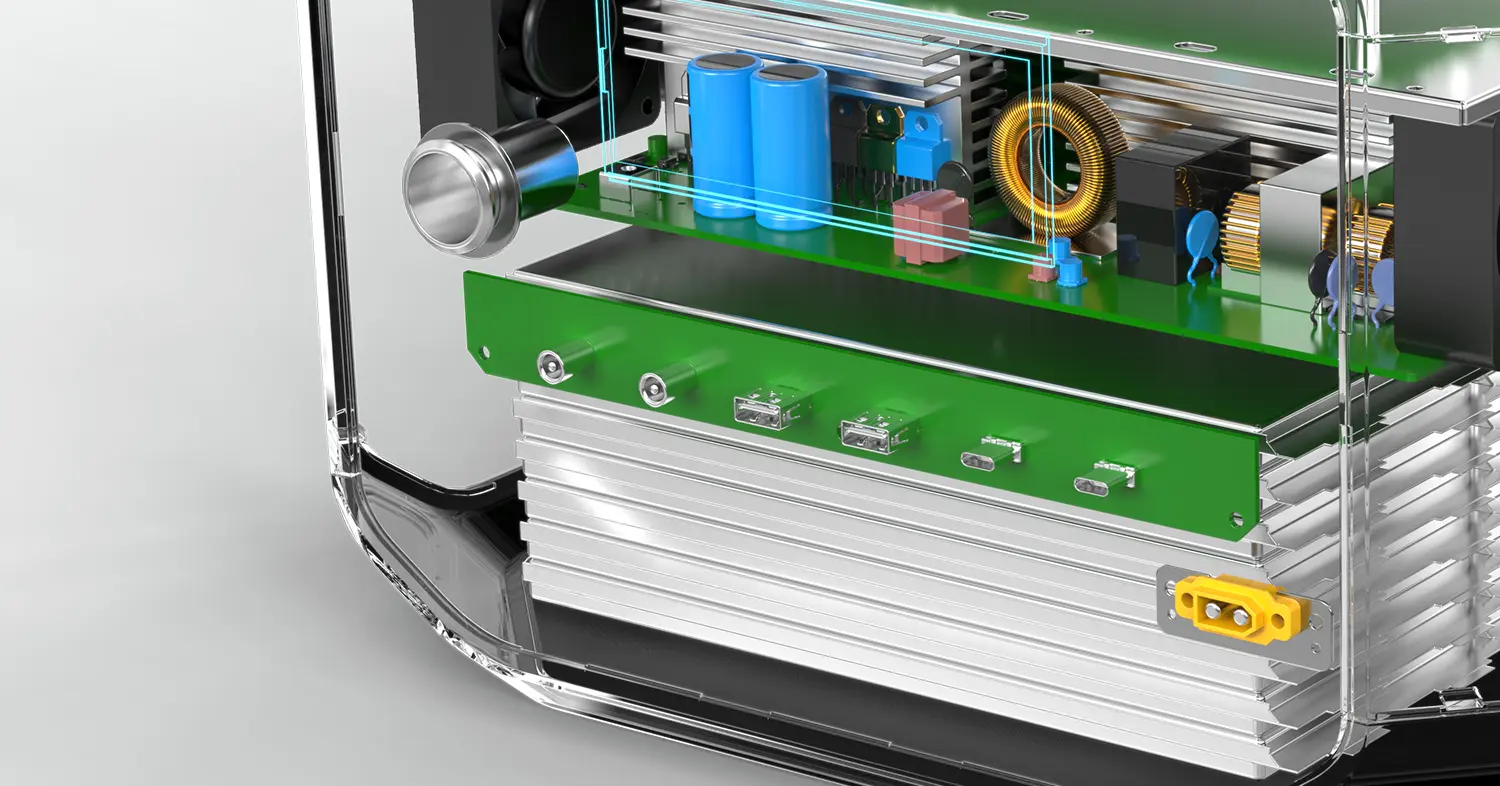
- BYD-level LiFePO4 cells (safer, cooler)
- National GB/T safety certifications
- Multi-protection BMS (OVP, OCP, OTP, SCP)
- Pure sine wave inverters
- ABS+PC V0 fire-resistant housing
For utilities considering large rollouts, this reduces risk and makes approvals smoother.
Talking to Customers: What Works and What Doesn’t
Utilities sometimes explain too much. Most customers don’t want engineering theory. They want simple, human benefits.
Effective Messages:
- “Your house stays powered during storms.”
- “You can skip expensive peak-hour electricity.”
- “Your solar panels will do more work for you.”
- “We manage the system, so you don’t need to worry.”
Avoid:
- battery aggregation jargon
- grid balancing textbook terms
- too many acronyms in customer brochures
Save the technical language for the utility’s internal documents.
Utility Goals vs. Home Battery Value (Quick Table)
| Utility Goal | Home Battery Value | TURSAN Fit |
|---|---|---|
| Reduce outages | Local backup | 24V/48V LiFePO4 lineup |
| Lower peak demand | DR/VPP discharge | High-cycle LFP systems |
| Better CSAT | Storm-ready messaging | OEM-branded models |
| Lower operating cost | Avoid peaker plants | Multi-capacity product family |
| More renewable adoption | Solar smoothing | Stacked home batteries |

Rolling Out at Scale: A Simple Utility Playbook
Utilities don’t need a 3-year plan. A simple 6-step rollout works:
- Pick a supplier (TURSAN works well for OEM/ODM projects)
- Start with a 200-unit trial in a high-peak area
- Collect real load data
- Adjust incentive programs
- Scale to 1,000–5,000 homes
- Build toward a full VPP model
This keeps costs controlled and results measurable.
Conclusion
If utilities want better resilience, lower peaks, and happier customers, Home Battery Backup programs deserve top priority. Batteries aren’t just emergency devices — they’re long-term grid assets hiding in plain sight.
With a global supplier like TURSAN — offering Wholesale Home Battery Backup, Custom Home Battery Backup, and professional OEM/ODM build support — utilities can scale quickly without sacrificing safety or reliability.
The future grid won’t be built only by transmission towers. It’ll be built by smart homes equipped with smart batteries — and the utilities that move first will set the tone for the next decade.


 English
  العربية
  日本語
日本語  한국어
한국어  Tiếng Việt
  ไทย
ไทย  Bahasa Melayu
  فارسی
فارسی  Bahasa Indonesia
  ဗမာစာ
ဗမာစာ  简体中文
简体中文  香港中文
香港中文  繁體中文
繁體中文  Русский
  Deutsch
  Nederlands
  Italiano
  Français
  Español
  Português
  Afrikaans
  Azərbaycan dili
  Български
  ਪੰਜਾਬੀ
  हिन्दी
  اردو
اردو  বাংলা
বাংলা  Հայերեն
  Íslenska
  Қазақ тілі
  नेपाली
  Српски језик
  Kiswahili
  తెలుగు
  Basa Jawa
  தமிழ்
தமிழ்  मराठी
मराठी