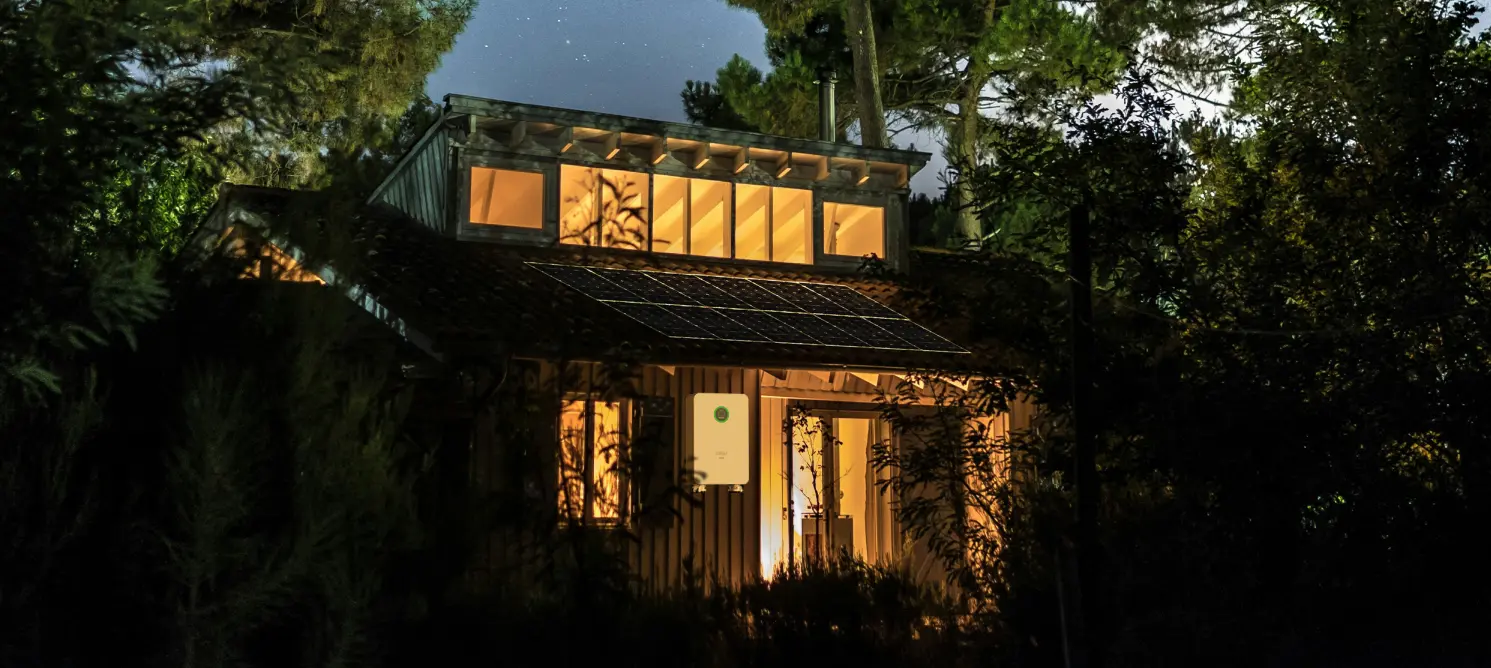
You bring power; the weather brings surprises. Let’s keep your unit safe without killing the vibe—or your uptime. I’ll keep it straight, short-ish, and grounded in field reality. We’ll hit IP rating basics, what rain and dust actually do, practical setups that work, and where TURSAN fits for OEM/ODM and wholesale buyers.
IP rating explained
IP stands for Ingress Protection. Two characters, two jobs:
- The first digit = solid ingress (dust, particles).
- The second digit = water ingress (drips, jets, immersion).

Quick rule of thumb: larger number = tighter shell for that category only. IP67 doesn’t auto-include all jet tests from IP66; test methods differ. So you read the two digits separately and choose the enclosure to match your scenario, not your wish.
Plain English decode:
- IP20: basic finger protection, not dust-tight, not waterproof. Many power electronics live here by default.
- IP54: limited dust + splash.
- IP65: dust-tight + water jets.
- IP66: dust-tight + stronger jets.
- IP67: dust-tight + short immersion (usually 1 m / 30 min).
- IP68: dust-tight + long immersion under conditions the maker defines.
Does this mean you should dunk a PPS(Portable Power Station) with IP67? No. IP tells you what the enclosure survived under lab conditions. Field life adds mud, cable wicking, pressure washers, bad cable glands, and “oops” moments.
Why moisture ruins portable power stations
Rain is sneaky. The killer often isn’t the drop—it’s wicking and condensation.
- Cable wicking: water runs along a cable into a port. A simple drip loop stops that.
- Condensation: you move a cold unit into warm, wet air; vapor condenses inside. That’s invisible, then it arcs under load.
- Fog + dust: wet dust becomes conductive sludge. It bridges pads, creeps into connectors, and wrecks the SOA of your inverter stage.
So, even when the label says “splash-proof,” you still stage the unit under cover, keep air moving, and put connectors facing down where possible. Sounds small, saves gear.
Field scenarios & what actually works
We’ll keep it practical and short. Pick the box that matches the weather, not the brochure photo.
Light drizzle / spray
- Target: at least IPX5 shield around the unit.
- Setup: keep the main box dry under a tarp, awning, or van hatch; run cords out with drip loops.
- Note: don’t block vents; LiFePO₄ likes cool, dry airflow.
Wind-blown rain
- Target: IPX6 shell or enclosure; better cable glands; strain relief.
- Setup: elevate on a dry crate. Avoid puddle splash. Use gaskets on auxiliary panels.
Puddles / flood splash
- Target: IPX7 enclosure (short immersion rating) plus elevate the PPS and all connections.
- Setup: if there’s standing water, you derate. Keep loads below the max so the inverter doesn’t run hot.
Dust/Construction
- Target: IP5X/IP6X for dust-tight shells.
- Setup: filtered intake or remote the unit to a cleaner corner; long AC cord beats grinding dust in the cooling path.

Quick table you can use in the field
| IP Level | Water Behavior (plain talk) | Solid/Dust | Typical Weather Use | Notes |
|---|---|---|---|---|
| IP20 | None | Limited | Indoor benches, vans with doors closed | Treat as “keep it dry, always.” |
| IP54 | Splash | Limited dust | Light drizzle under cover | Good for short events; watch vents. |
| IP65 | Jets (low-pressure) | Dust-tight | Steady rain, hose splash | Great for shells and covers. |
| IP66 | Strong jets | Dust-tight | Wind-driven rain, wet worksites | Better against pressure washers (but don’t). |
| IP67 | Short immersion | Dust-tight | Flood-risk moves; heavy rain backup | Not for long dunking. Cable glands matter. |
| IP68 | Long immersion (defined by maker) | Dust-tight | Specialty use | Read the test conditions, not the rumor. |
Remember: the enclosure can be IP-rated; the device may not be. Ports and accessories define the real weak points.
Risk → mitigation matrix
| Risk | Symptom in the wild | Mitigation (what teams actually do) |
|---|---|---|
| Water along cables (“wicking”) | GFCI trips, moist connector pins | Drip loops, downward ports, proper strain relief |
| Condensation inside | Random shutdowns after warm-up | Warm-up under cover, desiccant pouch in case, short pre-load to dry out |
| Dust + mist | Gritty fans, whine under load | Move unit upwind, use dust-tight cover, clean filters |
| Puddle splash | Audible arcing, error codes | Elevate PPS, IP67 box, cable glands with seals |
| User overconfidence | “It’s fine, it says waterproof” | SOP card: IP is per test, not a superpower; keep main box dry |
Real-world cases
- Off-grid cabin: unit lives indoors; external inlet/outlet panels carry power outside. The PPS stays dry and cool, the ports don’t see weather.
- Mobile workshop: rainy day cut-list? Park the van as windbreak. PPS sits under hatch; cords run down and out with drip loops. No magic, just boring reliability.
- Roadside support: traffic spray is worse than rain. Use a sheet-metal enclosure with IP65 doors and proper gland plates; keep the PPS case off the asphalt.
- Emergency backup: when the rain won’t stop, you de-rate loads by ~20–30% to lower thermal stress. You wait, then ramp as the enclosure dries. It’s not fancy, but it works.
Portable Power Stations from TURSAN
You might need different form factors or enclosures depending on weather exposure, mounting, and cable routing. TURSAN Portable Power Stations come in both plastic and sheet-metal builds, using BYD LiFePO₄, pure sine wave inverters, and full OEM/ODM options—handy when you want higher IP performance at the system level, not just the cell level.
Relevant product pages:
- 600W Portable Power Station — compact builds for light tools and comms.
- 1200W Portable Power Station — solid middleweight for field crews.
- 2400W Portable Power Station — bigger surge headroom.
- Sheet-Metal 3600W Portable Power Station — tougher shell for harsher sites.
- Wholesale Portable Power Station Programs — partner options for distributors and integrators.
As a Portable Power Station Supplier and Portable Power Station Manufacturer, TURSAN supports low MOQ, custom enclosure design, and ABS+PC V0 flame-retardant housings. Need Custom Portable Power Stations? We’ll match your BOM, mounting, and service plan—no over-spec fluff, just reliable builds.

How to choose dust/water protection by use case
- Outdoor rentals / events
- Choose a model with a protective case; specify IP65+ outer shell.
- Bundle a rain fly or rigid lid with vent paths.
- Train crews to make drip loops second nature.
- Construction & maintenance
- Go sheet-metal for impact and gasket compression.
- Use IP66 cable glands; avoid side-top water paths.
- Add a “no pressure-wash” label near outlets—it’s cheap insurance.
- Emergency response / public works
- Pre-stage with elevated racks and weather shrouds.
- Keep spare port covers and silica packs.
- Have a dry-out routine: power down → unplug → ventilate → retest light load.
- Mobile EV support / roadside
- Road spray hits harder than rain. Use IP66 shells when you can.
- Secure with down-facing outlets and a lip that sheds water.
- Route cables so the lowest point drips away from ports.
Simple checklist
- Keep the main box dry—shelter beats warranty claims.
- Build drip loops on every outdoor cable.
- Face ports down, not up.
- Elevate gear off the ground.
- Don’t seal it airtight—fans need air.
- After rain, power down, wipe, air-dry, test under light load.
- If it actually got wet inside, let it fully dry before restart.
For Distributors & Integrators: Portable Power That Survives Weather
If you work outdoors, off-grid, or mobile, keeping power dry isn’t luxury—it’s standard practice. Pick the right IP strategy, stage smart, and write your SOP once. TURSAN backs you with OEM/ODM, BYD LiFePO₄, pure sine inverters, and flexible enclosures that keep rain and dust out.
That’s measurable value for wholesale buyers, integrators , and any individual running fleets throughout Europe, the Americas, the Center East, Asia, and Africa. Trying to find a Portable Power Station Distributor who recognizes preparation and compliance tweaks? Need a Portable Power Station Manufacturer that handles both engineering and logistics? Reach out for Custom Portable Power Stations and Wholesale Portable Power Stations programs.


 English
  العربية
  日本語
日本語  한국어
한국어  Tiếng Việt
  ไทย
ไทย  Bahasa Melayu
  فارسی
فارسی  Bahasa Indonesia
  ဗမာစာ
ဗမာစာ  简体中文
简体中文  香港中文
香港中文  繁體中文
繁體中文  Русский
  Deutsch
  Nederlands
  Italiano
  Français
  Español
  Português
  Afrikaans
  Azərbaycan dili
  Български
  ਪੰਜਾਬੀ
  हिन्दी
  اردو
اردو  বাংলা
বাংলা  Հայերեն
  Íslenska
  Қазақ тілі
  नेपाली
  Српски језик
  Kiswahili
  తెలుగు
  Basa Jawa
  தமிழ்
தமிழ்  मराठी
मराठी