
LiFePO4 batteries run great in warm or normal weather. But once the temperature drops, everyone in the industry knows the same trouble comes: voltage sag, weaker discharge, slower charging, and a BMS screaming warnings like an overworked security guard. This is especially painful for buyers in Europe, North America, and colder regions of Asia—places where outdoor equipment, RV power, solar storage, telecom gear, or off-grid cabins face freezing nights for half the year.
In these real scenes, one question keeps coming back:
How do we make LiFePO4 batteries reliable at low temperature?
Energy companies, wholesale buyers, and OEM brands keep pushing us for answers. So here’s a complete, practical breakdown—based on real technical routes, industry consensus, and what manufacturers like TURSAN, a China-based LiFePO4 Battery Manufacturer, are actually doing on the production line.

Why LiFePO4 Batteries Lose Power in the Cold
When temperature goes under 0°C, several things happen inside the cell:
- Lithium-ion diffusion slows down
- Electrolyte viscosity increases
- SEI resistance rises
- Graphite anode risks lithium plating
- Conductive path becomes less efficient
Anyone who used a 12V LiFePO4 in a winter camping site knows this pain. The voltage drops fast even when the SOC meter claims “full”.
Here’s a simple table to show what usually goes wrong:
| Low-Temp Effect | What Happens in the Cell | Real-World Result |
|---|---|---|
| Reduced ion mobility | Li⁺ moves slower through cathode/anode | Weak discharge performance |
| Higher electrolyte viscosity | Thick “cold syrup” flow | BMS cut-off at higher loads |
| SEI impedance increase | Ions blocked at the interface | Voltage drop under load |
| Lithium plating risk | Li deposits on anode during charging | Charging not allowed below 0°C |
| Electronic resistance increase | Slower electron movement | Poor high-rate output |
These issues are well-known across all major LiFePO4 Battery Supplier networks and OEM chains. So the real work is finding technologies to minimize the damage, not magically removing physics.
Advanced Electrolyte Formulations
This is the strongest lever in low-temperature improvement. Electrolyte chemistry dictates how ions “swim” between cathode and anode.
Low-Temperature Solvent Systems
Manufacturers now use solvent combinations that maintain low viscosity in sub-zero weather. This means:
- Lower freezing point
- Faster Li⁺ mobility
- Less polarization under load
Typical solutions include ether-based solvents or carbonate blends optimized for −20°C to −40°C operation.
Additives That Fix SEI Issues
Cold weather makes SEI films unstable. So additives like:
- FEC (fluoroethylene carbonate)
- LiDFOB
- Sulfone-based materials
help keep the interface conductive and stable.
High-Conductivity Localized Electrolytes
Some suppliers use “localized high-concentration electrolytes” to reduce interfacial resistance. These solutions help LiFePO4 batteries deliver higher power even in cold storage cabins or telecom towers.
Many OEM projects, including outdoor backup systems built with Custom LiFePO4 Battery packs, now use these solvent systems.
Cathode Material Engineering
LiFePO4 is stable and safe, but its natural low electronic conductivity becomes worse in cold temperature.
To fight this, manufacturers tune cathode material with:
Carbon Coating
Carbon-coated LFP improves:
- Electronic conductivity
- Rate performance
- Charge acceptance at low temp
Real factory case: Carbon-coated LFP can deliver >3× discharge capacity at −20°C compared to uncoated material. This is why most brand-grade cells use carbon-coated powders.
Nano-Scale Particle Engineering
Reducing particle size shortens diffusion distance. Ions only need to travel a smaller path, so mobility increases even when temperature falls.
Practical benefits:
- Faster response at low temp
- Better voltage stability
- Lower impedance growth
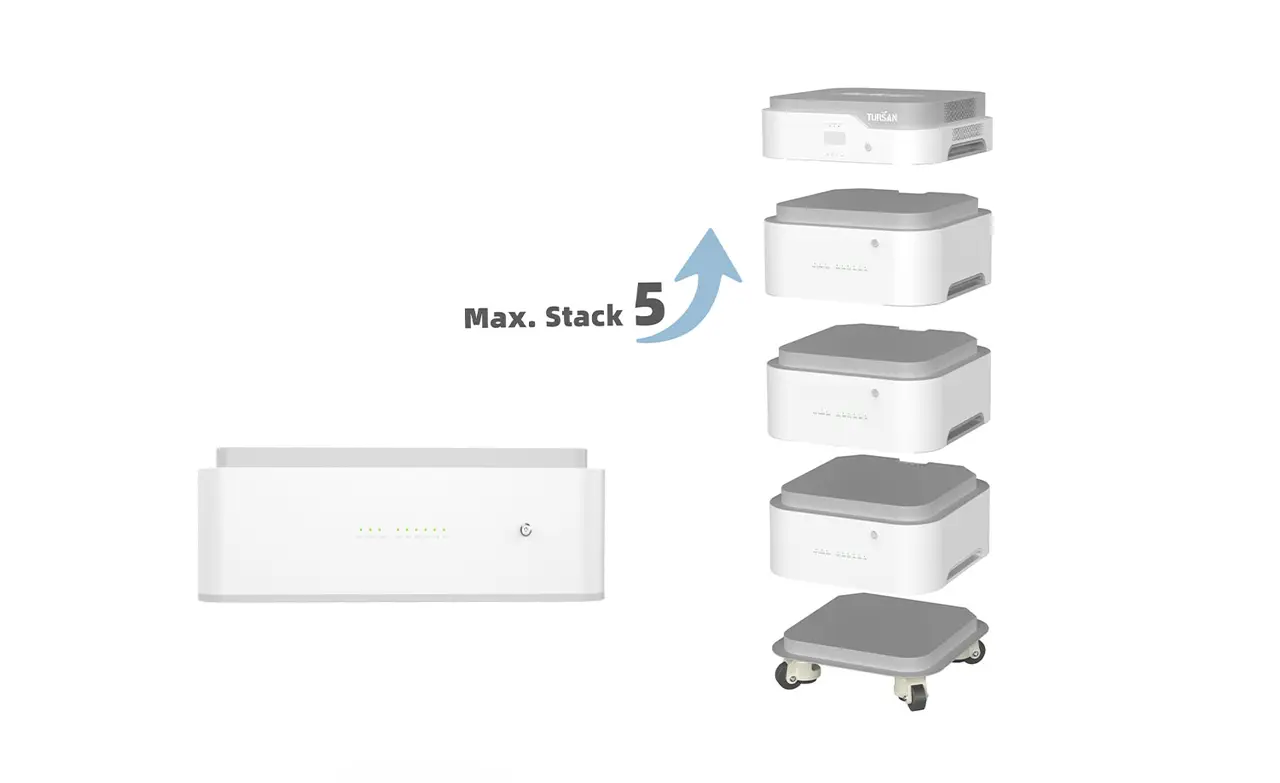
This tech is used heavily in wall-mounted home storage batteries such as:
MXene or Graphene Conductive Networks
Some top-tier LiFePO4 Battery Manufacturers embed conductive sheets (like MXene) inside the cathode structure.
This creates:
- High-speed electron highways
- Lower internal resistance
- Better performance in −10°C to −30°C
It’s more expensive but very effective for EV, AGV, and military storage systems.

Anode Optimization and Lithium Plating Prevention
Charging LiFePO4 batteries in freezing temperature risks lithium plating. Once plated, the damage is irreversible.
Industry-level solutions include:
Hard Carbon Blends
Some manufacturers add hard-carbon mixtures into the anode material to give Li⁺ more “landing spots” even in cold conditions.
Surface Treatments
Special anode coatings reduce SEI resistance and improve charge acceptance.
Pre-Heating Algorithms (BMS-Level)
More buyers ask for:
- “Self-heating before charge”
- “BMS pre-warm function”
- “Charge gating until pack >5°C”
TURSAN integrates these features in custom OEM BMS programs for their wholesale partners.
BMS & System-Level Technologies
BMS plays a huge role in whether a LiFePO4 pack survives cold mornings.
Key system-level strategies:
Self-Heating Structure
Many telecom and home-storage systems now use:
- PTC heating films
- Far-infrared heating plates
- Low-current resistance heating
This ensures safer charging at −10°C or even −20°C.
Example usage scenes:
- Outdoor base stations
- Solar storage cabins
- EV emergency power supplies
- Portable stations left in a winter tent
This tech is widely requested by Wholesale LiFePO4 Battery customers because their downstream clients operate across different climates.
Smart Charge Limiting
Instead of a hard shutdown, modern BMS reduces charge current step-by-step as temp drops.
This prevents:
- Plating
- Rapid cell aging
- Over-protection shutdowns
SOC Recalibration for Low Temp
SOC calculation at −15°C is often inaccurate. A smarter algorithm helps avoid “fake empty” or “fake full” errors.
This is important for portable power stations like:
which often face freezing nights during outdoor trips.
Mechanical & Structural Innovations
Even the housing and internal structure matter at low temperature.
Thin Electrode Coating
Thinner electrodes = shorter ion path. This improves:
- Low-temp discharge
- High-load consistency
- Cycle stability
Higher Porosity Separator
More pores = faster electrolyte movement. This helps maintain performance even in winter.
V0 Flame-Retardant, Waterproof Housing
This is a real requirement in:
- Mining
- Remote operations
- Emergency communications
TURSAN uses ABS+PC V0 housing in many of its LiFePO4 models, helping packs survive winter humidity and harsh scenes.

How Manufacturers Combine These Technologies
No single tech solves low-temp issues by itself. Real manufacturers combine multiple methods.
Here is a comparison table showing how different routes solve the real customer pains:
| Improvement Route | Works Best For | What It Fix | Notes |
|---|---|---|---|
| Electrolyte upgrade | Home batteries, telecom towers | Low-temp ion mobility | Most cost-effective |
| Carbon-coating cathode | Power stations, RV systems | Rate & output | Industry standard |
| Nano-LFP particles | EV, AGV, robotics | Diffusion limitation | Higher material cost |
| MXene conductive networks | High-end OEM projects | High-resistance issues | Premium performance |
| BMS pre-heating | Cold-region storage | Charging safety | Very stable improvement |
| Smart charging curve | Outdoor gear | Plating risk | Must match cell type |
| PTC heating / film | All-climate systems | Starting temperature | Adds some weight |
Most real B2B clients pick a mixed route depending on budget, scene, and power requirements.
Where TURSAN Fits Into These Solutions
TURSAN positions itself as a LiFePO4 Battery Supplier and LiFePO4 Battery Manufacturer offering:
- OEM/ODM custom pack design
- BYD-grade LiFePO4 cells
- Pre-heating BMS functions
- Low-temp electrolyte options
- 50+ R&D team for special energy projects
- Fast lead time (sample about 2 days)
Products covering:
LiFePO4 Models
Portable & Off-Grid Series
These are used in scenarios requiring cold-weather stability such as emergency rescue, telecom maintenance, off-grid cabin backup, and winter camping equipment.
This makes low-temperature technologies not just “nice-to-have” but a real competitive edge in B2B wholesale.
Industry Scenes That Prove Low-Temp Tech Matters
To keep it real and practical, here are common business cases:
- EU distributors must supply LiFePO4 home storage that works in unheated garages.
- RV conversion companies need packs that survive mountain nights.
- Telecom integrators require −20°C cycle capability for outdoor base stations.
- Mining operations need reliable storage in cold tunnels.
- Agriculture clients place batteries in remote barns without heaters.
In all of these scenes, simple spec sheets are not enough. Low-temperature performance becomes a real buying decision.
This is why Custom LiFePO4 Battery solutions from TURSAN are popular in OEM projects for Africa, Middle East, Europe, and North America.
Conclusion
LiFePO4 batteries are safe, stable, and long-lasting, but low-temperature performance is always the big challenge. Today’s solutions are not magic—they are combinations of chemistry, materials engineering, thermal design, and smarter BMS control.
The real winners in global B2B supply chain are the suppliers who:
- Understand cold-weather pains
- Offer multiple technical routes
- Provide OEM custom packs
- Deliver stable low-temp results
TURSAN, as a Wholesale LiFePO4 Battery provider, uses these methods to support clients across more than 30 countries, helping brands build reliable products even for freezing environments.
If you need LiFePO4 storage systems ready for winter, low-temperature technology is not optional—it’s a must.


 English
  العربية
  日本語
日本語  한국어
한국어  Tiếng Việt
  ไทย
ไทย  Bahasa Melayu
  فارسی
فارسی  Bahasa Indonesia
  ဗမာစာ
ဗမာစာ  简体中文
简体中文  香港中文
香港中文  繁體中文
繁體中文  Русский
  Deutsch
  Nederlands
  Italiano
  Français
  Español
  Português
  Afrikaans
  Azərbaycan dili
  Български
  ਪੰਜਾਬੀ
  हिन्दी
  اردو
اردو  বাংলা
বাংলা  Հայերեն
  Íslenska
  Қазақ тілі
  नेपाली
  Српски језик
  Kiswahili
  తెలుగు
  Basa Jawa
  தமிழ்
தமிழ்  मराठी
मराठी