
You hear this a lot: “LiFePO4 costs more up front.” True. The better question is: does it pay back in real use? If you appreciate deep cycles, uptime, and less swap-outs, the solution is usually of course. Below I simplify with plain talk, real-world situations, and a straightforward list you can make use of with any type of LiFePO4 Battery Supplier.
Quick context: TURSAN serves worldwide B2B buyers (OEM/ODM, low MOQ, rapid lead times) with BYD LiFePO4 cells, pure-sine inverters, and home/off-grid systems. That matters when you compare brand names, because certification, BMS, and solution alter the result, not just chemistry.
LiFePO4 Battery vs Lead-acid Battery (Cycle life, Depth of Discharge, Round-trip Performance)
If your load profile is “one and done,” any battery works. If you cycle daily or push deep discharges, LiFePO4 wins on durability.
What really changes your cost over time
- Cycle life: LFP usually lasts an order of size extra cycles than conventional lead-acid under comparable deepness of discharge.
- Deepness of discharge (DoD): With LFP you can safely use a higher share of rated capacity.Lead-acid likes shallow cycling; go deep and it ages fast.
- Round-trip efficiency (RTE): LFP wastes less energy as heat. You put less back into the pack to get the same out. That’s extra kWh you don’t need to generate.
So is the extra cost worth it? If you cycle often, yes. The math—no need for exact figures—leans LFP because you buy fewer replacements, you use more of what you paid for, and you lose less energy to inefficiency. In short: you stop babying the battery.

LiFePO4 Battery vs NMC/NCA: safety and energy density
LFP brings a more forgiving safety profile and long shell life. NMC/NCA brings higher energy density. If your constraint is weight or volume above all else, NMC/NCA might still fit. If your priority is stable thermal behavior, long cycle life, and easier compliance, LFP is the safer bet—especially in stationary, marine, or RV installs where a few extra kilos won’t kill the design.
Pro tip for spec calls: say “we need better abuse tolerance and slower thermal propagation” rather than just “safer.” Engineers know what that means.
Total cost of ownership for LiFePO4 Battery systems (no spreadsheets, just the drivers)
You don’t need spreadsheets to get the idea. TCO rides on five drivers:
- Usable energy per cycle (higher with LFP because of DoD).
- Cycle count until end of life (LFP sustains more cycles at working DoD).
- Charge/discharge efficiency (fewer losses = smaller PV or shorter generator runtime).
- Replacement interval (fewer pack swaps means less downtime and logistics).
- Service and warranty (real coverage reduces risk cost).
If your business cares about uptime SLAs, site truck-rolls, and OpEx predictability, LFP’s sticker price becomes less scary. It’s not magic, it’s just fewer change-outs and better usable kWh over time.
Brand comparison criteria for LiFePO4 Battery Supplier selection
Chemistry is step one. Brand execution is step two. Use this rubric in vendor calls:
| Criteria | Why it matters | What to ask the brand |
|---|---|---|
| BMS architecture | Protects cells; defines low-temp charge cut-off, short-circuit response, cell balancing strategy | “Show me BMS specs: balancing method, cutoffs, fault codes, firmware OTA?” |
| Thermal strategy | Cold charge management and heat dissipation decide real-world life | “Do you support low-temperature charge cut-off or active heating? What’s the curve?” |
| Certification stack | Faster compliance, smoother import, less project risk | “Which standards do you meet (e.g., GB/T 31485–2015, GB 31241–2014)? Any lab nail-penetration tests?” |
| Warranty + service | Coverage quality > length printed | “What’s covered beyond manufacturing defects? Regional service centers?” |
| Communication | CAN/RS485 protocols enable hybrid inverters and EMS | “Which CAN maps are supported? Sunspec? Inverter brand compatibility?” |
| Mechanical | V0 housing, ingress protection, terminals, mounting | “Material grade? ABS+PC V0? Any sheet-metal options with dust/water protection?” |
| Scalability | Parallel/series limits define future growth | “Max series/parallel? Need same batch cells? Any SoC drift guard?” |
| Lead time & MOQ | B2B reality: projects run on dates | “What’s sample lead time? Bulk lead time? MOQ for Custom LiFePO4 Battery?” |
Industry “pain points” and how LiFePO4 brands actually solve them
- Cold-weather charging: Smart BMS with low-temp charge cut-off or self-heating blocks lithium plating. Ask for actual temp thresholds, not hand-waving.
- High-surge loads: Look at continuous vs surge current, MOSFET sizing, and copper bus design. Don’t rely only on “peak” marketing claims.
- Mixed fleets: You need inverter handshake via CAN. Otherwise you live in compatible-mode purgatory.
- Compliance drift: If you export to multiple regions, pick a vendor with documented test reports and a track record navigating customs. Saves you days at port, no joke.
- Lifecycle telemetry: Fleet operators want SOC/SOH via CAN or cloud gateway. If not today, soon. Plan for it.

Real-world scenarios
Off-grid cabin & telecom huts
Loads are steady; cycles are daily. LFP keeps RTE high, so you don’t oversize the array “just in case.” Lead-acid works, but you’ll swap more often and baby the DoD.
RV and marine
Space matters, sure, but reliability and cold charge control usually matter more. LFP with proper BMS means you stop playing voltage-roulette at dawn.
Home backup & hybrid solar
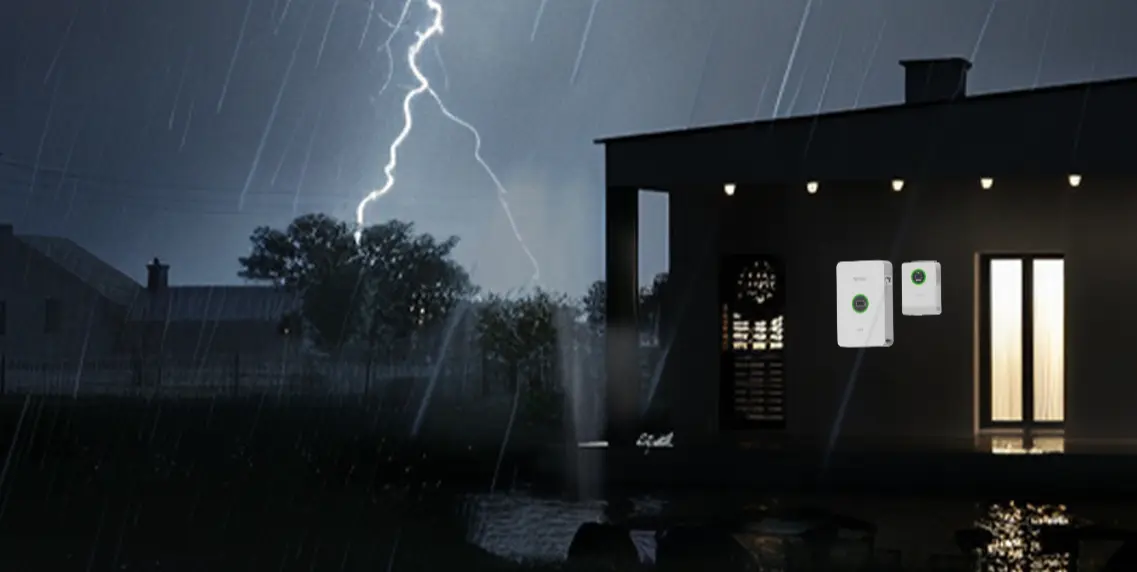
Standby most days, deep draw during outages. LFP’s calendar life and lower loss keep the system ready when the lights actually go out.
Portable power & events
Fast charge, frequent dispatch, and quiet operation. LFP stays efficient across many mini-cycles, so your crews plug and go, less fuss.
Comparison table: LiFePO4 vs NMC/NCA vs AGM/Lead-acid
| Attribute | LiFePO4 (LFP) | NMC/NCA | AGM/Lead-acid |
|---|---|---|---|
| Cycle life (typical practice) | Long, resilient at deeper DoD | Medium-high | Low-medium, prefers shallow DoD |
| Depth of discharge (usable) | High usable fraction | Medium-high | Lower usable fraction |
| Round-trip efficiency | High | Medium-high | Lower |
| Safety/thermal propagation | Forgiving profile; easier to engineer containment | Needs tighter thermal management | No lithium thermal risk, but other limits |
| Energy density (kg/L) | Moderate | Higher | Low |
| Cold-charge behavior | Needs BMS strategy; many packs support self-heating or cut-off | Same need; often stricter limits | Tolerates cold better for charging, but low power density |
| Maintenance | Minimal | Minimal | More frequent checks/replacements |
| Fit for: | Daily cycling, backup, hybrids | Weight/volume-critical | Budget-first, low cycle count |
Plain English? If your use case cycles and you care about uptime, LFP gives you more usable energy per day for longer. If your design is weight-locked, you might still pick NMC/NCA. Budget builds that don’t cycle much can run lead-acid, but you’ll nurse them.
Where brand differences show up (the little things that matter later)
Small design choices drive big outcomes:
Cell sourcing: BYD LiFePO4 cells have consistent batches and strict QC. Consistency shows up as tighter pack balancing and steadier SOH reporting.
BMS firmware: Clear fault codes and field-updatable firmware save headaches. If your vendor can’t show a DTC list, that’s a flag.
Mechanical design: Terminals, busbars, and enclosure stiffness affect heat and vibration tolerance. Not glamorous, super important.
Docs and support: Engineers want pinouts, CAN maps, and commissioning steps. If a vendor sends glossy PDFs without data—hmm, you know.
How TURSAN positions in the brand maze
Production & assistance: China-based LiFePO4 Battery Maker with OEM/ODM ability, reduced MOQ (≈ 100 pcs), sample in ~ 2 days , mass in ~ 25 days , plus English-speaking consultants.
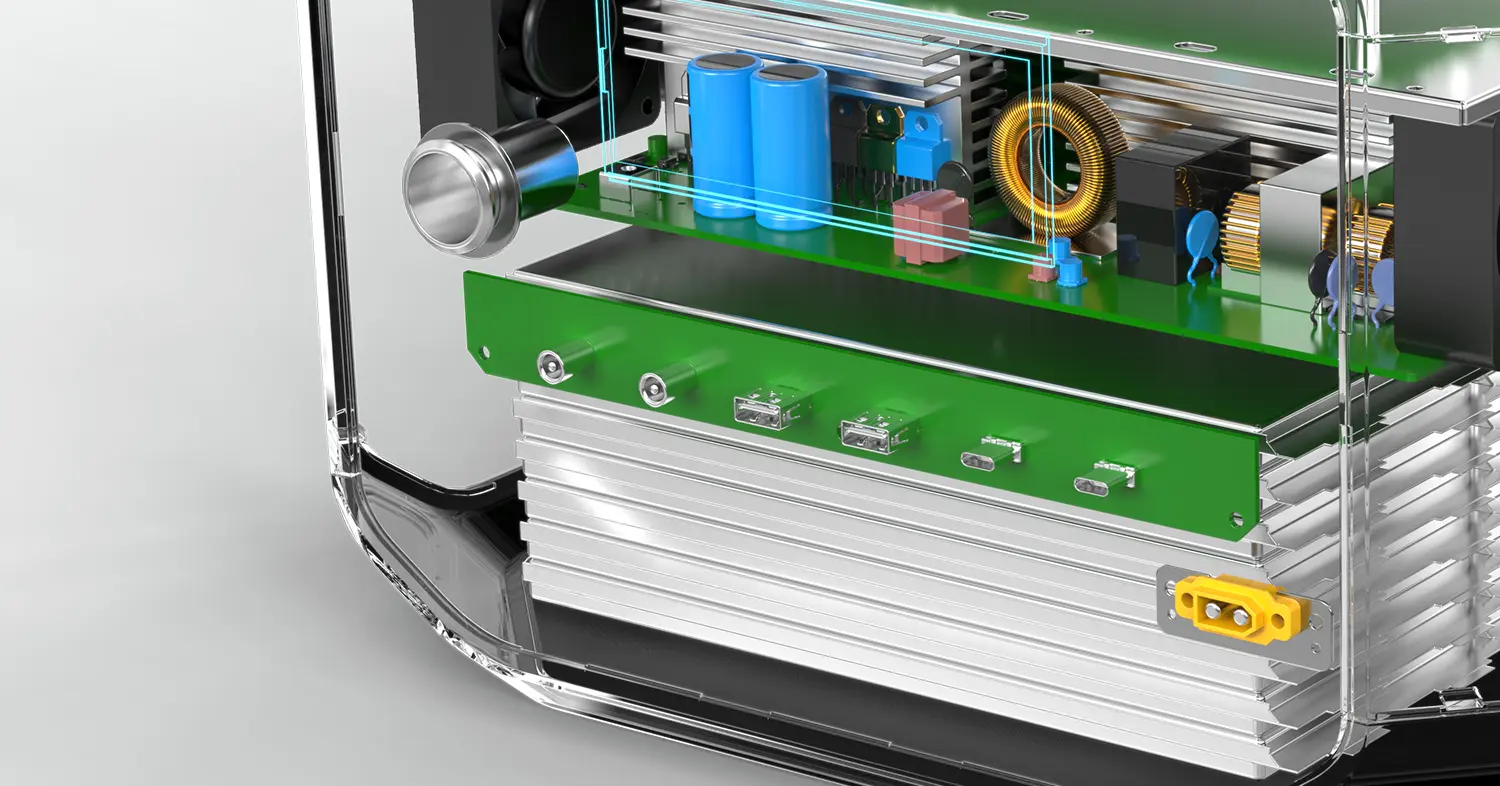
Certifications & security pile: BYD Blade LiFePO4 standards (GB/T 31485– 2015, GB 31241– 2014), multi-protection BMS, pure-sine output in integrated systems, ABS+PC V0 flame-retardant real estate, choices with sheet-metal and access defense.
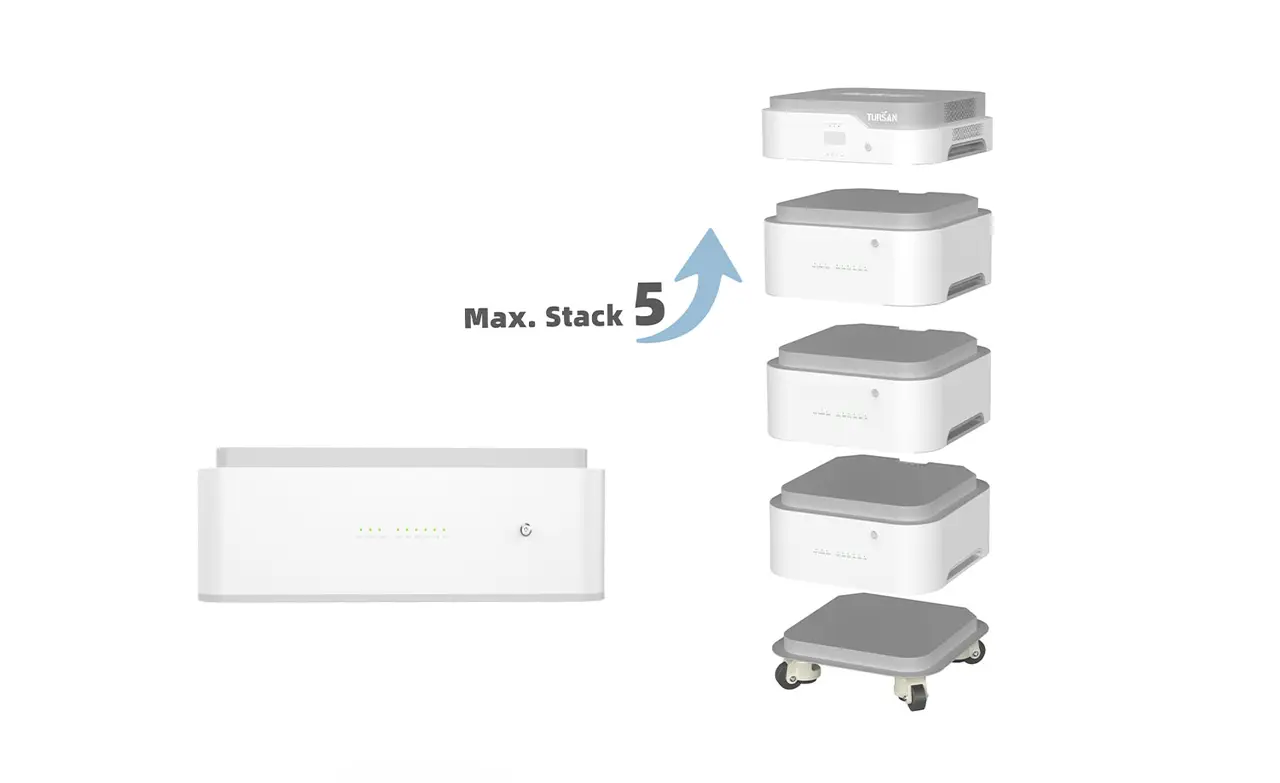
Product coverage: Portable power, home backup (24 V/48 V), piled systems, and mobile EV billing– so you can scale from pilot to fleet without changing vendors.
Trade enablement: One-stop logistics/clearance, 30+ languages, deliveries throughout Europe, the Americas, Center East, Asia, and Africa.
Modification: Required a Custom-made LiFePO4 Battery for tight areas or special comms? R&D team can tweak form factor, BMS profiles, and CAN mapping. Neat and clean.
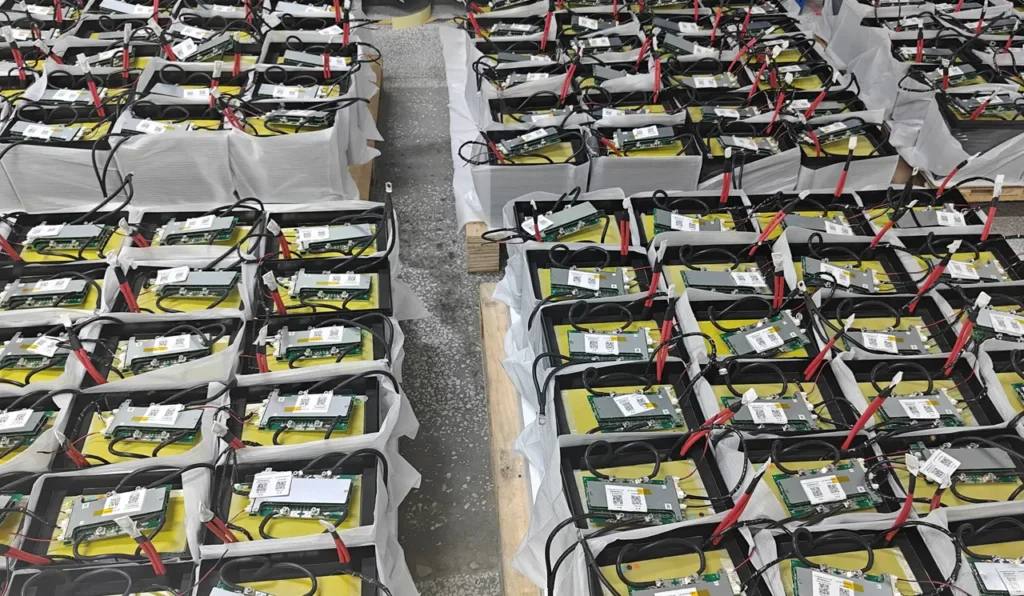
You don’t have to pick us, of course. But it’s smart to shortlist brands that own the cell-to-system stack and the docs. Saves you re-work.
Procurement Process
Step 1 — Define the load List continuous power, surge, daily kWh, ambient temp, and target autonomy hours. Maintain it easy yet specific. Do not state “about 1 kW,” say “0.9 kW continual, 1.6 kW surge, 4 kWh/day.”
Step 2 — Choose chemistry by constraints
- Weight/volume-locked? Consider higher-density chemistries with tighter protection layers.
- Everything else? LiFePO4 is the default for cycling and safety overhead.
Step 3 — Compare brands with the rubric above Ask for BMS specs, CAN maps, and test reports. Skip vendors who dodge the details.
Step 4 — Verify integration Match the pack to your inverter/EMS. Run a handshake test. If possible, bench test charge/discharge with the actual load profile.
Step 5 — Think lifecycle Plan for spares, firmware, and field diagnostics. Build a small SOP: what to check at commissioning, what to log monthly.
Yes—custom sizes, comms, or heating strategies are normal. Keep in mind validation and tooling time. It’s not long, but it’s not zero.
Do you ship globally? Yep—30+ countries, multi-language site, and help with clearance. That reduces friction in new markets.
Bottom line and why TURSAN keeps coming up
If your projects live or die by cycles, LiFePO4 pays back through usable capacity, efficiency, and fewer replacements. When you compare brands, go past the cell chemistry and judge the system—BMS, thermal, docs, warranty, and fit with your inverter and EMS. That’s where TURSAN leans in as a LiFePO4 Battery Supplier and LiFePO4 Battery Manufacturer: OEM/ODM, low MOQ, real certifications, and the kind of support that doesn’t vanish after the first shipment.

 English
  العربية
  日本語
日本語  한국어
한국어  Tiếng Việt
  ไทย
ไทย  Bahasa Melayu
  فارسی
فارسی  Bahasa Indonesia
  ဗမာစာ
ဗမာစာ  简体中文
简体中文  香港中文
香港中文  繁體中文
繁體中文  Русский
  Deutsch
  Nederlands
  Italiano
  Français
  Español
  Português
  Afrikaans
  Azərbaycan dili
  Български
  ਪੰਜਾਬੀ
  हिन्दी
  اردو
اردو  বাংলা
বাংলা  Հայերեն
  Íslenska
  Қазақ тілі
  नेपाली
  Српски језик
  Kiswahili
  తెలుగు
  Basa Jawa
  தமிழ்
தமிழ்  मराठी
मराठी