
If you are about to enter the Home Energy Storage System (HESS) market or seeking a new supplier, this article can help you understand the past, present, and future structure of the Home Energy Storage System (HESS) market, providing insights for your business development in 2026. Should you require a business professional to provide in-depth analysis, please contact us online for assistance (free).

The global Home Energy Storage System (HESS) market is undergoing a transformative surge, driven by a confluence of economic, environmental, and technological forces. Moving beyond bullet points, this analysis provides a detailed, interconnected examination of the market’s anatomy, dynamics, and trajectory.
I. Market Catalysts: Beyond Simple Drivers
The explosive growth isn’t accidental; it’s the result of powerful, self-reinforcing trends:
Economic Imperative:
Spiraling electricity costs and volatile energy markets globally are eroding household budgets. HESS, particularly when paired with solar PV, shifts the equation from passive consumption to active management. The core value proposition is maximizing self-consumption of cheap, self-generated solar power and strategically avoiding expensive grid power, especially during peak periods (Time-of-Use arbitrage). This delivers tangible, calculable bill savings, shortening the payback period significantly.
Grid Instability as a Catalyst:
The increasing frequency and severity of extreme weather events (hurricanes, wildfires, heatwaves) expose grid vulnerabilities. HESS provides a critical layer of resilience, offering backup power that ranges from essential circuits to whole-home coverage. This isn’t just convenience; it’s becoming a matter of safety and basic functionality for many homeowners, driving demand independently of solar adoption.

Policy as an Accelerator (and Brake):
Government incentives are pivotal, though the policy landscape is shifting rapidly. In the US, the Investment Tax Credit (ITC) for residential solar is slated for early termination by the end of 2025 under the newly passed “One Big Beautiful Bill” Act, significantly increasing upfront costs. European nations like Germany are gradually moving away from direct subsidies and feed-in tariffs towards market-based mechanisms like Contracts for Difference (CfDs). Net metering policies continue to evolve towards less favorable compensation, further pushing solar owners towards storage. Conversely, complex permitting, evolving interconnection standards that may include Grid-Forming technology requirements, and safety regulations can impede deployment speed. Notably, non-price criteria, such as supply chain sustainability and local content rules under the EU’s Net-Zero Industry Act, are becoming increasingly influential.

Technology Maturation & Cost Curve:
The dramatic, sustained decline in lithium-ion battery costs (driven primarily by EV scale) is foundational. Lithium Iron Phosphate (LFP) chemistry, now dominant, offers compelling safety, longevity (6,000~8,000 Cycles), and cost-effectiveness. Concurrently, power electronics (inverters) have become more efficient, compact, intelligent, and affordable. System integration and software sophistication have matured.
Societal Shift:
Beyond economics, a growing segment of consumers actively seeks energy independence – control over their energy source, costs, and carbon footprint. HESS empowers this, aligning with broader sustainability goals.
II. Manufacturer Ecosystem: Origins, Strategies, and Battlegrounds
The competitive landscape reflects varied origins and strategic approaches among leading HESS manufacturers:
Vertically Integrated Giants:
Tesla (US): Leverages strong brand power and vertical integration—from battery cells and packs to software—creating synergy between its Powerwall, solar products, and electric vehicles. The strategy focuses on a premium ecosystem and customer lock-in, though it faces growing cost competition.
BYD (China): As a global EV and battery giant, BYD utilizes full vertical integration from raw materials to systems. Its Blade Battery technology ensures high safety and energy density, supported by a strategy centered on competitive pricing and rapid global channel expansion.
CATL (China): The world’s largest battery cell manufacturer, CATL not only supplies cells to other HESS brands but also markets its own integrated energy storage systems, capitalizing on core cell technology advantages and ongoing innovation such as sodium-ion batteries.
Dedicated HESS Specialist:
TURSAN: Focuses exclusively on the development and manufacturing of home energy storage systems. It emphasizes system reliability, smart energy management features, and compatibility with mainstream inverters and solar setups, positioning itself as a flexible and performance-oriented solution provider.
III. Raw Materials & Components: The Physical Foundation
Understanding HESS requires dissecting its physical makeup:
Battery Chemistry – The Heart of the System:
Lithium Iron Phosphate (LFP): The undisputed leader. Its dominance stems from intrinsic safety (excellent thermal stability, low risk of thermal runaway), long cycle life (exceeding 6,000 cycles, translating to 15+ years of daily use), cobalt/nickel-free composition (lower cost, less ethical/environmental concerns), and tolerance for full depth-of-discharge (DoD). Key raw materials include Lithium Carbonate/Hydroxide (mined predominantly in Australia, Chile; refined largely in China), Iron Phosphate, Graphite (anode; synthetic or natural, significant processing in China), Copper (foils), Aluminum (casings), and electrolytes.
Nickel Manganese Cobalt (NMC) & Variants: Once prevalent, now declining rapidly in HESS due to higher cost, lower thermal stability (requiring more complex BMS and cooling), shorter lifespan, and ethical concerns around cobalt sourcing (mainly Democratic Republic of Congo). Materials include Lithium, Nickel, Cobalt, Manganese, Graphite, Copper, Aluminum.
Sodium-Ion (Na-Ion): The most promising emerging chemistry. Uses abundant sodium salts (e.g., Prussian Blue analogs, layered oxides) instead of lithium, aluminum foils instead of copper at the anode, and carbon. Offers potential for significantly lower cost (especially if lithium prices spike), improved safety (similar to LFP), wider temperature tolerance, and no critical cobalt/nickel. Current limitations are lower energy density (requiring slightly larger units) and ongoing cycle life optimization. CATL and BYD are leading commercialization efforts.
Long-Term Horizon (Solid-State): Still primarily in R&D labs. Promises higher energy density and enhanced safety but faces significant material science and manufacturing cost hurdles for mass-market HESS adoption likely a decade away.
Critical Subsystems & Components:
Battery Cells: The fundamental electrochemical units (typically prismatic or cylindrical for LFP in HESS). Quality and consistency are paramount. Assembled into modules, then packs.
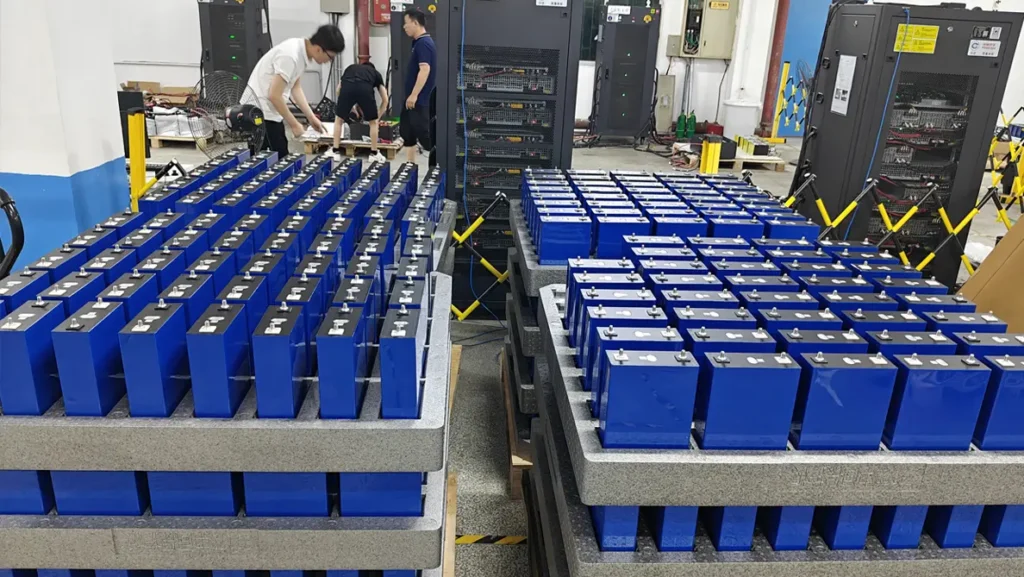
Battery Management System (BMS): The guardian of the battery pack. It continuously monitors voltage, current, and temperature of individual cells/modules. Its core functions are critical: State-of-Charge (SOC) and State-of-Health (SOH) estimation, cell balancing (ensuring uniform charge/discharge), thermal management control, enforcing operational limits (voltage, current, temperature) for safety and longevity, and communication with the inverter/EMS. A sophisticated BMS is non-negotiable for safety and performance.
Power Conversion System (PCS) / Inverter:
DC-Coupled: The dominant architecture for new solar+storage installations. A single “hybrid” inverter manages both the solar PV array and the battery. Solar DC can directly charge the battery DC, improving overall round-trip efficiency (typically >94%). Requires careful sizing and compatibility.
AC-Coupled: The battery has its own dedicated inverter, connecting to the home’s AC bus. This is ideal for retrofitting storage to an existing solar system. However, solar AC must be converted back to DC to charge the battery, then back to AC for use, resulting in lower round-trip efficiency (~90%). Requires robust communication protocols (e.g., SunSpec, Modbus) between the solar inverter and battery inverter.
Thermal Management System: Essential for maintaining optimal battery temperature (usually 15-35°C) to maximize lifespan and safety. Passive Air Cooling (fans) is prevalent in residential HESS due to simplicity and cost. Active Liquid Cooling (coolant loops, pumps, heat exchangers) is more complex and expensive but offers superior thermal control, especially for high-power or high-ambient-temperature applications (becoming more common).
Enclosure & Safety Systems: Robust housing (IP ratings for weather/dust resistance), integrated fire detection sensors, and increasingly, fire suppression systems (e.g., aerosol-based units within the enclosure). DC and AC disconnect switches are mandatory for safety during installation/maintenance.
Energy Management System (EMS): The “brain” of the HESS. This software layer (running locally on a gateway and/or in the cloud) controls system operation based on user settings, grid conditions, weather forecasts, and electricity tariffs. Key functions include optimizing self-consumption, scheduling charging/discharging for Time-of-Use savings, managing backup power during outages, enabling VPP participation, providing user monitoring/control via apps, and facilitating firmware updates. AI and machine learning are increasingly used for predictive optimization.
IV. Supply Chain Ecosystem: Globalized, Complex, and Evolving
The journey from raw material to installed system involves intricate, global networks:
Upstream: Resource Extraction & Refinement
Lithium: Brine (South America: Chile, Argentina) or hard rock (Australia) mining. Refined predominantly into Lithium Carbonate/Hydroxide in China. Geopolitical concentration and environmental impacts are major concerns. Sodium-ion aims to alleviate this pressure.

Graphite: Natural (China, Mozambique) or Synthetic (primarily China). Crucial for anodes. Purification is energy-intensive.
Cobalt: Primarily mined in the DRC, associated with ethical and supply chain risks. LFP and Na-ion eliminate this dependency.
Nickel/Manganese/Iron Phosphate: Global mining, but processing often concentrated in Asia. Iron Phosphate is abundant and cheap.
Copper/Aluminum: Ubiquitous in electrical components and conductors. Price volatility impacts system costs.
Challenges: Geopolitical instability (trade wars, export restrictions), environmental/social governance (ESG) pressures, price volatility, long lead times for new mine development.
Midstream: Manufacturing & Component Production
Battery Cell Manufacturing: Highly concentrated and capital-intensive. Dominated by CATL, BYD (China), LGES, Samsung SDI (Korea), Panasonic (Japan). Massive scale drives down cell costs ($/kWh). Cell manufacturing clusters are strong in China, Korea, Japan, Europe, and emerging in North America. Process involves electrode coating, cell assembly (stacking/winding), electrolyte filling, formation, and aging.

Component Manufacturing: Specialized suppliers globally produce:
- BMS: Requires sophisticated electronics and software expertise.
- Inverters: Complex power electronics manufacturing (IGBTs/MOSFETs, transformers, capacitors, control boards).
- Thermal Systems: Fans, heatsinks, liquid cooling components.
- Enclosures & Safety Gear: Metal fabrication, fire suppression systems. Significant manufacturing occurs in China and Southeast Asia due to cost, but regionalization (US, EU) is increasing.
Downstream: Integration, Distribution, Installation
System Integration/Assembly:
- HESS brands either:Vertically Integrate: Manufacture cells, packs, BMS, and sometimes inverters themselves (e.g., BYD, Tesla to a large extent).
- Source and Integrate: Purchase cells or complete battery packs (e.g., from CATL, Pylontech) and integrate them with their own or third-party inverters and BMS/EMS software (common for many players). Assembly locations vary globally.

Distribution Channels (Critical for market reach):
- Solar Installers/EPCs: The primary route. Trusted local advisors who specify, sell, and install systems. Relationships here are crucial for manufacturers.
- Electrical Wholesalers: Stock components and sometimes complete kits for installers.
- Specialized Energy Storage Distributors: Focused players building expertise.
- Direct Sales: Less common (Tesla is an exception), usually online.
Installation & Service: The final, critical mile. Requires skilled electrical contractors/solar installers. Quality installation directly impacts system performance, safety, and customer satisfaction. Shortages of qualified installers can bottleneck growth. Ongoing maintenance and warranty support are vital.
V. Terminal Customer Demand: Decoding the Homeowner
End-user needs drive product development and marketing:
Core Motivations:
Bill Reduction: The primary economic driver. Customers seek quantifiable savings through self-consumption and TOU arbitrage. System ROI calculations are crucial.
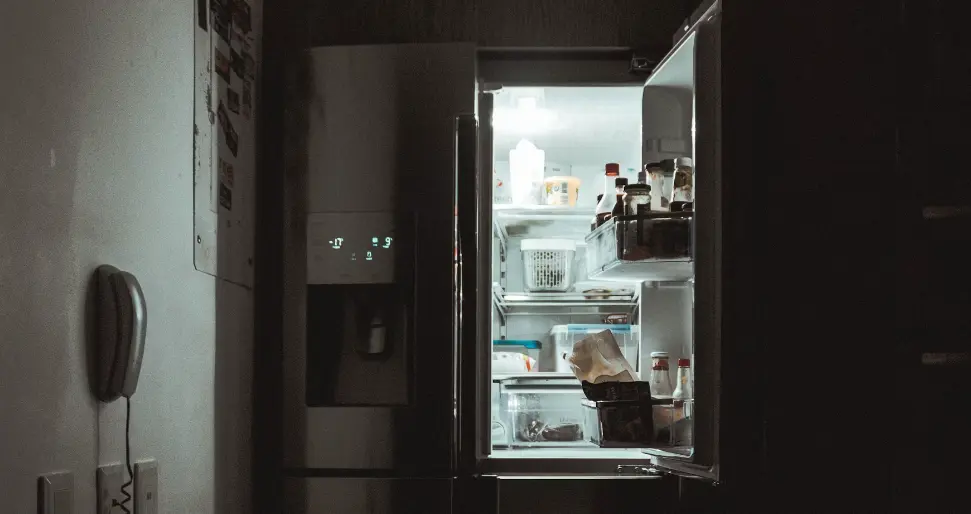
Backup Power Reliability: Not just “nice-to-have.” Customers specify needs: essential circuits (refrigerator, lights) vs. whole-home backup (AC, well pump). Duration (hours/days) and power (kW) requirements vary significantly. Perceived grid reliability heavily influences this.
Energy Independence & Control: Desire for self-reliance, predictability in energy costs, and reduced vulnerability to grid issues or utility rate changes.
Sustainability Contribution: Aligning home energy use with environmental values by maximizing renewable consumption and reducing grid dependence (which often relies on fossil fuels).
Critical Purchase Criteria:
Safety: The paramount, non-negotiable factor. LFP’s dominance is largely due to its superior safety profile. Visible safety certifications (UL 9540, IEC 62619) and robust BMS/fire suppression features are mandatory.
Total Cost of Ownership (TCO): Encompasses upfront equipment cost ($/kWh installed), installation labor, expected lifespan, warranty coverage, and projected energy savings. Financing options (loans, leases) heavily influence adoption.
Performance Specifications: Usable Capacity (kWh – how much energy is stored), Continuous & Peak Power Output (kW – how much power can be delivered instantly, critical for starting motors like AC units), Round-Trip Efficiency (% of energy put in that you get back out – typically 90-95% for modern systems), Depth of Discharge (DoD – % of battery capacity that can be safely used, 90-100% for LFP).
Reliability & Warranty: Expectation of trouble-free operation for 10+ years. Comprehensive warranties (5 years is standard, covering capacity retention – e.g., 70% at end of warranty) are essential for consumer confidence.
Ease & Speed of Installation: Compatibility with existing/new solar, clear documentation, and straightforward setup are crucial for installer adoption and reducing labor costs.

Smart Features & User Experience: Intuitive apps for monitoring energy flows (production, consumption, import/export, battery SOC), setting modes (self-consumption, backup, TOU schedules), receiving alerts, and potentially participating in VPPs for financial rewards.
VI. Technology Iteration: Continuous Advancement
Innovation is relentless across the stack:
Battery Chemistry & Design:
- LFP Consolidation: Ongoing optimization of LFP energy density and low-temperature performance. Cost reductions continue via manufacturing scale and efficiency.
- Sodium-Ion Commercialization: CATL commenced production in 2023. BYD and others are close behind. Initial applications target slightly lower energy density needs where cost is king (e.g., some stationary storage, entry-level EVs). Performance improvements (energy density, cycle life) will broaden its applicability in HESS.
- Cell-to-Pack (CTP): Removing the intermediate module level (e.g., BYD’s Blade Battery). Increases pack energy density, reduces part count/cost, simplifies manufacturing, and can improve thermal management. Becoming standard for leading players.
- Higher System Voltages: Transition from traditional 48V systems to 200V, 400V, and even 800V architectures. Benefits include higher efficiency (reduced resistive losses), smaller/cheaper cabling, higher power delivery capability, and potential for faster charging (from grid or DC-coupled solar).
Power Electronics & System Architecture:
- High-Efficiency Hybrid Inverters: Continuous improvements in semiconductor technology (e.g., SiC – Silicon Carbide MOSFETs) enable higher switching frequencies, smaller size, lighter weight, and efficiencies exceeding 98%. Multi-MPPT inputs handle complex roof layouts.
- Modular & Scalable Designs: Simplifying installation and future expansion. Battery systems allowing easy addition of extra capacity modules. Inverters designed to be stacked for higher power needs.
- AC-Bi-Directional Capability: Enabling advanced grid services and VPP participation beyond simple charging/discharging.
Intelligence & Software (The New Battleground):
- Advanced EMS Algorithms: Moving beyond basic rules to AI and machine learning. Predictive optimization using weather forecasts, electricity price signals, and usage patterns to maximize savings and battery lifespan. Self-learning systems adapt to homeowner behavior.
- Virtual Power Plant (VPP) Integration: Sophisticated software enables aggregating thousands of distributed HESS units to act as a single, grid-scale resource. Provides valuable grid services (peak shaving, frequency regulation) and generates revenue/credits for participants. Requires robust, secure communication and control protocols.
- Grid-Forming Capabilities: Advanced inverters can “island” sections of the grid during outages, creating microgrids powered by distributed solar+storage, enhancing community resilience.
- Seamless Smart Home Integration: Compatibility with platforms like Home Assistant, Matter, and specific energy management dashboards for holistic home control.
VII. Modern Competitive Dynamics: A Fragmented Battlefield
The market is fiercely competitive and rapidly evolving:
Intensifying Price Pressure: Aggressive pricing, particularly from Chinese manufacturers leveraging massive scale and vertical integration (BYD, CATL, Sungrow, TURSAN), is compressing margins globally. The focus is squarely on $/kWh installed.
Strategic Differentiation:
- Technology Leadership: Chemistry (LFP mastery, Na-ion first-mover), high-voltage systems, superior BMS/EMS software, unique safety features.
- Ecosystem Lock-in: Creating seamless, proprietary experiences combining solar, storage, EV charging, and smart home devices (Tesla Energy Ecosystem, Enphase System).
- Services & Software: VPP programs (Sonnen, Tesla, others), advanced energy management subscriptions, extended warranties, innovative financing (e.g., storage-as-a-service).
- Channel Dominance: Building strong, loyal relationships with installers and distributors is paramount. Providing training, technical support, lead generation, and marketing materials is key. Installers often dictate brand choice.
- Brand Trust & Reliability: Especially critical for backup power applications. Established players benefit from proven track records.
Regional Nuances:
- Europe: Mature, retrofit-heavy market. Strong policy drivers. Diverse players: Sonnen (services/VPP), BYD/CATL/Pylontech (cost/value), Tesla (brand), Enphase (intelligence), Fronius (quality). Installer relationships are king.
- North America: Rapid growth, driven by IRA and grid concerns. Tesla & Enphase lead. LG historically strong but challenged. Generac/FranklinWH focus on whole-home backup. Significant Chinese imports (despite tariffs). Complex, fragmented regulations across states/utilities.
- Australia: World-leading solar penetration driving massive HESS demand. Highly competitive: Tesla, BYD, TURSAN, Sungrow, GoodWe, AlphaESS, Redflow (flow batteries). Sophisticated consumers focused on ROI.
- China: Enormous domestic market driven by policy and industrial scale. Dominated by CATL, BYD, Huawei, TURSAN, Sungrow, GoodWe. Fierce price competition. Major global manufacturing and export hub.
- Rest of World (Japan, S. Korea, LatAm, MEA): Emerging markets with varying drivers (FIT declines in Japan, diesel replacement in Africa/Islands). Local players and global giants expanding presence.
VIII. Future Outlook: Pathways and Imperatives
The trajectory points towards sustained growth and profound evolution:
Explosive Growth Continues: Global CAGR is projected to exceed 25% for the next decade. Penetration rates will rise dramatically as costs fall further and grid challenges persist. HESS becomes a standard feature in new solar installations in key markets.

Cost Reduction Levers: Future gains will come from:
- Manufacturing scale and automation.
- Chemistry shifts (Na-ion maturity).
- Design innovations (CTP, simplified systems).
- Lower balance-of-system costs (installation labor optimization, cheaper power electronics).
Chemistry Wars: LFP will solidify its dominance for the foreseeable future due to its balanced performance. Na-ion will capture significant market share (potentially 20-30%+ by 2030) in cost-sensitive segments and regions as its performance improves, becoming a true disruptor. Solid-state remains a long-term aspiration.
Software as the Ultimate Differentiator: The EMS becomes the core value center. AI-driven optimization for maximum savings and battery health, seamless VPP integration for grid services and customer revenue, predictive maintenance, and intuitive user interfaces will define premium offerings. Open standards (SunSpec Alliance, Matter) will be crucial for interoperability.
Grid Integration & VPPs Mature: HESS transitions from isolated backup/assets to active grid participants. Stable regulatory frameworks and compensation mechanisms for grid services will unlock massive value for consumers and utilities alike, accelerating adoption.
Sustainability & Circularity: As deployment scales, lifecycle management becomes critical. Robust recycling infrastructure for lithium-ion batteries is essential. Regulations mandating recycled content and producer responsibility will emerge. Second-life applications (using retired EV batteries for less demanding stationary storage) will play a role.
Market Consolidation: The current fragmentation is unsustainable. Expect significant consolidation, particularly among smaller players and regional brands, as scale becomes increasingly vital for R&D, manufacturing efficiency, channel support, and navigating complex regulations. Deep-pocketed incumbents (oil majors, utilities, electronics giants) may acquire innovators.
Beyond the Single Home: Community-level and multi-tenant storage solutions will emerge, leveraging aggregated benefits and shared costs.
Conclusion: The Resilient, Intelligent Home Energy Hub
The home energy storage market represents a fundamental shift in the relationship between consumers and the energy grid. Driven by compelling economics, heightened concerns over resilience, and the desire for greater control and sustainability, HESS is evolving from a niche product to a mainstream home essential. The convergence of advanced battery chemistries (LFP, soon Na-ion), sophisticated power electronics, and AI-driven energy management software is creating systems that are safer, smarter, more efficient, and more valuable than ever before.
Success in this dynamic market demands more than just hardware. Manufacturers must master complex, geopolitically sensitive supply chains, build deep partnerships with installers, offer compelling software and services (especially VPPs), navigate evolving regulatory landscapes, and prioritize sustainability throughout the product lifecycle. The winners will be those who can deliver integrated, intelligent energy solutions that provide homeowners with genuine savings, unwavering reliability, and meaningful participation in the clean energy transition. The home is no longer just a passive energy consumer; with HESS, it becomes an active, resilient node in the future energy network.

 English
  العربية
  日本語
日本語  한국어
한국어  Tiếng Việt
  ไทย
ไทย  Bahasa Melayu
  فارسی
فارسی  Bahasa Indonesia
  ဗမာစာ
ဗမာစာ  简体中文
简体中文  香港中文
香港中文  繁體中文
繁體中文  Русский
  Deutsch
  Nederlands
  Italiano
  Français
  Español
  Português
  Afrikaans
  Azərbaycan dili
  Български
  ਪੰਜਾਬੀ
  हिन्दी
  اردو
اردو  বাংলা
বাংলা  Հայերեն
  Íslenska
  Қазақ тілі
  नेपाली
  Српски језик
  Kiswahili
  తెలుగు
  Basa Jawa
  தமிழ்
தமிழ்  मराठी
मराठी