
The storage of lithium-ion battery energy storage systems (BESS) is a critical aspect of the supply chain. While storage at the manufacturer’s facility is typically handled with expert care—whether for raw cells or finished products—the real need for diligence begins once the systems leave the factory gate. When your wholesale units are loaded onto shipping vessels or stored in your own warehouse, extra attention is essential. Storing a BESS is far more complex than storing a simple box.

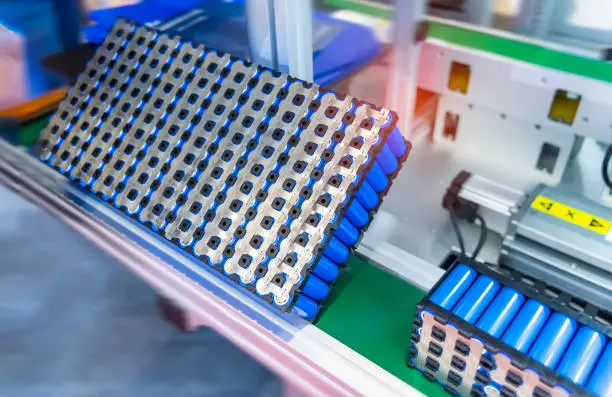
Fortunately, most modern BESS units on the market today utilize Lithium Iron Phosphate (LiFePO4) battery chemistry. A key advantage of LiFePO4 is its inherent safety and stability; it is non-combustible and much less prone to thermal runaway. Manufacturers like TURSAN further enhance this safety by using top-tier LiFePO4 cells from suppliers like BYD, ensuring a more robust and reliable product.
Safety by Design: How Manufacturers Build in Protection
Proactive safety engineering is the first line of defense, especially during prolonged storage. Reputable manufacturers integrate features that mitigate risks even when the system is idle:
Automatic Shutdown and Fire Suppression:
Advanced BESS units are equipped with Battery Management Systems (BMS) that can detect anomalies, such as a state of abandonment or critical failure. If a dangerous condition is identified, the system can automatically disconnect. Furthermore, some systems include integrated aerosol fire suppression systems that can quickly extinguish a potential fire within the enclosure without external intervention.

The Necessity of Transport Insurance:
Despite these built-in safeguards, the international logistics chain presents unpredictable risks. Purchasing comprehensive transport insurance is strongly recommended to protect your investment against physical damage, loss, or other transit-related incidents.
Secure Transportation: From Factory to Destination
The journey itself is a high-risk phase. Proper handling during road or sea freight is non-negotiable.
Robust Packaging:
Batteries should be secured within UN-certified packaging, which is specifically designed and tested to withstand the rigors of transport and contain any potential hazards.

Container Management:
Inside shipping containers, units must be firmly braced and strapped to prevent shifting. It is crucial to maintain a stable temperature within the container and to strictly avoid co-transportation with flammable or explosive materials.
Clear Hazard Communication:
The exterior of the shipping container must display prominent and compliant safety labels and placards (such as Class 9 miscellaneous dangerous goods labels) to alert handlers and emergency responders to the contents.
Optimal Warehouse Storage Conditions
Once the systems arrive at your warehouse, creating a controlled storage environment is key to preserving battery health and safety.
Basic Setup:
Place units on wooden pallets. This not only facilitates movement with forklifts but also prevents moisture ingress from the concrete floor.
Environmental Control:
The storage warehouse must be well-ventilated, cool, and dry. Avoid areas with direct sunlight exposure, as heat is a primary enemy of battery longevity.
Long-Term Storage (Exceeding 3 Months):
- State of Charge (SoC) Maintenance: For any system slated for storage longer than three months, the battery’s charge level must be periodically checked and maintained between 50% and 75%. Storing at a full or very low state of charge can cause irreversible degradation.
- Record Keeping: Meticulously log the storage entry date and each charging date to maintain a clear history.
Fire Safety Segregation:
If your warehouse also stores other combustible materials like textiles, wood, or packaging, it is imperative to designate a separate, dedicated area for the BESS. The strongest recommendation is to install a fire-rated partition wall to create a physical barrier, isolating the battery systems from other inventory.

FAQ
What is the ideal temperature and humidity for storing a BESS?
A cool, stable temperature, ideally between 15°C and 25°C (59°F – 77°F), is recommended. Humidity should be controlled, typically below 60%, to prevent corrosion and condensation.
How often should I check the State of Charge during long-term storage?
It is advisable to check the SoC at least once every three months. The BMS may allow for remote monitoring. Recharge the system back to the 50-75% range if it has drifted outside of it.
Can I store a BESS in an outdoor yard if it’s on a pallet and covered with a tarpaulin?
No. Outdoor storage is strongly discouraged. Tarps do not provide adequate protection from temperature extremes, moisture, direct sunlight, or potential physical damage, all of which pose significant safety and performance risks.
Why is the 50-75% SoC range so important?
This mid-level range minimizes chemical stress on the battery cells, slowing the aging process and preventing the plating of metallic lithium on the anode, which can occur at very low or high states of charge and lead to capacity loss or internal short circuits.
Final Word
The secure storage of lithium-ion battery energy storage systems is a shared responsibility that extends from the manufacturer to the end-user. By prioritizing intelligent design, enforcing rigorous transport protocols, and maintaining disciplined warehouse management—focusing on environmental control, charge maintenance, and fire segregation—you can significantly mitigate risks. This diligent approach ensures that your energy assets remain safe, functional, and ready for operation when needed.


 English
  العربية
  日本語
日本語  한국어
한국어  Tiếng Việt
  ไทย
ไทย  Bahasa Melayu
  فارسی
فارسی  Bahasa Indonesia
  ဗမာစာ
ဗမာစာ  简体中文
简体中文  香港中文
香港中文  繁體中文
繁體中文  Русский
  Deutsch
  Nederlands
  Italiano
  Français
  Español
  Português
  Afrikaans
  Azərbaycan dili
  Български
  ਪੰਜਾਬੀ
  हिन्दी
  اردو
اردو  বাংলা
বাংলা  Հայերեն
  Íslenska
  Қазақ тілі
  नेपाली
  Српски језик
  Kiswahili
  తెలుగు
  Basa Jawa
  தமிழ்
தமிழ்  मराठी
मराठी