
Wildlife conservation in far-flung areas runs into one big problem: power. No reliable grid. No easy diesel delivery. Just endless land, sensitive habitats, and a crew of scientists or rangers who need stable electricity for lights, sensors, water pumps, and data transfer. That’s where off-grid inverters step in. These devices flip solar DC into usable AC, keeping research stations alive and running when nothing else works. Let’s break down how, with real examples and industry talk.
Why Off-Grid Power Is Mission-Critical
Remote conservation centers face tough realities. Long distances make diesel transport costly and messy. Noise and fumes disturb animals. Blackouts mean lost data. Inverter-based solar systems solve this:
- Silent running: No noisy gensets scaring wildlife.
- Stable sine wave output: Sensitive lab gear doesn’t fry.
- Scalable: Start small, stack more units when facility expands.
- Cleaner logistics: No daily fuel truck trips across fragile terrain.
It’s not just “green power.” It’s survival for the people living and working there.
Core Role of Off-Grid Inverters
Conservation bases usually set up a solar array paired with lithium batteries. The inverter sits in the middle:
- Converts solar energy stored in batteries into AC.
- Handles fluctuating loads—microscopes, pumps, comms gear.
- Protects against surges and overloads with BMS integration.
- Keeps everything stable, even when cloud cover hits or demand spikes.
A reliable inverter equals fewer failures. And fewer failures mean more time tracking endangered species instead of fixing power outages.
See example: 1.2kW Off-Grid Inverter . Perfect for small ranger huts. For larger research compounds, the 10kW Pure Sine Wave Inverter scales up the supply.

Table: Key Arguments Backed by Sources
| Argument | Why It Matters | Evidence / Source |
|---|---|---|
| Off-grid inverters reduce reliance on diesel | Cuts noise, emissions, logistics cost | Case studies from tropical wildlife rehab centers in Trinidad (peer-reviewed study) |
| Pure sine wave output protects sensitive equipment | Prevents breakdowns of medical & monitoring devices | Technical specs of 3.6kW Off-Grid Inverter |
| Systems can expand with facility needs | Modular sizing avoids full redesign | NewGrid wildlife tourist facility examples (solar case study) |
| Lower long-term operating costs | Less fuel delivery, fewer outages | Industry reports on off-grid energy in conservation projects |
| Supports round-the-clock monitoring | Reliable 24/7 power keeps cameras, sensors, radios online | Wildlife sanctuary field deployments |
Real-World Scenarios
Ranger Outposts
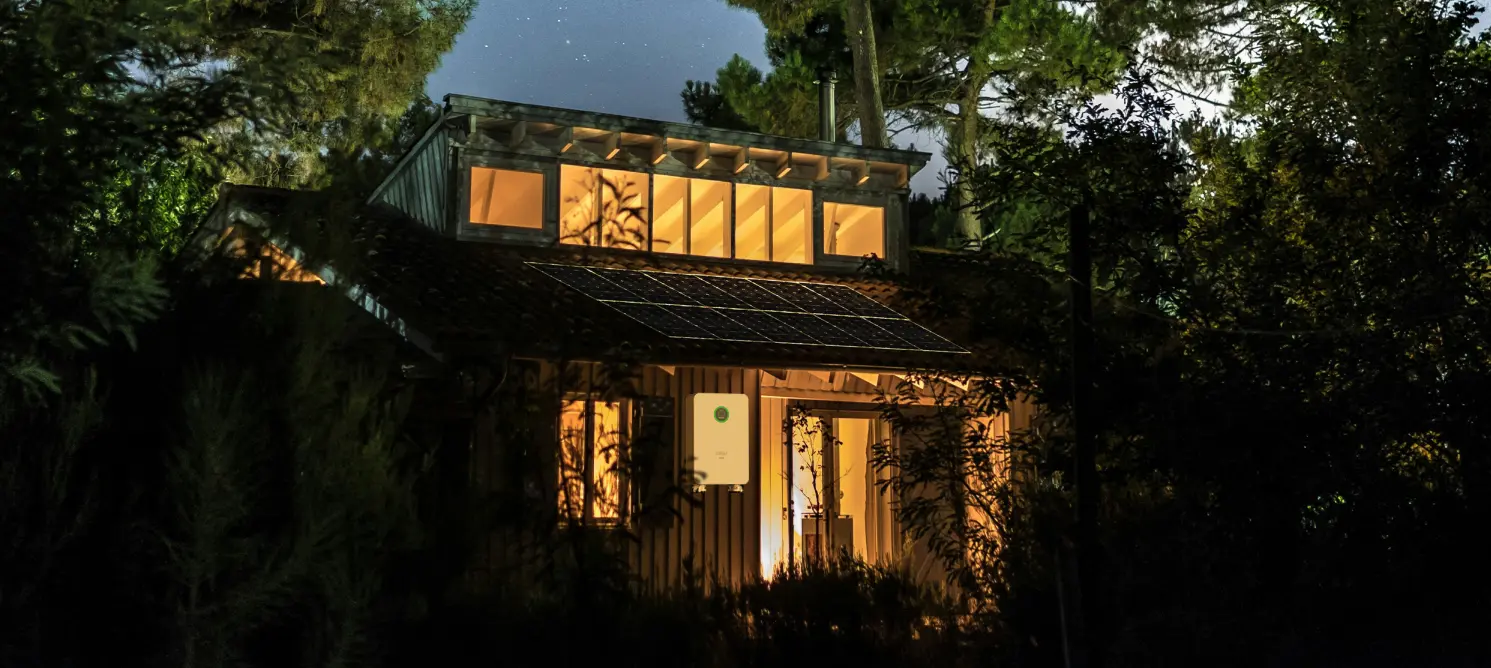
Small cabins in forest reserves don’t need megawatts. A 1.2kW inverter plus a compact LiFePO₄ battery can power lights, radios, and water pumps. Simple but life-saving.
Mid-Sized Research Bases
Labs running freezers, microscopes, and communication hubs need more. A 5.5kW Off-Grid Inverter bridges that gap, balancing lab gear with residential needs of staff.
Visitor and Education Centers
Tourist education sites inside parks can’t rely on noisy gensets. Here, hybrid inverters link solar with grid backup (where grid exists). 10kW Hybrid Inverter handles the mix.

Industry Language: Solving Pain Points
- “Black start capability”: Remote bases can boot power even from zero.
- “Low harmonic distortion”: Keeps sensitive monitoring sensors accurate.
- “High surge capacity”: Pumps or cold-storage freezers don’t trip the system.
- “IP65 housing”: Rain, dust, humidity? Still works.
- “LCOE advantage”: Even if not calculated down to cents, energy is cheaper long run compared with hauling diesel drums.
These aren’t buzzwords. They’re the difference between a project thriving or shutting down.
Commercial Value for B2B Buyers
For wholesale and distribution partners, these systems open new markets:
- Energy storage integrators: Pair inverters with LiFePO4 banks for full solutions.
- Outdoor equipment suppliers: Expand product lines to include remote conservation packages.
- Industrial/mining clients: Same tech that powers wildlife bases fits camps, schools, and disaster sites.
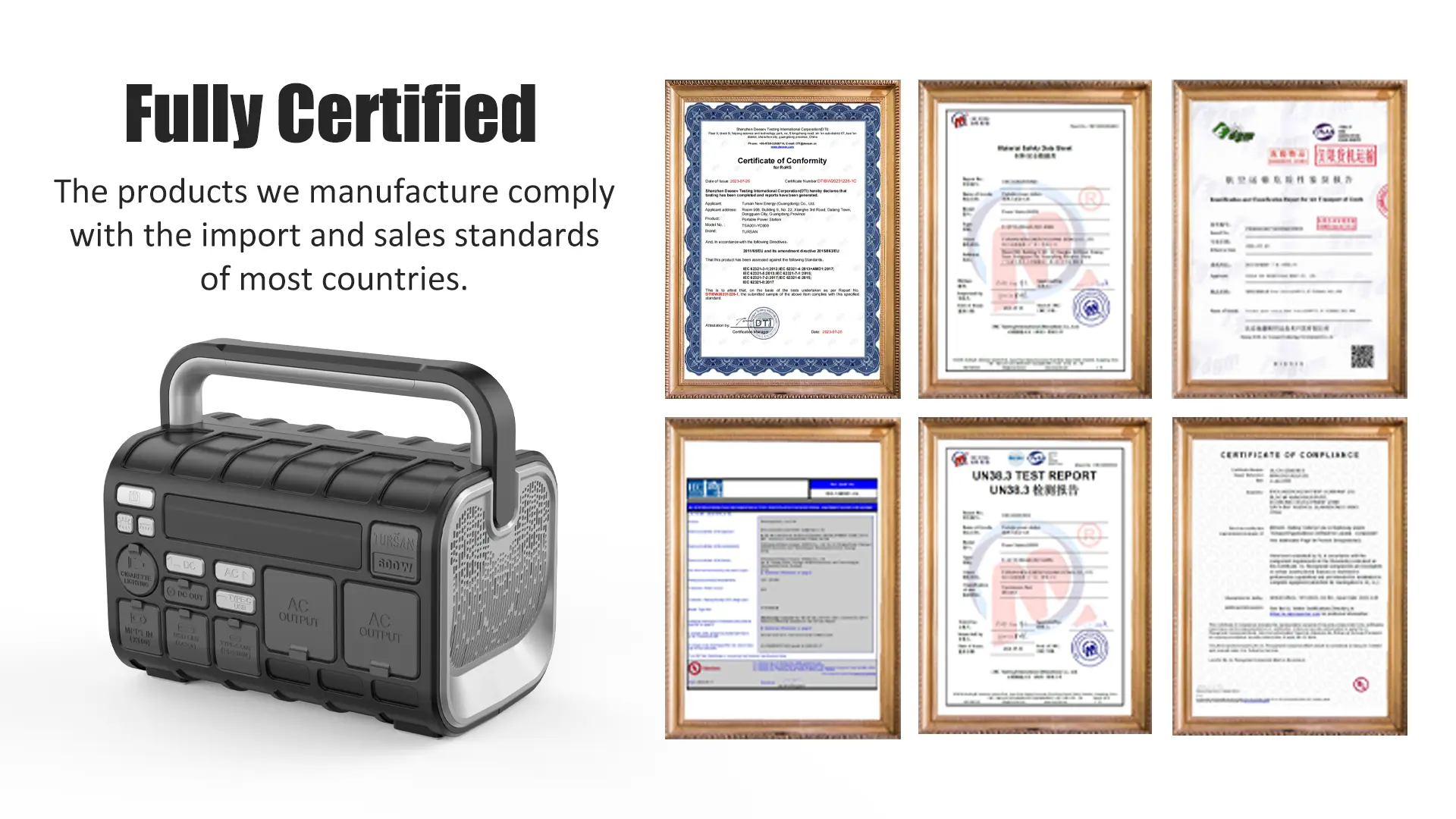
TURSAN, as an Inverter Supplier and Inverter Manufacturer, offers OEM/ODM services with BYD LiFePO4 cells, fast shipping, and certified safety standards. For clients, that means lower MOQ, custom labeling, and faster delivery.
Case Study Elements (Without Fiction)
- Tropical rehab centers replacing diesel with inverter-solar systems.
- Wildlife reserves using modular arrays to power parking areas, visitor centers, and ranger stations.
- Off-grid villages near protected zones piggybacking on conservation energy infrastructure.
These aren’t hypotheticals. They’re happening across Asia, Africa, and South America.

SEO Value and Link Placement
Throughout this discussion, specific inverter product links give depth:
- 1.2kW Off-Grid Inverter
- 5.5kW Off-Grid Inverter
- 10kW Pure Sine Wave Off-Grid Inverter
- 10kW Hybrid Inverter
Each anchor boosts visibility for Inverter, Custom Inverter, and Wholesale Inverter queries.
Conclusion
Wildlife conservation isn’t just about protecting animals. It’s about keeping humans on the ground equipped and safe. Off-grid inverters solve the hardest problem: dependable power far from the grid. From ranger huts to full research labs, these systems bring silent, clean energy that scales as facilities grow.
For conservation managers, NGOs, and B2B buyers alike, the value is clear. Partnering with a trusted Inverter Manufacturer like TURSAN ensures reliable products, OEM/ODM flexibility, and certified performance. When power matters most—whether in a rainforest, desert, or savannah—custom inverters are the quiet backbone making it possible.


 English
  العربية
  日本語
日本語  한국어
한국어  Tiếng Việt
  ไทย
ไทย  Bahasa Melayu
  فارسی
فارسی  Bahasa Indonesia
  ဗမာစာ
ဗမာစာ  简体中文
简体中文  香港中文
香港中文  繁體中文
繁體中文  Русский
  Deutsch
  Nederlands
  Italiano
  Français
  Español
  Português
  Afrikaans
  Azərbaycan dili
  Български
  ਪੰਜਾਬੀ
  हिन्दी
  اردو
اردو  বাংলা
বাংলা  Հայերեն
  Íslenska
  Қазақ тілі
  नेपाली
  Српски језик
  Kiswahili
  తెలుగు
  Basa Jawa
  தமிழ்
தமிழ்  मराठी
मराठी