 ဗမာစာ
ဗမာစာ  English
  العربية
  日本語
日本語  한국어
한국어  Tiếng Việt
  ไทย
ไทย  Bahasa Melayu
  فارسی
فارسی  Bahasa Indonesia
  简体中文
简体中文  香港中文
香港中文  繁體中文
繁體中文  Русский
  Deutsch
  Nederlands
  Italiano
  Français
  Español
  Português
  Afrikaans
  Azərbaycan dili
  Български
  ਪੰਜਾਬੀ
  हिन्दी
  اردو
اردو  বাংলা
বাংলা  Հայերեն
  Íslenska
  Қазақ тілі
  नेपाली
  Српски језик
  Kiswahili
  తెలుగు
  Basa Jawa
  தமிழ்
தமிழ்  मराठी
मराठी Grid လွှဲပြောင်းမရှိဘဲ စွမ်းအင်သိုလှောင်မှုစနစ်သည် Grid စွမ်းအား မရှိလျှင် Loads တိုက်ရိုက် ထိခိုက်မှုရှိမည်လား။
Grid-tied energy storage power outage transfer time
is a waveform.
Whether a load notices grid failure depends on the inverter topology, isolation device, detection logic, and the equipment’s hold-up time.
A distributor commissions a grid-tied battery system, opens the upstream breaker for the acceptance test, and sees the lights stay on. Then the customer’s desktop computer restarts. The battery still has 80% state of charge, so the customer assumes the system failed.
ပြီးချိန်မှန်သလိုပဲ လည်ပတ်နိုင်သည်ဟု သဘောထားနိုင်သည်။ လက်ရှိလုပ်ငန်းစဉ်ကို grid outage ကို အသိပေးသည့် များတတ်ပြီးသည်မှာ inverter topology, transfer device, detection logic, နှင့် load ရဲ့ hold-up time 上 မူတည်သည်။ Battery capacity က backup ကို မည်သို့မည်ကို ဘယ်လောက်အချိန်စွမ်းဆောင်နိုင်မလဲ ပြောသည်။ သို့သော် ပြောင်းသွားမှုကို တစ်မြှင့်တက်လွတ်လပ်စွာ ဖြစ်မည်မဟုတ်ကြောင်း ပြော၍မရပါ။.
ဤဆောင်းပါးသည် အမှန်တကယ် သက်သာမှုတိုင်းကို ရှင်းပြပြီး grid-connected energy storage system တစ်ခုကို မှ ordering မပြုမီ ရှိသမျှ စာရင်းများကို procurement ပိုင်းများအား ဘယ်လိုဆိုင်းတည်မှတ်ထားသင့်သလဲ ပြသသည်။.
Grid ပျက်မှုနှင့် Backup Power တိုင်းတပါးအကြား ဘာ ဖြစ်တတ်သလဲ
သုံးစွဲသူပြောင်းရွှေ့မှု မဟုတ်မနားသင့်သော မော်ဒယ် inverter တစ်ခုသည် utility ပေးသွင်းမှု ပျက်စီးသွားလျှင် လျှပ်စစ် စွပ်စွဲထားသည့် လက်တံကြိုးကို စွန့်ပစ်ရမည်။ Anti-islanding ကာကွယ်မှုက မာစတာ လျှော့ညစ်နေရာ ဗို့မိုက်နှုန်း အသံတိုင်းကို လှည့်ပြီး grid ထံမှ inverter ကို ချက်ချင်း ချုပ်ထားသွားသည်။ ဤအမည်သည် Utility လုပ်သားများကို ကာကွယ်စောင့်ရှောက်မှုကို ပေးပြီး IEEE 1547, UL 1741 သို့မဟုတ် ဒေသীয়တန်းစွဲသတ်မှတ်ချက်များနှင့်မညီမှုမရှိအောင် လွှင့်ထားသည်။ မ backup output မရရှိသည့် စံ grid-tied solar inverter သည် outage ကာလအတွင်း load မကိုယ်တိုင် စွမ်းရည်ပေးနိုင်ခြင်း မရှိနိုင်ပါ၊ နံနက်ခင်းစွဲတင်တည်း ထွက်သွားပါကပါ။.
backup-capable hybrid inverter သည် တစ်စတင်မည်ပြုလုပ်မှုကို မတူညီသော အစဥ်လိုက်ဖြစ်စေသည်။ grid fault ကို သတိပြု recognizes ပြီး internal သို့မဟုတ် external isolation relay ကို ဖွင့်ပြီး utility နှင့် separation ကို အတည်ပြုကာ EPS သို့မဟုတ် backup bus အပေါ် ကိုယ်ပိုင် voltage နှင့် frequency ကို တည်ဆောက်သည်။ များစွာသော hardware နဲ့ firmware အလိုက် ယခုလုပ်ငန်းစဉ်ကို ၁၀ မှ ၂၀ မီစကန့် အများအားဖြင့်ယူရတတ်ပါ။ အချို့ထုတ်ကုန်များ သတ်မှတ်ထားသည့် စမ်းသပ်မှုအခြေအနေများအDw င္င်း ၁၀ ms ထက် ကျော်မရသော အချို့အချို့က အလွယ်တင်ပြရေ စနစ်များသို့မဟုတ် external automatic transfer switch လှမ်းထားမှုများနှင့် ပတ်သက်ပြီး ၂၀ မှ ၁၀၀ ms အတန်းကို ယူထားနိုင်သည်။.
ဤကြာချိန်က ကုန်စျေးအသုံးပြုသူတစ်ဦးက ဘာတွေကို သင့်တော်အောင် ခံစားရမည်ဆိုတာကို သတ်မှတ်သည်៖
Counter-intuitive ဆယ့်ဆယ့်တစ်ချက်က ရိုးရိုးပင်လွန်းသည့်အချက်ဖြစ်သည်: 20 kWh батарея တစ်ခုသည် ငြိမ်သက်မှု 20 ms ကို ခွင့်ပြုနိုင်နိုင်စေပြီးလည်း 1 kWh online UPS မှာ 0 ms ပြောင်းရွှေ့မှုကို ပေးနိုင်သည်။ စွမ်းအင်ပမာဏနှင့် စွမ်းအားတည်ငြိမ်မှုတို့သည် အင်ဂျင်နီယာဆိုင်ရာ ပြproblem များကို ကွဲပြားစွာ ဖြေရှင်းသည်။.
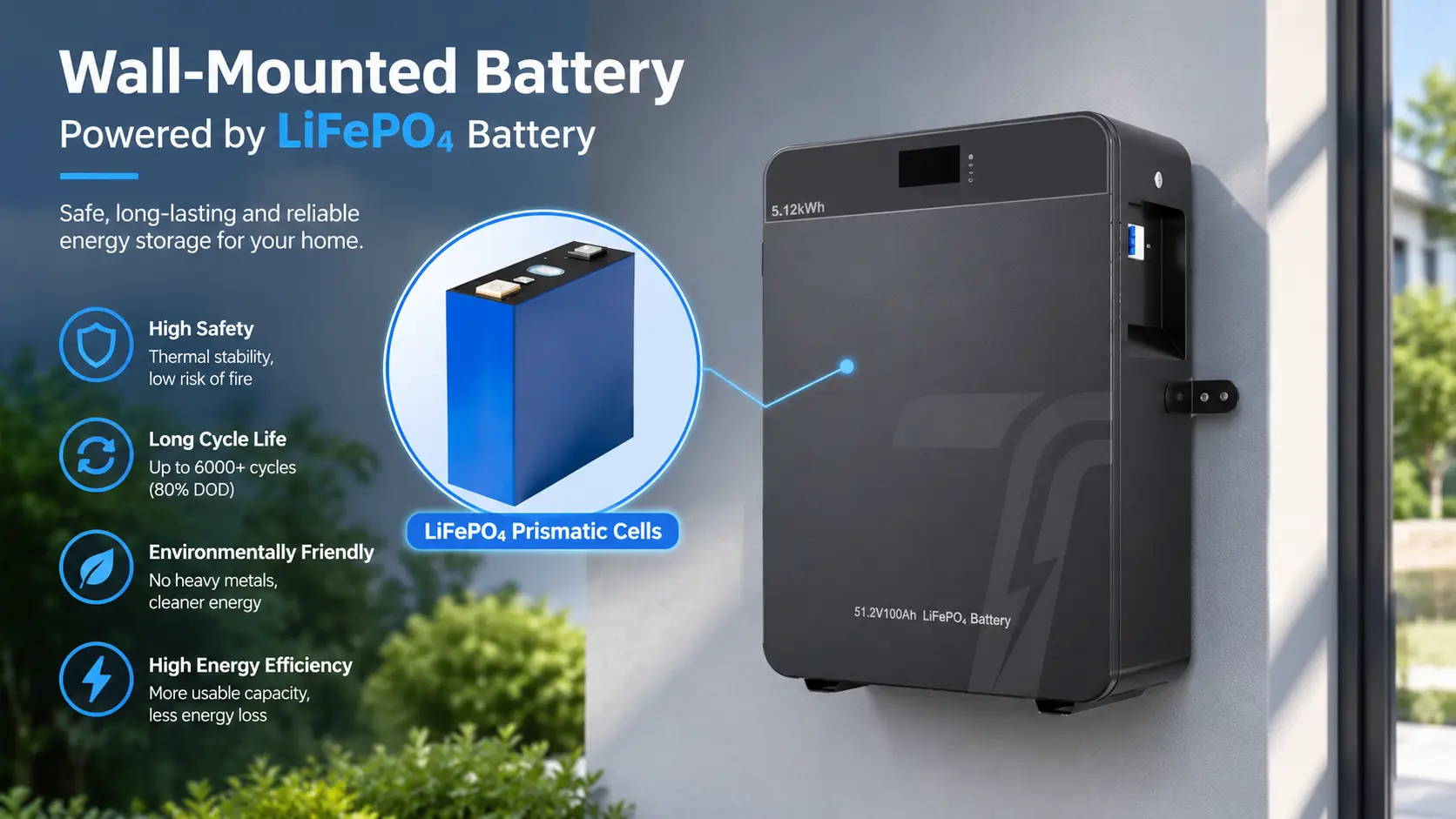
Battery ဘက်သည်လည်း ကြောင့်မစကွင်းမော်လ ရန် ဖြစ်ရမည်။ ပြီးပြည့်စွာအသုံးပြုနိုင်သည့် 51.2 V LFP module တစ်ခုသည် စီးများ 16 ခုကို ခွဲစေ၍ စီးရီးအလိုက် တည်ရှိပြီး 44.8–57.6 V သတ်မှတ်ထားသော လျှပ်စစ်တန်းအတွင်း လှည့်ပတ်နိုင်ပြီး CAN သို့မဟုတ် RS485 မှ inverter နှင့် ဆက်သွယ် communicates လုပ်သည်။ မျက်နှာချင်းသင့် inverter သည် grid ပျက်ကွက်သွားပြီးလျှင် 5 kW တောင်းဆိုပါက ကွက်တံဖြစ်မှုတုန်တလှည့်မှုများမတိုင်မှီ DC လျှပ်စစ်ကြေငြာချက် 98 A လောက်တက်လာနိုင်သည်။ BMS discharge-current ကန့်သတ်ချက်၊ relay အခြေအနေ၊ pre-charge circuit၊ кабယ်တံကွာမှုနှင့် cell အပူချိန်ကို ထို ခြေလှမ်းကို ထောက်ပံ့ရန် လိုအပ်သည်။.
At 25°C, a properly sized LFP pack may deliver 0.5C continuously and reach more than 6,000 cycles to 80% remaining capacity under the manufacturer’s specified depth of discharge. At 0°C, the cells’ internal resistance rises, voltage sag increases, and available discharge power may require derating. A system that transfers cleanly in a warm laboratory can trip on undervoltage in an unheated garage unless the supplier validates low-temperature behavior.
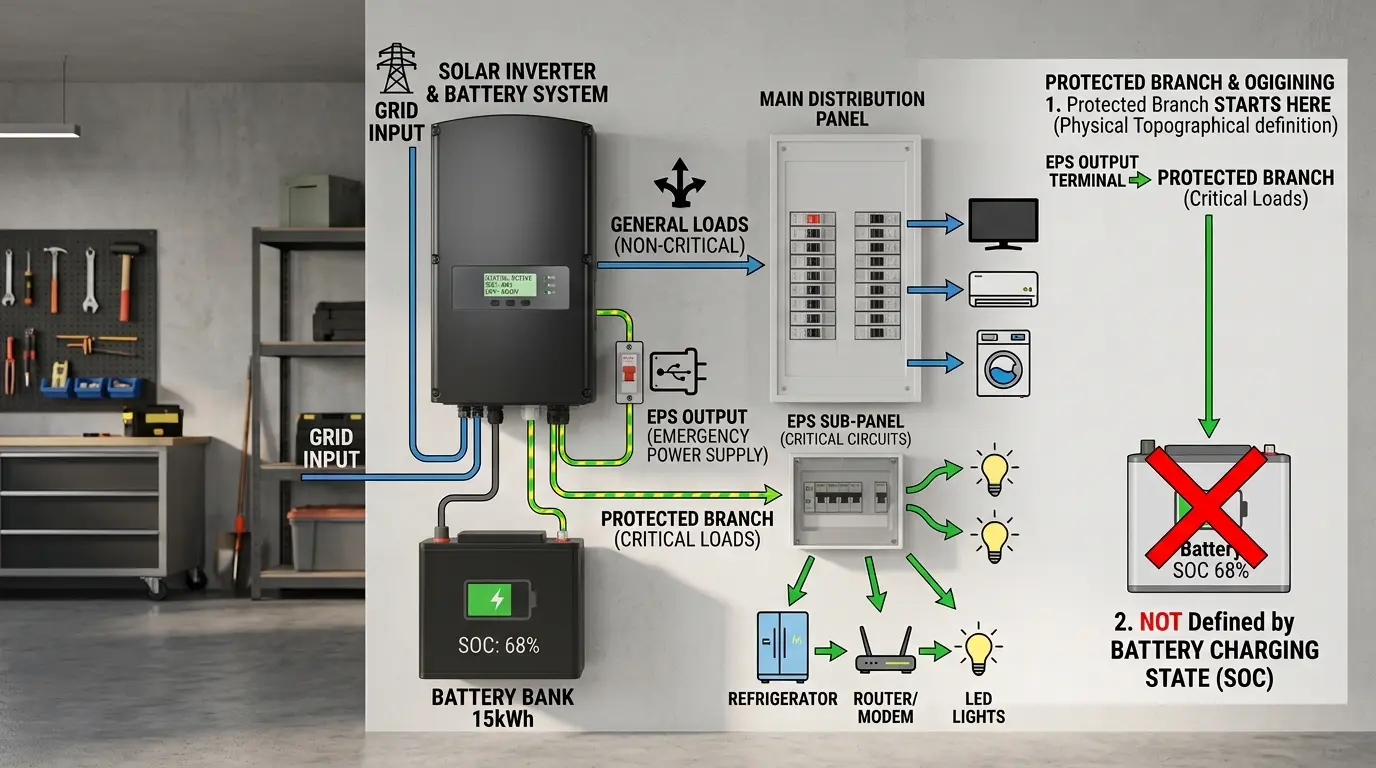
Backup wiring defines the final boundary. Loads connected only to the grid-side main panel will lose power. Only circuits connected downstream of the EPS output or backup gateway receive inverter-formed power after isolation. For whole-home backup, the inverter and switching equipment must carry the expected surge current from pumps, compressors, and motors, not merely the average household demand.
OEM နှင့် ODM ရွေးချယ်မှုများသည် ကူးစက်မှုပြောင်းလဲမှုလုပ်ဆောင်ရည်ကို ဘယ်လိုဖွဲ့စည်းသွားတယ်ကိုထားပြသသည်
OEM သို့မဟုတ် ODM ပရိုဂရမ်တစ်ခုသည် အမှတ်တံဆိပ်အနုပညာမတိုင်ခင်အထွေထွေမူဆုံးဖြတ်ထားသင့်သည်။ စက်မှုလုပ်ငန်းခွဲအပိုင္းထုတ်လုပ်သူထံတွင် ကူးစက်မှုအချိန်၊ စမ်းသပ်စက်ဗို့အား၊ yükအမျိုးအစား၊ yükအချိုနှုန်း၊ ဘက်ထရီတည်နေေသာ state of charge နှင့် တိုင်းတာမှုနည်းလမ်းကိုဖော်ပြသည့် စမ်းသပ်စာရင်းတစ်စောင်ကို မေးမြန်းပါ။ “20 ms ထက်မကျော်” ဟူသော အနည်းငယ္တန်ဖိုးတစ်ခုသာရှိစေပြီး ဆွေးနွေးထားသော 공급မှတစ်ခုပဲ 30% ရှိတတ်သည့် ဒီဇိုင်းအားအတိုင်းမည်ကဲ့သို့မှတ်ထားတတ်ရင် သဘောတူညီမှုမရှိပါ။.
Firmware tuning သည် grid-loss threshold များကို စည်းစမ်းခြင်းများ၊ ထပ်မံချိတ်ဆက်ရန်နာရီတံခါးအချိန်ကြာချိန်များ၊ EPS enable သဘောတူမှု၊ black-start အပြောင်းအလဲနှင့် battery current ramp များကို ဒေသခံ grid ကုဒ်များ၏ အကန့်အသတ်အတွင်း ပြောင်းလဲနိုင်သည်။ Inverter နှင့် BMS လုပ်ငန်းအဖွဲ့များက CAN message IDများ၊ state-of-charge စံပြစွဲခြင်း၊ အရေးကြီးမှု များကို များတှင့်မရှိမထားချိတ်စေပြီး ချဲ့ထွင်မှုများကို စီမံခန့်ခွဲမှုသည် ချိန်ညှိထားရမည်။ ဆက်သွယ်မှုမတူညီခြင်းသည် ဘက်ထရီကျန်းမာစွာရောက်ရှိသေးစေပြီး inverter ကို backup mode ထဲသွားမည်မစေတတ်နိုင်သည်။.
White-label ဝယ်ယူသူများအနေဖြင့် ဒေသဦးတည်ချက် AC terminals, MC4 သို့မဟုတ် ကွဲပြားခြားနားသည့် PV connectors များ၊ ဘက်ထရီ connector family များ၊ Wi-Fi သို့မဟုတ် 4G module များ၊ enclosure များအမှတ်သတ်မှု နှင့် ဘာသာစကားပိုက်များကိုညွှန်းနိုင်သည်။ အပြင်တည်နေရာတည်ရှိမှုများအတွက် အပြည်ပြည်ဆိုင်ရာ IP rating ကို စုစုပေါင်းတပ်ဆင်ထားသည့် စနစ်တစ်ခုအတွက်အတည်ပြုပါ; IP65 inverter သည် အတွင်းဘက် ဘက်ထရီကွက်ကိုမဖြစ်စေ။ သယ် transported လုပ်ငန်းအတွက် UN38.3 စမ်းသပ်မှတ်တမ်းများနှင့် အပြေးလှိုင်းအတိုင်း လိုက်ဖက်သော ဘက်ထရီတံဆိပ်များကို တစ်ခုပြုလုပ်မည့်ဖွဲ့စည်းမှုအလိုက်တင်ပြရန်လိုအပ်သည်။.
ပြည်စုံစွာပရိုဂရမ်များသည် အထွေထွေထုတ်လုပ်မှုယူနစ်များအစား အင်ဂျင်နီယာနမူနာများနှင့်စတင်တတ်ကြသည်။ ဖျော်ဖြေမှုစနစ်အတိုင်း lead time, firmware version, communication protocol, acceptance-load list ကို အရောင်းအသွားစာချုပ်ထဲတွင် သဘောတူညီပါရန်။ MOQ ပြောင်းလဲနိုင်မှုသည် အတည်ပြုချက်နှင့် ဖမ်းမတူးမှုစတင်ပြုလုပ်မှုအချိန်၌ အရေးကြီးသည်; သို့သော် ထိန်းချုပ်ထားသည့် ပြောင်းလဲမှုစီမံမှုကို အစားထိုးမထားရပါ။ Transfer relay သို့မဟုတ် control board တွင် ပါဝင်သည့် အစိတ်အပိုင်းအစားပြောင်းမှုသည် လွှဲပြောင်းမှုစွမ်းဆောင်ရည်ကို ပြောင်းလဲစေနိုင်ခြင်းကြောင့် သတိပေးချက်နှင့် regression testing ကို လိုအပ်သည်။.
ဘယ်လို Backup Architecture ကို yük တိုက်ဆိုင်တတ်သလဲ
| ဖွဲ့စည်းမှု | ပုံမှန် transfer လုပ်ဆောင်မှု | သင့်တော်သည့် yükများ | အဓိကကနည်းဆုံး | ဝယ်ယူခြင်းစစ်ဆေးမှု |
|---|---|---|---|---|
| EPS မရှိမရှိမတင်တန်းကွန်ရက် inverter | backup ထွက်ရှိမှုမဟုတ်ပါ | တန္ဖိုးတင်ထားပြီး ကိုယ်စွမ်းစွာအသုံးပြုခြင်းသာ | ကွန်ဒိုက်က်ကွက်ပြန်လာသည်အထိ Load မဖြစ်သင့်ပါ | ဗက်တီစီတီျန္သက်ရောက်မှုမှ ထောက်ခံမှုမရှိကြောင်းစစ်ဆေးပါ |
| 內အတြင်း EPS မျက်နှောင့်တန်းထားသော Hybrid inverter | တည်ငြိမ်မှု 10–20 မီစကန် | မီးလက်စက်များ၊ ရေခဲခေံ၊ Routerများ၊ မိသားစု ကြိုးအသုံးပြုမှုများစွာ | အာအတန့်အာမခံတန်ဖိုးဖြစ်နိုင်သည့် ဝေဒနာ့အင်တာနက်များမေ့မထားပါ | 20%, 50%, 100% load များအတွက် oscilloscope traces တောင်းပါ |
| ပြင်ပ ATS သို့မဟုတ် backup gateway ပါရှိသော Hybrid inverter | 20–100 ms ပုံမှန်တန်ဖိုး၊ ထုတ်ကုန်ပေါ်မူတည်မှု | အရေးယူ-အလုပ်လုပ်နိုင်သော panel များ သို့မဟုတ် လုံးလုံးမီးဖွားမှု | ပြောင်းရွှေ့ချိန်နှင့် surge သတ်မှတ်ချက်များကို အပြင်အဖွဲ့ခွဲတည်ဆောက်မှုသာမဟုတ်ပါ | ATS ပြောင်းရွှေ့ချိန်၊ သံဖြတ်လက်နှင့် ညှိုင်းထားမှုကိုမှန်ကန်စွာအတည်ပြုပါ |
| ESS ထုတ်လုပ်ထားသော Online double-conversion UPS | Protected load တွင် 0 ms | Servers, medical devices, process controls | ပိုပြီးကုန်ကျ၊ ထုတ်ကုန်လွန်စွာမှုနှင့်ပေါင်းစည်းမည့်မုခ်ခိုင်းမှုများ | Inverter-এর islanded waveform နှင့် UPS input ကို ကိုက်ညီမှုစစ်ဆေးပါ |
တစ်ခုတည်းသာ အချိန်ပြောင်းမှုမှမရွေးချုန်။ ဆက်စပ် EPS လုံးလုံးအပိုင်းစီမှုအား၊ 10-စက္ကန့် surge လာနိုင်မှု၊ ဖိအားတန်းစီအစဉ်၊ neutral ပြောင်းလဲမှု၊ black-start သင့်တော်မှုနှင့် သတ်မှတ်ထားသော ဘက်ထရီအအေးဆုံးအတောအောက်တွင် လည်ပတ်နိုင်မှုကို ယှဉ်compare လိုက်ပါ။ 6 kW inverter တစ်ခုနှင့် 12 kW surge အဆင့်ရှိဟုဆိုနေပေမယ့် ၎တစ်ခုစက်က overload ကို 110% ထိမရှိစေသကဲ့သို့ အောက်ဆုံးကနာလေအေးမြင့်မှုတ်တတ်နိုင်သော compressors ကို စတင်ခွင့်မရှိနိုင်သောကိစ္စ ရှိနိုင်ပါသည်.
နှစ်ခု or လွန်သည့် တစ်ခုချင်းစီအချက်အလက်များဖြစ်တတ်သော Pitfalls လေးမျိုး
အဆောက်အအုံတစ်ခုလုံးကို backup circuit အဖြစ် ပြုစိုက်ခြင်း
Installers များက တစ်ခါတစ်ရံ ကိုယ်တိုင်အသုံးပြုရန် battery inverter ကိုချိတ်ဆက်ပြီးလော့အားများကို non-backed-up bus ထဲမှာပဲထားစေကြပြီး monitoring application မှ charge ဖြစ်နေသော်လည်း grid နဲ့တစ်ပြိုင်တည်း ချက်လက်တန်းအားလုံးပိတ်သွားတတ်ကြသည်။ Single-line diagram ကို အနက်အဓိပ္ပါယ်တစ်ခုအဖြစ် ရှင်းလင်းစွာ မှတ်ပြုပါ၊ commissioning ချက်စစ်စဉ်တွင် လုံခြုံထိန်းသိမ်းထားသော တစ်ခုချင်းစီကို သဘောထားစွာစစ်ဆေးပါ။.
တိုင်းပြည်အလိုက်ပြုလုပ်ချက်များမရှိဘဲ sub-20 ms ပြောဆိုမှုတိုင်းကို UPS ဖြစ်သည့်အတိုင်း ဆောင်ရွက်မည်ဟုယူဆပါ
အဆိုပါထားလျက်ရှိသော တိုက်ရိုက်စွဲချက်များကို မကြာခ Presents resistive test loads ကိုအသုံးပြု၍ အမြန်တုံ့ပြန်နိုင်စွမ်းရှိပြီးဖြစ်ပါသည်။ ပြောင်းလဲထားသည့် မုဒ်အသွားလျှပ်စစ်စနစ်မော်တော်တွင် မတူညီသဘောတူမှုတစ်ခုဖြစ်နိုင်သောကြောင့် လက်ရှိ လှိုက်လှဲသည့် လျှပ်စစ်လှိုင်းခွင့်ပြန်ဆင်စရာနှင့် hold-up အချိန်ကွာခြားမှုအရ ကွာခြားမှုရှိနိုင်သည်။ စမ်းသပ်သည့် ကိုယ်စားလှယ်ဖောက်သည်ပစ္စည်းများကို လျှပ်စစ်အရည်အသွေးစစ်တမ်းတစ်ခုမှ အိုစ်စကိုပိုဆိုက်ကိုမည့်တစုံမသန်စွာ ရှိကြောင်းစမ်းသပ်ပါ။ အွန်လိုင်း UPS ကိုအသုံးပြုပါ အန္တရာယ်များကိုပြန်စတင်ရန်အတွင်း လုံခြုံမှု၊ ဒေတာ သို့မဟုတ် ထုတ်လုပ်မှုကို ဖြစ်ပွားမည့် ဖြစ်စဉ်ကို ဖြစ်စေတတ်သည်။.
စီးဆင်းမှု လျှော့ချမှုနှင့် Battery လျှပ်စွမ်းမတန်ခွာမှုကို ဖျော်ဖြေခြင်းမရှိခြင်း
ရေခဲအသံကတိကွယ်မထားဘဲ compressor စတင်ချိန်တွင် 냉ေပြောင့် နှင့် တည်ခိုင်မြဲသည့် လက်ရှိစွမ်းအင်ကို တစ်ခုချင်းစီမတော်တဆမပျက်စီးနိုင်ပါ။ transfer ပြုပြင်ပြီးနောက် မော်တော်များစွာတစ်ပြိုင်တည်းပြန်စstarts မယ်လို့ ဖြစ်တတ်သော်လည်း inverter သည် overload ဖြစ်စေပြီး 51.2 V battery bus သည် BMS cutoff ထက် ဖျက်သိမ်းနိုင်သည်။ ကွက်တိကွက်တစ်ခုအနက်မှ မော်တော်စွမ်းအားကြီးသော load များစီစဉ်ပါ၊ parallel battery capacity ကိုတိုးတက်အောင်လုပ်ပါ သို့မဟုတ် motor-start ကို မှတ်မှတ်တမ်းပြုလုပ်ထားသော inverter ကိုရွေးချယ်ပါ။.
installation အပြီးတစ်ချက်အထိ ဆက်သွယ်မှုနှင့် firmware အတည်ပြုချက်ထားမထားခြင်း
Matching connectors များသည် protocol တန်းတူမှုကို ငြင်းမခွင့်မဟုတ်ပါ။ မသွားသေးသော CAN profiles များ၊ အိုတတ်မြှင့်ထားမည့် firmware များ သို့မဟုတ် communication pinouts မမှန်ခြင်းများသည် open-loop လည်ပတ်မှု သို့မဟုတ် discharge ကိုတားစေသည့် အန္တရာယ်ရှိနိုင်သည်။ သင့်တင်ပို့မည့် ကုန်တင်မှုမတိုင်မီ inverter, battery, cable, firmware တိုက်တမ်းကို bench-test လုပ်ပါ။ Approved versions ကို BOM ထဲမှ မှတ်သားထားပါ။.
တစ်စုံတစ်ဇူးကိုအမှာမခံမီ အမိနားမေးခွန်းများ
grid ပျက်စီးလာသည့်အခါ customer က မီးအလင်းများ တစ်ခုပြတ်သွားမလား?
နိုင်တတ်သည်။ ပြောင်းလဲမှုတစ်ခုကို 10 မ္မှ 20 ms အတွင်း သွားလာပြီး အလင်းပြတ်မယ့်အတိတ်မရှိနိုင်လျှင်မှိုင်းတတ်သော်လည်း driver အရည်အချင်းနှင့် transfer waveform က အရေးပါသည်။ target-market လျှပ်စစ်လုံးများကို စမ်းသပ်ပြီး “no flicker” လိုအားကောင်းချက်ကို မျက်လုံးမခံနိုင်ဦးစွာ ဝေဖန်မည် မဟုတ်ပါ။.
hybrid inverter ကို uninterrupted power ပေးသည့်အဖြစ် ဈေးချိုင့်ရောင်းချနိုင်မလား?
သာမန်မရှိမဖြစ် ဒီတစ်ခုပြသက်သေများသည် ထုတ်လုပ်ထားသည့် load တွေအတွက် ဖြစ်ရန်လိုအပ်သည်။ 10 ms သို့မဟုတ် 20 ms EPS transfer သည် online UPS ၏ 0 ms transfer နှင့် မတူပါ။ အတိုင်းအသာ ရရှိထားသည့် transfer အချိန်ကို ပြောပါ၊ installation manual ထဲသို့ ထည့်သွင်းထားသော သီးသန့် သိုလှောင်ထားသော ထုတ်ကုန်များကို ထုတ်ထားပါ။.
မှားမထားပဲ samples များကို mass production ရှေ့နှင့်တင်ရန်အတည်ပြုရန်အတွက် စမ်းသပ်သင့်သလား?
Low state of charge နှင့် High state of charge တွင် grid loss ကို စမ်းသပ်ပါ၊ လိုဒ်အဆင့်မှ ထားရှိပြီး တစ်စုံတစ်ခုလုံးကြီးမားသော တိုးတက်မှုများတွင် resistive, capacitive, motor စွမ်းအင်များအဖြစ် စမ်းသပ်ပါ။ အနည်းဆုံး operation temperature တွင် ထပ်လှည့်စမ်းပါ။ AC voltage, AC current, DC bus voltage, transfer time ကို ကတ်တိုင်ကာမှတ်သားပြီး BMS သို့မဟုတ် inverter alarm မဖြစ်ကြောင်း အတည်ပြုပါ။.
အကြီးမားသည့် battery တစ်ခုက transfer interruption ကို ပိုင်နိုင်သလား?
မဟုတ်ပါ။ ပိုမိုတပ်သွားသော parallel battery modules များသည် runtime ကိုတိုးစေပြီး surge support ကို တိုးတက်စေနိုင်သော်လည်း inverter ၏ detection နှင့် isolation interval ကိုဖျက်မထုတ်နိုင်ပါ။ အလုပ်လုပ်မှု load သည် 0 ms တို့မကွာ မလိုအပ်ပါက သင့်တော်သည့် power architecture ကိုရွေးချယ်ပါ။.
Specification conclusion
A backup-capable energy storage system can keep loads running through a grid outage, but “seamless” depends on the load and the switching architecture. Define the acceptable interruption first. Then verify the inverter’s EPS transfer, the battery’s step-load response, the protected-load wiring, and the complete system under realistic conditions.
Send us your single-line diagram, system voltage, critical-load list, largest motor starting current, and maximum permitted transfer time. We’ll return a preliminary inverter-and-battery BOM plus a sample validation plan within 24 hours.