 Italiano
 English
 العربية
 日本語
 한국어
 Tiếng Việt
 ไทย
 Bahasa Melayu
 فارسی
 Bahasa Indonesia
 ဗမာစာ
 简体中文
 香港中文
 繁體中文
 Русский
 Deutsch
 Nederlands
 Français
 Español
 Português
 Afrikaans
 Azərbaycan dili
 Български
 ਪੰਜਾਬੀ
 हिन्दी
 اردو
 বাংলা
 Հայերեն
 Íslenska
 Қазақ тілі
 नेपाली
 Српски језик
 Kiswahili
 తెలుగు
 Basa Jawa
 தமிழ்
 मराठी
When it involves taking on rising electrical power bills in Europe and the united state, home battery backup systems have ended up being a warm topic. If you’re in the business or simply interested regarding exactly how these systems can aid homeowners in high electrical energy price areas, this post dives deep into the marketplace, modern technology, style, manufacturing, and competitive landscape. Plus, we’ll weave in real-world examples and functional insights from Tursan Power Solutions (https://tursan-pps.com/), a leading OEM maker concentrating on home battery backup systems.
1. Target Audience Evaluation: Europe and U.S. High Power Expense Regions.
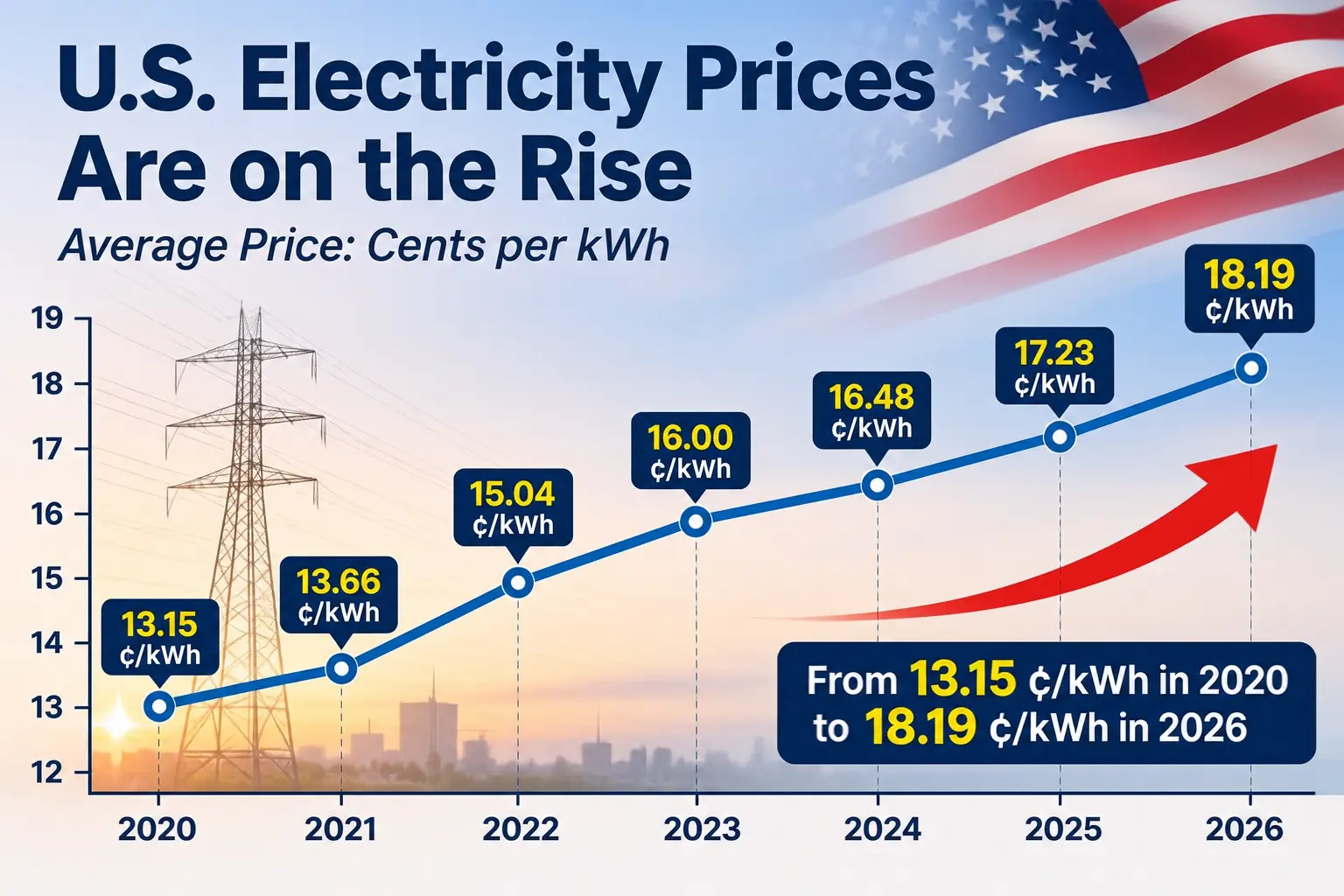
Power rates in lots of parts of Europe and the U.S. have been climbing up steadily, driven by elements like grid innovation, carbon tax obligations, and supply-demand imbalances. For homeowners, this implies an expanding reward to reduce grid reliance and handle energy prices wisely. Areas like California, New York City, Germany, and the UK attract attention with several of the greatest household electricity prices worldwide.
In these markets, demand for home battery backup systems is rising. Consumers want reliable power throughout outages and the ability to keep power when prices are low, specifically with time-of-use tolls ending up being usual. Federal governments and energies also push motivations– tax obligation credit ratings, refunds, and internet metering plans– that make battery storage more attractive.
For example, California’s Self-Generation Motivation Program (SGIP) offers considerable discounts for home battery installments, increasing fostering. Likewise, Germany’s Energiewende plan urges sustainable integration and storage space options. These plan settings produce productive ground for OEMs to supply tailored battery backup systems that fulfill local policies and customer assumptions.
The marketplace’s cravings isn’t nearly backup power; it has to do with power freedom, durability, and expense financial savings. Property owners desire systems that can manage everyday lots moving, emergency situation backup, and even incorporate with solar panels for a greener impact. This multi-faceted need shapes the item specifications and organization models OEMs should think about.
2. Lithium-Ion Battery Technology and BYD LiFePO4 Advantages.
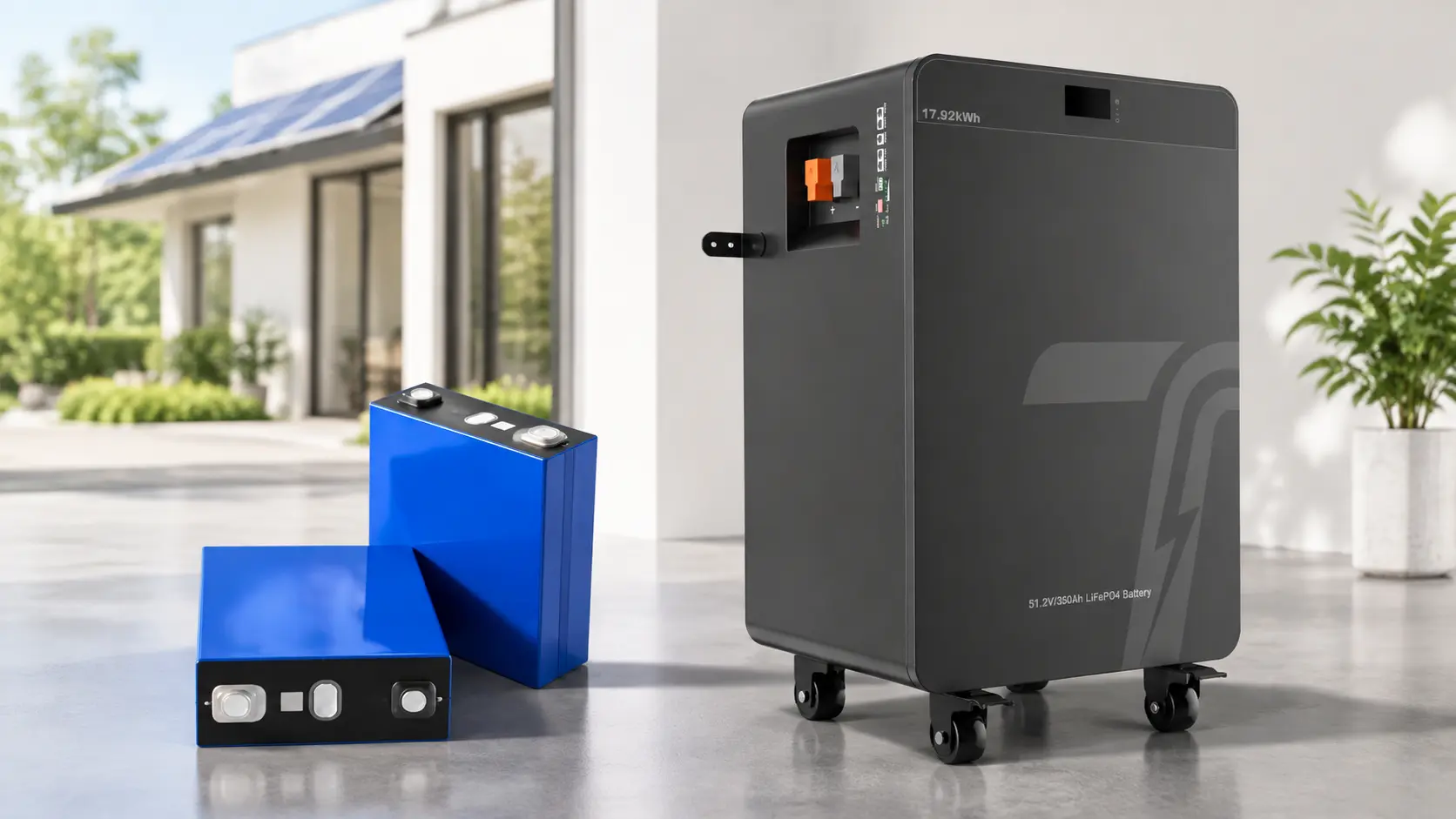
Lithium-ion batteries control the home energy storage scene, but not all lithium-ion chemistries are produced equivalent. Amongst them, BYD’s lithium iron phosphate (LiFePO4) batteries attract attention for their safety and security, durability, and cost-effectiveness.
LiFePO4 chemistry uses several benefits over typical lithium cobalt oxide (LCO) batteries:.
- Stabilità Termica: LiFePO4 cells are much less prone to overheating and thermal runaway, making them safer for home usage.
- Ciclo di vita: They usually last 3-4 times much longer, with 4000+ complete charge-discharge cycles, equating to a decade or more of trustworthy service.
- Price Efficiency: While upfront prices are affordable, the longer lifespan and lower maintenance lower complete price of ownership.
- Environmental Effect: LiFePO4 batteries use much less toxic products, straightening with sustainability objectives.
BYD’s LiFePO4 batteries have been battle-tested in various applications, from electrical automobiles to grid storage space, proving their toughness. For home backup systems, this implies property owners get a durable, secure, and affordable energy reservoir.
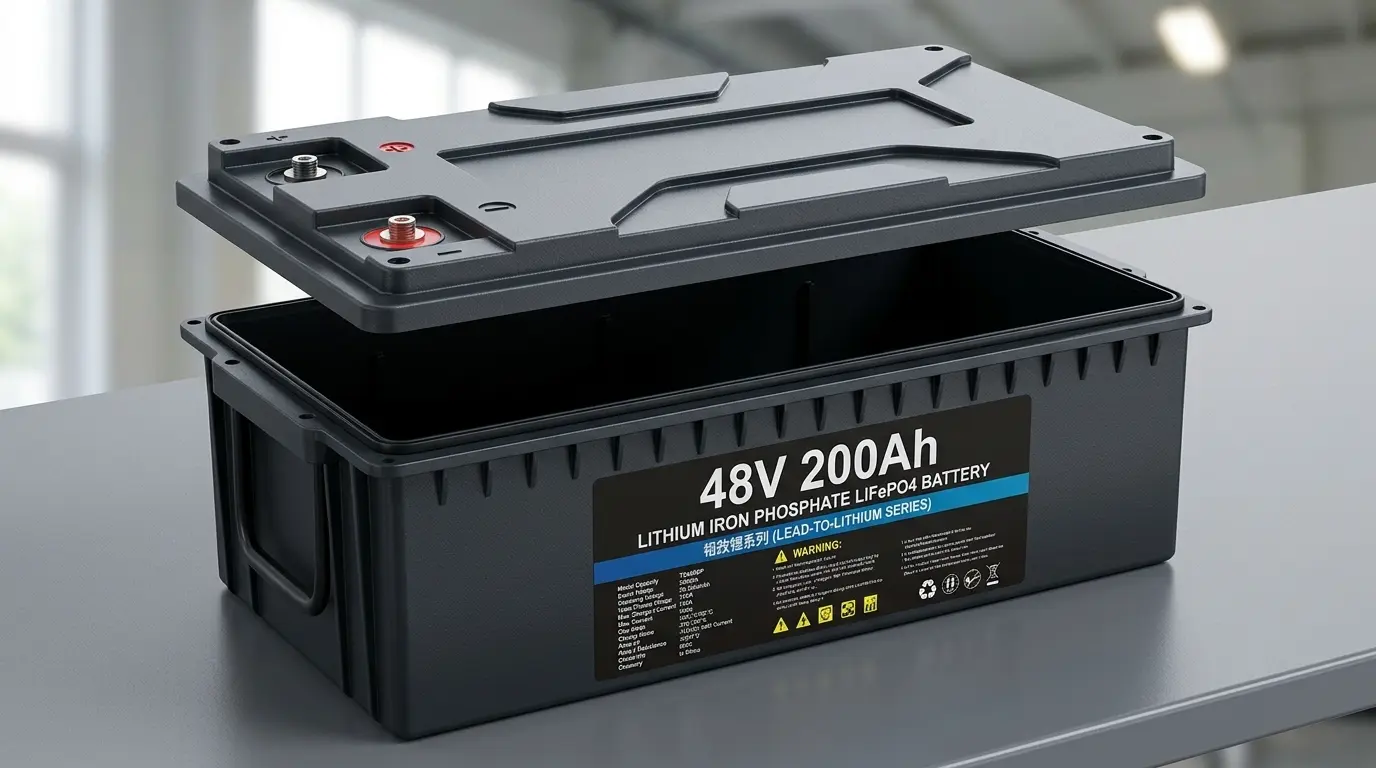
Tursan’s home back-up battery schedule leverages BYD LiFePO4 cells, offering designs like the 24V100ah (2.61 kWh) and 48V560ah (28.67 kWh) batteries. These alternatives cover a wide range of family energy requires, from standard backup to whole-home energy administration. You can have a look at the complete array below: 24V100ah Home Backup Battery e 48V560ah Home Backup Battery.
3. Home Battery Back-up System Capacity and Range Layout.
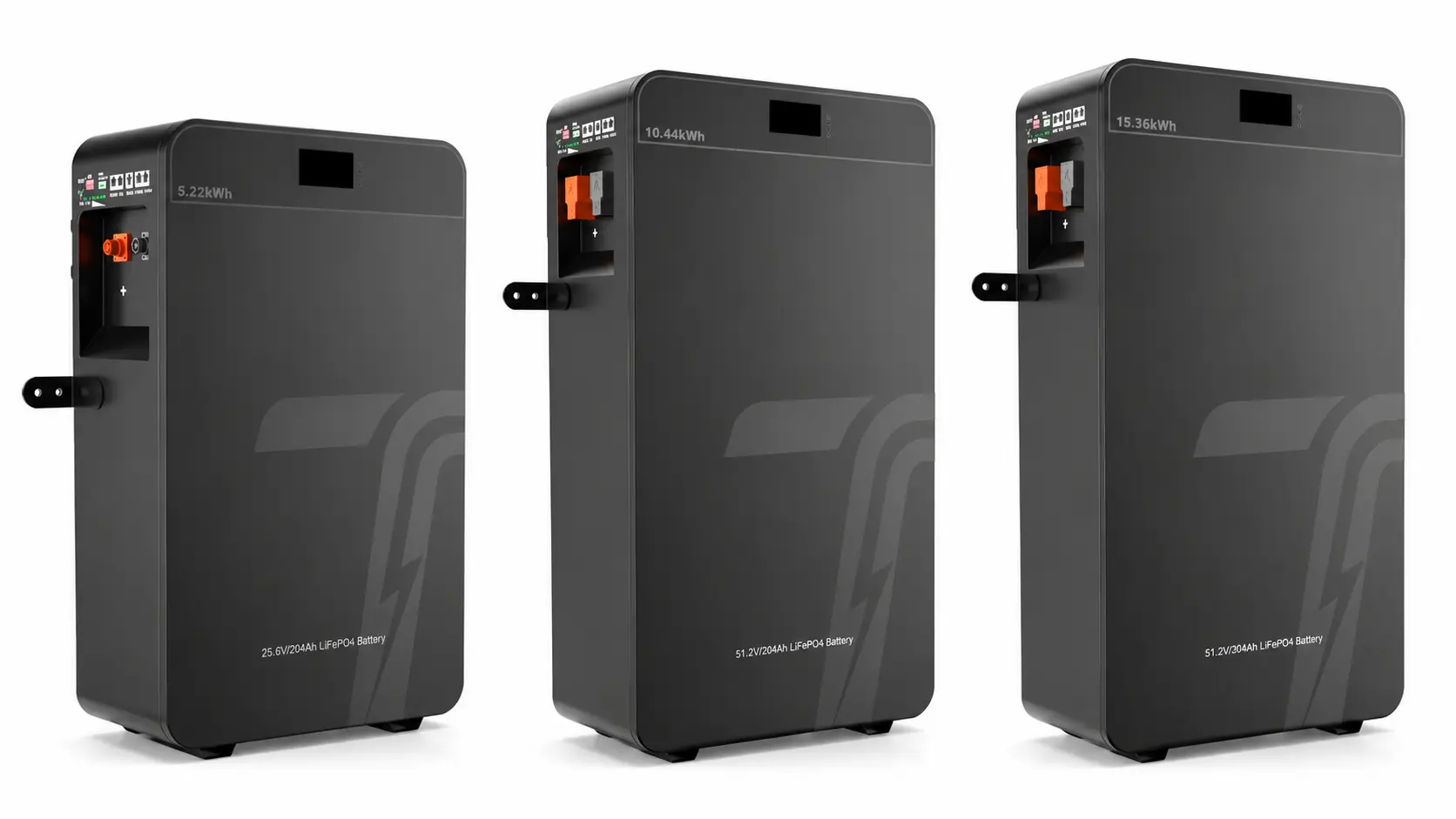
Sizing a home battery back-up system isn’t one-size-fits-all. It depends on home intake patterns, interruption threat, and spending plan. Using data from Tursan’s Website, we analyzed normal power use profiles in high power expense areas to advise system abilities.
| Household Size | Typical Daily Consumption (kWh) | Advised Battery Capacity (kWh) | Recommended Tursan Version |
|---|---|---|---|
| 1-2 individuals | 8-12 | 3-5 | 24V200ah – 5.22 kWh |
| 3-4 individuals | 15-20 | 7-10 | 48V200ah – 10.44 kWh |
| 5+ individuals | 25-35 | 15-20 | 48V300ah – 15.36 kWh |
This table reflects an equilibrium in between expense and back-up period. For example, a little family members could select the 5.22 kWh battery, sufficient to cover important loads during a power outage or height pricing hours. Bigger families or those with higher power needs can scale approximately 15kWh or even more.
Tursan additionally offers stacked battery options like the 5kW to 25kW solar stacked lithium batteries, suitable for incorporating with solar PV systems and scaling capacity modularly. This flexibility helps OEM partners tailor solutions for varied consumer requirements.
4. OEM Production Ability and Partnership Models.
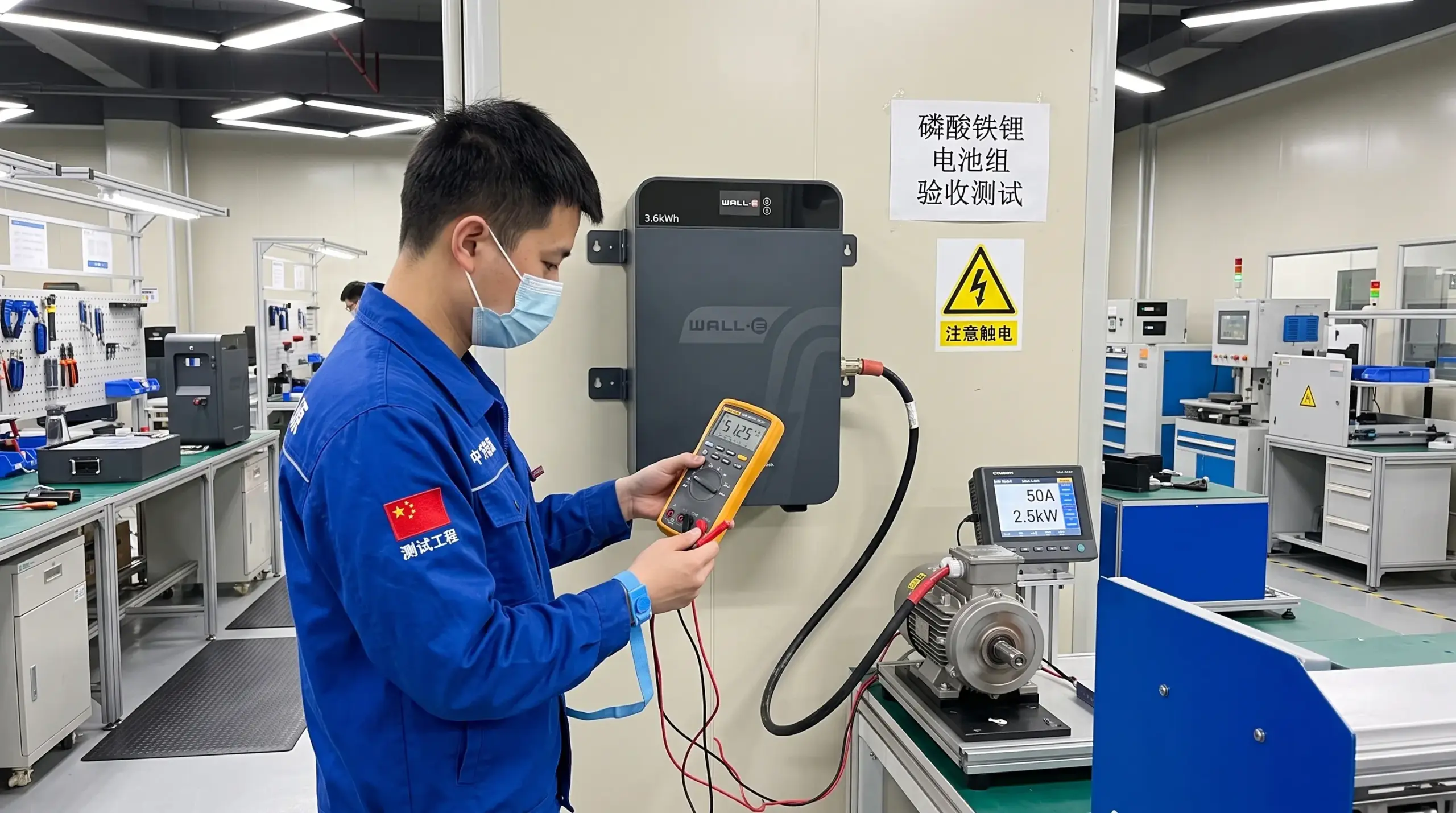
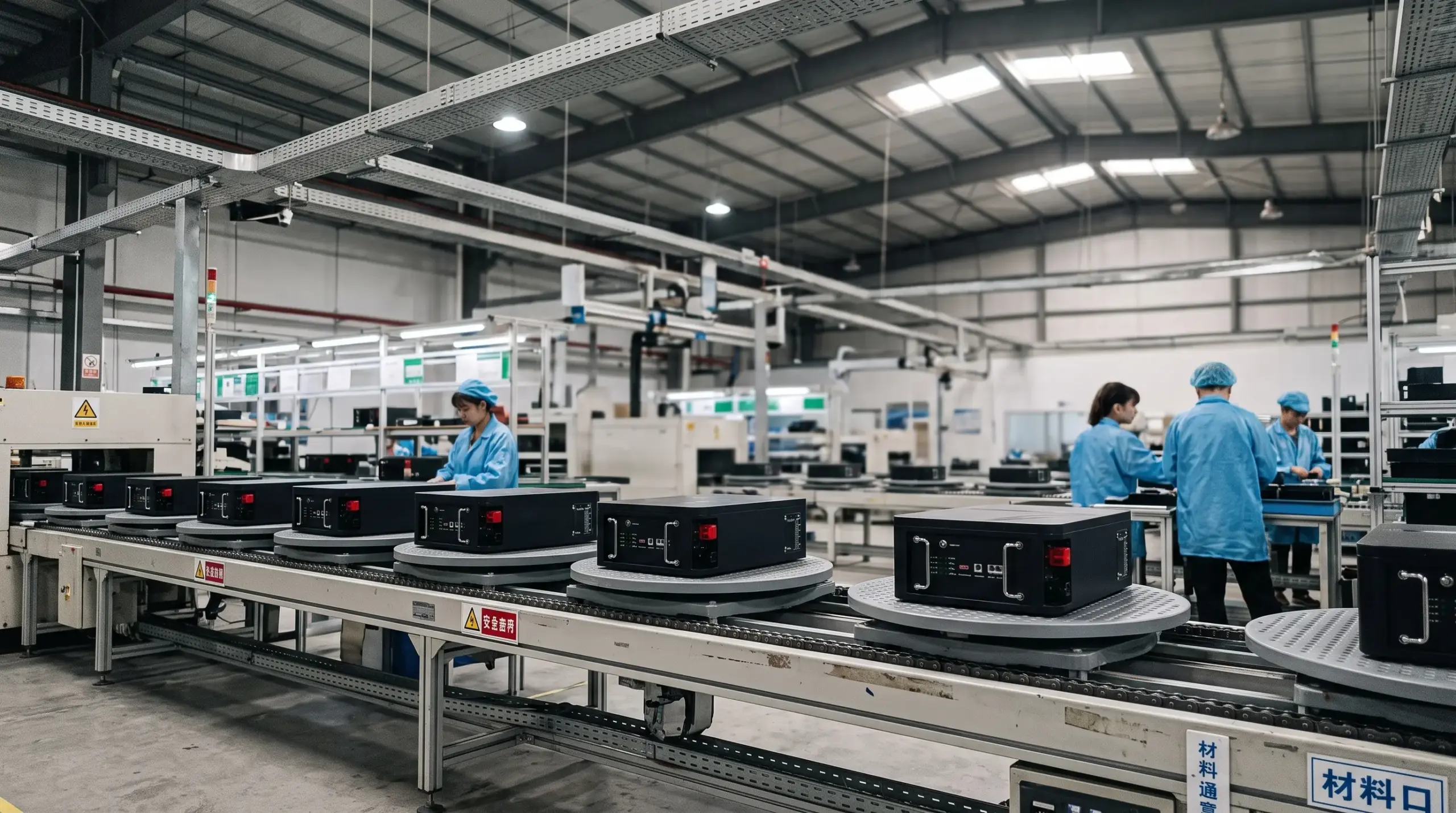
Tursan’s manufacturing prowess is a key asset for OEM clients. The factory boasts advanced assembly line with rigorous quality control protocols, making certain consistent battery performance and safety. From cell setting up to final system integration, every action follows ISO criteria and industry finest practices.
OEM partners take advantage of:.
- Personalized Style: Customized battery packs and rooms to fit specific form factors or branding.
- Flexible Quantity: From little pilot goes to large manufacturing, Tursan adapts to customer requirements.
- Garanzia di qualità: Extensive testing including cycle life, thermal security, and safety and security certifications.
- After-Sales Assistance: Technical training, warranty monitoring, and spare components supply.
This collaborative strategy means OEMs can concentrate on market development and customer service while relying upon Tursan’s manufacturing backbone. For instance, a European representative just recently partnered with Tursan to establish a 10kWh home backup system tailored for cold environments, including improved thermal management.
5. Renewable Resource Combination and System Architecture.
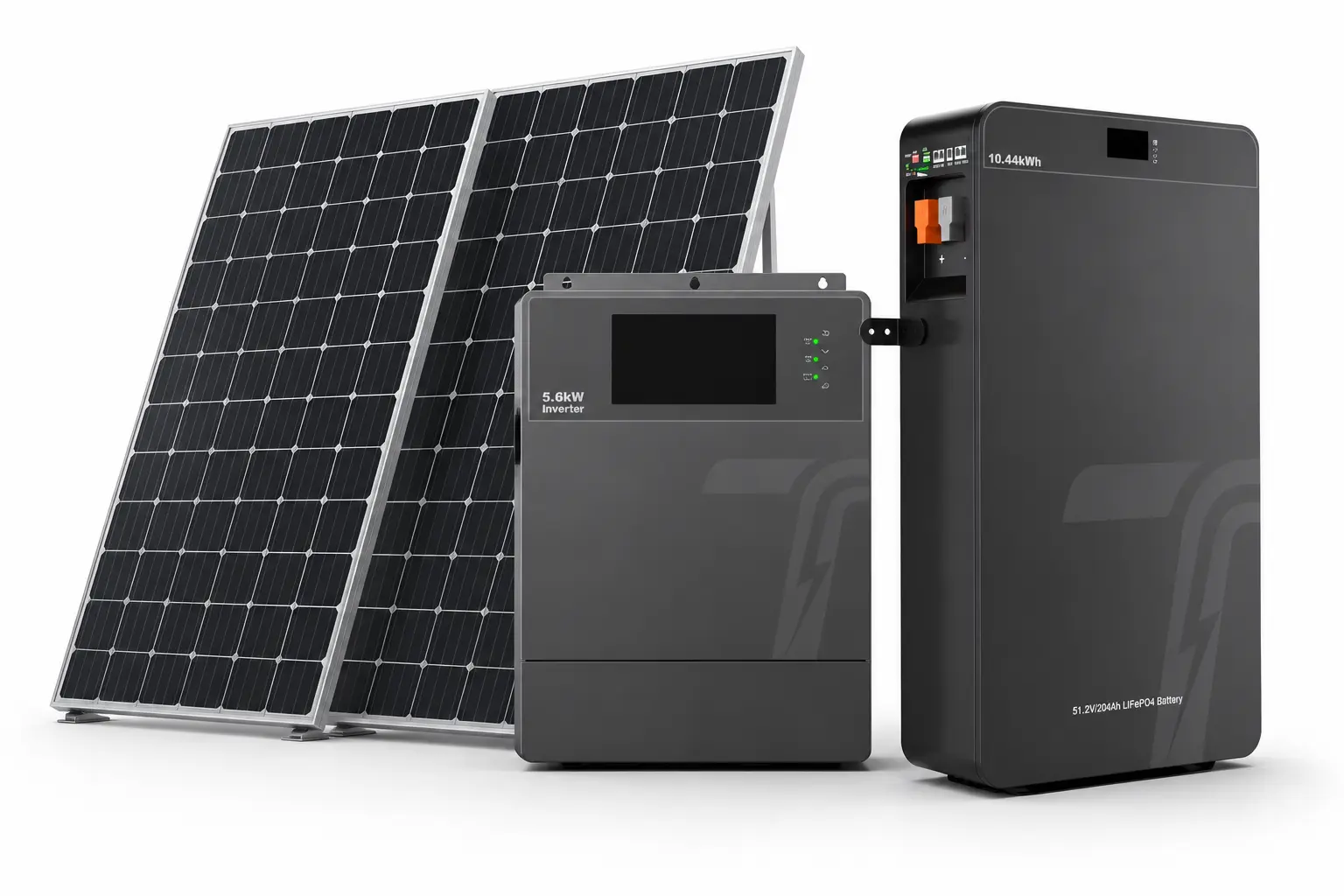
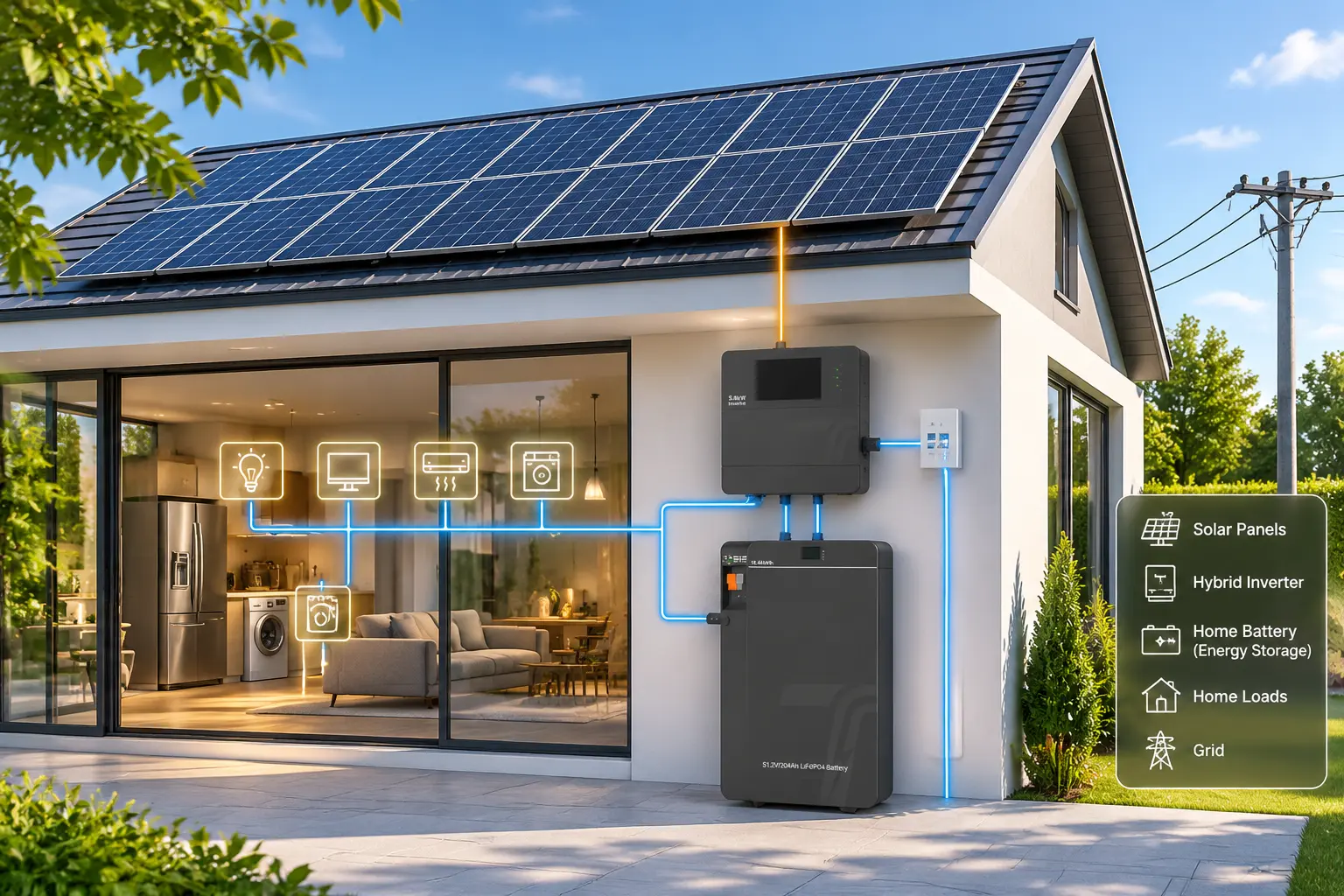
The future of home energy storage space lies in seamless integration with renewables, particularly solar. Battery backup systems that can save excess solar generation and dispatch it throughout peak demand or failures make best use of energy freedom and expense financial savings.
Tursan’s systems sustain hybrid architectures incorporating battery storage, solar inverters, and smart energy monitoring. Their 6kW pure sine wave crossbreed inverters allow smooth changing between grid, solar, and battery power, optimizing energy circulation.
Smart administration attributes consist of:.
- Tons Shifting: Charging batteries throughout off-peak hours or excess solar production.
- Backup Prioritization: Instantly powering essential tons during failures.
- Remote Surveillance: Real-time system condition and efficiency analytics using mobile apps.
For instance, a home owner in Germany mounted a 15kW solar piled lithium battery system paired with Tursan’s hybrid inverter. This configuration reduced grid usage by 60% and offered reputable back-up during frequent grid interruptions.
Check out Tursan’s hybrid inverter choices below: 6kW Crossbreed Inverter.
6. Market Competitors and Development Opportunities
The European and U.S. markets are competitive, with major players like Tesla Powerwall, LG Chem, and Sonnen dominating. Nevertheless, gaps continue to be, especially for OEMs supplying adjustable, cost-efficient options customized to local market subtleties.
Tursan’s side lies in:
- Cost-Performance Proportion: Leveraging BYD LiFePO4 cells and effective production to use affordable rates.
- Personalizzazione: Adaptable system style and OEM collaboration designs.
- Eco-friendly Assimilation: Ready-to-deploy hybrid systems for solar and other renewables.
- Scalabilità: From portable power plant to large home back-up systems.
Arising trends like raising grid instability, climbing electricity costs, and stricter energy plans produce fertile ground for development. OEMs that can supply trusted, risk-free, and budget friendly home battery back-up systems will certainly find enough possibilities.
Real-World Study: Tursan’s Portable Power Stations in Action.
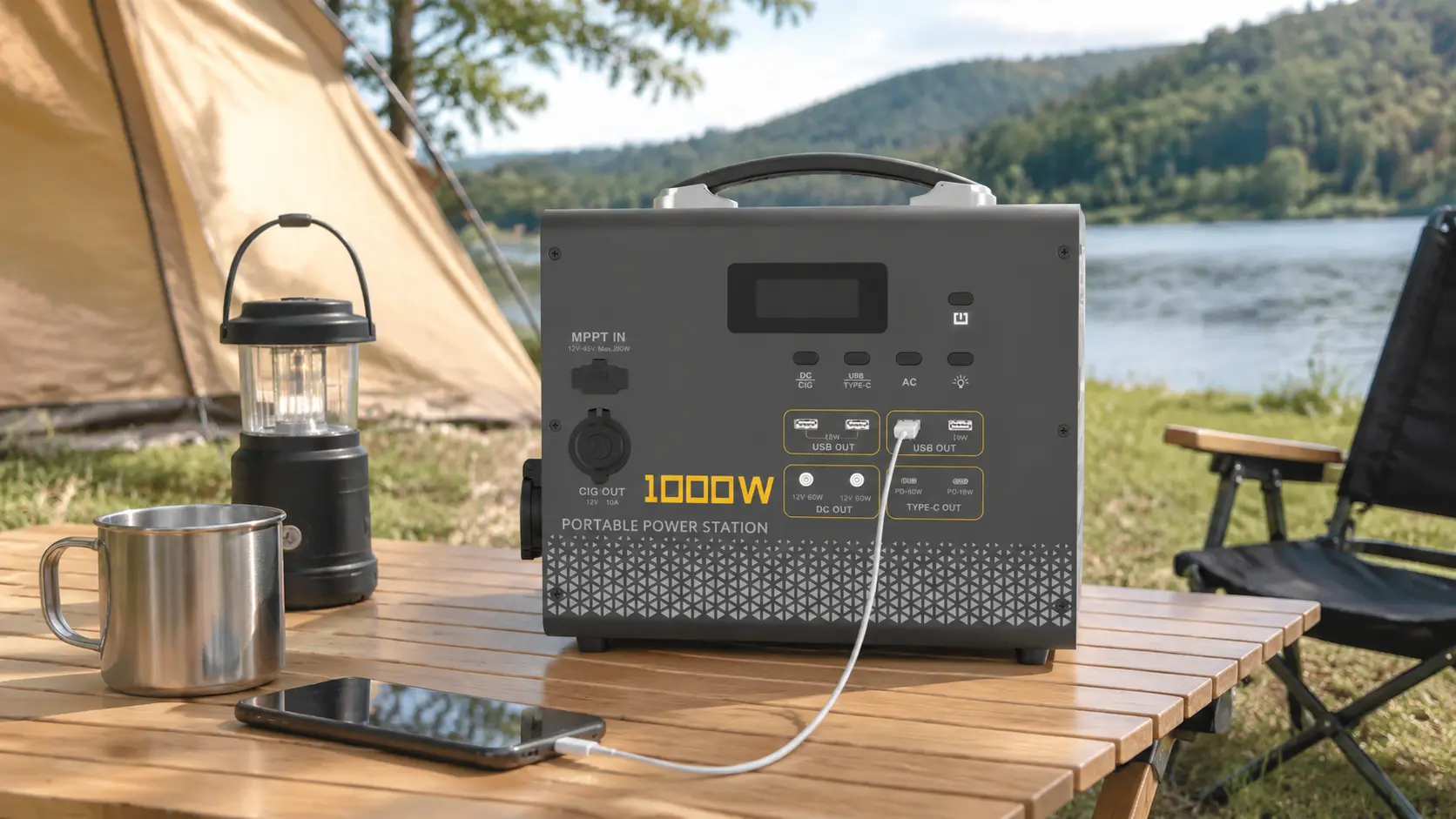
Beyond home backup, Tursan’s mobile power plant have actually gained traction in emergency readiness and exterior circumstances. Their plastic and sheet steel designs vary from 300W to 3600W, satisfying various power needs.
As an example, a household in California made use of the 1000W Portable Power Station during wildfire-related blackouts. It powered vital tools and kept their home security system running. The portable style and trustworthy battery chemistry made it a sensible remedy.
Have a look at the 1000W design right here: 1000W Portable Power Plant.
Domande frequenti
Why consider a home battery in a high electricity cost region?
A battery can store energy during off-peak hours or periods of excess solar generation, then supply household loads during peak pricing or outages. The article highlights time-of-use pricing, backup power and solar integration as key reasons for demand.
How should an OEM partner choose battery capacity?
Start with household consumption patterns, essential backup loads, outage risk and budget. The comparison table suggests 3-5 kWh for 1-2 individuals, 7-10 kWh for 3-4 individuals and 15-20 kWh for households with 5 or more individuals.
What are the LiFePO4 advantages discussed in this article?
The article identifies thermal stability, long cycle life, lower maintenance and reduced use of toxic materials as advantages of LiFePO4 chemistry. It describes Tursan’s home backup range as using BYD LiFePO4 cells.
What OEM support and solar integration options are described?
The article describes customized battery packs and enclosures, flexible production quantities, testing, technical training and after-sales support. Its solar integration options include modular stacked batteries, 6kW hybrid inverters and smart energy management.
Conclusion.
If you’re looking to burglarize or increase in the high power price regions of Europe and the U.S., partnering with an OEM like Tursan uses a strong path. Their competence in BYD LiFePO4 battery modern technology, adaptable manufacturing, and eco-friendly assimilation placements them well to fulfill developing market demands.
Whether you’re targeting small homes or big homes, Tursan’s item array– from small portable power stations to scalable home backup batteries– gives the foundation for tailored energy solutions. The mix of safety, long life, and price performance addresses key customer pain points, while clever system design opens new service possibilities.
Check out Tursan’s complete product lineup and OEM solutions at https://tursan-pps.com/ and see how you can bring trusted, economical home battery backup systems to your market.