 తెలుగు
  English
  العربية
  日本語
日本語  한국어
한국어  Tiếng Việt
  ไทย
ไทย  Bahasa Melayu
  فارسی
فارسی  Bahasa Indonesia
  ဗမာစာ
ဗမာစာ  简体中文
简体中文  香港中文
香港中文  繁體中文
繁體中文  Русский
  Deutsch
  Nederlands
  Italiano
  Français
  Español
  Português
  Afrikaans
  Azərbaycan dili
  Български
  ਪੰਜਾਬੀ
  हिन्दी
  اردو
اردو  বাংলা
বাংলা  Հայերեն
  Íslenska
  Қазақ тілі
  नेपाली
  Српски језик
  Kiswahili
  Basa Jawa
  தமிழ்
தமிழ்  मराठी
मराठी మైక్రోవేవ్ ఎంత ఆంప్స్ ఉపయోగిస్తుంది?
మైక్రోవేవ్ ఆంప్స్ ను ఒకసారి చూడండి
మైక్రోవేవ్ యొక్క ఇన్పుట్ పవర్ అంచనా వేసిన దానికంటే ఎక్కువగా ఉంటే, అది బ్రేకర్ను ట్రిప్ చేయగలదు, పోర్టబుల్ పవర్ స్టేషన్ను ఓవర్లోడ్ చేయగలదు, లేదా ఇన్వర్టర్పై ఒత్తిడి చేయగలదు సాధారణ, 120V గృహ సర్క్యూట్ పైగా, ఎక్కువగా 5 నుండి 12.5 ఆంప్స్ పెద్ద బిల్ట్-ఇన్ మోడల్స్ సుమారు.
15 ఆంప్స్ మైక్రోవేవ్ ఎంత ఆంప్స్ ఉపయోగిస్తుంది?
| ఈ త్వరిత అంచనాను ఉపయోగించండి: | మైక్రోవేవ్ ఇన్పుట్ పవర్ | అంచనా వేసిన ఆంప్స్ 120V వద్ద |
|---|---|---|
| 600W | సాధారణ పరిమాణం | 5 ఆంప్స్ |
| 700W | కాంపాక్ట్ | 5 ఆంప్స్ |
| 900వా | 7.5 అంప్స్ | చిన్న నుండి మధ్యస్థాయి |
| 1,000W | 8.3 అంప్స్ | మధ్యస్థాయి |
| 1,100W | 9.2 అంప్స్ | మధ్యస్థాయి |
| 1,200వా | 10 అంప్స్ | పూర్తి పరిమాణం |
| 1,500W | 12.5 అంప్స్ | పెద్ద లేదా బిల్ట్-ఇన్ |
ప్లానింగ్ నియమం: ఈ అంకెలు మైక్రోవేవ్ యొక్క ఇన్పుట్ వాట్జ్, ఇది ఎలక్ట్రిసిటీని అవుట్లెట్ నుండి తీసుకుంటుంది. వండడం వాట్జ్ తక్కువగా ఉండవచ్చు, కాబట్టి సర్క్యూట్, ఇన్వర్టర్, లేదా పోర్టబుల్ పవర్ స్టేషన్ను సైజ్ చేయడంలో హెడ్రూమ్ ఉంచండి.
మైక్రోవేవ్ పరిమాణం ఎలక్ట్రికల్ డ్రా పై ప్రభావం చూపిస్తుంది ఎందుకంటే పెద్ద యూనిట్ సాధారణంగా మరింత శక్తివంతమైన మ్యాగ్నెట్రాన్, ఫ్యాన్, టర్న్టేబుల్ మోటార్, కంట్రోల్ సిస్టమ్, మరియు అంతర్గత లైటును కలిగి ఉంటుంది. అధిక వండడం శక్తి సాధారణంగా అధిక ఇన్పుట్ పవర్ను సూచిస్తుంది, కాబట్టి సర్క్యూట్, ఇన్వర్టర్, లేదా పోర్టబుల్ పవర్ స్టేషన్ను సైజ్ చేయడానికి ముందు ఎప్పుడూ పరికరం రేటింగ్ లేబుల్ను తనిఖీ చేయండి.
మైక్రోవేవ్ అంప్స్ ఎలా లెక్కించాలి
లేదా ఎన్ని అంప్స్ ఉపయోగిస్తుందో, ఈ సాదా ఫార్ములాను ఉపయోగించండి:
సాధారణ 120V గృహ అవుట్లెట్ కోసం, మైక్రోవేవ్ యొక్క ఇన్పుట్ వాట్జ్ 120తో భాగించండి. అత్యంత ఖచ్చితమైన ఫలితానికి, వంట వాట్స్ కాదు—ఇన్పుట్ వాట్స్ ఉపయోగించండి.
| ఈ త్వరిత అంచనాను ఉపయోగించండి: | వోల్టేజ్ | అంచనా డ్రా |
|---|---|---|
| 900వా | 120V | 7.5 అంప్స్ |
| 1,100W | 120V | 9.2 అంప్స్ |
| 1,300W | 120V | 10.8 అంప్స్ |
| 1,500W | 120V | 12.5 అంప్స్ |
మైక్రోవేవ్ యొక్క రేటింగ్ లేబుల్పై ఇన్పుట్ వాటేజ్ను కనుగొనండి, సాధారణంగా తలుపు ఫ్రేమ్లో, వెనుక ప్యానెల్పై, లేదా యూనిట్ క్రింద. ఇది యజమాని మాన్యువల్ లేదా ఉత్పత్తి స్పెసిఫికేషన్లలో కూడా కనిపించవచ్చు. లేబుల్లో వోల్ట్స్, హర్ట్జ్, వాట్స్, అంప్స్ లిస్టవుంటాయి.
ఆర్డర్, జనరేటర్లు, ఇన్వర్టర్లు, మరియు ఆఫ్-గ్రిడ్ సెటప్ల కోసం, వాస్తవ అవుట్పుట్ వోల్టేజ్ను ఉపయోగించండి. తక్కువ వోల్టేజ్ అదే లోడ్ కోసం అంప్స్ డ్రా పెంచుతుంది. ఉదాహరణకు, 110V వద్ద నడిచే 1,300W మైక్రోవేవ్ 120V వద్ద 10.8 అంప్స్ కంటే సుమారు 11.8 అంప్స్ డ్రా చేస్తుంది.
వాస్తవ విద్యుత్ డ్రా వోల్టేజ్ మార్పులు, మ్యాగ్నెట్రాన్ సైక్లింగ్, మరియు ఇన్వర్టర్ సామర్థ్యంతో కొంచెం మారవచ్చు. బ్యాకప్ పవర్ను సైజ్ చేయడంలో, సాధారణ ఆపరేటింగ్ మార్పులు మరియు స్టార్ట్-అప్ డిమాండ్ను నిర్వహించడానికి లేబుల్పై ఇన్పుట్ వాట్వ్యాట్కు పై భాగంలో గది ఉంచండి.
వంట వాటేజ్ vs. ఇన్పుట్ వాటేజ్
గణన చేయడంలో ఎన్ని అంప్స్ ఉపయోగిస్తుందో, ఉపయోగించండి ఇన్పుట్ వాట్జ్, వంట వాటేజ్ కాదు.
వంట వాటేజ్ అనేది ఆహారానికి అందించే శక్తి. ఇన్పుట్ వాటేజ్ అనేది మైక్రోవేవ్ వాల్ అవుట్లెట్ నుండి తీసుకునే విద్యుత్. తేడా మ్యాగ్నెట్రాన్ శక్తి డ్రా, కూలింగ్ ఫ్యాన్లు, నియంత్రణలు, మరియు సాధారణ శక్తి నష్టాల నుండి వస్తుంది.
| మైక్రోవేవ్ వంట శక్తి | వాల్ నుండి సాధారణ ఇన్పుట్ శక్తి | సుమారు. డ్రా 120V వద్ద |
|---|---|---|
| 700W | 1,000W–1,200W | 8.3–10 అంప్స్ |
| 1,000W | 1,400W–1,600W | 11.7–13.3 అంప్స్ |
| 1,200వా | 1,600W+ | 13.3+ అంప్స్ |
లేబుల్ చేసిన మైక్రోవేవ్ 1,000W అందువలన సుమారు డ్రా చేయగలదు 1,400W నుండి 1,600W వరకు వేడి చేయడంలో. సర్క్యూట్, ఇన్వర్టర్, లేదా బ్యాటరీ సిస్టమ్ను 1,000W వంట ఫిగర్ మాత్రమే ఆధారంగా సైజ్ చేయడం చాలా తక్కువ సామర్థ్యాన్ని ఉత్పత్తి చేసి, ఓవర్లోడ్ షట్డౌన్లు లేదా సర్క్యూట్ బ్రేకర్ ట్రిప్పింగ్కు కారణం అవుతుంది.
పరికర రేటింగ్ లేబుల్, యజమాని మాన్యువల్, లేదా తయారీదారు స్పెసిఫికేషన్లలో “ఇన్పుట్ పవర్,” “రేటెడ్ ఇన్పుట్,” లేదా లిస్టెడ్ అంప్స్ కోసం తనిఖీ చేయండి. ఇది పోర్టబుల్ పవర్ స్టేషన్, ఆర్వీ ఇన్వర్టర్, లేదా హోమ్ బ్యాటరీ బ్యాకప్ సిస్టమ్ కోసం ఉపయోగించాల్సిన సంఖ్య.
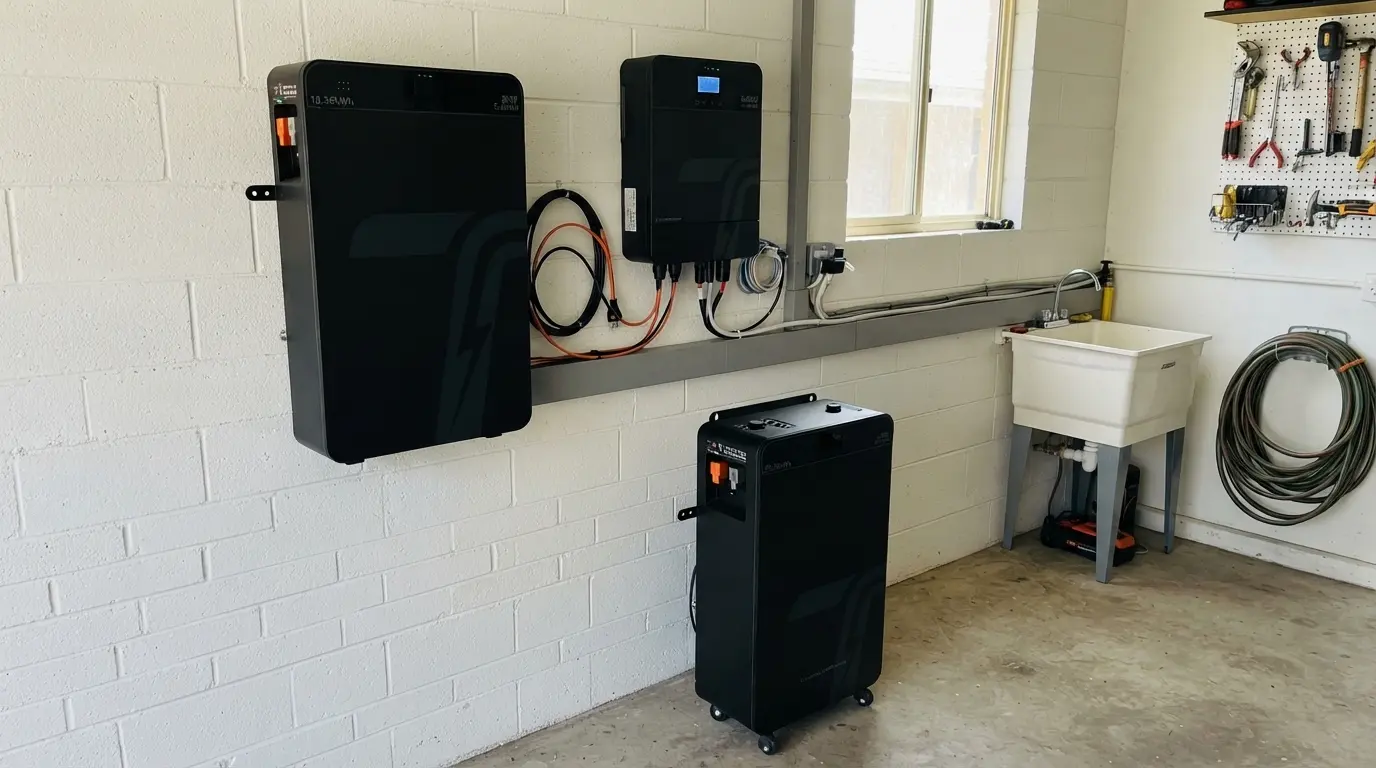
ఆఫ్-గ్రిడ్ ఉపయోగం కోసం, మైక్రోవేవ్ యొక్క ఇన్పుట్ వాట్స్ పై తగినంత నిరంతర ఉత్పత్తిని కలిగిన సిస్టమ్ను ఎంచుకోండి. ఒక స్వచ్ఛమైన సైన్ వేవ్ ఇన్వర్టర్ అది కూడా ముఖ్యం ఎందుకంటే ఇది మైక్రోవేవ్ ఎలక్ట్రానిక్స్ కోసం శుభ్రమైన ఏసీ పవర్ను అందిస్తుంది మరియు మ్యాగ్నెట్రాన్ సాధారణంగా పనిచేయడంలో సహాయపడుతుంది. Tursan పోర్టబుల్ పవర్ స్టేషన్లు శుద్ధ సైన్ వేవ్ అవుట్పుట్ మరియు LiFePO4 బ్యాటరీ టెక్నాలజీని అధిక డ్రా పరికరాల కోసం ఉపయోగిస్తాయి.
మైక్రోవేవ్ సర్క్యూట్ అవసరాలు: 15-అంప్ vs. 20-అంప్
ఒక మైక్రోవేవ్ 15-అంప్, 120V సర్క్యూట్పై నడవగలదు అది నిజమైన ఇన్పుట్ లోడ్ మరియు ఆ సర్క్యూట్పై ఉన్న అన్ని ఇతర లోడ్లు బ్రేకర్ పరిమితిని దిగువగా ఉంచినప్పుడు. అయితే, భాగస్వామ్య 15-అంప్ వంటగది సర్క్యూట్ త్వరగా ఓవర్లోడ్ అవుతుంది.
నిరంతర దినచర్య ఉపయోగం కోసం, ముఖ్యంగా బిల్ట్-ఇన్ లేదా ఓవర్-ది-రేంజ్ మోడల్స్తో, ఒక అంకిత 20-అంప్ సర్క్యూట్ అది తరచుగా సురక్షితమైన సెటప్. ఎప్పుడూ మైక్రోవేవ్ తయారీదారుని లేబుల్ మరియు స్థానిక విద్యుత్ కోడ్ను అనుసరించండి.
| పరికరం లోడ్ | సాధారణ ఇన్పుట్ డ్రా | 15-అంప్ షేర్ చేయబడిన సర్క్యూట్ ప్రమాదం |
|---|---|---|
| కాంపాక్ట్ మైక్రోవేవ్ | సుమారు 600W–900W | మోస్తరు |
| స్టాండర్డ్ మైక్రోవేవ్ | సుమారు 1,200W–1,500W ఇన్పుట్ | ఇతర పరికరాలతో ఉన్నప్పుడు అధికం |
| టోస్టర్ | చాలా ఎక్కువ వాట్జ్ సాధారణంగా ఉంటుంది | అధిక |
| కాఫీ మేకర్ | చాలా ఎక్కువ వాట్జ్ సాధారణంగా ఉంటుంది | అధిక |
| ఎయిర్ ఫ్రైయర్ | చాలా ఎక్కువ వాట్జ్ సాధారణంగా ఉంటుంది | చాలా ఎక్కువ |
అడుగడుగునా వంటగదిలో బ్రేకర్లు ఎందుకు ట్రిప్ అవుతాయి
సర్క్యూట్ బ్రేకర్ ట్రిప్ అవ్వడం అనేది పరికరాల మొత్తం లోడ్ సర్క్యూట్ సామర్థ్యాన్ని మించిపోవడం వల్ల జరుగుతుంది. మైక్రోవేవ్ ఇప్పటికే దాని ఇన్పుట్ వాట్జ్ ఆధారంగా సుమారు 10 నుండి 13 అంప్స్ ఉపయోగించవచ్చు. టోస్టర్, కేటిల్, కాఫీ మేకర్ లేదా ఎయిర్ ఫ్రైయర్ జోడించండి, మొత్తం కొన్ని సెకన్లలో 15-అంప్ బ్రేకర్ను మించవచ్చు.
ప్రయోజనకర నియమం: మైక్రోవేవ్ను మాత్రమే నడపండి, అది కిచెన్ కౌంటర్ సర్క్యూట్ను భాగంగా ఉన్నప్పుడు. దాని వంట వాట్జ్ను దాని విద్యుత్ డ్రా అని అనుకోకండి; అంప్స్ లెక్కించేటప్పుడు రేటింగ్ లేబుల్上的 ఇన్పుట్ వాట్స్ను ఉపయోగించండి.
బిల్ట్-ఇన్ మరియు ఓవర్-ది-రేంజ్ మైక్రోవేవ్లు
బిల్ట్-ఇన్ మరియు ఓవర్-ది-రేంజ్ యూనిట్లు సాధారణంగా శాశ్వత వంటగది పరికరాలుగా పనిచేస్తాయి, కాబట్టి అవి సరైన పరిమాణ సర్క్యూట్ మరియు గ్రౌండెడ్ అవుట్లెట్ కలిగి ఉండాలి. వారి ఫ్యాన్, లైట్, మరియు మైక్రోవేవ్ ఫంక్షన్లు మొత్తం విద్యుత్ లోడును పెంచవచ్చు. ప్రత్యేక 20-అంప్ సర్క్యూట్ మరింత ఆపరేటింగ్ మార్జిన్ను అందిస్తుంది మరియు సాధారణ వంటకాల సమయంలో అనవసర ట్రిప్స్ను నివారించడంలో సహాయపడుతుంది.
అన్ని సందర్భాల్లో కాల్ చేయండి:
- మైక్రోవేవ్ ఒక్కటే నడుస్తున్నప్పుడు బ్రేకర్ తిరిగి ట్రిప్ అవుతుంది.
- అవుట్లెట్, ప్లగ్, లేదా కేబుల్ వేడి అనిపిస్తుంది లేదా దెబ్బతిన్నట్లు కనిపిస్తుంది.
- కొత్త బిల్ట్-ఇన్ మైక్రోవేవ్ గత యూనిట్ కంటే ఎక్కువ ఇన్పుట్ వాట్జ్ కలిగి ఉంటుంది.
- మైక్రోవేవ్ అనేక వంటగది పరికరాలతో సర్క్యూట్ను భాగంగా ఉంచుతుంది.
- మీరు వంటగది వైర్లను అప్గ్రేడ్ చేయడం, హోమ్ బ్యాటరీ బ్యాకప్ సిస్టమ్ను జోడించడం, లేదా స్థిర ఇన్వర్టర్ కనెక్షన్ను ప్లాన్ చేయడం చేస్తున్నారు.
కీ టేక్వేయ్: మైక్రోవేవ్ ఎంత ఆంప్ ఉపయోగిస్తుందో దాని ఇన్పుట్ వాట్స్పై ఆధారపడి ఉంటుంది, కానీ సర్క్యూట్ సామర్థ్యం కూడా అంతే ముఖ్యం. 15-ఆంప్ సర్క్యూట్పై పనిచేసే మైక్రోవేవ్ మాత్రమే బ్రేకర్ను ట్రిప్ చేయకపోవచ్చు, అదే సమయంలో ఇతర అధిక-వాట్స్ వంటగది పరికరాలు పనిచేస్తున్నప్పుడు.
మైక్రోవేవ్ స్టార్టప్ సర్జ్ మరియు పీక్ పవర్ డిమాండ్
మైక్రోవేవ్ సాధారణ వంటకాల సమయంలో కంటే ప్రారంభంలో ఎక్కువ శక్తిని అవసరం కావచ్చు. ఈ తక్కువ కాలం పెరుగుదలని ఇండక్టివ్ స్టార్టప్ లోడ్. అని పిలుస్తారు. ఇది ట్రాన్స్ఫార్మర్ మరియు మాగ్నెట్రాన్ సిస్టమ్ వంటి భాగాల నుంచి వస్తుంది, అవి పనిచేయడం ప్రారంభించినప్పుడు.
పీక్ సర్జ్ వాట్జ్ సాధారణ ఇన్పుట్ వాట్జ్ను కొంతకాలం మించి ఉండవచ్చు. అందుకే, పేపర్పై పెద్దగా కనిపించే పవర్ సోర్స్ కూడా మైక్రోవేవ్ ప్రారంభంలో ఓవర్లోడ్ చేయడం లేదా ఆపేయడం జరుగుతుంది.
మనం పోర్టబుల్ పవర్ స్టేషన్, జనరేటర్, లేదా ఇన్వర్టర్ను సైజ్ చేస్తున్నప్పుడు, మైక్రోవేవ్ యొక్క ఇన్పుట్ వాట్స్, కేవలం దాని వంటకాల వాట్స్ మాత్రమే కాదు. ప్రారంభ డిమాండ్ కోసం కూడా ఇన్వర్టర్ హెడ్రూమ్ను మనం ఉంచుతాము.
- మైక్రోవేవ్ యొక్క రేటెడ్ ఇన్పుట్ వాట్జ్కు పైగా నిరంతర ఉత్పత్తి ఉన్న ఇన్వర్టర్ను ఎంచుకోండి.
- చిన్న ప్రారంభ పీక్లు మరియు ఇప్పటికే పనిచేస్తున్న ఇతర పరికరాల కోసం అదనపు సామర్థ్యాన్ని ఇవ్వండి.
- కెట్టిల్స్, ఎయిర్ ఫ్రైయర్స్, కాఫీ మేకర్స్, లేదా టోస్టర్ల వంటి అధిక-డ్రా లోడ్లతో మైక్రోవేవ్ను ఉపయోగించAvoid చేయండి.
నమ్మకమైన ఆపరేషన్ కోసం, ప్యూర్ సైన్ వేవ్ ఇన్వర్టర్ ముఖ్యం. ఇది శుభ్రంగా ఉండే AC శక్తిని తక్కువ అంతరాయం కలిగించడంతో మైక్రోవేవ్ను మరింత సులభంగా నడపగలదు. TURSAN పోర్టబుల్ పవర్ స్టేషన్లు ప్యూర్ సైన్ వేవ్ అవుట్పుట్ను ఉపయోగిస్తాయి మరియు ప్రారంభ లోడ్ డిమాండ్ ఉన్న పరికరాల కోసం అధిక ఉత్పత్తి ఎంపికలలో అందుబాటులో ఉన్నాయి.
పవర్ స్టేషన్ యొక్క ప్రకటన చేసిన వాట్జ్ రేటింగ్ సరిపోతే కూడా, దాని AC అవుట్పుట్ పరిమితి, సర్జ్ సామర్థ్యం, బ్యాటరీ రక్షణ వ్యవస్థ లేదా మిగిలిన బ్యాటరీ సామర్థ్యం పీక్ను మద్దతు ఇవ్వలేకపోతే, అది ఆపేయవచ్చు. ప్రాక్టికల్ బ్యాకప్ ప్లానింగ్ కోసం, నిరంతర AC వాట్స్, మద్దతు ఇచ్చే పీక్ లోడ్, మరియు బ్యాటరీ సామర్థ్యాన్ని పోల్చండి — హెడ్లైన్ వాట్ సంఖ్య మాత్రమే కాదు.
పోర్టబుల్ పవర్ స్టేషన్తో మైక్రోవేవ్ను నడపడం
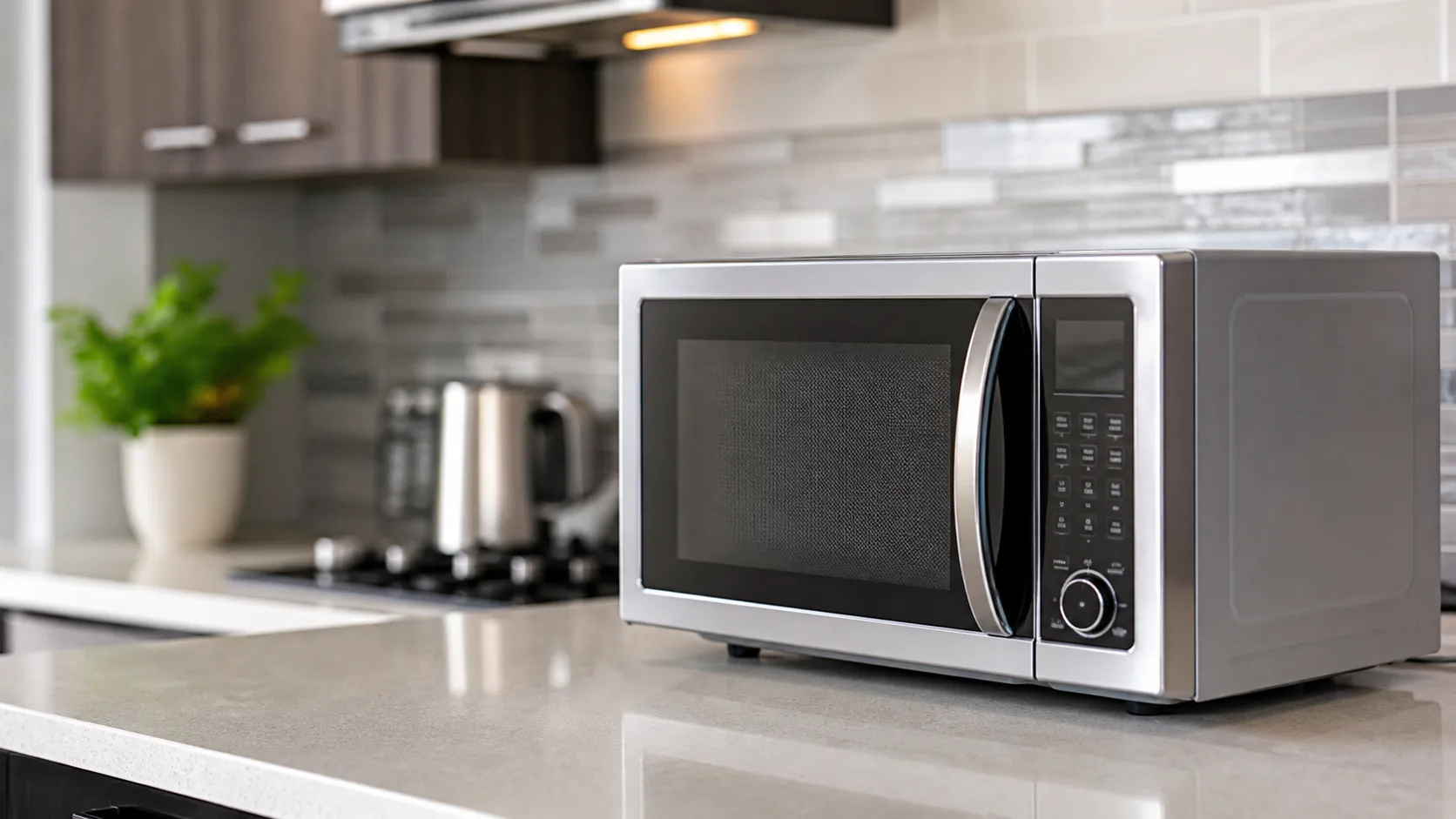
ఎ పోర్టబుల్ పవర్ స్టేషన్ కోసం మైక్రోవేవ్ మైక్రోవేవ్ యొక్క ఇన్పుట్ వాట్జ్, కేవలం దాని వంట వత్తిడి మాత్రమే కాదు. మొదటగా పరికరం రేటింగ్ లేబుల్ను తనిఖీ చేయండి, ఆపై ఆ రేటింగ్ను దాటే AC అవుట్పుట్ రేటింగ్ను ఎంచుకోండి, ప్రారంభ డిమాండ్ కోసం స్థలం ఉంచండి.
| మైక్రోవేవ్ వంట శక్తి | శక్తి స్టేషన్ మార్గదర్శకం | TURSAN ఎంపిక పరిధి |
|---|---|---|
| 700W కాంపాక్ట్ మైక్రోవేవ్ | ఇన్పుట్ వాట్స్ నిరంతర AC అవుట్పుట్లో సరిపోవాలి | 1000W లేదా 2000W పోర్టబుల్ శక్తి స్టేషన్ |
| 1,000W మైక్రోవేవ్ | అक्सर గోడ నుండి సుమారు 1,200W–1,500W తీసుకుంటుంది | 2400W పోర్టబుల్ పవర్ స్టేషన్ |
| 1,200W మైక్రోవేవ్ | ఇన్పుట్ డ్రా వంట అవుట్పుట్ కంటే ఎక్కువ; లేబుల్ను తనిఖీ చేయండి | 2400W లేదా 3600W పోర్టబుల్ పవర్ స్టేషన్ |
మైక్రోవేవ్ యొక్క నమోదు చేసిన ఇన్పుట్ వాట్స్ పై అదనపు ఇన్వర్టర్ హెడ్రూమ్ను అనుమతించమని మేము సిఫార్సు చేస్తున్నాము. మైక్రోవేవ్ సాధారణ రన్ డిమాండ్ కంటే ఎక్కువ ప్రారంభ లోడ్ ఉండవచ్చు, అందువల్ల శక్తి స్టేషన్ దాని AC అవుట్పుట్ రేటింగ్ పరికరం లోడ్కు చాలా దగ్గరగా ఉంటే ఆపేయవచ్చు.
ఈ మూడు రేటింగ్స్ను తనిఖీ చేయండి
- నిరంతర AC అవుట్పుట్: మైక్రోవేవ్ యొక్క ఇన్పుట్ వాట్స్ను దాటాలి.
- ప్రారంభ సామర్థ్యం: వంట ప్రారంభం సమయంలో తక్కువకాలిక శిఖర డిమాండ్ను నిర్వహించాలి.
- బ్యాటరీ సామర్థ్యం: స్టేషన్ ఎంత నిమిషాల పాటు వంట చేయగలదో నిర్ణయిస్తుంది.
TURSAN పోర్టబుల్ పవర్ స్టేషన్లు ఉపయోగిస్తాయి స్వచ్ఛమైన సైన్ వేవ్ ఇన్వర్టర్, ఇది తక్కువ శబ్దం మరియు తక్కువ అంతరాయం కలిగిన స్మూత్ AC శక్తిని అందిస్తుంది. ఇది మైక్రోవేవ్ ఎలక్ట్రానిక్స్ కోసం ముఖ్యమైనది మరియు పరికరం తక్కువ-గుణాత్మక మార్పిడి-తరంగ శక్తిపై ఎక్కువ స్థిరత్వంతో పనిచేయడంలో సహాయపడుతుంది.
అంటే సౌర జనరేటర్ AC అవుట్పుట్ చాలా తక్కువగా ఉంటే, ప్రారంభ డిమాండ్ దాని పరిమితిని మించితే, బ్యాటరీ తక్కువగా ఉంటే, లేదా మైక్రోవేవ్ యొక్క వాస్తవ గోడ ఇన్పుట్ను దాని వంట శక్తి రేటింగ్గా తప్పుగా గుర్తిస్తే, అది మైక్రోవేవ్ను నడపకపోవచ్చు. బ్యాకప్ ప్లానింగ్ కోసం, ఈ గైడ్లో పోర్టబుల్ స్టేషన్లను UPS-శైలి శక్తి ఎంపికలతో పోల్చండి. పోర్టబుల్ పవర్ స్టేషన్ మరియు UPS తేడాలు.
కీ టేక్వేయ్: “ఎన్ని అంప్స్ మైక్రోవేవ్ ఉపయోగిస్తుంది” అనే ప్లానింగ్ కోసం, మైక్రోవేవ్ లేబుల్ ఇన్పుట్ వాట్స్ నుండి పోర్టబుల్ పవర్ స్టేషన్ను పరిమాణం చేయండి, తర్వాత ప్రారంభ డిమాండ్ కోసం ప్రాక్టికల్ అవుట్పుట్ హెడ్రూమ్ను జోడించండి.
మైక్రోవేవ్ బ్యాటరీ రన్టైమ్ మరియు అంప్-గంటల లెక్కలింపు
మైక్రోవేవ్ శక్తిని త్వరగా ఉపయోగిస్తుంది ఎందుకంటే దాని ఇన్పుట్ వాటేజ్ ఎక్కువగా ఉంటుంది, తినే ఆహారాన్ని కొద్ది నిమిషాల పాటు వేడి చేయడానికైనా. సుమారు 1,400W గోడ నుంచి, బ్యాటరీ శక్తి సుమారుగా:
| వేడి సమయం | శక్తి ఉపయోగం |
|---|---|
| 5 నిమిషాలు | 117Wh |
| 10 నిమిషాలు | 233Wh |
| 15 నిమిషాలు | 350Wh |
ఈ అంకెలు ఇన్పుట్ వాటేజ్ను ఉపయోగిస్తాయి, వంట వాటేజ్ను కాదు. ఇది ముఖ్యమైనది when calculating ఎన్ని అంప్స్ మైక్రోవేవ్ ఉపయోగిస్తుంది బ్యాటరీ-పవర్ ఇన్వర్టర్ నుండి.
వాట్-గంటలను అంప్-గంటలుగా మార్చండి
ఈ సూత్రాన్ని ఉపయోగించండి:
1,400W వద్ద మైక్రోవేవ్ ఉపయోగం కోసం 10 నిమిషాల పాటు, లోడ్ సుమారు 233Wh:
- 12.8V బ్యాటరీ: సుమారు 18Ah
- 25.6V బ్యాటరీ: సుమారు 9Ah
- 51.2V బ్యాటరీ: సుమారు 4.5Ah
ఇన్వర్టర్ నష్టాలు మరియు బ్యాటరీ నిర్వహణ ఎయిర్ కండిషనర్ అవుట్లెట్లో అందుబాటులో ఉన్న శక్తిని తగ్గిస్తాయి. బ్యాటరీ యొక్క పూర్తి రేటెడ్ వాట్-గంటల చుట్టూ ప్లాన్ చేయకుండా అదనపు సామర్థ్యాన్ని నిర్మించండి.
పోర్టబుల్ బ్యాటరీ రన్టైమ్ అంచనాలు
కింద ఇచ్చిన పట్టికలో 1,400W సమీప మైక్రోవేవ్ ఇన్పుట్ లోడ్ అనుకుంటుంది. నిజమైన రన్టైమ్ ఇన్వర్టర్ నష్టాలు, బ్యాటరీ ఉష్ణోగ్రత, ప్రారంభ డిమాండ్లను పరిగణనలోకి తీసుకున్నప్పుడు తక్కువగా ఉంటుంది.
| బ్యాటరీ కెపాసిటీ | అంచనా నిరంతర మైక్రోవేవ్ రన్టైమ్ |
|---|---|
| 500Wh | సుమారు 20 నిమిషాలు |
| 1,000Wh | సుమారు 40 నిమిషాలు |
| 2,000W | సుమారు 80 నిమిషాలు |
| పెద్ద ఇంటి బ్యాటరీ సిస్టమ్ | ఉపయోగించగల బ్యాటరీ సామర్థ్యం మరియు ఇతర కనెక్ట్ చేసిన లోడ్లపై ఆధారపడి ఉంటుంది |
అధిక మైక్రోవేవ్ పనులు చిన్నవి. 1,000Wh శక్తి స్టేషన్ కొన్ని చిన్న రీహీట్ సైకిల్స్ను నిర్వహించగలదు, కానీ పునరావృత వంటలు దీన్ని ఆశించిన దానికంటే త్వరగా ఖాళీ చేస్తాయి.
LiFePO4 బ్యాటరీ పనితీరు
మా Tursan పోర్టబుల్ పవర్ స్టేషన్లు మరియు హోమ్ బ్యాటరీ సిస్టమ్లు స్థిరమైన LiFePO4 బ్యాటరీ సాంకేతికతను ఇంటెలిజెంట్ BMS తో పాటుగా ఉపయోగిస్తాయి, ఇది డిమాండ్ ఉన్న లోడ్లను నిర్వహించడానికి. ఈ కెమిస్ట్రీ సాధారణ ఉపకరణాల వాడకానికి బాగా సరిపోతుంది, 6,000+ సైకిల్ లైఫ్ మరియు వర్తించే బ్యాటరీ సిస్టమ్లలో ప్రామాణిక 5-సంవత్సరాల వారంటీతో.
తరచుగా మైక్రోవేవ్ వాడకం కోసం, ప్రాధాన్యత ఇవ్వండి:
- ప్యూర్ సైన్ వేవ్ ఇన్వర్టర్ అవుట్పుట్
- మైక్రోవేవ్ యొక్క అసలు ఇన్పుట్ వాట్స్ కంటే ఎక్కువ నిరంతర AC వాటేజ్
- ప్రారంభ డిమాండ్ కోసం తగినంత సర్జ్ హెడ్రూమ్
- మొత్తం రోజువారీ వంట సమయం కోసం బ్యాటరీ సామర్థ్యం
- ఇతర వంటగది లోడ్లను పవర్ చేసేటప్పుడు అధిక-సామర్థ్యం గల సిస్టమ్
పెద్ద బ్యాకప్ ప్రణాళిక కోసం, ఈ గైడ్లో కవర్ చేయబడిన అంశాలతో పాటు బ్యాటరీ సామర్థ్యం, ఇన్వర్టర్ అవుట్పుట్ మరియు సైకిల్ లైఫ్ను సరిపోల్చండి ఉత్తమ హోమ్ బ్యాటరీ బ్రాండ్లు.
బ్యాటరీ డ్రెయిన్ను తగ్గించండి
పోర్టబుల్ బ్యాటరీ శక్తిని ఆదా చేయడానికి ఆచరణాత్మక లోడ్ నిర్వహణను ఉపయోగించండి:
- ఆహారాన్ని ఎక్కువసేపు కాకుండా తక్కువ వ్యవధిలో వేడి చేయండి.
- ఒకేసారి కెటిల్, టోస్టర్, కాఫీ మేకర్ లేదా ఎయిర్ ఫ్రైయర్ను అమలు చేయడాన్ని నివారించండి.
- మైక్రోవేవ్ యొక్క రేటింగ్-లేబుల్ను ఉపయోగించండి ఇన్పుట్ వాట్స్ లెక్కల కోసం.
- పవర్ స్టేషన్ను ఛార్జ్ చేసి, దాని సిఫార్సు చేయబడిన ఆపరేటింగ్ పరిస్థితులలో ఉంచండి.
- తరచుగా వంట, కుటుంబ వాడకం లేదా అవుటేజ్ కవరేజ్ కోసం పెద్ద బ్యాటరీ సిస్టమ్ను ఎంచుకోండి.
RV మైక్రోవేవ్ ఎలక్ట్రికల్ డ్రా
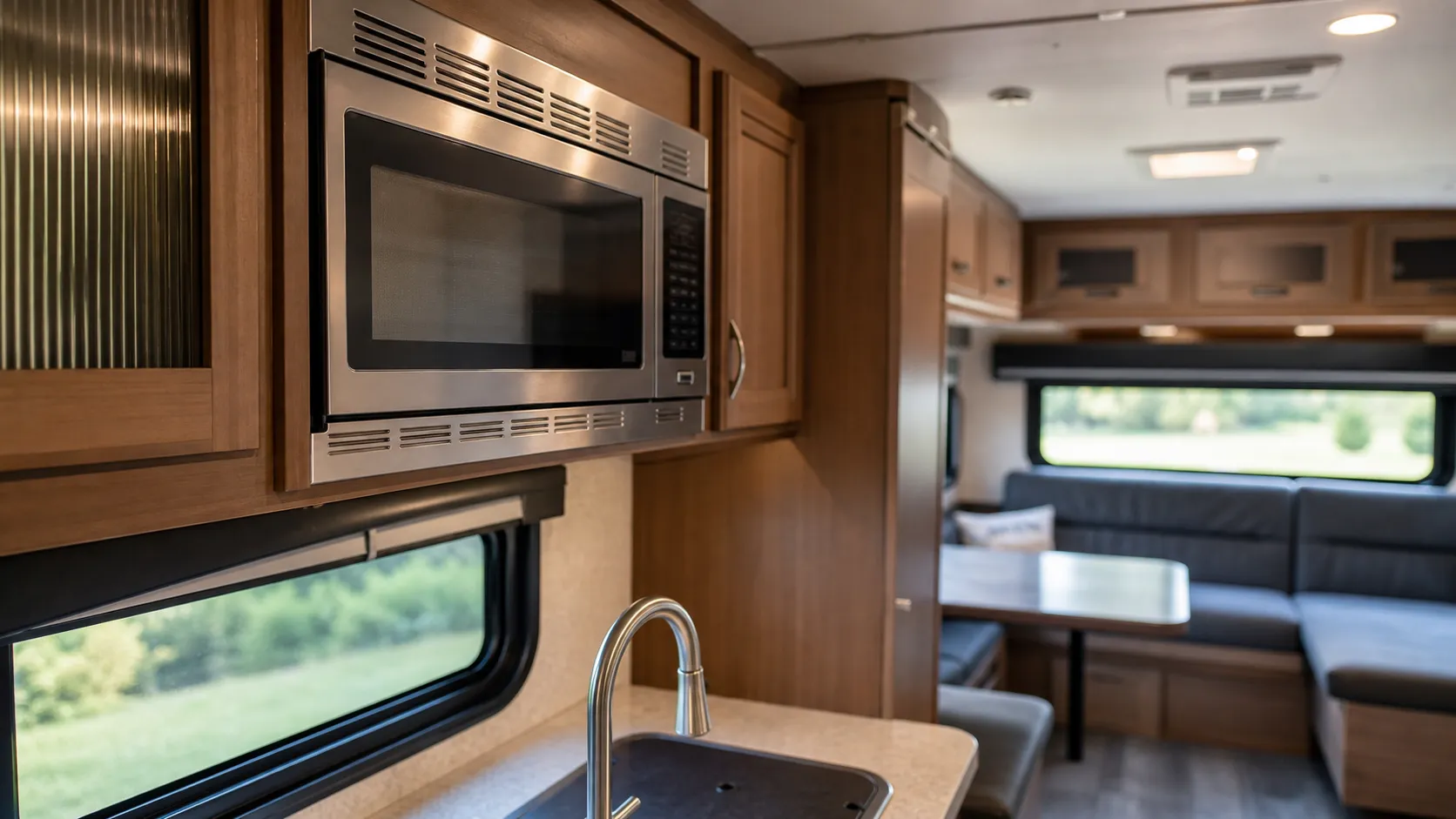
RV మైక్రోవేవ్ ఇంటి యూనిట్లాగా అదే ప్రాథమిక సూత్రాన్ని ఉపయోగిస్తుంది: ఇన్పుట్ వాట్స్ ÷ అందుబాటులో వోల్టేజ్. 120V తీర ప్రాంత-శక్తి కనెక్షన్పై, అనేక సంక్షిప్త మరియు మధ్య-పరిమాణ RV మైక్రోవేవ్లు సుమారు పైగా, ఎక్కువగా, వారి వాస్తవ ఇన్పుట్ వాట్యేజ్పై ఆధారపడి ఉంటుంది. వంటగది రేటింగ్ లేబుల్ను తనిఖీ చేయండి, కేవలం వంట శక్తి సంఖ్య మాత్రమే కాదు.
| మైక్రోవేవ్ ఇన్పుట్ లోడ్ | సుమారు 120V వద్ద డ్రా | RV సెటప్ |
|---|---|---|
| 700W | కాంపాక్ట్ | కాంపాక్ట్ మైక్రోవేవ్ |
| 1,000W | 8.3 అంప్స్ | మధ్య-పరిమాణ మైక్రోవేవ్ |
| 1,200వా | 10 అంప్స్ | పెద్ద మైక్రోవేవ్ |
| 1,500W | 12.5 అంప్స్ | అధిక-డ్రా యూనిట్ |
ఎ 15-అంప్ క్యాంప్సైట్ హుక్ప్ ఒక మైక్రోవేవ్ను మాత్రమే నడపగలదు, కానీ ఇతర లోడ్లకు చిన్న స్థలం ఉంటుంది. ఆహారాన్ని వేడి చేస్తున్నప్పుడు ఎయిర్ కండిషనర్, ఎలక్ట్రిక్ కేటిల్, టోస్టర్, కాఫీ మేకర్ లేదా బ్యాటరీ ఛార్జర్ను ఆఫ్ చేయండి లేదా ఉపయోగించకుండా ఉండండి. కలిపి వంటగది మరియు RV పరికరాల లోడ్లు త్వరగా పెడస్టల్ కనెక్షన్, ఆన్బోర్డ్ బ్రేకర్, జనరేటర్ లేదా ఇన్వర్టర్ను ఓవర్లోడ్ చేయగలవు.
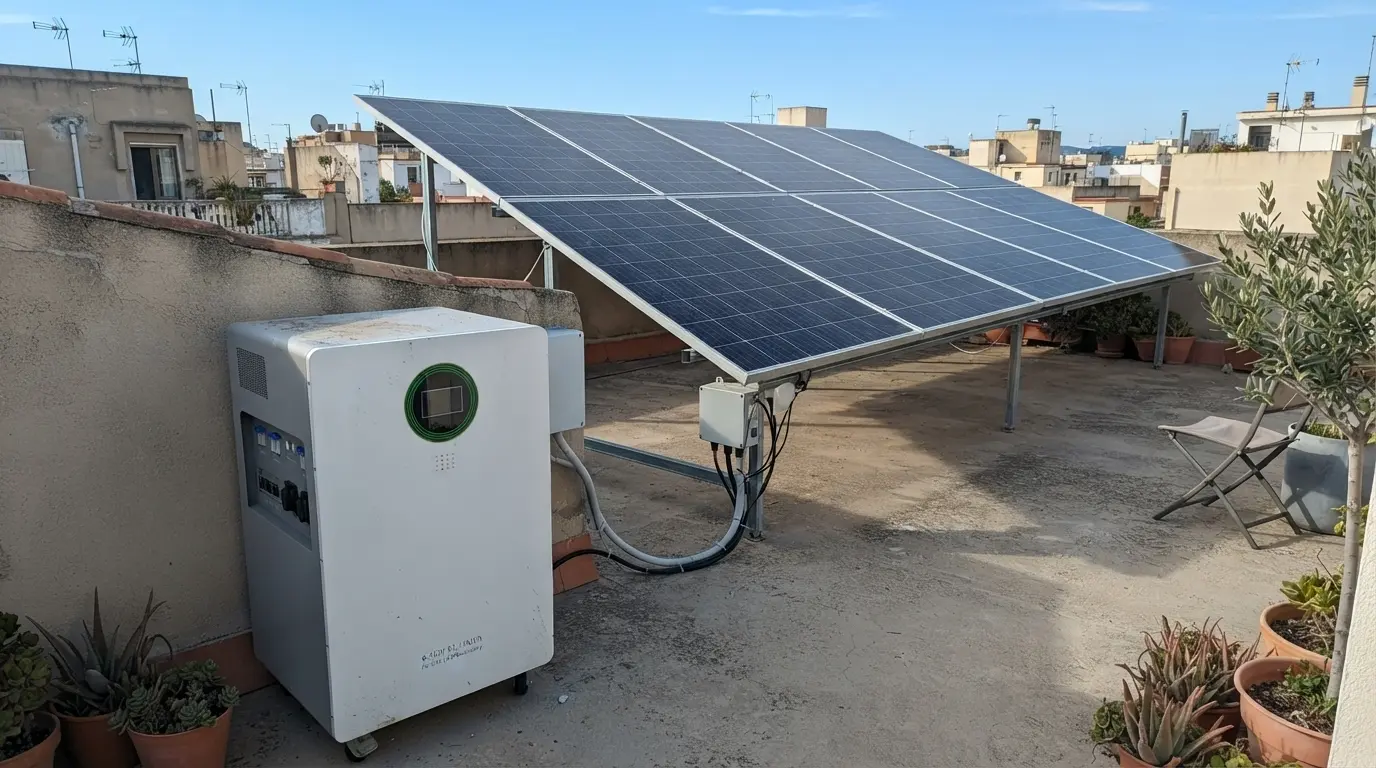
బ్యాటరీ ఆపరేషన్ కోసం, మైక్రోవేవ్ కోసం ఇన్వర్టర్ను సైజ్ చేయండి ఇన్పుట్ వాట్స్, ప్రారంభ డిమాండ్ కోసం అదనపు సామర్థ్యంతో. ప్యూర్ సైన్ వేవ్ ఇన్వర్టర్ ముఖ్యమైందే ఎందుకంటే ఇది మైక్రోవేవ్ ఎలక్ట్రానిక్స్కు శుభ్రంగా AC శక్తిని అందిస్తుంది మరియు అధిక-లోడ్ ఆపరేషన్ను తక్కువ శబ్దం మరియు జోక్యం తో నిర్వహించడంలో సహాయపడుతుంది. TURSAN పోర్టబుల్ పవర్ స్టేషన్లు ప్యూర్ సైన్ వేవ్ అవుట్పుట్ను ఉపయోగిస్తాయి మరియు 3600W వరకు శక్తి స్థాయిలలో అందుబాటులో ఉన్నాయి, RV వంట మరియు బ్యాకప్ ఉపయోగాలకు అనుకూల ఎంపికలు అందిస్తాయి.
సుమారు 1,200W నుండి 1,500W ఇన్పుట్ డిమాండ్ ఉన్న మైక్రోవేవ్ కోసం, సరిపడిన నిరంతర అవుట్పుట్ మరియు సర్జ్ హెడ్రూమ్తో పవర్ స్టేషన్ లేదా RV ఇన్వర్టర్ను ఉపయోగించండి. ఒక యూనిట్ దాని పేర్కొన్న వాట్యేజ్కు సమీపంలో ఉన్నప్పుడు కూడా ఆపబడవచ్చు, ఎందుకంటే మైక్రోవేవ్ ప్రారంభ లోడ్ దాని అందుబాటులో ఉన్న సామర్థ్యాన్ని మించితే. బ్యాటరీ పరిమాణం కూడా ముఖ్యం; సోలార్ జనరేటర్ రన్టైమ్ మరియు బ్యాటరీ జీవితకాలం పరికరాల వాట్యేజ్ మరియు వంట సమయంపై తీవ్రంగా ఆధారపడి ఉంటుంది.
క్యాంపింగ్ లేదా ఆఫ్-గ్రిడ్ సమయంలో బ్యాటరీ వినియోగాన్ని తగ్గించడానికి:
- పొడవైన వంట చక్రాల బదులుగా చిన్న వ్యవధుల్లో ఆహారాన్ని వేడి చేయండి.
- మైక్రోవేవ్ ఉపయోగించకముందు వేడి నీరు లేదా కాఫీ తయారుచేయండి.
- ఒకే అధిక-వాట్ల పరికరాన్ని మాత్రమే నడపండి.
- అందుబాటులో ఉన్నప్పుడు దీర్ఘకాల వండకానికి షోర్ పవర్ లేదా జనరేటర్ ఉపయోగించండి.
- అధిక చక్రాల కోసం LiFePO4 ఆధారిత బ్యాకప్ పవర్ ఎంచుకోండి; TURSAN సిస్టమ్స్ స్థిరమైన LiFePO4 బ్యాటరీ రసాయనశాస్త్రం మరియు బుద్ధిమంతమైన BMS రక్షణతో ఉపయోగిస్తాయి.
హోమ్ బ్యాటరీ బ్యాకప్ సిస్టమ్ సైజింగ్ మైక్రోవేవ్ కోసం
హోమ్ బ్యాటరీ బ్యాకప్ మైక్రోవేవ్ నడపగలదా?
అవును. సరైన పరిమాణంలో ఉన్న హోమ్ బ్యాటరీ బ్యాకప్ సిస్టమ్ ఒక అవుటేజీ సమయంలో మైక్రోవేవ్ నడపగలదు. మైక్రోవేవ్ యొక్క ఇన్పుట్ వాట్జ్, దాని వండకపు వాట్జ్ కాదు, ప్రారంభ డిమాండ్ మరియు అదే సమయంలో నడిచే ఇతర పరికరాల కోసం సామర్థ్యాన్ని ఉంచండి.
1,000W వండకుట్ అవుట్పుట్ ఉన్న మైక్రోవేవ్ సుమారు 1,400W నుండి 1,600W వరకు గోడ నుండి తీసుకోగలదు. నమ్మకమైన ఆపరేషన్ కోసం, ఇన్వర్టర్ ఆ నిరంతర లోడ్ను అదనపు లోడ్ షట్డౌన్ లేకుండా సరఫరా చేయాలి.
నిజమైన వంటగది లోడ్ల కోసం ఇన్వర్టర్ సైజ్ చేయండి
ఒక మైక్రోవేవ్ కోసం, పరికరంపై లేబుల్ చేసిన ఇన్పుట్ వాట్జ్ కంటే పైగా ఇన్వర్టర్ అవుట్పుట్ ఎంచుకోండి. బ్యాకప్ సిస్టమ్ వంటగది లోడ్లను కూడా పవర్ చేస్తే, ఉదాహరణకు ఫ్రిజ్, కాఫీ మేకర్, టోస్టర్, లేదా ఎయిర్ ఫ్రైయర్ వంటి వాటిని కూడా జోడించండి.
| బ్యాకప్ లోడ్ | ప్రయోజనకర ఇన్వర్టర్ ప్లానింగ్ |
|---|---|
| మైక్రోవేవ్ మాత్రమే | మైక్రోవేవ్ యొక్క లేబుల్ చేసిన ఇన్పుట్ వాట్జ్ కంటే పైగా, ప్రారంభ హెడ్రూమ్తో |
| మైక్రోవేవ్ + ఫ్రిజ్ | రన్ అవుతున్న లోడ్లను జోడించండి మరియు ప్రారంభ డిమాండ్ కోసం అదనపు సామర్థ్యాన్ని ఇవ్వండి |
| మైక్రోవేవ్ + అనేక వంటగది పరికరాలు | అధిక అవుట్పుట్ హోమ్ ఎనర్జీ స్టోరేజ్ సిస్టమ్ ఉపయోగించండి మరియు పరికరాల వినియోగాన్ని నిర్వహించండి |
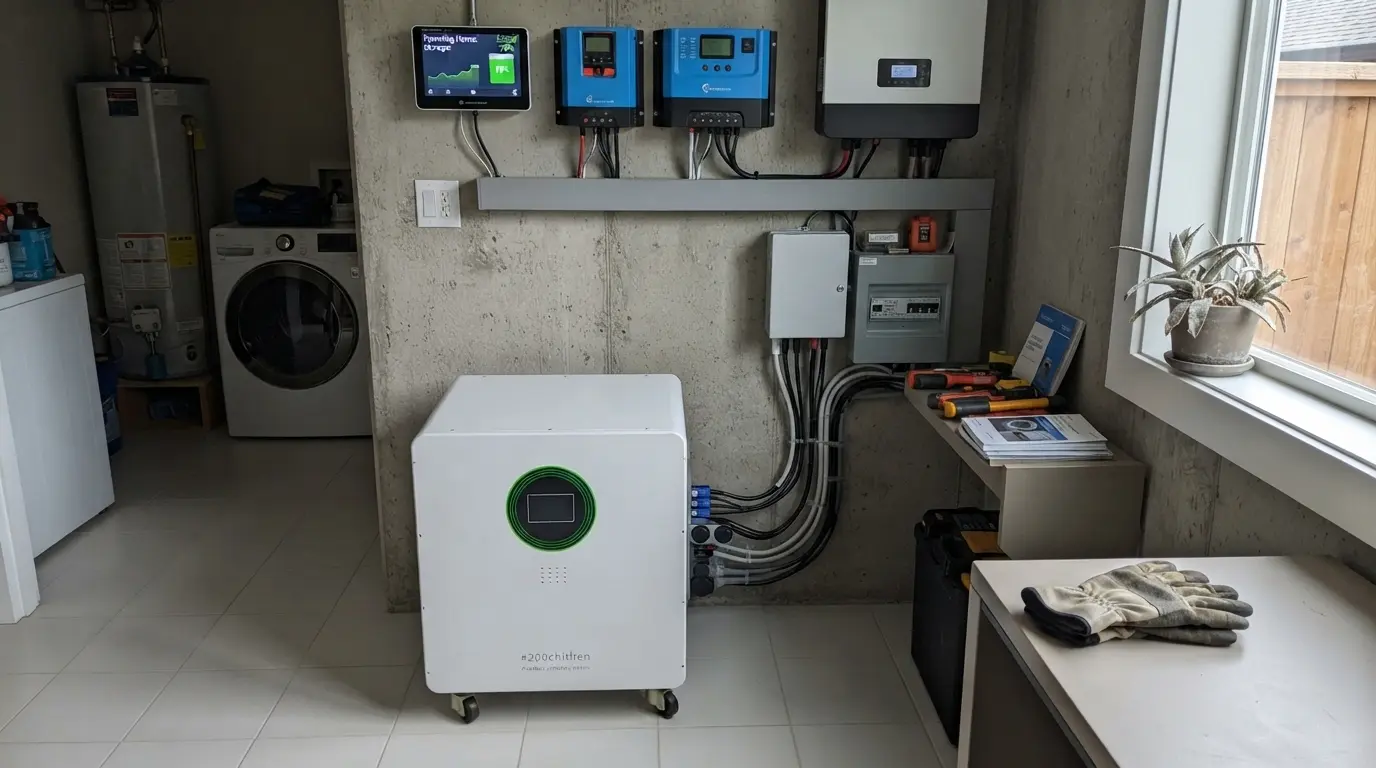
Tursan అన్ని-ఒకటి హోమ్ బ్యాటరీ బ్యాకప్ మరియు స్టాకబుల్ ఎనర్జీ స్టోరేజ్ సిస్టమ్స్ 5kW నుండి ప్రారంభమవుతాయి, ఇది మైక్రోవేవ్ ఉపయోగం కోసం మరింత స్థలం అందిస్తుంది, ఇతర అవసరమైన గృహ లోడ్లతో పాటు. ఒక విద్యుత్తు అంతరాయాల కోసం ఇంటి బ్యాటరీ బ్యాకప్ సరఫరా అప్లయెన్సులు అందుబాటులో ఉండాల్సిన విధంగా ప్లాన్ చేయాలి, ఒక మైక్రోవేవ్ మాత్రమే కాదు.
చిన్న లేదా పునరావృత ఉపయోగానికి బ్యాటరీ సామర్థ్యం
మైక్రోవేవ్స్ భారీ శక్తిని ఉపయోగిస్తాయి, కానీ రీహీట్ సమయం సాధారణంగా చిన్నది. 1500W ఇన్పుట్ ఉన్న మైక్రోవేవ్ 10 నిమిషాలు ఉపయోగించినప్పుడు ఇన్వర్టర్ నష్టాల ముందు సుమారు 250Wh ఖర్చు చేస్తుంది. పునరావృత వంట, డిఫ్రాస్టింగ్, లేదా అనేక కుటుంబ భోజనాలు బ్యాటరీ వినియోగాన్ని త్వరగా పెంచుతాయి.
సిస్టమ్ పరిమాణం నిర్ణయేటప్పుడు ఈ నాలుగు పాయింట్లను పోల్చండి:
- ఇన్వర్టర్ వాట్స్: మైక్రోవేవ్ యొక్క వాస్తవ ఇన్పుట్ వాటేజ్ను మించాలి.
- సర్జ్ సామర్థ్యం: మైక్రోవేవ్ యొక్క అధిక ప్రారంభ డిమాండ్ను నిర్వహించాలి.
- ఉపయోగించగల బ్యాటరీ సామర్థ్యం: సిస్టమ్ ఎంత వరకు వేడి చక్రాలను మద్దతు ఇవ్వగలదో నిర్ణయిస్తుంది.
- LiFePO4 చక్ర జీవిత కాలం: బ్యాటరీ తరచుగా బ్యాకప్ లేదా రోజువారీ సౌర నిల్వ కోసం ఉపయోగించబడినప్పుడు ముఖ్యం.
మా Tursan సిస్టమ్స్ స్థిరమైన LiFePO4 బ్యాటరీ రసాయనశాస్త్రం, బుద్ధిమంతమైన BMS, మరియు శుద్ధ సైన్ వేవ్ ఇన్వర్టర్ అవుట్పుట్ను ఉపయోగిస్తాయి. బ్యాటరీలు 6,000+ చక్రాల కోసం డిజైన్ చేయబడ్డాయి మరియు 5 సంవత్సరాల వారంటీని కలిగి ఉంటాయి, ఇది అధిక-డ్రా కిచెన్ యంత్రాల కోసం విశ్వసనీయ దీర్ఘకాలిక బ్యాకప్ ప్లానింగ్కు మద్దతు ఇస్తుంది.
మైక్రోవేవ్ రేటింగ్ లేబుల్ ఎలా చదవాలి
మైక్రోవేవ్ రేటింగ్ లేబుల్ సాధారణంగా తలుపు ఫ్రేమ్ లో, వెనుక ప్యానెల్ పై, లేదా యూనిట్ పక్కన ఉంటుంది. సురక్షిత సర్క్యూట్, ఇన్వర్టర్, మరియు పోర్టబుల్ పవర్ స్టేషన్ పరిమాణం కోసం, దృష్టి పెట్టండి ఇన్పుట్ వాట్స్ లేదా ఇన్పుట్ అమ్ప్స్— వంట అవుట్పుట్ కాదు.
| లేబుల్ అంశం | దాని అర్థం ఏమిటి | ఇది ఎందుకు ముఖ్యం |
|---|---|---|
| వోల్టేజ్ | సాధారణంగా ఉత్తర అమెరికాలో 120V | అంప్ లెక్కల కోసం ఆధారం సెట్ చేస్తుంది |
| ఇన్పుట్ వాట్స్ | అవుట్లెట్ నుండి తీసుకున్న విద్యుత్ | శక్తి పరిమాణం కోసం అత్యంత ముఖ్యమైన సంఖ్య |
| ఇన్పుట్ ఆంప్స్ | నిర్మాత ద్వారా సూచించిన ప్రస్తుత డ్రా | విద్యుత్ సర్క్యూట్ ప్లానింగ్ కోసం నేరుగా ఉపయోగించండి |
| ఫ్రీక్వెన్సీ | సాధారణంగా 60Hz | శక్తి సరఫరాతో అనుకూలతను నిర్ధారిస్తుంది |
| వంట ఉత్పత్తి | ఆహారానికి పంపిన వేడి శక్తి | గోడ-శక్తి వినియోగంతో సమానం కాదు |
సరిగ్గా పరిమాణం కోసం ఇన్పుట్ వాట్స్ ఉపయోగించండి
మైక్రోవేవ్ చెప్పవచ్చు 1,000W వంట శక్తి, అయితే దాని రేటింగ్ లేబుల్ చూపిస్తుంది 1,400W నుండి 1,600W ఇన్పుట్ శక్తి. అధిక ఇన్పుట్ సంఖ్య మాగ్నెట్రాన్ శక్తి డ్రా మరియు సాధారణ సామర్థ్య నష్టాలను కలిగి ఉంటుంది.
లేదా మైక్రోవేవ్ ఎంత ఆంప్స్ ఉపయోగిస్తుంది, ఉపయోగించండి:
ఉదాహరణకు, 120V సరఫరాలో 1,500W ఇన్పుట్ రేటింగ్ ఉన్న మైక్రోవేవ్ డ్రా చేస్తుంది:
లేబుల్ ఆంప్స్ లిస్టు చేయకపోతే
ఇచ్చిన ఇన్పుట్ వాట్స్ ను స్థానిక సరఫరా వోల్టేజ్ తో భాగించండి. 120V గృహ సర్క్యూట్ కోసం, 1,200W ఇన్పుట్ మైక్రోవేవ్ సుమారుగా ఉపయోగిస్తుంది 10 అంప్స్. ఇన్వర్టర్ లేదా బ్యాకప్ సైజింగ్ కోసం, స్టార్టప్ డిమాండ్ ను నిర్వహించడానికి లేబుల్ యొక్క ఇన్పుట్ వాట్స్ కంటే అదనపు సామర్థ్యాన్ని అనుమతించండి.
కీ టేక్వేయ్: సర్క్యూట్లు, జనరేటర్లు మరియు TURSAN పోర్టబుల్ పవర్ స్టేషన్లను మైక్రోవేవ్ యొక్క ఇన్పుట్ రేటింగ్, తో సైజ్ చేయండి, ఆపై AC అవుట్లెట్ మరియు ప్యూర్ సైన్ వేవ్ ఇన్వర్టర్ లోడ్ ను సపోర్ట్ చేయగలవని నిర్ధారించుకోండి.
మైక్రోవేవ్ బ్రేకర్ ట్రిప్స్ ను నివారించే మార్గాలు
సర్క్యూట్ ఇప్పటికే అధిక లోడ్ ను కలిగి ఉన్నప్పుడు మైక్రోవేవ్ బ్రేకర్ ను ట్రిప్ చేయగలదు. ఒకేసారి ఏమి నడుస్తుందో నిర్వహించడం సరళమైన పరిష్కారం. మైక్రోవేవ్ యొక్క ఇన్పుట్ వాటేజ్ తరచుగా దాని వంట వాటేజ్ కంటే ఎక్కువగా ఉంటుంది, కాబట్టి ఇది 15-యాంప్ కిచెన్ సర్క్యూట్ లో ఎక్కువ భాగాన్ని ఒంటరిగా ఉపయోగించగలదు.
అధిక-వాట్ ఉపకరణాలను వేరుగా ఉంచండి
మైక్రోవేవ్ ను ఒకే సర్క్యూట్ లో ఇతర అధిక-డ్రా ఉపకరణాలతో పాటుగా నడపవద్దు, వీటితో సహా:
- టోస్టర్లు మరియు టోస్టర్ ఓవెన్లు
- కాఫీ మేకర్లు మరియు కెటిల్స్
- ఎయిర్ ఫ్రైయర్లు
- ఎలక్ట్రిక్ స్కిల్లెట్స్
- స్పేస్ హీటర్లు
- కిచెన్ సర్క్యూట్ ను పంచుకునే డిష్వాషర్లు లేదా గార్బేజ్ డిస్పోజల్స్
బ్రేకర్ ట్రిప్ అయినప్పుడు ఏ అవుట్లెట్లు పవర్ కోల్పోతాయో తనిఖీ చేయండి. మైక్రోవేవ్ మరియు కౌంటర్ టాప్ అవుట్లెట్లు కలిసి స్విచ్ ఆఫ్ అయితే, అవి ఒకే సర్క్యూట్ ను పంచుకుంటాయి. ఒక ఉపకరణాన్ని వేరే సర్క్యూట్ ద్వారా సేవ చేయబడిన అవుట్లెట్ కు తరలించండి లేదా వాటిని ఒకేసారి నడపండి.
ఎక్స్టెన్షన్ కార్డ్ లను జాగ్రత్తగా ఉపయోగించండి
సాధ్యమైనప్పుడల్లా మైక్రోవేవ్ ను నేరుగా సరిగ్గా గ్రౌండ్ చేయబడిన వాల్ అవుట్లెట్ లో ప్లగ్ చేయండి. మైక్రోవేవ్ తయారీదారు అనుమతిస్తే మాత్రమే ఎక్స్టెన్షన్ కార్డ్ ను ఉపయోగించండి. కార్డ్ గ్రౌండ్ చేయబడాలి, హెవీ-డ్యూటీగా ఉండాలి మరియు మైక్రోవేవ్ యొక్క పూర్తి ఇన్పుట్ వాటేజ్ కోసం రేట్ చేయబడాలి. సన్నని కార్డ్ లు, వదులుగా ఉన్న కనెక్షన్లు మరియు ఓవర్ లోడ్ చేయబడిన పవర్ స్ట్రిప్ లు వేడెక్కవచ్చు మరియు వోల్టేజ్ డ్రాప్, పేలవమైన మైక్రోవేవ్ పనితీరు లేదా సర్క్యూట్ బ్రేకర్ ట్రిప్పింగ్ కు కారణం కావచ్చు.
వేడి మరియు నష్టం కోసం తనిఖీ చేయండి
అవుట్లెట్, ప్లగ్, మరియు పవర్ కర్డ్ను নিয়మితంగా తనిఖీ చేయండి. మీరు గుర్తిస్తే ఆ సెటప్ను ఉపయోగించడం ఆపండి:
- ఓ లూస్ ప్లగ్ లేదా అవుట్లెట్
- అగ్ని గుర్తులు లేదా ఉడికిన ప్లాస్టిక్
- ఒక వేడి కర్డ్, ప్లగ్, లేదా రిసెప్టకుల్
- క్రాక్లింగ్ శబ్దాలు లేదా దగ్దగంధం
- సాధారణ పరికరాల ఉపయోగంతో తిరిగి తిరిగి ట్రిప్ అయ్యే బ్రేకర్
భారీ లోడ్ తగ్గించిన తర్వాత కూడా తిరిగి ట్రిప్ అయ్యే బ్రేకర్, అవుట్లెట్ దుర్బలమై ఉండవచ్చు, కేబుల్ నష్టం చెందవచ్చు, పరికరం లోపం ఉండవచ్చు, లేదా కిచెన్ సర్క్యూట్ చిన్నగా ఉండవచ్చు. ప్రత్యేకంగా బిల్ట్-ఇన్ లేదా ఓవర్-ది-రేంజ్ మైక్రోవేవ్ల కోసం అనుభవజ్ఞులైన ఎలక్ట్రీషియన్ తనిఖీ చేయాలి.
ఆర్వీలు మరియు బ్యాకప్ సిస్టమ్స్లో లోడ్లను నిర్వహించండి
ఒక ఆర్వీ, క్యాంప్సైట్ హుక్ప్, జనరేటర్ సెటప్, లేదా బ్యాటరీ-పవర్ కిచెన్లో, మైక్రోవేవ్ను ప్రాధాన్యత లోడ్గా భావించండి. ఇతర ప్రధాన ఏసీ పరికరాలను ఆపి, ఆహారాన్ని వేడి చేయండి. పోర్టబుల్ పవర్ స్టేషన్ కోసం, ఏసీ అవుట్లెట్ యొక్క నిరంతర వాట్జ్ మరియు సర్జ్ సామర్థ్యం మైక్రోవేవ్ యొక్క వాట్జ్ను మించి ఉండాలని నిర్ధారించండి. ఇన్పుట్ వాట్ట్స్, కేవలం దాని వంట వాట్ట్స్ కాకుండా.
మైక్రోవేవ్ స్తిరంగా పనిచేయడానికి మరియు తక్కువ విద్యుత్ అంతరాయం కోసం మేము శుద్ధ సైన్ వేవ్ ఇన్వర్టర్ను సిఫార్సు చేస్తున్నాము. Tursan పోర్టబుల్ పవర్ స్టేషన్లు శుద్ధ సైన్ వేవ్ అవుట్పుట్ మరియు LiFePO4 బ్యాటరీ సిస్టమ్స్ను అధిక లోడ్ బ్యాకప్ అప్లికేషన్ల కోసం ఉపయోగిస్తాయి. పోర్టబుల్ బ్యాకప్ ఎంపికలను పోల్చేటప్పుడు, మా గైడ్లో సోలార్ జనరేటర్ పెట్టుబడికి విలువైనదా? ఇన్వర్టర్ సామర్థ్యాన్ని మరియు బ్యాటరీ వినియోగాన్ని ప్రాక్టికల్ టర్మ్స్లో ఉంచడంలో సహాయపడుతుంది.
ఉత్తమ అలవాటు: సాధ్యమైతే, మైక్రోవేవ్ను ఒంటరిగా నడపండి, సర్క్యూట్ లేదా ఇన్వర్టర్ రేటింగ్ను నిర్ధారించండి, మరియు తిరిగి తిరిగి ట్రిప్ అయ్యే బ్రేకర్లను ఎప్పుడూ నిర్లక్ష్యం చేయకండి.
మైక్రోవేవ్ ఆంప్స్ గురించి తరచుగా అడిగే ప్రశ్నలు
ఒక 1,000W మైక్రోవేవ్ ఎంత ఆంప్స్ వినియోగిస్తుంది?
120V వద్ద, ఒక 1,000W ఇన్పుట్ లోడ్ సుమారు ఉపయోగిస్తుంది 8.3 అంప్స్. అయితే, 1,000W సాధారణంగా వంట output ను వివరిస్తుంది, గోడ input ను కాదు. రేటింగ్ లేబుల్ను తనిఖీ చేయండి: చాలా మైక్రోవేవ్లు 1,000W వంట శక్తితో సుమారు 1,200W నుండి 1,500W వరకు, లేదా సుమారు 10 నుండి 12.5 యాంప్స్.
నేను 15-యాంప్ బ్రేకర్పై మైక్రోవేవ్ను నడపగలనా?
అవును, మైక్రోవేవ్ యొక్క వాస్తవ ఇన్పుట్ లోడ్ మరియు ఆ సర్క్యూట్లోని ఇతర పరికరాలు బ్రేకర్ పరిమితికి దిగువన ఉంటే. టోస్టర్, కాఫీ మేకర్ లేదా ఎయిర్ ఫ్రైయర్ను ఒకేసారి నడపడం మానుకోండి, ఎందుకంటే కలిపి కిచెన్ చిన్న ఉపకరణాల లోడ్ సర్క్యూట్ బ్రేకర్ ట్రిప్పింగ్కు కారణమవుతుంది.
మైక్రోవేవ్కు ప్రత్యేక 20-యాంప్ సర్క్యూట్ అవసరమా?
ప్రత్యేక 20-యాంప్ సర్క్యూట్ తరచుగా అంతర్నిర్మిత మరియు ఓవర్-ది-రేంజ్ మైక్రోవేవ్లకు సురక్షితమైన సెటప్, ముఖ్యంగా మైక్రోవేవ్ అధిక ఇన్పుట్ వాటేజ్ కలిగి ఉన్నప్పుడు. ఉపకరణాల తయారీదారు యొక్క ఇన్స్టాలేషన్ అవసరాలు మరియు స్థానిక విద్యుత్ నియమాలను అనుసరించండి.
మైక్రోవేవ్ గోడ నుండి ఎన్ని వాట్స్ తీసుకుంటుంది?
ఉపయోగించండి ఇన్పుట్ వాట్జ్ రేటింగ్ లేబుల్పై - వంట వాటేజ్ కాదు. 1,000W వంట శక్తితో రేట్ చేయబడిన మైక్రోవేవ్ గోడ నుండి సుమారు 1,200W నుండి 1,500W వరకు తీసుకోవచ్చు, ఎందుకంటే మాగ్నెట్రాన్ మరియు ఇతర భాగాలు 100% సమర్థవంతంగా ఉండవు.
నా మైక్రోవేవ్ బ్రేకర్ను ఎందుకు ట్రిప్ చేస్తుంది?
సర్క్యూట్ ఓవర్లోడ్ అయి ఉండవచ్చు, మైక్రోవేవ్ ఇతర అధిక-వాటేజ్ ఉపకరణాలతో శక్తిని పంచుకోవచ్చు లేదా అవుట్లెట్, ప్లగ్, కార్డ్ లేదా బ్రేకర్ సమస్య ఉండవచ్చు. పునరావృత ట్రిప్లకు లైసెన్స్ పొందిన ఎలక్ట్రీషియన్ నుండి శ్రద్ధ అవసరం.
1,000W పోర్టబుల్ పవర్ స్టేషన్ మైక్రోవేవ్ను నడపగలదా?
సాధారణంగా, 1,000W కంటే తక్కువ ఇన్పుట్ వాటేజ్ ఉన్న చిన్న మైక్రోవేవ్ మాత్రమే విశ్వసనీయంగా నడుస్తుంది. 1,000W వంట-శక్తి మైక్రోవేవ్ తరచుగా గోడ వద్ద ఆ పరిమితిని మించిపోతుంది. మైక్రోవేవ్ యొక్క ఆధారంగా పవర్ స్టేషన్ను ఎంచుకోండి ఇన్పుట్ వాట్స్, ప్రారంభ డిమాండ్ కోసం తగినంత హెడ్రూమ్తో పాటు. మా గైడ్ సోలార్ జనరేటర్ పోర్టబుల్ బ్యాకప్ పవర్ను ఎలా అందిస్తుంది ప్రాథమిక పవర్ ఫ్లోను వివరిస్తుంది.
మైక్రోవేవ్ కోసం నాకు ఏ సైజు ప్యూర్ సైన్ వేవ్ ఇన్వర్టర్ అవసరం?
మైక్రోవేవ్ యొక్క జాబితా చేయబడిన ఇన్పుట్ వాట్స్ కంటే నిరంతర అవుట్పుట్ ఉన్న ప్యూర్ సైన్ వేవ్ ఇన్వర్టర్ను ఎంచుకోండి మరియు ప్రారంభ డిమాండ్ కోసం అదనపు సామర్థ్యం. అనేక ప్రామాణిక మైక్రోవేవ్ల కోసం, ఒక 2,000W లేదా అంతకంటే పెద్దది ఇన్వర్టర్ 1,000W యూనిట్ కంటే ఎక్కువ ఆచరణాత్మక హెడ్రూమ్ను అందిస్తుంది.
చౌక సోలార్ జనరేటర్పై నా మైక్రోవేవ్ ఎందుకు వింతగా శబ్దం చేస్తుంది?
తక్కువ-నాణ్యత లేదా మార్పు చేసిన-వేవ్ అవుట్పుట్ అదనపు శబ్దం, వేడి లేదా పేలవమైన ఆపరేషన్ను సృష్టించవచ్చు. ప్యూర్ సైన్ వేవ్ ఇన్వర్టర్ మైక్రోవేవ్ ఎలక్ట్రానిక్స్ కోసం శుభ్రమైన AC పవర్ను అందిస్తుంది మరియు ఉపకరణం మరింత సజావుగా పనిచేయడానికి సహాయపడుతుంది.
10 నిమిషాల పాటు మైక్రోవేవ్ ఎన్ని ఆంప్-గంటలను ఉపయోగిస్తుంది?
10 నిమిషాల పాటు 1,400W తీసుకునే మైక్రోవేవ్ సుమారుగా 233Wh. 12.8V బ్యాటరీపై, అది సుమారుగా ఇన్వర్టర్ నష్టాలకు ముందు 18Ah. ఇన్వర్టర్ కొంత శక్తిని వినియోగించుకుంటుంది కాబట్టి అసలు బ్యాటరీ వినియోగం ఎక్కువగా ఉంటుంది.
నేను కారు, RV లేదా ఇంటి బ్యాటరీ బ్యాకప్ సిస్టమ్ నుండి మైక్రోవేవ్ను రన్ చేయవచ్చా?
అవును, కానీ నేరుగా బ్యాటరీ నుండి కాదు. సరిగ్గా సైజ్ చేయబడిన ప్యూర్ సైన్ వేవ్ ఇన్వర్టర్ మరియు బ్యాటరీ సిస్టమ్ను ఉపయోగించండి. TURSAN పోర్టబుల్ పవర్ స్టేషన్లు మరియు LiFePO4 హోమ్ బ్యాటరీ బ్యాకప్ సిస్టమ్లు మైక్రోవేవ్ లోడ్లకు మద్దతు ఇవ్వగలవు, వాటి ఇన్వర్టర్ రేటింగ్, బ్యాటరీ సామర్థ్యం మరియు సర్జ్ సామర్థ్యం ఉపకరణం యొక్క ఇన్పుట్ అవసరాలకు సరిపోలినప్పుడు.