 Հայերեն
  English
  العربية
  日本語
日本語  한국어
한국어  Tiếng Việt
  ไทย
ไทย  Bahasa Melayu
  فارسی
فارسی  Bahasa Indonesia
  ဗမာစာ
ဗမာစာ  简体中文
简体中文  香港中文
香港中文  繁體中文
繁體中文  Русский
  Deutsch
  Nederlands
  Italiano
  Français
  Español
  Português
  Afrikaans
  Azərbaycan dili
  Български
  ਪੰਜਾਬੀ
  हिन्दी
  اردو
اردو  বাংলা
বাংলা  Íslenska
  Қазақ тілі
  नेपाली
  Српски језик
  Kiswahili
  తెలుగు
  Basa Jawa
  தமிழ்
தமிழ்  मराठी
मराठी 5 kWh, 10 kWh կամ 15 kWh — ինչպես ընտրել ճիշտ բնակարանային էներգիայի պահպանման կարողությունը
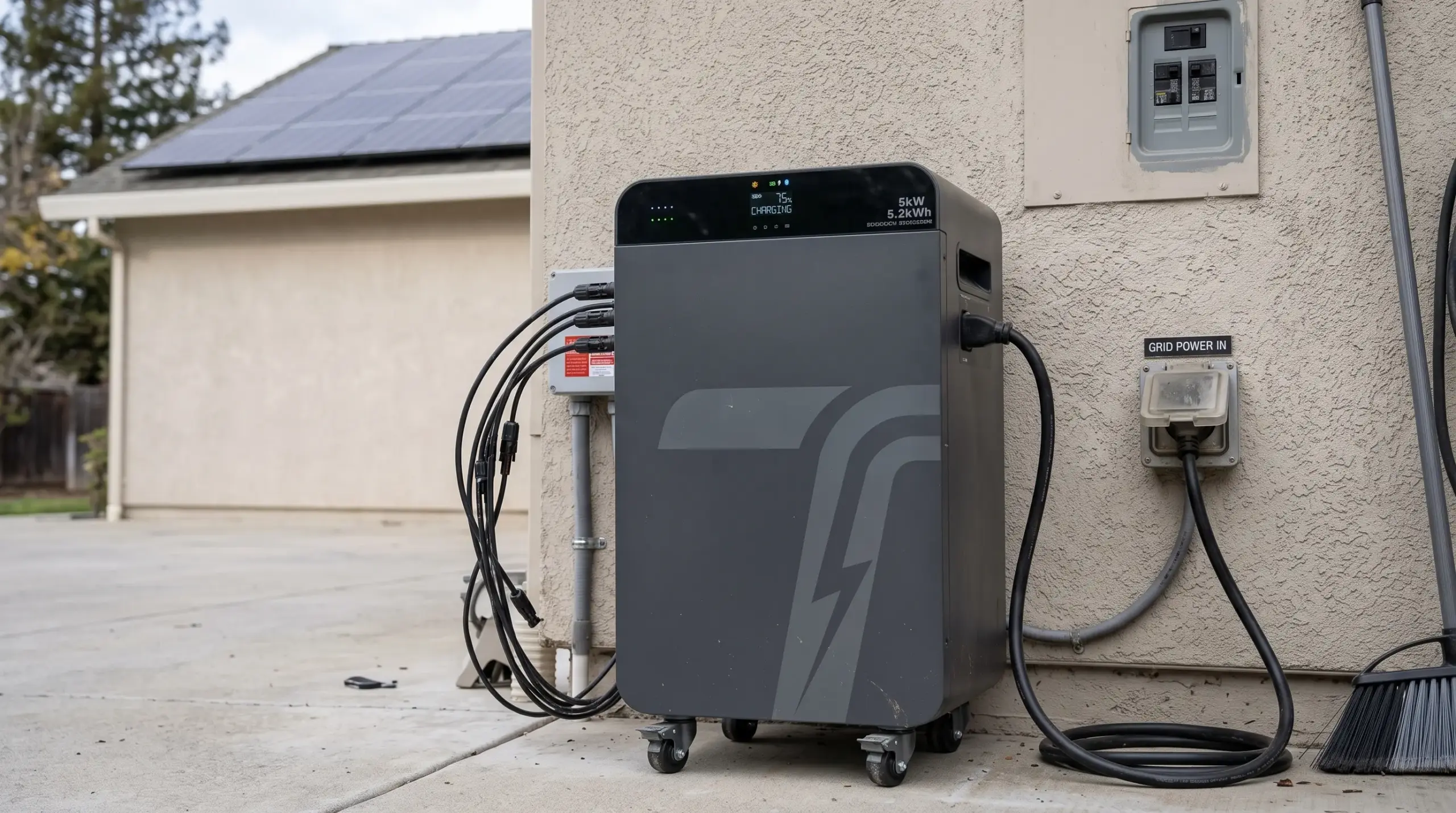
An installer in Spain calls with the same question every week. The customer has a 6 kWp rooftop array, a monthly bill of €140, and no idea whether to buy a 5 kWh, 10 kWh or 15 kWh battery. The installer’s margin depends on getting this right, because a battery that is too small never pays for itself and one that is too large sits half-empty for a decade.
The answer is never a single number. It is a calculation that starts with the household’s actual load curve, not the size of the roof. Get that curve right and the capacity choice almost makes itself.
Այս հոդվածը ձեզ տալիս է չափերի մեթոդը, յուրաքանչյուր գերդի համար իրական թվերը և հաճախորդից առաջ ձեզ հարցեր, որոնց վկերեք մի կիլովատ ժամ կարտագրվի մի հատրավոր վայրկյանից.
Սկավառական չափից ավելիի ամբողջ խաղն է Load Profile Is the Whole Game – Read It Before You Size
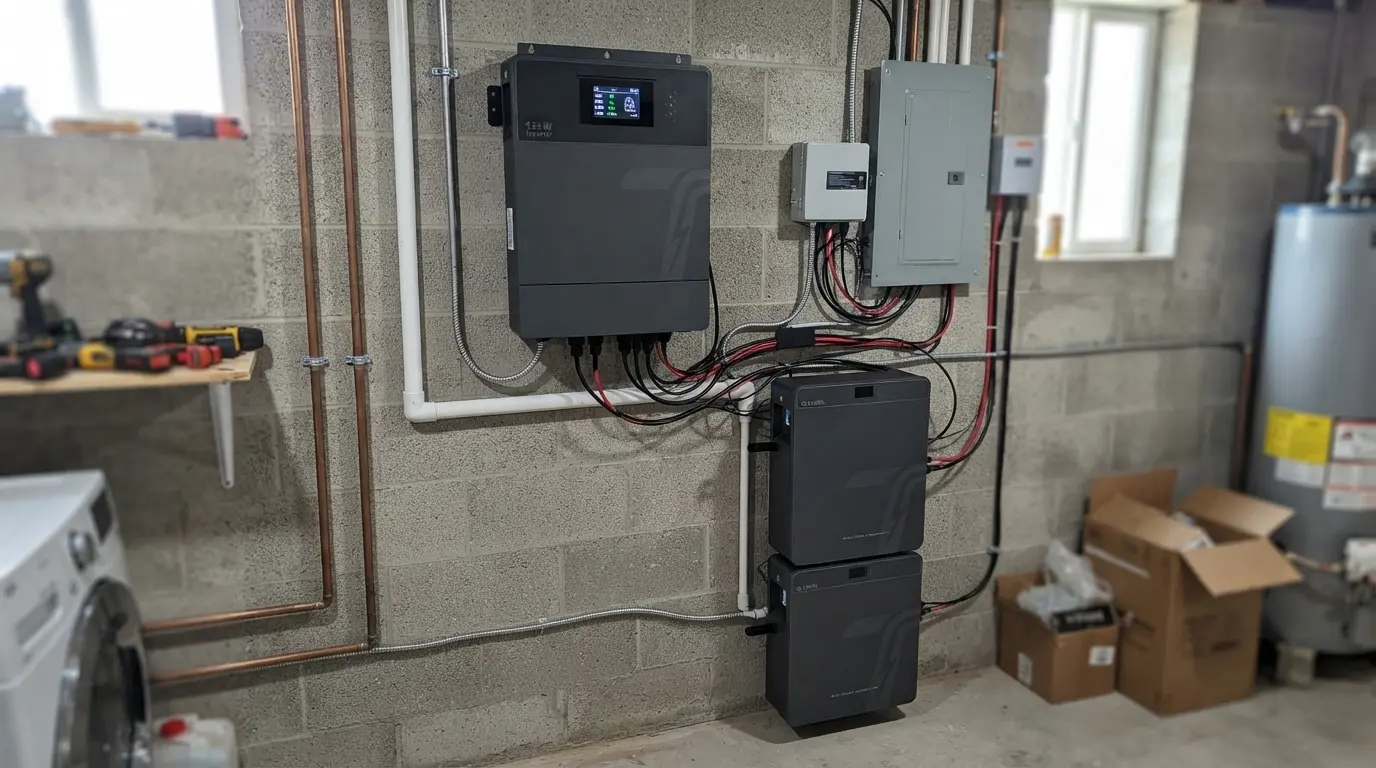
Կապակցում չի վերաբերում մի օրվա ընթացքում տունը որքան էներգիա օգտագործում է: Դա վերաբերում է այնքան, քանիքան այն օգտագործում է երբ արևը կանգնած է քաշքշվում. Այդ բացը, կիլովատժում հաշվարկված, է թիվը, որը батарեյանը պետք է լրացնի.
Սկսեք երեկոյան-առավոտի պատուհանից. Typical European household 4–7 kWh քաշկում արևած տագնումը ստացվում է խորտես, լույս, վառարանային գնդակ կամ օդացանցային conditioning, և միշտ-կան էլեկտրոնիկան: 5 kWh կրոդը ծածկում է այդ տիրույթի նվազագույն հատվածը և ոչ մի ավելին: 10 kWh կրակածը ծածկում է բացարձակ գիշերային քաշը շատ տնայինների համար: 15 kWh կրակածը միայն գումար դուրս է, երբ տունը գործադրում է տաքացնող գոտի, EV լիցքավորող կամ լողավազանի պոմպ գիշերը:.
Հիմա նայեք արևային կողմին. Հարավային Եվրոպայում 6 kWp շարք տացվում է 20–30 kWh լավ ամառային օրը և 4–8 kWh ձմեռ անորոշ օրը: Բատարիանը կարող է միայն պահել այն, ինչ շարքից ավելացնում է surplus ը, այնպես որ 15 kWh կրակածը paired with 3 kWp շարք տարվա կեսին գումար չի: զուգակցել պահպանվածությունը ավելի փոքր երկուսն թվերի միջև: ուղիղ գիշերային բեռը կամ օրվա լրացուցիչը.
The third variable is the tariff. Under a flat feed-in tariff, the battery’s job is self-consumption, and the payback comes from every kilowatt-hour you don’t buy from the grid. Under time-of-use pricing, the battery can also arbitrage – charge cheap at night, discharge at the evening peak – and that changes the ideal size upward, because you now want enough headroom to shift load, not just cover it.
Իրական OEM/ODM գործընկեր Դիլից տարբեր կերպ
A drop-shipper sells you a 10 kWh box and moves on. A manufacturer helps you size the box so your installers stop fielding “why is my battery empty by 2 a.m.” calls.
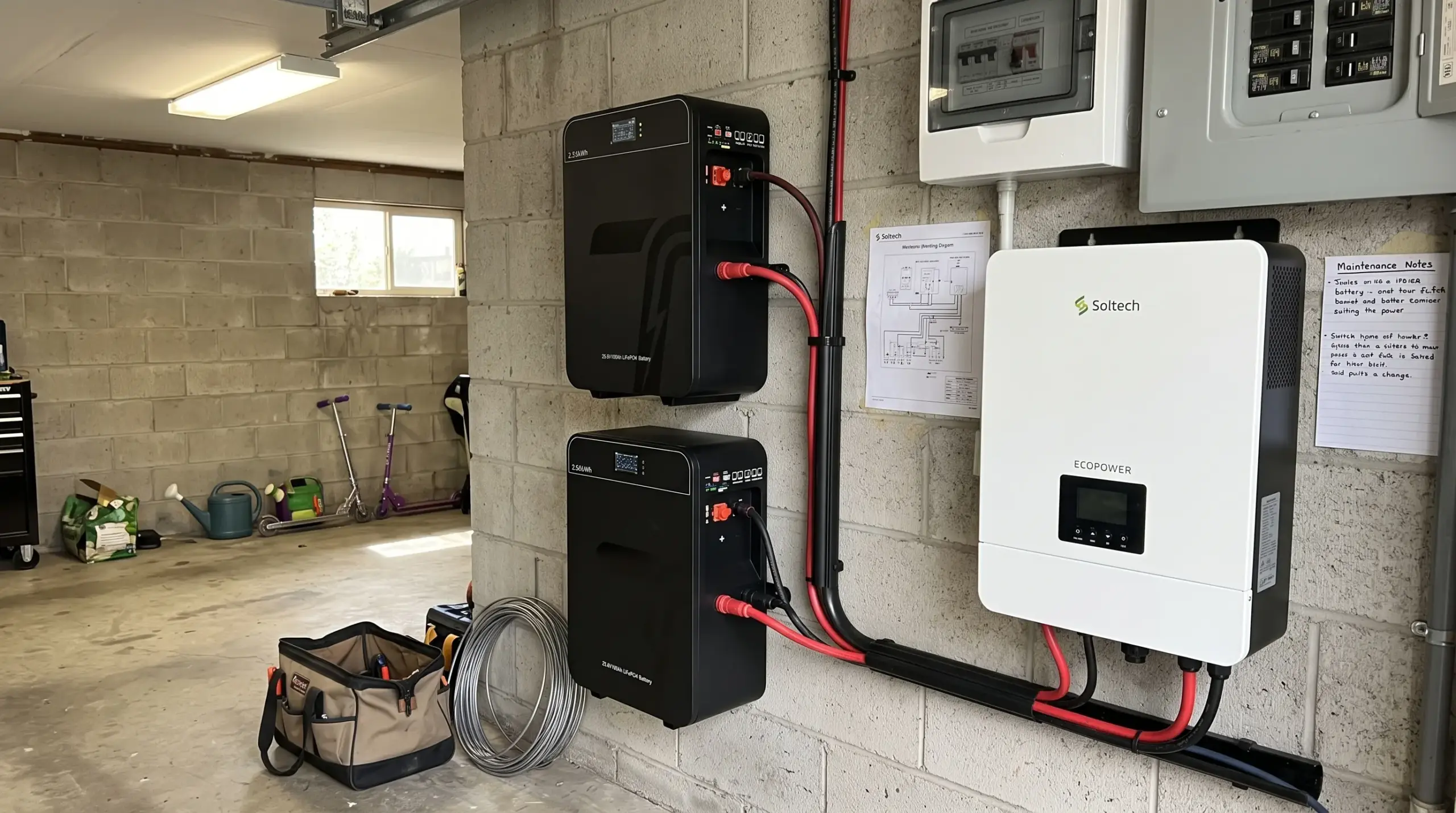
ճիշտ OEM/ODM գործընկերը ձեզ կտրամադրի հոսանքի կրագի գծապատկերն ու օգտագործելի կույրելի տվյալը, ոչ թե միայն նոմինալ թիվը: 10 kWh հավաքածու 90% էներգետիկական խորտակման դաշտով տալիս է 9 kWh օգտագործելի էներգիա, և այդ տարբերույթը ամբողջ մակարդակով փոխում է չափման հաշվարկը: Նրանք նաև առաջարկելու են նույն թվային աւարտի և BMS պլատֆորմը 5, 10 և 15 kWh-ով, այնպես որ ձեր տեղադրողները ուսանել են մեկ Wiring մեխանիզմ և մեկ հանձնման ռեժիմը երեքի փոխարեն:.
The customisation that matters here is firmware. A partner who can tune the SOC window, the charge current and the grid-export threshold to your market’s tariff structure turns a generic battery into a product that actually fits the local grid code. They will quote MOQs down to 100 units with shared-container options, and they will tell you honestly when a 15 kWh stack is overkill for a market that mostly installs 5 kWh units.
Երեք մակարդակների կողմ առ կող
Ահա ինչպես երեք տարածված կարողությունները համապատասխանում են իրական տնային տվյալներին, ենթադրելով 48V LFP պատի վրա տեղադրվող հարթակով 90% օգտագործելի բարձրացումով.
| Տարողություն | Օգտագործելի էներգիա | Տարատեսակ գիշերային բաշխման համար գրառված լիցքավորումը | Լուսավորության բավարար դասավորված տուն | Վերադրման ազդանշան |
|---|---|---|---|---|
| 5 կՎտժ | ~4.5 կՎտ·ժ | Կրկին ստեռն, լամպեր, էլեկտրոններ | Բաղադրություն կամ փոքր տուն, 3–4 կՎպ զանգված | Հերթադարձ տուգանք, երեկոյան ցածր խոնարհում |
| 10 կՎտժ | ~9 կՎտ·ժ | Նվազ գիշերային բաշխում, նաև տաքացուցիչի դագաղ | 4–5 սենյականոց տուն, 5–6 կՎպ զանգված | Ինքնահաաստիճան օգտագործում միջին երեկոյան բեռով |
| 15 կՎտժ | ~13.5 կՎտ·ժ | Գիշերային բաշխում և EV կամ տաքացուցիչի դագաղ | বড় տուն, EV վաջարիչ, 8 kWp+ շարք | Նույնժամային օգտագործման arbitrage կամ խորը ձմեռային բեռ |
Վճարման վերադարձի սյունակը է, որ տեսնել պետք է։ 5 kWh միավորը առավել արագ վերադարձի տակից է պատրաստել հարթ тарифով և փոքր երեկոյան բեռով շուկայում, քանի որ յուրաքանչյուր պահած կիլովատ-ժամ ֆիքշնում է գծային գնի գնման դաշտը։ 15 kWh միավորը միայն այն դեպքում է արդարացնում իր արժեքը, երբ тариֆի կառուցվածքը կամ բեռնաբեռնվածության պրոֆիլը երկրորդ աշխատանք է տանում:.

Չորս եղանակներ, թե ինչպես է կարողության ընտրությունը սխալ պատահում
-
Առաջինը – չափագրման վրա դարպասը չի, բեռը չի։.
ամենատարածված սխալը համընկման է батарեային զանգվածի չափի հետ։ 10 kWp տանիքը չի պահանջում 15 kWh батарեյիա, եթե ընտանեկան բեռնը միայն գիշերը 5 kWh է։ Նախ չափավորեք երեկոյան-առավոտյան տարբերությունը, ապա ճշտեք, արդյոք կարող է զանգվածը իրականում լրացնել батарեան:.
-
Երկրորդը – օգտագործելի ավագի մարմնավորումը անտեսել։.
Նոմինալը և օգտագործելիությունը նույն թիվ չեն։ Պակետը 90% խորը արտադրման պատուհանով ներկայացնում է տարբերությունը տիրույթի ներքո 10%-ով, իսկ զգուշավոր 80% պատուհանով` 20%-ով։ Պարբերաբար չափեք օգտագործելի թվով և հարցրեք մատակարարին արտահոսքի խծուսը, որը դա ապացուցում է:.
-
Բայրը – ամառային սառեցում անտեսել ոչ միանգամայն։.
LFP բջիջները կորցնում են օգտագործելիությունը սառեցումներում, և միօրկը ձմեռային տեռի գտնվող ավտոմատ կայանը ելնում է ոչ այնքան, քան հունվարին։ Եթե շուկայում իսկապես եղանակներ են, ավելացրեք capicity- ին 10–15TP5T-ը կամ վերարտադրեք միջանցքի բարձր տպավորությամբ պարագիծ ունեցող փաթեթ:.
-
Չորս – աճելու տեղ չի։.
Կառավարողը, ով այսօր գնում է 5 kWh միավոր, իսկ հաջորդ տարի ավելացնում է EV վարպորդը, կրկին կվերադառնա երկրորդ միավոր խնդրելու։ Սեղմեք արդյո՞ք պլատֆորմը համատեղ ընդլայնման աջակցությունը կա, որպեսզի առաջին վաճառքը չդարձնի կործում։.
Ինչ հարցեր են ինստալատորները տալիս նախքան քվոտան
Անվտանգ եռի մեջելք վերջին երեք ամսվա հաշիվները և սարքացուցակը ստացեք: Հաշիվն ամենօրյա միջին արժեքը է տալիս, իսկ սարքացուցակը ցույց է տալիս, թե բերի գիշերային բեռը որտեղից է գալիս: EE-հողմային խոռոչը կամ EV լիցքավորիչը նշան է քայլել մի մակարդակ բարձրացնելու համար:.
Ոչ: Երբ բատարիա մի ստացվում է լիովին զրոյացնել չի կարողանում, այն վճարում է այն գունդով նշանակվող կարողության համար, որը չի օգտագործվում: Մեծագույն չափը նա է, որը լիովին ցիկլ է անում ամեն օրվա վրա, քանի որ դա ապահովում է վերադարձի դրդերով:.
Միանշանակ 90% որակյալ LFP փաթեթի համար և ստուգեք այն մատակարողի զուտ մաշվածության խարդալի դեմ: Ավելի քիչ բանով դուք վճարում եք կիլոવատ-ժամերի համար, որոնք օգտագործել չեք կարող:.
Կ Weiterbildung ցավեցնելու համար միայն եթե պլատֆորմը աջակցի համապատասխան սեռային միակցում և BMS-ն կարողանա ավելացնելուլ տվյալ շղթան: Փոստարկղի մատակարարից խնդրեցեք առավելագույն համապատասխան քանակը և ֆրիմворքի տարբերակը, որը աջակցում է դա, նախքան հաճախորդին ընդարձակման խոստումը:.
Կառուցեք բեռի վրա, ոչ թե նշագծի վրա
ՕգտագործելիResidential զբաղեցրած կարողությունը ճիշտ է այնքան, որքանը համապատասխանում է ընտանիքի գիշերային սպառմանը, համապատասխանում է ադքայի օրվա հավելյալին և իր սեփական պահուստով վաստակում է տեղական տուրքով: Հինգ, տասը կամ հիսուն կիլಾರುւոթ ժամի միջև դա չի կարող լինել կրեդիտային միակ ընտրությունը – սա հաշվարկի պատասխանն է, և հաշվարկը սկսվում է բեռի գծից:.
Եթե դուք բնակելի սարքեր գնում եք մեծ քանակով, ուղարկեք մեզ ձեր շուկայական սովորական բեռի պրոֆայլը, տողանշող կառուցվածքը և տարեկան ծավալը, և մենք վերադարձնում ենք չափորոշիչ գոտմարության հնարավորության հետ և ամեն շտիճանի համար մատակարարված կարողության տվյալներն ու մաշվելից հասանելի խարդալի գծերը 24 ժամում:.