 Español
  English
  العربية
  日本語
日本語  한국어
한국어  Tiếng Việt
  ไทย
ไทย  Bahasa Melayu
  فارسی
فارسی  Bahasa Indonesia
  ဗမာစာ
ဗမာစာ  简体中文
简体中文  香港中文
香港中文  繁體中文
繁體中文  Русский
  Deutsch
  Nederlands
  Italiano
  Français
  Português
  Afrikaans
  Azərbaycan dili
  Български
  ਪੰਜਾਬੀ
  हिन्दी
  اردو
اردو  বাংলা
বাংলা  Հայերեն
  Íslenska
  Қазақ тілі
  नेपाली
  Српски језик
  Kiswahili
  తెలుగు
  Basa Jawa
  தமிழ்
தமிழ்  मराठी
मराठी Usually, yes. A well-designed sistema de almacenamiento de energía that switches from on-grid to off-grid operation in 10 milliseconds will keep most computers running. The transfer is faster than the interruption many desktop power supplies can tolerate.
That does not guarantee zero interruption for every computer. The result depends on the computer’s power supply hold-up time, the inverter waveform, the load step when the outage occurs, and whether the system can deliver enough surge current. A 10ms figure is useful, but it is only one part of the backup specification.
What a 10ms transfer really means
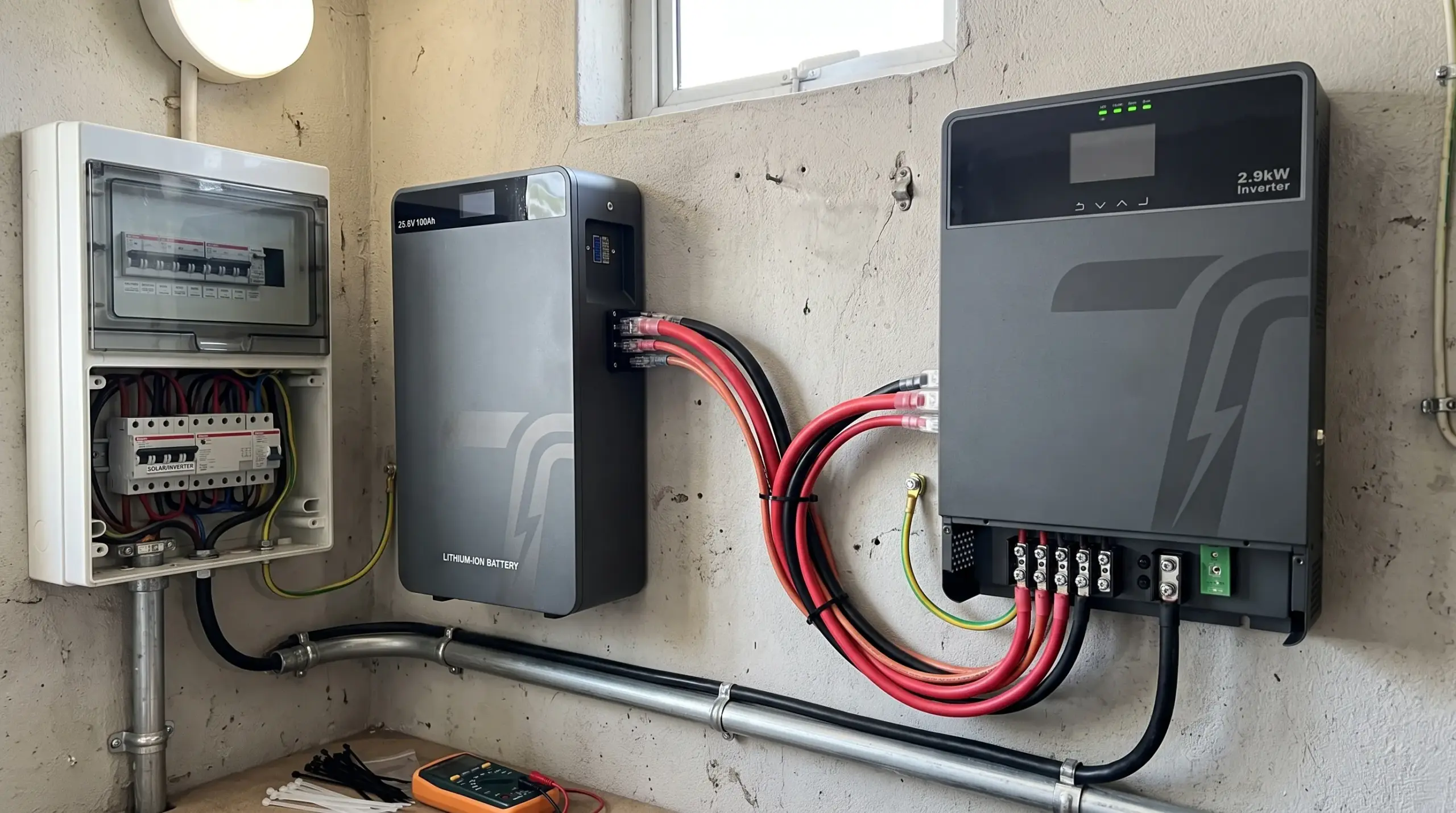
During normal operation, the inverter passes or synchronises with grid power. When the grid fails, its control system detects the event, isolates the grid, and starts supplying the backup circuit from the battery. A 10ms transfer means the protected output may be without power for up to 0.010 seconds during that process.
Many desktop PSUs include DC-link capacitors that bridge a short interruption. Typical hold-up time is around 16-20ms at rated input and full load, although the exact value varies by model and input condition. If the PSU can maintain its DC output for longer than the inverter’s transfer interval, the computer will continue operating normally.
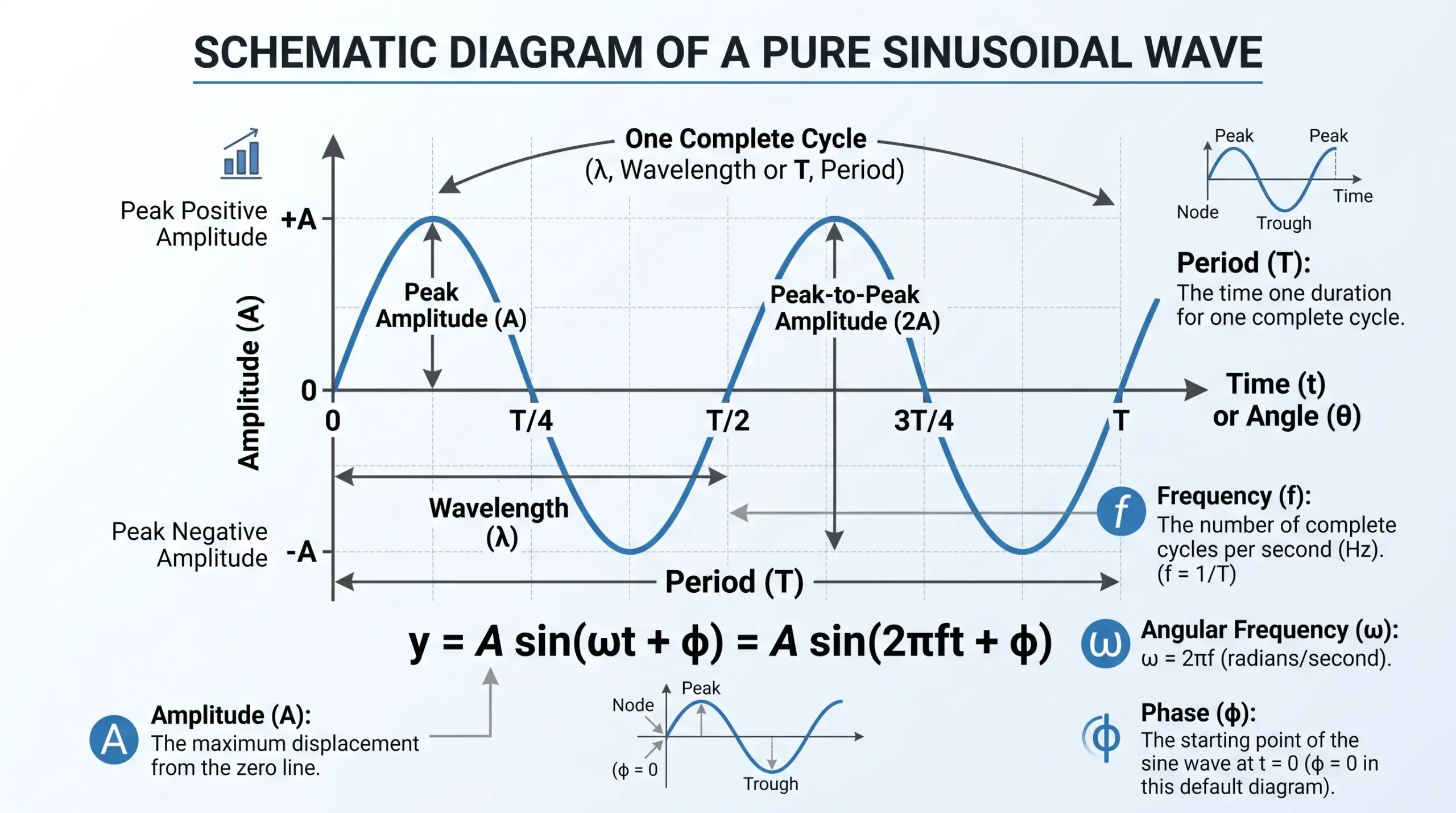
The inverter should also produce a stable onda sinusoidal pura. A 230V system should hold close to 230V AC at 50Hz, while a 120V system should hold close to 120V AC at 60Hz. Check total harmonic distortion, output regulation, and overload capability rather than relying on the transfer-time number alone.
The specifications that decide the result
For a computer workstation, gaming PC, network cabinet, or small server, review these four values:
- Transfer time: 10ms is normally suitable for computers, but online double-conversion UPS systems provide zero transfer time when the application cannot tolerate even a short gap.
- Continuous output: Add the computer, monitor, speakers, and networking equipment. A 500W workstation may need a 1,000W inverter if other backup loads share the circuit.
- Capacidad de sobrecarga: A desktop PSU can draw a short inrush current when it starts. Look for at least 150% of rated inverter power for several seconds, subject to the manufacturer’s test conditions.
- Battery and BMS response: A 51.2V LiFePO4 pack with a BMS that supports 100A continuous discharge can provide about 5.12kW in theory. Cable losses, temperature, state of charge, and inverter efficiency reduce the usable figure.
At 25C, a quality LFP battery may deliver 4,000-6,000 cycles at 80% depth of discharge, but cycle life does not determine whether a computer survives the transfer. The control response and AC output quality matter more for this specific question.
Configuration comparison
| Backup configuration | Typical transfer behaviour | Uso adecuado | Limitación principal |
|---|---|---|---|
| 10ms hybrid inverter with LFP battery | Up to 10ms | Desktop PCs, monitors, routers, home offices | Some sensitive PSUs may reboot |
| 20ms basic backup inverter | Up to 20ms | Routers, lights, displays, non-critical electronics | Greater risk of computer restart |
| Online double-conversion UPS | 0ms at the load | Servers, medical or control equipment, critical workstations | Higher cost, heat, and standby consumption |
On narrow screens, scroll within the table region to compare all columns.
Four common pitfalls
Treating 10ms as a universal guarantee. Ask for the inverter’s measured transfer curve and the PSU’s hold-up-time specification. Marketing values may describe a best-case condition.
Connecting the computer to a motor load. Pumps, refrigerators, and compressors can create voltage dips during startup. Put sensitive electronics on a dedicated backup circuit.
Ignoring neutral switching and grounding. The backup output must follow local electrical rules and the computer manufacturer’s requirements. An incorrect neutral arrangement can cause nuisance trips or unsafe operation.
Testing only with a phone charger. Test the actual computer at idle and under load. Run a controlled grid-loss test after installation and confirm that the PC does not reboot, show display errors, or lose network connectivity.
OEM and ODM considerations
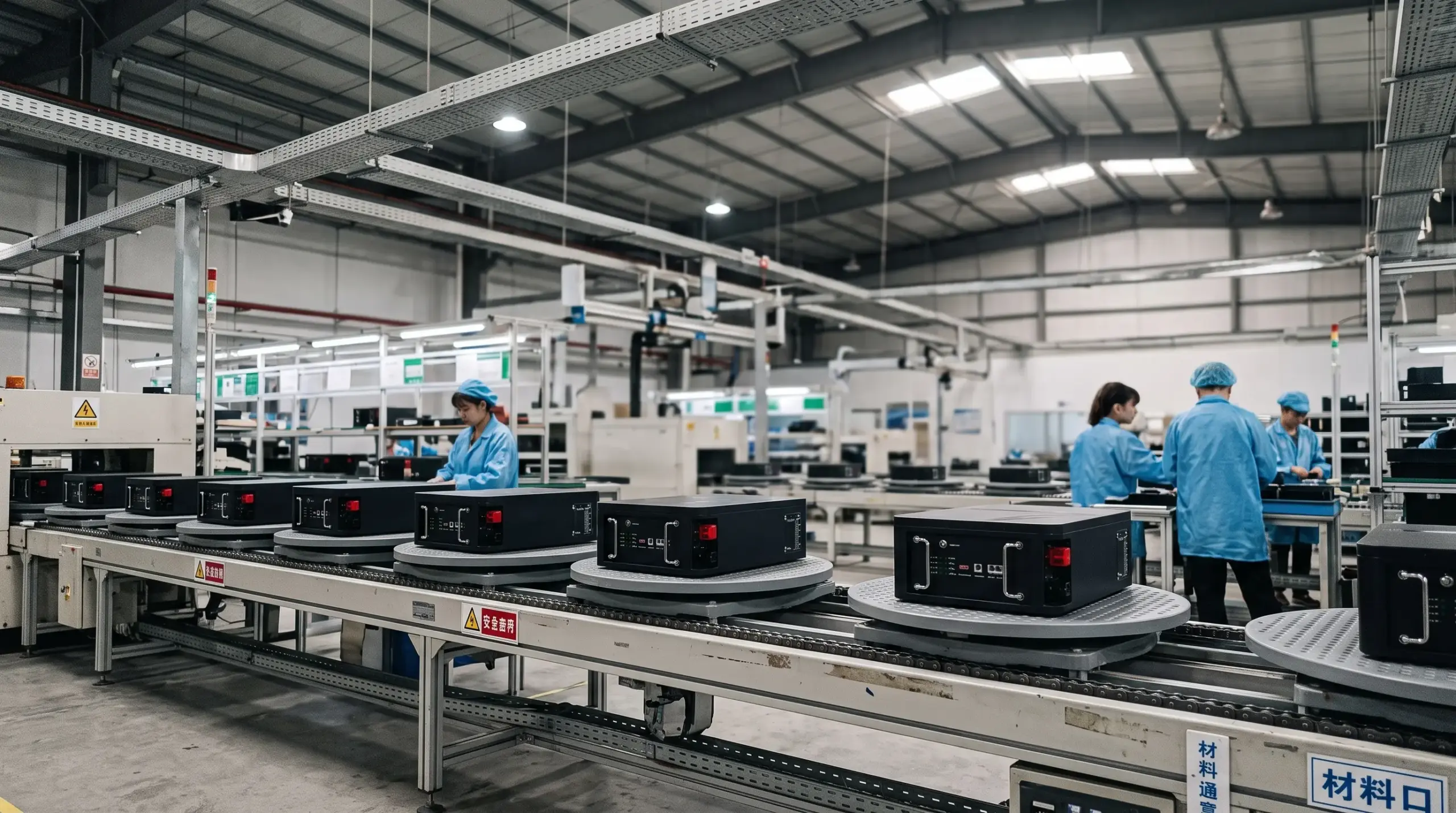
For an OEM or ODM energy storage product, the practical requirement is often more specific than “10ms backup.” A distributor may need a 10ms or faster EPS mode, a 5kW pure sine output, adjustable overload protection, and CAN or RS485 communication with a 51.2V LFP battery.
Ask the manufacturer to document transfer time at 25°C and at low battery voltage, the supported PSU load range, waveform THD, and the test method. Firmware tuning, connector selection, local-language labels, and a dedicated critical-load output can be agreed during the sample stage. These details reduce field returns far more effectively than a shorter headline number.
Frequently asked questions
cURL Too many subrequests by single Worker invocation. To configure this limit, refer to https://developers.cloudflare.com/workers/wrangler/configuration/#limits
A 10ms on-grid to off-grid transfer will keep most computers running, provided the computer’s PSU can bridge the gap and the inverter has clean, stable output with enough power reserve. It should not be described as zero interruption. For servers or equipment that cannot restart, specify an online UPS or a system with verified zero-transfer performance.
Send the computer’s PSU rating, total backup load, system voltage, and required runtime to an Proveedor OEM. A competent manufacturer can return a preliminary inverter, battery, and critical-load BOM based on those figures rather than quoting transfer time alone.