 Bahasa Melayu
  English
  العربية
  日本語
日本語  한국어
한국어  Tiếng Việt
  ไทย
ไทย  فارسی
فارسی  Bahasa Indonesia
  ဗမာစာ
ဗမာစာ  简体中文
简体中文  香港中文
香港中文  繁體中文
繁體中文  Русский
  Deutsch
  Nederlands
  Italiano
  Français
  Español
  Português
  Afrikaans
  Azərbaycan dili
  Български
  ਪੰਜਾਬੀ
  हिन्दी
  اردو
اردو  বাংলা
বাংলা  Հայերեն
  Íslenska
  Қазақ тілі
  नेपाली
  Српски језик
  Kiswahili
  తెలుగు
  Basa Jawa
  தமிழ்
தமிழ்  मराठी
मराठी A sample battery works well, but the first bulk shipment arrives with inconsistent firmware or delayed delivery. For a distributor or brand owner, that gap matters more than how many years the manufacturer has been in business.
To assess production experience, look for evidence that the factory can repeatedly build, test, and deliver products similar to yours. Focus on relevant projects, process control, batch consistency, and how the team handles problems after shipment.
01 / Product evidenceStart With Relevant Products and Test Records
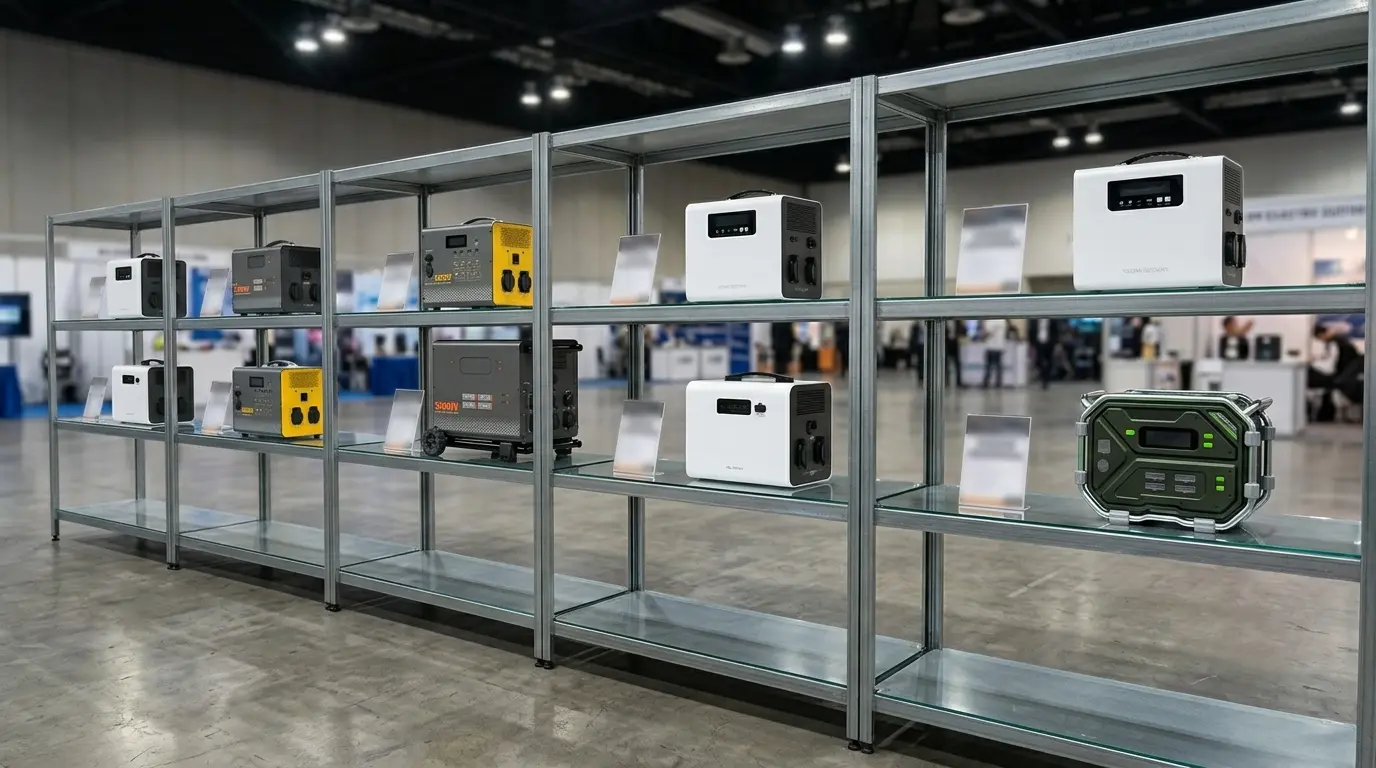
Experience with small portable power stations doesn’t automatically translate into experience with residential battery systems. Ask which products the factory has actually manufactured, in what quantities, and for how long. Anonymized order records and batch reports can support its answers without exposing customer details. A factory walkthrough can help you verify the production lines and product scope behind those records.
Then examine one specification closely. For example, a 16-series LFP battery has a nominal voltage of 51.2 V. With a 100 Ah capacity, it stores approximately 5.12 kWh; a 0.5C discharge corresponds to 50 A. These figures describe an example configuration, not proof of quality.
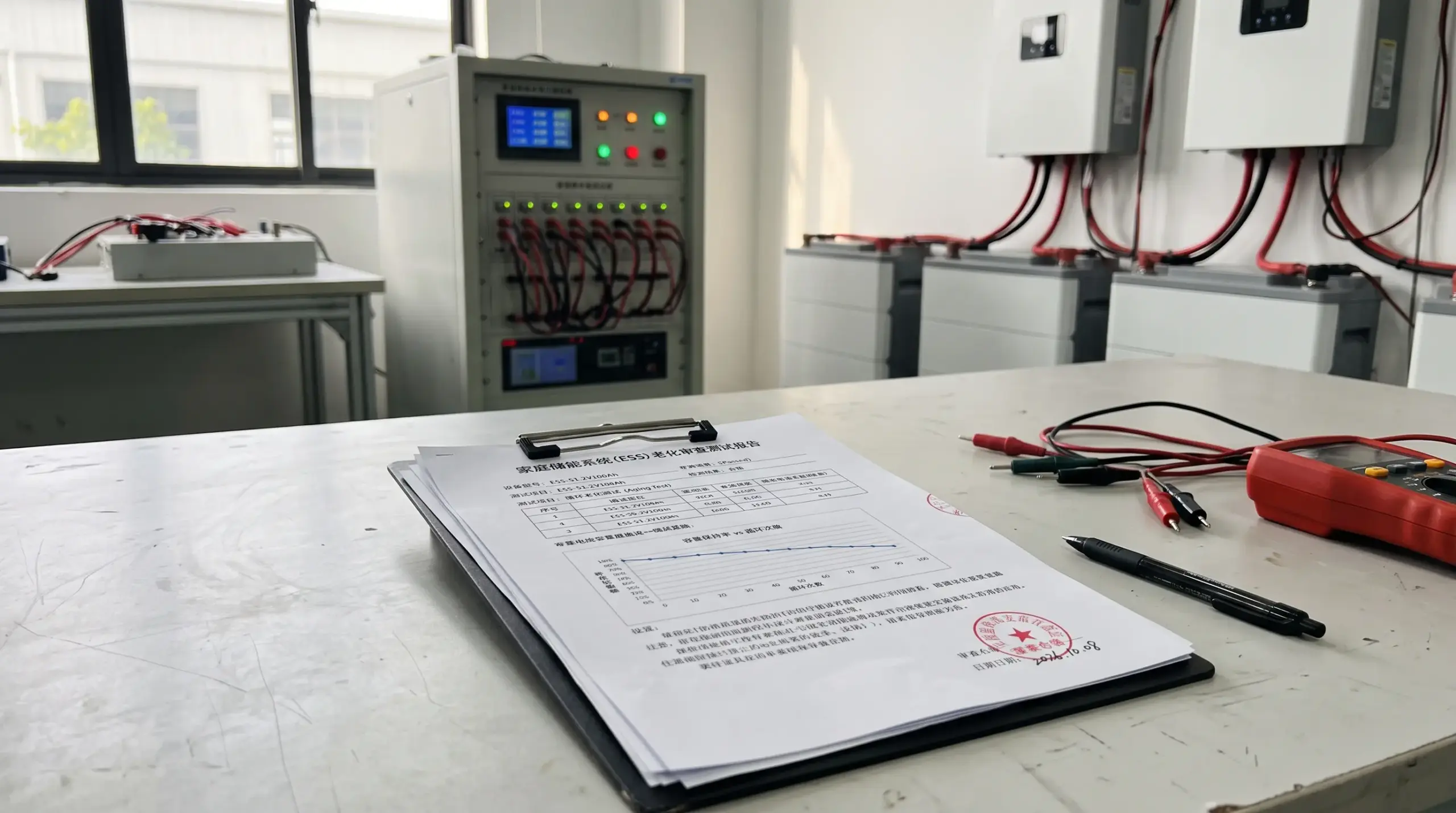
Ask for capacity-test results under stated conditions, including temperature and cutoff settings. Check whether the BMS current limits match the cells, wiring, and thermal design. For outdoor products, request enclosure test evidence for the claimed IP rating. An experienced team should explain these choices, not simply repeat the datasheet. Compare the records with the supplier’s documented quality-control and battery testing process.
01
02 / Change controlCheck How the Factory Controls Customization
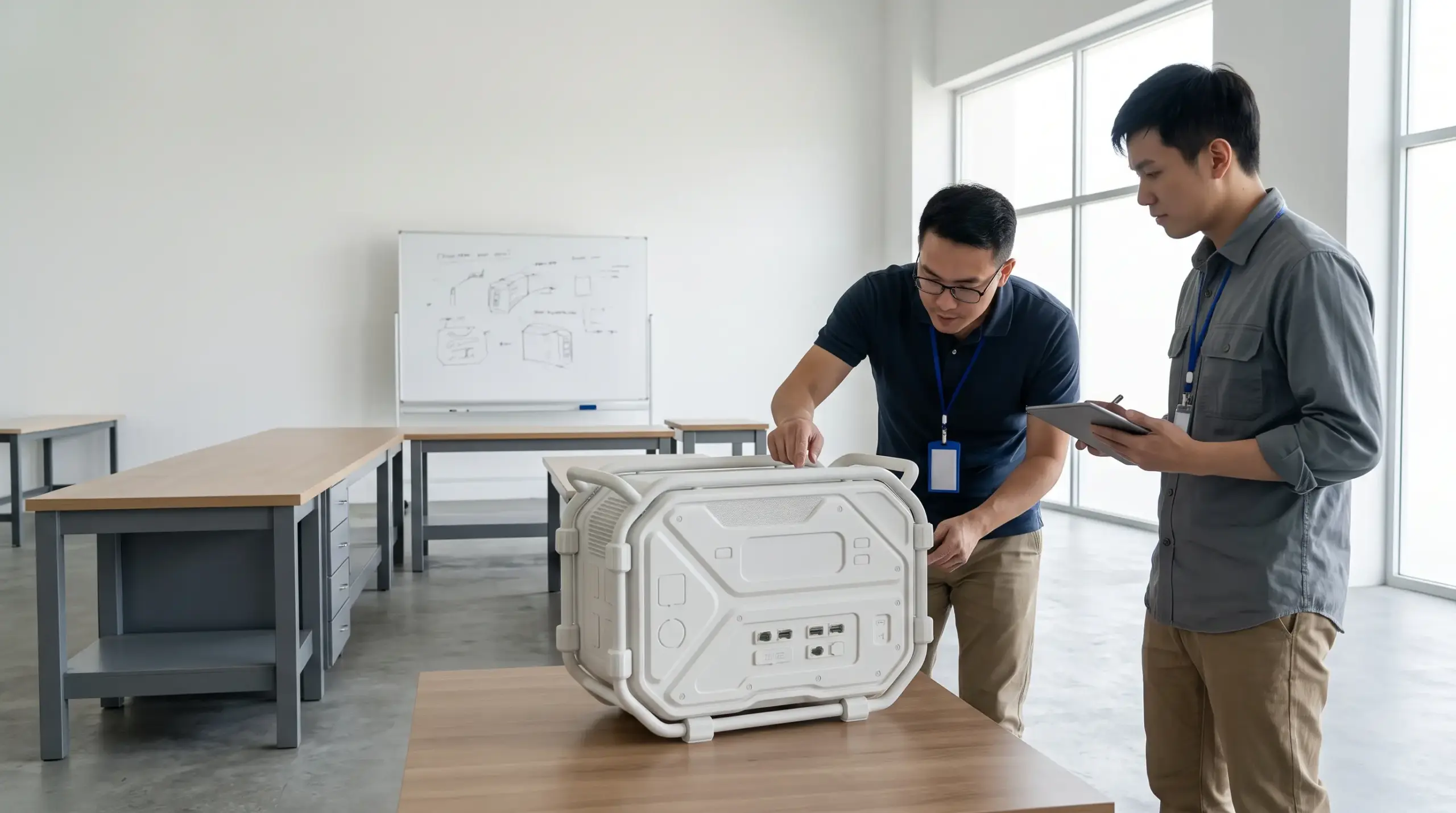
OEM and ODM experience becomes visible when a customer requests changes. New labels are straightforward; connector variants, CAN or RS485 communication changes, and firmware tuning require controlled documentation and verification. Review the supplier’s OEM and ODM customization workflow to understand its stated engineering and production scope.
Ask how the factory approves a revised bill of materials, identifies firmware versions, and ensures bulk units match the approved sample. Confirm minimum order quantities and sample lead times for your actual changes. A useful answer explains which requests need engineering work and how that affects delivery. For communication protocols and firmware ownership, review the manufacturer’s battery and BMS R&D capabilities.
02
03 / Application fitMatch the Evidence to Your Project
| Product type | Relevant production experience | Evidence to request |
|---|---|---|
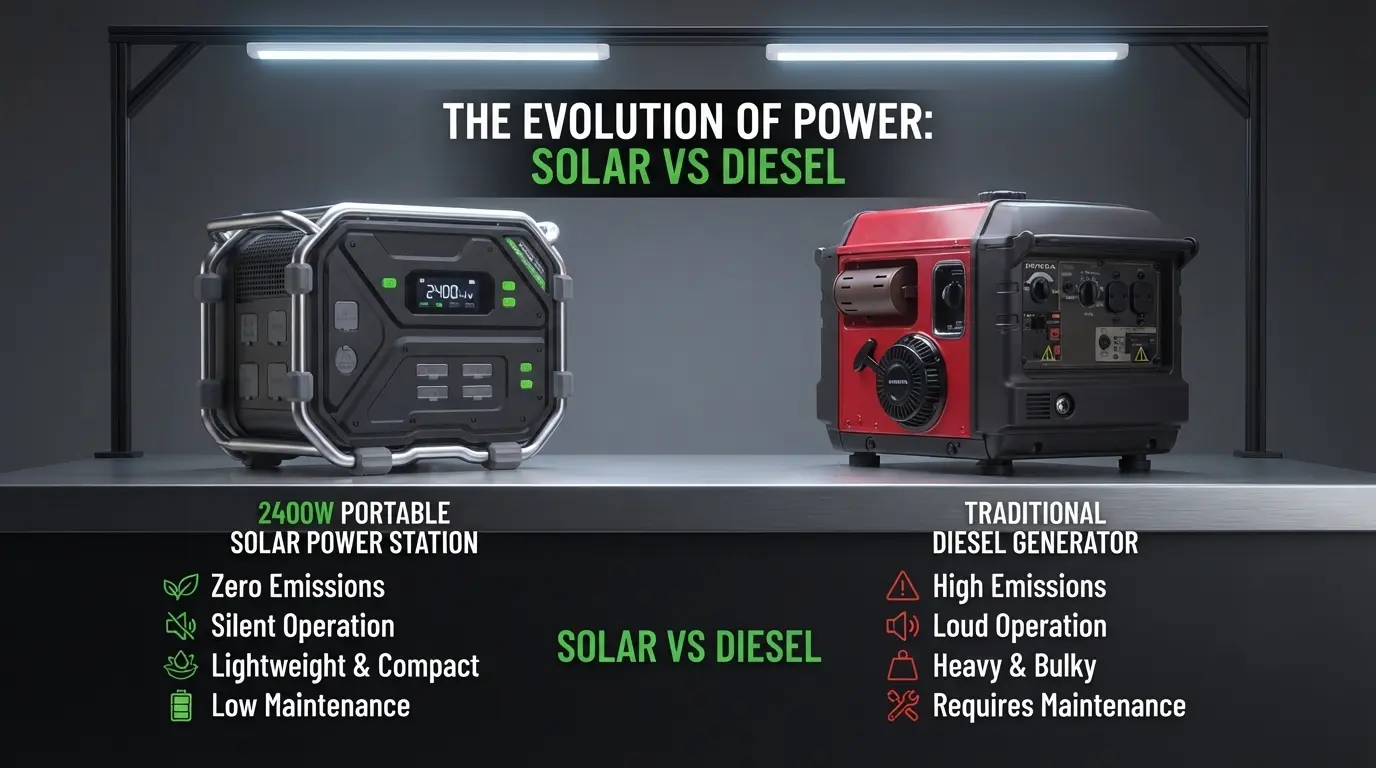
| Stesen janakuasa mudah alih | Battery, inverter, and charger integration | Output-load tests, thermal results, and final inspection records |
| Residential LFP battery | Pack assembly and inverter communication | Capacity reports, connection-quality checks, and compatibility logs |
| Outdoor storage cabinet | Multi-pack integration and environmental protection | Protection tests, thermal validation, and enclosure test reports |
Across all three, ask how serial numbers connect finished units to cell lots, test results, and component revisions. Review recent delivery records alongside production capacity claims. Installed equipment alone doesn’t show what the factory can ship consistently. Ask to see how its traceability and final inspection controls connect each finished unit to its test history.
When checking experience with comparable configurations, review documented energy storage OEM/ODM project cases alongside redacted production and delivery records.
For a deeper look at supplier identity and responsibility, see how to tell whether an energy storage supplier is a factory or a trading company.
04 / Risk signalsAvoid Four Common Assessment Mistakes
- Counting years instead of relevant batches. Ask about repeat orders for comparable products, not just the company’s founding date.
- Treating a good sample as batch proof. Review results from multiple production batches and ask how the factory manages failed units.
- Using certificates as a substitute for process evidence. Check their model coverage and applicability. UN 38.3 transport testing, for example, doesn’t establish everyday manufacturing consistency.
- Ignoring field failures. Request an anonymized case showing the fault, root cause, corrective action, and follow-up checks.
Quick answersSoalan Lazim
Does a newer factory always have less experience?
No. Its engineers may have substantial relevant experience. Check the team’s background, but verify that the current factory has working processes and actual production records too.
What if customer references are confidential?
Ask for redacted batch reports, delivery records, or a factory audit. Confidentiality needn’t prevent the manufacturer from demonstrating how it works.