 हिन्दी
  English
  العربية
  日本語
日本語  한국어
한국어  Tiếng Việt
  ไทย
ไทย  Bahasa Melayu
  فارسی
فارسی  Bahasa Indonesia
  ဗမာစာ
ဗမာစာ  简体中文
简体中文  香港中文
香港中文  繁體中文
繁體中文  Русский
  Deutsch
  Nederlands
  Italiano
  Français
  Español
  Português
  Afrikaans
  Azərbaycan dili
  Български
  ਪੰਜਾਬੀ
  اردو
اردو  বাংলা
বাংলা  Հայերեն
  Íslenska
  Қазақ тілі
  नेपाली
  Српски језик
  Kiswahili
  తెలుగు
  Basa Jawa
  தமிழ்
தமிழ்  मराठी
मराठी A battery can match your brand colors and still create problems on the installation wall. A slimmer enclosure, for example, may leave less room for cable bends or heat dissipation. That is why appearance customization needs a clear boundary between cosmetic changes and mechanical redesign.
For distributors and home-storage brands, the usual OEM options include enclosure color, surface finish, logos, labels, and front-panel styling. Dimensions, display placement, and connector locations may also change, but they need engineering review. Here is what each option involves.
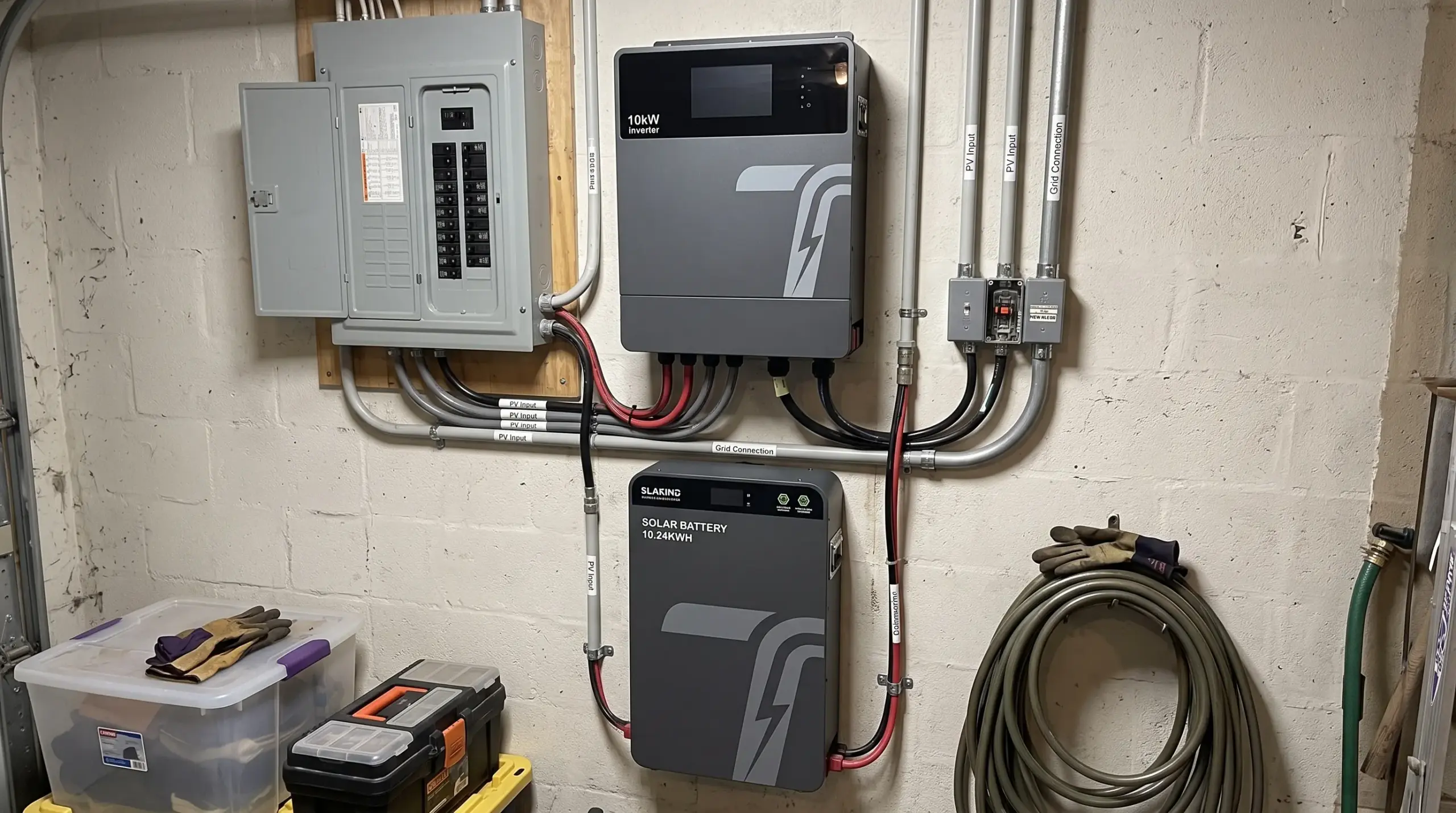
Wall-mounted enclosure
Concept illustration only. Geometry and placement require engineering review.
What the Enclosure Must Accommodate
Consider a typical lithium iron phosphate (LFP) design with 16 cells in series. At 3.2V nominal per cell, the pack operates at 51.2V; a 100Ah configuration stores 5.12kWh nominally. These figures illustrate a common platform, not a specification for every battery marketed as 5kWh.
The enclosure must accommodate those cells, their restraints, power connections, and the battery management system (BMS). A centralized BMS with passive balancing is one common arrangement. If the design uses passive cooling, changing enclosure depth or ventilation can affect heat dissipation. Likewise, an IP rating belongs to the tested enclosure assembly, including seals and cable entries, not simply to its metal shell.
Which OEM Appearance Options Are Practical
के लिए OEM or ODM orders, ask the supplier to quote cosmetic changes separately from structural work. Minimum order quantities and sample lead times depend on the existing platform, coating batch, tooling, and validation scope; there is no universal figure.

Comparing Three Customization Routes
Compare the scope. On smaller screens, scroll horizontally to see every column.
| Route | Typical changes | क्या सत्यापित करना है |
|---|---|---|
| Branding only | Logo, labels, printed graphics | Artwork, durability, mandatory markings |
| Surface and panel updates | Color, texture, compatible faceplate | Finish sample, display visibility, thermal impact |
| Mechanical redesign | Dimensions, brackets, port locations | Mounting strength, clearances, sealing, testing scope |
चार सामान्य दोष
- Requesting a thinner case without checking internal clearance. Review the cell layout, cable bends, and service access before approving dimensions.
- Covering ventilation with branding or trim. Keep the original cooling path unless the revised design passes thermal checks.
- Moving connectors based only on appearance. Confirm cable access, terminal protection, communication pinouts, and inverter compatibility.
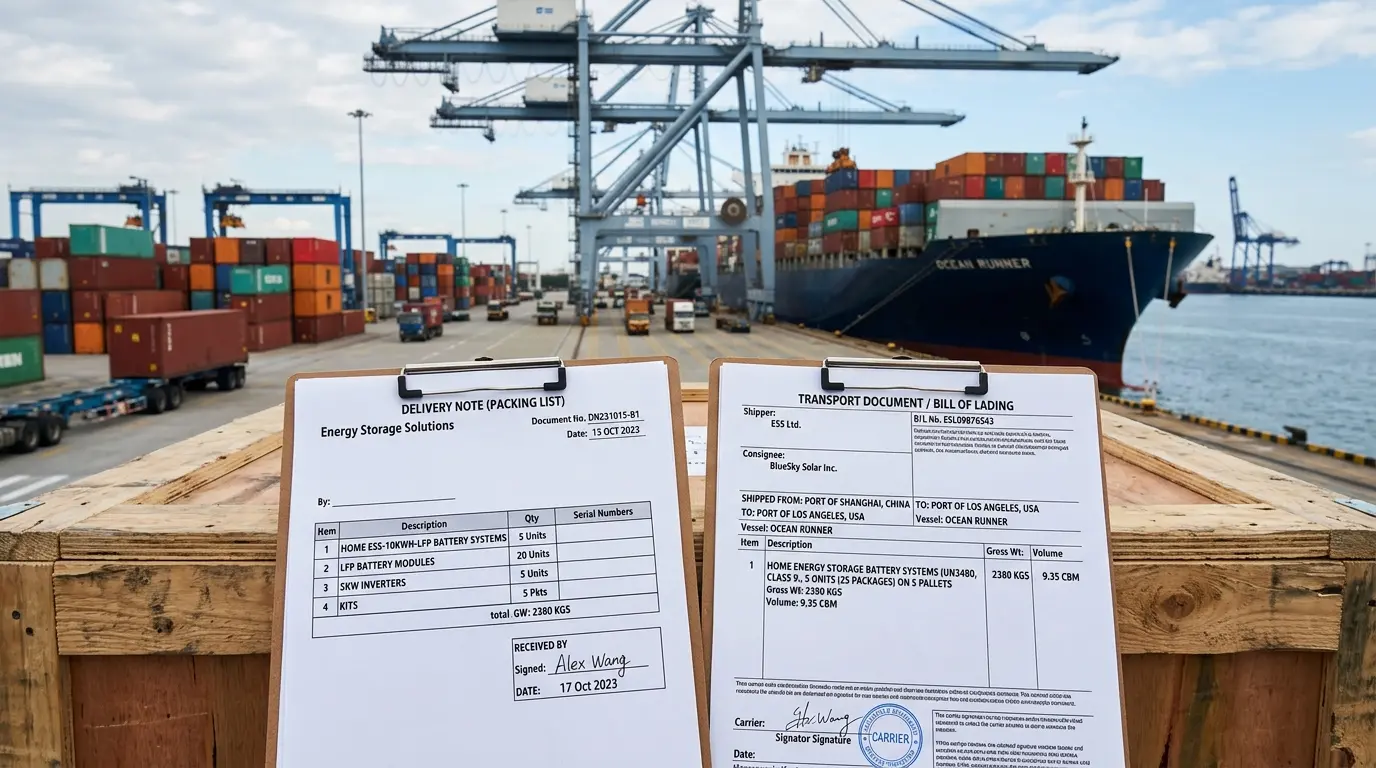
- Assuming existing approvals cover every redesign. Have the supplier assess whether enclosure changes affect IP testing, product certification, or transport documentation.

अक्सर पूछे जाने वाले प्रश्नों
Can we change only the color and logo?
Usually, yes, if the supplier offers these options on its existing platform. This generally involves less engineering work than changing the enclosure. Confirm the finish and branding on a sample before production.
Can a customized battery keep the same IP rating?
Possibly, but do not assume it will. Changes to seams, openings, displays, or connector covers require a sealing review and may require repeat testing.
What should we send with an appearance customization request?
Provide vector logo artwork, a color reference, target dimensions, preferred display and connector positions, and expected order quantity. Include the installation environment so the supplier can assess cooling and protection requirements.
Most brand differentiation starts with color, finish, and front-panel graphics. Treat changes to dimensions or port locations as engineering work. Share your appearance brief and request an annotated enclosure drawing, a physical finish sample, and a list of required validation steps before approving the OEM design.